Roses

Growing roses indoors is a fun way to enjoy this popular plant all year long, no matter what the weather is like outside. Rose enthusiasts, known as rosarians, are finding new ways to bring their favorite colorful flowers into the home. Winter is the perfect time to start your indoor rose garden because plants are dormant and bare root plants are available everywhere. If you’re interested in bringing these beautiful blooms into your home this winter, read on for some tips for getting started.
 
Choosing the Right Rose Varieties
 
Traditionally, rosarians have turned to miniature roses for indoor use. Today however, almost any rose variety can thrive inside, as long as it is suited to the conditions you can provide. Most rose plants can be grown in a sunny corner or window area but several species work well with artificial light. Miniature roses require the highest amount of light, so choose these only if you have lots of sunshine or grow lights. Otherwise, select a species that can thrive in partial shade. If you can provide some form of trellis, climbing varieties can make a dramatic indoor presentation. Miniature climbing species can be grouped together in larger containers for a tapestry of living color.
 
Getting Started with Indoor Roses
 
Plant your indoor rose garden in January or February, when plants are dormant. Select a deep container approximately as wide as the plant’s canopy will be and that provides good drainage. Use a soil mix that contains the nutrients and drainage material appropriate for the species you have selected. Most potting soil mixes will work as long as they have a neutral pH, but some experts prefer to use a peat soil for its drainage. If you use regular potting soil, add in about one third the volume of perlite or vermiculite to ensure good soil porosity. South-facing light is best but you can locate your plants anywhere in the house that provides six to eight hours a day of sunlight and plenty of air circulation. Unless your home normally has a high level of humidity, place the pot in a tray of pebbles. This will provide the recommended humidity level for healthy growth. Ideal temperatures at night should not drop below the mid-60s, with stay in the 70s during the day.
 
Keeping Indoor Roses Healthy
 
Water your roses daily or every other day, depending on how much your soil holds water, and always keep a small amount of water in the pot’s drip tray. Fertilize monthly with a water-soluble variety designed for use with roses. Use pruning shears or sharp scissors to remove blooms as soon as they fade, to keep new flowers coming. Prune any dead branches and those that intersect others. Repot your indoor roses once a year to renew soil nutrients. If you notice yellow leaves, this typically indicates a lack of sunlight, humidity or insufficient watering.
 
In the Salt Lake City area, Millcreek Gardens loves helping rose enthusiasts with their gardening needs. Their friendly, experienced staff can guide you in the right direction with plant selection and they have all the products and accessories you need. Bring some living color to your home this year. Let Millcreek Gardens help you with growing roses indoors and out.

Wildlife Habitat

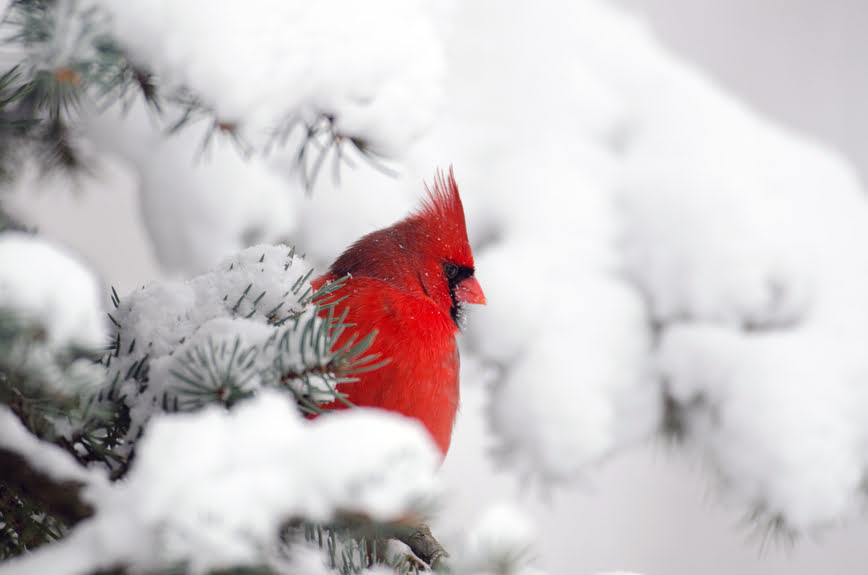
A winter garden is the perfect environment to create a wildlife habitat. Winter is the time to reflect and plan for the year ahead, as you watch the birds busily collecting food against the peaceful backdrop of a snowy landscape. If you and your family delight in bird watching, why not focus on plantings that will attract more birds and wildlife to your property? Here are some great ideas for creating your very own winter wildlife habitat.
 
Start with the Basics
 
Adding handcrafted feeders, nesting boxes and birdhouses will increase the number of birds visiting your yard and provide many hours of birdwatching for you and your family. But more importantly, plants are the key to attracting wildlife because they provide good nesting sites, winter shelter, hiding places and natural food supplies. Planting a variety of trees, shrubs and flowers is a wonderful way to increase the number of bird and wildlife species that visit your backyard habitat during the winter season.
 
Choose Region-Specific Plant Materials
 
Landscaping to beautify your home and increase its value is important; however, many plants native to Utah are both beautiful and attractive to birds and other wildlife. Native plants supply year-round food, a nesting habitat and shelter from harsh weather. Some great examples include serviceberry, golden currant, Douglas hawthorn and mountain snowberry, all varieties that produce fruit in the winter and appeal to many bird and animal species. Keep in mind, however, that different types of plants offer different benefits to local wildlife.
 
If We Could Talk to the Animals
 
Before planting, consider which vegetation will achieve your winter garden goals. Does
it provide dense cover for shelter? Fruit, flowers and seeds for nourishment? Or areas of tangles and branches for nesting? One important step to attracting wildlife to your winter landscape is to diversify your plantings, creating a beautiful and beneficial mix of species. Conifers such as pines, spruces, firs, arborvitae, junipers, cedars and yews are important for winter shelter and also provide sap, buds and seeds. Winter fruiting plants such as chokecherry, crabapple and snowberry bear fruit that remain attached to the plants long after they first ripen. Nut and acorn plants such as oaks, hickories, buckeyes and chestnuts are not only a good food source, but also offer an ideal nesting habitat.
 
Create Lasting Family Memories
 
As you select your plantings, make sure to include your family in the process, teaching kids new ways they can benefit local wildlife and the environment. Document your progress with photos and create a scrapbook to commemorate your creation. Try capturing images of your yard from the same spot every season and make a game of spotting wildlife. You can even create a list of birds and animals you’ve seen and research them together with your children.
 
For all your winter garden needs, including helpful advice on which plants are best, check out Millcreek Gardens in Salt Lake City. Their experienced gardening professionals can help you choose all the materials and accessories that will help your family successfully create and enjoy a wildlife habitat for your winter garden.

Dog-Friendly Gardening
 
Do your four-legged friends a favor by making a dog-friendly yard and garden this year. By making your yard a safer place, you will allow your dog to enjoy more time outdoors, playing and keeping you company in the garden. Keep your canine’s natural curiosity at bay by protecting your plants in simple and creative ways. Finally, adding a few basic features for your pet’s comfort is a perfect way to demonstrate just how grateful you are to have him or her in the family.
 
The Dangers of Toxic Plants
 
Many plant species are highly toxic to dogs, causing illness or even death if your pet eats them. Some are obvious and well-known, but others may surprise you. Apple trees, for example, are toxic if dogs, cats or horses eat their stems, leaves or seeds. Lilies, narcissus and amaryllis all contain toxins that are harmful to pets if eaten. The ASPCA has identified more than 700 plants that can harm animals, including aloe vera, begonia, chrysanthemum, ivy and potato. Some dogs will self-monitor, but others will munch on just about anything they find. Avoid planting toxic species, or create safety barriers. Remember that fertilizers, herbicides and other garden chemicals are also toxic, so keep them well out of your pets’ reach as well.
 
Using Barriers and Fencing
 
Good fences make good neighbors, it’s said, and the same holds true for man’s best friend. In fact, the American Kennel Club recommends creating backyard boundaries for your dog using raised beds, low fences, chicken wire cages, stone borders or decorative block partition walls. It’s best to combine vocal commands with fences and barriers to help your dog learn what areas are off-limits. Until you’re certain of Fido’s good behavior, keep an eye on him in the garden to keep him out of trouble.
 
Adding Dog-Friendly Features
 
In exchange for the “No!” areas of your yard and garden, give your furry friends a place of their own. Set aside a portion of the yard that belongs to them, where they can romp and play and answer nature’s call. Make sure their area has a sunny spot as well as a shelter or shade structure where they can cool off and dig to their heart’s content. Give them a high spot (a tree stump or large boulder for example), which will serve both as a lookout perch and a marking spot. You can even add puppy’s own garden, with wheatgrass, tansy and artemisia. For bonus points, add a sand pit and bury some favorite toys in it.
 
Millcreek Gardens has been helping dog-loving gardeners in the Salt Lake City area since 1955. Let their knowledgeable associates help you create the perfect dog-friendly yard and garden.

Green Gardening
 
For gardening enthusiasts, cultivating some New Year’s resolutions for planting is not only enjoyable, but easy to do, too. If you’re tired of the same old New Year’s resolutions to lose weight or get organized, why not try making some resolutions this year that you’ll enjoy keeping? The significance of sustainability may be as important in gardening as anywhere else, and there are many ways to incorporate environmental considerations into your garden. Adopting a more regionalized approach to planting and integrating more food into your growing repertoire round out these gardener’s resolutions.
 
Resolve to Go Green in 2015
 
Although growing things is a seemingly natural process, there are many ways to make your garden more eco-friendly. This year, resolve to get at least some of the chemicals out of yours. Instead of using a weed killer or herbicide, mix up your own from white vinegar or ground orange rind. Discover more natural ways to manage garden pests. And instead of applying chemical fertilizers that help grow showier plants but do nothing to improve the soil, make this the year you start your compost pile. Composting is a major component of sustainable gardening, allowing you to create healthy soil while reducing your contribution to the landfill.
 
Resolve to Regionalize Your Gardening
 
A growing movement on the horizon, known as beneficial landscaping, seeks to reduce the harmful affect people have on the earth. When you select native plant species for your garden, you reduce the garden’s water consumption, encourage the natural ecosystem of your area, preserve heirloom plant species and provide protection and shelter for local wildlife. Native plants require less care and fewer chemicals too, giving you more time to enjoy your garden.
 
Resolve to Grow More Food
 
It’s the food you grow yourself that most nourishes your soul, but there are many more reasons to grow edible plants in your garden this year. The cost of home-grown fruits and vegetables is negligible, especially compared to store-bought organic products. Knowing the source of your food (and having that source be your own back yard) gives you greater peace of mind. But perhaps the most important reason for increasing your edible harvest is what it teaches your children. Kids develop a love for eating right when you involve them in the process of growing food. They learn skills they can use to feed themselves and nourish their own family one day. And, in the process, your family gets to spend a lot of enjoyable time together in the garden.
 
In the Salt Lake City area, Millcreek Gardens supports your 2015 gardening goals, whatever they may be. Stop by and see how they can help you keep your gardener’s New Year’s resolutions this year.

Seedling

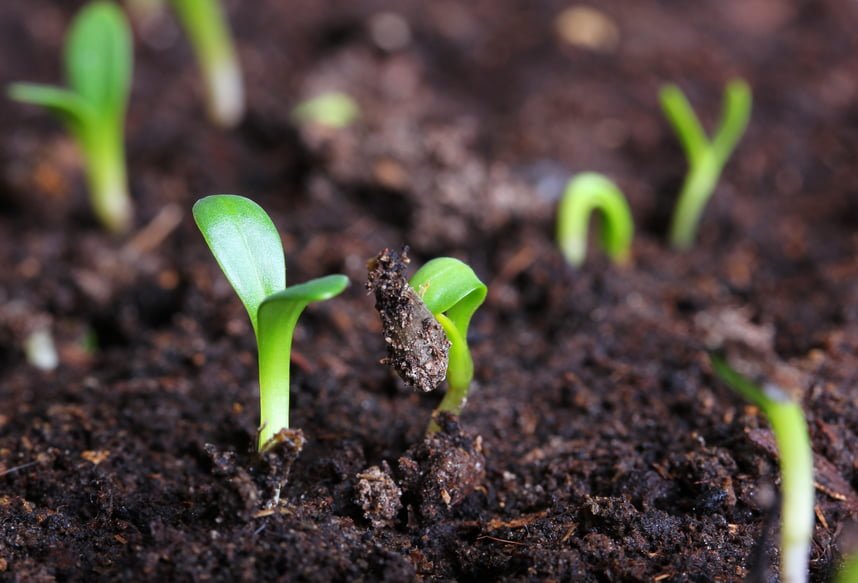
Starting seeds indoors during the winter is a great way for gardening enthusiasts to keep their sanity during the winter. It is also a perfect means for getting a jump start on the spring growing season. Seeds cost significantly less than seedlings and offer a much greater variety. Besides, what gardener wouldn’t enjoy spending a chilly afternoon browsing seed catalogs and dreaming about springtime? Here is a step-by-step tutorial for getting started.
 
Selecting and Buying Seeds
 
Many sources for seeds today are just a mouse click away, but many gardeners prefer to obtain their seeds from a local garden center or seed exchange. These sources will offer the varieties that are most appropriate for your climate and growing zone. Don’t purchase many more than you can use, though, because even if you can use them successfully next year, seeds do not remain viable much longer than a year or two. Plan to use two or three seeds per individual container. Store your leftover seeds (in resealable freezer storage bags) in the refrigerator or other cool location. Your seed packets should suggest a planting schedule, but most recommend planting one to three months prior to the average date of the last frost, depending on the plant species.
 
Choosing the Right Container and Growing Medium
 
Experts recommend using cell flats for sprouting seeds. These plastic sheets of individual containers (“cells”) are ideal because they provide a foolproof way to sprout multiple seedlings in a single container. You can also use small individual pots or commercially available sprouting discs or peat cups. Select a growing medium specifically designed for starting seeds, rather than potting soil. These typically consist of peat and perlite or vermiculite. Many garden centers sell complete seed-starting kits that will provide everything you need, except the seeds of course. Follow the directions for your seed medium, but generally you wet the medium thoroughly (not to the point of being waterlogged), make a tiny depression in the center of each cell, drop the seeds in and cover to a depth of three times the seed’s thickness. In other words, do not plant the seeds deeply. Finally, mist the tops with water. Be sure to label your containers because eight weeks from now you may be hard-pressed to remember what was what.
 
Caring for Your Seedlings
 
Place the containers in a warm location where they will not be disturbed. You can try to find a place with natural light, but many experts recommend using a fluorescent lighting source with “cool white” bulbs (less expensive than grow lights). Mist the tops lightly on a regular basis, never letting the grow medium become too dry or too wet. Although not strictly necessary, you may want to apply fertilizer mixed to one-quarter strength once a week after the seeds have sprouted.
 
Onions, leeks and chives need the largest head start (12-14 weeks), so you may want to start some seeds as early as mid-January. Visit your local garden center for all your supplies and a healthy dose of good advice on starting seeds indoors this year.

Cold Frame GardeningCold frames are a practical and effective way to continue gardening throughout the harsh Utah winter. Cold frame gardening has been a secret of sorts, used for decades by commercial growers, but is quickly becoming a favorite of home gardeners across the country. This technique offers many significant benefits, especially compared to indoor growing techniques. Building your own cold frame garden is simple and fun and will allow you and your family to enjoy your garden all year long.

 
What is Cold Frame Gardening
 
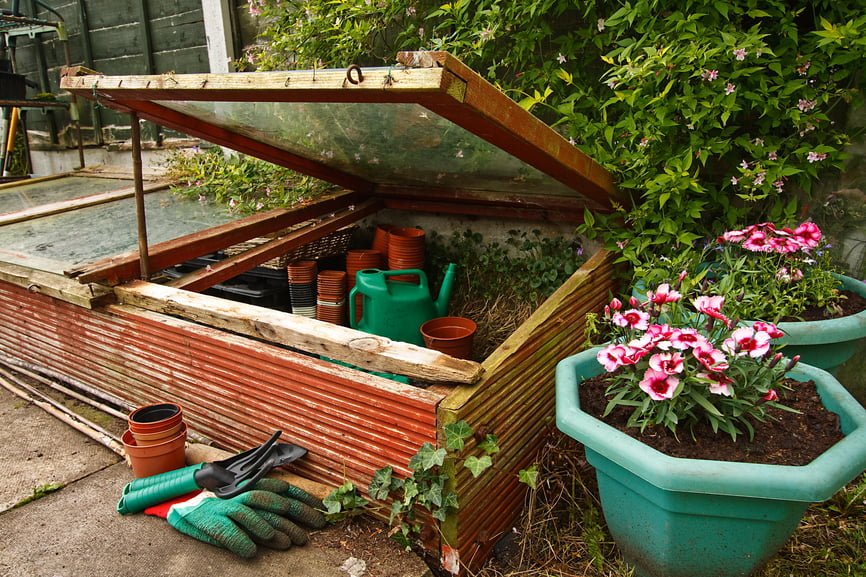
Technically a cold frame is any enclosed box or structure built close to the ground with a transparent cover or roof. They differ from greenhouse only in that a greenhouse is heated whereas a cold frame is not. It can be made entirely of glass, Plexiglas or other clear material, or from a combination of wood, brick, block or metal with a clear top. These structures create a microclimate that insulates and shelters plants from harsh weather while taking advantage of the sun’s warmth. Use cold frames to extend your fall harvest, to get a jump on spring planting and to grow cold-hardy plants outdoors all winter long.
 
How to Build a Cold Frame
 
You can purchase kits online and from local garden centers but many gardeners enjoy building their own cold frame systems. Use wood to build a frame one to two feet high, then attach old windows or shower doors to the top using hinges. Use pavers or bricks as a base, to prevent wood rot and other problems that can occur from soil-to-wood contact. Build your frames so that they slope slightly from top to bottom and orient them toward the south, so that they take best advantage of the sun’s winter angle. For best results, choose a location that has good drainage. You can add heating cables or grow lights to expand the types of plants you grow and even build special bulb frames to enjoy colorful flowers all year. Ideal frame size is between 2’ x 4’ and 3’ by 6’. Any smaller and it won’t hold much; any larger and you begin to lose insulating properties.
 
Plants that Work Well in Cold Frames
 
Some gardeners like to grow spinach, arugula and other lettuce varieties in their winter frames. Kale, chard, cabbage and Chinese cabbage all do well in these conditions. Beets and green onions are said to be even more flavorful when grown in colder conditions. Finally, mustard, radish and broccoli are good choices for your first cold frame system, as these varieties are particularly hardy. For flowering options, choose any bulb that would normally withstand the winter in the ground. This could include amaryllis, iris, hyacinth and tulip. Lilies are one type to avoid however, due to their fragile nature.
 
Many gardeners have made cold frames a permanent part of their growing practices. In the Salt Lake area, Millcreek Gardens offers a variety of supplies to support your garden throughout the year. Talk with their experienced staff for suggestions and advice that will help you get your cold frames up and growing this winter.

Ward Off Cold and Flu

Growing therapeutic plants can not only provide the enrichment and joy that comes from regular gardening, their harvest can actually keep you and your family healthier this winter. Between the cold weather and the busy, stressful holiday season, your resistance drops and you become an easy target for whatever strain of flu or collection of germs is lurking. Feel better this winter and all year long with these ideas for growing a therapeutic garden.
 
Therapeutic Fruits and Vegetables
 
Citrus fruits of all types offer health benefits thanks to their antioxidant and vitamin-rich nature, but lemons are particularly beneficial. They aid the digestive system, flush toxins from the body and boost the immune system. Garlic is the equivalent king of the vegetable world, able to work a variety of health-improving magic. Garlic is packed with vitamins C, B6 and Manganese. It has been shown to boost the immune system, reducing the frequency, severity and duration of the common cold. Finally, ginger is not only a powerful antioxidant, it has more than 40 specific pharmacological benefits including antibacterial, antiviral and anti-parasitic properties.
 
Herbal Remedy Gardening
 
Lemon balm has known antiviral properties but it can also relieve stress. Likewise, lavender and rosemary are both antiviral herbs. Rosemary helps minimize sinus congestion. Mint has strong antiviral properties and both thyme and oregano are antiviral as well as antibiotic. Echinacea is well known for its ability to boost the immune system and make your cells more resistant. All of these herbs take well to container gardening and can even be grown indoors throughout the winter in a window box or tabletop planter.
 
Cultivating Therapeutic Teas
 
Tea has been used for its curative properties for centuries and has recently enjoyed a resurgence in popularity among gardeners. Chamomile is easy to grow and good for your health, effective against fevers, colds and digestive ailments. Chinese Camellia, the basis of many oolong, green and black teas, thrives in the same growing conditions as most vegetables. Its tea is a potent antibacterial agent, good also for relieving stress. Herbal tea blends that include ginger, lemon balm, mint and sage are all useful for fighting the common cold and other winter ailments.
 
To keep your therapeutic garden going all winter long, protect your plants in a greenhouse, on your built-in patio or other indoor location. Millcreek Gardens, serving the Salt Lake City area and surrounding communities, carries all the supplies you will need to grow yourself healthy this winter. Their experienced staff can get you set up and growing your therapeutic plants in time for the next wave of cold and flu season.

Vertical Gardening

Small yards are no problem for vertical gardening fans. In fact, the unofficial mantra of vertical gardeners is, “No yard? No problem!” Spatial limitations aside, the appeal of vertical gardening extends well beyond the practical in Northern Utah. Living walls and other vertical designs can improve air quality, soothe a harried atmosphere or add a dramatic design element. You don’t need to be an engineer or handyman to build your own vertical garden. Check out these simple tips and tricks for becoming a vertical gardener yourself.
 
Living Walls
 
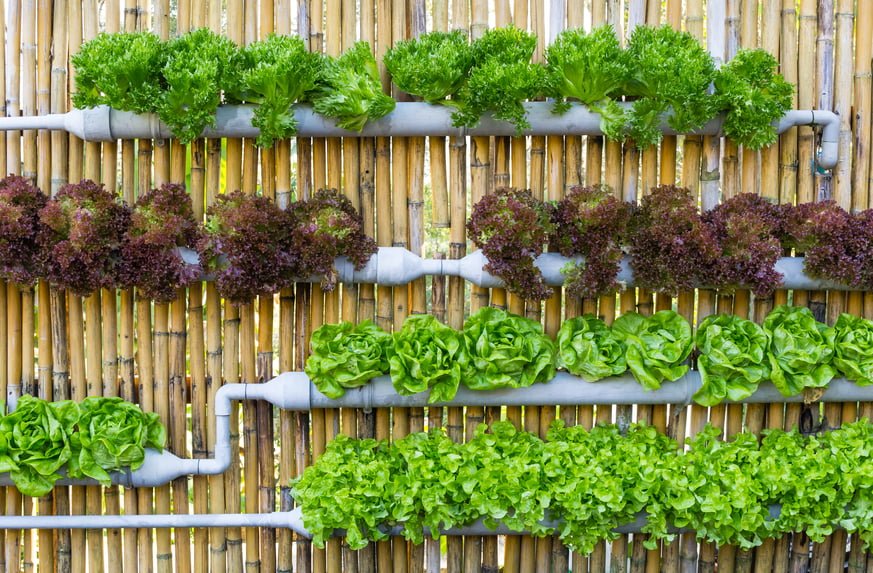
The term “living wall” can be used for a variety of vertical planting applications, both indoors and out. Living or green walls can be built using any existing wall surface, trellis or railing, but freestanding versions are also relatively easy to construct. Although some manufacturers offer prefabricated systems, many vertical gardeners prefer to design and build their own. Living walls can be any size, from tabletop to the side of a barn. Repurpose wood pallets, wall-mount office mail sorter pockets, or simply attach mason jars to a plank of reclaimed wood. Use window screen fabric or wire mesh to hold in plants and soil when necessary. Hundreds of DIY patterns are available online, should you need inspiration or how-to specifics.
 
Vertical Gardening for Fruits and Vegetables
 
Using a vertical planting configuration for fruits and vegetables can dramatically improve both quality and quantity of yield. Vertical vegetable gardeners swear their gardens need less water, less fertilizer and even less work. Perpendicular gardens are significantly more avoidant of disease, pests and weeds. Plants enjoy greater air circulation, less chance of root rot and fewer soil-specific maladies. You can use a traditional trellis; however, wire and netting materials work perfectly for vining plants. For fruits, herbs and non-vining vegetables, select any type of container that appeals to you, as long as it can be hung, attached or suspended above the ground.
 
Combining Vertical and Horizontal Gardens
 
Create amazing visual interest by mixing vertical and horizontal growing surfaces in your garden. This application is perfect if you have a small yard or simply hope to maximize space. Add trellises or other support surfaces to your existing garden. Use them both for vining plants and to hang creative planting containers. Old picture frames or window shutters can work for this purpose, or even cut sections of rain gutters, with caps attached to the ends. Simply drill drainage holes if your container doesn’t already have them.
 
Vertical gardening options are limited only by your imagination. Visit your local garden center for supplies and professional advice on plants, soil and fertilizers. In the Salt Lake City area, Millcreek Gardens has everything you need, including an experienced, professional staff to help with your selections. Let Millcreek Gardens help you get started in the exciting world of vertical gardening today.

Winter Gardenkeeping

Lest you think there’s nothing left to do, our gardening tips for November in Northern Utah may change your mind. You’ve already spread your mulch, done your pruning and planted your bulbs. Now it’s time to take care of those minor “gardenkeeping” tasks that will make your life easier come spring, and to handle a few last-minute jobs before Old Man Winter drops his icy hammer.

Clean Up for the Best Spring Green-Up

Weeds are easier to pull during cold months. You can save yourself time and heartache come springtime if you get rid of them now. Empty any outdoor pots or containers and sterilize them with a bleach-and-water mixture to kill residual mold or bacteria that may be lurking. Clean and store any garden tools that are still out and drain and store garden hoses. Remove any remaining fruit and fallen leaves from fruit trees as well as from the ground, taking care to dispose of these rather than adding them to a compost or brush pile. Shield or cover delicate plants now, or prepare coverings for use later. Mark each covering so you can easily identify its location when the time comes.

Give Some Love to Your Soil

Experts recommend having a soil test done each year in the late fall to detect problems and predict appropriate fertilizer requirements. Based on the outcome, you can apply and incorporate fertilizer now. For accurate soil testing, you will need between five and 10 core samples, which will be combined for an aggregate test. Take cores from a 6-inch depth for turf areas and a 12-inch depth for planting zones. Your local county extension agent or university extension likely offers soil testing and may even loan you the proper core-sampling tool. Utah State University’s analytical lab offers sample kits with instructions and a mailer for sending your samples in. Once the sample is processed, you will be provided with nutrient recommendations and other resources for correcting any diagnosed problems. Cost for a comprehensive soil test is approximately $40.

Winterize Your Garden for Wildlife

During the cold months, local wildlife may struggle to find food, water and shelter. You can make your yard and garden a winter haven for all kinds of critters with minimal effort. Let native plants to go to seed and refrain from cutting them down, allowing birds to enjoy the seeds. Place bird feeders stocked with nutritious suet and sunflower seeds in protected areas, away from wind and predators. Gather leaves, sticks and brush from around your yard and create a pile, providing shelter for small animals, birds and even butterflies. Birds need a reliable water source in the winter, both for drinking and bathing. Heated birdbaths, available today with solar power, are a great item to help your feathered friends get through the winter.

In the Salt Lake City area, Millcreek Gardens has all of the plants, fertilizers, tools and equipment you need to keep your garden growing all year long. Ask their experienced professional staff for additional gardening tips for November and beyond.

Composting

Most common compost problems are quite simple to resolve, if you know the right tricks. As the interest in organic gardening and waste reduction continues to grow, many people are learning the value of composting at home. Compost is the nutrient-rich organic result of decomposed yard and kitchen waste. Although based on simple concepts, composting properly and effectively can be tricky. Here are a few hints that will help turn you into a composting expert.

What’s that Strange Smell?

Your compost pile should have a strong but rich odor that smells slightly sweet. If it has developed a smell of sulfur (rotten eggs), the problem is either a lack of oxygen or excess moisture. Turn the pile and add bulk such as wood chips. If you detect an ammonia smell, your compost likely has too much nitrogen. In that case, add carbon-rich materials like hay or leaves. If the smell is just plain rotten, anaerobic microbes may have taken over due to a lack of oxygen. Turn your compost pile often to resolve (and avoid) this smelly problem.

Too Hot, Too Cold or Just Right?

The secret to successful composting is maintaining a temperature of about 150 degrees at the center of the pile. Aerobic bacteria (the beneficial element that breaks down compost ingredients) require ample oxygen to thrive. Without it, the compost will be too cool, attracting bugs, encouraging weed growth and causing a foul odor. Turn the pile often and, if it’s too cool, add nitrogen-rich products such as manure, blood meal or grass clippings. If the pile is too hot, it may be too large. Ideal size for a healthy compost pile ranges between 3 cubed feet and 5 cubed feet.

Composting During Winter Months

The cold winters of northern Utah can wreak havoc with compost, causing the bacterial breakdown to stop. Increase your pile size in colder months and try insulating its surface with a layer of straw. Some veteran composters use a black composting bin in the winter, placing it in a sunny location to help the process along. Be sure to keep the compost moisture level regulated. Grab a handful of compost and squeeze. If beads of moisture form between your fingers, it’s perfect. If water drips out, turn the pile frequently to dry it out a bit. If no moisture forms, add a bit of water a little at a time until the consistency is right.

If composting isn’t practical for you, Millcreek Gardens in Salt Lake City carries a variety of natural and organic products including soil, soil conditioner, mulch and fertilizer. Their experienced staff can help you find the right solution to any common compost problems you may encounter.