Heriloom Seeds

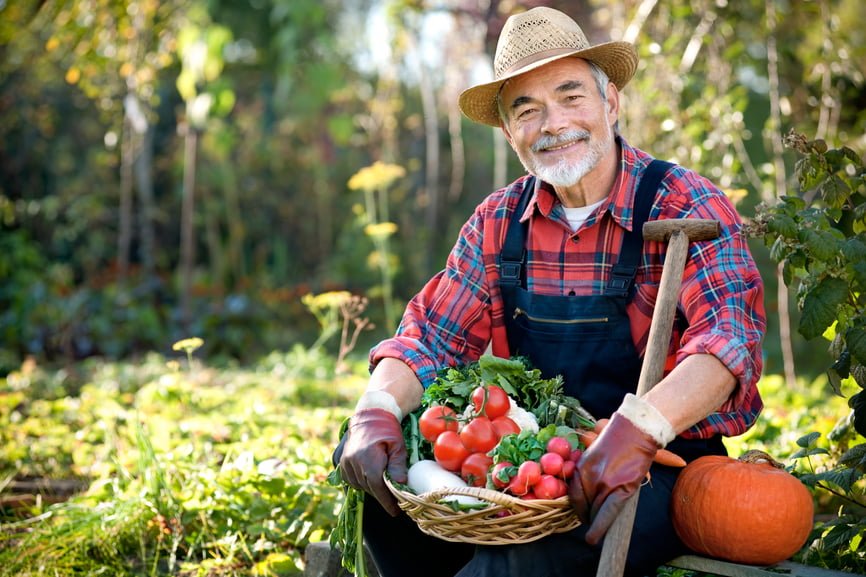
Seed exchanges and heirloom gardening are growing trends among gardeners seeking an alternative to common commercially available seeds. Experts estimate that as many as 98 percent of seed varieties available in 1910 are now extinct. To prevent further loss, the surviving species must be cultivated and the seeds preserved. Growing fruits, vegetables and even flowers from heirloom seeds is not unlike any other gardening pursuit, in that success depends on the right combination of soil, water, sunlight and fertilization. Many gardeners today seek out heirloom varieties specifically to avoid GMOs (genetically modified organisms) or chemically treated products. Getting involved in heirloom gardening can be both fun and rewarding, and good for the planet to boot.

What are Heirloom Seeds?

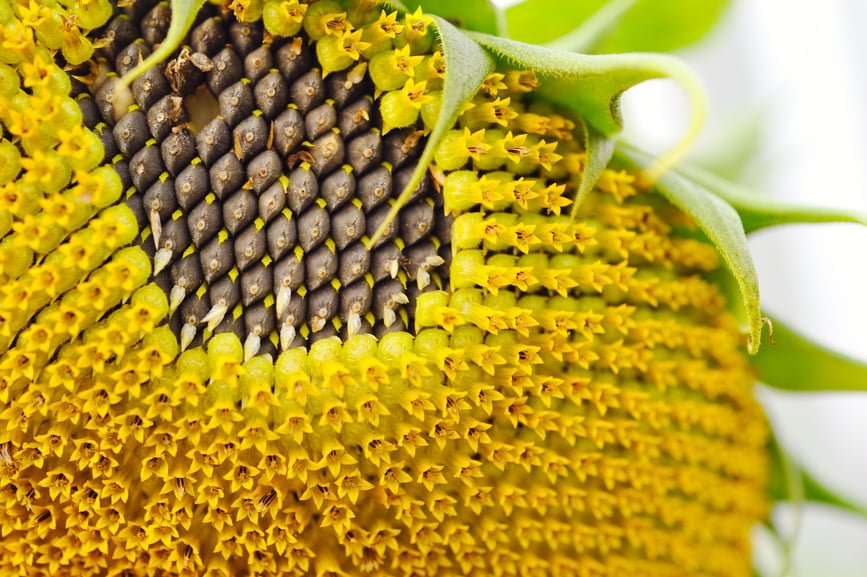
Heirloom seeds are those obtained from plant species that, when planted, will produce the same plant and a subsequent generation of growable seeds. These seeds are openly pollinated and the result of natural selection rather than genetic manipulation. Most seeds sold today are hybrid or genetically modified varieties, developed in a laboratory to be more hardy, produce larger yields and look more appealing. The seeds produced by hybrid species, if there are any, are not usable to grow future generations of plants.

Utah Seed Exchanges and Community Groups Dedicated to Heirloom Gardening

Gardeners can obtain heirloom seeds from many Internet sites, but locally based seed exchanges are becoming popular. Seed exchange members share their own extra heirloom seeds with other members, get together to sample the fruits (and vegetables) of their labor, serve as a source for banking seeds for future planting years and preserve plant species. Community groups dedicated to seed preservation and heirloom gardening are eager to help spread the word about this important agricultural trend.

Successfully Growing Plants from Organic, Heirloom Seeds

A good general approach for sprouting your heirloom seeds is to begin indoors in small pots or foam cups. Use sterile, organic soil and place a few seeds about 1/8” deep in the center of the pot. Keep the soil moist and ensure they get plenty of sunlight. Thin the seedlings after a couple of weeks, if necessary. Transplant the seedlings to your garden in accordance with the type of plant and the weather.

Getting Started with Heirloom Gardening

Start your heirloom garden with the most familiar and friendly species — heirloom tomatoes. These varietals have irregular shapes, sizes and colors, and may not be as hardy as Early Girl or Better Boy, but their depth of flavor will transport you back to the tomatoes of your youth. Sprout seeds indoors in early April, then transplant seedlings to the garden six to eight weeks later, after the frosts are gone. Heirloom tomatoes need more space than hybrid varieties (plant at least three feet apart) and must be trellised to allow sufficient air circulation, improve yield and resist insect damage.

As people become more dedicated to healthy food and non-GMO cultivation, this trend is bound to gain momentum. Millcreek Gardens in Salt Lake City carries a full line of garden supplies to help you with all your gardening endeavors. Make seed exchanges and heirloom gardening a part of your life, for improved health and tasty results!

Bee Friendly Gardening

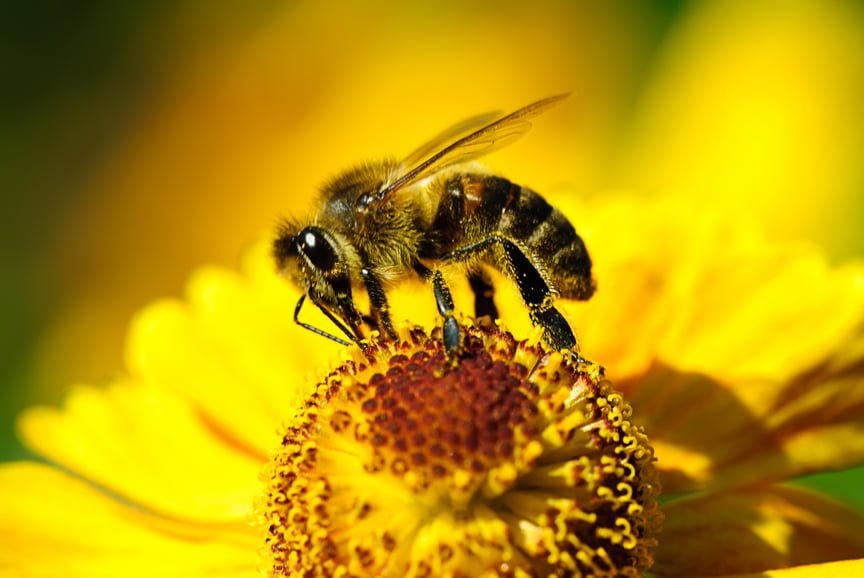
Scientists strongly encourage the adoption of bee-friendly gardening techniques today to help the declining bee population. These fuzzy little pollinators are critical for the world’s food supply but, thanks to something called Colony Collapse Disorder, more than a quarter of the U.S. bee population has died off since 2006. Bees along the Wasatch Front have lost their habitat to urbanization and increased pesticide use. Home gardeners in the Salt Lake City area can encourage local bees and other pollinators by planting bee-friendly gardens and learning more about the many challenges these species face today.

Encouraging the Honeybee Population

Home gardening offers the most basic level of encouragement for bee survival and reproduction. Using specific plants is only part of creating a bee haven, however. The arrangement of your garden can provide food, water and protection for bees and other pollinators, as well as a place to raise young plants. Most native bee species are solitary nest makers, using cavities in plant material or in the ground. With more than 900 species of bees native to Utah, it’s easy and fun to adapt your garden space to their needs.

Plants for Attracting Bees

Bees like a variety of plants, but incorporating at least some native plant species is important to encourage bee survival. Some of the most dependable, adaptable, and widely available bee-friendly flowers and plants include blue mist spirea, fernbush, hyssop, sunflower, lavender, Russian sage and penstemon. Herbs, fruits, and vegetables such as mint, thyme, squash, pumpkin, and raspberry bushes are also bee-friendly favorites.

Tips for Arranging Your Bee Garden

Bees prefer large patches of single plant types, as this allows them to forage in one spot for an extended period. Scattered plants require more energy for pollinators to fly from plant to plant. Avoid weed cloth and, if you like to use mulch, leave some areas of bare dirt as bees often won’t dig through a layer of mulch to build a nest. If you notice openings in the soil, try not to disturb these potential nest areas. If you have the space, consider adding a bee house or two in your garden. Finally, avoid herbicides and pesticides as much as possible including organic products.

Utah State’s Cooperative Extension publishes a helpful guide for bee gardening, with a full list of suggested plant species. The experts at Millcreek Gardens in Salt Lake can provide all the advice, plants, and other materials you need to get you started with bee-friendly gardening.

*Link to that stat if you need it: http://www.exploreutahscience.org/science-topics/life/item/37-explosion-in-urban-beekeeping-raises-concerns-for-honeybee-population

**Link to that guide if you want to include it:
http://www.ars.usda.gov/SP2UserFiles/Place/54280500/Gardening.pdf

Small Garden

As Americans continue to downsize, gardening in small spaces has become a topic of great interest. All across the country, home gardeners are discovering fun and creative ways to grow plants, flowers, and vegetables in compact spots. Gardening in small areas requires the usual suspects: good soil, sunlight and water. Beyond that, all you need is a bit of thinking outside the box.

Container Gardening

Containers are the perfect way to garden in a small space. You don’t need a yard, and you can move your containers to take advantage of the sun’s movement and avoid cold weather that would devastate a traditional garden. Many flowering plants and varieties of vegetables and fruits are available in miniature form, perfect for pots. Look for plants called dwarf, tiny, baby, or patio. In most cases, only the plants are miniaturized, not the edible output. Even your favorite fruit trees can be sourced in container-friendly “dwarf” versions!

Vertical Space Gardening

Vertical gardening is taking urban areas by storm. Vertical gardens can be created from some pretty creative materials, including pallets, gutters, pot racks, and trays. Even over-the-door shoe organizers can be repurposed to create vertical gardens. Any found object that can be hung on the wall can be transformed to a growing platform, as long as you can give it drainage and good soil. Some retailers offer vertical gardening platforms, but these can be expensive and may not fit your small space. Search for vertical gardens or living walls on Pinterest or Houzz, and you’ll quickly have hundreds of examples for inspiration.

Creative Planting in Small Areas

If you can imagine it, you can plant on it. One creative condo owner planted an herb garden on the roof of her doghouse. An apartment dweller in New York designed a “salad box,” growing a full complement of salad ingredients in a single window box mounted to her patio railing. Herb gardens can be created in tiered hanging pots, in a tabletop planter, or in a stacked “tower” garden. Possibly the most creative application of small space gardening seen involved cutting the center strip out of a picnic table and adding planter boxes.

However small your space, chances are you can grow whatever plants you prefer. Whether you want to grow colorful and fragrant blossoms, sweet strawberries, or vibrant, healthy vegetables, modern technology makes it possible to do so in the tiniest of spaces. Visit your local garden center and describe your space. They can help you select the right containers, soil, and plants to make your dream a reality. Today, gardening in small spaces has become every bit as simple and enjoyable as the traditional approach for condo, townhouse and apartment dwellers.

Planting Tulip Bulbs

Despite what you may think, fall planting is actually advised for some types of plants. In Salt Lake City and other parts of northern Utah, there’s still time to plant trees and shrubs before the first freeze. Autumn is also the proper time to plant bulbs, in preparation for a bright and colorful spring. Here are a few tips for fall planting along the Wasatch Front.

Why Plant in the Fall?

When planting most anything, but especially trees and shrubs, the goal is to get it established as quickly as possible. Even though the crisp weather has set in, the soil stays warm long after the air has cooled. After the above-ground portions of the plant have gone dormant, the root system continues to grow in the safety of the warm soil. With little or no pressure to grow leaves or stems, root systems get all the attention, growing until the time the ground freezes in December or even January. Autumn is also the right time for planting spring flowering bulbs, after the soil has cooled down.

Best Practices for Fall Tree and Shrub Planting

For trees and shrubs, plant the root ball a little higher in the fall than you would at other times during the year. Some experts suggest leaving a tiny bit of the root ball above the soil surface. Dig the hole only slightly larger than the root ball itself, and fill in with a 70/30 mixture of native soil and mulch. Spread a thick (2” – 4”) layer of mulch over the top, beyond the reach of the roots, to keep the plant most effectively insulated. Be careful to pull the mulch away from tree trunks, as it can cause the bark to rot and encourage insect damage. Wrap young tree trunks with reflective material now, as the sun’s reflection off snow and clouds can cause sun scalding even when it’s cold.

Plant Bulbs Now for a Colorful Spring

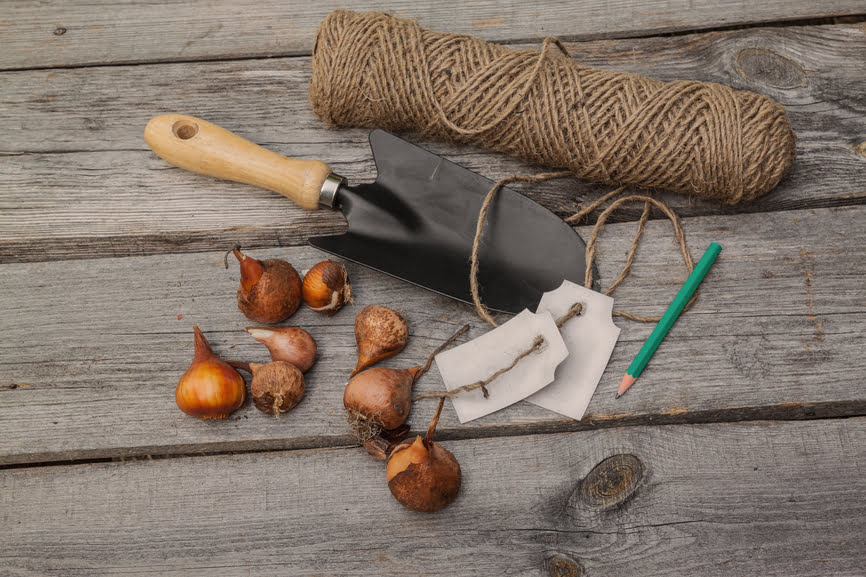
Bulbs are many gardeners’ favorite, based on their ease of planting and beautiful results. In addition, bulbs will bloom year after year if you take some basic care when planting. Dig a trench or individual holes, depending on whether you prefer a more formal, straight line planting or a clustered, naturalistic growth pattern. Mix a significant amount of mulch and bone meal into the soil before planting. When purchasing bulbs, select large, healthy specimens that are free from blemishes and resemble an onion in look and feel. Avoid soft, shriveled, spongy, or very hard bulbs. Spacing depends on variety of bulb, but generally 4” to 6” apart works well. Water thoroughly after you finish planting then not again until mid-spring. Bulbs will rot if they get or stay too wet.

Fall is also the time to prune some trees species, to remove dead annuals and other spent plant material, and to mix compost and other fertilizers into dormant garden beds. Millcreek Gardens in Salt Lake City is the perfect place for bulbs, trees, shrubs, fertilizer and, best of all, great advice. Their experienced gardening professionals will gladly answer all your questions about fall planting in Utah.

Raised Garden

Raised bed gardening has become an extremely popular approach to planting flowers and growing vegetables. Raised planting beds solve many traditional gardening problems because they allow you to control soil conditions and drainage. Simple and inexpensive to build, raised beds can extend your gardening skills to new heights.
 
Benefits of Elevated Gardening
 
Poor soil conditions plague many home gardeners but using elevated beds allows you to create your own combination of dirt, compost, fertilizer and other organic materials. You can build your elevated garden anywhere, even in locations where traditional gardens would not be possible. Raised root systems are healthier and not at risk of compaction or becoming waterlogged. This leads to stronger plants, more vibrant blooms and increased yields of fruits and vegetables. Your back and knees will appreciate your raised beds as weeding and other maintenance is much easier in elevated beds.
 
Building a Raised Bed Garden
 
The first step is building the beds’ framework. The Internet offers many how-to ideas, but the most popular materials include redwood or cedar boards, concrete blocks, bricks and paver stones. Use whatever materials you like but avoid pressure-treated lumber and railroad ties that have been soaked in creosote as they can poison your plants. If you plan to purchase your materials, wood is the least expensive. However, many creative gardeners find recycled materials on Craigslist or at yard sales. Experts recommend leaving three to four feet between beds if possible. Add soil and top with a 1” layer of mulch to help keep moisture in.
 
Planting for Your Elevated Garden
 
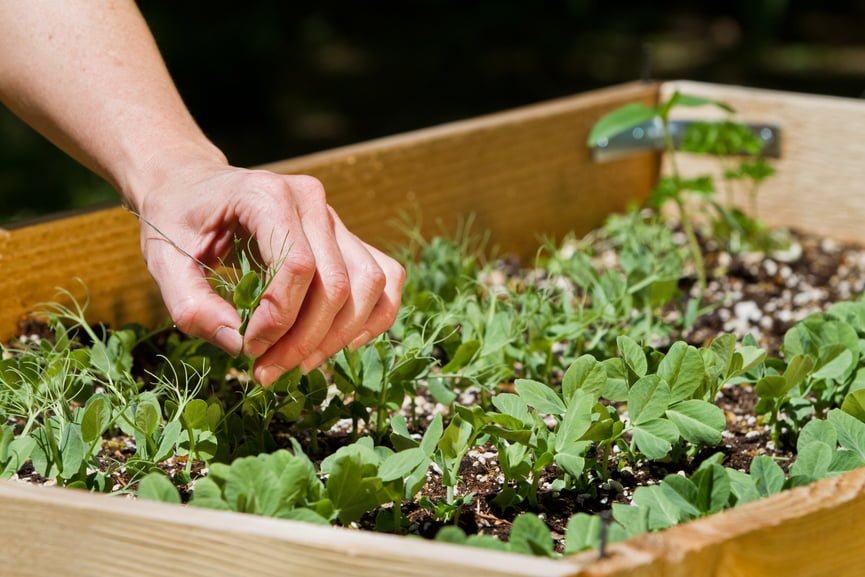
Almost any vegetable can be grown in a raised bed, with the exception of potatoes, corn or any plant with a bulky, extended root system. Intermix your plants by placing shallow-root specimens next to those with deep roots. Some plants, such as tomato varieties, peas and pole beans may require a trellis or wire cages for support. Plant these taller plants in such a way that they will not shade the shorter species once they reach maturity. Use the Farmer’s Almanac or other planting tables to schedule plantings, but remember that raised beds allow you to plant earlier in the spring than in-ground gardens.
 
Many gardening books and websites offer great ideas, layouts and designs for raised-bed gardening, but keep in mind that your area’s climate and geography determine what works best in your location. Visit your local garden center for the best advice and to purchase high-quality soil, mix-ins and plant materials. Before you know it you’ll be an expert at raised bed gardening!

Fairy Garden

The fairy garden craze is sweeping the nation and for good reason. Fairy gardens, also known as miniature gardens, are popular with people of all ages. Miniature gardening can be enjoyed by anyone, even by apartment dwellers and those without yards. If you haven’t heard of this captivating and delightful gardening diversion, you’re in for a treat.
 
What is a Fairy Garden?
 
A fairy garden is a tiny, whimsical ecosphere filled with magic and make-believe. It’s a study in nature on a manageable and affordable scale. It’s something you can create and tend to when the seasons change or limited space make outdoor gardening impossible. Best of all, it’s a way for families to create and nurture something together – teaching everyone a little something about nature and the process of creating an enchanting environment using only your imagination.
 
What Do I Need to Get Started?
 
First, choose a theme for your fairy garden. Some popular themes include beaches, English cottages, wildlife safaris and (of course) a playground for the fairies. Choose a container and sketch out your garden on paper. Include features like paths, ponds or hills. Fill your container with soil and add pebbles and other interesting treasures. Next, visit your local garden shop to select plants to complement your design. Herbs like thyme, dill, rosemary and tarragon are popular choices because of their small scale. Mosses, baby’s tears and miniature ivy are also often included in fairy gardens You can even add tiny benches or chairs, so the fairies have a place to sit!
 
Where Should I Put My Fairy Garden?
 
The best thing about fairy gardens is that you can build them anywhere. Some people set aside a portion of their “mundane garden” or flowerbed for a miniature version dedicated to the fairies. However, some of the best tiny gardens are created in containers. Some imaginative gardeners use old suitcases, dresser drawers, an old, rusty wagon, or even a birdbath. Containers are ideal because you can move your fairy garden inside during the cold months and back out to porch or patio when spring returns.
 
When it comes to miniature gardens, your imagination has no limits. Many enchanting examples can be found online but the fun of fairy gardens is coming up with your own design. You and your family will spend many happy hours together, engaged in creating and caring for your fairy gardens.

Gardening

The more we learn about chemicals, the more organic gardening sounds like a wise idea. Many families have become interested in growing their own food at home to improve the environment and reduce exposure to chemicals and additives used in commercial farming. Gardening is a great family activity and teaching your children how to grow food using natural, organic methods will keep them healthy and teach them to make better food choices.
 
What is Organic Gardening?
 
There are many definitions of organic gardening and agriculture, depending on whom you ask. Essentially, this term means growing plants and crops for the purpose of health, safety and sustainability using only products and methods considered natural. Using sound ecological principals, organic growers take advantage of biological soil processes, local climate cycles and native plant species to grow healthy plants without chemical fertilizers. Natural methods of pest and disease control eliminate the need for non-organic treatments of any kind.
 
Controlling Garden Pests and Diseases Organically
 
In organic gardening, pests are prevented and controlled using biological and integrated methods. Biological control agents, a fancy term for natural predators, are used to control the usual suspects responsible for damaging your garden. For example, ladybugs and their larvae are natural predators of aphids, mites, and damaging caterpillars. Likewise, plant diseases and weeds are controlled using biologic antagonists. A thick layer of mulch in the garden, for example, will prevent light from reaching weeds, discouraging their growth. Spraying the soil with a weak solution of chamomile tea will discourage fungus and pathogens.
 
Organic Garden Fertilizer
 
Organic fertilizers come from plants, minerals, or animal byproducts, and are designed to provide nutrition to both plants and the soil. Chemical fertilizers feed roots and plants, but do nothing to nurture the soil or the beneficial microorganisms that live in it. Don’t worry that you’ll have to mix up your own organic fertilizer. There are many excellent all-purpose organic fertilizer products available commercially in both liquid and dry form. If mixing up your own plant-specific fertilizer is of interest, you can find many great resources and recipes on the internet. Be sure to talk with your local garden specialist however, as regional climate and geography will help determine the most effective approach.
 
Remember that the heart of successful organic gardening is healthy soil. Use organic soil conditioners and amendments to enhance soil’s natural properties. Many experts suggest taking a soil sample to your local university extension for testing. Once you know the soil’s primary makeup, your garden center can recommend natural products to best enhance its growing potential. There’s no real mystery to organic gardening and all you need to get going is as close as Millcreek Gardens.

Rose Bush

As summer winds down, it’s time to start thinking about rose care for the fall. Already the days are growing shorter, the nights are becoming cooler, and the last blooms of summer have begun to fade. Ever the most popular flowering plant, vibrant, colorful roses bring us great joy all summer long. With the proper fall care, roses will successfully navigate winter’s perils and emerge in the spring, healthy and ready for another blooming season.
 
How to Prune Roses for Winter
 
Autumn marks the annual rose “mini pruning” season. Although major pruning takes place in spring, fall is the time to prepare your plants for potential frosts or freezes. Allow the last blossoms of summer to remain on the plant until it’s time to prune. Using a clean, sharp pair of bypass shears that are dedicated to rose plants only (to prevent cross-contamination and the spread of disease), remove the rose hips and cut back any long or damaged canes. This will protect the plants from breaking or splintering, and ensure the wind doesn’t snap off long stems. Take care not to prune heavily in the fall however, or you may risk significant damage to the plant in the event of a hard freeze.
 
Planting New Roses
 
Many experts and gardening aficionados alike believe that spring is the best time for planting new roses, however some people swear by planting in early fall. A long, warm autumn will allow the plant to get a head start on establishing its root system before dormancy. Talk with your experts at Millcreek Garden about what types of roses may be appropriate for planting in autumn. They can advise you about specifics for the care and nurturing of roses in your geographic area, and provide you with the right type of products to nourish a healthy plant.
 
Fertilizing and Preparing Roses for Winter
 
Stop fertilizing roses in the fall, as they will fare better in a frost or freeze if they’ve gone dormant. Remove any stray weeds and clean up around the base of the plant. Some experts believe that an application of granular potassium sulfate (potash) may help the plants withstand winter by increasing tolerance to cold. Mounding a shovelful or two of garden soil or mulch around the base will help protect the plant from an unexpected cold snap.
 
Take time this fall to give your roses the attention they need to stay healthy. Your reward will be vibrant plants that produce healthy blossoms all summer long. Autumn rose care is a simple and effective way to keep those beautiful roses blooming year after year.

From gardening tools to managing pests, people around the world handle things differently. If you haven’t had time to squeeze in an international trip this summer, don’t worry—you can travel the world without leaving your garden. Those with green thumbs know that no vacation is as relaxing as planting new sprouts. No getaway is as stress-reducing as deadheading to Gardening Around The Worldperfection. However, it’s also easy to get stuck in a rut, especially when all your gardening friends are American like you.

It’s worthwhile to check out tricks and hacks from gardeners around the world. Some of them are much more eco-friendly than standard US practices, while others are so obviously brilliant you’ll wonder how you missed them. From disease and pest control to seriously cutting edge urban agriculture, consider this your all-access passport to end summer with a bang.

Bed”-er Up

In many developing countries, massive populations are crammed into urban areas that make Manhattan living look spacious. Space is a luxury, which is why raised beds and succession gardening isn’t just a space saver, it’s the only option. Vertical growing, just like vertical building in architecture, is a great way to encourage climbing vines and opens you up to a world of new possibilities.

Of course, managing weeds is a challenge no matter where you call home. In some countries mulching doesn’t just ward off weeds but is used as a water conservation technique. In drought-rich areas, water is a precious commodity that can’t be “wasted” on growing food and herbs. Plus, it saves you time (and your back) by minimizing weeding.

The type of mulch you use varies depending on what’s at your disposal—think pine straw, hardwood bark or hay. There are limitless options, so consider a free, local, natural resource.

We’re All in This Together

Community gardens might seem like an idealistic gimmick in urban areas, but it’s the way gardening has always been done in some parts of the world. Communities revere every scrap of green space they can find in urban jungles. If you don’t have much space yourself, rent a plot and get to know your fellow gardeners. And if you have excess land? Try renting it out—it’s an easy (and potentially lucrative) way to keep your landscape looking gorgeous while giving others access to homegrown fare.

Finally, if you’re an urban dweller, don’t assume your soil is healthy. It may need to be amended from all those nearby pollutants. Gardeners in developing countries often add sand to soil for drainage. Luckily for you, testing your soil is a luxury others don’t have, so you can easily find out your soil quality—then take steps to address disparities.

Head out to your local home improvement and gardening center, and the amount of tools you’ll be faced with will likely be enough to throw you into a bout of confusion. Knowing Gardening Toolswhich tools are worth purchasing and which are better off being passed-over can be more difficult than many people think, and the chances that you might overspend during the process are simply too high to take any risks. Fortunately, there are a number of essential gardening tools that stand apart from the competition and are specifically designed to make your life easier.

Without further adieu, here are 3 essential gardening tools that everyone needs to own.

Spade and Shovel

When it comes to breaking earth, you’ve got to have a few tools on your side that will help to streamline the process and make things as easy as possible. A great spade and shovel combo will no doubt steer you in the right direction, and these tools come in a number of different shapes, sizes and price ranges. For best results, stick with those which have proven themselves to be best-sellers on the market or ask your garden center specialists which they recommend.

Pruning Shears

As far as essential gardening tools go, you’ll never find a list that doesn’t include pruning shears. A quality pair of shears is essential for anyone who wants to grow a robust rose garden (or one including similar plants), and its “off-label” uses can vary dramatically depending upon how imaginative you can get in the garden. Shears don’t have to be costly, so you should never worry about whether or not you can include a pair in your budget.

Wheelbarrow

Dealing with the fallout of a large garden can be quite a bit more difficult than many people realize, especially when you don’t have the right tools on your side. A wheelbarrow can make all the difference in the world, and there are so many different factors that can go into choosing the wheelbarrow that is right for you, it can be head-spinning. Those with moderately-sized yards should stay away from huge wheelbarrows, as smaller, more personalized sizes are typically a better fit and will end up costing you less money.

Essential gardening tools come in a variety of different shapes and sizes, and finding the ones is as simple as asking the knowledgeable professionals at Millcreek Garden. Come on in today for personal assistance!