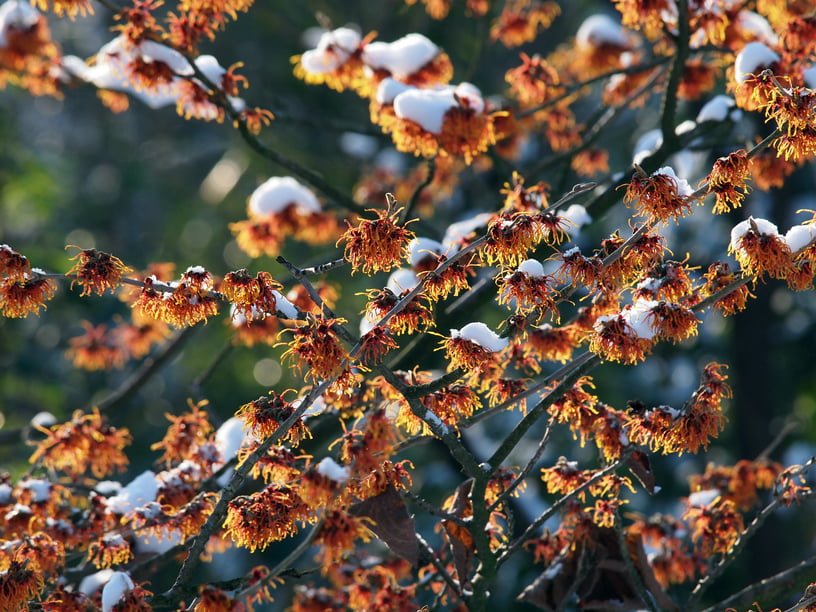

Flowering Shrub

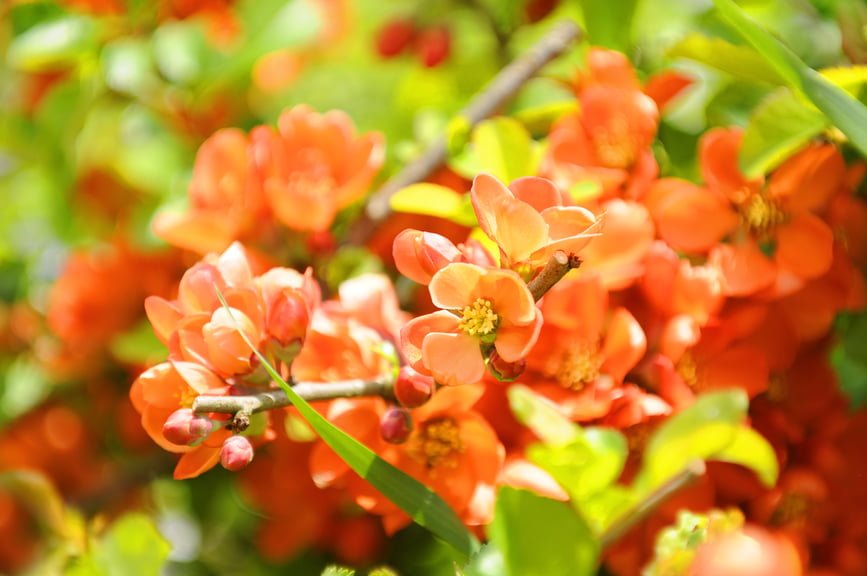
Flowering shrubs of all types require a special combination of characteristics if they are to survive northern Utah’s unique climate. Many flowering shrubs are susceptible to drought and weather extremes, but those native to the region can thrive in a variety of challenging conditions. Flowering shrubs are a great investment, based on their long lives and versatile nature, and a natural choice for brightening up your landscape. Read on for some helpful hints for selecting the right plant species based on your individual needs.

Shrub Characteristics to Ensure Success

The unique nature of northern Utah’s climate means that, in order to survive, plant species must endure an ongoing cycle of heat, cold and wind. In an effort to conserve water, many people are interested in those species that are more “water-wise” and drought-tolerant. Low water demand plants, known as xeric shrubs, can thrive with limited natural precipitation, requiring little or no extra water. Although some species require full sunlight, others can thrive in the shady areas of your property. Most experts agree that selecting native plant species provides the best chance of success with the least amount of maintenance and supplemental water.

Examples of Native Flowering Shrubs

Fernbush, related to the rose, is a compact, medium-size plant that requires very little water and produces white flowers in mid-to-late summer. Apache plume is also a medium-size bush requiring very little water; it produces white blooms between June and August. Mallow-leaved ninebark is smaller and requires slightly more water, but it can tolerate partial shade. Its white flowers emerge in late spring. Woods rose and Nootka rose are the only rose species native to Utah. They are shade tolerant and grow to medium size at maturity. The New Mexico privet is larger in stature and appropriate for hedges. It is drought-tolerant once established and produces yellow flowers leading to small, black fruit that is attractive to native birds.

Location Factors for Consideration

The best way to guarantee the success of any planting is to consider the location before selecting your species. Although your shrubs will be small at the time of purchase and planting, their mature size may be substantially larger. Understanding the plant’s size at maturity will ensure they aren’t placed too close to buildings, sidewalks or other plants. Consider also whether the plant, upon reaching its full height and canopy, will block sight lines from driveways or windows, or obstruct sidewalks. Determine whether the location has full sun throughout the day or if it also has periods of shade. Finally, consider how much wind the location experiences. The harsh, drying winds common to the region can be brutal on some non-native types of shrubbery.

In the Salt Lake area, Millcreek Gardens is the locally owned and operated expert for all the plant species and supplies you seek. Stop by and chat with their friendly staff and let them help you select the flowering shrubs that are perfect for your needs.

Three Sisters Garden

The Three Sisters Garden concept reflects the core concepts of Native American culture as well as the very roots of American history. Many of the colorful place names for this region, such as Wasatch and Utah, were derived from Native American words. So it seems only natural to learn more about a Native American gardening tradition that is so ideally suited to the local climate. The companion planting concept arguably originated with the three sisters, but this technique is emphasized today as the most effective way to improve yield while reducing or eliminating the need for pesticides and fertilizers. Here’s what you need to know for introducing a Three Sisters Garden in your own back yard.
 
Why to Plant: Connecting with a Native Tradition
 
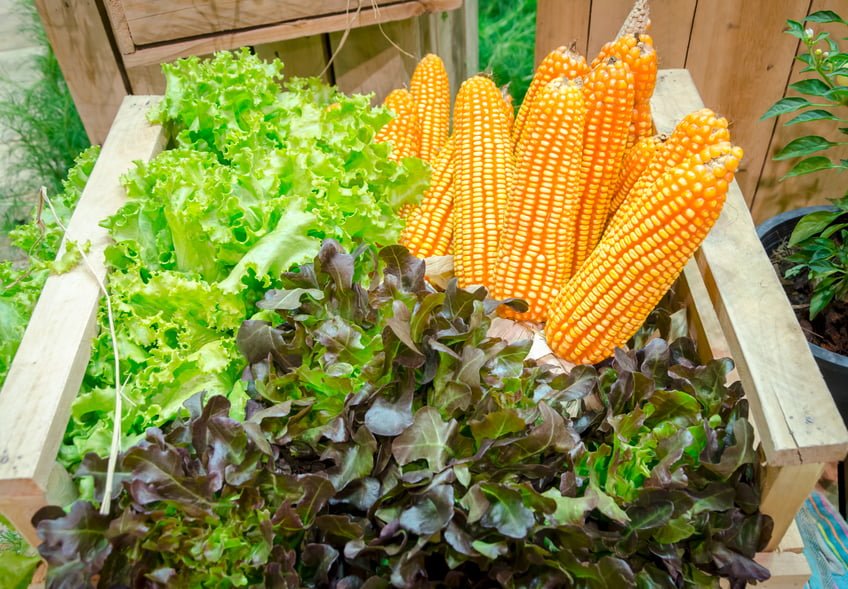
An ancient method of companion planting, a Three Sisters Garden consists of inter-planted corn, beans and a variety of gourd, such as squash, pumpkin or melon. Corn, the oldest sister, provides support to the beans. The second sister, beans, will in turn hold nitrogen in the soil. Then the large squash leaves of the third sister cover the bare ground, which helps retain moisture and deter pests. The three sisters intertwine to create a biodiverse family of plants that are mutually beneficial to each other and their micro-environment.
 
What to Plant: Native and Heirloom Varieties
 
Native corns are often heartier and more drought-resistant than modern varieties. It’s best to choose seeds that are heirloom and open-pollinated for your Three Sisters Garden. You might try ruby red corn, Tutelo Strawberry, or one of your own favorite varieties. Ancient climbing beans, such as black turtle or tepary beans, are well suited for the local semi-desert environment. As for squash, you may enjoy patty-pan or sweet dumpling squash, or even winter varieties like acorn, butternut or pumpkin. To help bring pollinators into the garden, why not add a “fourth sister,” like a flowering bee plant, firecracker penstemon or Russian sage.
 
How to Plant: Honor the Four Directions
 
In early spring, reserve a section of garden at least 4 feet wide and work in compost and soil amendments to form a foot-high mound. After the last frost, sow eight corn seeds about 6 inches apart in a circle, starting with the first seed at due north. Cover with soil and keep moist until the corn germinates. Once your corn reaches a height of about 8-10 inches, it’s time to plant the beans. Evenly space four beans around each corn stalk, honoring the four directions as you plant. After the beans grow to 4 inches high, evenly space six to eight squash seeds around the outside ring of the corn and beans. As the squash vines grow, direct them around the mound and up into the center ring of corn.
 
Planting a Three Sisters Garden is a fun and rewarding way to connect with native tradition and to teach kids the importance of respecting the environment. The helpful advisors at Millcreek Gardens can offer both inspiration and expertise. With their knowledge of our regional climate, the staff can recommend the ideal plants and products for your Three Sisters Garden this spring.

Invasive Plant Species

Invasive plant species have become a matter of great concern all over Utah. As gardeners, you may expect the plants sold at local garden centers to be beneficial for the environment and for your gardens, and for the most part, they are. But did you know that a few of the most commonly sold plants are also some of the most invasive? Unfortunately, in our global economy, it’s easy for invasive species to enter our nurseries and garden supply centers. The following list is by no means complete, but beware of these invasive species next time you’re in the market for new plants!
 
Don’t Get Wrapped Up in These Clinging Vines
 
Ivy-covered walls can be nostalgic, but don’t be fooled. English ivy is an extremely invasive plant. A vigorous vine, it adversely impacts forested areas. By climbing higher in search of increased light, it can smother, weaken and eventually kill large trees. Its roots will also work their way into brick, mortar or even concrete. Another vine that you should definitely avoid is wisteria sinensis (Chinese wisteria). Brought from China to Europe and then North America in the 1800s, it has become quite a popular flowering vine for the home garden, but it has been known to strangle trees and displace native species.
 
Steer Clear of These Fast-Spreading Shrubs
 
The bright yellow flowers of scotch broom may be beautiful, but it is classified as a noxious weed in many states. It is known to smother young tree seedlings, effectively ruining reforestation efforts. Another plant to watch out for is bamboo, one of the most invasive plants in the world. Yes, it can make an exotic screen, but its rapid growth also makes it a nightmare to control. The underground roots may travel 20 feet or more from the original clump, with new shoots growing up to 10 inches per day.
 
Find an Alternative to These Invasive Trees
 
The Russian olive is ranked as an invasive species by the U.S. Department of Agriculture. It crowds out other native trees such as willows, cottonwoods and birches, particularly along streams and waterways. It’s extremely difficult to kill without powerful herbicides. The tree known as the princess or empress tree has a dark side as well. These flowering trees are highly invasive, even though they are often advertised as “amazing, fast-growing shade trees.” The truth is that they are dangerous to our native ecosystems. The fast-growing princess tree can produce millions of seeds each year and easily take over fragile riparian areas.
 
In the Salt Lake area, Millcreek Gardens offers a wide variety of roses, trees, shrubs and perennials to fill your garden with beneficial plantings. Stop by and talk with their experienced staff for suggestions and advice that will help you select the right plants and avoid invasive species in your garden.

Garden Path

Strolling along a beautiful garden path is one of life’s greatest pleasures. With so many options for garden pathways, it’s worthwhile to explore a few ideas in order to arrive at one that best suits your style. With spring just around the corner, now is the ideal time to design your own perfect garden path.
 
Choose Curved, Geometric or Free-form Pathways
 
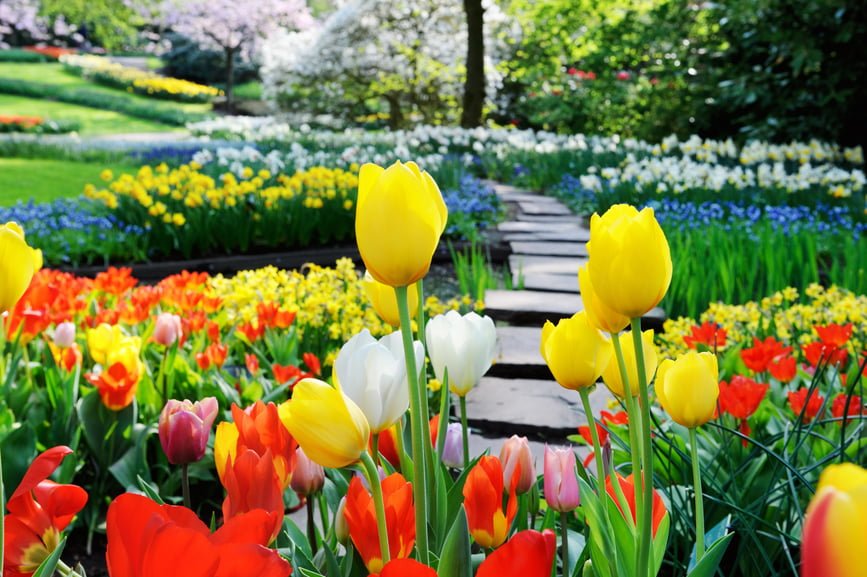
The first step (so to speak!) is to decide whether you prefer a graceful curved pathway, modern geometric lines or a natural, irregular-style path. A slightly meandering walkway can be more inviting than a straight path because it lends the feeling of traveling through a large landscape. If space will allow, make room for a friend by constructing your path wide enough for two people to walk side by side. In general, straight, linear paths are a good fit if your garden has a more formal or stark, modern design. Irregular or staggered pathways work well for a rustic or cottage look. And curved paths can look lovely with just about any style home or garden layout.
 
Keep It Simple and Easy, or Go More Elaborate
 
Stepping stones are one of the fastest, easiest materials with which to build a path. It’s ideal to live in an area with naturally occurring stone outcroppings. Once the stones are laid out, soak the soil so it’s easier to cut around them. Then spread a one-inch-thick layer of sand under each stone, to make leveling a snap. Explore using concrete patio blocks, pavers, flagstone or even recycled bricks. Gravel is another pathway option that is often less expensive than granite or flagstone. A layer of landscape fabric under the gravel not only blocks weeds, but helps prevent soil erosion. With a gravel path, it’s important to use a base layer of sand, firmly tamped, for a stable foundation. If you’re inclined toward a more elaborate walkway, a stone and gravel combo provides contrast and adds loads of visual interest to your garden. Or, why not go wild with a design that includes a circular or interlocking pattern?
 
Plantings Along the Way
 
Your master plan wouldn’t be complete without considering an array of wonderful plantings along your path. If you have a corridor-type garden, choose fragrant plants that release their scent as you pass by. Fill in between stepping stones with aromatic creeping thyme, Utah sedum or flowering pink dianthus. Gray-green grasses tucked in here and there yield a delightful contrast of texture, alongside banks of native wildflowers for a burst of color.
 
With spring right around the corner, Millcreek Gardens of Salt Lake City can offer both inspiration and advice on how to design your garden path. Whether your garden path is simple or elaborate, their helpful staff can recommend the ideal plants and products for you.

Small Garden

Small spaces are a challenge for landscape designers and home gardeners alike. But as Americans continue to downsize, urbanites and apartment and condo dwellers hope to enjoy the many benefits of beautiful landscaping on patios, porches and small outdoor spaces. When it comes to diminutive garden design, less is often more. That’s why small gardens can be the most delightful gardens of all! By following a few simple guidelines, you can transform that small space into your own private oasis.
 
Beautify Your Boundaries
 
If your small garden faces a drab garage wall or your too-close-for-comfort neighbor’s fence, why not incorporate the structure into your garden design? A bright coat of paint along with a repurposed vintage door or window can transform boring into beautiful. And since nothing ruins the view faster than recycling or compost bins in plain sight, just add latticework with plantings for camouflage. You can even utilize the vertical space and frame the visual edges by adding a structural element, such as a vine-covered pergola or Mediterranean-style trellis.
 
Set a Firm Foundation
 
Crushed rock or gravel is an ideal surface option for small gardens. It’s often less expensive than flagstone or native stone pavers. Spreading a layer of landscape fabric underneath not only deters weeds, but also allows rainfall to percolate down into the soil for improved drainage. Many eco-friendly ground cover options exist today as well, including decorative mulch made from recycled rubber. These products are long-lasting and low maintenance, providing budget-friendly style.
 
Simplify Your Color Palette
 
Start with your favorite flower or piece of pottery, and build a color palette around it. Whether you prefer a range of muted tones or a bright splash of color, remember to keep it simple when you’re working with a small space. You can fill your own corner of paradise with matching containers and planters overflowing with fragrant herbs and native wildflowers. Blend colors together by finding the right shades that create a color bridge. Add outdoor pillows, rugs and fabrics that harmonize with and complement your theme.
 
Pots and Plants That Make It Easy
 
Keep your options open by using a few basic containers that will be easier to move and rearrange as the seasons change. You may also find a wide, shallow ceramic bowl that can become a sparkling birdbath or reflecting pool. Planters mounted to the walls can form a cascading curtain of green. When it comes to trees, dwarf varieties are available that won’t grow too large for the space or require constant pruning. Drought-tolerant perennials, shrubs and decorative grasses allow you to enjoy your slice of heaven with lower maintenance.
 
Many home gardeners in the Salt Lake City area turn to Millcreek Gardens as a valuable, locally owned and operated resource. Whether your garden is large or small, Millcreek’s helpful staff can recommend the ideal plants and product options for you, and offer valuable advice for your unique landscape design — large or small.

Container gardening

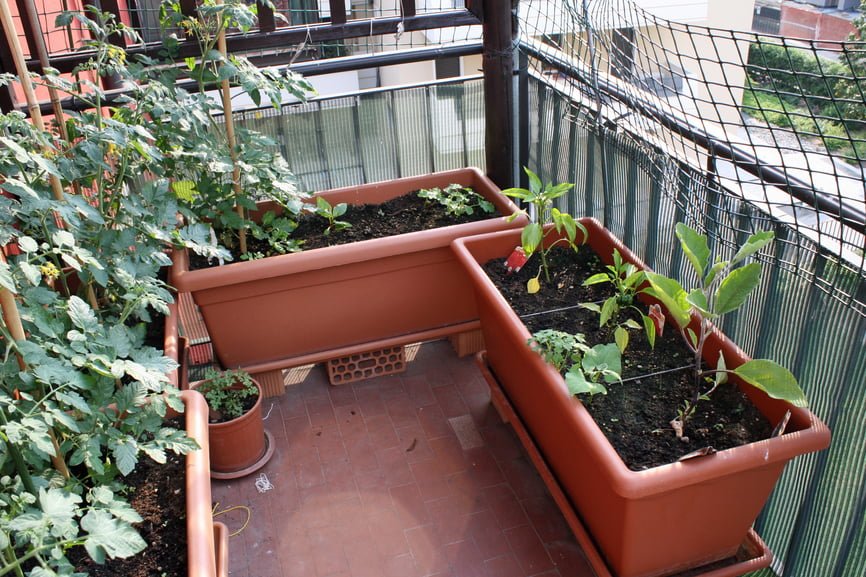
Container gardening is the perfect way to fight off the winter blues. You may have a frosty nose and frozen toes, but growing succulent plants — either in a container garden or even a rock garden — will make you feel like spring has arrived already. Succulents are fairly undemanding and often quite frost-resistant, so you can even locate them outdoors on a porch or patio. Succulents come in a spectacular array of colors and textures, which makes for a fun and interesting design challenge.
 
Choose Your Succulents
 
You can choose from a myriad of succulents, but Sempervivums, commonly known as hens and chicks, are among the most versatile. Because this species’ roots are relatively shallow, a bowl, dish, or even a teacup can work well as a container. Plant one larger container, or have fun with lots of smaller ones along a sunny windowsill. They have the advantage of not taking up very much indoor growing space. Red and purple varieties inter-planted with mint- or lime-green species will really spice up your winter gardening palette.
 
Prepare Your Container: Drainage is Key
 
Finding the ideal container for your winter succulent garden is half the fun. You can go for something whimsical, like an old teapot, wagon, seashell, rusty bucket or even a cowboy boot. The important thing is to be sure that whatever container you choose has one or more large holes for drainage. If the soil becomes too wet, succulents’ roots will become waterlogged and rot, causing the plants to wither and die.
 
If you do select an unconventional container, make sure to drill or carve large holes to increase drainage. Holes should be 1/2 inch or more in diameter for small pots and 1 inch or more for large pots. It’s a myth that adding gravel or broken pieces of a pot to the bottom of your container will increase drainage. Instead, this allows even more water to pool in the bottom of the container. Use a sandy soil, or a soil from your garden center that is specifically designed to maximize the health of your succulent garden.
 
Light and Shade Play an Important Role
 
With so many cultivars to choose from, some will have varying light and care requirements. Check the plant tag to ensure that your selected plants (if you plan to combine them in the same pot) have similar needs and play well together. Most succulents do best if they only receive direct sunlight for a few hours each day. They can actually suffer from sunburn and be scorched by the midday sun. However, most do need plenty of bright, indirect light. Give your newly purchased plants an adjustment period to become acclimatized to their new home.
 
In the Salt Lake area, Millcreek Gardens offers a variety of supplies to support your garden any time of the year. Ask the friendly, experienced staff for suggestions and advice on container gardening to keep your succulents growing and thriving all year long.

Outdoor Room

Think it’s too cold to think about an outdoor room? Think again. Now that it’s winter and much of the vegetation is dormant, it’s actually the perfect time to envision and plan an outdoor space. It’s harder to visualize a blank canvas when your garden is going full tilt. So grab a pencil and pad, garden books or magazines and sit down with a hot cup of herbal tea to begin. It may also help to have photos of the area of your yard that you’ve chosen for your design. Come spring, you’ll be ahead of the game when your outdoor room bursts into color.
 
Choose Your Favorite Ideas for the Space
 
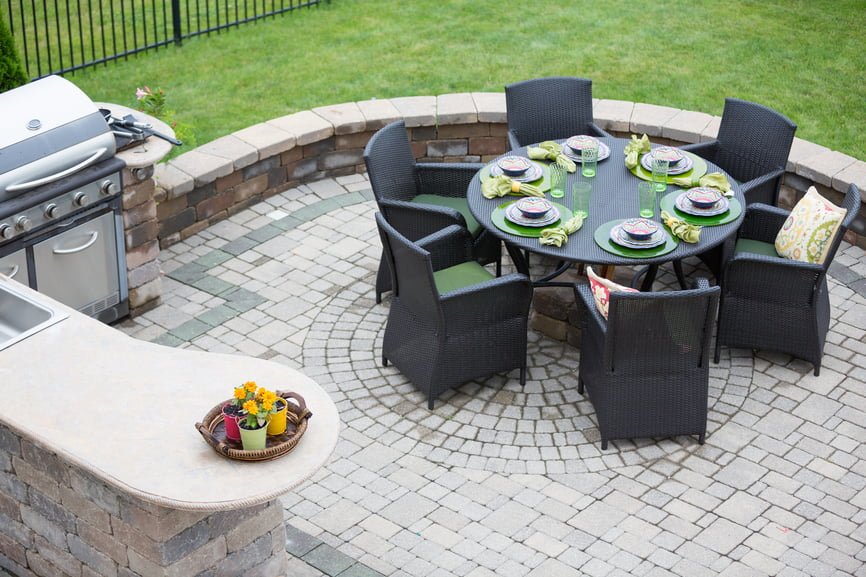
Brainstorming all the options is probably the most enjoyable part of this process! An outdoor room makes the most out of every square inch of your property by extending the indoors to the outdoors. Do you want your outdoor space to include a backyard bistro for al fresco dining with friends? How about an herb garden or planters for growing delicious edibles? Are you dreaming of an elaborate barbecue and cooking area, or just a simple fire pit? What about activities for the kids, like a lawn for Frisbee, or even outdoor seating and a screen for movie night? Meditation, yoga or exercise in the fresh air is another great use for your room. Do you long for the quiet relaxation of a hot tub nestled beside a green hedge under a canopy of dappled light? Or maybe you just want a sunny spot to curl up for a nap.
 
Visualize Your Plants as Architecture
 
Next, consider the condition of the existing plants to decide what stays and what needs improvement. Since the garden is a three-dimensional outdoor space, imagine plantings as the floor, walls and ceiling of your outdoor room. The floor can be created with a mix of pavers, turf, sweet-smelling ground cover, annuals and perennials. And just like you choose wallpaper for its texture and color, do the same when selecting the plants to serve as the walls in your outdoor room. Think about the leaf, flower and winter branching patterns. For the ceiling, the density of the tree canopy determines the amount of light in the room. You may want to frame a desirable view, or add a pathway to encourage foot traffic in a certain direction. Design your outdoor room to accent the architectural lines and shapes of your home.
 
Give Your Outdoor Room All the Elements of Home
 
As with any home, your outdoor room needs a welcoming entryway. Add an area rug in an exotic kilim pattern, or a tile mosaic to make an inviting entrance. Containers and planters that reflect your theme can be filled with easy-care, low-water succulents and grasses. Drapes made from an outdoor fabric serve to define a cozy dining space and can feature a bold stripe or plant motif. Outdoor drinkware is durable, alongside a fragrant lavender centerpiece. You might also repurpose a funky chandelier with candles to turn your deck into the most inviting room of the house.
 
As your plan comes into focus, remember that Millcreek Gardens in Salt Lake City is the ideal place for trees, shrubs, herbs, containers, and, best of all, great tips and advice. Their knowledgeable gardening experts will be glad to answer all your questions. So why not double your enjoyment of your home by adding an outdoor room?

Gardening Trends

Gardening trends come and go but many of this year’s expert projections are timeless. Sustainable, eco-friendly gardens are here to stay and many of 2015’s projections support the environment first and foremost. There’s plenty of fun coming this year too, with even more ways for city dwellers and those with limited space to start their own gardens.
 
Gardening with Purpose
 
Although puttering in the garden is fun for everyone, this year the push continues to consider the bigger picture. Add edible species to your planting cycle. If you’re already growing fruits, vegetables or herbs, add even more this year. Ditch the chemicals and learn new ways to fertilize, improve soil and manage pests. Add a compost pile to your yard this year. Finally, consider adding more native plants and garden structures that encourage butterflies, birds and other local species.
 
Keep a Garden Journal
 
Master gardeners emphasize the importance of tracking your garden year after year. Record planting dates and species, blooming and fruiting cycles and harvest yields. Keep track of weather and watering patterns and which products you’ve used for soil amendment and fertilization. Take note of any pest problems as well and record how you addressed those. Keep your journals and consult them in subsequent years so you can improve your approach and remember what worked in the past. Why not include photos, seed packets and other visual reminders of your year in the garden? This way you have a memory book as well as a guide for next year’s garden plan. You can even start your journal now, jotting down ideas for this year’s layout as you wait for spring.
 
It’s All about Those Bees
 
The threat to pollination continues across the U.S. but gardeners everywhere are doing their part to help and encourage the bee population. Keep blooms going throughout the gardening season by planting fast-growing, bee-friendly species. Stick with an organic approach and eschew pesticides of all types, even those that are certified organic. Research new ways to help bees and teach children the importance of helping to stabilize their population.
 
The Container Craze Continues
 
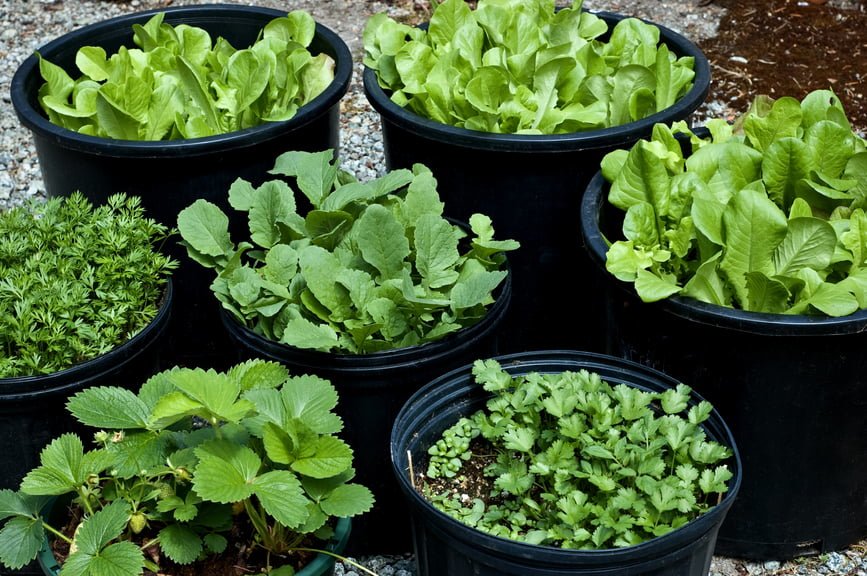
Gardening should be available to everyone who is interested and containers are making that possible. If you live in a small apartment or condo, containers allow you to enjoy beautiful plants and even edible harvests on a tiny patio or in a windowsill. Even if you have a large yard and garden, adding containers to the deck or patio can extend the joys and rewards of your garden.
 
Millcreek Gardens, serving the entire Salt Lake City region, has everything you need this year to make your garden and yard perfect. Their friendly, helpful staff can recommend the right plants and products for you and whatever gardening trends you plan to observe this year.

Winter Garden

It may be cold outside, but a winter garden is definitely possible. Cold weather doesn’t mean your garden can’t provide a visual melody of seasonal delight. After all, gardening happens in four dimensions: height, width, depth and time. By selecting the right mix of winter-hardy plantings, you can enjoy great texture and foliage in every season. Here are a few gardening tips to help you jazz up your garden this winter.
 
Create Beautiful Structure
 
​During the winter, the delicate branches of your favorite summer plants can create a beautiful latticework when set against a backdrop of white snow or pale sky. Planning your garden to include bushes like the red twig dogwood will ensure a striking splash of color, even when snow covers the ground. (The red twigs also look brilliant against an evergreen background.) In addition to bare branches, a curved arbor or geometric trellis can add a dramatic linear focal point, long after leaves have fallen. When you’re shopping for plants, consider all four seasons and include a winter rotation into your design.
 
Add Notes of Color
 
Native plants like winterberry, russet buffalo berry and barberry offer bright-colored berries to liven up your winter garden. Did you know that Lewis and Clark enjoyed the vivid purple fruit of the serviceberry during their famous expedition? Of course, berries also provide food to our feathered friends. By including a variety of berries — red, yellow, purple — your garden will sing with color as the days begin to lengthen. Or, use sedum and sempervivum to create a succulent garden on a sunny windowsill, if you’d prefer to stay inside and keep warm until spring arrives.
 
The Steady Beat of Evergreens
 
Utah’s state tree, the blue spruce, and the historic pinyon pine give the winter garden its quiet mantle of perpetual green. They’re also well suited to low-water, easy-maintenance landscapes that replicate natural settings. Native bristlecone pine, Engelmann spruce and white fir trees add a splash of living color all year round. Hostas and lilies-of-the-valley are deer resistant and suited to low temperatures. Besides being an evergreen, boxwood is an excellent plant for traditional hedges. Use it to create a living wall or privacy screen that provides a green backdrop through even the coldest weather.
 
An Up-Tempo Intro to Spring
 
If you missed the optimum planting time for spring-flowering bulbs, go ahead and plant them anyway. Grown from cold-hardy rhizomes, snowdrops are one of the earliest to bloom, with small white bell-shaped flowers. Plant them near a south-facing wall, or in sheltered spots around the base of trees or under shrubs. Protect shallow roots from frost damage by adding a thick layer of mulch.
 
Winter gardening may sound like a contradiction in terms, but with some four-season thinking, you can design a garden that will look brilliant even in the depths of winter.
 
Millcreek Gardens carries a full line of Utah’s best roses, trees, shrubs and perennials.
 
Their friendly, experienced staff can guide you in the right direction with plant selection and they have all the products and accessories you need for your winter garden.

Landscaping

Although there are many ways to improve property values, some are more effective than others. Multiple experts related to the real estate industry recommend landscaping as one of the best ways to increase your home’s value and speed up the sales process. Landscaping involves more than just trees and grass, however, and you must consider several factors before investing in a yard makeover. Read on for some helpful tips for upgrading your home’s curb appeal with landscaping.

How Landscaping Can Help Sell Your Home

Good landscaping equates to curb appeal for your home. This is important because curb appeal is the first thing any potential buyer will evaluate. The Appraisal Institute confirms that landscaping can significantly affect both the value and salability of your home. Naturally, this correlation goes both ways; if your landscaping appears neglected, your home will bring a lower price and be harder to sell. If it looks good and is well maintained, it could increase your home’s value by 12 percent or even more, according to horticulturists at Virginia Tech University.

Landscape Components to Consider

Grass, trees and plants are all important parts of your landscape, but they aren’t everything. Lighting and hardscape components, including fencing, porches, planting beds and fountains, are also significant. Use a design that is comparable to what others in your area are doing successfully, and one that matches the architectural style of your home. The design’s level of sophistication will help determine how much value it adds, but so will your neighbors’ yards. If the homes around you are well landscaped, yours should rise to the occasion. But if they are unkempt and unsightly, spending a lot of money on your own yard may be wasted.

Some “Don’ts” to Keep in Mind

The International Association of Certified Home Inspectors warns homeowners to keep trees well clear of your home and other structures on your property. Trees can present a fire hazard, but more importantly, overgrown root systems can damage your home’s foundation, plumbing or sewer system. Don’t allow plants or trees to become overgrown to the degree that they engulf the house or damage its components. Finally, don’t wait until the last minute to start your project. Your new landscaping needs at least six months to take hold and begin to bloom, so plan well in advance of when you hope to sell your home.

Millcreek Gardens, serving Salt Lake City, Utah, and the surrounding communities, has everything you need to bring your home’s landscaping up to par. Specializing in plants, trees and accessories suitable for northern Utah’s climate, Millcreek Gardens can also give you the expert advice you need to improve your property value with landscaping.