Landscaping Design Mistakes

Good landscape design needn’t be overly complex or expensive, especially in northern Utah. You can achieve a professional-looking design even on a budget, as long as you plan effectively. The heart of any landscape design is the plant materials. Carefully incorporate garden paths and hardscape elements to create zones and focal points throughout the yard. Finally, go easy on the accessories in your design. For a professional look, remember that less is often best.
 
Proper Plant Placement is Critical
 
Although elements of hardscape and ornamentation pull your landscape together and add visual interest, plant materials are the heart of the design. Novice home landscapers, when considering a tiny new plant, may not realize the eventual size or scope of the species and consequently, plants can be placed too close to each other or to other landscape elements. Get professional advice, if necessary, about plant size and spacing, and try to incorporate a variety of plant species to ensure that you have something for visual interest all year long. Mix ground cover, shrubbery and trees in such a way that the eye flows throughout your yard, taking in the natural beauty of each one.
 
Add Paths and Hardscape Elements for Definition
 
Professional landscape designers establish zones, each with focus and meaning. Each zone is characterized primarily by its plants and grasses, and when appropriate, a focal point such as a fountain, pergola or seating area. Hardscape and garden paths ideally help define zones and facilitate flow between them. A common mistake that many people make is starting with these features, rather than incorporating them only in the logical places. Likewise, fencing elements can be a challenge. If you need to set aside certain parts of the yard for pets or play areas, try to achieve your goals in a holistic way that minimizes visual interruption. This can be achieved by using natural barriers or painting fences to blend more subtly with the surroundings.
 
Go Easy on Tchotchkes and Lawn Ornaments
 
You may be devoted to your collection of lawn gnomes or gazing balls, but to achieve a professional look with your landscape design, less is definitely more when it comes to ornamentation. Professional designers suggest that, before purchasing any ornamental item, consider what it adds to your design. The most common error that homeowners make is going overboard with these items. One fun or whimsical piece can personalize your outdoor space. Adding 20 ornaments creates clutter and detracts from your plants. Having too many tchotchkes in the yard also unnecessarily complicates the process of mowing, weeding and edging.
 
Millcreek Gardens understands the care and expense that goes into your landscaping. Their professional expertise will ensure that your landscape design always shines.

Storing Seeds

Storing extra seeds can be an ongoing frustration for gardeners. Most people have extra vegetable and flower seeds each year, which remain viable for several years. Experts disagree on the best way to store the extras, but most agree that, unless kept in a cool, dry and dark location, your seeds may fail you next year. Following are a few creative ideas for saving seeds from year to year.

Keep Seeds in Their Original Packaging

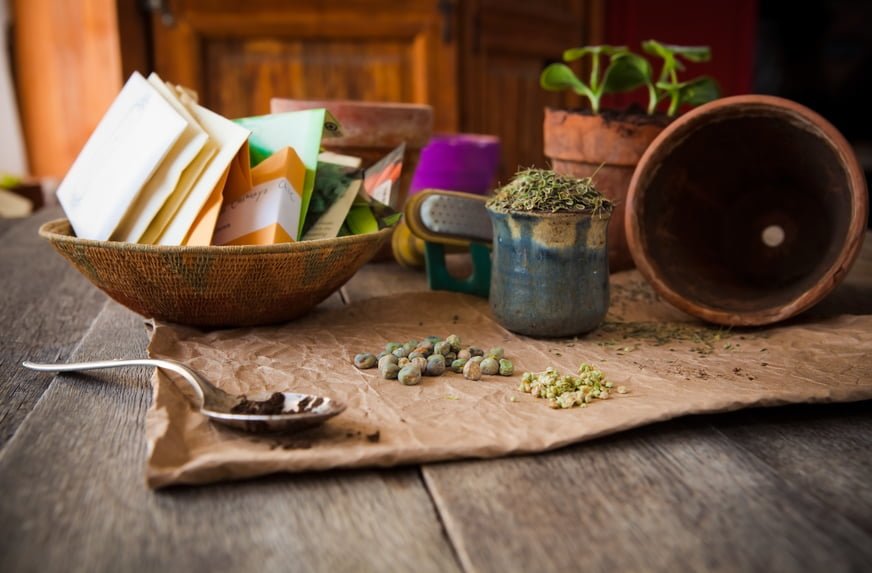
Many gardening pros insist that seeds should be kept in their original packets. This way, you can easily identify the plant variety as well as cultivating instructions. Most packets are dated as well, so you can use the older leftovers first. Insert each packet into its own zip-close freezer bag, then toss them all into one large bag and place them in the refrigerator or freezer until next year. One creative grower suggests repurposing photo albums or portable CD wallets. CD jewel cases will also work for storage and may do double-duty by helping you repurpose obsolete disc accessories. If you can locate a 4×6 photo organizer, this also provides a perfect seed storage system.

Mason Jars and Rigid Containers

Diverging from the seed-packet storage purists, some garden mavens swear by using mason jars or other stout containers that can be tightly sealed. Although they suggest storing your jars in the refrigerator, that’s valuable real estate for most people. You can store the containers in a cool location such as the basement or the back of a little-used indoor closet. One expert recommends drying the seeds out prior to storage, either on a window sill, under a fan or in a food dehydrator set to 85 degrees F. Another option is to add little silica gel packets to each container.

Preserving Your Own Plant Seeds

Some years, your garden produces a perfect edible delight that you aspire to reproduce the next year. Harvest the seeds and place them on a ceramic or glass plate. Set the plate in a dry, shady spot and stir the seeds several times each day until they become brittle enough to break rather than bend. For tiny seeds, experts suggest drying them on paper towels. Although the seeds will stick to the paper, you can simply fold it up and store as suggested above. When planting time comes around, simply tear the towel into small pieces containing two to three seeds and plant them as usual. Note that if the plant is a hybrid species, its seeds will not reproduce the same plant. Unless the plant was open-pollinated, don’t bother trying to harvest the seeds.

In northern Utah, Millcreek Gardens is the local expert in gardening. Choose from seeds, seedlings and mature plants as well as tools, accessories and soil amendments. Visit Millcreek Gardens today and ask their friendly staff for more suggestions for storing extra seeds. You can also check out our seed planting guide for more pro tips.

Top Secret Gardening Hacks

Gardening hacks are the secret tips and tricks that make gardening tasks easier, faster or more cost-effective. Master gardeners often take years to figure out the best-kept secrets and clever tricks you’re about to learn. Hopefully these tips will help you have more fun and be productive in the garden this year.
 
Stop Off in the Kitchen First
 
Your kitchen holds a world of effective garden hacks. Use equal parts water, rubbing alcohol and white vinegar to remove water stains and salt deposits on clay pots. A little beer set out in a shallow saucer will trap and kill slugs. Add a teaspoon of baking soda when watering tomatoes to improve their sweetness. Cooking spray on your weed whacker line will keep it from tangling. The next time you boil vegetables for a meal, save the water and use it in the garden.
 
Use Extra Play Sand to Store Garden Tools Safely
 
Fill a container of your choosing with play sand (or construction sand, if its clean). “Plant” your garden tools in the pot, point-down, with the handles sticking straight up. This will prevent them from clanging together in a drawer or caddy, which can dull points and edges. The action of sticking your garden tools into the sand also will clean them and help retard the rust. Select a container that will accommodate all your tools, and you may free up valuable storage space in the tool chest.
 
Change Your Garden Plants with the Seasons
 
If garden space is tight, you may be forced to choose between seasonal plants, leaving you with bare patches for half the year. The pot-in-a-pot method is the perfect hack to keep your garden growing and blooming all year long. Sink empty pots into the soil to act as plant holders, then slide your plants (each in its own pot) into the sleeves. Not only does this let you quickly and easily swap out plants, it also protects roots from nematodes and other predators.
 
Win the Aphid War with Packing Tape
 
Create a loop of packing tape around your hand, sticky side out. Gently pat the aphid-plagued plants with your sticky glove (don’t forget the undersides) for an environmentally friendly approach to pest control.
 
Easy and Creative Plant Markers
 
You may already know about painting small, smooth stones to serve as garden markers. You can also use clear or white plastic forks. Use a fine-tipped permanent marker to write the name of your herb or plant, then push them into the soil accordingly.
 
The friendly and knowledgeable team at Millcreek Gardens knows how much you enjoy your garden. If you live in the Salt Lake City area, drop in today for the best selection of plants and accessories in the area. And if you ask, you may even pick up a few new professional garden hacks while you’re there.

Growing Kitchen Herbs

Gorgeous hanging baskets overflowing with sweet-smelling herbs or berries is a fabulous way to greet the summer season, and constructing them is a project the whole family can enjoy. Growing food in hanging baskets is a fun way for your kids to learn independence as well as good stewardship. The plants can easily be moved to the best spot for sun or partial shade, ideally close to the kitchen so you can easily add that gourmet touch to any meal.
 
Step One: Choose Your Basket
 
The most common choice for a hanging basket is an open-frame 14-inch wire variety. These provide excellent drainage, and the larger size means they won’t dry out as quickly as smaller baskets. You can choose any container with holes for drainage, but wire, plastic or wicker make good choices to keep it lightweight. Often garage-sale discoveries and even the dollar store may yield some quirky, budget-friendly baskets. Family members can select baskets to reflect their individual styles.
 
Step Two: Line Your Basket
 
Line your wire basket with wet sphagnum moss or a pre-shaped coco fiber liner. The advantage of the wire-and-moss-filled container is that it allows you to plant herbs or lettuce around the sides of the basket as well as the top. After lining the basket with a thick layer of moss, add compost or potting mix designed specifically for container gardening. Hanging baskets need extra fertilizer, so water-retaining soil is important. A few capsules of slow-release fertilizer or pelleted chicken manure will help keep the plants nourished over the summer growing season.
 
Step Three: Choose Your Plants
 
Start by planting parsley or cilantro along the sides of the basket. After adding more compost, the top can be filled with seedlings for herbs like basil, rosemary, sage and chives. You’ll be in culinary heaven with so many fresh herbs at your fingertips at dinnertime. Your next hanging basket can contain different types of salad greens, such as Paris Island romaine, red leaf, or mesclun mix. Strawberries also do well in hanging baskets, because the berries hang out over the sides for easy picking. Last but not least, cherry tomatoes are fun to grow and easy to harvest in hanging baskets. Dwarf varieties like Micro Tom and Basket Boy Yellow are bred specifically for hanging planters.
 
Millcreek Gardens can give you expert advice on starting your hanging planters. Since 1955, their experienced customer service team has been serving the Salt Lake area. They will be happy to answer any questions and help you find the perfect plants to make your hanging basket a delicious success.

Garden Fountain

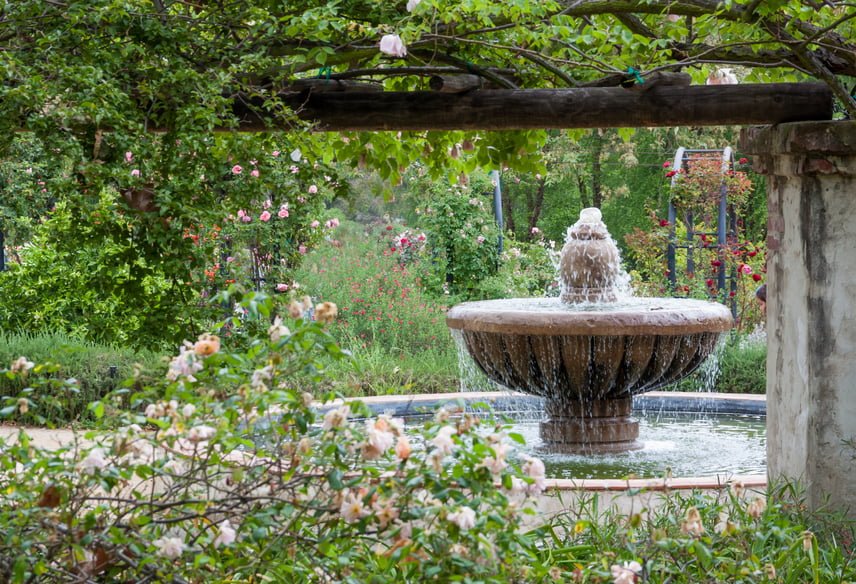
Fountains add life and motion to any garden setting. Whether you opt for a single percolating bubbler or a cascading multi-tiered rock waterfall, a fountain is a rewarding project that can be completed in a weekend, often without a major investment. Following are a few considerations to think about before adding a fountain to your backyard garden.
 
Designing the Fountain to Fit the Function
 
Do you want your fountain to sparkle and enliven a front entry? Or will it be designed to provide a soothing cadence near a seating area to enhance and deepen conversation? Knowing the purpose and size of the area you’re considering for your fountain will help determine your choice of design. Even a funky yard-sale container can make an interesting fountain that adds the finishing touch to your garden.
 
Selecting Materials for a Cascading Waterfall or Zen Bowl
 
The main ingredients for a DIY fountain are a waterproof catch basin, a screen mesh filter, a submersible pump with copper pipe, and a piece of sculpture. Whether you’re making a bowl-style fountain to provide a resonant murmur, or a natural rock ledge with a splashing waterfall, the supplies are easy to find. For the rustic or cottage look, use a balanced stack of flat river rocks. Metal and slate provide clean contemporary lines for the modern garden. A sculptured water nymph or mythical creatures can create a touch of whimsy. Or reflect an elegant theme with a Grecian urn or classical Old-World tiered fountain.
 
Lush Plantings around the Fountain
 
Grasses and tropicals are a natural fit for your fountain or water garden. An overflow area from a pond or fountain, typically called a bog garden, is perfect for water cannas, irises and marsh marigolds. Cattails, sedge and bulrush can be left in the pond for the winter, provided that no salt is added. Children love fountains, and can be involved in learning about the type of plants and wildlife that the water attracts. In fact, one requirement for creating a certified wildlife garden in your own back yard is having a water feature, birdbath or fountain to supply water. A bio-swale can help manage rainwater runoff.
 
Adding a fountain to your garden adds a dynamic dimension to your landscaping. It is a delight for the soul. The helpful gardening advisors at Millcreek Gardens can offer both inspiration and expertise. With their knowledge of our regional climate, the staff can recommend the ideal plants and products to create the perfect garden fountain.

Avoid Soil Borne Diseases

Soil-borne diseases are becoming more prolific throughout northern Utah, and they are the bane of many gardeners’ existences. The challenge is that the presence of these microorganisms is almost impossible to detect or diagnose without the knowledge and experience of an expert. Preventing soil-borne problems is the most effective way to avoid a heartbreaking and costly problem. If you do experience pathogens in your soil, an expert opinion will be necessary if you hope to ever get the problem under control.
 
What are Soil-Borne Diseases?
 
Billions of different microorganisms live in our soil, many of which play an important role in the ecosystem. Some, like the fungi that produce edible mushrooms, are also beneficial and welcome in some cases. The dangerous pathogens, however, can wreak havoc on your garden and planting beds. Vegetables and fruits are particularly susceptible. At best, these diseases can reduce yields and degrade the quality of your harvest. In more dire cases, these pathogens can cause root rot, wilting and decay. The challenge of soil-borne diseases is that they are difficult to diagnose and even harder to eradicate. Experts say the best defense is a strong offense.
 
Prevention is the Best Approach
 
Taking steps to avoid pathogens will help guarantee that you won’t have to go to battle. Examine plants thoroughly before purchase and avoid any specimens that exhibit unhealthy characteristics (spots, discoloration or non-normal leaf shapes, for example). Your healthy garden soil can become infested with unwanted pathogens or diseases brought in on new plants. Maintaining the proper soil pH, moisture and level of nutrients will give your garden the best chance at fighting off any potential threats. Incorporate soil amendments that encourage drainage and provide the right type of fertilizer to your plants to assure them the best chance of fighting off disease. Don’t overwater or move soil around in your garden to avoid cross-contamination.
 
Treating Soil-Borne Pathogens in Your Garden
 
If you do develop plant-based diseases, you may have a tough time determining the right course of action. Check with your local university extension to see if they can help identify the problem, or search your specific symptoms online for comparison. Master Gardener groups can be a great resource, but don’t overlook the knowledge and experience that can be found at your local garden center. If your plants die, remove the entire root ball and dig out at least six inches of dirt, disposing of it in the trash rather than in your compost pile. Take the dead specimen to your nursery for an opinion and advice on how to treat your soil to overcome the problem. In extreme cases, you may have to dig out the planting area entirely and bring in new, healthy dirt.
 
The local experts at Millcreek Gardens are committed to helping you succeed in your gardening and ornamental planting endeavors. Their knowledgeable staff can provide critical insight and guidance, helping you avoid and overcome soil-borne diseases year after year.

Gardening Tools

Throughout northern Utah, garden tools are coming out of storage in droves as gardeners across the region take to the great outdoors. It’s time to take stock of what you have, do a little tuning up and visit the garden center to grab a few new toys. Every gardener needs a basic arsenal, but good-quality tools will last a lifetime if you care for them properly. While you’re at the garden center, take a look at some of this season’s hottest new gadgets too.
 
The Top Garden Tools You’ll Need
 
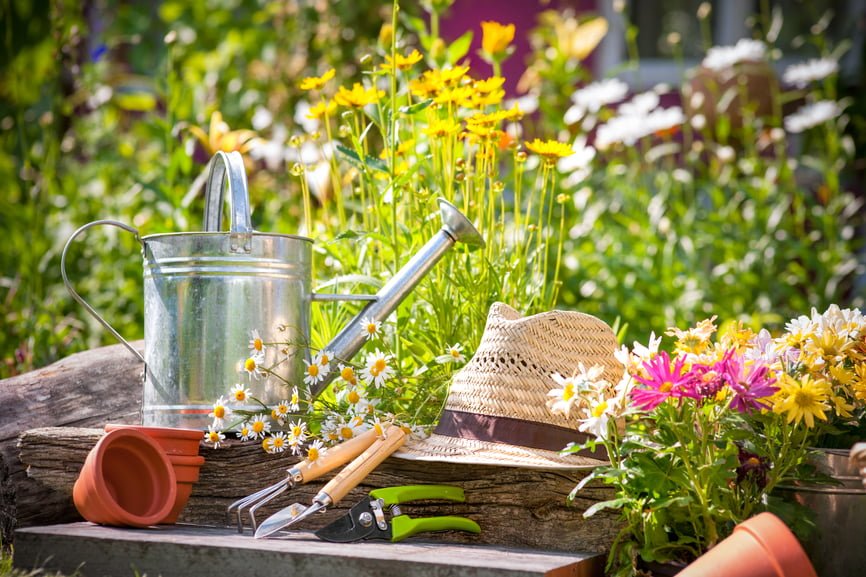
Even the novice gardener will benefit from using the right tools and implements. Your needs will vary based on your own yard and garden, but there are a few “must haves” for everyone. A good pair of bypass pruners is critical, but many people swear by having two sets. Because diseases can transfer easily between plants, having two will make it easier to avoid cross-contamination. Likewise, good garden scissors are critical for smaller jobs. If you have an herb garden, invest in a pair of herb harvesting shears. Most even have a tiny stripping tool incorporated into their design for removing delicate leaves from the stems. You’ll need a shovel, spade, hoe and saw too, as well as a pair of long-handled loppers for the tall jobs.
 
Cleaning and Maintenance to Make Your Tools Like New
 
No matter how well you care for your gardening equipment, you’re bound to notice a little rust or grime after a long winter in the shed. Brew up some strong black tea and soak your rusty implements in the hot mixture for several hours, then use a rag to wipe away the oxidation. You may want to first disassemble any tools that have hard-to-reach nooks and crannies. Pick up a good sharpening tool for your pruners this year, so you won’t run the risk of crushing delicate flower stems and stalks. While you’re at it, give your shovel a sharpening as well. Finish everything off with a light coating of oil when you’re done, to help keep rust at bay. You can buy replacement handles online or at the garden center if any are broken. Finally, use a screwdriver to tighten up the wobbly parts and you’re ready to go.
 
The Hottest Tools to Add to Your Collection
 
Raised planting beds are all the rage today, but if you have them in your garden, you may have noticed that your standard tools aren’t quite the right size. This year’s must-have gardening implements are scaled for raised beds. Grab a weed popper or fulcrum weeder too, so you can use fewer chemicals and weed killers in your yard. Speaking of raised beds, several companies now sell decorative corner brackets in a variety of delightful designs. These handy gizmos allow you to quickly and easily build your own planters, holding the sides tight and looking adorable all at the same time. Finally, consider investing in a portable tool chest to store your implements. This will ensure that they are protected from the elements and always where you need them to be.
 
Whatever your garden tool or implement needs, Millcreek Gardens is your go-to spot in the Salt Lake City area. With decades of experience and a friendly, professional staff, Millcreek Gardens can get you ready to go with the highest quality, most affordable garden tools and supplies you need.

Budget Friendly Gardening

Helpful gardening tips are easy to come by these days, with the Internet, television, books and magazines. The very best tips, however, are those that consider your wallet as well as your landscape. Proper planning will help ensure that you purchase only those items you need. When possible, use do-it-yourself strategies and free materials to save even more. Doing a little extra legwork early in the season will help produce a bountiful yield that’s good for your family’s health as well as your bank account. Read on for more money-saving gardening and landscape ideas.
 
Garden Planning Tips to Save Money
 
Gardeners tend to buy some plants on impulse. Plan out your garden and landscaping beds in advance, make a comprehensive list and only purchase those items that are on your list when you visit the garden center. Buying in bulk can also save money. Put your shopping list together with neighbors and friends to increase everyone’s buying power. Having your soil tested in early spring will provide guidance on what to plant and how to fertilize, increasing your yield and saving you money on soil amendments.
 
Go DIY When You Can
 
Composting is an ideal way to reduce your landfill footprint and save money on soil additives. Visit a local farm and ask about manure. Many farmers will gladly let you take some for free as long as you haul it away. Divide existing perennials and replant them in other areas, trade with friends and neighbors for other plant types or ask them if you can take cuttings from their established plants. Create your own mulch from fallen leaves, wood scraps or sawdust. These products are also perfect for creating cost-effective garden paths and for edge dressing.
 
Consider What and How to Grow
 
Start as much of your garden as you can with seeds, which are significantly less expensive than seedlings. Share seeds with your neighbors if you are unable to use them all or desire a larger variety. If you have limited space for gardening, grow those items that cost the most to buy at the market, or that are not readily available for purchase. Use organic methods of fertilization and pest control to save money and avoid using dangerous chemicals. Finally, although it may sound obvious, plant only as much you will use. If you found yourself taking bags of squash to work last summer or begging friends and neighbors to take more tomatoes off your hands, you’ve wasted effort and money.
 
In Salt Lake City, Millcreek Gardens knows that your budget is as important as your garden. With the area’s largest selection of trees, flowers, plants and gardening supplies, you will find exactly what you need at a price you’ll love. Visit them today for more expert gardening tips.

Rain Barrel

Using a rain barrel may seem like a quaint and antiquated concept, but in reality, it is a great way to save money and preserve precious resources. Although you can purchase a DIY rain barrel kit, that may not be necessary. Using just a few tools and supplies you may already have around the house, you can have your water collection system set up and functional in a single afternoon. This is a fun and educational project that the whole family can enjoy. Depending on annual rainfall totals and your roof’s size, you can potentially collect a thousand gallons of water (or more) each year to use for lawn and garden watering, washing the car or even bathing your pets.
 
Assembling the Water Collection Container
 
Start with a heavy-duty plastic garbage can, preferably new or well-scrubbed. Drill a hole in the side that’s high enough to accommodate a watering can or bucket and insert a threaded metal spigot using a rubber washer and waterproof sealant. Using your downspout dimensions, cut a hole in the lid to allow water in. You’ll also need a vent/overflow hole in the top. Secure landscape fabric or tightly-woven screen fabric over the top of the can to keep debris and mosquitoes out, then attach the lid.
 
Placement of Your Water Collection System
 
Locate your gutter system’s downspout and determine the best orientation for the water collection container. Level the soil if necessary, then place concrete pavers or blocks for the container to rest on securely. This will help increase water pressure and make access easier. Cut the downspout to an appropriate height or remove it and attach a flexible downspout extension that will better align with the rain barrel’s opening. Some users attach a hose to the spigot to eliminate the need to carry water into the garden. You can also attach plastic tubing to the overflow hole and direct it into landscaping beds.
 
Alternative Containers for Harvesting Water
 
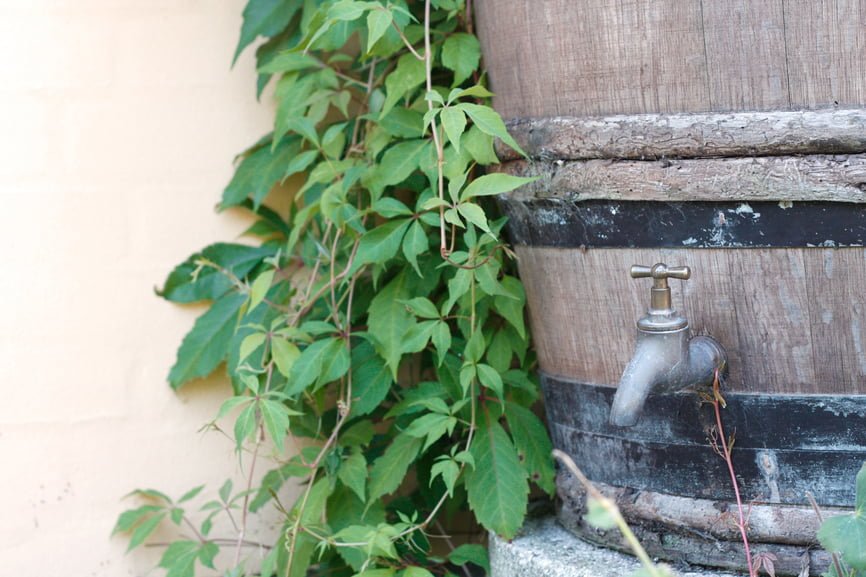
You can find dozens of online resources for building a water harvesting and storage system. If a plastic garbage container lacks the elegance you’d like for your yard or garden, consider using a wooden wine barrel. If you have limited space, of if your water needs are more modest, you can use five-gallon plastic bulk food containers or water cooler bottles. Avoid using any container that previously held toxic chemicals or paint.
 
Millcreek Gardens in Salt Lake City is an excellent source for all your garden needs. With a wide selection of flowers, plants and gardening supplies, the experts at Millcreek Gardens can help you find many uses for the water you’ll save in your rain barrel system.

Pizza Garden

A pizza garden is a fun way to entertain children while teaching them the importance of growing food and the garden-to-table philosophy. Most kids love pizza, so engaging them in selecting, planting and caring for the ingredients is educational as well as fun. Planting your garden in a pizza-shaped layout cranks up the fun factor even more. If pizza isn’t your thing, you and your family can choose from any number of themed planting ideas or even create your own.
 
Plant Species to Include in Your Pizza Garden
 
The usual suspects for pizza-making include tomatoes, onions, peppers and herbs. Traditional Italian herbs include oregano, basil and parsley. If you prefer other veggies or herbs, add those or switch them out for some you aren’t wild about. Mix Roma tomatoes with golden jubilee, cherry or dwarf varieties, or even heirloom species. Use sweet bell peppers and mix in some hotter varieties for a more caliente pizza. Many of your pizza plantings can be started from seed, which means you can begin before the warm growing season officially arrives.
 
Add a Fun Layout and Follow Your Progress
 
Although you can plant your pizza garden in any location (including raised beds and containers), some gardeners like to create even more family fun by laying out the garden in a pizza shape. Mark out a 6- or 7-foot-diameter circle and divide it into six “slices” using decorative stones, strips of wood trim or plastic edging. Place the tomato plants in one wedge, the basil in the next and so on. Have the kids take pictures of the progress and a final photo of the newly finished garden. As it takes hold and begins to grow, have them document the progress. Later, they can create a flip book or time-lapse video of their creation.
 
Other Themed Garden Ideas
 
If pizza isn’t a favorite at your house, you can try other themes. Fresh salsa is healthy and fun to make, using homegrown tomatoes, cilantro, onions and jalapenos. Make it salsa verde by planting tomatillos instead of tomatoes, or up the spice level by using a more intense type of chili. If healthy Mediterranean cuisine is more to your liking, use Roma tomatoes and eggplant. Add fragrant Mediterranean herbs like sage, thyme, Greek oregano and lavender. You can even extend the theme throughout your yard with ornamental plants like the skyrocket juniper, which boasts low water use and cold weather hardiness, and the fuzzy lamb’s ear ground cover, also perfect for the northern Utah climate.
 
Millcreek Gardens can help you get started with your themed garden. Serving Salt Lake City and the surrounding communities since 1955, their experienced customer service team can answer any questions and help you select the perfect plants to make your pizza garden a tasty success.