Shade Tree

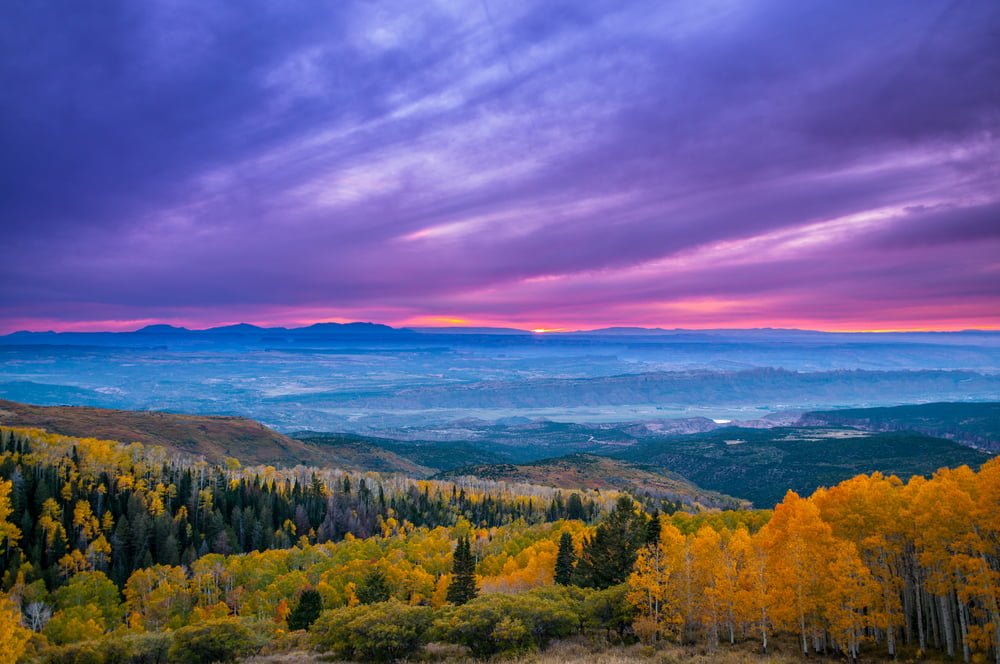
Many types of shade trees grow well in Utah, and are native to the Salt Lake Valley. Cottonwoods, alders, aspens and Rocky Mountain maples are all found here naturally. However, if you’re looking for shade trees to plant on your property, you have a few other factors to consider before choosing the trees that are right for you.
 
Consider the Location’s Future
 
First, consider factors that can affect the tree’s future, such as sunshine, shade, wind and utility lines. Trees planted facing south or west, or locations with reflected heat from buildings, must be able to tolerate hotter and drier conditions than trees planted on a north or east face. Utah is no stranger to temperature extremes, so it is important that a tree be able to tolerate them. Also, think about the above- and below-ground space. Will there be enough room for the tree and its roots to reach maturity without interference? Overhead power lines, although they may seem far away today, are one of the leading reasons for tree failure and removal. Planning ahead ensures that you’ll select the ideal tree for the location.
 
Soil Type and Amendments
 
What type of soil do you have? Is it sandy or mostly clay-based? Do you know the pH and salt content? Some trees, like red maples, prefer lower pH soils. Unfortunately, soil types vary in Utah. Some trees do tolerate salty soil well, some tolerate wet conditions and still others prefer well-drained soil. If you don’t know your soil conditions, test kits are available to help you determine what you’re working with. As an alternative, you can have your soil tested at the local university extension.
 
Availability of Water
 
What kind of watering or irrigation will the tree receive? How much, and how often? You must select a tree whose water requirements match the local area, the landscape and nearby plants. Tree roots spread widely across an area, so working it in with the landscape is important to its future survival.
 
The Best Trees for Northern Utah
 
Some shade trees you may want to consider include the acer (maple), alnus (alder), betula (birch), carpinus (hornbeam), celtis (hackberry), fagus (beech), fraxinus (ash), plantanus (sycamore), populas (poplar, cottonwood, aspen), salix (willow), tilia (linden), quercus (oak) and ulmus (elm). Each species offers specific benefits and drawbacks, and which type you choose will ultimately influence its future. For example, cottonwood is naturally present along streams, and requires more water for maximum growth. Alder also needs to be planted in a location with ample water and moist soil conditions. Aspen and Rocky Mountain maples prefer cool, moist conditions and often struggle in the hot and dry valley landscape.
 
The best way to ensure that your tree selection is appropriate is to talk to an expert. The experienced professionals at Millcreek Gardens are native tree experts. Shade trees enhance your property and increase your enjoyment at home. Visit Millcreek Gardens today to determine the best procedure for selecting, planting and caring for your new shade trees.

Organic Fertilizer

If you think organic fertilizer is nothing more than a little compost or an organic label on the bag, you’re only considering a small part of the processAdopting an environmentally friendly approach to a healthier lawn and garden involves much more than simply changing brands; you must change your mindset and approach to gardening as well. When you go organic, you’re not just applying a safer fertilizer a few times a year, you’re choosing to nurture life along with your soil, which will, in turn, nurture your grass. If you’re looking to adopt an organic approach in your yard and incorporate organic fertilizer into the mix, read on to find out how to go from ordinary to organic!
 

Thicken Your Lawn

One helpful step to take is to thicken your turf by spreading grass seed. When grass is thick and healthy, weeds have no place to take root and germinate. This allows the grass to establish a wider root system, which more effectively pulls nutrients and water from the soil. Look for a seed mix designed for the conditions specific to your lawn: sun or partial shade. Fall is generally a good time of year to over-seed, but if your lawn is on the thin side, you can also do this in the spring. Before spreading the seed, cut your grass to about 2 inches tall. This allows sunlight to get through to the new seeds and encourages germination. Spread about 3-4 pounds of seed per 1,000 square feet of lawn area.
 

Feed It

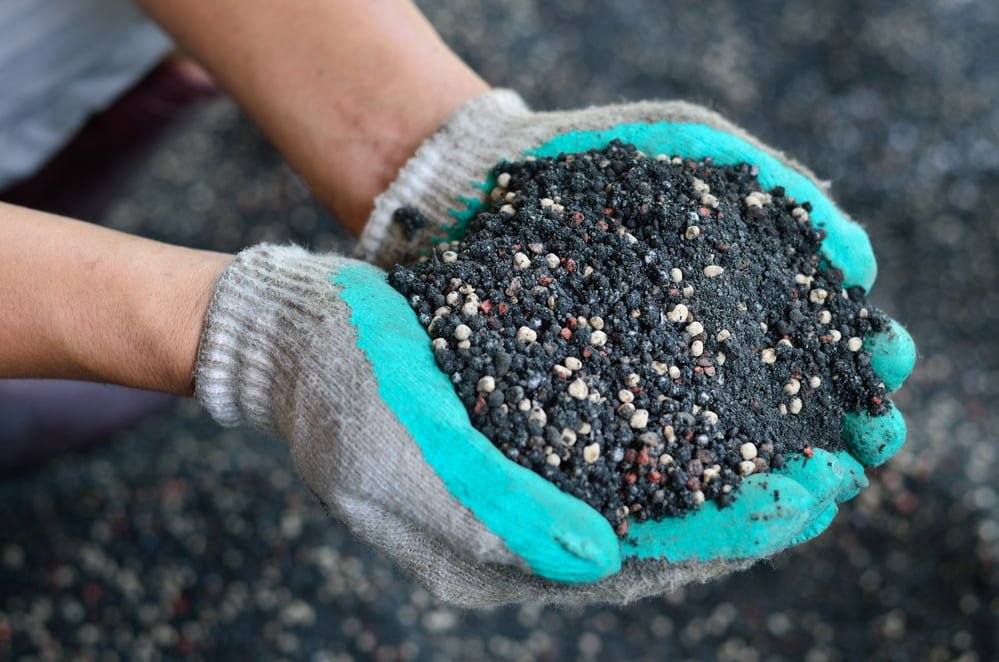
Compost increases the soil’s organic matter content and improves water retention by encouraging biodiversity. Fill a wheelbarrow with compost and drop small piles all around your lawn, then spread it with a rake so it’s three-eighths of an inch thick. Commercial organic fertilizers come from natural plant, animal and mineral sources. Read the label on the fertilizer to make sure you don’t overfeed your lawn. Apply a low dose in early fall and mid-spring. You can purchase organic compost and other soil amendments, but starting your own compost pile provides a free, readily available supply of this magical compound.
 

Water Wisely

Using an organic approach for your lawn means that you will need to water less. When you do need to water, do so in the early morning to maximize effectiveness. Remember that deep and infrequent watering makes the grass send roots deeper into the soil to find moisture, which will make your lawn more hearty and drought resistant. About an inch of water per week is enough to sustain an established lawn in most cases.
 

Cut High

Set your mower blade to its highest setting and keep the blade sharp to help your grass resist infection and infestation. Remember, you never want to cut off more than one-third of the grass blades at a time. Leave those grass clippings on your lawn, too. They add valuable organic matter to the soil and help prevent evaporation.
 
In Salt Lake City, Millcreek Gardens is your local expert for all things lawn and garden. Visit their garden center and speak with the experienced associates about your yard and your goals to become more environmentally conscious. They can answer all your questions and direct you to the most effective methods of using organic fertilizer and care methods.

Keyhole Gardening

Keyhole gardening is an affordable and less labor-intensive method of permaculture gardening that is taking the world by storm. This unique and simple approach can save you time and money, and it provides an environmentally friendly way to grow your own food. Check out all that keyhole gardening can offer you!

What Is a Keyhole Garden?

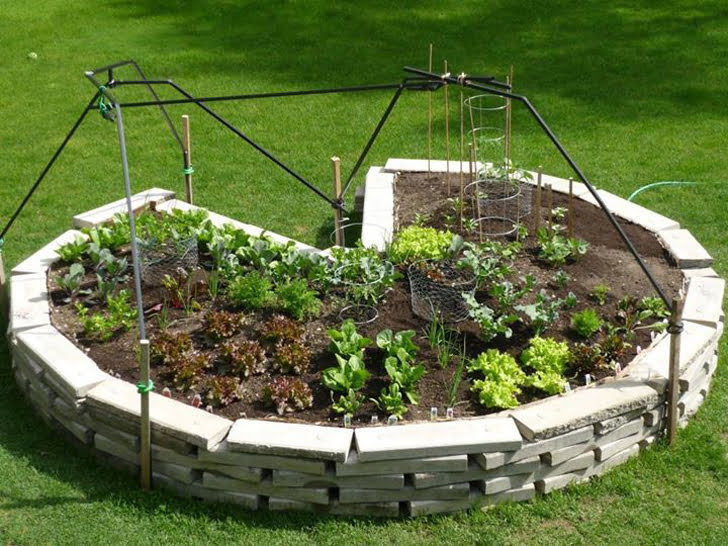
It’s a type of raised bed (no-dig), permaculture garden shaped like a circle with a notch or keyhole cut out. At the center, a round basket holds compost materials (vegetable scraps and other yard clippings) that you add regularly. The hard work in this garden is done by the microorganisms that convert the compost to healthy soil, which then feeds the bed’s plant materials. Whenever it rains or you water, the center basket’s nutrients leach out into the surrounding soil. First made popular in Africa, this unique approach is great for areas where droughts are common, but it’s perfect anywhere for improving growing conditions and conserving water.

The Benefits of Keyhole Gardening

This is a great alternative for people who want to grow their own food, but don’t have the time to commit to it on a traditional platform. It’s also perfect for people who don’t have the money to invest in bags of potting soil and other expensive soil amendments. This type of gardening produces compost quickly, using water and materials from your own yard and kitchen to create a rich growing base. And, since the platform is raised, it’s easier on your back and legs and resistant to many natural enemies of ground-level gardens. If you add a support structure overhead, you can shade your garden during the harsh summer or protect it, greenhouse-style, during the colder months.

How to Construct Your Keyhole Bed

Many backyard gardening enthusiasts prefer recycled or natural materials for the bed’s walls, but you can use whatever materials you prefer. Start with a circle approximately 10 feet in diameter and construct a Pac-Man-shaped bed. The secret to the keyhole method is to make the keyhole large enough to provide easy access to the central basket, which you can make out of chicken wire. The center basket should be 1 foot in diameter and extend vertically from ground to about 18 inches above the soil. Fill the bed with alternating layers of kitchen scraps, garden clippings, and dirt, and watch the magic happen!

The Recipe for a Successful Keyhole Garden

Experts say that a successful keyhole garden works best with a ratio of 3:1 in the composition of brown and green material in the soil. This forms the core of the garden and breaks down rapidly, thanks to the heat created by the natural decomposition process. Some brown materials that are recommended for use include brown or yellow leaves and grass, paper and wood products like phone books and newspapers, straw, sawdust, dead plants, lint from your dryer or vacuum cleaner debris, cardboard and wood ash. The green materials you can use include kitchen scraps such as vegetables, fruits and eggshells, coffee grounds, manure, tea bags and fresh green grass clippings.

For all of your northern Utah gardening needs, call on the experts at Millcreek Gardens in Salt Lake City. They carry all the plants and accessories you need, but the real value lies in their experience. Visit Millcreek Gardens today and let them help you get started with your keyhole gardening project.

Butterfly Friendly Gardening

Many people want to make their Utah gardens butterfly friendly, but they don’t know how. Butterflies, bees and other pollinators need safe havens to reproduce and rest during migration. Plus, nothing is quite as beautiful as a garden full of butterflies! So, what are the best ways to lure butterflies to your backyard garden? Following are a few tips and tricks to turn your garden into a butterfly sanctuary.
 
What Butterflies Need
 
You can lure butterflies to your yard by incorporating plants they like. These graceful and colorful creatures enjoy plants that will provide nectar as well as plants on which they can lay eggs and that larvae can feed on. Once the larvae have eaten their fill, they will transform and emerge from your garden as beautiful butterflies, going forth to pollinate.
 
Choosing Your Plants
 
Blooming perennials are a great addition to any landscape, and they are exactly what butterflies need and like. A few butterfly-attractive perennials you may want to try are liatris, aster, coreopsis, scabiosa, sedum, joe-pye weed and blanket flower. You also can mix in some shrubs such as lilacs and butterfly bushes, which are very aptly named. If you’ve got the room and the inclination, you can also throw in the fragrant honeysuckle vine for good measure. Not only do butterflies love all of these plants and shrubs, but they are also a gorgeous, sweet-smelling addition to any garden.
 
Utah’s Unique Butterflies
 
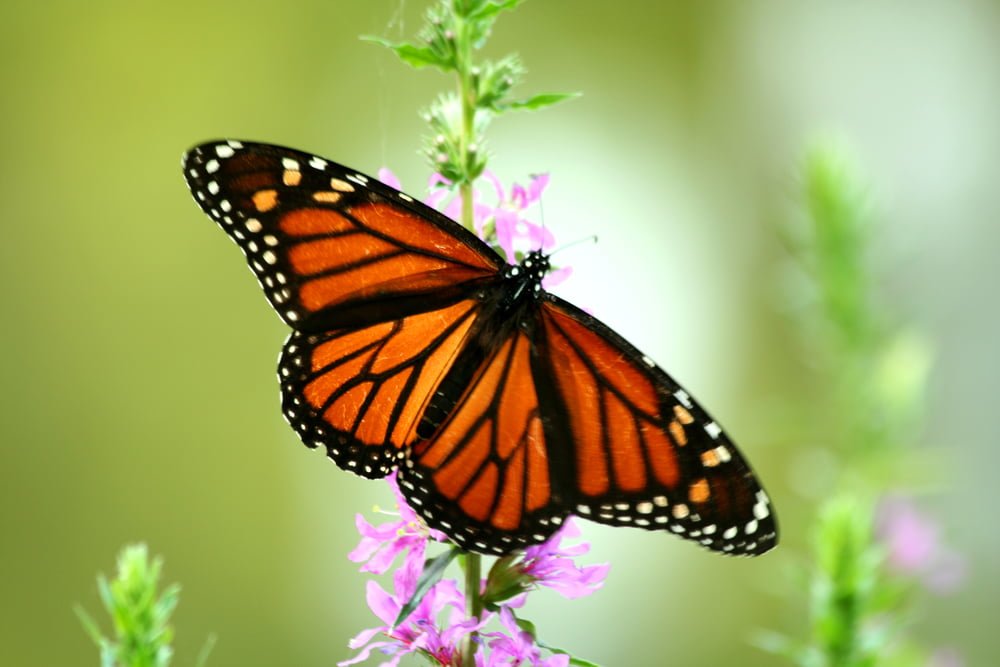
Several species of butterflies abound in northern Utah. The most common are the mourning cloak, clouded sulfur, silver spotted skipper, red admiral, swallowtail, gray hairstreak, spring azure, painted lady and the sovereign of all butterflies, the monarch. Planting butterfly-friendly plants will not only encourage them to flutter through your yard, but stay a while to check out what you’ve got.
 
Meet Even More Butterfly Needs
 
Making your Utah garden a safe haven for butterflies involves more than just the types of plants you incorporate. If you live in a windy area, their delicate wings need some kind of shelter, such as a tall hedge or wall. They also need to drink. A few puddles, a pond or a water feature will provide more than enough liquid sustenance.
 
Remember that, if you want to make your garden butterfly friendly, it will involve some sacrifice on your part. When butterflies are in the caterpillar stage, they may snack on your plants, but that’s a small price to pay for such majestic beauty. Visit the experienced garden specialists at Salt Lake City’s Millcreek Gardens. They can answer all your questions and get you started on growing the perfect butterfly-friendly Utah garden.

Rose Bushes

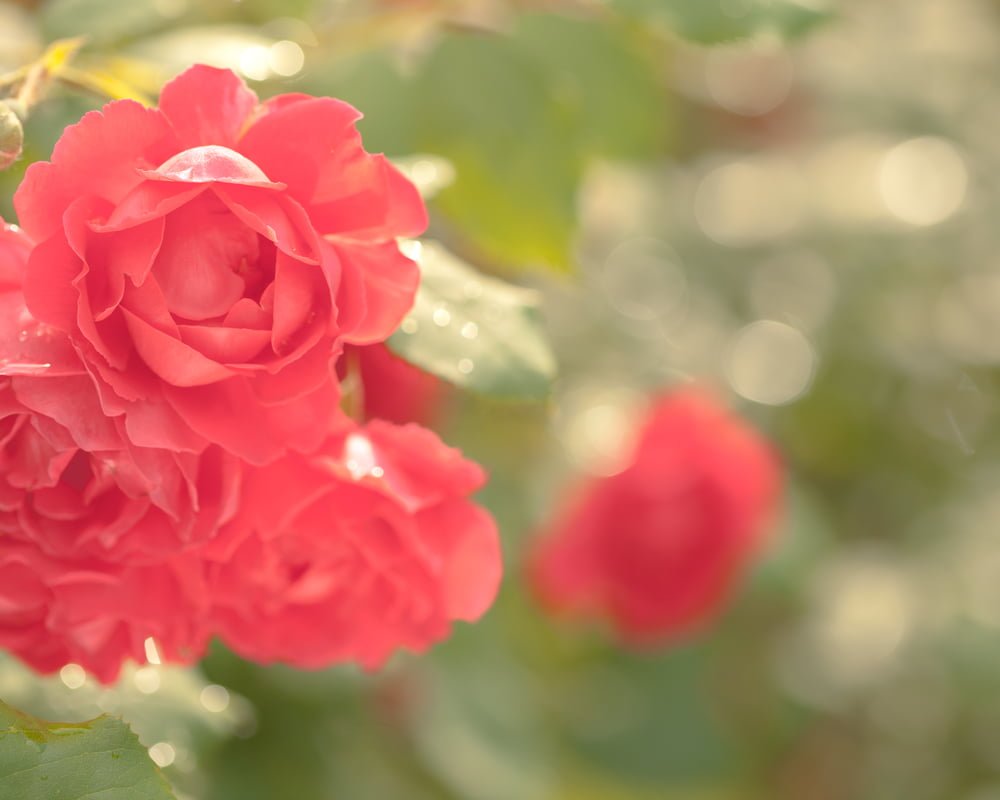
Planting rosebushes in northern Utah climates can pose several unique challenges. Although anyone can plant rosebushes, you need to attack this thorny process armed with the right plants and accessories, as well as some basic knowledge of the process. Following are step-by-step instructions for planting rosebushes, from the experts at the American Rose Society.
 
Step 1: Choose Bare Root or Container-Grown Roses
 
Even experienced gardeners may not know the difference between a bare-root rose and a container-grown specimen. A bare-root rose doesn’t have any leaves or flowers when you purchase and plant it, and is essentially in a dormant stage. This has distinct advantages because the plant can put all its energy into growing healthy roots. You do have to wait a season for them to bloom, however. These can be planted early, about six weeks before the average last frost date in your gardening zone. A rosebush that is container grown has full foliage and flowers. It presents a pretty picture as soon as you get it in the ground. These rose plants you see at your gardening center that come in one- or five-gallon containers need to be put out after the last frost.
 
Step 2: Choose an Appropriate Site
 
Before deciding where to plant your roses, you must consider several important factors.

  • Select a site that will provide some direct sunlight as well as protection from winter’s worst conditions.
  •  

  • Plant them close to a wall that can absorb the sun’s rays or by a fence that will help keep the plants protected from the worst cold.
  •  

  • You also need good drainage if you want to grow healthy roses that bloom and thrive. You can always plant them in a raised bed as well, which automatically improves drainage.
  •  

  • Next, you need soil with a proper texture and mix of nutrients. It shouldn’t be too sandy or too dense. You can improve its quality by adding compost or other rose-friendly soil amendments.
  •  

  • Take care to never plant your roses too close to shrubs or trees. The plants will compete for nutrients and water, and you may end up losing both.
  •  

  • Finally, check the pH balance of your soil and amend it if necessary. You can find kits at your local garden center, or have your soil tested at your local university extension. Ideally, the pH balance best for roses is between 6.5 and 7.

 
Step 3: Plant Your Roses
 
For a bare-root rose, dig a hole slightly bigger than the roots of the plant. Place the root into the hole so it is 1 to 2 inches below the soil line after you fill up the hole. Then add 2 or 3 gallons of water, pouring it in slowly. For container-grown plants, don’t water them for a day or so to let the moisture level go down. Next, dig a hole 1 ½ feet wide and 1 ½ feet deep. Place it carefully in the hole and fill it in. Water the plant, let the water seep in, then water again.
 
Tend your new rosebushes well and you will soon have beautiful blooms to brighten your garden. Visit Millcreek Gardens in Salt Lake City for the best quality bare-root and container-grown roses. Their experienced, helpful staff can recommend the right products to ensure that your plants will grow and thrive. Before you know it, your rosebushes will be the envy of the neighborhood.

Perennial Flowers

Gardeners love perennial flowers, and for good reason. With basic care, these hardy plants come up year after. Their roots run deep, allowing them to survive the shock of winter temperatures. Northern Utah has a range of climate conditions and several types of perennials that do exceptionally well here, keeping your garden colorful for months.
 
Why Plant Perennials?
 
The joy of perennials is that once you get them safely planted, you just need to water and fertilize them periodically. They bloom reliably each year with minimal care. If you plan your garden carefully, it will always be full of color. Select your plants so that one type starts blooming just when another is finishing its blooming cycle. Perennials also save you time in the garden. They have a shorter blooming cycle than annuals do, so you don’t have to remove old blooms as often. With annuals, you need to remove old blooms frequently, otherwise they stop blooming. Perennials help to keep your whole garden healthier. Their deep roots mean the plants have access to nutrients that annuals can’t reach. They bring these nutrients closer to the surface, where other plants can use them. Their long roots make channels in the soil so water can percolate up and around, which also helps to aerate the soil.
 
Eight Hardy Perennials for Northern Utah Gardens
 
The diverse climate of northern Utah spans the U.S. Department of Agriculture plant hardiness zones 4, 5, 6 and 7. Here is a look at eight of the best perennials that do well in these zones.
 
The friendly looking, yellow tickseed coreopsis flowers from June to September if you deadhead the plants regularly. They need full sun.
 
Munstead lavender brings a bluish-purple glow to your yard. It is in flower from July to October and needs full sun to do its best. Gardening experts say every garden should have at least one type of lavender, for its beauty and its fragrance.
 
Rose lovers are grateful for the John Cabot rose, which can flower from June to October, one of the few roses that can do so in northern Utah. It requires full sun and regular deadheading to do its best.
 
Hummingbirds love the delicate redbirds in a tree, which bloom from June to September. It is most robust at 6,000 feet or higher and does well in full sun.
 
The corkscrew ornamental onion adds an interesting range of purples to your yard. If you have clay soil, this is an excellent choice. It flowers from June to September.
 
If your soil is of poor quality, you can still get blooms with strawberry seduction yarrow, which has delicate red and yellow blooms with fern-like foliage. It blooms all through the summer and into early fall.
 
If you love the look of anemones, consider planting the September charm windflower. It brings a lovely pink color to your garden in the fall, just as other the flowers are dying.
 
The range of colors in the McKana giant mix columbine can bring variety to an odd corner of the garden. They come in several sizes and are among the first to bloom each spring.
 
Half the fun is selecting which colors you want to bring to each section of your garden. Visit Millcreek Gardens in Salt Lake City and let their experts help with all your gardening needs. They can answer all your questions and get you on the right track with your favorite perennial flowers.

Local Garden Center

Your local garden center is one of the best resources for the home gardener. The experts at your local nursery can provide information and assistance specific to northern Utah, as well as about those plants and products that are best suited for your soil. Buying local also keep jobs in your community and supports small, locally owned and operated businesses.
 
High-Quality and Specialty Products
 
Most of the so-called big box or chain stores have garden sections that are active during the growing season. The prices are low because they can take advantage of economies of scale. That’s hard to argue with when you are gardening on a budget. However, the plants in big box stores are not always in the best condition and likely not grown in a sustainable, environmentally conscious way. Workers don’t have the commitment or the expertise to keep them in the healthiest shape. You may end up buying starts that won’t thrive once you plant them. The employees in these gardening departments are usually hired only for the season. They seldom have much skill or knowledge about plants or how to grow them successfully. At your local garden center, however, you’ll find the people and products are different.
 
Passionate about Plants
 
The people who own your local nursery started the business because they love plants, pure and simple. They chose to make their career doing what they love, working with flowers, vegetables, trees and all the supplies you need to make them grow. Many have education and training that led them to this career. They have a passion for digging in the dirt, starting plants and using best practices to enhance their growth. They hire employees from the community who are equally passionate about plants.
 
The employees at your local garden center work there year-round, learning more with each season. This is what they do for a living. Plant by plant, they learn how to grow fruits, vegetables, flowers and trees and keep them healthy. They have constant access to the owners and experienced gardeners. If they don’t know the answer to one of your questions, they know whom to ask for the answer. When you work with plants day after day, year after year, you learn from hands-on experience what works and what doesn’t. The experts learn by trial and error which products work in the local climate.
 
Knowledge of Local Zones and Planting Conditions
 
Each area of the country has its own growing zone, and growing conditions can vary dramatically from locale to locale, based on climate, elevation and rainfall. Reading a book or looking up information online can help, but nothing replaces the experience and know-how of a local gardener. Local nurseries can give you precise information about soil conditions, what type of plants to grow in shady and sunny spots and what type of pests may be a threat. Gardeners were the original conservationists. Your local nursery stocks products that are good for your plants and friendly to the environment. As a member of the community, they have a commitment to the long-term health of the land in their area.
 
When you patronize your neighborhood garden center, you can shop with the confidence and knowledge that your dollars remain in the local economy. In the Salt Lake City area, buy your plants and gardening supplies, and get your questions answered, at Millcreek Gardens, your locally owned and operated Utah garden center.

Kid Friendly Gardening

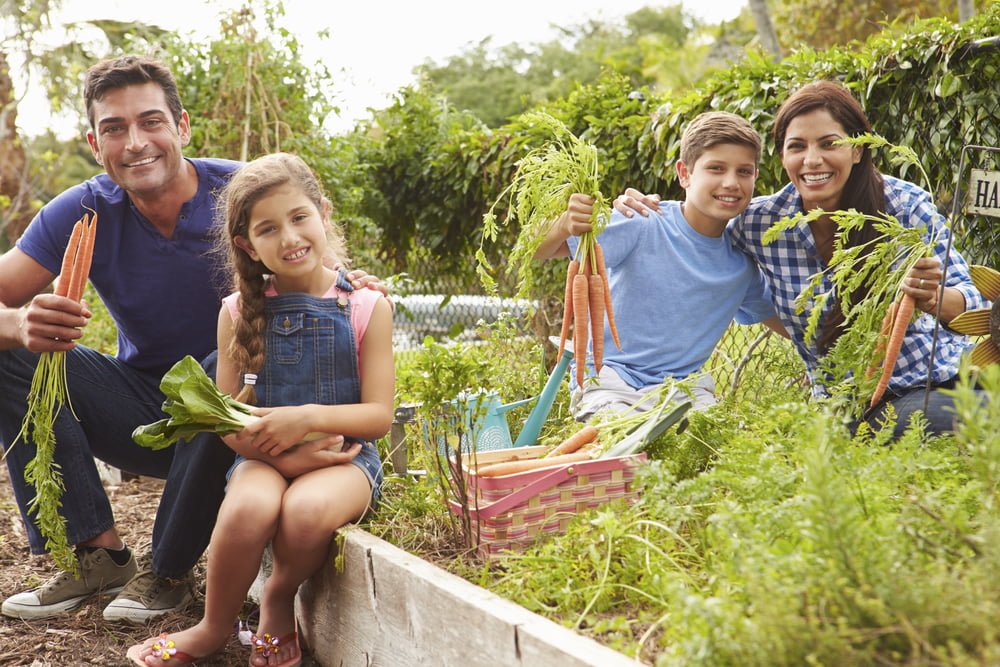
Growing a kid-friendly garden can be a great activity to both entertain and educate your children this summer. While you may consider several different types of garden options, smaller is better for children. Even certain types of plants are better than others because of their varying maturity time and low maintenance requirements. Teaching kids how to garden is a great way to keep them engaged during their vacation, but also to educate them about how to be good stewards of the land.
 
Tips for a Kids’ Garden
 
A great container for your first kids’ garden is a 4-by-4-foot wooden box. This size allows for three or four separate growing areas for flowers, fruits, vegetables and even herbs. In the beginning, start out with fewer rather than more plants, to demonstrate how different plants grow and to allow kids to see the results of each one. If possible, plant your garden in a sunny location. If shade is plentiful in your yard, make sure to choose shade-loving plants for optimal growth. When preparing the beds for planting, teach kids how to adopt environmentally conscious gardening habits. Use natural soil amendments and organic weed- and pest-control products. You can even give your children their own mini compost pile to use in future gardening projects.
 
Best Flowers
 
If you prefer to plant flowers in your junior garden, you will find quite a few suitable choices. Growing alyssum, cosmos, marigolds, morning glories and even sunflowers are great options for kids. Most of these grow quickly, and some, like marigolds, provide a natural pesticide than can help protect the fruit and vegetable areas of the planter. Cosmos, with their wide color variety, add pop to the garden and will definitely increase its visual appeal.
 
Best Fruits and Vegetables
 
The one must-have seasonal fruit in a kids’ garden is strawberries. Strawberries are colorful, tasty, easy to grow and they produce fruit throughout the summer. Radishes are great because they mature quickly and kids will probably get a kick out of pulling them out of the earth. They are also at their sweetest when harvested early. If you have the space, another great option for quick growth is zucchini. On the slow side, some favorites include tomatoes, peppers and pumpkins. The key is to balance fast-growing with slow-growing plants to provide results quick enough for kids to maintain interest while looking forward to the maturity of the slower-growing options. This combination is sure to generate both excitement and practice in developing patience.
 
Growing a garden can be a rewarding experience for both kids and adults. Learning about nature and knowing where your food comes from is important for everyone. Contact the experts at Millcreek Gardens in Salt Lake City for all your planting needs and for help with starting your very own kid-friendly garden.

Outdoor Plant Pots

Pots and planters can make all the difference for your outdoor plants. Although good soil, plenty of water and the right fertilizer are all important, the right container allows for optimal growth, health and sustainability. Each container type has its own benefits and drawbacks, depending on your objectives. Ultimately, the right choice depends on the type of plants you hope to grow and where they will be located.
 
Points to Consider Before Choosing a Container
 
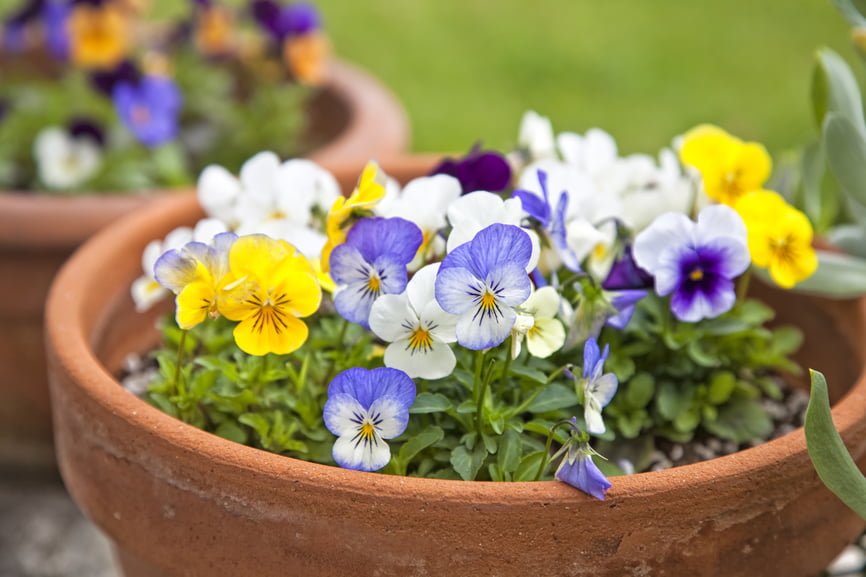
When choosing a container for your outdoor plants, it is important to consider a few key points and the first is your budget and how long you want your containers to last. Next, consider the impact the container will have on the environment as well as the effects the environment will have on the container. For example, plastic planters and pots are relatively inexpensive, compared to some other materials, but the manufacturing process requires the inclusion of a variety of toxic chemicals. Plus, plastic containers fade and crack in the sunlight. Terracotta (clay) is a much more natural product and better for the environment, and this material is not significantly more costly than plastic. Unfortunately, its porous nature allows your plants to dry out more quickly than if they were planted in non-permeable containers.
 
Popular Outdoor Potting Containers
 
The most popular outdoor planting choices today are plastic, clay, metal, stone and wood. As noted above, plastic containers are harsh on the environment and contain more toxins than most alternatives, but are inexpensive and generally have good drainage. Clay looks good and is priced right, but you’ll have to water more often and scrub away at mineral deposits on the outside of the pots. Stone is a great option for permanency, due to its sturdy nature, but it can be too heavy to move easily or use on a balcony or deck. Wood and metal offer a multitude of options for design and can be made to look visually appealing. Generally both metal and wood are long-lasting and environmentally friendly, but be careful with the preservatives used in treated wood, as they are not all safe for outdoor plants.
 
Functional Container Options
 
The gardening world has gone crazy for so-called functional containers. Functional containers are all-purpose planters that can hold an entire mini-garden. On the top of the list are hanging baskets made from plastic, wire or wood. They are light, able to be hung in a myriad of locations, and they have the capacity to display many varieties of plants. Window boxes are ideal for a showy seasonal flower display or urban herb garden. Another popular style of functional container is the pot on wheels. Small but stable casters are tucked underneath a large pot, allowing you to easily relocate it with the season.
 
Choosing the right outdoor plants and containers is ultimately all about purpose and preference. For all your growing and gardening needs, visit Millcreek Gardens, where you’ll find a friendly, experienced staff and every conceivable type of pots and planters.


Pallet Herb Garden

Growing an herb garden of any kind is fun and rewarding. When it does double duty as a design element, the results can be even more impressive. The Internet is full of creative ideas for using repurposed pallets, but the herb garden version is both easy and delightful to the eye. Pallets offer a condensed but highly organized and effective option for growing herbs. This project allows you to hang your garden right on your porch or patio wall.

Creating the Pallet Garden

To repurpose an existing pallet for an herb garden, choose one that is straight and in good condition. It is especially important that your pallet has sturdy boards and sound anchors to support your garden. If possible, select a pallet that has been heat-treated rather than pressure-treated, so no chemicals can seep into the herbs as they grow. You will need a few additional supplies for your project, including soil, heavy-duty plastic sheeting, landscape fabric, sandpaper, a staple gun and staples and of course, the herbs themselves. Since your creation will eventually be wall-mounted, you will also need an ample supply of sturdy wall anchors and a location that will support the completed pallet garden.

Planting Your Herbs

The secret to your wall-mounted herb garden is to plant horizontally. In other words, lay the pallet flat when creating it, and give the herbs some time to grow correctly before mounting it on the wall. Plan to keep the pallet flat for about two weeks, to allow for suitable root placement. Sand the boards to remove any splinters, and if you plan to paint or stain the pallet’s exterior, now is the time for that step. Begin planting at what will eventually be the bottom and work your way up, to ensure that the soil is firmly situated on each level. Attach heavy plastic over the back and bottom. Next, attach landscape fabric between each slat, using your staple gun, to create a deep trough in which to place the soil. Space the herb seedlings at least 4 inches apart, to allow room to grow and prevent overcrowding.

Maintaining the Pallet

With any herb garden, it is important to not only construct it correctly, but to invest in routine upkeep. The most important step, especially in the first two weeks, is to water the herbs regularly. Begin at the top, allowing the water to trickle down through each layer. Take care not to overwater, however, as this can increase the weight of the garden and waterlog the herbs. For a bit of organization and decoration, consider labeling your herb garden or adding whimsical plant tags.

Growing an herb garden is not only fun, but also offers fresh ingredients for meal preparation. The maintenance of herbs is relatively low compared to other plants too, offering a relaxing outdoor activity for the entire family. Millcreek Gardens, serving Salt Lake City and the surrounding areas, can help you select the perfect plants, soil and accessories to get your pallet herb garden started today.