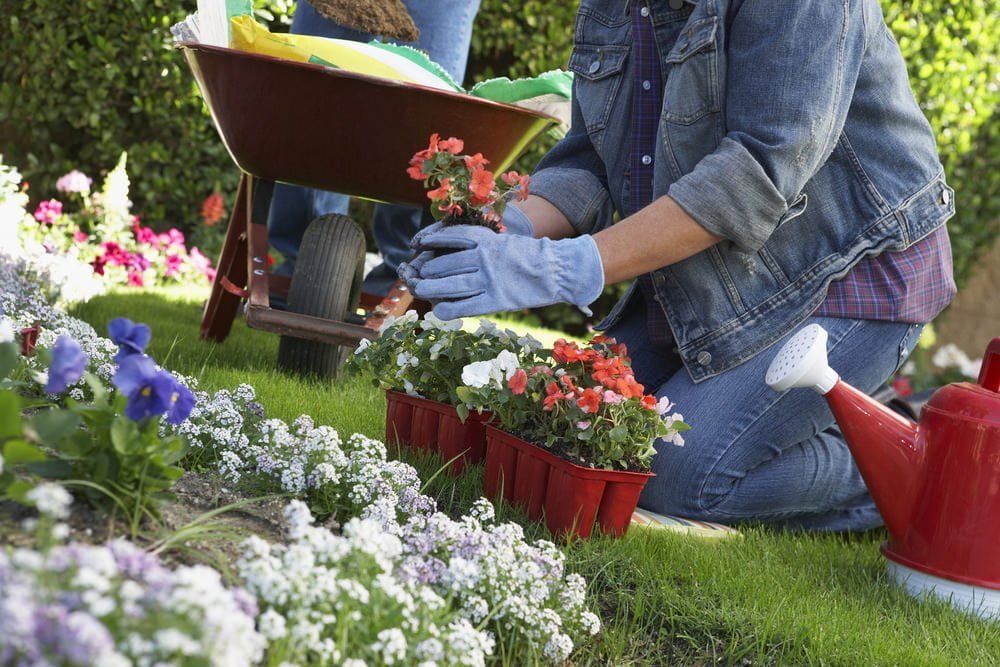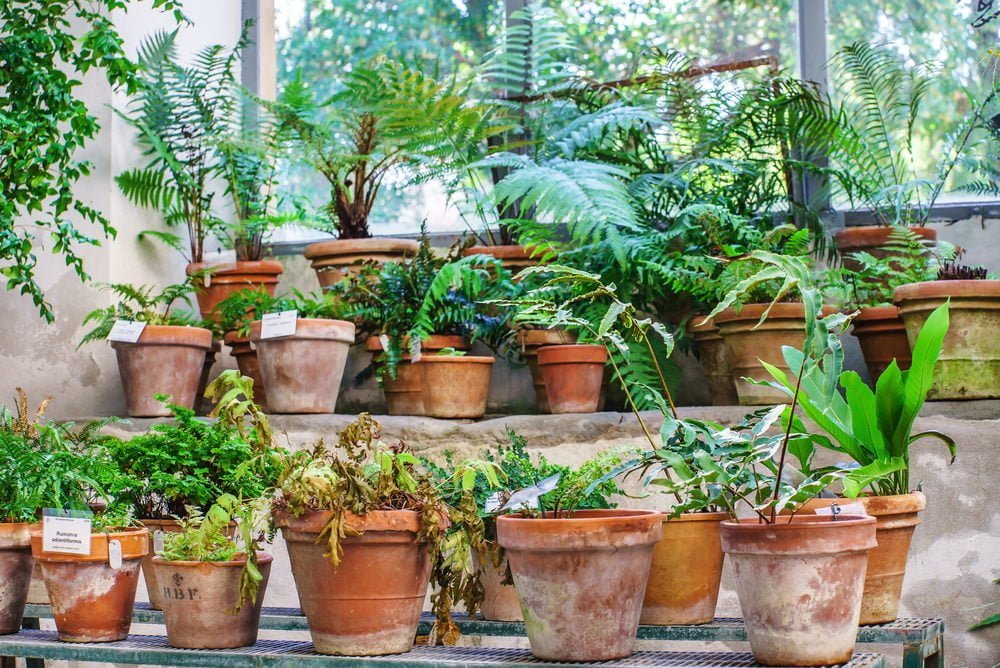
As 2017 draws closer, we have our eyes on gardening trends that will dominate the New Year. Even though winter weather still has a firm grip on us, here in Northern Utah, this is the perfect time to start planning for spring.

gardening tips

If you’d like to upgrade your landscaping with a fresh new look, or if you aspire to create a more environmentally friendly yard, 2017’s gardening trends will provide just the inspiration you need.

Drought-Tolerant Plants for Sustainable Garden Design

With many areas of the country experiencing abnormally dry or drought conditions, water-wise plants are becoming a dominant gardening trend. More homeowners are choosing drought-tolerant plants and less turf grass, to save water and benefit the environment.

Sustainable garden design is both cost-effective and practical, but that doesn’t mean it has to be sparse or boring. A variety of shrubs, vines and coniferous and deciduous trees are water-wise choices. Likewise, many different ornamental grasses, groundcovers and beautiful perennial flowers are drought-tolerant.

If you aren’t familiar with the plants that require less water to thrive, the friendly staff at Millcreek Gardens can show you many options that are appropriate for Northern Utah’s climate and conditions.

Blended Gardening Trends Are Beautiful and Bountiful

Traditionally, gardeners plant flowers separately from fruits and vegetables. This year, however, blended gardening trends are influencing the way we see – and use – our outdoor plants.

Blended landscaping combines edibles and ornamentals together in the same garden beds, to provide both beauty and a bounty of food. The plants are woven together – there’s no strict separation between the flowers and the edible plants.

Fruit-bearing or ornamental trees, shrubs and tall plants can provide structure, height and privacy. Mingle those with herbs, vegetables and colorful perennials or annuals for an appealing landscape aesthetic that also offers an abundant source of food.

Grow Food, Not Lawns” movement, that urges gardeners to use natural resources and planting space for a purpose that transcends purely ornamental goals. Because many homeowners’ associations discourage utilitarian planting beds visible from the street, creating growers are finding ways to blend their growing spaces.

Understated Garden Design Trends Offer a Modern and Clean Look

Less is definitely more in 2017. Over-the-top, flamboyant landscape design is fading away. Instead, more homeowners are looking for a subtle beauty with underlying complexity.

Gardening trends with a minimalist approach offer a modern look that is clean and neat, and that accentuates the home’s architecture without detracting. Plants and decorative elements are chosen carefully, using a consistent color scheme throughout the garden space. This creates uniformity and simplicity and a distinctly modern vibe.

The right plants are key to a minimalist landscape, as they are central to the design itself. Homeowners typically select architectural or structural plants that create a striking result. Many different plants — including ferns, palms, succulents, ornamental grasses and shrubs — have strong shapes and textures that can be featured in this type of garden design.

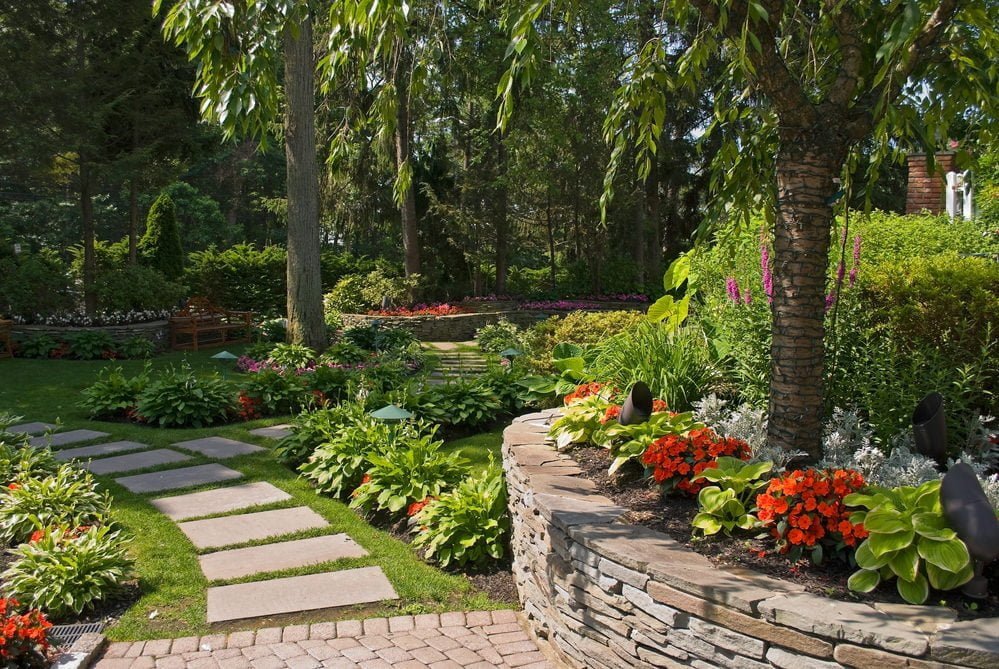
Hard landscaping details like stones, bricks, fences and paved areas frame the plants and add form and function to the garden, giving it clean lines and a contemporary look.

Of course, these gardening trends won’t appeal to everyone. But at Millcreek Gardens, Salt Lake City’s favorite garden center since 1955, our knowledgeable associates can help you select the outdoor plants, shrubs, shade trees and garden supplies that are perfect for you and your landscape. Visit us today to learn more about the gardening trends we expect to see more of in 2017.

Any live indoor plants can bring a unique, natural beauty to your home. But some varieties do more than just look pretty – they can actually boost your chances of a better night’s sleep.

indoor plants Millcreek

A number of scientific studies have shown that certain houseplants can improve air quality and help you have a more restful night. So, whether you’re struggling with insomnia, daytime sleepiness or just toss and turn all night long, you might want to consider adding one (or more) of the following indoor plants in your sleep space.

Lavender allows you to sleep more easily, according to separate studies from the University of the West of England and Baika Women’s University in Japan.

Lavender houseplants can also improve your sleep quality. Independent research from Wesleyan University in Connecticut and Taipei Medical University Hospital has shown that the scent of lavender promotes deeper sleep, which is key to feeling more alert during the day.

Jasmine reduces anxiety levels, according to research from Wheeling Jesuit University. As a result, this plant can improve your sleep quality.

Jasmine indoor plants won’t help get more hours of shut-eye. But, they will make your sleep time count for more, so you will feel better rested in the morning.

Aloe Vera reduces pollutants in the air. Aloe Vera was found to be one of the top choices to improve air quality.

Aloe Vera emits oxygen at night. Increasing the oxygen supply in your bedroom can help you fall asleep faster and give you a more restful slumber.

Snake Plant, or Mother-in-Law’s Tongue, is another one of the top NASA-recommended indoor plants for boosting air quality.

Like Aloe Vera, the Snake Plant converts carbon dioxide into oxygen at night. So, with this plant in your bedroom, you may have fewer sleep problems.

In addition, the Snake Plant could help you breathe easier for a better night’s sleep. A study of a large beneficial effect on respiratory health.

English Ivy reduce airborne mold, a major trigger of many breathing issues.

NASA research also found that English Ivy is one of the best air-purifying indoor plants. English Ivy filters out pollutants to improve the air quality in your bedroom, which can help you sleep better.

Bringing a bit of Mother Nature into your bedroom could help you get the sleep you need. For more information or to purchase any of these snooze-boosting indoor plants, visit Millcreek Gardens in Salt Lake City, Utah, today.

In northern Utah, landscaping and gardening probably aren’t at the forefront of your mind this time of year – but we think they should be!

landscaping-plans

If you begin your spring landscape and garden planning now, you’ll be in a much better position to make your vision come to life once the cold weather fades away. Even though you probably won’t be planting any shade trees, shrubs or outdoor plants for a few more months, wintertime is ideal for developing your garden and landscaping plan for the upcoming year.

Make a Wish List for Landscaping Updates

Remember this past summer, when you wished you had done a few things differently in your yard or garden? Working on a landscaping plan now will ensure that doesn’t happen next year. Start by thinking about your overall needs and wants for your garden spaces. What types of landscaping updates would you like to see next spring, or later in the year?

Perhaps you would like to boost your home’s curb appeal with annual flowerbeds. Or, maybe you need quick-growing landscape trees for more privacy. You may want to add landscaping elements that attract pollinators, like bees, butterflies and birds, or that help to create more height and density in your garden areas.

Was this summer’s garden’s yield a little heavy on the zucchini but light on the tomatoes? Now is the perfect time to reimagine your garden beds, landscape elements and outdoor plant selection.

Establish a Schedule and Budget for Next Year’s Landscaping Projects

Once you’ve made a list of everything you want to change or add in your garden and landscaping, give it a closer look. This time, take a more realistic approach to what you can actually accomplish during the spring, summer and fall months. While you may prefer to be in the garden all the time, your schedule or budget may not allow you to do everything in a single season.

Drawing up a monthly – or even weekly – gardening schedule can help you develop a landscaping plan that is achievable in the time you have available. As you consider the amount of time you can spend in the garden, think too about how much money you would like to budget for your yard and landscaping in the coming year.

Planning your landscape design in stages can help stretch your gardening dollars. Although we all might like to run out to the garden center on the first warm day to buy supplies for every project, that’s not a practical approach. Instead, budget your time and your costs wisely, by spreading them out over the course of the year.

Finalize Your Landscaping Plan and Choose Outdoor Plants

Once you have envisioned your goals for next year’s garden and landscaping, it’s time to fine-tune the plan and sketch out the design. You don’t have to be an artist. Just draw a basic plan, indicating where the outdoor plants, shrubs and trees will go. Or you can use one of the many free online gardening planners to help you along.

Finally, make a list of all the plants and garden supplies you will need. That way, you’ll be ready to hit the ground running come springtime.

Once you have imagined how you want your garden and landscape to look, call on us to help make it a reality. Here at Millcreek Gardens, our friendly and experienced associates can help you create the yard of your dreams. Visit us today and let us help you find everything you need for your garden and landscaping.

Though you may be more focused on your outdoor plants during the growing season, the onset of colder weather doesn’t mean you can give your green thumb a break. In fact, certain gardening tasks are better done during the winter months.

outdoor-plants

If you want to keep your landscape and garden healthy and beautiful all year long, take extra special care of your outdoor plants during the winter.

Bring Potted Outdoor Plants Inside for the Winter

Are container plants a part of your landscape or garden? If so, you’ll probably need to bring them inside. Otherwise, they may not last through the winter.

Container plants generally need to come inside when the overnight temperature drops below 50 degrees. With some container plant varieties, a gradual transition to the indoors is advised, increasing their time inside over the course of a week or two, so as not to shock the plant.

Before bringing your container plants inside for the winter, be sure to check for leaf- and soil-dwelling insects that may try to hitch a ride. And, if any of your plants need to be repotted, make sure to handle the job now, so they will continue to grow healthy and strong until spring’s arrival.

Protect Outdoor Plants from the Cold Weather

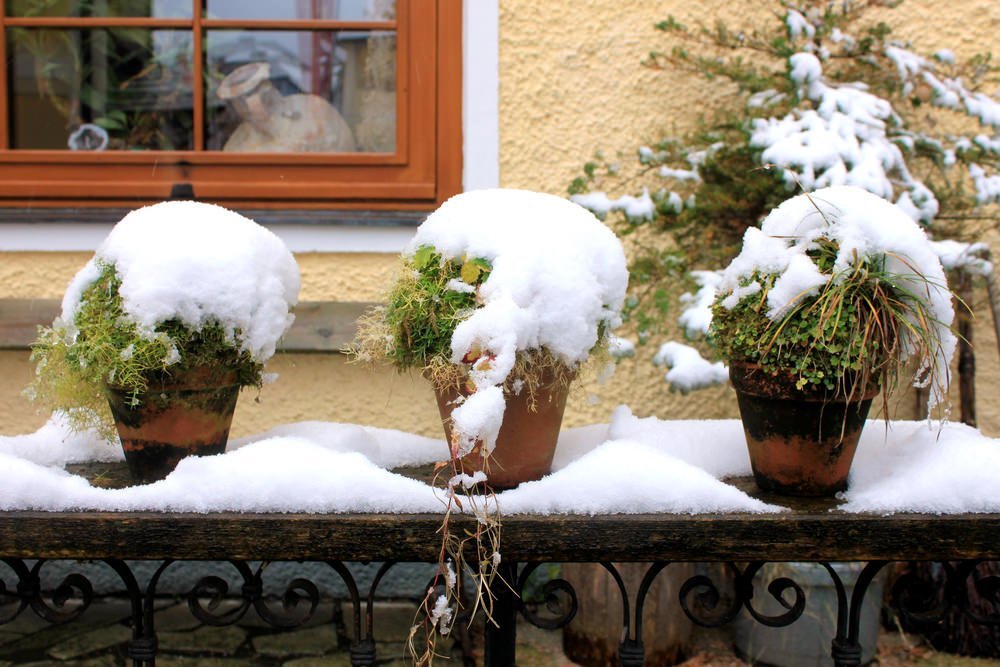
Do you have cold-hardy plants that can grow outside during the winter? Even those that can endure the cold weather need some additional protection to thrive in the harsh Utah winter climate.

Mulching is key, as it will keep your outdoor plants insulated. Spread approximately 3” of organic mulch around the plant bases and stems, adding more as necessary throughout the season.

If you want further protection, you can use cloches for outdoor plants. Cloches are like little mini-greenhouses that sit over the plants to keep the growing environment warm.

If you need to protect a larger garden bed, consider cold frame gardening. A cold frame is essentially a bottomless box with a window at the top, built close to the ground around outdoor plants. Cold frame gardening lets the warmth of the sun reach the plants, but keeps them from feeling the effects of harsh winter temperatures and wind.

Prune Deciduous Garden Trees and Shrubs

Winter is the best time of year to prune your deciduous trees and shrubs. Pruning now, when they are dormant, will encourage faster, healthier growth in the spring.

Pick a mild, dry day for this gardening task. Prune out any dead or diseased branches first, then remove overgrown and smaller branches that are not integral to the structure of your trees and shrubs. Also remove any branches that cross over larger, more established parts of the tree. Work slowly, stepping back frequently to judge the balance and symmetry of your pruning. You can always take more branches off, but you can’t put them back once they’re pruned.

The experienced staff at Millcreek Gardens can help care for your Utah garden this winter or any time of year. Stop by our Salt Lake City greenhouse and garden center today for more tips and advice for beautiful and healthy outdoor plants.

Do you need creative gardening gift ideas for that friend or family member who loves digging in the dirt and growing beautiful indoor or outdoor plants? Finding the right holiday gift doesn’t have to be a headache, especially if you shop at Millcreek Gardens, Utah’s favorite locally owned garden center.

gardening gifts

Our friendly staff has plenty of holiday gift inspiration for your shopping pleasure, including these, our top three gardening gift ideas.

The Perfect Pair of Gloves for Gardening Tasks

The gardener on your holiday list probably has a pair of gardening gloves already. In fact, they may have a few pairs. But, if they’re like many of our loyal customers, they hesitate to splurge on any of them. Besides, gardeners can never have enough gloves.

This year, why not gift your loved one with the perfect pair of gardening gloves? Look for a pair that is comfortable and flexible, made of leather or a breathable stretch material. A padded palm, elastic cuff and long length at the wrist are other desirable features in today’s garden gloves. And, make sure they are water resistant.

You don’t have to spend a lot for this gardening gift idea, as many high-quality garden gloves cost less than $50. Even specialty orthopedic gloves, designed to support the hands and wrists during gardening tasks, won’t break your holiday budget.

A Kneeler Seat to Make Gardening More Comfortable

Gardening can be hard on the body, especially for older planting enthusiasts. Spending a lot of time kneeling and bending can be stressful to the knees and back, so consider choosing a padded kneeler seat for the gardener on your holiday gift list.

A kneeler seat can ease the wear and tear on your loved one’s joints, making gardening much more comfortable. Several styles are available, some of which are built on wheels for easy transportation. Some designs even fold flat for easier storage. And, kneeler seats are typically just as affordable as gardening gloves, making this a great gardening gift idea.

A Potting Bench for Planting and Storing Gardening Supplies

Do you need a gardening gift idea with a little more heft? Any gardener would love to see a potting bench under the Christmas tree – or at least on the porch, if space is an issue.

A potting bench gives your loved one a place to work on gardening tasks, such as transplanting seedlings or repotting indoor plants. Some models have storage bins under the work surface to keep soil handy, and most contain shelves, drawers or cabinets to store tools and supplies. And, if you really want to make your green thumb friend or family member happy, you can even choose a potting bench with a built-in sink.

These are just a few of the delightful garden tools and accessories available at Millcreek Gardens of Salt Lake City. Our friendly, helpful staff would love to assist you this holiday season. You can select from northern Utah’s best indoor and outdoor plants and accessories. Stop by and see us today and let us share even more gardening gift ideas.

If you can’t wait for spring to arrive, indoor mini gardens can satisfy that overwhelming urge to get your hands in the dirt and start planting.

mini garden

Tabletop container gardens combine miniature plants or dwarf varieties with tiny decorative accessories to create beautiful, living scenes. In the dead of winter, when everything outside looks gray and dreary, small-scale gardens are cheerful and fun.

They also make great projects to keep young hands occupied during long weekends and school breaks!

Choosing Containers for Your Mini Garden

The possibilities are endless when it comes to containers for tabletop mini gardens. In fact, you can use just about anything.

Flower pots of any size make for great indoor tabletop gardens. But you don’t have to stick to traditional planting containers. Consider using a wicker basket, a glass fish bowl or small wooden crate. You could also choose a vintage punch bowl, terracotta saucer or a decorative cookie tin.

Choose a container that works well with the décor of your home and that is sturdy enough to hold your mini plants and accessories. If necessary, you can drill a few drainage holes in the bottom and slide a tray underneath to protect your furniture from drips.

If you can’t place holes in your container (in a fish bowl, for example) simply place a layer of pebbles on the bottom, then fill the container with potting soil. Then take care not to overwater.

Choosing Plants for Mini Gardens

True miniature and dwarf plant varieties do well in mini container gardens, but other small indoor plants can also be used effectively. Be sure to pair plants with similar growing conditions, however. You’ll have problems if their lighting and watering needs aren’t a match.

Several types of ferns and ivy plants make good choices for tabletop container gardens. You can also try tiny succulents or a small cactus. To add color, use miniature flowering plants, like African violet, kalanchoe or mini roses.

If you need some help choosing the right plants, the friendly, helpful staff at Millcreek Gardens is happy to provide our expert recommendations.

Adding Personal Touches to Mini Gardens

Miniature gardening is about creating a living scene, like a small-scale version of an outdoor landscape. To achieve this goal, you will likely need more than just plants. Consider using tiny accessories to add perspective, structure and design.

Embellish your mini gardens however you like, but don’t hesitate to have fun and get creative. Little decorative rocks could serve as a pebbled path, for example, and small twigs could be fashioned into a little fence or bench. Moss works well as a substitute for grass. And, if you’re crafty, you could mold an itty-bitty garden gnome or bird bath out of polymer clay.

These are perfect projects to get the kids or grandkids involved in this enchanting pastime!

If you prefer, you can also choose ready-made decorative accessories. A little stone fairy garden house, diminutive lawn and garden furniture, ceramic animals or a pint-sized wishing well could be the perfect complement to your living scene. Or, for a more cost-effective approach, choose furniture and accessories scaled for use in a dollhouse.

Would you like more tips on creating beautiful indoor project? Millcreek Gardens, Salt Lake City’s favorite garden center, can help. Stop by and talk to our friendly staff about all your gardening needs. We look forward to helping make your mini garden a fun and successful project.

Did you know that many winter vegetables can thrive in an unheated greenhouse garden?

winter vegetables Utah

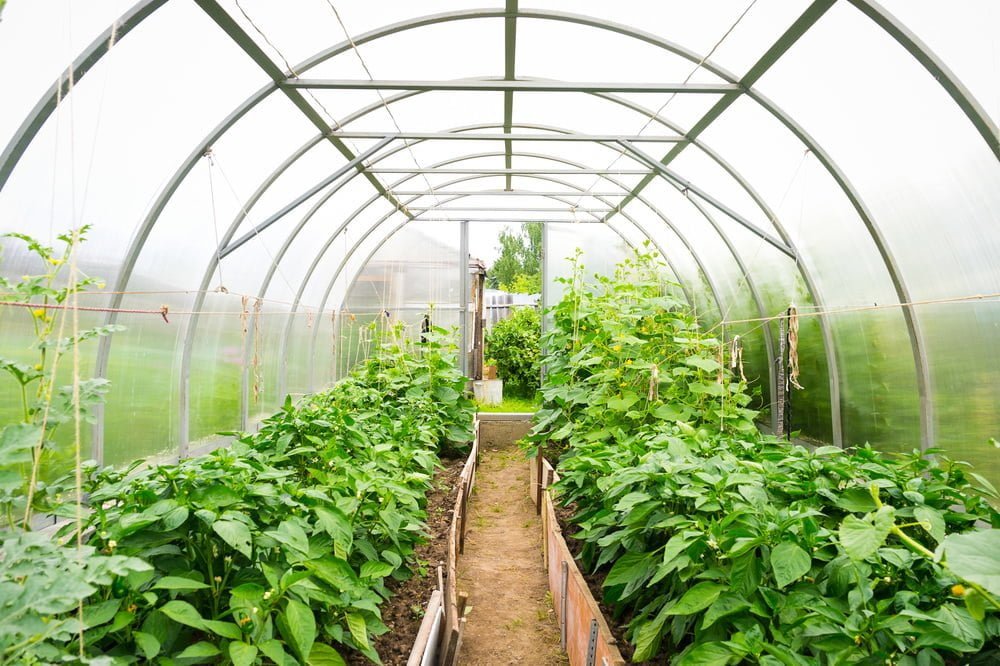
Here in Northern Utah, a plastic-skinned, unheated greenhouse can get pretty cold at night. Consequently, not every type of plant can survive the plummeting temperatures. Some cold-hardy vegetables actually grow quite well in a winter greenhouse garden, however, providing a fresh bounty for your family’s table throughout the coldest of months.

Root Winter Vegetables Grow Well in Your Cold Weather Greenhouse

Did you know that the cold Utah winter temperatures can stimulate the sugar production in some root vegetables? This helps to protect their roots from freeze damage while giving them a delightful boost in sweetness.

Carrots, beets, radishes and turnips can all survive frosts and freezing temperatures. You can also plant onions and garlic with confidence.

But you don’t have to stick to the common root vegetables. Why not try planting leeks, parsnips or rutabagas in your unheated winter greenhouse? If you don’t typically leave room for these tasty varieties in your summer garden, a winter planting will give you a chance to experiment with new recipes.

Green Winter Vegetables to Consider for Your Unheated Greenhouse

Many types of leafy, green vegetables can thrive in a winter greenhouse.

Do you crave fresh salads during the winter months? Many varieties of lettuce are sensitive to freezing but some types, such as endive and radicchio, are rugged enough to tolerate the cold. Kale and Swiss chard can also grow quite vigorously in these conditions.

Spinach, arugula and cabbage are other options for tough plants that can survive a Utah winter. Likewise, collard and mustard greens grow well in an unheated greenhouse.

But what if you crave more than just leafy greens?

Plant some cold-hardy broccoli, celery or peas. Or, consider the always-popular option of Brussels sprouts. You could also start a permanent asparagus bed this year. You’ll have to wait a couple of years for your first harvest but you’ll have a new winter vegetable crop every year thereafter.

Tips for Good Winter Vegetable Growth in Your Greenhouse

Just as you would for an outdoor vegetable garden, you’ll need to space your plants properly to maximize growth.

If you prefer containers for planting your winter vegetables, space them far enough apart so that the plants’ leaves don’t touch. If you prefer raised garden beds in your winter greenhouse, make sure to thin out the weak plants as they grow. That way, the hardier plants have plenty of room to thrive.

If you notice any signs of disease in your winter vegetables, remove them promptly to prevent the problem from spreading. To keep pests under control, you may want to interplant some naturally-repellant marigolds. Or, you can purchase ladybugs and praying mantis egg cases, both of which are beneficial for greenhouse growing any time of the year.

As cold as it may be outside in Northern Utah, the temperature inside your greenhouse may be higher than you think during the day. On sunny days, it can become hot enough to stress some winter vegetables. To prevent any potential problems, make sure plenty of air is moving throughout the greenhouse space. Opening the doors can provide ventilation, or you may want to consider adding a fan.

In Salt Lake City, Millcreek Gardens has all of the indoor and outdoor plants and gardening supplies you need to grow a bountiful garden, winter or summer. Stop by and see us today to learn more about growing winter vegetables in Utah.

If your idea of holiday decorating is little more than stringing lights on your outdoor trees and shrubs, you’re only halfway done!

holiday decorating

Twinkling holiday lights create a beautiful landscape display – at night, anyway. During the day, however, lighting has no visual impact. Why not make your yard and landscape look like a winter wonderland, no matter what the time of day?

Wreaths and Garland for Classic Holiday Decorating

Fresh evergreen garland and wreaths add life and color – and the festive scent of Christmas -- to your holiday decorating. Frame your front doorway with greenery and red bows for a classic Christmas theme.

But why limit your holiday decorating to the front door?

Fresh evergreen wreaths and garland are quite versatile and can be used in a variety of festive applications. You can wrap garland around your deck railings and porch columns, for example, or spiral it down your mailbox and lamp posts. Or, create swags along the top of your fence, adding a wreath with a red bow at each fence post.

Seasonal Planters Ensure Holiday Decorating Cheer

If your landscape isn’t the type you can dress up with wreaths and garland, don’t despair. For instance, seasonal planters and outdoor plants for thanksgiving garden decor can be used most anywhere to add a burst of color and holiday cheer.

Try flanking your front steps or driveway with dwarf spruce trees planted in large red or gold containers. Or, dot your landscape with seasonal planters filled with evergreen, fir or pine boughs. Add accents of curly willow branches and sprays of redtwig dogwood.

You can also give your window boxes and hanging planters a makeover for the holidays. Simply fill them with large swags of greenery, accented with white pussy willow branches, dried baby’s breath flowers and sprigs of bright red winterberries.

Outdoor Ornaments Add Fun to Your Holiday Decorating

Wreaths, garland and seasonal planters can all look quite festive on their own. But, to inject your landscape with even more holiday cheer, complete the look with decorative outdoor accessories.

Why not hang colorful, weather-safe ornaments from your greenery? Next, add bright red, white or silver ribbons and strands of holiday beads.

Wooden yard decorations, like presents, candy canes, snowmen or Christmas trees, can also bring a whimsical note to your landscape. Stake them along your fence, walkway or driveway. You can also choose three-dimensional light sculptures – of reindeer, snowmen or Santa’s sleigh -- for a more elegant style by day as well as by night.

Whatever you need to turn your landscape into a festive winter wonderland, the knowledgeable team at Millcreek Gardens can help. Our Salt Lake City garden center is decked out in its best holiday finery and we have all of winter’s best indoor and outdoor plants. Visit us today for Northern Utah’s finest poinsettias, wreaths, garland and even more holiday decorating ideas.

How about a few creative landscape ideas to celebrate the bounty of autumn?

Anyone can head to the nearest big box store and buy run-of-the-mill outdoor decorations. This year, why not take a step beyond the ordinary to transform the outside of your home? Our simple and inexpensive landscape ideas make great weekend projects for the whole family.

fall-landscape-ideas

Accent Your Autumn Landscape with Pumpkins and Gourds

Nothing says fall like pumpkins. Many families like to grab a few and carve them for a Halloween display on the front porch. That’s a great idea, but pumpkins can do so much more for your fall landscape design.

Why confine your pumpkins to the front porch? Consider placing them in artistic groupings around the base of your shade trees or shrubs, for example. Or, cascade several down your porch steps. You can also stack them and place them anywhere, simply by removing the stems, like a fall version of a snowman!

Not every pumpkin has to be carved, either.

Leave them intact or paint them in solid colors and fall designs. Stencil on leaves in vivid autumn colors, for example. And, for that matter, you don’t have to stick to pumpkins. Many types of gourds and squash can contribute to your autumn design, making them perfect additions to your yard.

Landscape Ideas Using Harvest-Time Plants

Autumn, Halloween and harvest time go hand in hand.

Hay or straw bales and dried corn stalks can definitely help you create the perfect seasonal landscape design. Or, encircle your porch pillars with broomcorn and secure with a raffia bow. Grapevine also has a harvest look. Use it by wrapping around your porch railings and posts.

Add some life – and pops of color – to your autumn landscape with a variety of different fall flowering plants.

Helenium blooms in shades of yellow and orange, for example. Or, choose one of the traditional favorites, like chrysanthemums or marigolds, but put a spin on the design by setting their pots inside pumpkins.

Don’t be afraid to stray from orange and yellow flowering plants. A touch of purple can set off your fall landscape. A few well-placed asters could have a big impact.

Simple and Effective Fall Landscape Ideas

You chose your existing landscape design with care. To create a festive, fall look, you could simply emphasize the elements you already have in place.

Hang strands of tiny orange or purple lights, and wrap them around the trunks of your shade trees, for example. Or, apply glow-in-the-dark paint to some landscape rocks and use them to line a walkway. You could also place little pumpkins and gourds inside your planters and window boxes or hang them from your tree branches to boost your seasonal landscape look.

The staff at Millcreek Gardens loves this festive season. Stop by our Salt Lake City garden center today and let our experienced team give you even more fun and unique autumn landscape ideas.

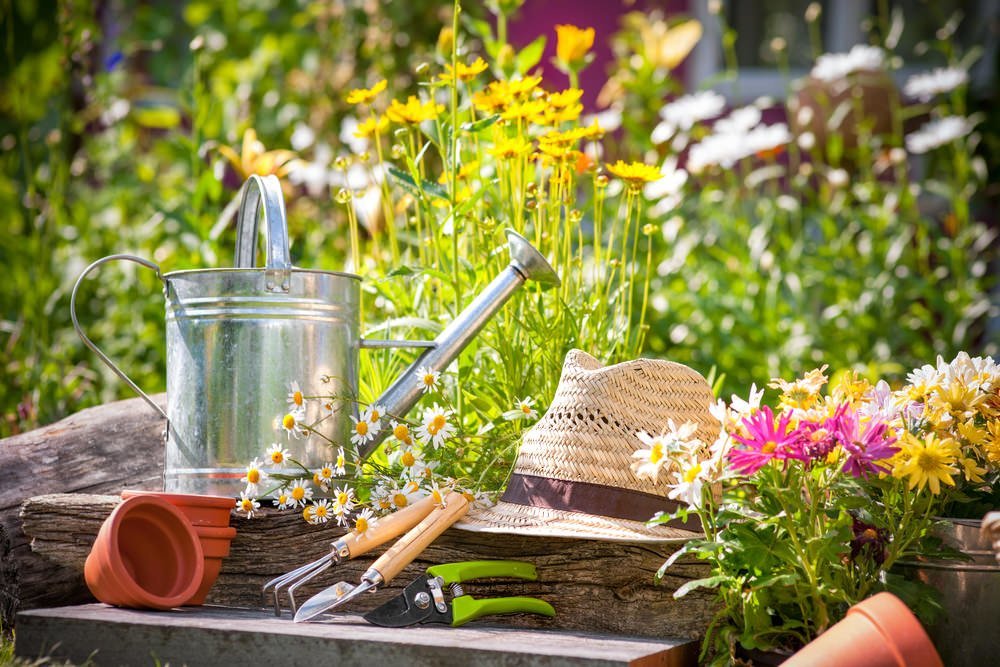
A dizzying array of gardening supplies is available these days. With all of the different types of tools out there, it can be hard to know where to start, especially for new gardeners.

gardening-supplies-new

The right tools can make any job easier, but which ones are really essential? The friendly staff at Millcreek Gardens can answer your questions whenever you visit our Salt Lake City nursery garden center.

Meanwhile, we’ve assembled a handy list of the tools and gardening supplies any new gardener needs to have on hand.

Gardening Supplies for Digging Tasks

Gardening involves quite a lot of digging, and new gardeners need a couple of different hand tools for this purpose.

A hand rake – the three-pronged tool that resembles a fork – is useful for turning and loosening soil. And a trowel, or pointy-ended hand shovel, can help dig small holes and break up dirt clumps. Trowels are also quite useful for digging out weeds and planting container gardens.

In some situations, gardeners need long-handled digging tools capable of moving a larger amount of soil. A spade, which is basically a square-headed shovel, is ideal to edge garden beds, remove sod and create plant holes.

Gardening Supplies for Plant Maintenance

New gardeners are often surprised to learn how much cutting is involved in maintaining their plants.

Deadheading (removing dead flowers), pruning back overgrowth, snipping soft-stemmed plants like herbs, dividing perennials – the list goes on and on, and a few different garden tools may be needed to accomplish every task.

A pair of garden shears works well for smaller jobs, such as cutting small diameter stalks. For thicker, tougher stems and roots, bypass pruners are ideal. And, anyone who chooses trees and shrubs as part of their landscape design will appreciate a pair of garden loppers to remove larger branches, especially those that are higher off the ground.

Other Essential Gardening Supplies for New Gardeners

Garden gloves are just as important as digging and cutting tools.

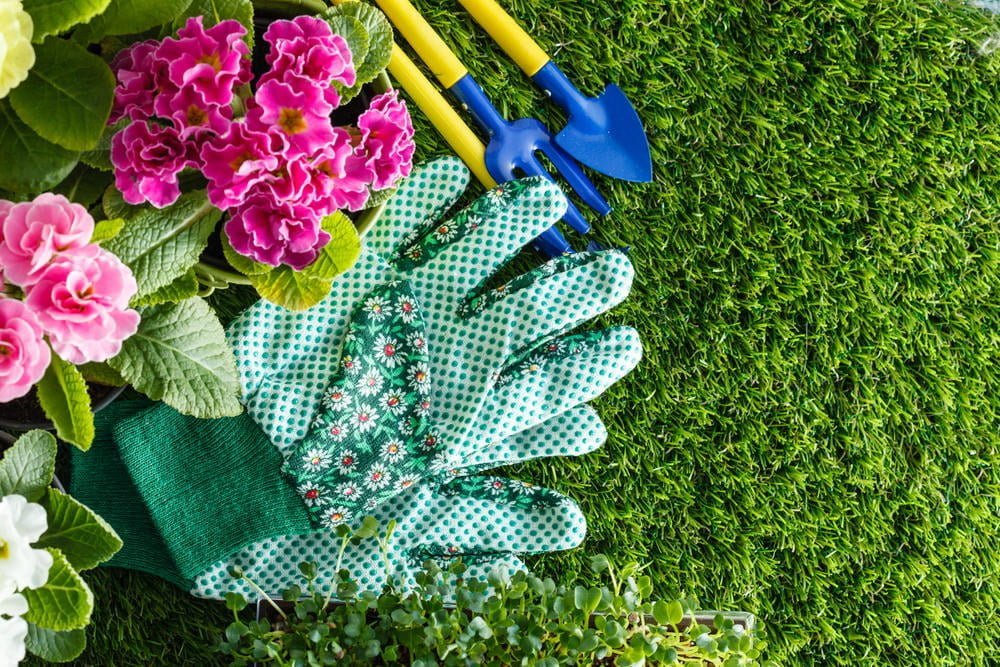
Washable synthetic gloves are great for general maintenance tasks, while latex-coated cotton gloves are well-suited for the really dirty and wet jobs. A pair of, heavy-duty leather garden gloves can protect the hands during tough digging and clearing jobs and protect you from those plants with thorns.

Don’t forget about storage for your garden tools. A bucket or garden bag is a good option for small gardening supplies because it can keep them corralled and travel with you as you work. Your long-handled tools can hang on a simple and inexpensive peg rack.

Finally, every new gardener needs a watering can; those with larger garden landscapes also need to invest in a hose with a spray nozzle.

Whether you’re a master gardener or just starting out, Millcreek Gardens offers everything you need to create the perfect garden and landscape. In addition to landscape and shade trees, shrubs and flowering plants, we carry a full line of tools and gardening supplies for every budget.