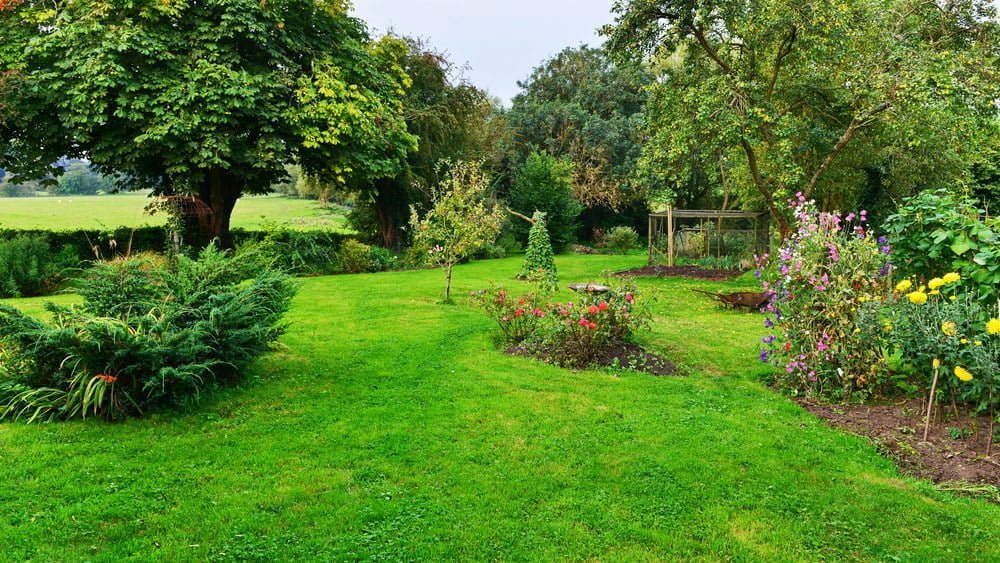
The primary goal of landscaping plants and trees is to beautify your property and create harmony between your home and the surrounding landscape. Well-executed design and healthy outdoor plants can heighten curb appeal and increase your home’s value.

landscaping plants Utah

In addition, the right landscaping plants can improve your home security. Making small, secure changes to your yard and garden is a simple and inexpensive way to increase your peace of mind.

Use Landscaping Plants to Discourages Criminals

Start by taking a look at the shrubs, bushes and plants around the perimeter of your home. Do any of them obscure windows or doors?

Keeping your doors and windows highly visible from the street and neighboring properties will discourage burglars. Plants that block your doors or windows provide handy hiding spots, allowing intruders to access your home without being seen by neighbors.

From a practical perspective, the roots of landscaping plants growing too near your home can also cause damage to the foundation and encourage water ponding.

Trim back any shrubs, trees or bushes near your entryways or consider replacing them with shorter varieties. Keeping plants at least three feet out from the foundation will help eliminate hiding spots and minimize potential structural damage to your home.

Add Security with “Unfriendly” Landscaping Plants

Combine form and function by adding what landscape designers call security plants under windows, along the inside of your perimeter fencing and anywhere someone might hide in your yard.

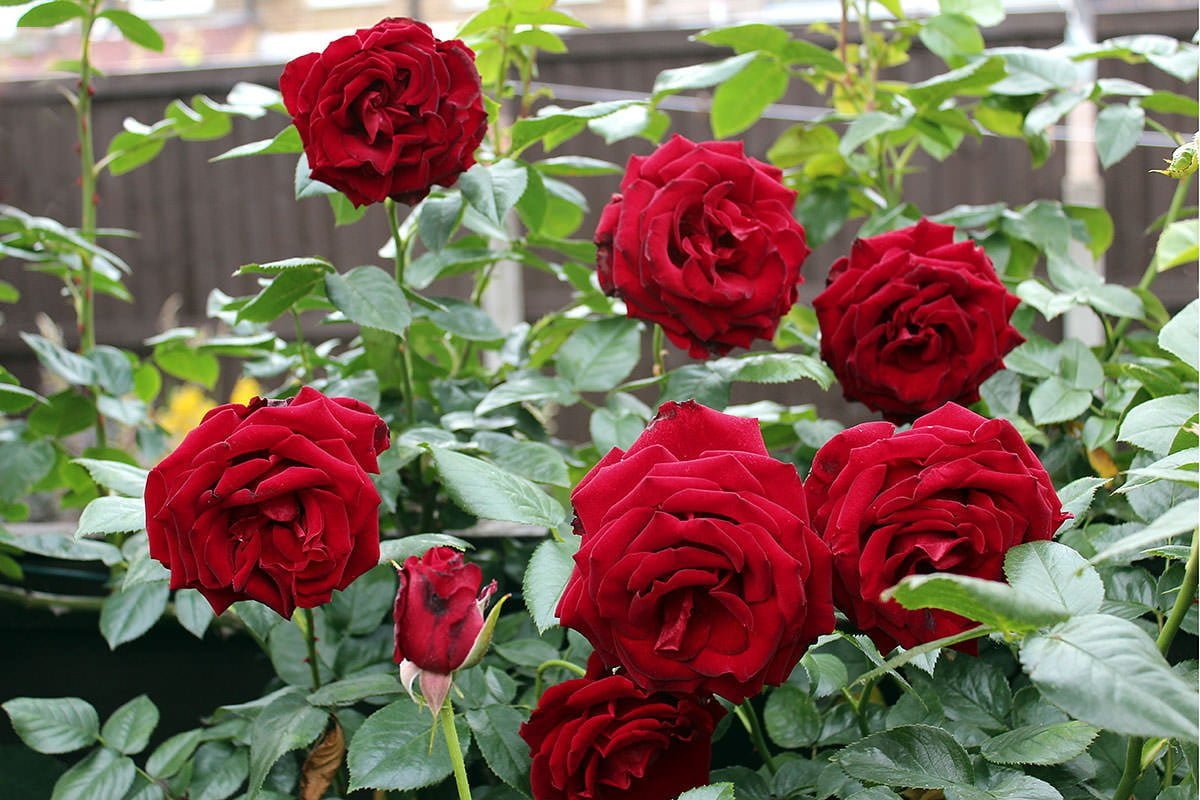
Security plants include spiny shrubs and thorn-bearing bushes that discourage potential criminals from climbing around in them. Rose bushes are colorful and decorative while providing a thorny reception for would-be burglars. Several varieties of roses, in a wide range of glorious colors, are known for their prominent thorns.

Thorny shrubs like buckthorn, winter barberry and flowering quince are also great choices for our northern Utah climate.

If you prefer a xeriscape approach to your landscaping, incorporate cactus and succulents into your design. Many of these environmentally friendly outdoor plants have spines or spikes that will also discourage intruders.

Incorporate Lighting into Your Landscape Design

Although most home burglaries occur during the day, intruders may be attracted to properties that are completely dark at night. You can upgrade your exterior design with decorative lighting that will enhance your yard and boost home security. Position decorative lighting to accent your favorite landscaping plants and illuminate sidewalks, garden paths and entryways.

You may also elect to install bright, motion-sensitive lights near your home’s doors, porches and patios. Intruders will be deterred from breaking into a home when their presence is swiftly revealed by a bright floodlight.

As you prepare for the spring growing season, consider incorporating some security-conscious elements into your landscape design. For all of your indoor and outdoor plants, shrubs and shade trees, visit Millcreek Gardens, Salt Lake City’s locally owned garden center. Our friendly and professional staff can offer plenty of easy and inexpensive tips to help you select the perfect landscaping plants and flowers.

Raised bed gardens make growing a bounty of vegetables, herbs, flowers and outdoor plants easier and more convenient.

raised-bed-gardens-utah

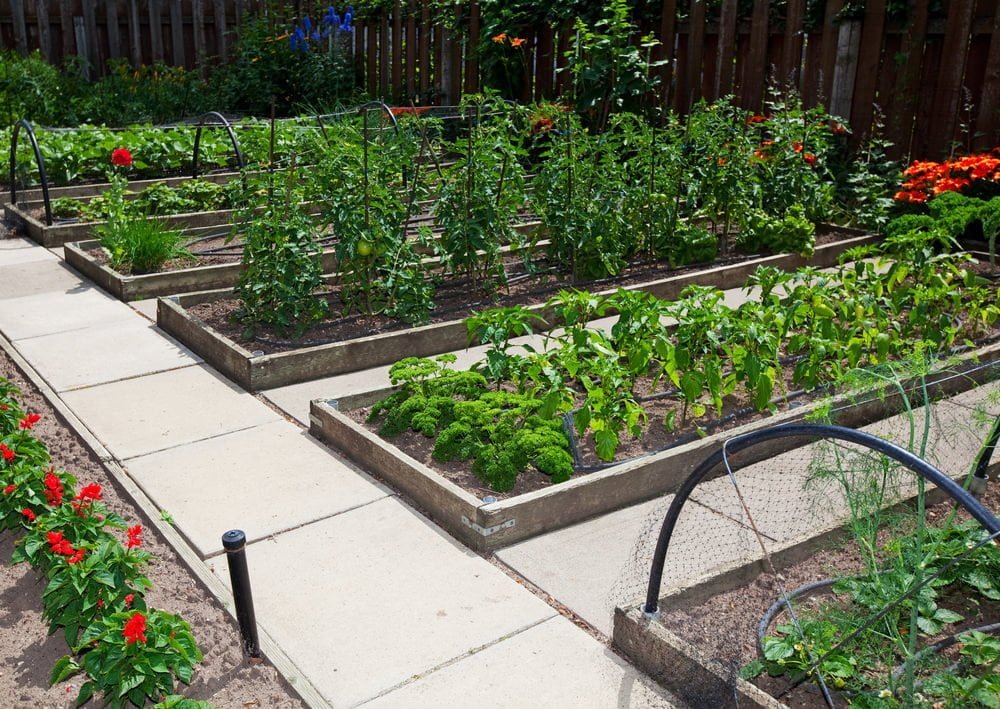
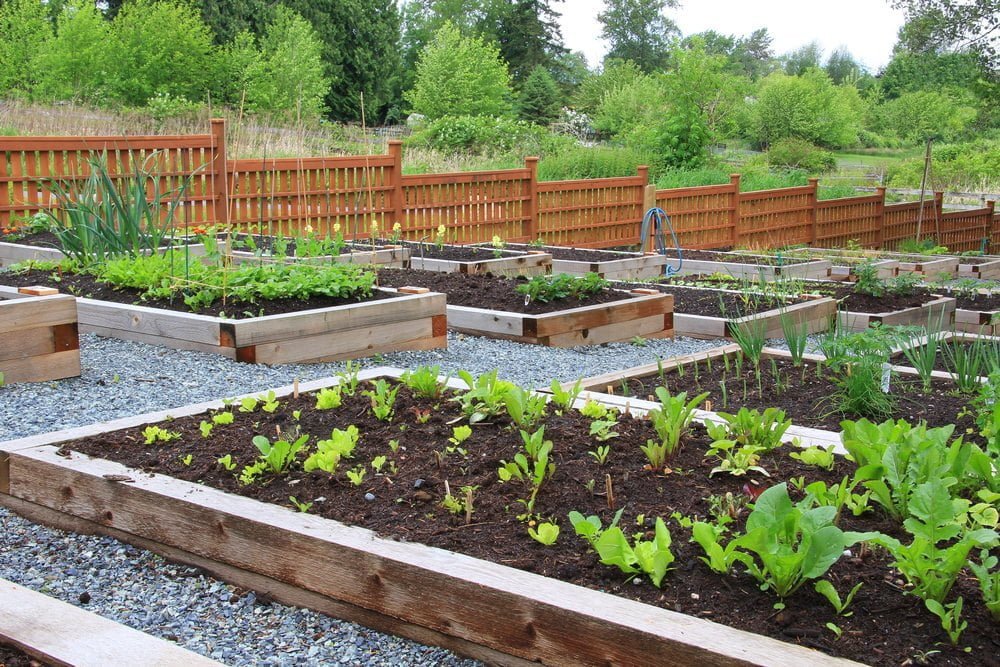
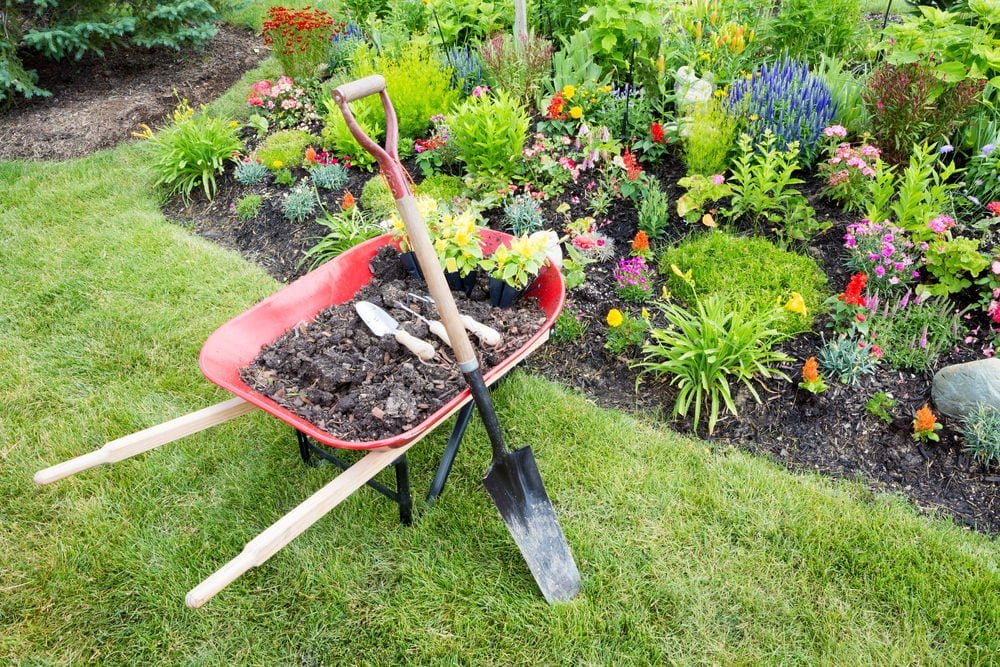
In their most basic form, raised beds are large, framed planting boxes filled with a mixture of garden soil and compost. As the name suggests, these garden beds sit on top of the soil, above ground level.

Raised bed gardens have become quite popular in Northern Utah, thanks to our typically poor soil conditions. Local gardeners often construct multiple raised planting boxes in their gardens, separated by attractive and functional garden paths. This planting approach is the ultimate problem=solver for novice and green-thumb gardeners alike.

Raised Bed Gardens Create Ideal Growing Conditions

Growing plants in the native Utah soils can be a challenge. Raised garden beds are the perfect answer to our less-than-desirable growing conditions.

Because you fill them yourself, you can choose the perfect planting mix for your garden boxes. The raised bed soil mixture will be loose and fertile, the ideal growing conditions for flowers, vegetables and herbs. Raised garden beds also offer superb drainage, as the soil mixture hasn’t compacted for decades like the native dirt in your yard has.

In addition, the frame construction serves as an effective barrier to garden pests like slugs, snails, gophers and moles. Weeds and diseases are also much less of a problem in these planting boxes.

Raised Bed Gardens Can Extend the Growing Season

The cold winter months can’t pass quickly enough for most Utah gardeners. We are all itching to start our gardens long before the frosty weather has ended.

Raised bed gardening can give you a jump on the spring season, giving you more time to grow your favorite flowers, herbs and vegetables. Soil that is loosely compacted and above grade level will warm up sooner than the long-frozen ground. This means you can start preparing and even planting earlier in the season.

And, if you use season extenders like cold frames or cloches, you can keep the growing environment warm and inviting long into next fall and winter.

Raised Bed Gardening Reduce Knee and Back Strain

Gardening is not always the easiest work, and it can wreak havoc on the body. Bending and kneeling to plant, prune, weed and harvest can leave you with knee and back pain.

One of the biggest advantages of raised beds is that the height of the planting boxes reduces the stress on your back and knees.

Simply build your raised planting boxes tall enough to allow you to work while sitting on the frame edge or a nearby stool. Older gardeners and those with back problems find this feature to be especially helpful, but any avid gardener will appreciate how planting boxes can reduce aches and pains.

If you want to try your hand at this novel approach to gardening, it’s time to get started. Stop in and see the expert staff at Millcreek Gardens in Salt Lake City. We can offer advice on the best plants, soil mixtures and tools to help your raised bed gardens thrive.

Eventually, most healthy outdoor plants outgrow their containers. When that happens, they must be repotted or their health will suffer.

repotting Utah

You’ll know it’s time to repot your container plants when you see roots matted near the surface of the soil or protruding from the drainage holes of the pot. You might also notice poor flowering, stunted growth or soil that dries out quickly after watering. Sometimes, your plants may simply look top-heavy or ready to burst from their containers.

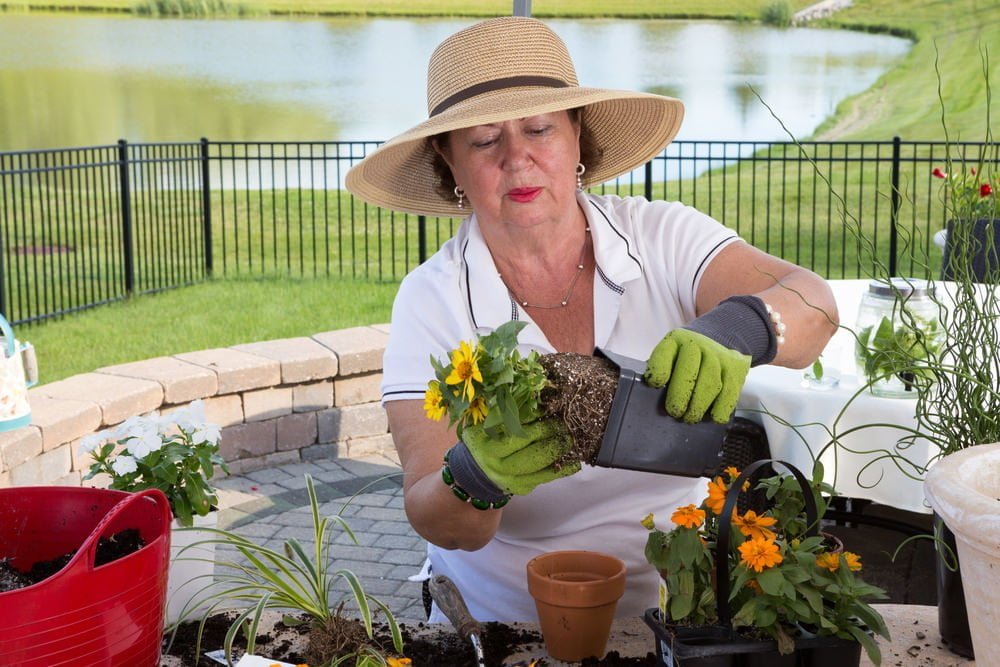
Fortunately, repotting your outdoor container plants is a simple and quick gardening task, especially with our helpful step-by-step guide.

Step No. 1: Select and Prepare New Containers for Your Outdoor Plants

First, you must select new pots for your outdoor plants. Choose containers that are one size larger than your current planting pots. Although you may be tempted to select larger pots, resist that urge. Choosing a container that’s too large for your outdoor plants will result in an imbalance between root growth and healthy growth above the soil.

To stop soil from spilling out the bottom of your new planters each time you water, cover the drainage holes. You can use a coffee filter or mesh screen. A shard from an old planting pot can also work, but be sure to place it with the convex side facing upward so that it doesn’t seal the drainage holes.

Fill your new containers about one-third of the way with a high-quality potting soil mix to ready them for your outdoor plants. Be sure to use a mix that’s designed for container gardening. Soil mixtures designed for garden planting don’t have the necessary nutrients or texture to keep your container plants healthy over time.

Step No. 2: Liberate Your Outdoor Plants from Their Old Pots

This step can be tricky, especially if your outdoor plants are long overdue for repotting. You’ll need to use plenty of finesse and a little bit of elbow grease. Watering thoroughly in advance can help make this task easier, albeit more messy.

For small to medium plants, tipping them on their side (or inverting them) is the usually the best method for removal. Keep one hand on the bottom of the container and use the other to slowly wiggle or shake the plant loose.

If your container plants are too large or heavy to move or tip, use your gardening trowel to gently loosen the soil at the top of the pot. Then carefully grasp the base of the plant, wiggle slightly and gently pull upward to tug it loose.

If the roots have grown extensively through the pot’s drainage holes, you may need to snip them off to free the plant from its container intact.

Loosen the Roots and Place Your Outdoor Plants in Their New Pots

Once you’ve removed your plants from their containers, you’ll probably see that the roots are packed tightly into a ball. To promote healthy growth, you must loosen the root ball slightly.

Massage the roots gently with your fingers to break up tangled clumps. If you notice any broken or damaged root areas, use your garden clippers to trim away damaged areas. Some gardening experts also recommend using pruning shears to trim away the bottom of the root ball, but that’s optional.

Now, place your plants in their new containers. Make sure they’re centered and upright, then fill up the pots with your potting soil mixture, pressing loosely against the roots. Finally, water the plants until the soil compresses around the roots. In a week or two, you may want to top off the pots with a little extra soil, if you notice that the dirt has settled too much.

For more expert gardening tips, visit Millcreek Gardens in Salt Lake City today. Our friendly and experienced staff can help you with every aspect of caring for garden, landscaping and outdoor plants.

Affordable gardening and landscape doesn’t have to mean tiny plants and years of patience. In fact, you can create beautiful outdoor spaces today without putting a strain on your budget.

affordable gardening Utah

Gardens and landscaping boost the curb appeal of your home and make your outdoor spaces more enjoyable for your family. Try our simple and affordable gardening suggestions and you can get a big impact without a big price tag.

Invest in High-Quality, Young Landscaping Trees

Here in Northern Utah, we love our landscaping trees for the shade and beauty they bring to our yards and gardens. Unfortunately, many varieties can be on the expensive side. Gardening experts recommend spending a little extra for high-quality trees, but you can offset the cost of quality by compromising just a little on size.

To lower your costs, skip the mature trees and opt for young trees instead. Young landscaping trees are much less expensive, making them a smart long-term investment. Younger, smaller trees adapt more easily to their new location and will be easier for you to handle on your own.

Visit us here at the garden center for personalized recommendations that are appropriate for your needs. We can help you choose long-lasting, low-maintenance tree varieties that will complement your landscape, but that won’t grow too large for your location or cause damage to your home’s foundation or structure.

Choose Perennial Plants for More Affordable Gardening

The beautiful annual flowers and plants that color our shelves every spring may be tempting, and their prices are definitely affordable. Remember, though, that you’ll spend that money again next year.

Perennial plants are more budget-friendly, as you only need to buy them once. Perennials come back year after year, growing bigger and more beautiful over time. Many perennial flowers and shrubs can also be divided or propagated. In other words, you can take cuttings from existing perennial plants to create new plants. Propagating your perennials is a great way to fill out your landscaping and make it more lush, without having to spend more.

You can invest exclusively in perennials for your affordable gardening, or use them as the backdrop for a few carefully selected annuals. You can also start your annuals from seed, to save even more money. In fact, this is perfect timing to buy and begin sprouting your seeds.

Get Creative for More Affordable Gardening and Landscape

Hardscape elements can quickly drain your landscaping and garden budget. Pavers, patios and arbors provide a beautiful touch to your outdoor space but their costs add up quickly. Likewise, planters and garden containers can break the bank if you aren’t careful.

The solution? Get creative. Millcreek Gardens has a wide variety of affordable outdoor plant and shrubbery options, but hardscape materials don’t all have to come from your local garden center.

Many different materials can be used to add interest to your landscaping. Consider recycling old bricks, concrete blocks or lumber for use as garden or pathway edging, for example. Or, build a living wall with recycled wood pallets. Hang salvaged windows and add window boxes for a unique, colorful accent.

Thinking creatively can also help you save money on outdoor planters. Old barrels, wooden crates or antique wagons can serve as unique planters or container gardens. Visit local thrift shops and flea markets to find fun and affordable outdoor décor that fits your garden’s theme.

For more tips on livening up your outdoor spaces without breaking the bank, head to Millcreek Gardens in Salt Lake City UT. Our friendly associates can answer all your questions and help you select the perfect landscaping trees, outdoor plants and accessories to create the perfect – and affordable – garden and landscaping.

Today’s gardening tips address a popular favorite, rose bushes. And, if you think only expert gardeners can grow these beautiful outdoor plants, think again.

growing roses Utah

Rose gardening has developed a reputation for being difficult. As a result, many amateur gardeners lack confidence in their ability to grow their own roses.

Don’t let your fears discourage you. Follow our pro gardening tips, and you can grow colorful, gorgeous roses that are the envy of your neighborhood.

How to Choose the Right Rose Varieties

Hundreds of varieties of roses are available these days, with a wide range of colors, sizes and fragrances. These include antique and heritage roses, hybrid plants, wild roses – the countless options for each type are mind-boggling.

And then, of course, we must consider the different physical forms the plants can take. You can choose from miniature, climbing or shrub varieties, for example.

For the greatest chance of success with rose gardening, select plants that are suited to our Utah growing region as well as the location where you want plant them. If you look for varieties that are disease-resistant, you’ll have less to worry about. Some heritage roses, for example, offer extra resistance to disease. However, many of the modern hybrids are easier to grow overall.

The best way to select your ideal variety of rose bushes is to visit us at the garden center and ask one of our experienced associates for personalized rose gardening tips.

Consider Your Gardening and Growing Conditions

Selecting the right rose varieties can go a long way toward success, but planting conditions are just as important for growing beautiful roses.

Roses don’t do well in the shade, so you’ll need to plant them in a location that gets at least six hours of direct sunlight each day. Without enough sun, your roses will become spindly, they won’t bloom well and they will be more susceptible to diseases and pests.

Make sure to plant your roses in a rich soil mixture that has plenty of organic matter. Add some compost or soil amendments when planting. Finally, adding a layer of mulch around the plants will also help your roses flourish, as it will maintain soil moisture and suppress weed growth.

Give Your Roses Plenty of Attention

Roses need to be watered deeply about once per week to remain healthy and blooming from spring to fall. These plants are not drought-tolerant, so make sure the soil stays moist. Depending on your soil conditions, your plants may also benefit from periodic fertilization

You’ll also need to prune your plants in the early spring or right after they have finished flowering in the fall. Pruning creates air flow through the flowers, resulting in healthier plants. Otherwise, the plants become susceptible to aphids and white, powdery mold.

Deadheading, or cutting off faded blooms, is a gardening maintenance task that needs to be done throughout the growing season. Cutting the plants back encourages more blossoms and helps prevent disease.

Millcreek Gardens, located in Salt Lake City, is Northern Utah’s premier local garden center. Our plants, trees and shrubs are all selected for growing in our unique climate and soil conditions. We also have everything you need for planting and caring for your garden. Stop by and see us today for your personalized rose gardening tips and advice.

Look online and you’ll find tons of gardening tips for growing beautiful, healthy outdoor plants. Unfortunately, these tips usually assume you’ve purchased live plants from the garden center. What if you prefer to sprout your own plants from seed? After all, it is almost that time of year.

gardening tips seeds

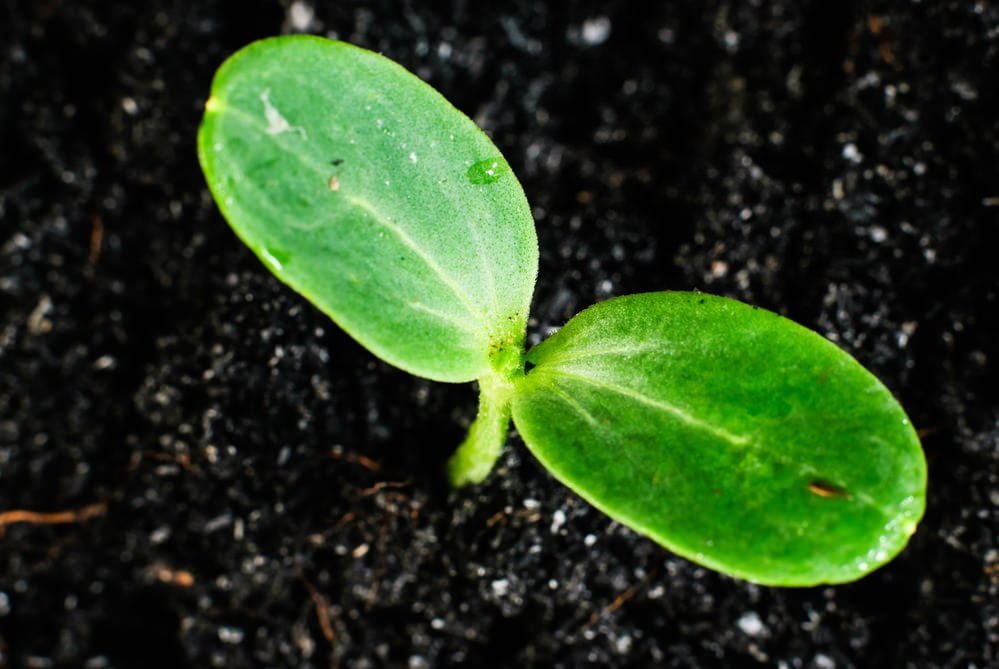
Starting plants from seed, especially when done indoors, provides a better germination rate, because you can give them much closer attention. And, it gives you a head start on the spring gardening season.

Northern Utah is still in the grip of winter, but let’s be honest – you can’t wait to get your hands back into the soil. Starting your seeds indoors can scratch that itch to get back to gardening.

Choosing Seeds for Your Garden Plants

Seeds for outdoor plants are widely available online and through mail order gardening catalogs. And, if you’re looking for rare, unusual or hybrid plants, you may prefer to tap these resources.

However, many gardeners prefer to buy seeds – and get their gardening tips – from a local garden center. Locally owned, neighborhood garden centers like Millcreek Gardens offer a wide variety of options, and our experienced staff can offer the best advice on which types of garden plants are best-suited for our growing zone and climate.

When choosing seeds, don’t buy more than you can use within the next year or two. As time passes, seeds become less likely to germinate.

Supplies for Starting Healthy Garden Plants from Seed

Cell flats are ideal for starting seeds, but you can also use small individual containers or bio-degradable peat cups. Or, for a more budget-friendly approach, look online for gardening tips for turning recycled plastic yogurt cartons or eggshells into seed-sprouting containers.

You’ll also need a good planting mix. Choose a variety that is blended specifically for seed germination, rather than traditional garden or potting soil. Gardening soil can contain weed seeds, fungi and other organisms that will hinder the growth of your sprouts.

New sprouts often look exactly alike. To keep track of what’s growing where, use gardening markers or popsicle sticks to label each seed container. Finally, if you don’t have a good source of light, you may also want to consider using a grow light. If you start your plants in an area without sufficient lighting, they may not grow well.

When to Start Seeds Indoors

Timing is important when starting seeds indoors. Plant your seeds too soon, and they may outgrow their gardening containers and become root-bound before the weather has warmed up enough to allow for transplanting.

Most seed packets offer gardening tips for when to start the seeds, typically a certain number of weeks before the last expected frost date. Look to the seeds’ packet for the specific number of weeks. If you don’t have that info handy, most pro gardening tips advise startingaverage last frost date.

Visit Millcreek Gardens today and let our helpful associates answer all of your questions about starting your outdoor garden plants from seed. We have all of the seeds, planting mix and tools you’ll need for this year’s perfect garden at our expansive Salt Lake City garden center. Stop by today for even more pro gardening tips.

Pet-friendly gardens can help keep your dog safe and happy in the great outdoors. But your pooch doesn’t have to be the only one who’s delighted with your yard and landscaping.

pet friendly garden

With careful planning, you can design a garden and landscape that both you and your four-legged friends will enjoy. Below are tips on how to create a beautiful, pet-friendly garden.

Pet-Friendly Garden Boundaries Keep Your Pets Safe

Safety comes first in pet-safe garden and landscape design. To keep your furry friends secure, you need to set some boundaries.

Perimeter fencing can enclose your yard while giving your dog plenty of space to roam. Or, you could opt to fence in a smaller area as a dog run. In either case, Fido will be safe and sound whenever he’s outside.

The third option for establishing pet-safe garden boundaries within the yard is to fence off your planting beds. This will keep Fido from digging up your vegetables or eating something that may be harmful.

Many types of garden-friendly fencing are available, so you can choose one that complements the style of your home and your landscaping. Wood or vinyl privacy fencing is a frequent choice of homeowners in Utah, but you could also choose chain link or decorative iron fencing.

Landscaping Features for a Pet-Friendly Yard and Garden

A large, open area of grass can give your pet room to run and play. But, dogs need shade and shelter, too.

Planting a few large landscaping trees can provide shade from the hot summer sun. If that isn’t possible, you may consider adding a dog house or shade structure to provide shelter. An overhead canopy or garden shade cloth stretched over a dedicated area provides a simple and cost-effective solution.

The look of your landscaping may suffer if your dog wears away a track through the lawn. Instead of trying to grow grass in your pet’s favorite path, turn it into attractive, pet-friendly landscaping feature with soft mulch, stepping stones or pavers.

Choosing Pet-Friendly Garden Plants

Some landscaping plants are highly toxic to animals. Before adding any outdoor plants to your yard or garden, check the plants toxic to pets. This way, you can make sure they won’t cause health issues if Fido decides to have a snack.

Garden mulch can be a great choice, as it is soft on the paws and doesn’t get too hot when the sun is beaming down. Be careful to avoid cocoa- or coffee-based mulch, however, as both can cause a toxic reaction in dogs.

For your other landscaping surfaces, select materials that are comfortable for your dog to walk on. Concrete, smooth rocks, and brick stay cool and give furry friends a comfy surface stretch out on during warmer weather. They also offer the benefit of helping keep your pup’s nails in check.

Millcreek Gardens has helped Utah gardeners with landscape and plant solutions since 1955. Stop by our Salt Lake City garden center today for more tips on creating gorgeous, pet-friendly gardens and landscaping.

An effective landscape design can turn a ho-hum yard into a uniquely beautiful and inviting outdoor space. Poor design, however, can detract from your home’s curb appeal as well as its value.

landscape-design-mistakes

Whether you’re an avid home gardener or DIY landscape designer, you can create a stunning landscape plan for your yard, especially if you avoid these three potential design hiccups.

Mistake No. 1: Improvising Your Landscape Design

Does your plan include an unprepared visit to the garden center and buying whichever outdoor plants and landscape elements appeal to you in the moment?

Failing to prepare your landscape plan before you shop for plants, trees and flowers is a very bad idea. For a first-rate design, it’s important to consider the architectural style of your home and the layout of your homesite – and of course, to measure your space. Improvise, and your results are liable to be both expensive and ineffective.

When designing your landscape, let the natural features of your lot guide you. Don’t try to force a garden feature where it doesn’t really belong or where it feels out of place. Try using photo images of your home and yard when deciding on which outdoor plants and elements to include and where to place them. This will help put your design into perspective.

A detailed, plant-by-plant design isn’t imperative, but it will be helpful once you get to the garden center.

Mistake No. 2: Using a One-Dimensional Approach to Landscape Design

Are you considering a lush rose garden? Or would you prefer low-maintenance ground cover and native grasses?

Choose whatever elements you prefer to be the focal point of your landscaping design, but don’t stop there. Professional landscape designers chose one or two elements to highlight, and then use a variety of different plants, trees, shrubs and hardscape elements to complete the design.

Design in layers or zones for consistency and use varying heights for visual interest. Select plants that are complimentary in color and texture, but be sure to mix things up a bit. This ensures that something is always in bloom and keeps your design fresh and interesting all year long.

Mistake No. 3: Going Overboard with Landscape Design

Keep your landscape design interesting, but don’t let your imagination get too carried away either. Focus on balance and harmony and, when in doubt, remember that less is more – at least to start. You can always add more to your design once the plants, flowers and shrubs are in.

Going back to our earlier point, be sure to take your list with you when you shop. It’s easy to go overboard when visiting a garden center, especially when you’re a gardening aficionado. Take your list and stick to it, otherwise you may be tempted to buy one or two of everything.

If you are tempted to purchase a plant, tree or shrub that’s not on your list, consider how it will work with your overall landscape design theme. No matter how enamored you are of wildflowers, for example, they might now work well in a yard that features manicured hedges and topiaries.

If you’re not sure where to start in the planning process, visit Millcreek Gardens and consult with our expert staff. We have all the plants, gardening supplies and tools you’ll need and our experienced associates can help you create the landscape design of your dreams.

Are new landscaping trees on your wish list this year? If so, now’s the time to start planning.

landscaping trees utah

Our Northern Utah climate supports hundreds of different varieties of trees, but not every type is well-suited for every location. Choosing the right trees for your home will require a little thought and planning.

What Function Will Your Landscaping Trees Serve in Your Yard?

Why do you want to add trees to your landscape? Answering this question will help you select the best variety to suit your purposes.

Are you hoping to give your yard an extra pop of color? Flowering trees, such as the Eastern Redbud, Japanese Tree Lilac or Douglas Hawthorn, burst with gorgeous, colorful blooms that will add beauty to your property.

Maybe you want some shade in the summer months. Deciduous varieties, like the Canyon Maple or Green Ash might be good choices. Planting them on the south or west side of your yard can shade your home and reduce air-conditioning costs. When the weather turns cold, these trees will shed their leaves to allow the sun’s warmth to reach your home, reducing the need for heating.

If you seek privacy and wind protection, evergreens are ideal. Varieties like the Bristlecone Pine or Blue Spruce grow well in Utah. Plant them on the north or west side of your property to reduce your winter heating costs.

Do You Have Room for Landscaping Trees to Grow?

Architects and designers have a saying: form follows function. This adage also applies to landscape design. Once you’ve considered the desired function of your trees, it’s time to think about form.

Many varieties of trees grow very large and develop expansive root systems. If you choose any of these species, you must ensure that they have adequate space to grow to maturity. Consider also how the root system may affect sidewalks, driveways and your home’s foundation. Other important considerations are septic systems and sewer and water lines. If you aren’t sure where these underground Blue Stakes of Utah.

As a general rule of thumb, trees that grow to over 30 feet should be planted at least 15 feet away from your house and other structures. Smaller trees can be placed closer, but keep them at least eight feet out.

In addition, you should avoid planting landscaping trees under utility lines as they could interfere with the lines as they grow taller.

Other Key Considerations in Selecting Landscaping Trees

Aside from form and function, you must also think about site conditions. Will the trees you choose thrive in the location where you hope to plant them?

To answer that question, you’ll need to consider your soil quality and the amount of sun exposure the tree will receive. Drainage is also important, as tree roots require sufficient oxygen to develop properly. Consider also how you will water the tree. Will it require changes to your lawn sprinkler system?

Landscaping trees must be matched to your hardiness zone in order to grow well. Utah hardiness zone using the USDA’s handy map interface, or you can talk with one of our experienced customer service associates.

Would you like professional assistance in choosing the ideal trees for your property? Millcreek Gardens, Salt Lake City’s favorite garden center, is here to help. Stop in and see us today for expert recommendations and the best variety of plants, trees and shrubs in Northern Utah. We look forward to helping you select the perfect landscaping trees for your home.

Properly maintained, gardening tools can last for many years. You don’t have to spend a fortune on your garden tools to make tending to your plants easier and more enjoyable. With the right care, any well-made implements will serve you well.

gardening tools

Of course, you’d rather spend time actually gardening than caring for your tools. Fortunately, keeping your tools in tip-top shape doesn’t take a lot of time or effort. All you need to do is make maintenance a normal part of your gardening routine.

Tip No. 1: How to Get Rid of Dirt and Rust on Your Gardening Tools

Dirt is not a friend to your gardening tools, as the moisture it contains can lead to rust. In addition, over time, dirt can cause cutting edges to become duller and less effective.

Each time you use a tool, take a moment to scrape away any excess dirt. Then, clean off the remaining grime. A penetrating oil like WD-40, along with a soft rag, can easily handle the job.

Dirt can also be washed away with water. However, if you do use water, make sure to dry your tools carefully. Even a drop or two of water, left behind, can cause metal to rust.

Already have a spot of rust? Grab some fine grade steel wool and rub it away. For more stubborn rust, you may need to use a coarser grade of steel wool or use the wheel brush on your dremel or electric drill.

Tip No. 2: How to Keep Gardening Tools Sharp

Sharp tools make every gardening job easier. That’s why it’s important to periodically sharpen the blades on your pruners, shovels and other cutting and digging tools.

A steel or diamond file is all you need for this gardening task. To sharpen, simply file the cutting blades in long, sweeping strokes. Don’t saw back and forth or move too quickly, as this can cause grooves in the blade. Make sure to maintain the proper sharpening angle for the tool. This is easier than it sounds though, as most bladed tools are pre-sharpened. Just follow the angle that’s already there.

(If you have high-end pruners or other investment-quality tools, you may want to consider trusting those to a professional sharpener in your area.)

While you’re at it, take a look at your wooden tool handles. If any are rough, take a bit of sandpaper and smooth them out to prevent splinters.

Tip No. 3: How to Make Gardening Tools Last Forever (or Almost)

Where do you put your tools when you’re finished in the garden? Proper storage in a dry, warm environment – such as your garage, basement or garden shed — is essential to keep them in good working order.

Hanging racks are a good choice for long-handled tools, as it keeps them off the floor. For smaller gardening tools, you may want to use a wall-mounted pegboard system. If you opt to use a storage tote or tool box instead, place each tool in a separate section so they don’t bang into each other. This can lead to damage and dulling.

For maximum protection, apply a protective oil (many gardeners swear by boiled linseed oil) to the metal portions of your tools after each use. Oil acts as a moisture barrier and helps prevent rust. You can skip this step if you clean them well after each use, but do oil your gardening tools when you’re done with them for the season. You can also oil the wood portions to prevent drying and splintering

In Salt Lake City, Millcreek Gardens is the premier locally owned garden center. We have all the plants, trees and shrubs you love as well as a full line of gardening tools and supplies. Stop by and see us today for more helpful tips and tricks.