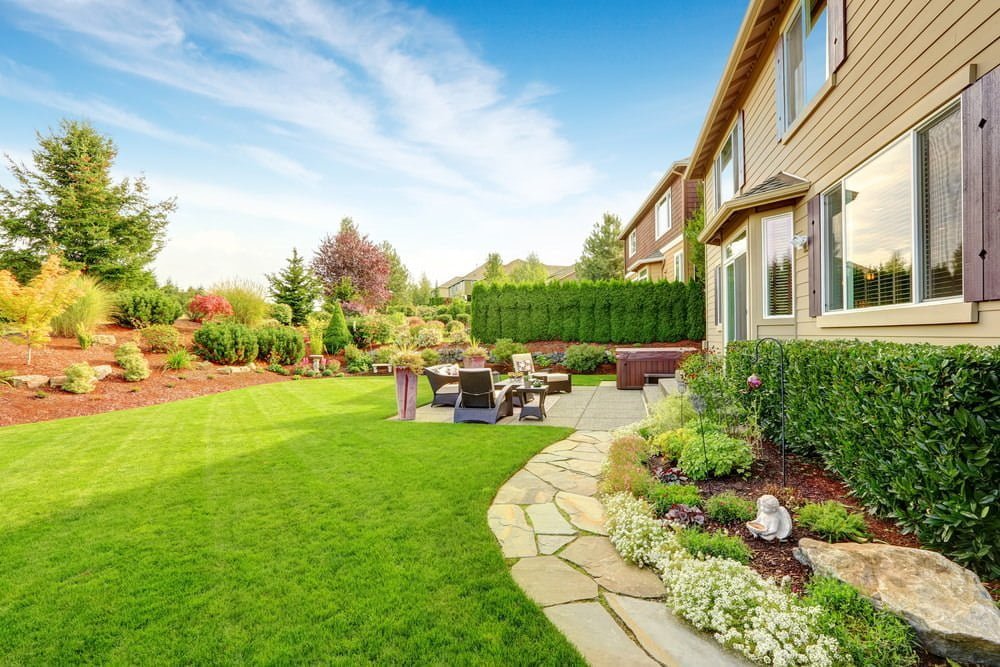
Choosing landscaping plants and design elements for a large back yard can present a challenge.

A big back yard gives your plenty of room for the family to relax, play sports and entertain friends. However, when planning your landscape and garden design, all that space can seem like a burden – not to mention a big expense.

Landscaping Plants & Designs

To make the most of your large back yard, divide and conquer the space. Then, choose large-scale landscaping plants, trees and design elements.

Divide Your Back Yard into Garden or Landscape Zones

Treating a big back yard as one giant space makes landscaping design more difficult. Without focus, the expansive space can be a nightmare to plan.

Divide your yard into several landscaping zones or sections, and you will have an easier time managing the design. You can make the individual areas flow together for a cohesive look. But breaking the project down into smaller chunks and planning each garden space separately will make the job seem much less complicated.

Create Functional Outdoor Spaces

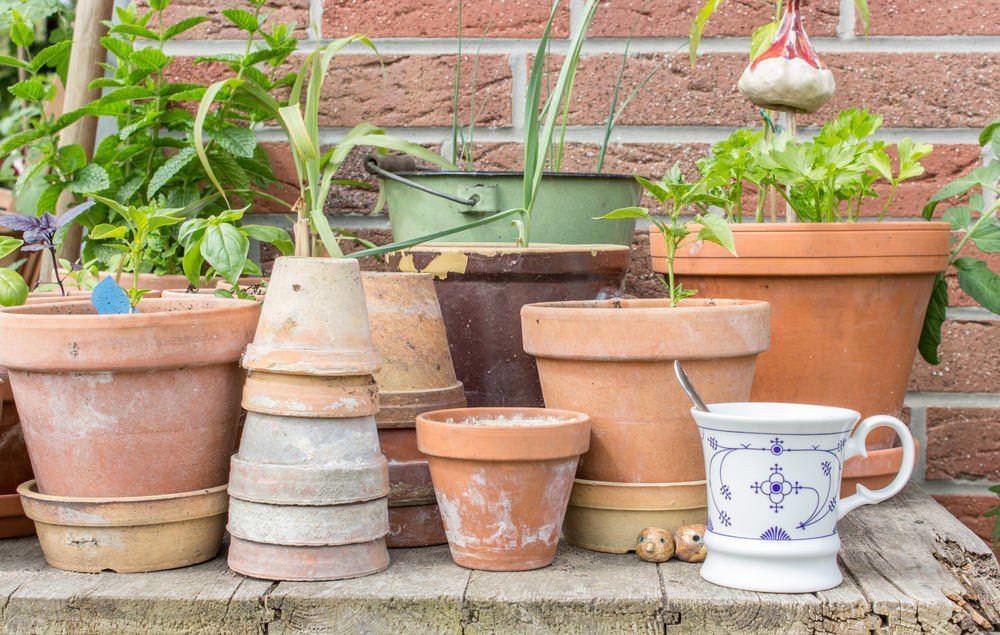
As you plan the landscaping design of your back yard and garden areas, think of each space as an outdoor room, each with a purpose. Depending upon your needs, you may have a child’s play area, a grilling and entertaining area, a vegetable garden area and a peaceful relaxation area, for example.

Let the function of each outdoor space be a guide for its landscaping design. The choice of outdoor plants, hardscaping materials and garden features can be based upon how the space will be used.

Choose Large-Scale Landscaping Plants & Trees

To fill in a large back yard, choose large, mature landscaping plants and trees. Trees can help define your outdoor spaces and improve the overall appearance of your property. Shrubberies and large-scale outdoor plants of varying heights will fill in the lower areas and add interesting depth.

Plan the placement of your landscaping plants and trees carefully, and you can also benefit from their energy-saving properties. Shade trees can shield your home from the hot sun in the summer, so you won’t have to run the air conditioning as much. Outdoor plants help hold in precious moisture and keep the temperature down in the yard.

Layer Your Backyard Landscaping Plantings

Throughout the backyard landscaping design, use a layered approach to planting. Taking advantage of both horizontal and vertical space will give your yard a rich, textured look and feel.

Place taller plants along the edge of the yard and along the borders of your outdoor spaces. Add large shrubs for depth, and plant perennial flowers and herbs in the front for more color and interest.

Your large back yard doesn’t have to be a design dilemma or a budget-buster. For more tips on creating beautiful, functional garden spaces, visit Millcreek Gardens. Our knowledgeable staff can help you select the perfect outdoor plants, perennial flowers, landscaping trees and features for the back yard of your dreams. Visit us in Salt Lake City, Utah, today for help with selecting your landscaping plants and design elements.

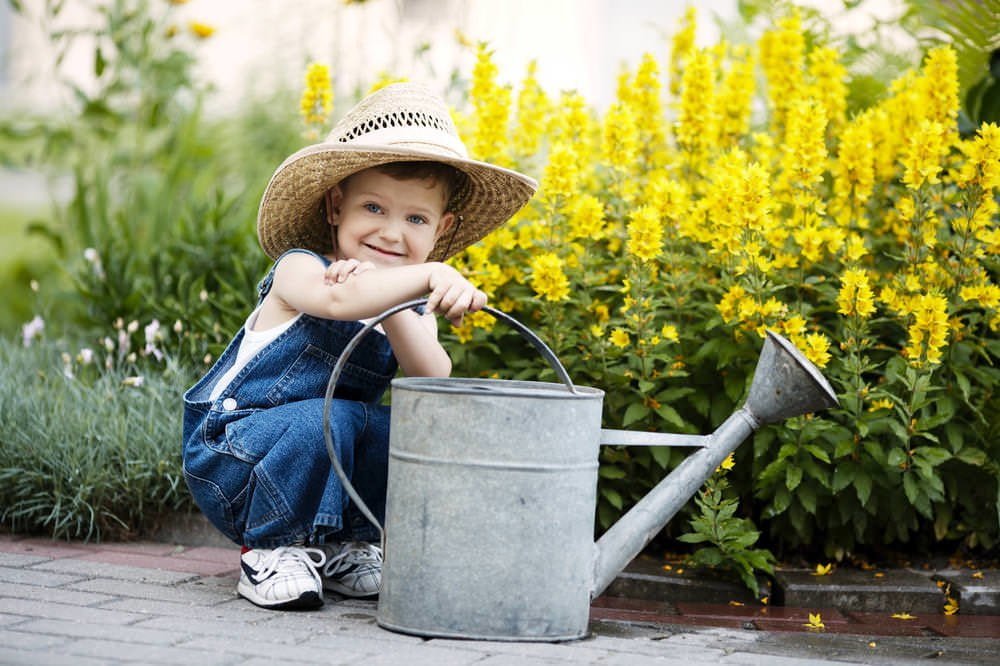
Gardening is a great outdoor hobby for kids and a healthy alternative for too much time spent in front of the TV or computer.

Working in the garden is also an excellent learning experience. It’s like a hands-on, living classroom. It also helps kids develop skills and appreciation for growing their own food.

Kids Develop a Love of Gardening

Getting your kids involved in gardening is much easier than you may think. In fact, you can start growing your own little gardeners this year by helping them develop a passion for gardening.

Give Kids their Own Gardening Space

Children love to feel a sense of ownership, and giving them their own little gardening space is a great way to pique their interest.

A large container, a few small pots or a dedicated section of your garden will do. The size of the garden doesn’t matter as much as designating the spot as theirs. Give each child his or her own spot, unless they express a desire to collaborate.

Let Kids Plan Their Garden Design

Kids can follow your directions, but they’ll be much more excited about the gardening process if they have input in the garden’s design.

Let your children plan the design of their gardening spaces, even f their choices are unconventional or impractical.

You can offer guidance but leave the choice of plants and flowers up to them. And, to give them a chance to be creative, allow them to decide how to place the plants within the garden.

Get Kid-Friendly Gardening Tools

Adult-sized gardening tools can be difficult for little hands to maneuver properly – and kids are often reluctant to keep trying if a task is too hard.

Providing your children with lightweight, child-sized garden tools will make working in the dirt easier and much more fun. Armed with their own gardening supplies, kids may not want to stop working in the garden.

Learning to care for and keep track of their own tools will also help teach kids responsibility.

Start a Garden from Seeds

While planting young seedlings can be an enjoyable gardening project for children, consider letting them start their garden from seeds instead.

Sprouting seeds and nurturing the young plants is a great way for kids to learn how living things grow. Children get excited about watching the process. In fact, they’ll be checking their garden all the time to see how their plants are progressing.

Add a Special Garden Feature

To encourage your children to spend more time outside gardening, you may want to add more than just outdoor plants, perennial flowers, fruits and vegetables to the garden.

A birdbath, sundial, pond or other feature can make your landscape more appealing and entertaining – characteristics your kids are sure to appreciate.

Applaud their Gardening Efforts

Make sure to praise your children for their efforts in the garden. Giving them positive attention for their work will help motivate them to continue.

And, whenever possible, show off their gardening space to friends, family members and neighbors. The more you applaud their work, the more they’ll be thrilled to stay involved.

Visit Your Local Garden Center Often

To get your kids to feel inspired, take them on visits to your local garden center. This gives your children an in-person view of a wide range of outdoor plants, shrubs and landscaping trees. And, with new varieties and gardening supplies coming in all the time, there’s always something new to see.

If your family lives in Utah, bring your children to Millcreek Gardens. Our staff loves helping little gardeners find their green thumbs. Visit our Salt Lake City plant nursery today, for all of your landscaping and gardening needs.

Did you know that some outdoor plants have natural insect-repelling properties?

Mosquito season is in full swing here in Utah, and abatement crews are reporting record numbers. The state is taking steps to get rid of the pesky bugs, but mosquitoes may still invade your yard.

outdoor-plants-mosquitos

Instead of reaching for the bug spray, consider making the following mosquito-repellant outdoor plants a part of your garden.

No. 1: Citronella Grass

Citronella is a common ingredient in insect-repelling sprays and candles. The live outdoor plants are just as effective at keeping mosquitoes at bay.

A low-maintenance ornamental grass with a lemon scent, Citronella can grow up to 6 feet tall. Most Utah gardeners opt to grow Citronella grass in pots or containers that can be moved indoors for the winter.

No. 2: Lavender

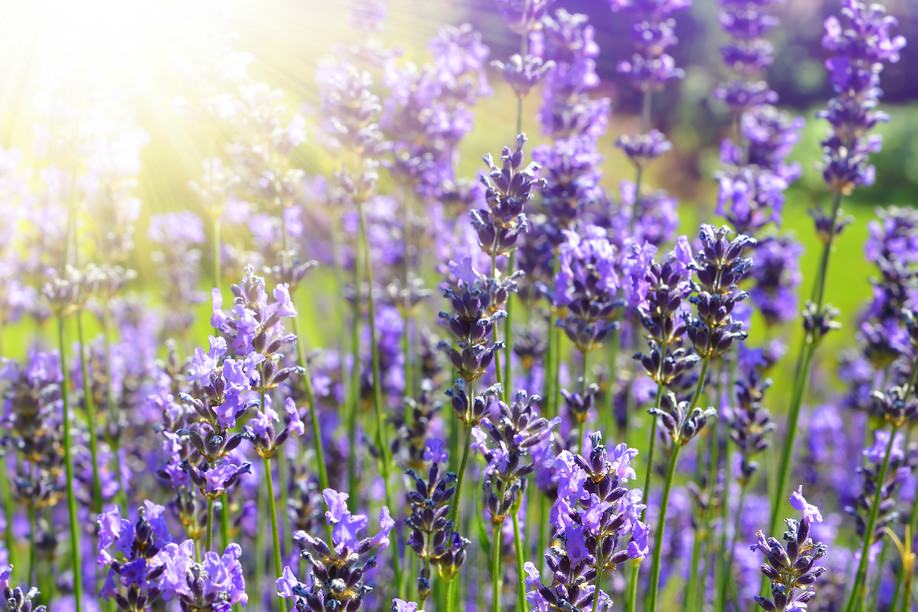
Lavender is prized by gardeners for its richly-colored flowers and pleasant, relaxing scent. Mosquitoes, however, aren’t as appreciative of the fragrance of these outdoor plants.

With full sun and good drainage, lavender can thrive in just about any Utah garden.

No. 3: Marigolds

With their bright, cheerful colors, marigolds are a beautiful addition to any landscape. But, these easy-to-grow annual flowers aren’t just about looks – they also exude a smell that deters mosquitoes.

Planted in the ground or in containers, marigolds are a popular choice for entryways, patio areas and vegetable gardens.

No. 4: Basil

Utah gardeners grow basil for its culinary uses, but the herb also doubles as a mosquito repellant. The pungent smell of these outdoor plants can help keep the annoying pests from setting up camp near your home.

Basil is a warm-weather plant that prefers well-drained soil and lots of sun. Most varieties are sturdy and drought-tolerant, so they grow well in Utah.

No. 5: Rosemary

Rosemary is another familiar culinary herb with a scent that helps stave off mosquitoes.

A woody-stemmed plant with needle-like leaves, rosemary can reach up to three feet in height. Because the plant isn’t hardy in colder climates, rosemary is typically grown in container gardens.

No. 6: Lemon Balm

Lemon balm, a calming, curative herb used in teas, has a strong lemon aroma that wards off mosquitoes.

Fast-growing, drought-resistant and tolerant of many lighting conditions, lemon balm grows well in Utah. However, because these outdoor plants are rampant growers, they’ll need periodic attention to keep them from spreading throughout the garden.

No. 7: Catnip

Cats may love catnip, but mosquitoes definitely don’t feel the same way. The easy-to-grow perennial herb is highly effective as an insect repellent.

Catnip can grow just about anywhere, and plants can reach three to five feet in height. Like lemon balm, catnip can be an aggressive grower in some areas, so Utah gardeners may need to put in a little effort to keep them in check.

Don’t let mosquitoes stop you and your family from enjoying your yard and garden this summer. To find insect-repelling more outdoor plants that grow well in Utah, head to Millcreek Gardens in Salt Lake City today.

Landscaping trees add beauty and value to your property – as long as they’re healthy.

Like all plants, trees are susceptible to different types of pests, damage and disease. Unhealthy trees need a little extra care and attention to keep existing problems from escalating, or from killing the tree.

Landscaping Trees a Health Checkup

Keep your trees in good shape by giving them a periodic checkup. Follow these four steps for giving yours a periodic checkup.

No. 1: Examine the Roots of Landscaping Trees

Start at the ground level and examine the base of your trees. Healthy trees have a natural root flare – the base of the trunk widens as it enters the ground. If no root flare is present, the tree could be sick.

Look around the roots as well. If you notice fungus or mushrooms growing in the soil, the tree may be decaying.

Finally, look for humps in the soil around the base – especially ones that were not previously there. This can indicate that the soil below the root system is heaving, and that roots are attempting to pull up from the ground.

No. 2: Look at Landscaping Tree Trunks

Next, check out your tree trunks. Small cracks and cavities may not be an immediately serious issue, but larger holes and deep cracks can indicate structural problems.

Take a look at the bark, too. Healthy landscaping trees have soft, pliable bark covering the entire trunk. Flaking, brittle bark and bald spots are signs of sickness.

Lastly, look for pests. Ant trails aren’t necessarily indicative of a problem but they can be, depending on what theses pests are after. Look beneath any raised areas of bark too, to see if any borers are holed up there.

No. 3: Check the Tree’s Branches

Next, move up to the branches. If the branch growth looks lopsided, part of the tree could be stressed or diseased.

Dying or falling branches are another red flag. While wind or ice storms sometimes snap branches off healthy trees, sickness is the more common cause of dropping limbs. Look for any branches that are bare of leaves or appear to be dying. This is a strong indication of potential problems.

No. 4: Closely Examine Landscaping Tree Leaves

Healthy trees have full, lush leaf crowns. If one of yours suddenly starts shedding leaves during the spring or summer, it’s probably sick. Check for discolored or shriveled up leaves as well. An abundance of dead or dying leaves long before fall is another symptom of disease.

Look closely at leaves from different parts of the plant – top and bottom. Look for brown or black spots, irregular left edges, curling or visible pests. This can often help you identify a problem before it progresses too far.

Keeping Your Landscaping Trees Healthy

If your checkup reveals any problems, your local garden center or tree service company can offer advice on nursing them back to health. Don’t delay, or you might find yourself having to replace your trees.

For your healthy trees, you can take steps to keep them strong and beautiful. For starters, mulch regularly and go easy on the water and fertilizer – most mature trees don’t need much help in that regard, and too much can be damaging.

In addition, be careful around the root zone. Watch where you (and your kids and pets) dig. Digging anywhere under the leaf canopy can damage roots and cause the tree to die. Keep the lawn mower away from the roots and go slow with the weed whacker to avoid nicking the trunk.

Unfortunately, not every sick tree can be saved. If yours are too far gone, replace them with healthy trees from your local garden center. The staff can offer advice on hardy varieties that are ideal for your property.

Homeowners throughout Utah trust Millcreek Gardens for gardening advice. For help selecting and caring for your landscaping trees, visit our Salt Lake City garden center today.

How about planting a few new perennial flowers to celebrate Perennial Gardening Month?

Gracing your garden or landscape beds with a bounty of color year after year, these outdoor plants are budget-friendly and hardy enough to stand up to all of northern Utah’s climate challenges.

perennial flowers

Head to Millcreek Gardens for inspiration or consider these six gorgeous, easy-to-grow varieties.

No. 1: Butterfly Weed

Butterfly weed, or Asclepias tuberosa, is 2017’s Perennial Plant of the Year, as chosen by the Perennial Plant Association. They chose a beauty this year – the clusters of vibrant orange, yellow and red blooms are a striking addition to any garden.

And, as the name suggests, butterfly weed is known for attracting butterflies. These brilliant perennial flowers grow best in full sun and well-drained soil.

No. 2: Sedum

Perennial flowers in the Sedum family feature thick, succulent-type leaves and fleshy stems as a backdrop for bursts of tiny, star-shaped blooms. Colors range from bright white to dark purple, and just about every shade in-between.

Sedum prefers full sun and drier planting conditions. Once established, these stunning plants need very little care to thrive.

No. 3: Coneflower

Echinacea purpurea, or coneflower, resembles a daisy or Black-Eyed Susan. These eye-catching perennial flowers feature a prominent bronze center cone surrounded by pink, red, purple, orange or white petal-like rays. A favorite among many Utah gardeners, coneflowers can grow quite large – up to 3 inches across.

Coneflowers appreciate full sun, but they can tolerate partial shade. Well-drained soil is best for these beauties, but they are forgiving of less-than-ideal soil conditions.

No. 4: Daylily

The daylily, or Hemerocallis, fills the garden with glorious, sweetly-scented blooms. Each blossom lasts for just one day, but every flower stalk has multiple buds – and each plant has several stalks. In fact, these easy-care flowers seem to be continually in bloom.

Available in a rainbow of colors, daylilies can do well in full sun or partial shade. And, although they produce more blossoms with regular watering, daylily flowers are relatively drought tolerant.

No. 5: Spiderwort

The Tradescantia family of perennial flowers, also known as spiderwort, feature three-petaled blossoms in dazzling shades of purple, blue, pink or white. These garden favorites add interest to a Utah landscape, as they bloom in the morning and close at night.

Partial shade is best, but spiderwort can handle a sunny spot in the garden as long as the soil is kept moist. Tradescantia plants are quite resilient, however, and can tolerate drought conditions.

No. 6: Blue Salvia

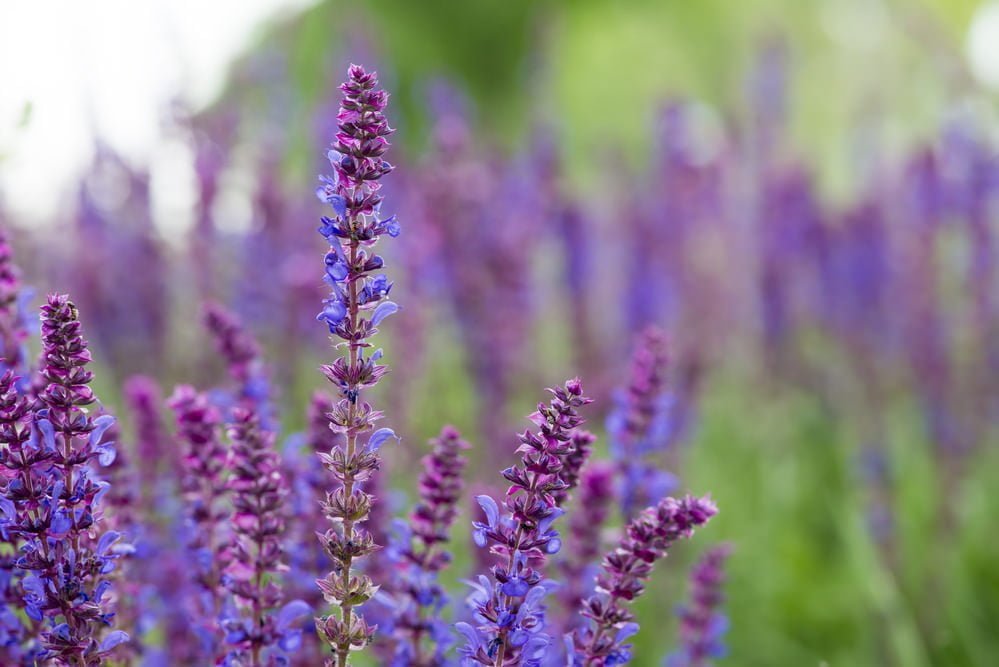
Salvia farinacea, or blue salvia, is a showstopper, with tall spikes of intensely-colored violet-blue blossoms. Virtually pest- and problem-free, these spectacular perennial flowers are favorites for both garden borders and container gardens.

Although sometimes grown as an annual in the colder parts of Utah, blue salvia plants can survive light freezes if well-protected. Salvia flowers prefer well-drained, slightly dry soil. Full sun is acceptable, but afternoon shade is ideal for areas with hot summers.

Are you inspired to celebrate Perennial Gardening Month? Head to Millcreek Gardens in Salt Lake City today, and let our expert staff help you select the perfect perennial flowers for your Utah landscape.

How do you garden mulch?

Adding mulch is a great way to ensure you outdoor plants have access to a consistent supply of water and nutrients. Not only is it good for your plants and the environment, but mulching also boosts the aesthetic appeal of your garden.

garden mulch

The gardening experts at Millcreek Gardens in Salt Lake City have a few “green thumb guidelines” for using mulch, to help you get the most from its many benefits.

No. 1: Apply Garden Mulch in the Spring

Early spring is a great time for mulching, as the material helps keep the soil warm during the cool Utah nights. Mulch can be left on throughout the summer to provide cooler soil and even moisture to the outdoor plants.

In a perennial Utah garden, mulching in the fall is also beneficial, as it helps protect plant roots and keeps them from freezing.

If you use garden mulch year-round, you’ll need to rake it aside each spring to prepare your garden beds. If it hasn’t decomposed, you can reuse you’re the material or mix it into the soil.

No. 2: Weed and Feed Before Adding Garden Mulch

Mulching helps fight the war on weeds, but the battle begins with prevention. Before applying mulch, get rid of the weeds in your garden beds.

Before you lay down the mulch, take a moment to think about feeding your outdoor plants. Millcreek Gardens offers a range of all-purpose fertilizers as well as specialty varieties formulated for flowers, rose bushes and vegetable gardens.

No. 3: Add the Right Amount of Garden Mulch

The amount of garden mulch you use matters. Apply too much, and you could smother young outdoor plants.

Aim for a uniform depth of about two to three inches. If the particle size of your mulching material is larger, like chunks of bark, you can apply a layer four inches thick – air can easily pass through the bigger spaces between the mulch chunks, so your outdoor plants won’t suffer from a lack of oxygen.

No. 4: Don’t Crowd Your Outdoor Plants

Some gardeners pile on the mulch, creating little volcanoes around each plant stem. This is not a good idea, because crowding your outdoor plants this way can cause them to rot and die.

Instead, keep the mulch about two or three inches away from every plant stem. For landscaping trees and shrubs, apply the material in a circle around the drip line.

Are you ready to start mulching? Millcreek Gardens, Salt Lake City’s favorite garden center since 1955, carries a range of natural and colored mulches for landscaping flexibility and creativity. Stop in today and let our friendly staff answer all of your questions and help you choose the perfect garden mulch.

Outdoor climbing plants can help create a beautiful garden privacy wall, to help separate your yard or patio from a too-close neighbor’s.

garden privacy wall

Building a privacy wall is a simple weekend project. You don’t need too much in the way of handyman skills or materials to create a vibrant, functional garden wall. A visit to the hardware store – and Millcreek Gardens, of course – is all you’ll need.

Prepare for the Garden Privacy Wall Project

First, decide on the placement and measure out the length for your garden wall.

Next, gather your supplies. A quick stop at your local hardware store should provide you with everything you need. The supplies you need include:

  • Cement blocks (at least 45 for an 8-foot wall, more if your length is greater)
  • Two 4-foot sections of metal plumbing pipe
  • One section of metal plumbing pipe in the length of your garden wall
  • Two hog wire fence panels
  • Wire cutters

Stack the Blocks with Spaces for Outdoor Plants

Begin your garden wall by placing a row of concrete blocks down the entire length.

Then, simply add more layers of blocks, offsetting the layers so the seams don’t match. This works to add strength and stability.

As you create the privacy wall, jut out some of the blocks to create spaces for your climbing plants.

Once finished, the garden wall should be about three feet high and you should have multiple planting spots.

Create the Frame for Climbing Outdoor Plants

Next, use the metal pipes to build a three-sided frame to support the climbing plants and give them access to sunlight. To make the frame, screw one of the 4-foot pipes to each end of your longer pipe.

Now, take the hog wire panels and lay them out over the frame. Use the wire cutters to cut them to the length you need. Then cut several 6-inch pieces of wire from the leftover panel and use them to attach the hog wire to the pipe frame.

Assemble your garden wall by sliding the metal piping into the cement blocks.

Finish the Garden Privacy Wall by Adding Climbing Outdoor Plants

Once your garden wall is finished, you’re ready for the fun part – a visit to your favorite Utah garden center to choose your climbing plants.

The friendly Millcreek Gardens staff can recommend varieties that are well-suited to your growing conditions. You will have plenty of options to choose from, including jasmine, bougainvillea, hydrangea and climbing roses, all of which do well in Northern Utah.

If you would like even more fresh landscaping ideas, head to Millcreek Gardens. We are Utah’s premiere source of indoor and outdoor plants and gardening supplies. Visit us in Salt Lake City today for help in selecting the right outdoor plants for your garden and landscape needs.

If you live in northern Utah, gardening likely causes you to sniffle and sneeze – especially during the summer.

Pollen from grass, trees and weeds is a common allergy trigger, keeping many would-be Utah gardeners inside during planting season. However, seasonal allergies don’t have to stop you from gardening.

gardening allergies

If you suffer congestion and itchy, watery eyes when you do yard and garden work, taking a few simple precautions can make it possible for you to create and enjoy a gorgeous landscape.

Tip No. 1: Plan Your Gardening Time Wisely

To avoid suffering allergy symptoms as you work on gardening tasks, aim to be outside when the pollen levels are low. Days without rain, clouds and wind are your best bet.

You can also check online for the current pollen counts in the Salt Lake City area. Several websites track pollen levels and send out alerts when counts are high. Staying inside on those days can keep the gardening-related allergies at bay.

Tip No. 2: Avoid Highly-Allergic Outdoor Plants

Due to the amount and potency of their airborne pollen grains, some outdoor plants have a high potential for causing allergic symptoms.

For allergy-friendly gardening, experts advise against planting chamomile, jasmine, sunflowers, wisteria, Queen Anne’s Lace, juniper bushes and certain non-flowering grasses, including Bermuda grass and Johnsongrass. Some trees, like white mulberry, oak, ash and cedar, also produce high levels of pollen.

Tip No. 3: Choose Allergy-Friendly Outdoor Plants

So, what outdoor plants are safe for allergy sufferers?

In general, choose plants that are pollinated by birds and insects, rather than wind, as they don’t produce much airborne pollen.

Safflower, trumpet honeysuckle, crimson clover, hosta, salvia, hibiscus and hydrangea are good options for sneeze-free gardening. You can also plant rose bushes and low-pollen trees like magnolia, poplar and dogwood.

Herbs, vegetables, groundcover plants and fruit-bearing trees are also welcome additions to an allergy-friendly landscape.

Tip No. 4: Keep Your Garden Sneeze-Free

Flowers, shrubs and trees aren’t the only outdoor plants that produce pollen – weeds can also trigger allergies. So, to avoid suffering symptoms while gardening, regular weed pulling is a must.

Frequent mowing is another essential gardening task for allergy sufferers. Cutting the grass often keeps it from going to seed, which helps keep pollen levels lower.

Tip No. 5: Store Your Gardening Supplies Outdoors

If you suffer from allergies, you definitely don’t want to track any pollen inside the house.

So, plan to store all of your gardening supplies outside in the garage or shed. And don’t forget your shoes – keep one pair outside, just for yard work.

And, when you’re done with your gardening for the day, shower and wash your clothing to eliminate any residual pollen.

Want more tips and ideas? Visit Millcreek Gardens, Salt Lake City’s favorite garden center since 1955. Our expert staff can recommend allergy-friendly shrubs, flowers and trees for a gorgeous landscape. Stop in today for answers to all of your Utah gardening questions.

Rose bushes can bring eternal beauty and exquisite fragrance to any Utah garden.

Hundreds of varieties of roses are available, with flowers in a seemingly endless range of sizes, shapes and colors. No wonder choosing which ones to plant can be such a daunting task.

rose bushes

Our knowledgeable garden center staff can always offer advice. Or, for inspiration, check out these six eye-catching rose bush varieties.

No 1: Hybrid Tea Roses

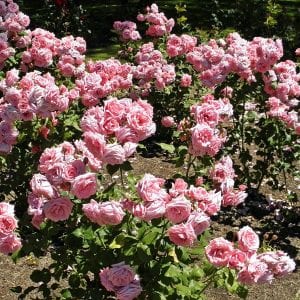
hybrid-tea-rose-squareThe large, high-centered blooms of the hybrid tea rose mimic those seen at most florist shops.
These rose bushes are always popular among Utah gardeners, as they flower repeatedly throughout the summer months. They are also perfect for cutting. And, most hybrid tea varieties exude a wonderful fragrance.

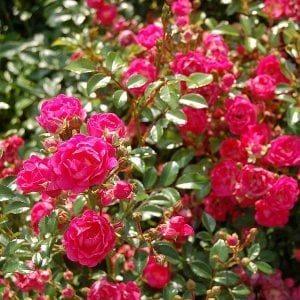
No. 2: Polyantha Roses

polyantha-rose-squareBorn from the crossing of wild roses, polyanthas bloom in large clusters of small, vibrant flowers.
Polyantha rose bushes are smaller than some other varieties, but they are very hardy and produce repeated blooms. Many Utah gardeners use these fragrant beauties for borders or hedges, but they can also flourish in container gardens.

No. 3: Floribunda Roses

floribunda-roseFloribunda roses came about by crossing polyanthas and hybrid teas. These hardy, low-maintenance stunners make great landscape bushes, as they seem to bloom almost continuously from spring until the first frost.
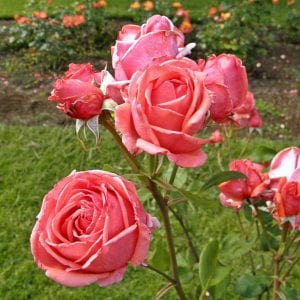
Shorter and bushier than many other rose varieties, floribundas can have either flat or cup-shaped blooms, with sprays of flowers on each branch.

No. 4: Grandiflora Roses

grandiflora-roseGrandiflora rose bushes create an impressive focal point and are often planted as border landscaping or hedging. These roses can grow to heights of up to six feet, and their long stems display clusters of glorious, showy blooms with a sweet floral perfume.
These sophisticated head-turners marry the show-stopping blooms of the hybrid tea with the hardiness and repeated flowering of the floribunda, making them a perfect choice for any Utah garden.

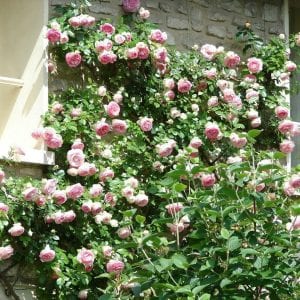
No. 5: Climbing Roses

climbing-rose-squareClimbing roses add a charming, graceful touch to the landscape and are ideal for gardens with limited space. As their name suggests, these outdoor plants weave and climb their way through fences, arbors and trellises.
With climbing roses, the blossoms are held up high, draping the garden structures to create a dazzling display. Climbers can have single or clustered blooms, and some varieties flower continually throughout the season.

No. 6: Miniature Roses

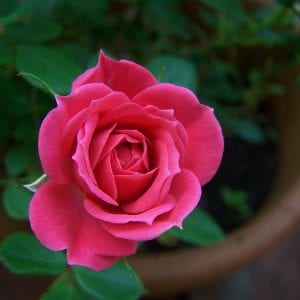
miniature-rose-squareThe smallest outdoor plants of the rose world, miniature roses grow about one to three feet in height and feature delicate mini blooms about an inch or so in size.

Miniature roses are often overlooked, but their tinier blooms are ideal for rock gardens and small landscape areas. These rose bushes also make for delightful container gardens on the deck or patio.

Are you ready to freshen up your rose gardens? The experienced staff at Millcreek Gardens can recommend varieties that are suited to the growing conditions of your location. Visit us in Salt Lake City today for personal tips and advice on choosing and caring for your rose bushes.

Plant evergreen shrubs, and you may be able to forego building a traditional wood, vinyl or metal fence.

Evergreens keep their foliage throughout every growing season, bringing a touch of greenery to your landscape all year long. And, certain types of hedge shrubs – boxwoods, yews and privets – can be trimmed to a precise shape and size, to create a natural privacy fence.

evergreen-shrubs

Boxwood Shrubs

buxus-microphyllaThe boxwood plant, or Buxus, is a dense evergreen shrub that is often used to create a formal-looking landscape fence.

Hundreds of types of boxwoods, with a variety of leaf shapes and growth forms, are commercially available. Many Utah homeowners prefer the American or English Buxus, but you can choose from a wide range of beautiful and affordable boxwood evergreen shrubs.

Boxwoods are known for their adaptability and ease of care but these hedge shrubs do need full or partial sun to thrive. Well-drained soil is also a must. When choosing boxwood plants for your hedge, keep in mind that they can be slow-growers.

Yew Shrubs

taxus-yewYew shrubs, or Taxus plants, are evergreens with dark green, needle-like foliage dotted with bright red berries. Tolerant of repeated pruning, yews make for an easy-care natural fence.

Yew plants flourish in well-drained soil and full or partial sun, but these hedge shrubs can handle most growing conditions. They are also considered to be drought-resistant. Like boxwoods, yews are slow-growing plants.

Many varieties of yew evergreen shrubs are available. The Irish yew, Capitada yew and Hicks yew are three popular types that grow tall enough to provide privacy for your home.

However, if you have pets or young children, be cautious about planting yew shrubs – every part of the plant is toxic if consumed by humans or animals.

Privet Shrubs

ligustrum-japonicum-300x300The Lingstrom plant, or privet, is a fast-growing evergreen shrub featuring small, densely-packed leaves and bursts of white blooms. Because of the rapid growth rate, privets can be a good choice for a natural fence. However, these hedge shrubs do require frequent pruning or they can get a little wild.

Privets are among the easiest hedge shrubs to grow, as they tolerate most soil conditions and can withstand drought. Plus, privets can adapt to full sun or partial shade.

Japanese, California and Golden privets are the most popular, but other varieties are available commercially. You may want to avoid planting the Common privet, however, as it can become invasive to your landscape.

The friendly staff at Millcreek Gardens of Salt Lake City’s can offer even more tips on choosing evergreen plants for a natural privacy fence. To learn more about our Utah-friendly evergreen shrubs, stop in and see us today.