In the fall, gardening tasks begin to taper off. But what if you’re not ready to put away your gardening supplies for the year?

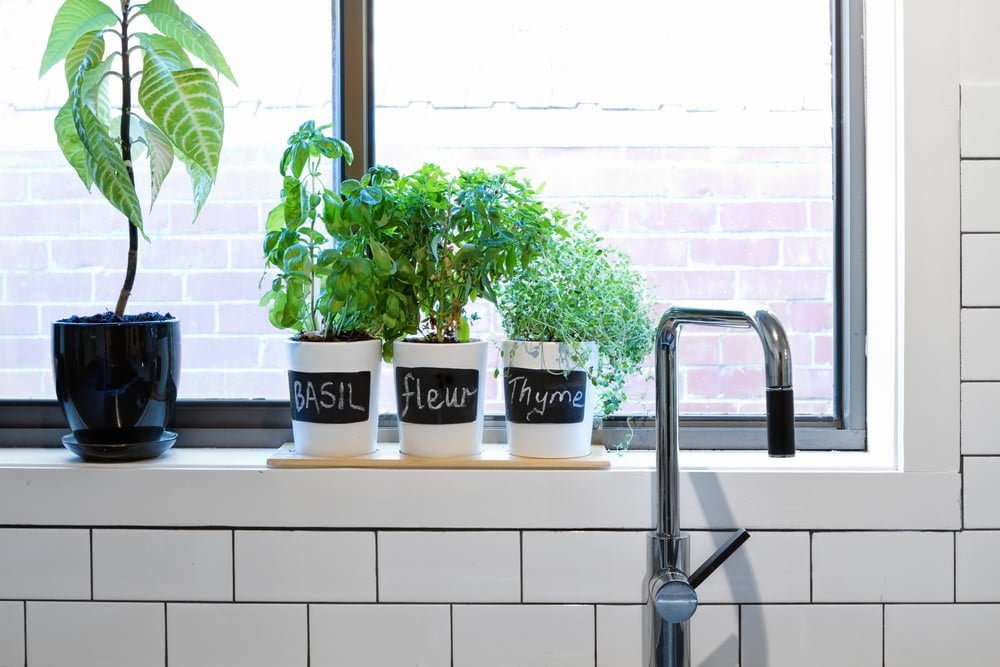
Growing an indoor windowsill garden is a great way to scratch your green thumb itch.

Windowsill gardening is fun and easy for both novice and expert gardeners, and the plants will bring living beauty to your indoor spaces. Plus, indoor plants can help clean and freshen the air inside your home.

Fall Gardening Ideas: Grow an Indoor Windowsill Garden

Are you ready to get started with window gardening? We asked our knowledgeable team for their best advice for growing gorgeous and healthy windowsill gardens.

Easy Indoor Growers for a Windowsill Garden

Which indoor plants are well-suited for windowsill gardening? Actually, you have a wide range of options.

Microgreens are a popular indoor gardening choice, as they’re quite easy to grow. Plus, microgreens are rapid growers, so you can enjoy a harvest in as little as a week or two.

Herbs are also easy growers for window gardening. Mint, parsley, chives, basil, oregano and many other herbs can thrive indoors.

You can drop by Millcreek Gardens for other suggestions for easy-to-grow plants. Or, if you already have healthy indoor plants, you could opt to use them to start a windowsill garden. Simply use gardening pruners to take cuttings, trim off the lower leaves and place the stems into moist potting mix.

Ideal Conditions for Growing a Windowsill Garden

Indoor plants need several hours of daily sunshine, so choose your window carefully – one with eastern or southern exposure is best for a windowsill garden.

Aside from sunlight (and water, of course), temperature is the most important factor for successful indoor gardening. Temperature needs vary from plant to plant, but most prefer about 70 to 75 degrees. If your chosen windowsill gets too chilly, consider placing the garden planter on a shelf or small table in front of the window, rather than on the sill.

Tips for Windowsill Gardening Success

First of all, if the perfect window for indoor gardening doesn’t have a sill, why not make one? Install a small ledge or shelf under the frame, and you’ll have a spot for your planter.

Whether you create your own windowsill or already have a ledge in place, keep the weight of your planter in mind. Gardening pots get heavier when the plants get watered, and the sill could break if the weight is too great.

When deciding on the placement for your windowsill garden, consider your heat vents – you don’t want your indoor plants near or over a vent.

Finally, don’t despair if your first windowsill gardening efforts fail. Simply tweak your approach and try again with different plants or a different window location.

Do you have questions about growing and caring for indoor plants? The knowledgeable and friendly gardening staff at Millcreek Gardens, Utah’s favorite plant nursery, can provide the answers. For more advice on how to grow an indoor windowsill garden, visit us in Salt Lake City and speak with one of our gardening experts today.

Today’s Millcreek Gardens gardening tips are perfect for everyone who thinks they’re too busy for gardening.

A packed schedule doesn’t have to prevent you from creating gorgeous outdoor growing spaces, or enjoying your own home-grown fruits and vegetables. The secret to enjoying your garden more (and working on it less) is to take advantage of gardening shortcuts.

time-saving gardening tips

Below, we share six of the best time-saving gardening tips for people with on-the-go lifestyles.

No. 1: Choose Perennial Flowers over Annuals

If you want color in your garden, go with perennial flowers.

Using perennials instead of annuals means you spend less time gardening, as the blooms will return year after year. And, many varieties increase in size over time, offering more of a visual impact without any extra gardening effort.

For time-saving gardening, choose low-maintenance perennial flowers that don’t require much attention, such as hostas or daylilies.

No. 2: Plant Self-Cleaning Flowers

Do you want your outdoor plants to always look fresh and tidy, without spending a lot of time pruning and cleaning up? If so, fill your garden beds with self-cleaning flowers.

Planting self-cleaners is a great way to cut down on gardening time. With self-cleaning varieties, the flowers fade and fall off on their own. This means you don’t have to deadhead or remove the spent flowers.

No. 3: Consider Watering Needs Before Planting

When laying out your garden design, consider how you’ll be doing the watering. For maximum time savings, avoid putting extra-thirsty outdoor plants in spaces that are difficult to reach.

Place the plants with high water needs closest to the house, and those that don’t require as much water toward the far edges of your garden. And, to cut the time needed for hand-watering, group your plants according to their watering needs

No. 4: Use Slow-Release Plant Food

Fertilizing can be a time-consuming gardening task. However, if you give your outdoor plants time-release foods, you won’t have to tackle this chore very often.

Slow-release plant foods are covered with a coating that dissolves over time in water. Since the food is released gradually, you should only need to feed once every few months.

No. 5: Mulch Your Garden Beds

Mulch is definitely a time saver, as allows you to water and weed less often.

Adding mulch to your garden helps suppress weed growth, so you won’t have many weeds to pluck. Mulch helps keep the soil moist and cool, which reduces the need for watering.

No. 6: Weed When the Soil is Moist

No garden is weed-free, so you may still have to do some weeding now and again. But some weeds can be difficult to pull out of the ground.

To make this gardening chore easier, do the weeding when the soil is moist. Weeds surrender more quickly and without as much effort if you pull them after it rains or after watering the garden beds.

Do you need more gardening tips or advice on selecting low-maintenance outdoor plants? The knowledgeable staff at Millcreek Gardens, Northern Utah’s leading plant nursery, can help. Visit us in Salt Lake City today to learn more of our favorite time-saving gardening tips.

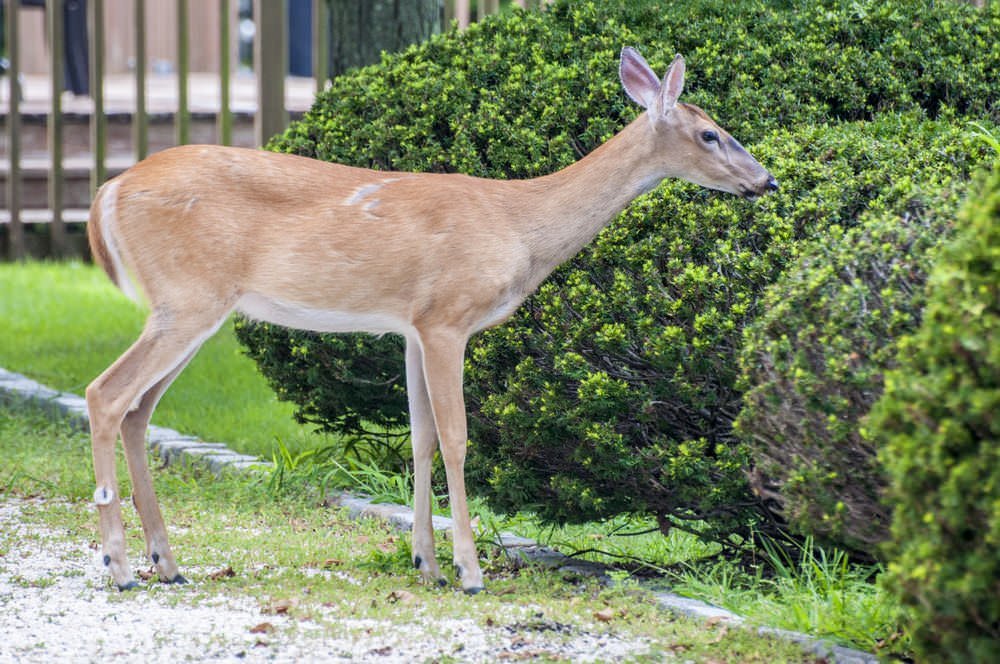
Are your outdoor plants providing a steady supply of snacks for the local deer?

Deer are gorgeous, graceful creatures — a true joy to watch. But, these majestic animals can also pose an incredible nuisance for gardeners. Whether alone or in a small herd, they can wreak havoc on the landscape, munching their way through vegetables, flowers, shrubs and even trees.

Stop Deer from Eating Your Outdoor Plants

Fortunately, experts recommend a few tricks to prevent deer from feasting in the garden.

No. 1: Choose Deer-Resistant Outdoor Plants

While hungry deer may eat just about anything, they tend to avoid prickly and fuzzy foliage. And, they don’t really like heavily fragranced plants, either.

Experiment with different textured and aromatic plants. Try using them as borders for your garden beds. Keep in mind that every herd eats differently, so varieties that deter deer in some areas may not work in others.

No. 2: Place Bar Soap Near Outdoor Plants

To keep deer away, many Utah gardeners turn to ordinary bar soap. The scent is said to interfere with their sensitive sense of smell.

Choose a brand with a powerful fragrance, and hang bars from strings in trees or large shrubs. Or, attach soap bars to stakes and place them around the edges of your garden beds to keep the deer at bay.

No. 3: Scatter Human Hair Around Outdoor Plants

The scent of human hair can also prevent deer from entering a garden.

Ask your barber or hairdresser for some clippings. You may need to sweep them up yourself, but they should be free of charge. Scatter the hair like mulch across your garden beds, or stuff it into pantyhose and hang the deer-deterrent stockings out of sight throughout the landscape.

No. 4: Apply a Deer-Repellant Spray to the Outdoor Plants

As long as you apply them on a routine basis, spray deterrents can help stop deer from eating your plants.

Dozens of commercially-made brands are available, most of which use a foul scent and terrible taste to deter deer. Or, try one of the many recipes for homemade spray repellants. Customers have reported having success with various blends of eggs, hot sauce, garlic and clove oil.

No. 5: Add a Motion Sensor Near the Outdoor Plants

Some gardeners use solar-powered motion sensor units to frighten deer away.

However, a deer herd may quickly come to understand that certain lights and repetitive sounds pose no real threat. Instead, install a motion-triggered device that squirts water or turns on a live radio broadcast.

No. 6: Physically Protect Your Garden Plants Against Deer

A physical barrier is considered to be the most effective method for keeping deer from eating up the landscape.

Plastic netting or floating row covers can protect your plants for a minimal cost. If you’re going to invest in property fencing, though, make sure it’s tall enough – deer can jump up to 8 feet on level ground, and even higher on sloped ground. And, a stockade fence is the best choice, as deer are reluctant to jump over fencing when they can’t see what’s on the other side.

For expert gardening tips and advice, Utah gardeners can trust the friendly staff at Millcreek Gardens. To learn more about growing and protecting outdoor plants, visit us in Salt Lake City today.
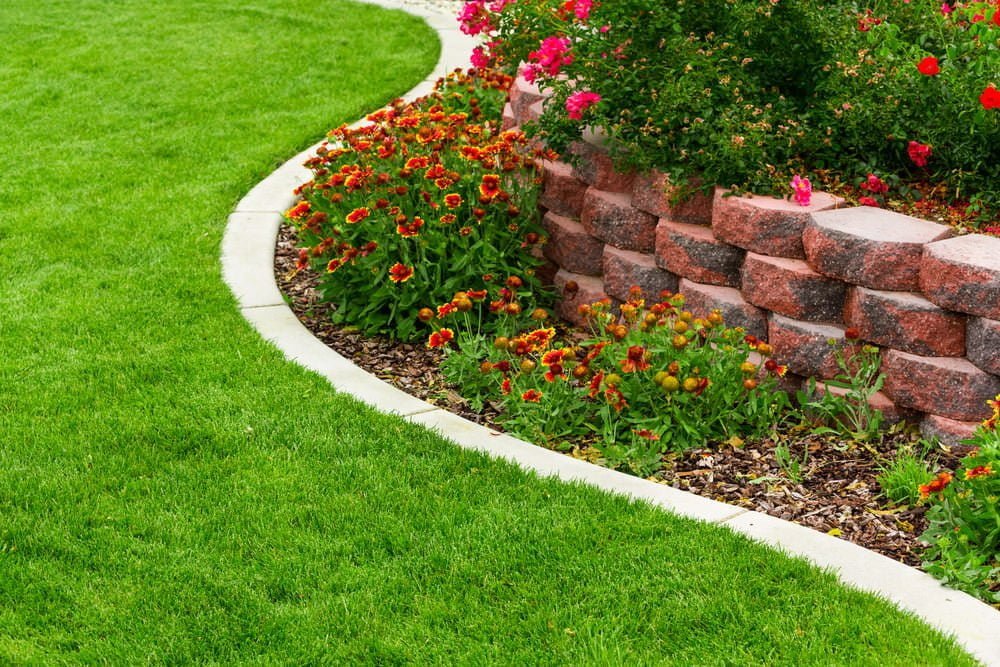
Want your garden bed edges to have that sculpted look featured in gardening magazines? Edging is easier than you might think. With just a few short hours of work, you can create crisp, well-groomed garden edges that transform your landscape into an envy-worthy masterpiece. Here’s how:

Garden Bed Edges

Step 1: Mark the Garden Edges

First, you need to mark the exact location for your flower bed edges. Consider how you want the garden to look when you’re finished, and make sure to leave enough space for mulch and a border. To mark your edges, grab some string or a can of spray paint and create a line. Be careful with your placement, as you’ll follow this line when you do the actual edging.

Step 2: Choose a Gardening Tool

Several tools can be used to make precise garden edges. Your local garden center sells special edging tools with heads that are half-moon shaped to cut easily through the turf. An electric edger, or an edger attachment for a rototiller or cultivator, could also work. Or, if you’re not in the market for new gardening tools, you can simply use your straight-edged shovel.

Step 3: Create the Garden Bed Edges

Take your gardening tool of choice and face your garden bed. Push downwards into the turf, following your marked edge line. At this point, your job is to outline the entire bed. As you go along, make any necessary changes to the contours and shape of the edging. Work neatly, aiming for a smooth, sharp line.

Step 4: Remove the Extra Turf

Now, face away from the garden bed. Using your gardening tool, slice into the turf at an angle. Make sure your cuts reach the level of the edge line you already created – doing so severs the turf so that it can be removed. Once you’re done, gently pull back the grass clods, taking care not to disturb your carefully-placed edge line.

Step 5: Finish the Garden Bed Edges

After removing the extra turf, you should be left with a V-shaped trench that has a precise, clean edge. To keep it looking perfect, you’ll need to add a border. For a subtle, nearly-invisible garden separation, sink strips of steel, aluminum or plastic along the edges. Or, if you prefer decorative edging, install brick or stone garden edgers. When your border is in place, finish the job by adding mulch.

You can find all of the gardening tools and supplies you need for edging at Millcreek Gardens, northern Utah’s favorite plant nursery. Come visit us in Salt Lake City today, and our friendly, knowledgeable staff can help you get on the path to perfect garden bed edges.

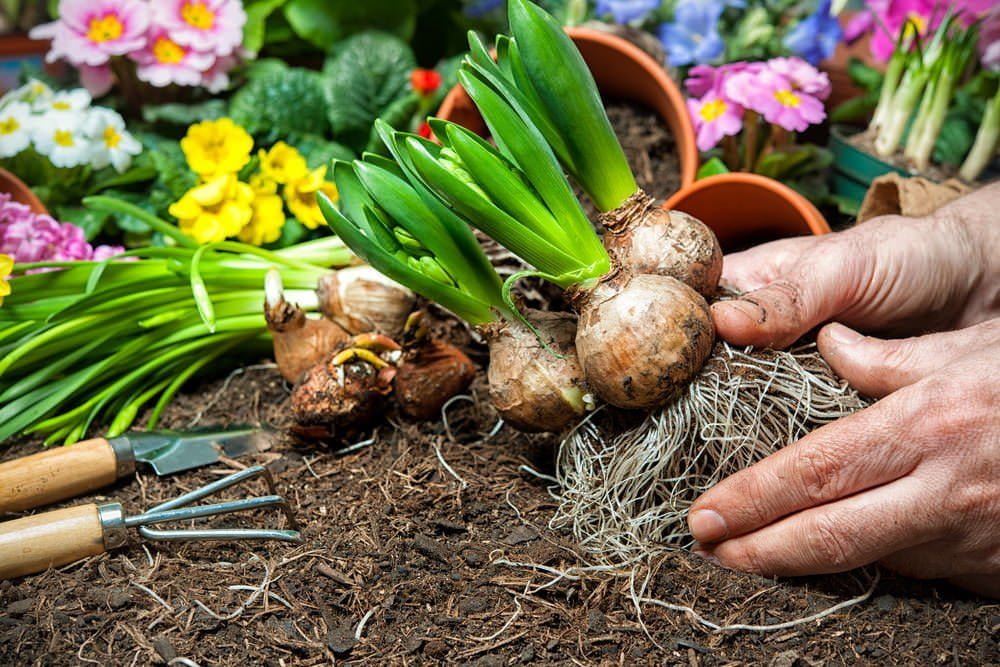
Planting fall flower bulbs is an easy and rewarding gardening task – pop them in the ground now, and your landscape will be filled with blossoming buds when spring rolls around.

Spring-blooming flowers like tulips, hyacinths, and daffodils, are a welcome sight after a long Utah winter. To transform your yard into a gorgeous, eye-catching display of color, try one of the following flower bulb garden design ideas.

Planting fall flower bulbs

No. 1: Plant Flowers that Multiply Freely

Want your landscape to look like Mother Nature handled the garden design? Plant a mixture of woodland bulbs in a random, erratic manner to mimic how they naturally grow in the wild. Come spring, you’ll see charming, casual sweeps of color – and the flowers will come back every spring.

No. 2: Line a Path with Fall Flower Bulbs

If you prefer a more formal garden design, plant bulbs in even rows along your driveway or landscape paths. For a beautifully manicured look, consider using just one or two flower bulb varieties.

No. 3: Plant Flower Bulbs for a Layered Effect

Get great bursts of color in your garden beds by planting your bulbs in layers. Place small, medium and large flower bulb varieties within the same space – with the taller flowers towards the back, of course – to achieve a magnificent, multi-dimensional look.

No. 4: Use Shrubs as Backdrops for Flowers

Do you have evergreen shrubs lining your home or yard? Bushes make the perfect backdrop for any spring-blooming bulbs – even white or pale-colored flowers are eye-popping when planted in front of dark green shrubs.

No. 5: Plant Flowers with Different Blooming Times

Keep the color alive all season long by planting flowers with a range of blooming times. Using a mix of flower bulb varieties that bloom early, midseason and late in spring for successive garden color. To make the show last into summer, plant the bulbs near perennial flowers that peak later on.

No. 6: Create Container Gardens with Flower Bulbs

Spring-blooming bulbs do just as well in containers as they do in the ground. Plant them in portable pots in the fall and put them in a cold garage or storage shed for the winter. Once spring arrives, your container gardens can be perfectly placed for pops of color throughout the landscape.

No. 7: Plant Fall Flower Bulbs in Clusters

Regardless of how you choose to plant your spring-blooming bulbs, you want a big color impact. So, don’t try to spread a few over a large area, or you’ll be disappointed in the results. Plant bulbs in clusters, and you’ll end up with a greater concentration of color.

Want more gardening advice? The friendly, experienced staff at Millcreek Gardens is happy to answer all of your questions. To learn more about planting fall flower bulbs in Utah, visit our Salt Lake City garden center today.

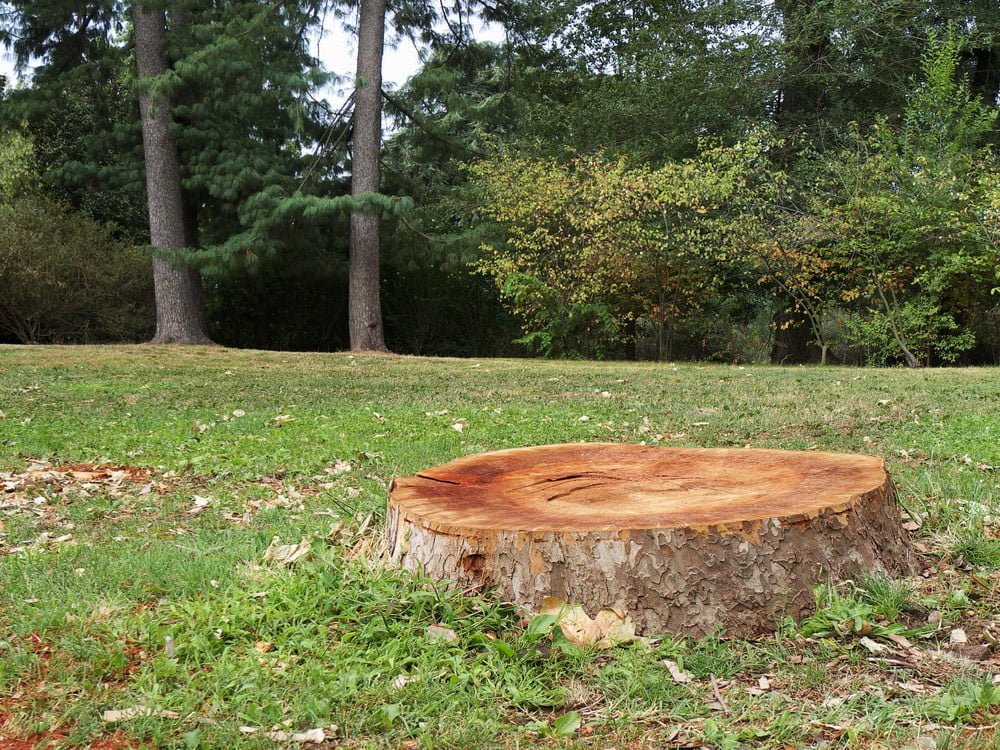
If you think no creative gardening tips could possibly help with that old tree stump in the back yard, guess again.

Don’t look at the remnants of your once-beautiful tree as an eyesore. Instead, use a few creative gardening tips and tricks you can turn your old stump into a whimsical (and even practical) focal point.

Gardening Tips for Tree Stumps

No. 1: Display a Container Garden

Flatten the top of your tree stump, and you have a stable base for a container garden. Grab a decorative pot – or a few – and use the surface to display your favorite flowering plants, herbs or veggies. This is a perfect to keep them out of the dog’s reach, too.

No. 2: Use the Tree Stump as a Planter

Tree stumps also make excellent planting containers themselves. Hollow out the top, making a hole that is about four to eight inches deep and leaving a three-inch border. Drill a few drainage holes out the side and fill it with potting soil. Now, add some of your favorite annual or perennial flowering plants for a unique garden planter.

No. 3: Design a Tree Stump Fairy Garden

Bring a touch of whimsy and fantasy to your garden design by creating a magical tree stump fairy garden. After hollowing the top and adding soil, fill the surface with attractive rocks, miniature outdoor plants, and tiny decorative accessories. If you have little gardeners about, you could even make this a family project – or let the kids take it on as their own project.

No. 4: Create an Aged Moss Stump for a Dinosaur Garden

Moss was around during the age of the dinosaurs, so a moss-covered stump in a dark and humid spot can be a perfect focal point for a prehistoric dinosaur garden. Visit your local plant nursery for moss starters. Use wet mud to attach the moss to your stump, and the greenery will soon grow to cover the surface.

No. 5: Grow a Mushroom Garden

Do you like gourmet mushrooms? If your tree stump is in a shady area, you can grow your own. In a diamond or checkerboard pattern, drill holes that are about a quarter-inch deep and roughly 4 inches apart. Insert mushroom spawn plugs, seal with wax and keep the stump moist. In a few months, your garden design will feature an abundant source of fresh mushrooms.

No. 6: Build a Tree Stump Bird Bath

If you like bird-watching, why not provide a place for your feathered friends to take a bath? Flatten your stump, then place a wide, shallow container on top. Add an inch or two of water, then sit back and enjoy the view of your new bird bath.

No. 7: Use the Tree Stump as Garden Furniture

Tree stumps can also be functional features in your garden design. Flattened, they can be used as stools or tables. Or, hire a woodworker to carve your stump into a decorative, high-backed chair.

No. 8: Make a Board Game for the Kids

Outdoor games can make your garden design more kid-friendly. With a bit of paint, you can turn a tree stump into a permanent board game. Checkers or tic tac toe is an easy option – use painted rocks as markers for a unique touch.

No. 9: Plant a New Shade Tree

If you miss the dappled light and cool shade of your old tree, why not plant a new one? Stump removal isn’t as much of a pain as you think, especially if you hire someone to help (or handle it for you). Choose a fast-growing shade tree, or change things up and add an apple or cherry tree to your landscaping.

Or, you can always use your own creativity and imagination, and turn that old stump into something wonderful. If so, don’t forget to share pictures of your project with us!

Millcreek Gardens, northern Utah’s leading plant nursery, has everything you need to create an envy-worthy landscape. For expert help with your garden design, and all the gardening tips you’ll ever need, visit our Salt Lake City garden center today.

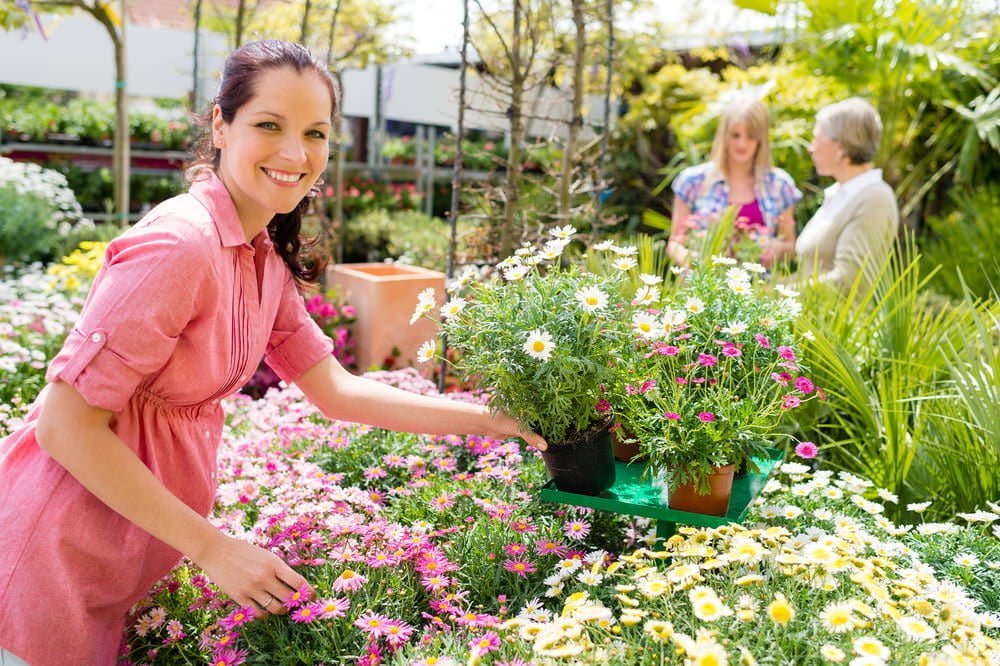
Shopping at the plant nursery is always a treat. Being surrounded by the colors and smells of indoor and outdoor plants, flowers and trees is always a thrill for any gardener.

plant nursery

But, with a few of our favorite tricks up your sleeve, shopping at your local garden center can be even more satisfying. Below are four secrets to being a smart shopper at the plant nursery.

No. 1: Shop During the Week

While the weekend may seem like a convenient time to visit the plant nursery, Saturday and Sunday aren’t usually the best days for shopping. More customers are milling about, so finding the right flowing plants may be more of a challenge.

Plus, trucks typically deliver plants during the week. You can always call your local garden center to find out their delivery day. Shop before the weekend rush, and you’ll have access to the best plant selection.

No. 2: Shop Throughout the Growing Season

How often do you visit your local plant nursery? If you’re like many gardeners, you may shop once or twice a year, which means you could be missing out on some gorgeous shrubs, trees and flowering plants.

If you only shop at the beginning of the spring growing season, you’ll mainly find late-spring and early-summer bloomers, because the late-summer and fall flowering plants haven’t had a chance to sprout yet.

For a wider selection of outdoor plants, visit the plant nursery several times throughout the season. Here at Millcreek Gardens, we get regular deliveries of new plants, so you never know what beauties you may find when you stop by more often.

No. 3: Choose Your Plants Carefully

This may seem obvious, but make sure you select annuals, perennials and flowering plants that are strong and healthy. Look for sturdy stems, vibrant leaves and a bushy shape. And, if you buy plants with more buds than blooms, you’ll get continuous color once you’ve added them to your home landscape.

When you’re at the plant nursery, don’t be afraid to gently slide a plant out of its pot to take a look at the roots. After all, you don’t want to purchase any that are completely root bound. Also, avoid plants that show signs of disease or pest problems. No gardener wants to take those problems home!

No. 4: Don’t Ignore the Bargain Plants

Shopping the clearance tables and end-of-season sales at your local plant nursery is a great way to find amazing bargains.

Sure, some discount-priced plants may not be worth the trouble. But you’re bound to discover a hidden gem or two. Crowded pots are a particularly great value. Take one home, and then divide the plants into a few smaller pots. Give them proper care, and you’ll end up with several healthy flowering plants for the price of just one.

Are you ready to start shopping? Millcreek Gardens carries a vast selection of the best plants, flowers, shrubs, landscaping trees and gardening supplies. And, our expert staff is always on hand to answer questions and offer expert advice. Every day is a great day to shop at Millcreek Gardens! Come visit our Salt Lake City plant nursery today.

You don’t have to leave your outdoor plants behind if you’re moving.

After all, you have invested time, effort, money and care into growing a healthy and beautiful garden and landscape.

Transplant Your Outdoor Plants

As long as your new home has the right soil and climate conditions, you should be able to pack up and transport many of your much-loved plants.

Moving Perennial Flowers and Small Outdoor Plants

Trim down the outdoor plants and perennial flowers you plan to transplant, leaving about 6 to 12 inches of growth. Trimming not only makes them easier to move, but also encourages growth after replanting. Plants that have lots of stems, flowers and leaves are more likely to get stressed when moved.

After trimming, carefully dig up the plants and place them in paper bags for travel. Keep a good amount of dirt around the roots to help your perennial flowers and small plants survive the trip and adjust to any differences in growing conditions.

Transplanting Potted Outdoor Plants

Are any of your potted plants in terra cotta containers? Clay planters break quite easily, and you don’t want that to happen on the road. So, a couple of weeks before your move, transfer the plants to plastic containers.

Water your potted plants before moving day, but just add enough to keep them from drying out during transport. Pack the pots snugly in open-top boxes – use newspaper or bubble wrap to keep them steady during the ride. Once you arrive, put your potted outdoor plants in their new garden homes.

Bringing Your Vegetables and Garden Plants

Vegetables and other garden plants can be more difficult to move, but the task may be doable if you can prepare the soil in your new garden first. This step is crucial, as vegetables need to be replanted immediately for the best chance of transplant success.

Water your vegetable garden a few hours before the move. Gently dig up the plants in the afternoon or evening when the sun is less direct, making sure to leave as much of the root ball as possible. Get them in the ground at their new location within a day and keep them well-watered for a couple of weeks, and they should be able to get through the move.

Relocating Shrubs and Landscaping Trees

If you have favorite shrubs or landscaping trees, you may want to give them a spot at your new address. Generally speaking, the bigger they are, the more difficulty you may have in transplanting them successfully on your own.

Landscaping trees one inch or less in diameter (measured six inches above the soil level) and shrubs up to three feet tall can usually be moved without digging up the entire solid root ball. Any that are larger will require extra manpower and possibly special equipment to transport – which may come at a high cost. And, even then, you have no guarantee they will survive the move.

Unless you have a compelling reason to move large landscaping trees and shrubs, leave them behind and choose new ones to plant at your new home. You may find that the cost is a wash.

The friendly, knowledgeable staff at Millcreek Gardens, serving customers throughout Northern Utah area, can offer expert advice and suggestions to solve all of your gardening and landscaping dilemmas. For help with your landscape trees, shrubs, indoor and outdoor plants, visit our Salt Lake City plant nursery today.

Did you know your landscaping trees can sustain major damage from home construction projects?

Your trees may be thriving now. But, without the right protection, they may be accidentally damaged or killed during the construction process. This is true even for relatively small projects, such as adding a spa or garden shed.

Landscaping Trees During Home Construction

Fortunately, careful planning can save you the headache and cost of treating or replacing injured trees.

Choose the Landscaping Trees to be Saved

During the planning stage of your construction project, walk your property and do a tree inventory.

If any trees will interfere with the placement of construction project, consider whether you want to move them or remove them. Any that have severe disease or insect problems should be removed, as well as any that are too mature to move successfully.

Next, identify other trees that may be close enough to be affected by the construction.

To keep a tree healthy and strong, construction work needs to avoid the protected root zone (PRZ) – or, in other words, the area within the tree’s dripline. If damage to the PRZ is inevitable with your current construction plan, consider changing the project design or removing the tree before the project begins.

This means that, if any branches of any landscaping trees come close to where you will be building, your project has the potential to harm or even kill it. You can cut the branches back, however, that won’t shrink the PRZ.

Create Barriers Around the Landscaping Trees

Get some bright orange plastic fencing and surround the PRZ of each of the trees you want to protect. Provide the root systems with as much space as possible because, for many tree varieties, the roots can extend beyond the dripline.

Post “Off Limits” signs at each fence, and make sure all the construction workers know to leave the landscaping areas undisturbed. Take photos to document your tree protection before the construction begins and check it frequently to make sure it has not been disturbed.

To ensure compliance, you may want to ask your builders to sign a landscape protection contract, or include a clause in your contract with your contractor.

Prepare the Landscaping Trees for Construction

The healthier your trees are before the start of your construction project, the better their chances of surviving the process.

Take the time to do any necessary pruning, and make sure to give the roots plenty of water if rainfall has been less than adequate. And, if soil tests or symptoms show that a tree is stressed – look for abnormally small leaves, pale coloration, early leaf drop and peeling bark – now may be a good time to fertilize.

You can also spread three to four inches of good organic mulch around the PRZ to hold critical moisture. (Be sure to stop the mulch about six inches from the trunk – never put mulch all the way to the base of the tree.)

Inspect the Trees During and After Home Construction

While the construction work is ongoing, remember to check on your trees. Doing so gives you a chance to make sure none are suffering damage, and it also reminds the builders to be careful with your landscaping.

Once your project is finished, evaluate the condition of your landscaping trees. Though some problems may not be immediately visible, you may notice early signs of stress. Watering and re-mulching the root zone can help a tree recover if any damage is present.

If you need more tips for keeping your plants healthy during periods of stress, the friendly staff at Millcreek Gardens can help. To learn more about the proper care of landscaping trees, visit our Salt Lake City garden center today.

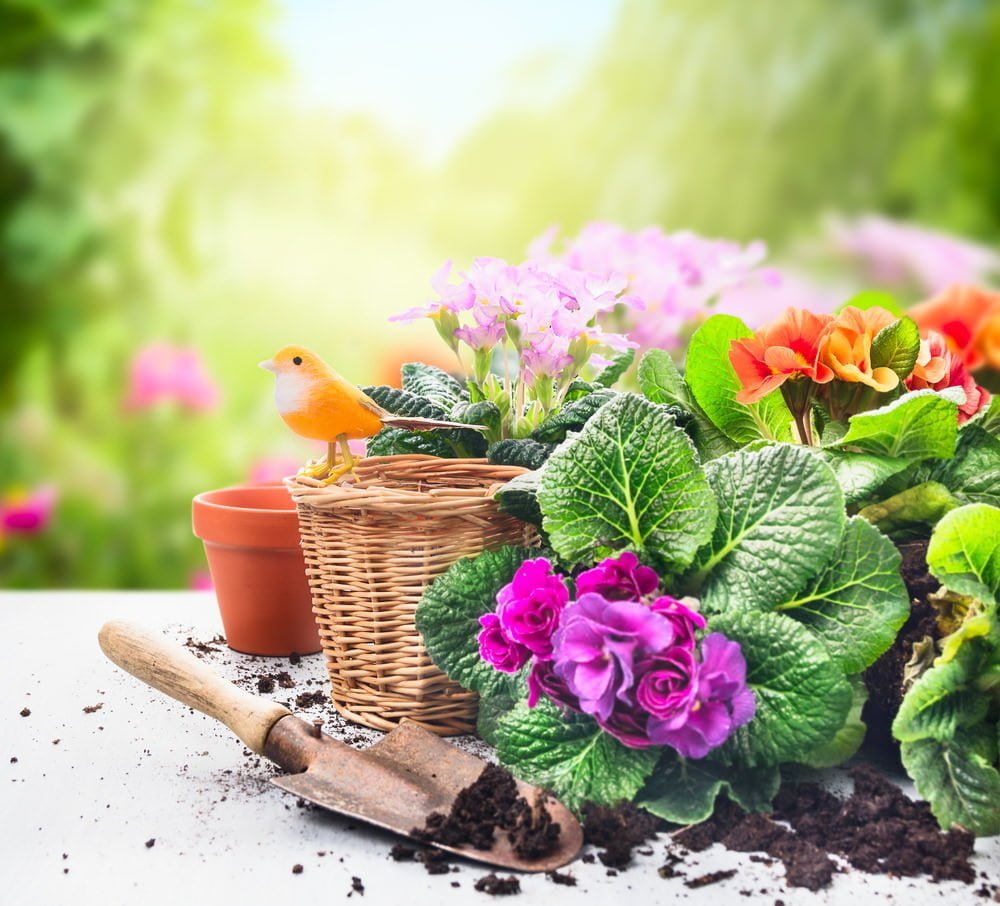
If you have outdoor plants you plan to use for a patio garden, choosing the right containers can create a dilemma. It can seem as though your choices are endless and, if you need several, the cost can quickly become a factor.

outdoor-plant-containers

Choosing the right planters can help ensure the success of your container garden. So, which pots are best? Each type has its pros and cons but some are better suited for your outdoor plants than others.

No. 1: Plastic Outdoor Planters

Affordable, durable and lightweight, plastic planters are often designed to mimic the appearance of their more expensive rivals. Plastic pots for outdoor plants are colorful, attractive and available in a dizzying array of styles, shapes and sizes.

The downside is that plastic outdoor planters can become brittle and break after a couple of years in summer’s direct sun and winter’s freezing temperatures.

No. 2: Terracotta (Clay) Planters

Terracotta, also known as clay, is a classic choice for container gardens.

The warm fired-earth tones of these outdoor planters complement the natural beauty of our Utah landscape. Available in wide range of styles and designs, terracotta pots are relatively inexpensive. And, these garden pots are heavy enough to resist toppling over in strong winds.

On the downside, clay pots break easily. And, because terracotta planters are porous, they lose moisture faster than other types of containers. This means that outdoor plants have to be watered more often, unless you prefer to paint or seal your clay pots and planters.

No. 3: Wood Outdoor Planters

Many gardeners love the warm, natural look of stained wood pots for their outdoor plants. Wood planters are also easy to paint – so, their color can be matched to the rest of the outdoor décor. Most wood garden plant containers can be left outside all year long.

The drawback of choosing wood pots is that, over time, they begin to break down. And, unless the garden planters are made of a rot-resistant wood, they’ll need to be lined or treated to prevent rapid decay.

No. 4: Metal Garden Planters

Bronze, copper, cast iron, galvanized zinc and stainless steel pots bring a modern, contemporary touch to a container garden. Rugged and durable, metal planters can feature eye-catching scrollwork, fluting and gorgeous, decorative patinas.

The one issue with using metal pots for outdoor plants is the high thermal transference of the material. Metallic surfaces absorb heat, which can cause plant roots to overheat. If your patio garden will be in full or partial shade for part of the day, you should be safe.

No. 5: Concrete Planters

Concrete pots are decorative and incredibly durable – they can resist wind and protect outdoor plants from frost. You can also find oversized concrete planters, which is a plus for anyone looking to grow patio trees or a sizeable container garden.

As for the minuses, concrete containers tend to be more expensive than other types of garden planters, and the choice of colors is limited. Also, these pots are quite heavy, so they can be difficult to move.

You can get around these problems, however, by painting your concrete planters and placing them on a wheeled plant dolly prior to adding your potting soil and plants.

If you would like more tips on choosing the right garden planters, the friendly staff at Millcreek Gardens, northern Utah’s favorite garden center, can offer expert advice. Visit us in Salt Lake City today to check out our vast selection of pots, potting soil, garden supplies and outdoor plants