Did you get your Christmas tree from a local plant nursery? Chances are, the staff is hoping you’ll find a way to repurpose the tree after the holidays.

Plant Nursey Suggestions for Repurposing Your Christmas Tree

According to the National Christmas Tree Association, Americans purchase about 25 to 30 million fresh Christmas trees every year – and most are tossed to the curb just a few weeks later. Instead of adding yours to the landfill, consider trying one of our fun and easy ways to repurpose your plant nursery holiday tree.

Insulate Perennials

Christmas may have come and gone, but winter will still be in full swing for several more weeks here in northern Utah. Your perennials are vulnerable to snow and the effects of frost heaving – why not cut off the boughs of your Christmas tree and lay them over the beds as protection against Jack Frost?

Use Pine Needles for Mulch

Pine needles are quick to dry and slow to decompose, which makes them a perfect mold-free, low-moisture mulch for ground-covering plants. If you have strawberries, evergreen shrubs, hostas or other plant nursery ground-covers growing in your northern Utah garden, repurposing your holiday tree as pine needle mulch might be the way to go.

Make Wood Chip Mulch

You can also turn the branches and trunk of your tree into wood chip mulch. Rent a chipper – splitting the cost with a few neighbors, perhaps – and you’ll have nutrient-rich mulch that can regulate the temperature and prevent water loss in your outdoor plants, landscaping trees and shrubs. Not sure where to get a chipper? Ask your local plant nursery staff.

Create Edges for Garden Beds

Will you need to edge any garden beds next spring? Use your Christmas tree. Simply slice the trunk into 2-inch wide sections, then insert the rounds along the perimeter of your garden beds. You can also use the slices to line landscape paths and walkways on your property.

Make Coasters and Trivets

Wouldn’t it be cool to turn this year’s Christmas tree into next year’s Christmas presents? If you have handyman skills, you absolutely can. Cut thin, even slices from the trunk, taking care to be precise in matching the width. Sand the rounds smooth, apply a thin coat of polyurethane, and you’ll have gift-worthy coasters and trivets.

Would you rather recycle your Christmas tree? Residents of Salt Lake City and the surrounding area have several options for curbside tree pickup, and the county also has free drop-off locations. The staff at Millcreek Gardens, northern Utah’s favorite local plant nursery, can point you in the right direction.

For more ideas on repurposing Christmas trees and holiday greenery – or for expert tips on eco-friendly gardening – visit the Millcreek Gardens plant nursery in Salt Lake City today.

Are you looking for stocking stuffers for the gardeners on your holiday shopping list?

Stocking Stuffers for Gardeners

At Millcreek Gardens, we have plenty of fun ideas for gardening gifts that are small enough for stockings – and that anyone with a green thumb is sure to love. Read on for our top ten easy and inexpensive stocking stuffers for gardeners.

Garden Gloves

Gardeners tend to go through gloves rather quickly. A good pair of washable cloth or heavy-duty leather garden gloves is certain to be appreciated – just make sure to get the size right.

Seed Packets

Seed packets make for great stocking stuffers for gardeners. At Millcreek Gardens, we have a range of inexpensive, high-quality herb, flower and vegetable seeds suited for indoor or outdoor growth.

Plant Markers

Many gardeners like to label their plants, and white plastic markers are a popular (and, dare we say, boring) choice. Why not treat the gardeners on your holiday shopping list to more stylish plant markers?

Nail Brush

Digging around in the garden is a messy job – and gardeners always end up with dirt under their fingernails. As far as practical stocking stuffers go, a nail brush is hard to beat.

Hand Cream

Gardening can take a toll on the hands, leaving them dry, cracked and chapped. Heavy-duty hand creams made for gardeners are ideal gifts for anyone who loves working in the dirt.

Garden Tools

What gardeners wouldn’t enjoy seeing new garden tools in their holiday stockings? Whether you go for new pruners, a hand trowel or a multi-tool pocket knife, you’re sure to put a smile on your loved one’s face.

Blade Sharpener

Gardeners know that sharp garden tools make gardening tasks easier. A blade sharpener is inexpensive and small enough to tuck into a stocking, yet works with pruners, shovels, hoes and other bladed tools that gardeners typically use.

Gardening Magazine Subscription

When not out working in the garden, many gardeners like to read about the latest ideas, tips and information on gardening. Subscribe to a high-quality home and garden magazine in your green thumb’s name, and slide the first issue in their holiday stocking.

Membership to a Horticultural Society

Membership in the Arbor Day Foundation, the African Violet Society, the American Fern Society or another local, regional, national or international horticultural organization is inexpensive and typically comes with a magazine or newsletter. For gardeners, horticultural society memberships are highly-valued stocking stuffers.

Garden Center Gift Certificates

If you have any picky or hard-to-please gardeners on your holiday list, Millcreek Gardens gift certificates are the best stocking stuffers. You won’t have to wonder if your gifts are hits or misses, and the recipient will look forward to shopping at our garden center.

When you’re ready to start your holiday shopping, head to Millcreek Gardens in Salt Lake City, Utah. With our vast selection of gardening supplies and garden center gifts – and our friendly staff to offer advice – you’re sure to find the perfect stocking stuffers for all the gardeners in your life.

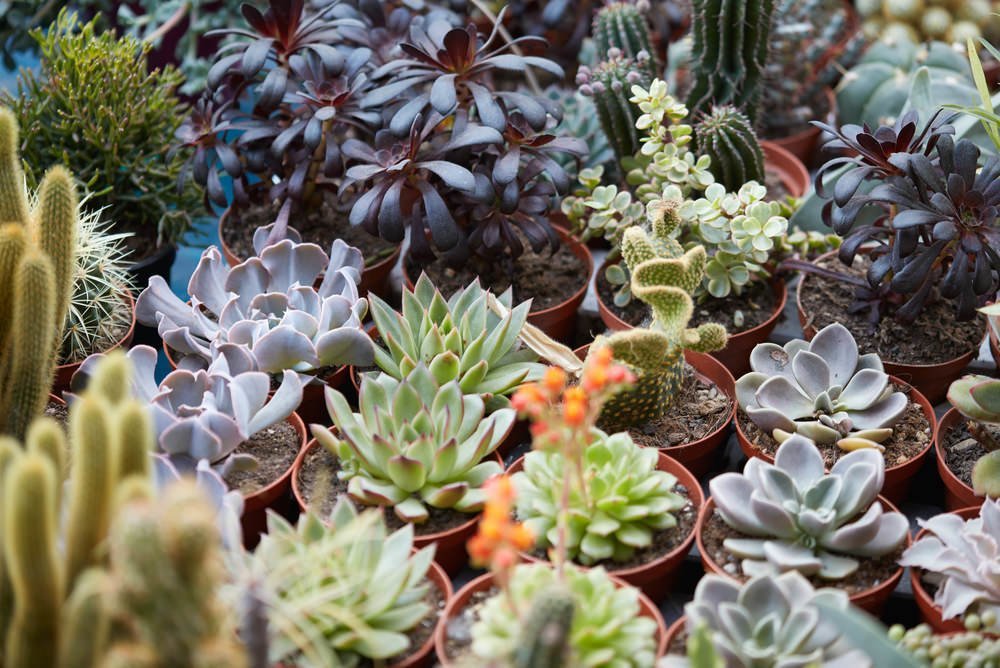
Gorgeous, easy-care succulents are quickly becoming a fixture in gardens and landscapes throughout Northern Utah.

Succulent plants store water in their leaves, so don’t need much maintenance – which means they’re perfect for absent-minded gardeners. Succulents are also perfect for propagation. Propagating succulents – or turning one plant into several – is a fun and rewarding gardening task that allows you to share your plants with friends, family and neighbors.

Propagating Succulents in Your Utah Landscape

Succulents are easier to propagate than most other plants. Here’s how.

Remove a Leaf

The process of propagating succulents starts with a leaf.

Use your fingers to gently pull or twist one of the healthy lower leaves off of your succulent plant. Or, if you prefer, cut the leaf free with a pair of clean, sharp gardening shears. Be careful not to rip it, as you’ll need the entire leaf, including the base, to grow roots for a new plant.

Let the Leaf Dry

Lay the succulent leaf on a towel- or parchment-lined tray, and set the tray in indirect sunlight to dry for a few days.

If the end of the leaf doesn’t dry out and scab over, it will absorb too much moisture at the first watering, and it could easily rot. You’ll know the leaf is dry enough when the end feels hard or starts to look shriveled.

Place the Leaf on Succulent Soil

Fill a pot or other planting container with succulent soil – this soil drains more easily, which is what succulents need.

Lay the leaf on the soil near the edge of the planter, with the dried end touching the soil. Place the pot in a warm spot that gets plenty of indirect sunlight.

Water as Needed

Water sparingly until you see new sprouts form on the end of the leaf. At that point, allow the soil to dry out before watering again. Since succulents store their own water supply, they don’t need to be watered often.

To avoid overwatering, you can mist the soil and leaf with a spray bottle.

Cover the New Plant Roots with Soil

Once your leaf develops roots, it’s time to cover the new plant with soil. If the leaf isn’t covered, it will continue to dry out. When that happens, succulents may stop growing.

Be Patient

Keep in mind that this is a slow process. Succulents can take a long time to grow from leaves to full-sized plants. Expect the process to take a few months, or even as long as a year to reach the desired size.

If you would like more advice on how to propagate succulents, or if you would like to select new plants to start your garden, visit Millcreek Gardens. Our expert staff can give you tips for any planting, landscaping or gardening task. Along with annual and perennial flowers, shrubs, landscaping trees and outdoor plant species, we have a wide variety of gardening supplies and accessories available. To browse our selection of succulents, stop by our Salt Lake City plant nursery today.

In Utah, you can plant landscaping trees in the fall as well as in the spring.

Gardening enthusiasts look forward to the first warm days of spring, when the soil is ready for new plantings. But, contrary to popular belief, fall is the best season for planting many types of shrubs and landscaping plants. Autumn weather is a friend to new trees and, if you plant now, you’ll be rewarded with robust growth next spring.

Utah Landscaping Trees You Can Plant in the Fall

Why Is Fall Perfect for Planting Landscaping Trees?

All summer long, trees have to work hard to survive the heat and maintain a healthy level of moisture. With the sun high in the sky, plants need more water to avoid drying out. Plants also experience moisture loss through transpiration, which means that trees lose water vapor through their leaves.

Now that fall has arrived in Northern Utah, the cooler temperatures that grace our region provide the ideal opportunity to plant landscaping trees. The soil still has some of its summertime warmth, but the air temperatures are cooler than the soil — which gives the root systems of new plantings the perfect environment for growing strong.

Which Landscaping Trees are Right for Fall Planting?

Not every tree variety is suitable for fall planting in every area of Utah. Before you head off to your local garden center to buy a landscaping tree or two, consider your regional plant hardiness rating.

The northern Utah hardiness zones range from 4a to 7b, and the right trees for fall planting may differ depending on exactly where you live. Check the tag on any tree you’re considering, or ask the garden center staff for recommendations.

Whichever tree varieties you decide to plant, be sure to choose burlap-wrapped or container-grown trees. Bare-root plants should be planted while they’re dormant, in the early spring months.

How Late in the Fall Can You Plant Landscaping Trees?

How late into the fall you can plant trees also depends on where exactly you live. Generally, however, fall planting should take place about six weeks before the first frost, which varies according to your location.

In the northernmost regions of the state and in areas of higher elevation, the early fall months are best. However, in many parts of northern Utah, November or early December is the cutoff time for planting landscaping trees.

Would you like to learn more about planting trees, or would you like some expert advice on choosing the right trees for fall planting? The friendly staff at Millcreek Gardens is happy to share their gardening expertise.

After serving the greater Salt Lake City area for decades, the Millcreek Gardens’ team has the knowledge and experience to address all of your gardening questions and concerns. Visit our garden center when you’re ready to select your landscaping trees, and we’ll help get you started.

Perennial flowers fill your garden with gorgeous, colorful blooms, year after year.

However, some perennials are better at surviving our Northern Utah winters than others. To make sure yours live on to beautify your landscape as long as possible, take some time for these important fall care tasks for perennial plants.

Perennial Flowers

Divide and Replant

To encourage new growth and rejuvenate your perennial flowers – or to boost the number of flowering plants in your garden – divide and replant your perennials every few years.

In Northern Utah, plants usually need to be divided and replanted by November or early December, or about six weeks before the first hard frost.

Cut Back Some Perennial Plants

Cut back any perennial plants with disease or insect infestations, to reduce the chance of a problem during the next growing season.

Healthy perennials can also be cut back at this time, leaving just a few inches of stems. You may prefer to leave some ornamental plants, or those that offer a food resource for birds, standing over the winter.

Our garden center staff can help you determine which of your perennials may need cutting back.

Collect Seeds from Perennial Flowers

If you’d like to reseed any of the plants in your perennial garden, fall is the time to collect the seeds. Cut the seed heads from your plants, separate the seeds out and let them dry out thoroughly. Store them in a paper envelope until planting weather arrives.

Cage Tall Perennial Flowers

If you get a lot of wind during the winter months, or if you have any tall perennial plants that you don’t plan on cutting back, you may want to support them with wide-mesh wire fencing or plant cages. If you’re worried about heavy snow damaging your perennial plants, you could also install windbreaks.

Add Mulch to Your Garden Beds

Mulch will help insulate the roots of your perennial flowers during the cold weather months. In addition, fall mulching will help protect perennials from the winter freeze-and-thaw cycles, which can heave them up out of the soil. Organic mulch is best, as it will help to boost soil quality as it breaks down over time.

Apply an even layer of about two to three inches. Any more than that could smother and kill your perennial plants.

For expert advice on seasonal gardening tasks, take a trip to Salt Lake City’s favorite local plant nursery. In northern Utah, Millcreek Gardens is your go-to source for helpful advice on how to keep plants growing healthy, strong and beautiful all year long.

Our knowledgeable and friendly staff can answer all of your questions about fall care for landscaping trees, shrubs, ornamental grasses and other perennial plants. To learn more, or to browse our many perennial flowers, head to Millcreek Gardens today.

Utah native plants hold a special place in our hearts, here at Millcreek Gardens.

As Salt Lake City’s favorite local garden center, we have countless flowers, shrubs, trees and outdoor plants for you to choose from. But, whenever possible, we like to recommend plants that are native to northern Utah.

utah-native-plants

Of course, you can always choose to enhance your landscape with exotic ornamental plant species. However, choosing outdoor plants that grow naturally in our region makes good sense for a few reasons.

Native Plants Thrive in Northern Utah’s Climate and Soil Conditions

When you invest in native plant species, you never have to wonder if they’ll grow well in our climate region. Over the millennia, these outdoor plants have evolved to become perfectly adapted to the local soil, rainfall and temperature conditions.

So, unlike exotic varieties, plants that are naturally found in this region are perfectly suited for Utah gardens. As long as they get enough sun and water, they should thrive.

Utah Native Plants Protect the Natural Ecosystem

Native plant species coexist with the natural environment, providing important food and shelter for the region’s wildlife. Using these plants to beautify a landscape can help reverse the disturbing trend of species loss.

To help protect local water quality, native plants better control soil erosion and moderate the effect of droughts and floods than many non-native options. And, because these varieties stay greener longer, using them throughout your landscape could help slow the spread of wildfires.

Native Plants Require Less Maintenance

When Utah native plant species are properly planted and well-established, they don’t require much long-term care.

Compared with exotic ornamental plants, Utah native varieties need less water, fertilizer and maintenance. These outdoor plants are better able to resist damage from drought, disease, freezing temperatures and hungry herbivores too, so you won’t have to spend much time or money on their continual care. You’ll also cut down on water use – and the associated costs.

Choosing the Right Utah Native Plants for You

At a well-stocked local garden center like Millcreek Gardens, you’ll find dozens of native plant varieties.

We have wide range of interesting deciduous and evergreen landscaping trees and shrubs. Whether you’re looking for gorgeous fall color, spring flowers or noteworthy foliage, our expansive garden center has you covered.

We also offer many different perennial flowers, annual flowers and ornamental grasses that are native to Utah. When you see all the varieties available, you may not even want to consider exotic ornamental plant species.

If you’d like to add more native species to your landscape or garden, come visit us at Millcreek Gardens in Salt Lake City. Our friendly and knowledgeable staff would love to help you find the perfect Utah native plants.

Outdoor plants in creepy container gardens make for a fun and mysterious alternative to traditional Halloween decorations. Who needs fake cobwebs and plastic skeletons when real-life spooky plants are available at your local garden center?

Spooky Outdoor Plants for Haunted Halloween Container Gardens

For some of Mother Nature’s creations, every day is Halloween. Below are some of our favorite weird and wonderful outdoor plant varieties for delightfully frightening container gardens.

Venus Flytraps

Carnivorous outdoor plants can add a spine-chilling touch to your Halloween décor. Venus flytraps, perhaps the most infamous variety, feature gaping jaws and fringed, alien-like trigger hairs. And, adults and kids alike will enjoy watching these spooky plants snare unsuspecting insects.

Pitcher Plants

No doubt about it, pitcher plants are perfect for Halloween container gardens. Their long, elegant pitcher-shaped leaves look creepy and strange, and the way they lure insects to their demise is like something straight out of a horror movie.

Cobra Plants

Cobra plants are certain to grab the attention of your trick-or-treaters. With hooded, curled leaves that resemble a striking snake – and reddish-purple appendages that look just like a forked tongue or fangs – these carnivorous outdoor plants are seriously spooky. And, they can grow up to three feet tall!

Sundews

What could be better for a Halloween display than spooky plants that could almost double for giant, hairy spiders? Sundews have masses of fuzzy stems that resemble spider legs. And, like spiders, sundews are no friends to insects. Their sweet-smelling dew traps and dissolves prey.

Crested Euphorbias

The crested euphorbia is among the creepiest outdoor plant varieties, one of Mother Nature’s monstrous-looking mutants. This plant is fantastically freaky, as it’s really two plants that have been grafted together. With their odd, fan-shaped growths, crested euphorbias can bring an out-of-this-world look to your Halloween container gardens.

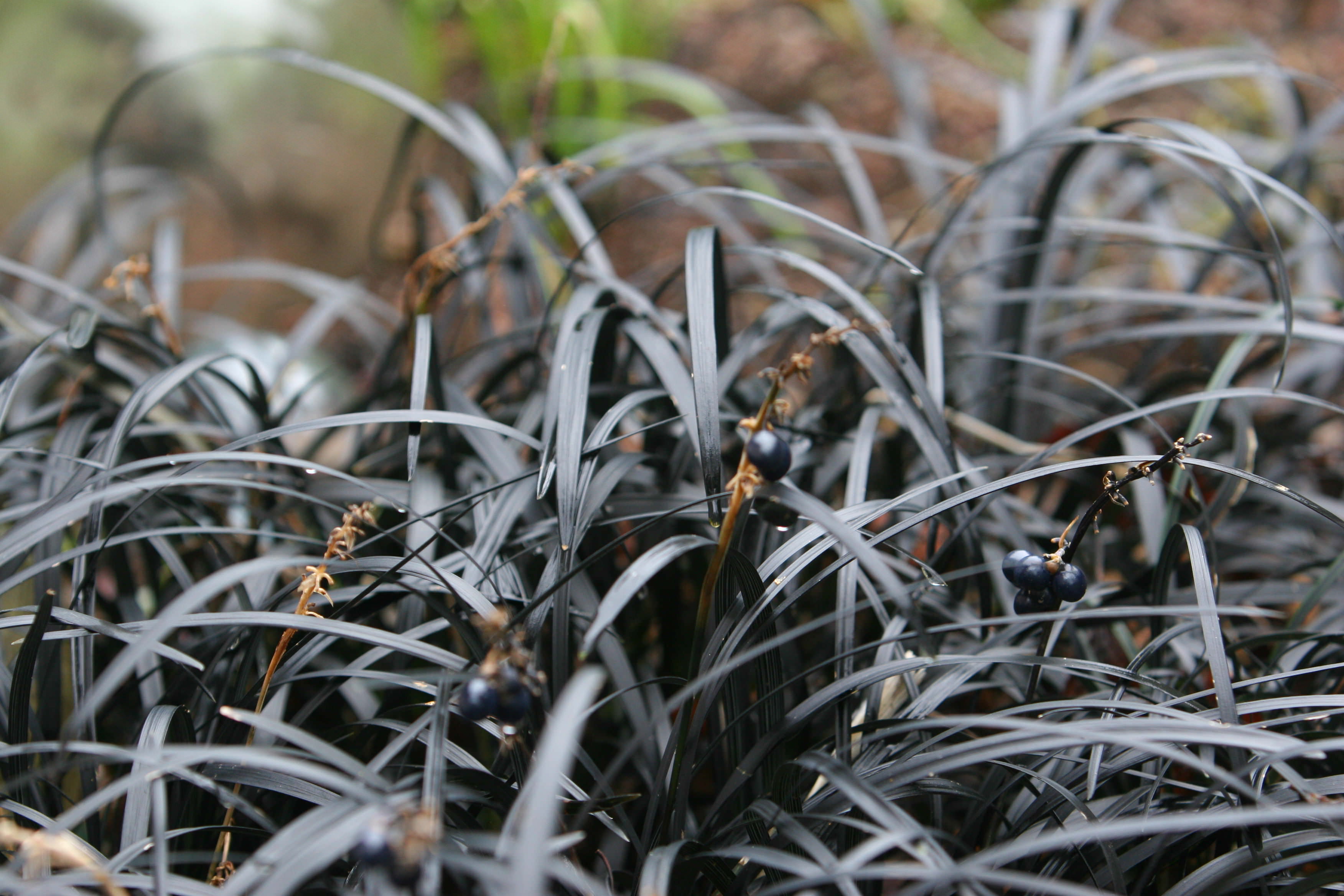
Black Mondo Grass

Technically speaking, black mondo grass isn’t actually grass, but a sod-forming perennial. However, these spooky outdoor plants grow just like a tall grass – and it’s black, a must-have color for any Halloween display.

Japanese Blood Grass

Would you like a slightly gory-looking Halloween container garden? Add some Japanese blood grass. In the fall, the tips of this ornamental grass turn red – which makes the blades look as if they were dipped in blood.

Dyckia Plants

When it comes to spooky plants, Dyckia is in a league of its own, as it looks a little dangerous. Dyckia isn’t carnivorous, but with leaves covered in spiky, shark-like teeth, this plant seems ready to take a bite out of anyone passing by.

Here at Millcreek Gardens, Northern Utah’s favorite garden center, we love Halloween and all the fun of fall. Our friendly staff would be happy to help you design creepy container gardens to delight your family and the neighborhood trick-or-treaters. For a wide selection of outdoor plants, visit our Salt Lake City nursery and garden center today.

As Utah’s favorite local garden center since 1955, Millcreek Gardens knows that doing a little prep work in the fall will give you a jumpstart on the spring growing season.

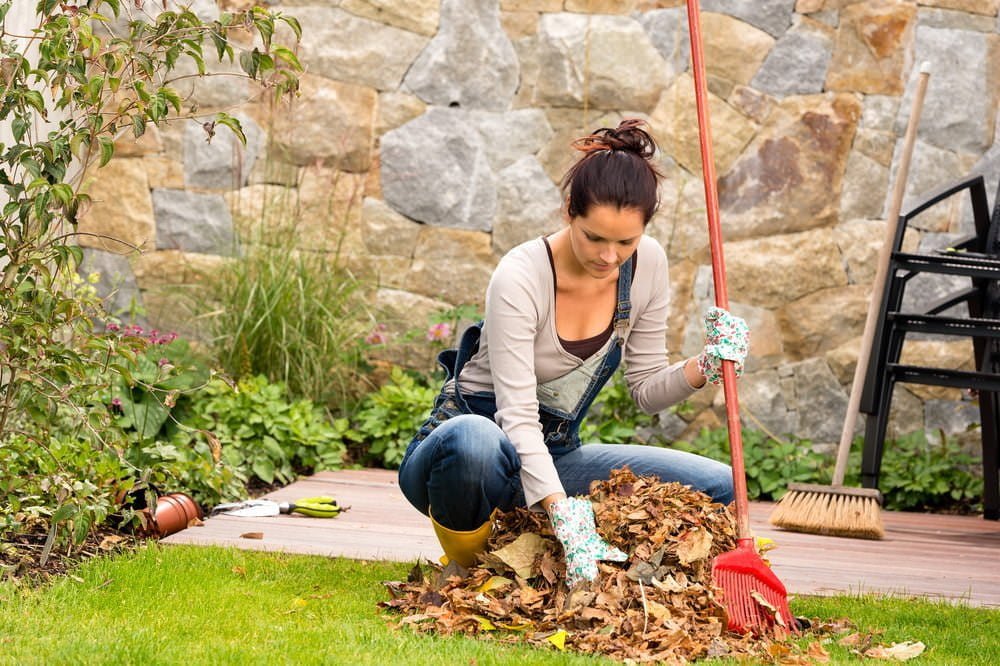
Fall yard and garden clean-up isn’t a difficult task, and spending a little time on maintenance now can help ensure beautiful and bountiful vegetable and flower gardens next year.

fall yard cleanup

So, before you put away your gardening supplies for the winter, check off some or all of the items on our step-by-step guide to fall yard cleanup and prep.

Remove and Clean Plant Supports

Start by removing any trellises, tomato cages, bean stakes or other plant supports. Spray the supports with a two-to-one solution of water and bleach, then wipe them down and set them out to dry thoroughly before putting them in storage.

Remove Spent Plant Material

Get rid of any dead plants, dried vines, fallen leaves and inedible fruits and vegetables. If the spent plant material was healthy, add it to your compost pile. If you notice any signs of disease, take the material to the trash can or burn it instead.

Perform a Soil Test

Head to the garden center or the USU extension office for a soil test kit. When you combine a soil sample with water in the testing tube, the color changes to indicate your soil pH, or acidity. For most plants, the ideal pH range is 5.5 to 7.0, though some have different needs. Check with your local garden center for specific information on your plant varieties.

Amend the Soil

If your soil pH is less than optimal, you may want to add an amendment to the soil. To raise the pH, you’ll need agricultural lime. To lower the pH, sulfur is typically used. Both of these products are available at your local garden center. Soil amendments take about three months to have an effect, so fall application is ideal.

Add Organic Matter

Compost, dry tree leaves, grass clippings or aged manure can help improve moisture retention and drainage in your soil. Apply the material in a two- to four-inch layer over all of your garden and planting beds, and you’ll have better soil in the spring.

Till the Soil

Any amendments and organic matter you apply need to be worked into the top several inches of soil. Grab a spade or tiller – you can pick one up at your local garden center, if you don’t already own one of these gardening tools — and till the soil, going across once in each direction.

Cover the Soil with Mulch

To stop weeds from invading your planting beds, cover them with a two- to three-inch layer of mulch. Your local garden center stocks a wide range of mulches that can provide effective protection.

If you have questions about any of these garden maintenance tasks, or if you need recommendations for soil amendments, mulch or other gardening supplies, the friendly staff at Millcreek Gardens can give you expert answers.

Millcreek Gardens has everything you need for a healthy, productive spring growing season. For more information on fall yard and landscape clean-up, visit our Salt Lake City garden center today.

Would you like shrubs that provide beauty throughout the year and an explosion of fall color? Choosing the right varieties for our Northern Utah climate is the biggest challenge.
Utah Shrubs with Gorgeous Fall Colors

Millcreek Gardens offers a wide variety of gorgeous, colorful shrubs that are well-suited to the growing conditions in the Salt Lake City area and along the Wasatch Front. For a stunning autumn landscape year after year, consider planting a few of these eye-catching outdoor plants.

No. 1: Chokeberry

In the spring, the chokeberry shrub features brilliant white flowers that resemble apple blossoms. Come summertime, bright red bursts of berries sprout. When fall arrives, chokeberry shrubs are filled with dazzling, orange-red foliage. With beauty throughout every season, this shrub is a Utah gardener’s dream.

No. 2: Sumac

Sumac shrubs come in several varieties, many of which sport colorful fruit clusters and tiny flowers during the warmer months of the year. In the fall, sumac leaves turn a beautiful bright red color, making these shrubs a standout choice for any Northern Utah landscape.

No. 3: Viburnum

During the spring and summer, viburnum shrubs are showstoppers, featuring dense green leaves dotted with clusters of vibrant white flowers. Come fall, the foliage changes to a warm shade of red and the plant sprouts tiny bunches of ruby-colored fruits.

No. 4: Fothergilla

Fothergilla is not commonly found in Northern Utah landscapes, but the beauty of this shrub is undeniable. In the spring and summer months, fothergilla has stunning blue-green leaves and honey-scented floral bursts. The fall color of these shrubs is just as amazing, as the foliage develops a bright gold or orange shade.

No. 5: Virginia Sweetspire

Virginia sweetspire is an easy-to-grow flowering shrub, loved by Utah gardeners for its gloriously fragrant white early-summer flowers. During the autumn months, the leaves of these shrubs turn a rich shade of purplish-red that adds to the beauty of any landscape.

No. 6: Oakleaf Hydrangea

A great shrub for shady spots, oakleaf hydrangea features gorgeous flower clusters that grow for several months, gradually changing from cream-colored to rusty red. For fall color, the leaves turn a beautiful shade of burgundy in the autumn months.

No. 7: Smokebush

For marvelous color, smokebush shrubs are hard to beat. During spring and summer, the purple or gold foliage and soft, feathery flower clusters catch everyone’s attention. In the fall months, the leaves are just as eye-catching, featuring shades of orange and pink.

Is your landscape lacking in fall color? Now’s a great time to plant some new shrubs.

For more ideas and tips on shrubs and other outdoor plants, visit Millcreek Gardens in Salt Lake City today. Our friendly and knowledgeable staff can suggest the perfect shrubs to bring a riot of fall color to your Northern Utah landscape.

Your outdoor plants might need a little extra warmth when the chilly winter weather arrives, and a row cover hoop house could be the perfect solution.

A frost blanket or floating row cover can protect your garden from frigid winds and cold night air. You could simply drape one directly on top of the vegetation, but the plants will be better insulated if they’re enclosed under a hoop house.

Protect Your Outdoor Plants with a Row Cover Hoop House

Building a hoop house is a simple weekend project that can make a real difference to your outdoor plants – here’s how to get the job done.

Gather the Hoop House Supplies

All you need to make a row cover hoop house are a few inexpensive supplies. Visit Millcreek Gardens and your local hardware store and purchase the following items:

  • 7 lengths of flexible 1” x 10’ PVC pipe
  • 12 rebar stakes measuring ½” x 1’ or ½” x 18”
  • 15 to 20 bricks or pavers
  • Medium or heavyweight frost blankets or row cover material
  • Twine or twist ties

The quantities listed are for a garden bed that measures 12 feet in length. If yours is longer, you may need additional PVC pipe, rebar stakes and row cover material to adequately cover your outdoor plants.

Make sure you have a hammer and either a PVC pipe cutter or hacksaw on hand, and you’ll be ready to tackle the project.

Build the Hoop House Frame

Begin by placing the rebar stakes. Position a post at each end, then put one about every two feet along one edge of the garden bed. Repeat on the other side, placing the stakes directly opposite. Pound them into the ground, leaving several inches showing.

Next, slip lengths of PVC pipe over each stake and gently bend them over to create arcs or hoops over to the opposite stakes. Depending upon the width of the garden bed, you may need to cut the pipes down in size to fit well.

For extra support, position a length of PVC pipe along the top, securing it to the hoops with twine or twist ties.

Cover the Outdoor Plants

Now, all that’s left is to put the row cover fabric or frost blankets in place. Drape the material over the hoop structure to cover your outdoor plants, making sure to leave extra on the ground at all sides of the garden bed.

Use your bricks or pavers to secure the fabric all around the hoop house, and you’re done. When warm weather returns, simply remove the covering and store it in your garage or garden shed for next year.

Want more tips on maintaining and protecting outdoor plants? The friendly Millcreek Gardens staff, Utah’s leading garden center, can offer expert gardening advice to keep your flowers, trees, shrubs, herbs, fruits and vegetables healthy and strong. For more information on caring for indoor or outdoor plants, visit us in Salt Lake City today.