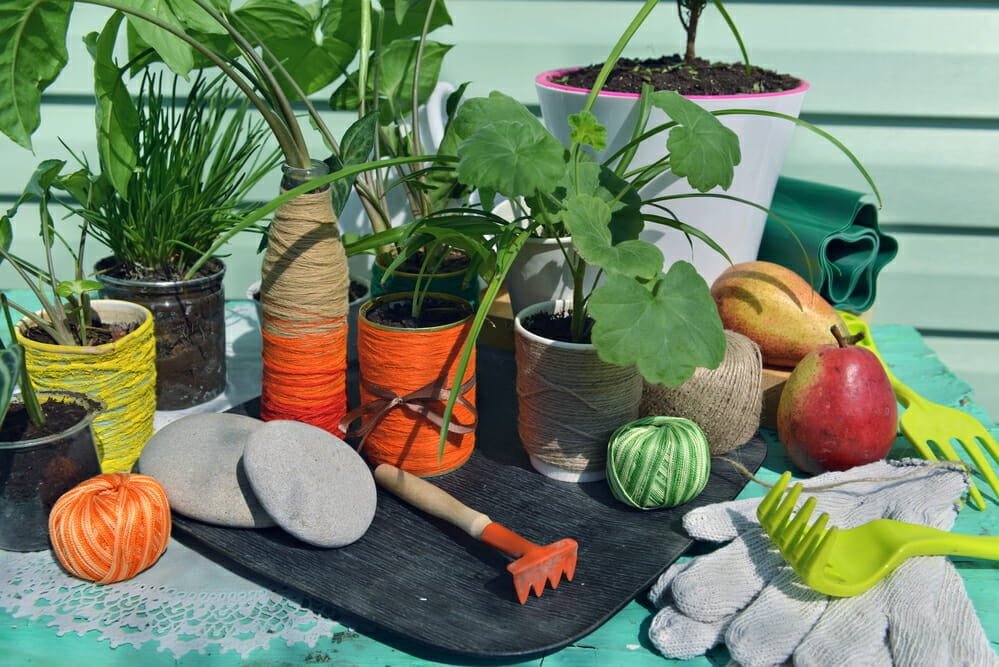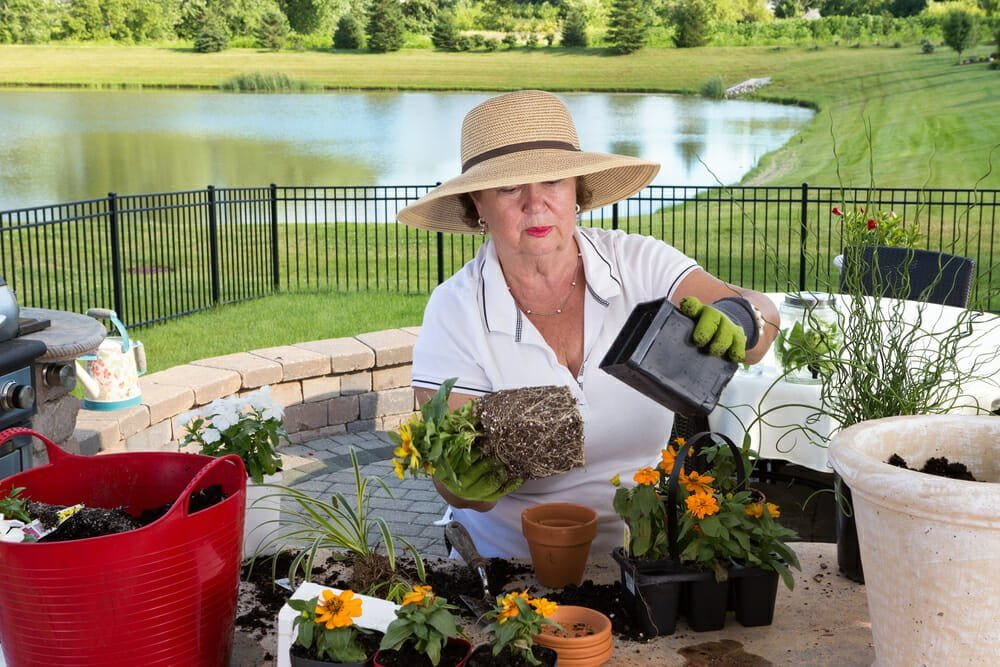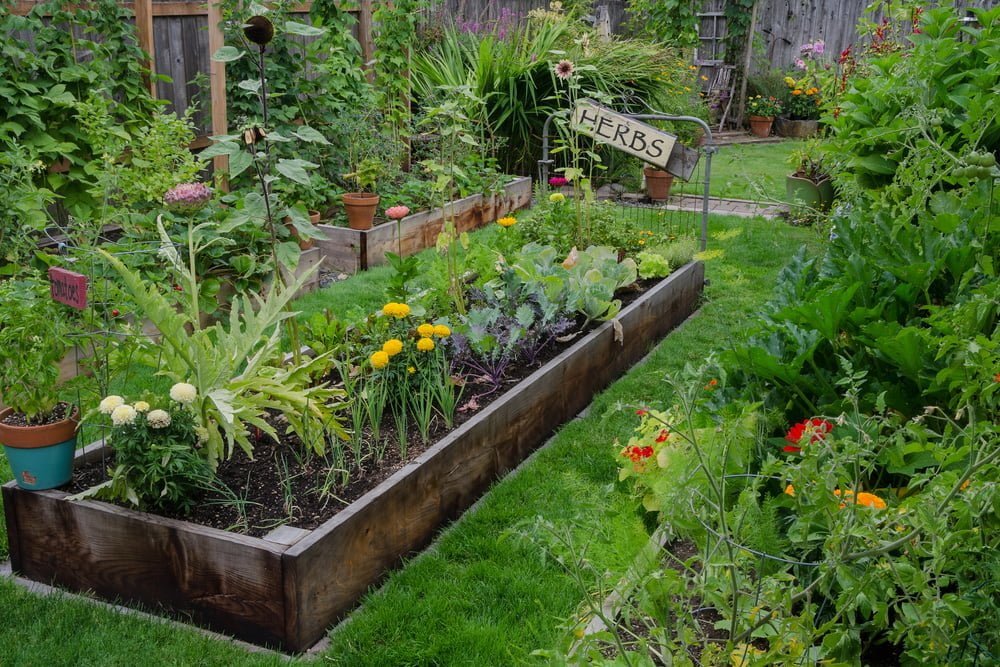
You’ll need some gardening supplies if you’re getting ready to plant your first vegetable garden – but which ones?

Your local garden center is stocked with a wide variety of high-quality products designed for vegetable gardening. Browsing the many aisles and deciding what to purchase isn’t always easy, however – particularly for a beginner.

To help you get started, we’ve put together a list of the gardening supplies you need to grow a bounty of fresh, healthy veggies for your family.

Good Soil

Soil isn’t just dirt – it’s an active ecosystem that supplies nutrients to your plants. Your vegetable garden will need good soil to thrive, so test your soil quality before planting. If amendments are necessary, your local garden center has the necessary gardening supplies.

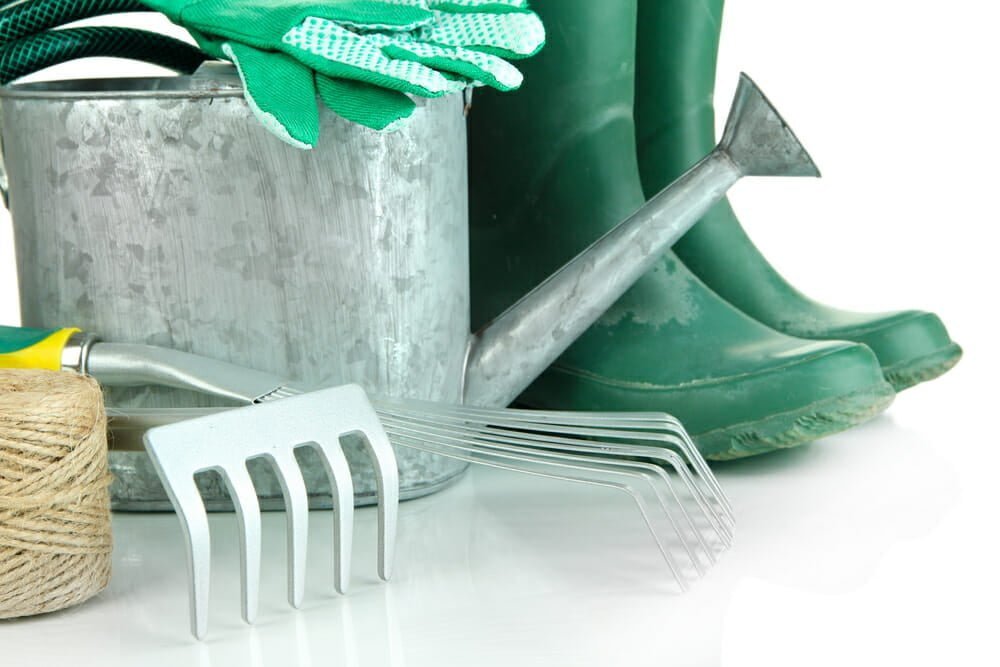
Garden Hoe

To till and prepare the soil for planting, and to remove weeds from your vegetable garden later on, you’ll need a hoe. A number of sizes and shapes are available – look for one that’s comfortable to hold and use.

Garden Rake

When tending to your vegetable garden, you’ll reach for a rake quite often. A rake is useful for clearing leaves, leveling soil and covering newly-planted seeds.

Garden Shovel

For digging tasks in the garden, you’ll need a good shovel. A spade style with a sharp edge is a good choice, as it can break up the soil more quickly than a flat shovel.

Garden Trowel

When you’re working with individual plantings and seeds, a shovel doesn’t really do the job. A hand trowel with a steel blade and a well-built handle work much better for smaller gardening tasks.

Garden Gloves

Vegetable gardening can take a toll on your hands if they aren’t protected. Invest in a quality pair of lightweight cotton or heavy-duty gloves that can last through the season – you might even want to grab a couple of different pairs for different jobs.

Water Source

When you’re shopping for gardening supplies, don’t forget that you’ll need a way to water your veggies. A watering can might suffice for a small vegetable garden, but a hose and spray nozzle are necessary for larger gardens.

Other Handy Gardening Supplies

While the gardening supplies we listed above are more than enough to get you started with your first vegetable garden, you might want to consider purchasing a few other items.

Seed trays will allow you to start seeds indoors, saving you the cost of buying starter plants. A kneeling pad (or kneepads) can protect your knees while you’re planting or tending to your veggies. And, raised beds or containers can help you create ideal growing conditions, reducing back strain and helping you get a jump on the spring season.

If you’re new to the world of vegetable gardening, the friendly team at Millcreek Gardens can help you every step of the way. As the leading Northern Utah garden center, our staff has plenty of expert tips for planting, tending to and harvesting delicious homegrown veggies.

With Millcreek Gardens, growing your first vegetable garden won’t be a challenge. For help with planning, or to shop for high-quality gardening supplies, visit us in Salt Lake City today.

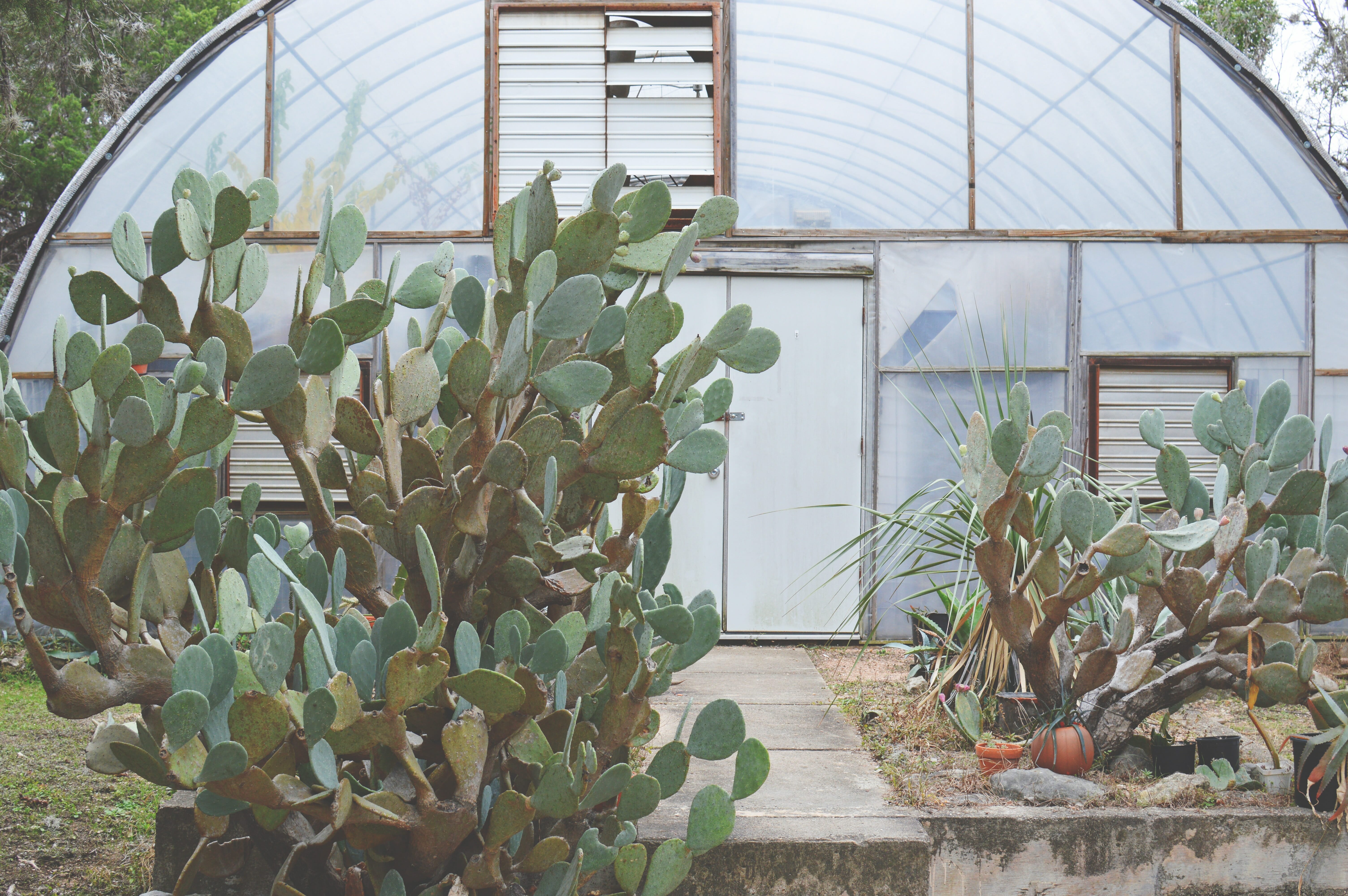
In Utah, greenhouse growing is a bit different from outdoor gardening but, fortunately, achieving success is much easier than you might think.

utah greenhouse growing secrets

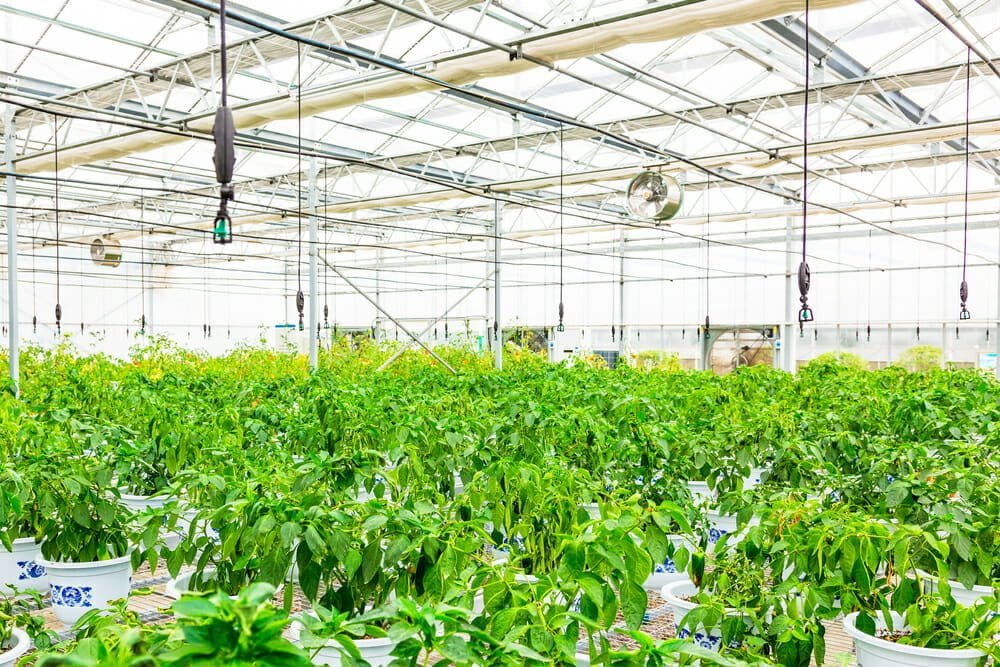
Once you’ve decided on the best location for your greenhouse, successful cultivation is a matter of choosing the right plants and controlling the growing conditions. The Millcreek Gardens team has assembled seven of our best pro tips to get your greenhouse off to a great start.

No. 1: Choose Hardy Plants

For beginner greenhouse gardeners, the best plants are those that have been proven to be hardy. While nearly any plant can grow in a greenhouse, choose varieties that are known for productivity, vigor and disease-resistance. These varietals will require much less attention and specialized care.

No. 2: Use Quality Garden Soil

high-quality garden soil is essential for successful greenhouse growing. A range of pre-packaged soil mixtures and specialized soils are available, or you can create their own mix. There’s no single best option here – the soil simply needs to meet the requirements of the greenhouse plants.

No. 3: Give Plants Plenty of Room to Grow

Plants need space to thrive. It may be tempting to pack your greenhouse as full as possible, but you’ll have better success if you plan ahead, to ensure that every plant has enough room to grow without running into any of its neighbors.

No. 4: Avoid Temperature Extremes

Climate control is crucial for both heated and unheated greenhouses. Greenhouse gardeners should monitor the temperature and use proper ventilation to avoid extreme drops or spikes. In warm weather, keep the vents and door open and, if equipped, the exhaust fan should be on at all times. Ventilation may also be necessary on cold, clear days – even if the outside temperature is below freezing.

No. 5: Water Greenhouse Plants as Needed

Adopting a regular watering schedule isn’t always the best approach for Utah greenhouse gardening. Many different variables affect soil moisture loss. Consequently, using a set schedule may lead to under- or overwatering. Instead, check your plants often and water thoroughly when the soil surface is dry to the touch.

No. 6: Prevent Pest Problems

Greenhouses aren’t sterile habitats, so they won’t ever be completely pest-free, but you can take steps to prevent pests from becoming a problem. Checking plants before bringing them into the greenhouse and keeping the gardening tools clean can help stop pest problems, as can removing any plants that are infested.

No. 7: Clean Out the Greenhouse Every Summer

On a sunny day in the summer, take time to empty and clean your greenhouse. Clearing out the space will get rid of any lingering insects and provide a fresh start for the next successful greenhouse growing season.

For more tips on greenhouse growing, talk to the friendly staff at Millcreek Gardens. As Northern Utah’s favorite plant nursery, we can offer expert advice to help your plants thrive.

Millcreek Gardens is also stocked with everything you need to grow vegetables, annuals, perennials and other landscape plants all year long. If you’re ready to get started with your greenhouse growing, visit our Salt Lake City garden center today.

February’s Utah garden center calendar is all about preparing your plants for the new growing season.

February gardening tasks

It may feel like spring is still weeks away, but it has already arrived at your local garden center – you can find everything you need to make sure your indoor and outdoor plants, shrubs, roses and trees are on track to flourish in the upcoming months.

So, how do you prepare your plants for spring? These the most important February gardening tasks.

Prune Your Roses

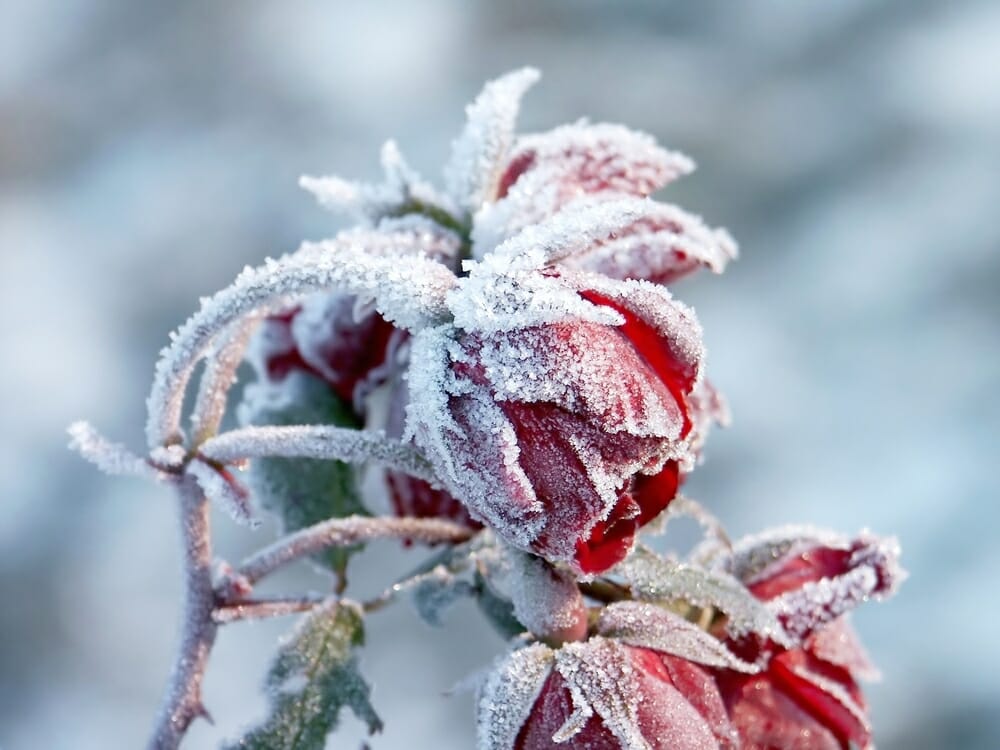
Most types of roses should be pruned in early spring, before the buds break open. Once the nightly hard frost has ended – which occurs sometime in February or March in most parts Northern Utah – you’ll want to prune your roses to encourage new growth. Our knowledgeable staff members can give you tips on how to prune Utah roses if you need a little guidance.

Inspect Your Fruit Trees

If you have fruit trees, your February gardening to-do list should include an inspection.

Check for caterpillar eggs, insect damage and diseased branches. If you discover any problems, head to our garden center for treatment recommendations and products. Prune as needed, and apply fertilizer to established fruit trees.

Tap Your Maple Trees

The late winter and early spring months are maple sugaring season. Freezing nights and milder days help the sap flow more freely. If you’ve never tapped your maple trees, why not give it a try this year?

Water Your Evergreen Trees

Evergreen trees may need a bit of attention in the early part of the year. If the soil surrounding your evergreens is dry and unfrozen, give the trees a little water to help them along.

Repot Root-Bound Indoor Plants

Your February gardening to-do list should also include a check of your indoor plants. If any are root-bound, now is a great time to repot them, before vigorous spring growth begins. Stop by the Millcreek Gardens garden center for a wide variety of attractive, practical and affordable planters.

Sow Annual and Vegetable Seeds

If you didn’t already start sowing seeds indoors last month, consider doing so as a February gardening task. And, if the weather and soil conditions are favorable, you may even want to take a chance on sowing veggies outdoors. Peas, radishes and spinach are among the varieties that may be suited for starting from seed in late winter or early spring.

Plan an Early Start to the Spring Growing Season

You can begin growing outdoor plants earlier in February if you buy or build a cold frame or greenhouse. Whether you go with a simple DIY model or a complex, self-ventilating unit, you’ll appreciate the jump start on the spring season.

If you need more information on any of these February gardening tasks, the friendly and knowledgeable staff at Millcreek Gardens can answer all of your questions. Our knowledgeable team is here and ready to help you establish a healthy, beautiful landscape this spring. For expert advice and all the plants and gardening supplies you need, visit our Salt Lake City, Utah garden center today.

A raised bed garden can make planting, weed control and harvesting much easier – and much less of a strain on your back and knees. Plus, since you can optimize the garden bed soil conditions, your veggies, herbs and flowers will flourish.

mobile raised bed garden from a shipping pallet

With a few tools and some inexpensive supplies from the hardware store and Millcreek Gardens, you can easily turn a wood shipping pallet into an attractive mobile raised bed garden. Here’s how.

Gather Your Supplies

To build a mobile raised garden bed, you’ll need the following supplies:

  • A sturdy wood shipping pallet
  • Four 4” swivel caster wheels
  • Four sections of plywood measuring 1×8×48”
  • Four sections of plywood measuring 2×4×8”
  • Four recycled plastic shutters
  • Decking screws
  • No-VOC exterior-grade paint to match the shutters
  • Landscaping fabric
  • Drainage stones
  • Planting soil mix

You’ll need to gather the following tools to complete the raised garden bed project:

  • Tape measure
  • Level
  • Drill
  • Miter saw
  • Paintbrush
  • Scissors
  • Staple gun
  • Trowel or shovel

Attach the Wheels

Measure the bottom of the shipping pallet and mark off spots in the corners for the caster wheels. Use decking screws to securely fasten the wheels to the pallet.

Attach the Plywood

Cut the 1×8×48” sections of plywood to perfectly match the sides of the pallet. Use the 2×4×8” sections to attach the sides to each other, placing them at the inside corners. When the sides are secured together, toe-nail the corners to the pallet, driving the screws in at opposite slants.

Paint the Entire Container

Covering the raised garden bed in an eco-friendly exterior paint will help protect the wood against water infiltration. Apply paint to the inside and outside of the container, making sure to hit any edges that will remain visible after adding the shutters.

Add Decorative Sides

If necessary, cut the plastic shutters to match the sides of your raised garden bed. Attach the shutters to the structure, using decking screws at the top and bottom corners.

Prepare Your Raised Bed Garden for Planting

Staple landscaping fabric to the garden bed, starting at the top of one side, going along the bottom of the container and reaching up to the top of the opposite side. Place a shallow layer of small drainage stones on top. Then add another layer of landscaping fabric over the stones, stretching it up to cover the exposed plywood sides. Add a second layer of stones before filling the garden bed with soil and plants.

The friendly staff at Millcreek Gardens can steer you toward the best soil mix and perfect plants for your raised garden bed. With our expert advice and container gardening tips, your flowers, herbs and veggies will thrive.

If you would like more gardening ideas or advice, Millcreek Gardens can help you tackle a range of other simple raised bed garden and landscape projects. To get started planning yours, visit us today at our Salt Lake City garden center.

Are your landscaping trees healthy? Do you know how to spot the signs of disease in a tree?

landscaping trees

Tree diseases – typically bacterial, fungal or viral infections – can’t always be prevented. And, unfortunately, not every diseased tree can be saved. But, if you catch the problem early, your local garden center can help you find an effective treatment solution. Here are some signs that may point to disease in landscaping trees.

Foliage Changes

Are any of your trees dropping leaves out of season? Do you see any differences in the foliage coloration? Do the leaves have holes, malformations or other damage?

The condition of a tree’s leaves can be a good gauge of overall health. So, if you notice any changes in the foliage, you could be dealing with tree disease.

Cracks and Cankers in the Bark

Visible changes in the bark can also indicate that your landscaping trees are suffering from disease.

The bark may become discolored as it weakens. In addition, tree disease can lead to cracks or deep splits in the bark. You might also see cankers, which are holes or areas of dead bark surrounded by healthy bark. Cracks and cankers increase the chance of disease causing the tree to fail.

Weak Branch Unions

Check out the spots where branches attach to the tree trunk. If the branch unions don’t appear strong and secure, the tree could be diseased.

When two branches grow close together, bark – not wood – grows to separate them. Bark isn’t nearly as strong as wood, so the branch unions become weakened and susceptible to tree disease.

Dead or Decayed Branches

Dead branches can be a sign of tree disease. If your landscaping trees have dry, lifeless limbs, they need prompt treatment for any chance of a return to health.

Decayed branches are just as problematic, but aren’t quite as easy to spot because trees initially decay from the inside out. So, look for other decay and disease symptoms, such as soft, crumbly wood and mushroom growth.

Lopsided Growth

In some cases, poor structure and uneven growth can indicate the presence of tree disease.

Landscaping trees that are affected by disease may grow to lean in one particular direction. When you can see a lopsided growth pattern in the branches, the tree is probably in trouble.

If you notice any signs of disease in your landscaping trees, consult with the experts at Millcreek Gardens as soon as possible. Early treatment will give you the best chance at stopping the disease from turning into a death sentence.

The friendly Millcreek Gardens team can also offer preventive strategies for keeping all of your outdoor plants, shrubs, annuals, perennial flowers and landscaping trees healthy all year round. To learn more, visit our Salt Lake City garden center today.

Your local plant nursery  will tell you that herbs are usually at their best when freshly picked. But, if your plants are producing too much for you to use, drying and storing the leaves is a far better option than watching the herbs wither and die.

Dry and Store Garden Herbs

Preserving your garden herbs is a simple, inexpensive task. Here’s how the plant nursery experts of Millcreek Gardens recommend making herb gardens last all year long.

How to Harvest Garden Herbs

Mid-morning is generally considered the best time to harvest herbs. Cutting the plants soon after the morning dew has dried can help preserve flavor.

To harvest, simply cut healthy branches from your herb plants. Remove any leaves that appear dried or wilted and, if necessary, brush or shake away any insects. If the stems or leaves need a rinse, make sure to blot them dry carefully.

How to Air-Dry Garden Herbs

Plant nursery professionals recommend air-drying for low-moisture herbs, including oregano, thyme, rosemary, marjoram and dill. To air-dry herb plants, follow these steps:

  • Tie a small bundle of branches together, using a piece of twine, string or a rubber band.
  • Place the bundle upside-down in a paper bag.
  • Close the end of the paper bag, being careful not to crush the herbs.
  • Poke a few holes in the bag for ventilation.
  • Hang the bag in a warm, airy room.

Check on your herbs in about a week to see if they are dried and ready for storage. Keep in mind that, depending upon the herb variety, drying could take another week or two.

How to Oven-Dry Garden Herbs

Oven-drying is the preferred plant nursery method for herbs that have a high moisture content, including mint, basil, chives and tarragon. Here’s how to oven-dry your herbs:

Place a single layer of herb leaves on a baking sheet.
Put the baking sheet in an oven set on low heat, 180 degrees or less.
Leave the oven door cracked open a tiny bit.

Check the herbs in two hours. If the leaves crumble easily, the drying is complete. With some herb varieties, oven-drying can take up to four hours.

How to Store Dried Garden Herbs

For the best flavor, plant nursery professionals recommend keeping herb leaves whole – don’t crush them up for storage. To keep them fresh, place the leaves in airtight containers, like glass jars or freezer storage bags.

Dried herbs are best used within a year of harvest. So, make sure to label your storage containers with names and dates.

If you’re new to herb gardening and want more expert tips on growing and preserving herbs, head to Millcreek Gardens. Our friendly plant nursery staff is happy to answer your questions and share tricks to getting the most from all of your indoor and outdoor plants.

Millcreek Gardens is also fully stocked with everything you need for a bountiful herb garden. From seeds, plants and soil to pots, gardening tools, plant treatments and more, our garden center has it all. For the supplies you need to grow, dry and store garden herbs, visit our Salt Lake City plant nursery today.

If you think there’s no reason to visit the garden center this January, you might be surprised by this month’s calendar of gardening tasks.

If you think there’s no reason to visit the garden center this January, you might be surprised by this month’s calendar of gardening tasks.      You don’t have to hibernate indoors, just because we’re in the middle of winter. On those days when the weather cooperates, you can give your outdoor plants, shrubs and landscaping trees the tender loving care they need for a healthy, beautiful yard this spring.      Recycle Your Christmas Tree In the Garden     Instead of putting your Christmas tree on the curb, why not put it to use in your garden? Cut off branches and lay them over perennial plants to protect them against the cold. You can also turn your tree into nutrient-rich mulch or use slices of the trunk as garden bed edges.     Check Your Outdoor Plants for Growth     Warm winter temperatures can trick your outdoor plants into thinking spring has arrived. If any begin to sprout early, garden center experts recommend laying down a thick layer of mulch for protection.      Shake Heavy Snow off Your Outdoor Plants     Light, fluffy snow doesn’t pose a threat to your shrubs, evergreen landscaping trees and outdoor plants. But, if it freezes, the weight dramatically increases, which can cause damage. To avoid this, brush or shake off any heavy snow.     Prune Your Shrubs and Landscaping Trees     Do you have any summer-flowering landscaping trees and shrubs? Pruning is an essential January gardening task to ensure strong, beautiful growth in the spring.     Feed the Birds     With the snow and frozen ground, birds may have a hard time finding food. Help them out by picking up a bird feeder and birdseed at your local garden center. And don’t forget to provide your fine-feathered friends with some unfrozen water!     Start Seeds Indoors     Starting seeds indoors is a fun and rewarding January gardening task, and Millcreek Gardens has everything you need to get started. Once spring arrives in Northern Utah, you will have a variety of healthy, young plants ready for transplant into your garden.     Replenish Your Gardening Supplies     Take an inventory of your gardening supplies in January. Do you need any new tools? More fertilizer or mulch? New garden bed edges? Now’s the perfect time to replenish your supplies, before the spring planting season arrives.     Sharpen Your Gardening Tools     While you’re checking out your gardening supplies, examine the blades of your tools. If your pruners and shears need to be sharpened -- which is likely if they get a lot of heavy use last year – add this chore to your list of January gardening tasks.     Rework Your Garden Design      January is the perfect time to plan the coming year’s garden design. Think about your landscaping goals and talk to the professionals at your local garden center to figure out how to bring your vision to life.     If you have questions about any of these January gardening tasks, head to Millcreek Gardens for some expert advice.     The friendly Millcreek Gardens staff can address all of your gardening questions and concerns and put you on the road toward a gorgeous, healthy landscape this spring. To learn more, stop in our Salt Lake City garden center today.

You don’t have to hibernate indoors, just because we’re in the middle of winter. On those days when the weather cooperates, you can give your outdoor plants, shrubs and landscaping trees the tender loving care they need for a healthy, beautiful yard this spring.

Recycle Your Christmas Tree In the Garden

Instead of putting your Christmas tree on the curb, why not put it to use in your garden? Cut off branches and lay them over perennial plants to protect them against the cold. You can also turn your tree into nutrient-rich mulch or use slices of the trunk as garden bed edges.

Check Your Outdoor Plants for Growth

Warm winter temperatures can trick your outdoor plants into thinking spring has arrived. If any begin to sprout early, garden center experts recommend laying down a thick layer of mulch for protection.

Shake Heavy Snow off Your Outdoor Plants

Light, fluffy snow doesn’t pose a threat to your shrubs, evergreen landscaping trees and outdoor plants. But, if it freezes, the weight dramatically increases, which can cause damage. To avoid this, brush or shake off any heavy snow.

Prune Your Shrubs and Landscaping Trees

Do you have any summer-flowering landscaping trees and shrubs? Pruning is an essential January gardening task to ensure strong, beautiful growth in the spring.

Feed the Birds

With the snow and frozen ground, birds may have a hard time finding food. Help them out by picking up a bird feeder and birdseed at your local garden center. And don’t forget to provide your fine-feathered friends with some unfrozen water!

Start Seeds Indoors

Starting seeds indoors is a fun and rewarding January gardening task, and Millcreek Gardens has everything you need to get started. Once spring arrives in Northern Utah, you will have a variety of healthy, young plants ready for transplant into your garden.

Replenish Your Gardening Supplies

Take an inventory of your gardening supplies in January. Do you need any new tools? More fertilizer or mulch? New garden bed edges? Now’s the perfect time to replenish your supplies, before the spring planting season arrives.

Sharpen Your Gardening Tools

While you’re checking out your gardening supplies, examine the blades of your tools. If your pruners and shears need to be sharpened — which is likely if they get a lot of heavy use last year – add this chore to your list of January gardening tasks.

Rework Your Garden Design

January is the perfect time to plan the coming year’s garden design. Think about your landscaping goals and talk to the professionals at your local garden center to figure out how to bring your vision to life.

If you have questions about any of these January gardening tasks, head to Millcreek Gardens for some expert advice.

The friendly Millcreek Gardens staff can address all of your gardening questions and concerns and put you on the road toward a gorgeous, healthy landscape this spring. To learn more, stop in our Salt Lake City garden center today.

You must protect many outdoor plants from the whims of Mother Nature during the unpredictable Northern Utah winter. Just when we start to think the warm, spring weather is here to stay, we get hit with a cold snap.

Protect Outdoor Plants

Most plants – particularly native Utah plant varieties – can handle the frigid temperature. However, early sprouting seedlings, flower buds and tender new growth may need some extra protection. Here are three ways you can protect outdoor plants in a sudden cold spell.

No. 1: Bring Outdoor Plants Inside

The simplest way to protect vulnerable plants is to bring them indoors. Placing them inside your home, your garage or an enclosed porch (but way from vents) can safeguard plants from cold weather.

Not every newly-budding outdoor plant can come inside, of course. You can usually easily move hanging baskets and container gardens. New sprouts in your garden beds should stay put, though – experts don’t recommend digging them up, even during a cold snap. Doing so could actually do more harm than good.

No. 2: Cover the Plants

To protect fragile new seedlings in your garden beds, experts advise covering them when the temperature dips.

Use a frost blanket, cloche or row cover material – not plastic — to insulate the ground around your outdoor plants and keep them warm. Prop the cover with sticks or stakes to keep it from coming into direct contact with the new growth. And, make sure to remove the cover the next morning after the temperature warms up. For a newly-planted warm season garden bed, you might want to consider making a row cover hoop house.

No. 3: Mulch the Plants

Mulch adds beauty to your landscape but, more importantly, it also acts as an insulator.

With proper mulching, a cold snap has a much smaller chance of causing plant problems. Mulch helps keep plants moist and warm and protects the roots of newly-planted trees, shrubs, flowers and vegetables. If frigid weather suddenly crops up in Northern Utah, make sure your plants have the right amount of mulch.

Do you have more questions about how to care for your outdoor plants? Talk to the friendly team at Millcreek Gardens, Northern Utah’s favorite garden center and plant nursery since 1955. We can give you expert answers and advice to keep your annuals, perennial flowers, shrubs and landscaping trees healthy and strong.

The Millcreek Gardens staff has decades of experience with gardening and landscape in Northern Utah, and we love to share tips and secrets with our customers. For more ideas and information on how to your protect outdoor plants, visit our Salt Lake City garden center today.

The best location for a greenhouse is one that helps improve your growing success. That’s why gardening experts recommend taking time to plan out the optimal placement.

Best Location for a Greenhouse

Of course, your options for placing a greenhouse may be limited. Even so, you can take steps to give the structure the best possible location. Here’s how to figure out the right place to position a greenhouse.

Aim for Maximum Sunlight

Greenhouses need as much light as possible – shade is not a friend to greenhouse plants.

Try to place your greenhouse away from potential sources of shade, including tall buildings. Keep in mind that buildings that are far away might cast shade during the winter when the sun is lower in the sky. Place the structure away from trees, too – apart from shading, trees can also drop leaves and sticky debris that gunks up or blocks the window walls.

Consider Wind Direction and Force

Reducing the amount of wind that hits a greenhouse can help maintain the interior temperature and decrease the risk of storm damage.

Situate your greenhouse in a spot where it won’t be subjected to severe winds. If you need a windbreak, plant a hedge or install slat-style fencing about 15 feet away from the sides of the structure. Stay away from dense plants and solid fences, as windbreaks that block all air from passing through can actually increase the speed and force of the wind as it is forced over the top – and this acts to cool the area around the greenhouse.

Don’t Forget Your Greenhouse Needs

Not all greenhouses use electricity or fuel for heating, but water is always needed.

When thinking about the best location for your greenhouse, make sure to consider your water source. Whether you intend to have pipes installed underground or plan on using a hose, now’s the time to figure out exactly how that will work. And, of course, if you will be using electricity, you’ll need to decide ahead of time so that you don’t run into problems during the structure’s installation.

Choose a Site That’s Convenient

You’ll be visiting your greenhouse regularly, and you don’t want the trip to be a headache.

Position your greenhouse near your home so that you don’t waste time – and strain your back – carrying supplies and back and forth. And, to make your gardening tasks easier, you may want to add a short concrete sidewalk or path.

If you have more questions about greenhouse gardening, the friendly staff at Millcreek Gardens can offer expert answers and advice to put you on the path to growing success.

As Northern Utah’s leading garden center since 1955, the Millcreek Gardens team has decades of expertise with greenhouses. To learn more about gardening and the best location for your greenhouse, visit our Salt Lake City garden center today.

At your local garden center, the houseplants are all thriving, full of life – as they should be, cared for by a staff of green thumb gurus. Fortunately, you don’t have to be an expert gardener to keep indoor plants healthy.

Keep Houseplants Healthy in Winter

Taking care of houseplants in winter involves paying attention to their basic needs – and that’s much easier to accomplish than it may sound. For indoor plants that grow just as healthy at home as at the garden center, follow these simple tips.

Give Houseplants the Right Lighting

Most houseplants benefit from some light from outdoors, but not all indoor plants need the same amount. Some varieties need more or less light than others — and the better you match each plant with the right lighting, the better it will grow.

Use High-Quality Potting Soil

An excellent selection of quality potting soils is available at your garden center. Using good soil is a must for healthy houseplants, as it helps provide proper nutrition, aeration and moisture.

Avoid Overwatering

Too much water can deplete oxygen in the soil, leading to leaf browning, root rot or even the death of your houseplants. Don’t give your indoor plants a drink unless the top inch of soil feels dry.

Cut Back on Feeding

In the winter, houseplants need food – but not quite as much as usual. At the garden center, indoor plants are typically given about half as much fertilizer as the package directions indicate during the colder months.

Keep Your Houseplants Clean

Dust can block much-needed light from reaching your houseplants. Wipe the leaves clean once in awhile, using a moist, soft cloth to keep your indoor plants healthy and beautiful.

Watch Out for Pests

Insects can sometimes be a problem for indoor plants. Check your houseplants regularly for signs of pests, and visit the garden center for treatment advice if you notice an infestation.

Don’t Forget About Warmth and Humidity

Home heating in the winter can cause the indoor humidity to drop, which can have an effect on the health of your houseplants. If any of yours start looking lackluster, try misting and grouping plants together to increase the humidity. Or, boost the water vapor in the air with a humidifier.

Hold Off on Repotting

Winter isn’t the best time for repotting, as the shorter daylight hour and colder temperatures aren’t conducive to root growth. Your houseplants may need to move to larger containers, but they’ll grow stronger and healthier if you wait until early spring for repotting.

If you’re not all that experienced in gardening and want more expert advice on keeping houseplants healthy, head to Millcreek Gardens, northern Utah’s favorite garden center since 1955. Our plant nursery is stocked with gorgeous, easy-care indoor plants – and our friendly staff is more than happy to share tips to keep houseplants healthy and growing strong for years to come.

The Millcreek Gardens team has the expertise to address all of your indoor and outdoor gardening concerns. For more secrets to healthy houseplants, visit our Salt Lake City garden center today.