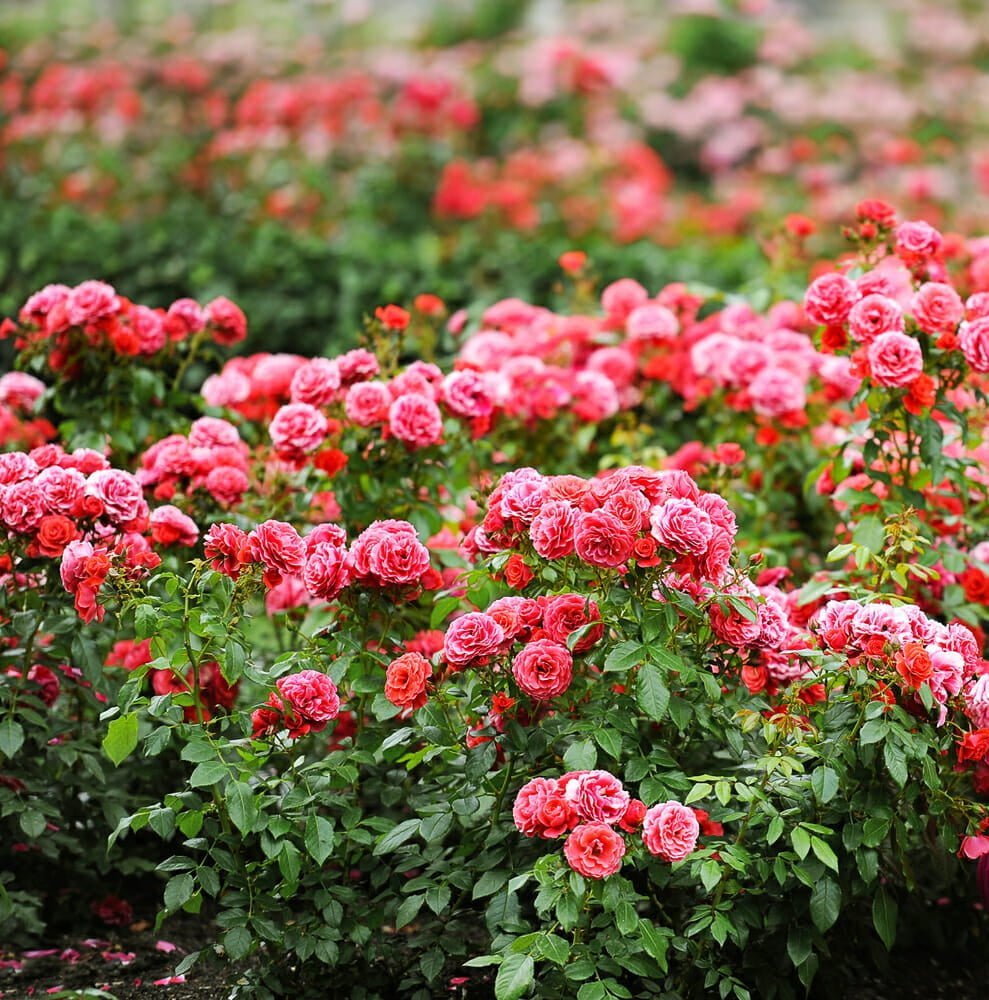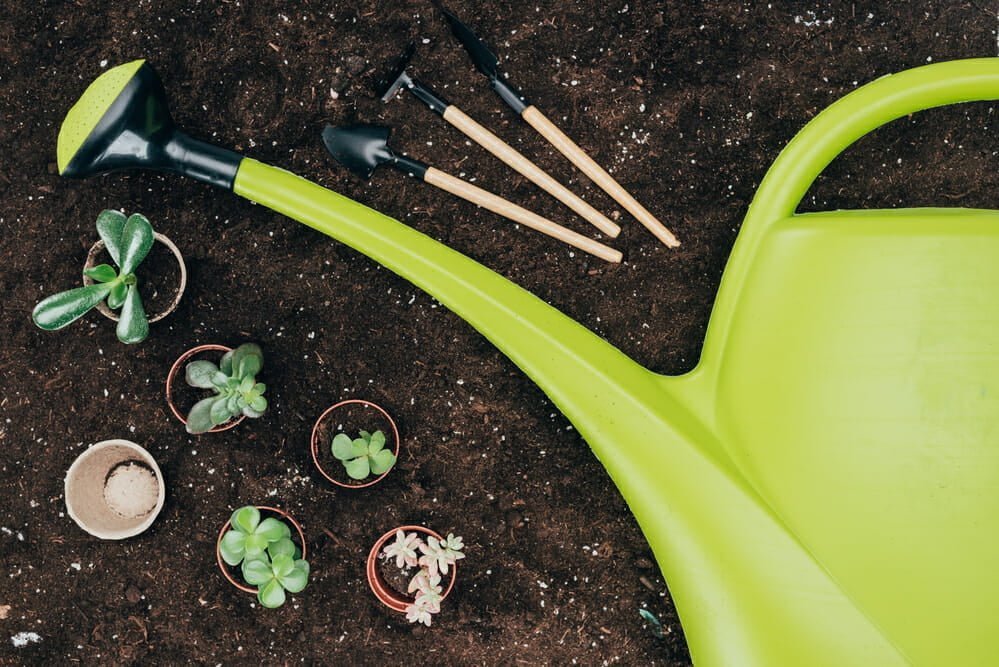
Of course, you’re planning to visit your local garden center this May – gardening is in full swing at this time of year!

Garden Center Calendar

Here at Millcreek Gardens, we’ve got everything you need to transform your northern Utah landscape into an eye-catching showpiece that’s the envy of your neighbors. From gardening supplies to healthy outdoor plants, shrubs, trees and flowers, you can find it all at our Salt Lake City plant nursery.

If you’re not sure where to start with your May gardening, our month-by-month garden center calendar lists all the essential tasks for northern Utah gardeners.

Plant Warm-Season Veggies

Once the threat of the last spring frost has passed, it’s time to get warm-season veggies in the ground. Carrots, potatoes, corn, peas and tomatoes are among the many crops that you should be planting in May.

Plant Annual Flowers

May is also the right time to purchase daisies, lilies, pansies, impatiens and other annual flowers from your local garden center. Get your annuals in the ground now, and you’ll get to enjoy their color and beauty all season long.

Plant Summer-Blooming Flower Bulbs

Now that the soil is warm and workable, it’s ready for your summer-blooming flower bulbs. Planting dahlias, begonias, gladiolas and other summer bloomers is well-worth the effort, as the flowers provide gorgeous seasonal color.

Thin Overcrowded Seedlings

Take a close look at your seedlings. If any look overcrowded, grab a pair of gardening shears and thin them out. Be careful not to disturb their young roots, though, as they may not recover easily from damage.

Divide Ornamental Grasses

Have you seen new growth emerge in your warm-season ornamental grasses? If so, make dividing them a part of your May gardening chore list. You can use the new plants elsewhere in your landscape.

Control Broadleaf Lawn Weeds

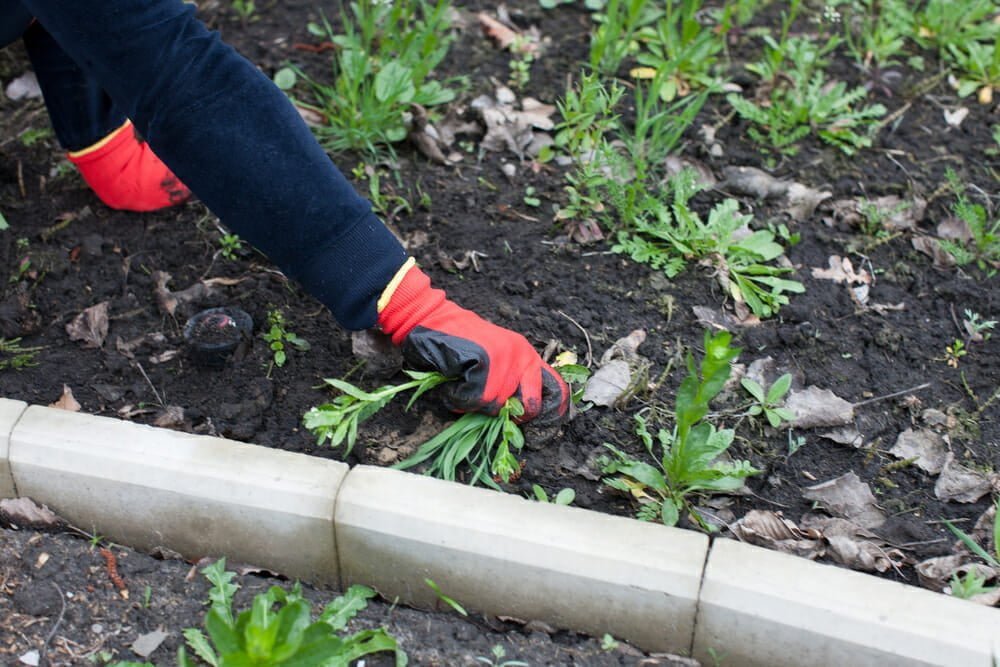
Taking care of broadleaf lawn weeds isn’t exactly fun, but weeding is an essential May gardening task. Broadleaf herbicides are most effective when the temperature is between 60 and 80 degrees and shouldn’t be used at temperatures greater than 85 degrees.

Apply Lawn Fertilizer

For the best chance at keeping your lawn green and lush all summer long, now’s the time to apply fertilizer. Your local garden center has a range of options. Ask the staff to recommend a slow-release fertilizer that supplies the nutrients your lawn needs.

Watch for Garden Pests

Another must-do May gardening chore is to monitor your outdoor plants for pests. If you see destructive bugs or notice insect damage, stop by your local garden center for advice on treatments to get rid of the problem.

Would you like more details on any of these May gardening tasks? The friendly, knowledgeable staff at Millcreek Gardens, Salt Lake City’s favorite garden center since 1955, can offer expert tips suited to our northern Utah growing conditions.

The Millcreek Gardens team looks forward to helping you achieve all your landscape goals this spring and summer. Visit our Salt Lake City garden center today.

Planting evergreen landscaping trees is an ideal way to celebrate Arbor Day – which falls on April 27th this year.

Plant Evergreen Landscaping Trees to Celebrate Arbor Day

Spruce, juniper, fir, cedar and other evergreen trees make for excellent, low-maintenance privacy screens, property borders and windbreaks. And, since these species don’t lose their foliage in the winter, evergreens can provide your Northern Utah landscape with year-round vibrancy and character.

For expert advice on planting evergreen landscaping trees in the greater Salt Lake City area, trust the Millcreek Gardens plant nursery professionals.

Selecting Evergreen Trees

Appearance is an important consideration when selecting evergreen trees but you shouldn’t base your choice on appearances alone.

Consider the size of your desired planting site and make sure the evergreens you choose will have ample space to reach their natural, mature size. Not only do landscaping trees need room on all sides for their branches to spread, but they also need adequate root space – otherwise, they may stop growing and decline or even die.

Purchasing Evergreen Trees

At Millcreek Gardens, our plant nursery professionals take great care to keep all our landscaping trees healthy, strong and beautiful.

When purchasing evergreens, however, you should always examine them for signs of problems. Don’t buy any with off-color needles, as yellow or brown foliage could mean that the tree is affected by disease or drought stress. Check the trunks for damage and oozing sap, and only purchase evergreen trees with good branch structures.

Planting Evergreen Trees

You can plant many deciduous landscaping trees in the later fall months but you should plant evergreens in the spring, summer or early fall.

Relatively warm soil encourages proper root development and helps evergreens grow and become established. Evergreens that are planted too late in the year may suffer moisture loss and turn brown during the winter.

Caring for Newly-Planted Evergreen Trees

After planting evergreens, apply a layer of mulch around the trunk. Mulch helps control weeds, staves off moisture loss, maintains soil temperature and improves the look of the landscaping. Spread much to the extent of the tree line, but leave approximately three inches clear around the trunk.

Newly-planted evergreens need regular watering. Make sure the soil around the root zone gets a good soak once a week until the ground freezes – and more often during hot, dry weather.

In the early spring or fall, you should do a soil test and add an appropriate fertilizer around the base of your evergreens. Be careful not to damage the roots, and water thoroughly after you’re finished.

This really is a great time to plant evergreens. Millcreek Gardens has a wide range of varieties that are well-suited for the Northern Utah area and our friendly garden center staff would be happy to share expert advice and tips on selecting and planting evergreen landscaping trees.

Are you ready to join Millcreek Gardens in celebrating Arbor Day? Stop by our Salt Lake City plant nursery today to browse our impressive selection of evergreen landscaping trees, shrubs, rose bushes and plants.

When it comes to your Utah garden and greenhouse, not all bugs are pests. Good gardeners know that many insects can be beneficial, as they feast on the pests that can damage your plants, flowers and trees.

Your Utah Garden & Greenhouse Need These 8 Good Bugs

So, the next time you see a bug when you’re gardening, don’t assume that it’s causing harm. If the insect you saw was one of the following good bugs, you can be happy it found its way to your Utah garden or greenhouse.

No. 1: Green Lacewings

In the larval stage, green lacewings are voracious predators – they can devour dozens of aphids a day in a greenhouse or garden. These good bugs also prey on mealybugs, whiteflies, leafhoppers and pest moth caterpillars.

No. 2: Ladybugs

Ladybugs are highly beneficial bugs and you’ll be lucky to see them in your Utah greenhouse or garden. Both the larvae and adults love to munch on aphids, mites, mealybugs and many of the other pests that gardeners despise.

No. 3: Rove Beetles

If mosquitos, flies, fleas, mites or aphids are a problem for your Utah garden or greenhouse, you’ll wish you had some rove beetles – those pests are what they prefer to eat.

No. 4: Ground Beetles

Lift a stepping stone in your garden or move a greenhouse pot, and you might see ground beetles scurrying away. That’s a good thing because, in their larval stage, these bugs prey on slugs, root maggots, caterpillars, cutworms and other pests in the soil.

No. 5: Hover Flies

Hover flies look a bit like bees or wasps, but they cannot sting – so you can welcome them into your greenhouse and garden. As larvae, these good bugs feed on aphids, scale insects and caterpillars. And, as an added bonus, adult hover flies will pollinate your flowers.

No. 6: Damsel Bugs

You might not actually notice damsel bugs in your greenhouse or garden, as they tend to blend into the environment. But you would be happy to have them because they like to nosh on small pest insects like mites, caterpillars and aphids — and they also eat their eggs.

No. 7: Minute Pirate Bugs

Much like damsel bugs, you could have minute pirate bugs and not even know it. These insects are truly tiny, measuring just 1/16” long, but they can easily do away with a high number of the aphids, mites, thrips and insect eggs in your greenhouse and garden.

No. 8: Big-Eyed Bugs

Big-eyed bugs can have a big impact on your garden and greenhouse. Both the adults and larvae are beneficial, feasting heartily on mites, whiteflies, aphids, small caterpillars and insect eggs.

Of course, the eight insects we’ve listed here aren’t the only good bugs for your Utah garden and greenhouse. And, unfortunately, you might confuse some of them for pests that can wreak havoc on your plants, flowers and trees.

For expert advice on your Utah landscaping and gardening endeavors, stop by Millcreek Gardens. And, if you’re concerned about Utah garden or greenhouse pests, our friendly staff can recommend effective strategies for insect management.

The Millcreek Gardens team has the knowledge and experience to address all your indoor and outdoor plant questions. Visit our Salt Lake City plant nursery today for more tips on keeping the good bugs in – and the bad bugs out – of your Utah garden and greenhouse.

Your favorite local plant nursery, Millcreek Gardens, is a valuable resource for Northern Utah gardeners. We’re not only fully stocked with a vast selection of plants, landscaping trees and gardening supplies, but our friendly staff is always here and happy to offer advice.

Plant Nursery Tips for an Eco-Friendly Utah Garden

This month, in honor of Earth Day, we would like to share our best plant nursery tips for creating an eco-friendly Utah garden. Incorporate some or all of these natural gardening ideas to conserve water, save energy and help protect the environment.

Landscape with Native Utah Garden Plants

Native Utah plants are well-adapted to the region’s growing conditions, which means they require less water and maintenance than exotic, imported varieties. In addition, native plants are more resistant to pests and disease, reducing the need for chemical treatments.

Create Delightful Container Gardens

Dedicating some of your landscaping space to container gardens helps reduce the use of water, fertilizer and pesticide. Inside a container, plants don’t have to compete with weeds for water, and fertilizer lasts longer because it stays concentrated in the soil. You’ll also need to use fewer pesticides. Container gardens are a great way to introduce kids to the joys of gardening and help them learn about environmental responsibility.

Xeriscape Your Utah Garden

Xeriscaping is an approach to landscaping that minimizes the need for water. To xeriscape your Utah garden, choose drought-resistant plants and use drip irrigation instead of sprinklers, or water by hand. If you’re serious about xeriscaping, you can also collect and store rainwater for use in your garden.

Plant Landscaping Trees

Planting deciduous landscaping trees along the south-facing side of your property will help you save energy by shading your home during the hot summer months and allowing it to shine through during the winter. You can also cut your winter energy consumption by planting evergreen trees as natural windbreaks. Your local plant nursery can offer tips on which varieties to select to maximize your energy savings.

Attract Beneficial Bugs and Birds

If you want a self-sustaining, eco-friendly Utah garden, you’ll need to attract and support pollinators as well as other beneficial insects and birds. To accomplish this, plant a variety of native flowering plants with staggered blooming seasons and provide access to clean water, pesticide-free food sources and safe shelter.

Grow Your Own Food

One of our favorite plant nursery tips for an eco-friendly garden is to grow some of your own food. Planting veggies, herbs, berries and fruit trees not only provides you with a great source of delicious produce, but it also decreases your carbon footprint by reducing your reliance on large-scale food delivery systems.

For more tips, tricks and answers to all of your gardening questions, take a trip to Millcreek Gardens. Our plant nursery staff has the knowledge and expertise to address all your landscape and gardening needs.

From native Utah plants and seeds to gardening supplies, tools, treatments and more, Millcreek Gardens has everything you need to create a gorgeous, eco-friendly Utah garden. To celebrate Earth Day, visit our Salt Lake City plant nursery today.

If you want your gardening supplies and tools to last, you have to give them the proper care and attention.

your utah gardening supplies and tools care guide

The way you store and maintain your tools and implements is key. Take good care of your garden equipment and they will serve you well for years – or even decades. As gardening season gets into full swing, this is the perfect time to get everything cleaned up, sharpened and ready to go.

Pruners

For both handheld pruners and loppers, cleaning the blades after each use is essential. After cleaning, use a cotton rag and a squirt of lubricating oil to wipe the blades down. Sharpen your pruners regularly and store them in an open position to reduce tension on the springs. The ideal storage approach is to either hang them upside down on a hook or pegboard or place them upright in a container of clean, dry sand.

Digging Tools

Like pruners, your digging tools should be cleaned after every use. To prevent rust, use lubricating oil to wipe down the metal parts of the tool. Use a grinder or file to sharpen the edges of your digging tools as they become dull and sand out any nicks and splinters. To prevent dulling, store them in a such as way that they don’t rest directly on the sharp edge.

Garden Hose

After each use, after turning off the spigot, release pressure by opening the hose end – but be sure to close it again once it drains, to avoid being sprayed with the next use. To prevent kinks and tangles, always coil your hose for storage. A hose reel works well, or simply wind the hose around the outside of a large pot. You can also pick up a decorative hose container if you prefer a more aesthetic approach to storing your garden hose.

Wheelbarrow

To keep your wheelbarrow at its best, clean out the bucket after each use. Stand it up to dry before storing to prevent water from sitting inside and causing rust. Check to make sure the tire is inflated to the proper pressure and apply a light machine oil to the wheel axle periodically to keep it turning freely. Use sandpaper to smooth out any rough spots on the wheelbarrow handles, to protect against splinters.

Garden Soil

Although you might be tempted to store your extra soil in an airtight plastic container to preserve moisture, this is a big no-no. Premium soil blends need air to prevent mold growth and decay. Gardening supplies like soil are sold in bags intended for storage. When you’ve used all you need, tie up the bag with a twist tie or rubber band and poke a few tiny pinholes near the top to allow air to circulate through the soil. Store the bag in a cool, dry place away from sunlight and heat sources.

Garden Mulch

Extra bagged mulch can stay bagged if you only need to store it for a few weeks – just make sure to poke some holes in the bags for air circulation. For long-term storage, pour the mulch onto a tarp and cover the pile loosely with a second tarp.

Garden Pesticide

Keep leftover garden pesticides in their original containers and take care to follow the storage recommendation on the product label. These chemicals must be stored in a cool, dry location that’s well out of the reach of children and pets.

Garden Fertilizer

Store extra garden fertilizers in their original containers, as that will allow you to easily see the nutrient analysis and recommended application rate. For open bags that aren’t well-suited for storage, place the bag in a plastic container with a tight-sealing lid.

For all your gardening and landscape needs, visit Millcreek Gardens in Salt Lake City. We have all the trees, shrubs and plants you need, and our friendly, experienced staff can answer your questions and provide expert advice. Stop by today to browse our selection of affordable, high-quality gardening supplies and tools.

Spring has sprung at your local garden center.

garden center calendar april gardening tasks

Here at Millcreek Gardens, we’re fully stocked with all the plants, tools and supplies that can help you create and maintain a gorgeous landscape and bountiful garden. Anything and everything you might need to carry out your April gardening tasks can be found at our Salt Lake City plant nursery.

So, what are the most important goals should you aim to accomplish with your April gardening?

Control Your Garden Weeds

Your April gardening chore list should definitely include weeding.

Weeds are far easier to remove now than they will be next month when the weather gets warmer and the soil gets drier. Use a hoe or pull up young weeds by hand before they have a chance to take over your garden.

Prune Your Spring-Flowering Shrubs

Does your garden contain any spring-flowering shrubs? If so, and your shrubs have already bloomed, prune them in April to encourage new bud development next season.

Divide Your Fall-Blooming Perennials

Fall-blooming perennials should be divided in April. Dig yours up, divide their root clumps to create separate plants and either share with family and friends or replant the divisions at another location in your garden.

Divide Your Cool Season Ornamental Grasses

You’ll also need to divide any cool season ornamental grasses in your landscape this month. April is when new growth begins to emerge, so now’s the ideal time to take on this task.

Manage Garden Pests and Disease

Evidence of garden pests and disease can often be seen in April. Check your fruit trees and landscaping trees carefully for signs of a problem. Visit Millcreek Gardens for advice on what to look for and how to address any issues.

Take Care of Your Lawn

Pick up fertilizer from your local garden center and apply it this spring to help ensure that your lawn gets off to a vigorous, healthy start. April is also a good time to remove thatch buildup and overseed the lawn. Finally, before mowing, check to make sure the blade is sharp enough to avoid tearing the grass.

Rotate Your Indoor Plants

April gardening focuses primarily on outdoor tasks, but your indoor plants need a little springtime love as well. Rotate your houseplants this month, turning them so that light hits the opposite side. This helps ensure even growth and a more balanced shape.

If you have more questions about April gardening, visit us here at Millcreek Gardens for expert answers and advice suited to our unique Northern Utah growing conditions. Our friendly, knowledgeable staff would love to help you accomplish all your April gardening goals. Let us put our experience to work for you and you’ll be rewarded with a healthy and beautiful landscape. We look forward to seeing you soon at our Salt Lake City garden center.

If you don’t think gardening tips can be trendy, you might be in for a surprise. Gardening trends come and go, but the newest Pantone Color of the Year is a fashionable choice for giving your landscape a colorful update.

Gardening Tips: Add Pantone’s Color of the Year to Your Landscape

Each year, the Pantone Color Institute selects a new shade, meant to represent the current global mood and attitude and set the tone for a new design direction. This year’s hue, Ultra Violet, is an intriguing blue-based purple that could be the perfect addition to your Northern Utah landscape.

Grow the Perennial Plant of the Year

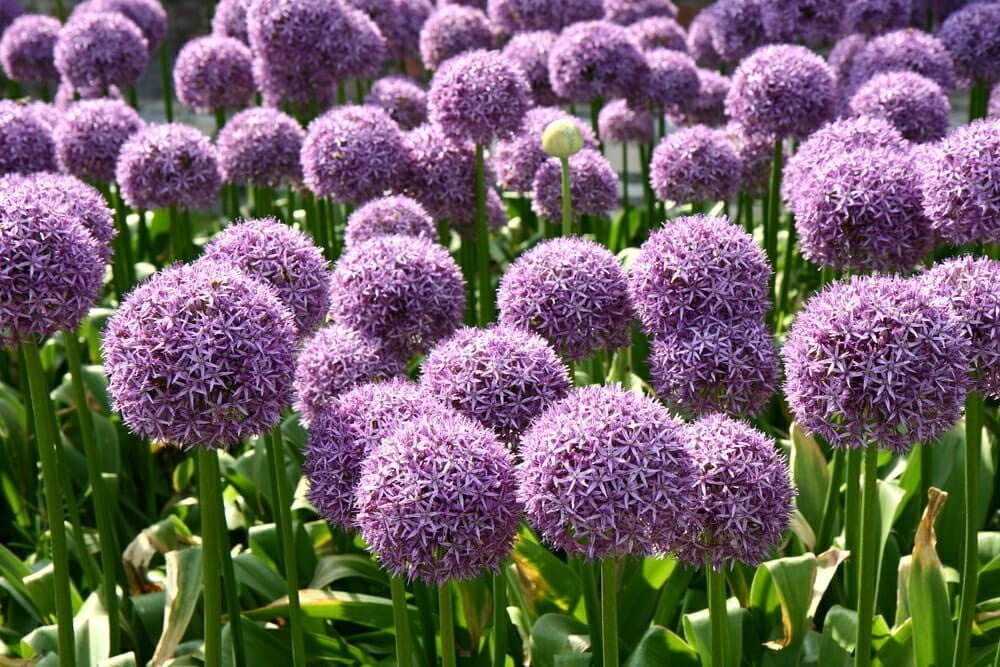
This year’s Perennial Plant of the Year, chosen by the Perennial Plant Association, just happens to be ultra violet in color. Consequently, incorporating the Allium ‘Millenium,’ is a great way to introduce the Pantone Color of the Year into your garden or landscape.

A hybrid ornamental onion that’s easy to grow with full sun and in well-drained gardening soil, the Allium ‘Millenium’ features large purple clusters of flowers against a backdrop of glossy, thick leaves. Known as a butterfly magnet, this brilliant perennial is resistant to drought as well as insect and disease problems.

Adding Other Ultra Violet Plants in Your Gardening Plans

If you’re crazy for Ultra Violet, you can add even more of this delightful hue to your garden and landscape with annual and perennial flowering plants.

Gardening with purple plants is easy, as a range of gorgeous violet-hued annuals and perennials are available. Lavender, lilacs, gladiolas, petunias and begonias are among the many flowers with violet tones that you can find at your local garden center.

Add Ultra Violet Décor to Your Gardening Spaces

If you’re feeling particularly inspired by ultra violet, why not incorporate this vibrant shade into your outdoor décor?

Adding purple planters to your landscape is a fun gardening idea, or you might consider painting an accent wall, fence or some outdoor furniture a violet hue. Swapping out your patio chair cushions and outdoor rugs for new, violet-toned versions can also provide a bright pop of color. You could even add a few amethyst geodes or violet gardening stones to your landscape, or a gazing ball in a complementary tone.

For more ideas on incorporating the 2018 Pantone Color of the Year into your landscape design, visit us at Millcreek Gardens. Our plant nursery has a variety of beautiful annuals and perennials in the Ultra Violet shade family, and our friendly staff would be more than happy to help you make your gardening selections.

The Millcreek Gardens team has the expertise and experience to answer all your indoor and outdoor gardening questions. Visit us in Salt Lake City today for more gardening tips, tricks and secrets to a beautiful Northern Utah landscape.

Spring-blooming perennial flowers are among the first plants to bring color and curb appeal to your landscape. And now is a great time to head to your local garden center and choose some varieties to plant.

spring-blooming perennial flowers

Which early blooming varieties are best for your Northern Utah garden? Here are six of our favorite spring-blooming perennial flowers. Consider planting one or more of these beauties for a gorgeous, colorful landscape.

No. 1: Pigsqueak

Bergenia cordifolia, more commonly known as pigsqueak, is a clump-forming perennial that makes for a good ground cover plant in your colorful Utah garden. Pigsqueak flowers feature dark pink springtime blooms that appear on stout, tall stalks within or above the foliage. As an added color bonus, the large, glossy leaves turn purplish-bronze in the colder months.

No. 2: Dutchman’s Breeches

Dicentra cucullaria is a beautiful wildflower with white, yellow-tipped blooms shaped like baggy, upside-down trousers – which explains why these spring-blooming perennial plants are commonly known as the Dutchman’s breeches. The delicate, fern-like foliage can add textural interest to any Utah garden.

No. 3: Creeping Buttercup

With bright yellow, five-petaled blooms and shiny, dark green leaves, ranunculus repens – or creeping buttercup — is an attractive, easy-to-grow ornamental perennial. In moist landscapes, these spring-blooming flowers spread to form a dense ground cover that can survive both foot traffic and regular mowing.

No. 4: Moss Phlox

Phlox subulata, or moss phlox, is a vigorous beauty that provides a profuse carpet of red-purple to violet-purple spring blooms. Cultivars are also available in other colors, including blue-purple, red, pink and white. These perennial flowers feature notched, petal-like lobes and clusters of narrow leaves that keep some of their green throughout the winter.

No. 5: Candytuft

A much-loved spring-blooming perennial, iberis sempervirens or candytuft has a plethora of small, bright white blooms that grow to obscure the narrow, leathery leaves. In a northern Utah garden with a warm winter climate, candytuft can be evergreen, though the foliage may suffer decline with harsh weather.

No. 6: Garden Rockcress

Easily grown and tolerant of less-than-ideal soil conditions, arabis alpine features groups of tiny, four-petaled white flowers that bloom in the spring. Commonly known as garden rockcress, these low-growing perennial flowers are beautiful accent plants for any Northern Utah landscape.

Would you like more ideas for bright and beautiful spring-blooming perennial flowers, or are you ready to start your springtime flower shopping? Either way, you’ll find everything you need at Millcreek Gardens.

Our garden center is stocked with a wide array of eye-catching annuals and perennials, and our friendly staff will be happy to help you choose the perfect plants to add more color to your landscape. Visit Millcreek Gardens in Salt Lake City today to find the ideal spring-blooming perennial flowers for your Utah garden and landscape.

March is a busy time at your local garden center!

garden center calendar

The sunny days of early spring seem to bring out the inner gardener in everyone – which is perfect, as now is the ideal time to complete some important gardening tasks. As long as the weather doesn’t take a turn for the worse, this is the month to get your gardens off to a great start.

Are you ready to get started? Here are the essential March gardening tasks for Northern Utah gardeners.

Divide and Transplant Summer-Blooming Perennials

March is the time to dig up your summer-blooming perennials and divide them into separate plants. Replant them elsewhere in your garden, spread a little mulch and give them a dose of fertilizer once new growth appears.

Plant Summer-Blooming Bulbs

Do you need more summer-bloomers in your Northern Utah garden this Year? Head to your local garden center to find dahlias, lilies, begonias, gladiolas and other summertime stunners. Get them in the ground now, and you’ll be rewarded with a gorgeous color show in a few short months.

Plant Perennial Vegetables

Do your March gardening plans include food crops? Peas, asparagus, rhubarb, onions, radishes, leeks and several other perennial vegetables can also be planted this month.

Plant Fruit and Fruit Trees

If you’d like to have fruit trees in your landscape this year, don’t delay. March is generally the latest you should plant fruit trees. This is also the month to plant sweet, natural treats like strawberries, blueberries, grapes and currants.

Plant Hedges

With the exception of some broad-leaf varieties, hedges shouldn’t be planted after the month of March. Visit your local garden center to find a wide selection of shrubs to beautify your Utah property.

Sow Hardy Annuals and Herbs Outdoors

Annuals also have a place in your March gardening plans. Once the spring soil is warm, you can sow wildflower mixes and other hardy annuals like marigolds, pansies and morning glory flowers. You can also plant some types of herbs, such as oregano, chives, dill and parsley, at this time of year.

Keep a Watch for Weeds

We can’t talk about March gardening tasks without mentioning weeds. Weeds start growing once the warmer weather arrives. Watch for their appearance and take measures this month to keep them in check throughout the growing season.

If you’d like to learn more about any of these March gardening tasks, the friendly staff at Millcreek Gardens can offer expert advice to help you achieve your landscape goals.

Millcreek Gardens has all the gardening supplies you need for the new spring growing season and our plant nursery is stocked with all the beautiful, healthy shrubs, landscaping trees, perennial flowers and annuals you need to enhance your property. If you’re ready to get started with your March gardening tasks, stop by our Salt Lake City garden center today.

Plant fast-growing shade trees at your Northern Utah property, and you’ll have beauty, privacy and protection from the sun within a few short years. Today we will take a look at some of the most popular varieties that are well-suited to the growing conditions in the greater Salt Lake City area and along the Wasatch Front.

fast growing shade trees for northern utah landscapes

Hybrid Norway Maple

Hybrid Norway maples are a favorite for Northern Utah landscapes, due to both tolerance of varying soil conditions and moderate growth rate – up to two feet per year! These shade trees are also prized for their beauty, as they offer gorgeous red color during every fall, as well as striking bark in the winter, blooms in the spring and big foliage throughout summer.

Hybrid Poplar

For attractive, fast-growing shade trees, hybrid poplars are at the top of the list. These beauties work well as visual screens and, with an annual vertical growth capacity of up to 8 feet, they provide a quick route to a shady landscape.

English Oak

With its beautiful spreading canopy supported by leafy architecture, the English oak is widely considered a valuable addition to any Northern Utah landscape. Height increases for these brilliant sun-blocking trees can top more than two feet per year, and they’re well-suited for both urban and rural settings.

Frontier Elm

Frontier Elm trees can boost the curb appeal of any property, as the wide-spreading branching offers gorgeous seasonal color. The leaves are bright green in the spring, dark, lustrous green in the summertime and deep red in the fall. Add in the fast growth rate of one to two feet per year, and it’s easy to see why the Frontier Elm is a popular choice.

Tuliptree

Tuliptrees are stunning, fast-growing trees that can gain up to two feet in height each year. Named for their tulip-shaped outline of the leaves and their cup-shaped yellow flowers, these brilliant shade trees also grow quite tall, reaching up to 90 feet.

Japanese Zelkova

With an attractive, vase-shaped form and an oval crown that increases in height by up two feet per year, the Japanese zelkova is a beautiful option for urban and rural landscapes. The fall colors these trees display is intense, with leaves turning yellow, orange, deep red or purplish-red.

Could your northern Utah landscape use a little – or a lot – more shade? Millcreek Gardens, Salt Lake City’s favorite garden center since 1955, is stocked with a wide range of affordable, fast-growing shade trees.

For expert advice on choosing all your outdoor plants, shrubs, trees and flowers, visit our garden center today. The friendly Millcreek Gardens staff would love to help you select the perfect, fast-growing shade trees to bring beauty and privacy to your Northern Utah property.