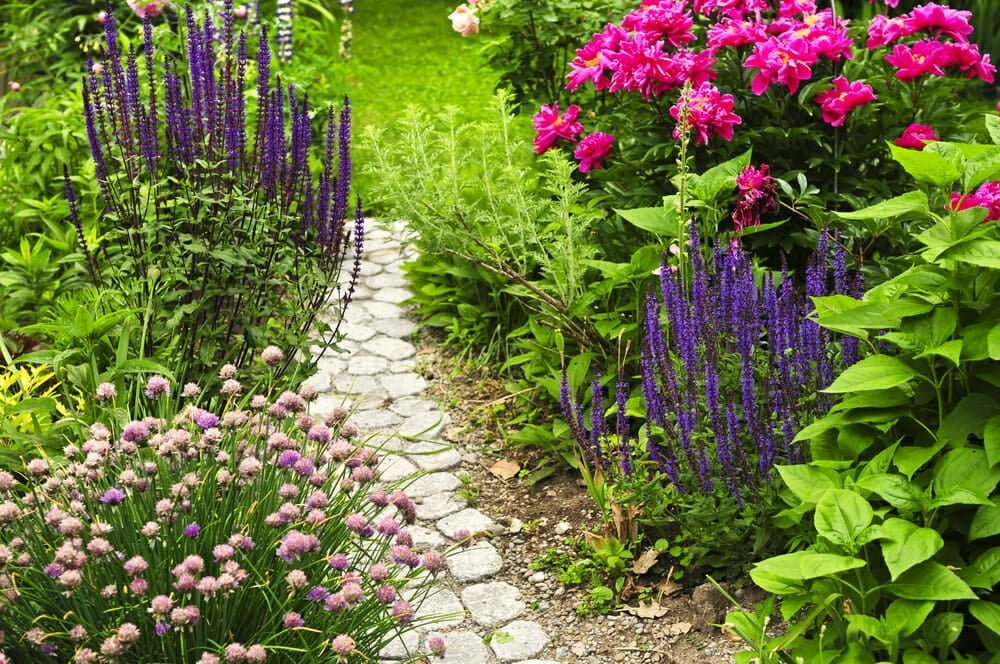
When shopping for outdoor plants, one of the most important considerations is whether they’ll be growing in the sunshine or in the shade. After all, a plant that requires full sun won’t thrive in the shade, and a shade-loving plant will quickly die if you put it in direct sunlight.
outdoor plants
Sometimes the sun or shade question has an obvious answer – but that isn’t always the case. Our best advice is to pay attention to when and where the sun shines on your property throughout the day, then visit your local garden center to shop for plants that are well-suited for your particular growing conditions.

Outdoor Plants for Morning Sun & Afternoon Shade

If sunlight shines over your northern Utah landscape in the morning, you should have plenty of garden center plants to choose from – but you’ll need to know how long the sunshine lasts. If you only get about two or three hours, consider shade-tolerant annuals and perennial flowers, shrubs and landscaping trees. For gardens with sun that lasts until at least the middle of the day, go with any plant that prefers full sun.

Outdoor Plants for Morning Shade & Afternoon Sun

Choosing the right plants for this sunlight situation can be a challenge, as shade-tolerant species usually can’t handle the afternoon sunshine. That said, many annual and perennial flowers, as well as a range of beautiful bushes, shrubs and landscaping trees, can adapt to these growing conditions.

You might not see gardening success with every choice, but no one – not even garden center professionals – sees every plant thrive.

Outdoor Plants for Partial Sun & Shade

Does your landscape get partial sun or partial shade?

Many gardeners refer to this situation as dappled light, and here’s where choosing the right plants gets a bit tricky. Generally speaking, when there’s more shade than sun, plants that prefer shade are your best bet. And, when there’s more sunlight than shade, select species that favor full sun.

You can also help your flowers and shrubs thrive by amending the soil to provide necessary nutrients and watering on a schedule that’s most appropriate for the plants and the weather conditions. Adding mulch is also a great way to help your plants retain precious moisture that daily sun exposure can extract.

If you’re not sure which outdoor plants are best suited to the growing conditions on your northern Utah property, stop by Millcreek Gardens for expert advice from our friendly, knowledgeable plant nursery professionals.

Tell the Millcreek Gardens team about the sun and shade in your landscape, and we’ll guide you toward annuals, perennial flowers, shrubs and landscaping trees with matching needs. For help choosing the right outdoor plants for your garden, visit our Salt Lake City garden center today.

Take a break from the summer heat and visit your local garden center! You’ll find deals on gorgeous mature outdoor plants to instantly beautify your northern Utah property and the expert staff can help you achieve all of your July gardening goals.

Gardening Tasks

So, what should you aim to accomplish this month? Our month-by-month garden center calendar explains the most important July gardening tasks.

Deadhead Your Annuals and Perennial Flowers

Continue deadheading your annuals and perennial flowers this month. Pinching or cutting off the dead blooms boosts the beauty of your landscape, and keeping up with this July gardening task may help stimulate further flowering.

Encourage Fading Annual Flower to Bloom Again

Wish you could squeeze a second bloom from your faded annual flowers? Try this July gardening trick – cut your annuals back by about half their height, then apply liquid fertilizer. This doesn’t always work, but it may be worth a shot!

Grow New Outdoor Plants in Empty Areas of Your Garden

If any of your annuals have already died off, pull them up and add them to your compost pile. Then, replant the empty landscape spots with new hardy annual flowers or perennials from your local garden center.

Deep Water Established Landscaping Trees and Shrubs

During the hottest days of summer, your landscaping trees and shrubs can get extra thirsty. Deep water them during the morning hours this month, drenching thoroughly and deeply. Let the soil dry out between watering sessions.

Fertilize Your Rose Bushes and Container Gardens

Rose bushes and container gardens need a dose of fertilizer this month. If you’re not sure which type to use or have questions about application, the staff at your local garden center can point you in the right direction.

Remove Water Sprouts from Your Fruit Trees

Take a look at your fruit trees. If any have watersprouts, or vertical shoots within the canopy, remove them. Waterspouts can reduce fruit quality, and prompt removal not only helps prevent regrowth but also allows for better light and circulation within the tree.

Look Out for Garden Weeds and Pests

As in the previous months, your July gardening chore list should include watching for weeds and insects. Pull weeds as soon as you see them, before they have a chance to go to seed again. If you notice any garden pests, your local garden center can steer you toward an effective treatment,

Do you have questions about any of these July gardening tasks? Ask the friendly and knowledgeable staff at Millcreek Gardens – we love to help northern Utah gardeners keep their indoor and outdoor plants at their best.

For even more expert gardening advice from the Millcreek Gardens team, visit our cool, comfortable Salt Lake City plant nursery and garden center today.

Your garden center calendar starts to get a little hectic this time of year.

Garden Center Calendar: June Gardening Tasks

During the month of June, your gardening tasks should be targeted primarily toward caring for and maintaining the health of your outdoor plants. Fortunately, your local garden center is stocked with all the supplies you need to help your shrubs, perennials, annual flowers, rose bushes, veggies and fruit trees thrive.

Prune Your Spring-Flowering Shrubs

Spring-flowering shrubs should be pruned after blooming to stimulate bud growth in the next season. If you didn’t prune yours back in April, add the task to your June gardening chore list.

Deadhead Your Perennials and Annual Flowers

To encourage continued flowering, perennials and annual flowers should be deadheaded this month. As the blooms fade, make sure to cut off or pinch the dead flowers.

Divide Your Spring-Flowering Perennials

Digging up and dividing your spring-flowering perennials is an essential June gardening task. Separate the root clumps into several plants, then plant them elsewhere in your garden. Or, share your extra perennials with a neighbor, friend or family member.

Watch Over Your Rose Bushes

Rose bushes should be fertilized every month throughout the summer. In addition, check your rose bushes for signs of disease and insect infestation. If you suspect a problem, head to your local garden center for advice on restoring the health of your roses.

Thin Your Fruit Trees

For healthy, abundant fruit at harvest time, make thinning overloaded fruit trees a part of your June gardening. Apple, peach, pear and apricot trees should be thinned so that the fruits are about a hand-width apart.

Plant More Corn and Beans

If you want to extend your harvest time, consider repeat plantings of corn and beans. You can add more of these garden plants every other week during the month of June.

Start Seedlings for Your Fall Garden

Head to your local garden center to pick up seeds of broccoli, cabbage and cauliflower. Start the seeds now, and they’ll be ready to plant in your fall garden.

Keep an Eye Out for Pests and Weeds

Be on the lookout for both insects and weeds this month. Take steps to keep weeds under control and, if you see any pests or insect damage, stop by your local garden center for expert advice on how to eliminate the problem.

For more information on any of these June gardening tasks, visit Millcreek Gardens. Our friendly and knowledgeable garden center staff is happy to offer expert advice and tips suited to the growing conditions of northern Utah.

The Millcreek Gardens team can handle all your June gardening needs, including plants, gardening supplies, potting soil and more. To learn more about keeping your outdoor plants at their best all summer, stop by our Salt Lake City garden center today.

At the plant nursery or greenhouse, everything looks to be healthy and flourishing – and the majority of plants on display are just as healthy as they appear.How to Choose Healthy Plants at the Nursery or Greenhouse 

However, before you make your selection, take time to look closely at your favorites. Doing a quick once-over can ensure that you choose the healthiest specimens for your Utah garden or landscape.

Foliage Growth

Start by taking a close look at the plants’ leaves.

Healthy specimens should have plenty of new leaf growth, and the foliage should have a bright, even color. Steer clear of any plant with pale, yellowing or wilted leaves, as these are signs of stress — and plants don’t always recover from stress.

Plant Shape

Healthy plants are compact and feature full, bushy growth – taller isn’t better.

Long, leggy growth usually indicates a struggle. Also, avoid specimens that look pruned in comparison to their neighbors. Pruning may have been done to remove diseased or damaged stems or make the foliage look healthier.

Pests and Disease

As you browse the plant nursery, keep an eye out for signs of insects and disease.

Check the undersides of the leaves, stem joints and potting soil, as that’s where pests are often found. Also, pass on any specimens that are infested or have pitting, abnormal colorations, lesions, dead spots or other potential signs of disease.

Root System

Don’t forget to take a look at the root system, because healthy roots make for healthy plants.

Any that have roots growing out of the drainage holes or on top of the potting soil are root bound and may be too stressed to thrive in your garden. And, if a plant doesn’t have many roots, it may need more time to grow and become garden-worthy.

Buds and Flowers

As you’re shopping, you may be tempted to purchase plants that are filled with flowers. But, in most cases, it’s better to buy specimens with buds as they’re more likely to flourish after being planted. Besides, any existing blooms will fade, and you’ll enjoy a longer flowering time in your landscape if you choose plants with bud growth.

For a wide selection of healthy plants, look no further than Millcreek Gardens. Our experienced team members take great care to make sure that all our perennials, annual flowers, shrubs, landscaping trees and rose bushes are full of life.

And, if you need help making your plant nursery selections, just ask. The friendly Millcreek Gardens staff is happy to point you toward species that can thrive in the growing conditions of your northern Utah landscape. To learn more, stop by our Salt Lake City plant nursery today.

Do you have any top-heavy outdoor plants in your Utah garden? You may have to give them a little support to keep them healthy and strong.

Some flowers, vegetables and fruiting plants can stand on their own, but others need support to encourage healthy growth. Before you head out to your local garden center to buy plant supports, it’s helpful to understand which types are best for different outdoor plants.

plant support strategies

Single-Stem Support

Perennial flowers in bloom can often benefit from single-stem plant supports. Some varieties, including gladiolus plants, lilies, zinnias and bearded irises, can develop weak stems that flop onto the surrounding foliage. Strong winds can also topple the flowers.

Adding single-stem plant supports to at-risk perennials is an easy solution.

Grow-Through Cage

Cages or ring-style plant supports are ideal for plants that tend to sprawl as they grow, like delphiniums and phlox. Fruits and vegetables that need support, including tomatoes, garden peas and cucumbers, are also best helped by grow-through cages.

Just make sure you get these supports in place before the plants grow too tall.

Simple Garden Stake

For some sprawling plants, simple garden stakes are an ideal solution.

These plant supports are also a good choice for tall varieties like hollyhocks, dahlias and sunflowers, as they’re likely to topple over in heavy summer storms. But, unless you have a plant that’s already drooping, wait until the stem is nearly as tall as it’s going to be before staking – otherwise, you’ll have to retie several times as growth continues.

Arbor or Trellis

For tendril climbers like grapes and other vine-type plants, or brambles like raspberries and blueberries, an arbor or trellis is usually the best option. As they grow, the plants can wrap around the support structure, keeping the foliage and fruit up off the ground.

These plant supports are visible at first but, with continued growth, the plants will hide them from view.

Connecting Outdoor Plants to Supports

In many cases, you will need to tie your outdoor plants to their supporting structures.

Long, green twist ties work well, as they’re virtually invisible. You can also use string, garden wire, zip ties or strips of pantyhose. Regardless of which option you choose, make sure to fasten the plant to the support firmly, but leave a little wiggle room for growth.

If you’re not sure which supports are right for your top-heavy outdoor plants, stop by and ask the friendly and knowledgeable staff at Millcreek Gardens, the leading northern Utah garden center for more than 60 years. Our plant nursery team is always happy to share their expertise.

Millcreek Gardens is stocked with a vast range of plant supports, along with all the other gardening supplies you need. For the best selection of annuals, flowers and outdoor plants, visit our Salt Lake City greenhouse, garden center and plant nursery today.

Have your perennial flowers seen better days? Although insects or disease could be to blame, many problems stem from unfavorable environmental conditions.Perennial Flowers & Environmental Problems

Ecological issues often create symptoms that mimic those caused by pests and plant diseases. Figuring out what’s wrong with your perennials may require the assistance of an experienced plant nursery professional but, if you’re familiar with some of the most common environmental problems your flowers are likely to experience, it may point you toward an answer.

Lack of Sunlight

When perennials don’t get enough sun, the flowers typically lose color and the leaves begin to turn yellow and fall off. Insufficient sunlight also causes the stems to become longer and more spindly, as the plant strains to reach a light source.

Too Much Sunshine

Some perennial flowers prefer full or partial shade. If they get too much sun, it can lead to scorch and heat stress. Symptoms of this problem include browning along the leaf edges and yellow or dark spots between the main leaf veins.

Not Enough Water

Drought conditions can slow or even permanently stop growth in perennials. Too little water can also cause the leaves and flowers to become dull or discolored. Ultimately, the plants may appear to be dead.

Overly Wet Soil

Overwatering is just as much of a problem for perennials as a lack of water. Plants growing in soil that’s too wet may experience stunted growth along with yellowing leaves, spots and blisters on the stems, and rotting in the crown.

Nutrient Problems

When perennial flowers don’t get enough of the right fertilizer, the nutrient shortage can slow growth and cause discoloration in the leaves. Too much fertilizer is also problematic, as it can lead to plant death.

Herbicide Damage

Weed killers can cause chemical damage in perennials. Cupped or curling leaves, distorted stems and dead patches are common signs of herbicide damage. However, one brand or formulation of weed killer can cause different symptoms in different perennial plant species.

Freeze Damage

Repeated freeze-and-thaw cycles can push perennials up out of the ground, which results in root damage. In addition, the exposed parts of the plant can become discolored, seriously damaged or even killed.

Transplant Shock

Transplanted perennial flowers can experience shock from differences in the soil conditions at the two planting locations, or from root damage that occurs when the plants are moved. Perennials affected by transplant shock may turn yellow, wilt and suffer general decline.

If you’re not sure what’s wrong with your perennials, or if you need expert help nursing damaged plants back to health, the friendly and knowledgeable plant nursery professionals at Millcreek Gardens can offer effective solutions to restore the health and beauty of your perennial flowers.

Millcreek Gardens is northern Utah’s go-to resource for expert information on caring for indoor and outdoor plants. For advice on selecting and caring for perennial flowers, drop by our Salt Lake City garden center today.


Join us for a butterfly release this weekend! There are two times available to see this magnificent spectacle. Bring your outdoor chairs and blankets to comfortably enjoy this opportunity.

There will be two chances to see the butterfly release: Friday, June 15th and Saturday, June 16th at noon on both days.


Gardeners get downright passionate about hydrangea shrubs – and why wouldn’t they? With their massive, brightly-colored flowers – in shades of white, pink, blue or lavender – these flowering plants are without equal in the shrub world.

Hydrangea Shrubs: Tips for Planting & Care

Fortunately, planting and caring for hydrangea shrubs don’t require an expert green thumb or any special garden equipment or supplies. These beautiful outdoor plants are easy to cultivate, and they tolerate a range of soil conditions. In fact, most anyone can grow these healthy flowering shrubs and enjoy their fluffy, gorgeous blooms year after year.

When & Where to Plant Hydrangeas

Ideally, you should plant hydrangeas in either the spring or fall. If you plant them during the summer, these flowering shrubs need lots of extra water to establish a healthy root system.

When deciding on placement in your garden or planting beds, avoid open areas where heavy winds could cause damage. Choose spots that offer full sun in the morning hours and afternoon shade, and space the shrubs at least three feet apart.

Before planting, amend the soil with compost or other organic matter.

How to Keep Hydrangea Shrubs Healthy

For the first year or two after planting – and during drought conditions – hydrangeas need plenty of water. To keep the leaves from wilting, never let the soil get too dry.

In addition, native Utah soils need amendments to keep hydrangeas healthy. Shrubs planted in light or sandy soil need to be fertilized in spring or late winter. For best results, have a soil test done before feeding your flowering shrubs. Adding too much fertilizer may boost leaf growth while diminishing the hydrangea blooms.

When and How to Prune Hydrangea Shrubs

Pruning hydrangeas encourages healthy growth, but the job must be done at the right time. Prune flowering shrubs during the wrong season and you could accidentally lop off next year’s blooms.

Bigleaf hydrangeas, the most common varieties, need to be pruned toward the end of summer after the flowers fade. At that time, cut away any dead wood and prune one or two of the older stems back to the base.

Other hydrangea varieties should be pruned in late winter, when the plants are dormant and before any flower buds have formed. Remove only the dead branches when pruning these flowering shrubs.

Spring is a great time to plant hydrangea shrubs and Millcreek Gardens has beautiful, healthy hydrangeas in a variety of stunning colors. Browse our well-stocked plant nursery, and you’re sure to find the ideal flowering shrubs to enhance your northern Utah garden or landscape.

If you have questions about planting or caring for hydrangeas, our friendly and knowledgeable staff is always happy to share expert advice and tips to address all of your gardening concerns. To learn more, or to browse our selection of stunning, easy-to-grow hydrangea shrubs, visit our Salt Lake City garden center today.

Annual flowers can bring your Utah landscape to life with eye-popping color. Planted in containers for the porch or patio, or arranged in garden beds, annuals draw attention with their vibrant, beautiful blooms.

Annual Flowers: 4 Tips to Grow a Gorgeous Garden

Are you thinking you might try growing annuals this year? Follow a few common sense tips for choosing and planting annual flowers, and you’ll have a fantastic show of color from now until the waning days of summer.

Plant Annual Flowers After the Last Spring Freeze

Annuals need warm soil to flourish, so you’ll want to wait to plant them until the danger of frost has passed.

The average date for the last spring freeze varies throughout our state. In Salt Lake City, annuals can typically be planted after April 26, but in Tooele and other parts of northern Utah, planting may need to wait until closer to the middle of May.

For expert advice on annual planting dates for your area, check with your local garden center or county extension agent.

Prepare Your Garden Soil Before Planting Annuals

Proper soil bed preparation is the key to gardening success with annuals.

Before planting, use a spade to loosen and turn the garden soil. Extra organic matter is definitely a benefit to native Utah soils, so work in some compost, grass clippings, peat or decaying leaves. Finally, don’t forget to add a high-nitrogen or slow-release complete fertilizer. Ask the staff at your local garden center for recommendations.

Select the Right Annuals for Your Landscape

For hardy, gorgeous annuals that last all season long, you’ll need to choose plants that are well-suited to your landscape growing conditions.

Some annuals – like snapdragons, dahlias and petunias – need full sun to grow well. Other varieties, including begonias and impatiens, are tolerant of shade. As you select annuals, make sure they’re right for the garden spots where you intend to plant them. If you’re not sure, you can always check with the staff at your local garden center.

Choose Healthy, Well-Established Annual Flowers

When shopping for annuals, look for perky, compact plants with an abundance of healthy dark green foliage and plenty of flower buds. Make sure the plants you purchase are well-rooted, but not pot-bound or overgrown.

For the best selection of stunning and vigorous annual flowers, visit us here at Millcreek Gardens. Our plant nursery is stocked with a vast array of well-established annual and perennial flowers that are sure to thrive in your northern Utah landscape.

If you need help or advice about color combinations or garden design, just ask. The knowledgeable and friendly Millcreek Gardens staff is happy to share our expertise. To choose your flowering plants, or for more tips on growing annual flowers, visit our convenient garden center location today in Salt Lake City.

Transplanting rose bushes successfully requires planning, care and patience. But rest assured, the task can be done – and you don’t have to be a master gardener to see successful results.

Transplanting Rose Bushes: A Step-by-Step Guide

If your gorgeous roses are growing in a poor or inconvenient location – or if you’re moving and can’t bear to leave your beloved rose bushes behind – you can visit your local garden center for expert advice suited to our northern Utah growing conditions.

Or you can follow our step-by-step guide for successfully transplanting rose bushes.

Step 1: Water the Rose Bush Thoroughly for a Few Days

Rose bushes must be prepared for transplanting. To do so, water them every day during the week before your planned transplant day. Make sure to give your roses a good soak, one that keeps the ground moist at all times.

Step 2: Prepare Your Garden Bed in Advance

Before you move a rose bush, you’ll also need to prepare the new planting site. Roses thrive in fertile soil enriched with organic matter, so work plenty of compost into the garden bed.

Step 3: Prune the Rose Canes

For the best chance at a successful transplant, roses need to be reduced in size. Take a pair of garden shears or trimmers and cut the rose canes back to about 10 or 12 inches in length.

Step 4: Dig a Hole in the Garden Bed

Your next step is to dig a hole for the roses at the new planting site. As a rule of thumb, plan on digging a hole that’s about as large as the spread of the rose canes. To provide your bush with plenty of critical nutrients after it’s been transplanted, put peat moss, potting soil or other organic matter in the hole.

Step 5: Gently Remove the Rose Bush

Using a shovel, gently dig a circle about 9 inches out from the drip line of your rose bush. Keep digging down until you can easily slip the shovel under the root ball. Carefully lift it out, taking as much soil with the roots as possible.

Step 6: Plant the Rose Bush

Spread out the roots of your roses, then set the root ball in your prepared hole at the new planting site. Make sure the crown is sitting at or slightly above ground level, then fill the hole halfway with soil. Use your hands to gently push the soil through the root ball, then water thoroughly. After letting that soak in for a moment, shovel in enough soil to fill the hole and flood with water again.

Add rose fertilizer and cover with organic mulch, and you’re finished!

Transplanting rose bushes isn’t a simple, quick process – but don’t let that intimidate you. With advice and tips from the friendly Millcreek Gardens staff, any flower enthusiast can successfully move their much-loved roses.

As the leading northern Utah garden center for more than 60 years, Millcreek Gardens is the region’s go-to resource for expert information and guidance on caring for indoor and outdoor plants. If you need supplies or advice for transplanting your rose bushes, stop by our Salt Lake City plant nursery today.