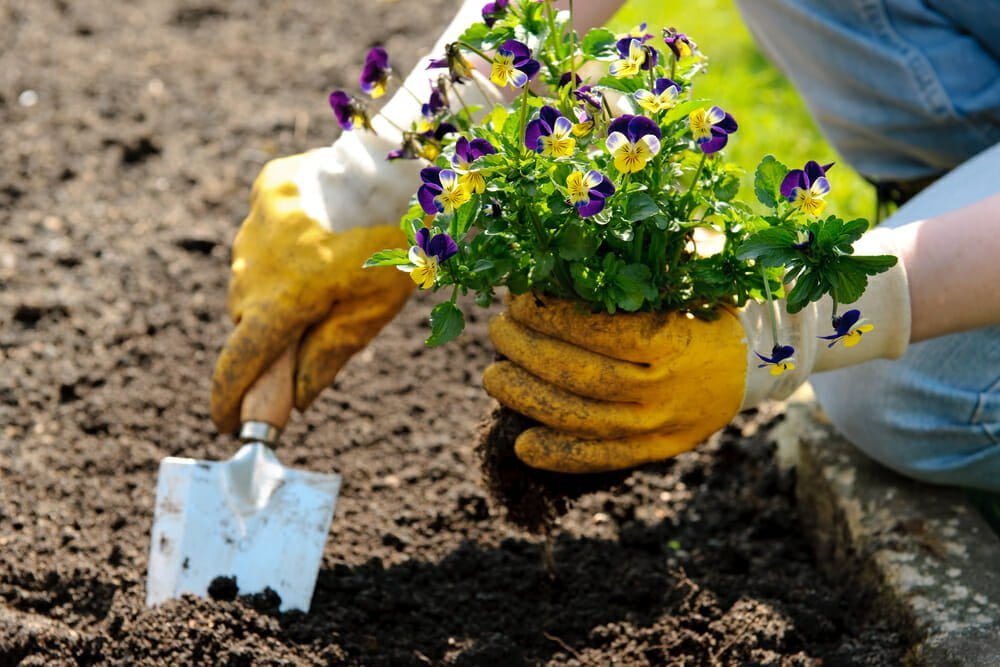
Love the idea of using container gardens to liven up your northern Utah landscape, but not sure which outdoor plants to display?

Actually, you as long as you choose the right planters, you can grow just about anything you like. That said, if you want exciting, eye-catching container gardens, you’ll need a design plan.

Container Garden, Outdoor Plants

Fortunately, creating a dramatic look isn’t difficult at all. For tips on how to choose outdoor plants and plan your container garden design, read on.

Consider Your Garden Containers

Before choosing your outdoor plants, choose your planters.

Whether you opt for unique upcycled containers or new pots from your local garden center, the planters you use must have drainage holes. Without proper drainage, the soil can become waterlogged and your plants may suffer root rot.

In addition, for container gardening success, your planters need to be large enough to accommodate the root systems of the plants you choose. To add an intense splash of color and interest to the landscape, bigger pots are usually best.

The Art to Choosing Outdoor Plants for Container Gardens

Once you’ve decided which planters to use, it’s time to think about your plant picks.

The tried-and-true thrill, fill and spill container garden design technique makes choosing outdoor plants much easier. Basically, the plan involves placing three types of plants in each planter:

  • Thrillers – Tall, upright plants that draw attention and act as a focal point
  • Fillers – Plants that cluster around the base of the thrillers and fill the soil space
  • Spillers – Plants that cascade over the container sides for added texture and color

Thrillers are usually placed in the center of the container, with the spillers around the edges and fillers in-between the two. However, if your planter will only be seen from one side, the thrillers should go towards the back.

As you consider your options for thrillers, fillers and spillers, don’t forget about their growing needs. When container gardening, you need to choose outdoor plants that require about the same type of care.

Finding Inspiration for Container Garden Design

Now that you know how to choose your plants, head to your local garden center for ideas and inspiration.

Garden centers feature a range of outdoor plants that are ideal for thrill, fill and spill containers – and, by shopping locally, you can trust that the choices offered can do well in your growing zone. As you browse, think about color and texture, and look for plants that will complement each other.

Or, if you want to take away the guesswork, you can ask the garden center staff for recommendations. An expert can guide you toward thrillers, fillers and spillers and offer ideas for showstopping container combinations.

When you’re ready to start shopping, stop by Millcreek Gardens. Our friendly and knowledgeable staff is always to help put northern Utah gardeners on the path to growing success.

As the leading local garden center for over 60 years, Millcreek Gardens is the region’s best resource for gardening advice and inspiration. For more tips on container garden design and to shop our vast selection of outdoor plants, visit us in Salt Lake City today.

What can you plant in a fall garden? If you ask us, the possibilities are almost endless.

The autumn months are great for planting. The air is cooler, which is easier on young plants – and on the gardeners putting them in the ground. In addition, the soil is still warm, so plant roots have time to become well-established before winter arrives. Keep in mind, though, that the window for planting a fall garden closes about six weeks before the hard frost hits.

fall garden ideas

Autumn planting comes with another advantage – fall is bargain time at the garden center, and you can find great deals. When you head out to shop, look for the following five types of plants well-suited for a fall garden.

Perennial Flowers

Many varieties of perennials can be planted in the autumn – in particular, plants with large root balls, like hostas, are great choices for a fall garden. Peonies and pansies can also be put in the ground now. If you plant perennial flowers in the fall, however, make sure they get at least one inch of water every week until the ground freezes.

Spring-Blooming Flower Bulbs

Plant spring-blooming flower bulbs in the fall, and you’ll have a beautiful display once the weather warms up next year. If your yard has a lot of critter activity, or you’re worried about deer, choose bulbs that aren’t usually on their menu, such as daffodils, alliums, snowdrops and grape hyacinths.

Turfgrass

If your lawn isn’t looking so green and lush, consider planting new turfgrass. Autumn is the best time to establish bluegrass, fescue and other cool-season grasses. On the other hand, if you just have a bit of thinning around the yard, overseeding – or spreading grass seed over the existing lawn – could give you the thick, healthy growth you’re looking for.

Landscaping Trees

Landscaping trees can fill in sparse areas of your yard, and their beauty can help add interest to a fall garden. Leyland cypress trees, yellow poplars, sugar maples and eastern redbuds are among the many varieties ideal for autumn planting. But be sure to choose burlap-wrapped or container-grown landscaping trees – bare-root saplings should be planted in early spring, not fall.

Shrubs

As with landscaping trees, many different types of shrubs are good for autumn planting. Some rose bushes provide colorful fall foliage, and boxwoods, oakleaf hydrangeas and viburnums are among the many shrubs that grow well in northern Utah.

Ready to plant your fall garden? Head to Millcreek Gardens, the leading northern Utah garden center for over 60 years, for a vast selection of healthy and hardy perennial flowers, landscaping trees and shrubs. We have all the flower bulbs you want, and we can take care of your turfgrass and grass seed needs.

Plus, if you have questions on autumn planting, we’re happy to provide answers – just ask, and the friendly Millcreek Gardens staff will offer up tips and expert advice. For more fall garden ideas, stop by our Salt Lake City garden center today.

Summertime may be winding down but, at your local garden center, things have not slowed down! Here at Millcreek Gardens, the fall activity is bustling – and we’re stocked with all the outdoor plants and gardening supplies you need to carry out your September gardening tasks.

september-gardening-tasks

Ready to get going? Our month-by-month garden center calendar clues you in on the most crucial September gardening chores to complete.

Harvest Garden Seeds

Collecting and storing your own vegetable seeds is a great way to get next year’s garden off to a great start. If you’re a beginner, try harvesting seeds from mature tomatoes, peppers, legumes and eggplant – they’re among the easiest to collect.

Plant New Shrubs & Landscaping Trees

Fall planting works well for many species of shrubs and landscaping trees, as it allows the plants to become established before spring arrives. For tips on which types to add to your northern Utah landscape now, stop by your local garden center.

Plant Spring-Blooming Perennials

Once the soil temperature drops below 60 degrees or so, you can plant spring-flowering perennials. Your local garden center is filled with gorgeous bulb that are ready to get in the ground, like tulips, hyacinths, daffodils, crocus and dwarf irises.

Dig Up Tender Flower Bulbs

While you’re going about your bulb planting, don’t forget to dig up tender garden bulbs and preserve them for next summer. Dahlias, begonias and other tuberous plants won’t survive the winter in the soil, so make sure this September gardening task doesn’t fall by the wayside.

Transplant Herbs to Indoor Pots

As you’re doing all that digging, take time to transplant your outdoor herbs to pots for growing indoors during the winter. Chives, parsley, thyme, rosemary and marjoram are among the herbs you should transplant this month.

Fertilize Your Lawn

As you take on your September gardening tasks, think about your lawn. Now’s a good time to apply a slow-release fertilizer, as doing so will have a long-lasting effect on the health and beauty of your grass.

Reseed Dead Lawn Areas

If your yard has bare spots, pick up some fresh grass seed at a local garden center this month. For best results, cool-season lawns should be reseeded sometime between the beginning of September and the middle of October.

Keep Garden Pests and Weeds Under Control

As with just about every other month of the year, your September gardening chore list should include watching out for weeds and garden pests. Pull any weeds as soon as you spot them and seek out treatment if you notice an insect infestation.

Would you like more information on any of these September gardening tasks? For expert advice, visit Millcreek Gardens. Our friendly and knowledgeable garden center staff is always happy to answer questions and help northern Utah homeowners achieve their landscaping goals.

Millcreek Gardens can help you keep your indoor and outdoor plants healthy, beautiful and strong all year long. For help with your September gardening tasks, visit our Salt Lake City garden center today.

Wheelbarrows are must-have gardening supplies – gardeners use them for a variety of tasks, including moving loads of mulch, hauling bricks, transplanting shrubs and even mixing fertilizer.

In the past, wheelbarrow options were limited. These days, when you head out to the local garden center to shop for gardening supplies, you’ll see a slew of choices. Here, we explain the features you’ll find so that you can have an idea of what to look for in a wheelbarrow.

Gardening Supplies 101 How to Choose a Wheelbarrow

Material

Wheelbarrow load trays can be made from several materials, including wood, plastic, and stainless steel. Fabric trays are also available, found in foldable models.

Generally speaking, the sturdier the tray material, the more you can haul in a single load. At the same time, sturdiness means more weight, which can make the operation more difficult.

Weight Limit

When you shop for gardening supplies, you’ll see that manufacturers list weight limits on wheelbarrows.

The weight limit is dependent upon the wheelbarrow construction and materials. Sturdy, heavy models are usually able to carry more, but some lightweight plastic wheelbarrows can also haul hefty loads.

Cargo Volume

Cargo volume refers to the amount of space available in the load tray – and it’s just as important a consideration as weight limit when it comes to choosing a wheelbarrow.

After all, it doesn’t matter if a wheelbarrow can carry 1,000 pounds if the tray doesn’t have room to hold 1,000 pounds of material. Volume can range anywhere from two cubic feet up to six cubic feet or more.

Handles

Wheelbarrow handles affect how easy – or how difficult – it is to maneuver through the garden.

Many models have long wooden handles, but you can also find wheelbarrows with single handles that can be easily pulled. These are usually equipped with dump features for quick unloading. In either case, handles with plasticized or rubberized grips are helpful when moving heavy loads.

Wheels

Wheelbarrows can have one, two or four tires. Most gardeners go for two-wheeled models for stability, but the type of wheel is also a crucial consideration.

High-quality wheelbarrows typically come with pneumatic tires, which are filled with air like car tires. These are the best option, as they roll smoothly over rough terrain. Plastic wheels can be less expensive, but they also break down more quickly.

Planning on shopping for gardening supplies? If you’re in northern Utah and need a wheelbarrow, come to the region’s leading garden center — Millcreek Gardens.

The friendly, knowledgeable staff at Millcreek Gardens is happy to help you find a wheelbarrow that meets your needs and fits your budget. Our garden center is stocked with a full range of high-quality wheelbarrows, and our competitive prices for gardening supplies are sure to make you smile.

The right wheelbarrow for you is waiting for you here, at Millcreek Gardens. For superior gardening supplies designed to make life easier for northern Utah gardeners, stop by our Salt Lake City garden center today.

Rose bushes are absolute stunners at this time of the summer, filled with loads of colorful blooms and lush green growth. But, even easy-care shrub roses need a bit of attention to stay healthy and keep flowering on into autumn.

Take care of your rose bushes, and you’ll be rewarded with beautiful growth and an abundance of eye-catching blooms in your northern Utah garden. Read on for expert advice on how to maintain shrub roses in the summer.

Caring for Rose Bushes During the Northern Utah Summer

Lightly Prune

Giving rose bushes a light pruning can help encourage further growth. Deadhead the shrubs first to remove the spent blooms. Then, use your pruners to cut the flowering stems back, leaving just two or three sets of leaves. A few weeks after pruning, you should see your roses back in full bloom. Keep an eye on the frost date, however – you don’t want to prune too close to the first hard frost, as new growth could be damaged by the cold.

Keep it Clean

Stopping troubles before they start is half the battle in maintaining healthy and beautiful rose bushes. The areas under and around shrubs can be breeding grounds for fungal diseases, and cleaning up can help prevent problems. To care for your roses, take time to clean up debris, including dead leaves, spent blooms and trimmings. Also, keep your pruners sanitary, giving them a cleaning before use and when moving from plant to plant.

Minimize Stress

Summertime heat and drought conditions can stress rose bushes. And, since pruning encourages growth, the practice draws on the shrubs’ energy reserves – which adds to the stress. To minimize the effects, water regularly, giving the bushes a deep soak at least once each week while the roses are flowering. Applying an organic fertilizer around the base of the plants and topping with a layer of mulch or compost can also be beneficial.

Look Out for Pests

Pruning, cleaning up and minimizing stress can reduce problems with rose bushes, but it doesn’t prevent pests from infiltrating the garden. Keep a close eye out for insect infestations, and treat any you find as soon as possible. Start with the least harmful method of pest control, then look for other options if you don’t get good results. For help identifying insects and choosing appropriate treatments, visit a local garden center.

With the right gardening advice, anyone can grow gorgeous shrub roses. For more expert tips suited to the climate and growing conditions in northern Utah, head to Millcreek Gardens.

As the region’s favorite garden center since 1955, Millcreek Gardens is one of the best local resources for information on caring for shrub roses and other outdoor plants. Our friendly and knowledgeable staff is more than willing to offer advice. If you have questions about taking care of rose bushes, stop by our Salt Lake City plant nursery today.

Planting seeds or purchasing plant nursery seedlings: Which is the better approach for planting a new garden?

Each approach has its pros and cons, and deciding whether to start from seed or buy established seedlings from a local garden center generally comes down to personal preference. Many northern Utah gardeners do both, choosing seeds for some fruits, veggies, herbs and flowers, and going with transplants for others.

So which approach is right for your garden?

Seeds vs. Plant Nursery Seedlings Which is Best for a New Garden

Pros and Cons of Planting Seeds

Starting a new garden from seed offers several advantages. The pros of planting seeds include:

Variety – When you start plants from seed, you have more plant choices.
Cost – Seeding is less expensive than buying seedlings from a local plant nursery.
Satisfaction – Few gardening tasks are as rewarding as growing a plant from a tiny seed.

Planting seeds isn’t always the preferred approach for a new garden, however. Seeding has a few cons, including:

Time – Growing a new garden from seed takes several weeks of daily care.
Space – Not all gardeners have room for seeding trays, tools, and equipment.
Loss – Seeding is a delicate process, so it brings a greater chance of losing plants.

Pros and Cons of Planting Seedlings

Many northern Utah gardeners prefer to purchase seedlings grown at a local plant nursery. The pros of this gardening approach include:

Convenience – Planting seedlings is much quicker and easier than seeding.
Control – Starting a new garden with transplants offers more predictable results.
Gratification – Gardeners delight in going from an empty garden bed to rows of tiny plants.

Transplants aren’t always best for a new garden. Plant nursery seedlings come with a few cons:

Selection – With transplants, varieties of vegetables, flowers and herbs to choose from are limited.
Expense – Though planting seedlings can be cost-effective, transplants are generally more expensive than seeding your garden.
Shock – It doesn’t happen often with seedlings from a quality local plant nursery, but transplants can wilt or die off if they aren’t hardened properly prior to planting.

Should You Start with Seeds or Seedlings?

If you’re weighing the advantages and drawbacks of seeding versus buying plant nursery seedlings, speak with a local gardening expert. To know more about this, you can also check out our seed starting guide.

Some veggies, herbs and flowers don’t do well when transplanted. Others can be a challenge to grow from seed. Experimenting with seeding can be fun, but a little guidance from a gardening expert can help you avoid losing plants.

The friendly staff at Millcreek Gardens can help you decide whether starting from seed or purchasing seedlings is the best option for the types of plants you plan to feature in your new garden. We’re always happy to help put northern Utah gardeners on the path to gardening success.

To chat with a local gardening expert, stop by our beautiful Salt Lake City plant nursery today.

Your local Salt Lake City garden center is your landscape’s best friend during the dog days of summer.

With the rising temperatures that come with the month of August, gardening can present some daunting challenges. Here at Millcreek Gardens, our garden center staff recommends getting chores done in the early morning or late afternoon to avoid the hottest time of day. And, of course, don’t forget to wear sunscreen, stay hydrated and take frequent breaks.

What does your garden need this month? Here are all the necessary August gardening tasks you’ll want to handle.

Salt Lake City Garden Center Calendar August Gardening Tasks

Keep Up with Your Watering

With the summer heat, watering is a primary August gardening concern. Deep water established landscaping trees and shrubs at least once, and make sure your outdoor plants have an ample supply.

Plant Cool Season Veggies

If you want a fall harvest, early August is the time to start thinking about planting. Cool season crops, including beets, cabbage, onion, and spinach, can all be planted now.

Deadhead Your Perennial & Annual Flowers

Just as in the previous spring and summer months, you’ll need to make deadheading a part of your August gardening chore list. Getting rid of the spent blossoms makes the garden look nicer and it encourages your perennials and annuals to flower again.

Prune Your Hybrid Rose Bushes

Later in the month, hybrid rose bushes can use a little pruning. Removing about a third of the growth can help promote better fall blossoming.

Trim Your Summer-Blooming Trees and Shrubs

Once your summer-blooming landscaping trees and shrubs have finished flowering, check them over and remove any dead or diseased branches. While you’ve got the pruners, trim them a bit for shape.

Plant New Evergreen Trees

If you want to add an evergreen tree or two to your northern Utah property, get them at your local garden center now. August planting ensures good rooting before wintertime. Ask the garden center staff for recommendations on planning, fertilizing, watering and mulching your new landscaping trees.

Watch Out for Weeds and Garden Pests

Keeping an eye out for weeds and pests is another must-do August gardening task. Dig up or carefully pull weeds as soon as you seem them emerge, and head to your local garden center for treatment if you see any pests among your outdoor plants.

Do you need advice or supplies for your August gardening tasks? The friendly staff at Millcreek Gardens, northern Utah’s leading garden center, is always happy to share their expertise. Just ask, and we’ll give you tips and pointers on how to accomplish all your gardening goals.

For expert advice all the gardening supplies you need to keep your indoor and outdoor plants at their best, stop by our Salt Lake City garden center today.

If you want to grow a healthy garden this summer, talk to your local plant nursery for expert advice. Here at Millcreek Gardens, our friendly staff loves to share their expertise on caring for indoor and outdoor plants.

Millcreek Gardens fields lots of customer questions, but we’re rarely asked what NOT to do in the garden during the hot and humid summer months. That’s why we decided to share some of our top summertime “don’ts” for growing a healthy garden.
healthy garden

Don’t Leave Standing Water in Your Garden

Standing water can be a major issue for your garden. Summer is mosquito season, and a bit of water is all the pests need to quickly multiply and become a real nuisance.

No one wants mosquitoes to take over their garden. So, at least once each week and after heavy rains, take time to check your yard for standing water – and if you find any, eliminate it. If you own a bird bath, change out the water frequently or add an aerator to prevent mosquitoes from laying their eggs.

For a Healthier Garden, Don’t Be Aggressive with Fertilizer

During hot weather, garden plants use up their nutrient reserves faster – which means they could benefit from fertilization. However, rapid absorption could result in fertilizer burn.

When high temperatures hit your part of northern Utah, plant nursery professionals recommend taking a cautious approach to fertilizing. In most cases, gardeners should the frequency of application in the summer, but decrease the amount of fertilizer applied each time.

Don’t Mow Your Turf Too Short

Although it’s not technically a part of your garden, your turf is a critical part of your landscape and the eco system of your yard. If you don’t care for it properly, you make it easier for pests, weeds and diseases to make entry which, ultimately, can affect your garden and your landscaping.

Many northern Utah homeowners give their lawns a super close cut for a neater appearance. But, in the extreme heat of summer, mowing the grass too short can cause grass to die. It can also cause you to waste precious water in your attempt to restore turf health.

The ideal mowing height varies by grass type, so you may want to ask the staff at your local plant nursery for a recommendation. As a general rule, however, no more than one-third of the grass blades should be cut each time you mow.

Don’t Overdo it With Your Gardening Activities

Bright, sunny days naturally make you want to spend time out in the garden. Be careful, though, as you could easily overheat under the brutal summer sun.

To prevent that from happening, plant nursery professionals recommend trying to get your garden chores done during the cooler hours of early morning or late afternoon. And, whenever you’re working outside, make sure to wear sunscreen and a hat, drink plenty of water and take frequent breaks.

For more expert gardening advice, stop by and chat with the experts at Millcreek Gardens. Our friendly, experienced plant nursery staff has a solid understanding of the growing conditions in northern Utah, and we’re always happy to answer questions.

As the region’s leading plant nursery for over 60 years, Millcreek Gardens is known for exceptional customer service and our diverse selection of healthy, high-quality indoor and outdoor plants. Stop by our Salt Lake City plant nursery for even more tips for growing a healthy garden this year.

When it comes to gardening, myths abound.

Gardeners have been passing along tips and advice for ages and, while some home-tested garden secrets are backed by science, others simply don’t measure up.
gardening
The next time a well-meaning friend or neighbor shares a gardening trick, check with the plant nursery professionals at Millcreek Gardens before testing it out yourself. For now, to help weed out the truth, we debunk five of the most common gardening myths.

Myth #1: Add Gravel to the Bottom Your Planters

Many gardeners think that adding a layer of gravel or a handful of pebbles to the bottom of a planter or pot improves drainage and helps prevent root rot. Actually, the opposite is true.

Excess water doesn’t move easily through the potting soil to the gravel – it only drains once the soil becomes completely saturated, much like a sponge that can’t hold any more water. To ensure adequate drainage, make sure you use a high-quality potting soil and choose planters with plenty of drain holes. No rocks or gravel necessary.

Myth #2: Fertilize Plants in Poor Health

Contrary to common belief, a sickly plant doesn’t need to be fertilized. Acting in accordance with this gardening myth could backfire, in fact, leading to additional stress and problems for the plant.

When a plant looks sick, it’s usually not from a lack of food. Instead of fertilizing, find out the cause. It could be pest infestation, poor gardening practices, compacted soil or a host of other issues.

For help with a sickly plant, visit your local garden center.

Myth #3: Stake Every Newly-Planted Tree

Staking newly-planted trees used to be a common practice, as it was believed that this helped encourage strong growth. Today, we know this to be a gardening myth.

Staked trees can grow tall, but their trunks are typically skinny and weak. Gardening experts only recommend staking top-heavy trees and those planted in a windy area or sloped site.

Myth #4: Apply Pruning Paints When You Trim

Applying pruning paint (or, worse, lipstick or nail polish) to the cut surfaces of trimmed branches is said to protect trees and shrubs from insects and disease. In fact, research suggests that following this gardening myth may slow the natural healing process after pruning.

Don’t reach for the pruning paint. Just use a sharp gardening tool and make clean cuts, then leave the branches alone – the tree or plant can heal on its own.

Myth #5: To Amend Clay Soil, Add Sand

In northern Utah, one of the most common gardening myths concerns our problematic native clay soil. For some reason, many gardeners mistakenly think adding sand is the right solution.

Unfortunately, sand doesn’t improve clay soil. In fact, adding sand creates a mortar-like substance that isn’t at all good for gardening. Instead of sand, work in some organic matter and till a layer of compost over the soil.

With all the gardening myths and misconceptions out there, you shouldn’t believe everything you hear or read. For expert advice on how to grow and care for indoor and outdoor plants, turn to the plant nursery professionals at Millcreek Gardens.

As northern Utah’s favorite local garden center since 1955, Millcreek Gardens is a valuable resource for both new gardeners and long-time green thumbs. Our friendly Salt Lake City plant nursery staff is always happy to answer questions and offer advice. Stop by today to get the expert opinions you need to bust your gardening myths.

If you love gardening, a greenhouse could be the perfect addition to your northern Utah property.
greenhouse
Greenhouses can be pricey. According to HomeAdvisor.com, the average cost to have a greenhouse built is just under $14,000. However, if you’re a handy homeowner, you can build your own greenhouse for substantially less money.

Many websites provide free building plans but talking to someone with greenhouse experience – like the staff at Millcreek Gardens – can help ensure your DIY project is an affordable success.

Save with Salvaged Materials

Building a greenhouse with new supplies is the easiest way to go, but you can see big savings if you use salvaged goods instead. Often, you can source free project materials You might have to do a bit of cleaning or make alterations to the plans, but the cost savings will make the extra effort worthwhile.

Think About the Climate

Greenhouses need an abundance of sunlight, but you may need to use a shade cloth if high temperatures hit your part of northern Utah. And, if your property gets heavy wind, you might need a fence or hedge to act as a windbreak. In addition, unless you add insulation, you’ll need a plan for cold weather greenhouse growing.

For tips on working around climate, ask the staff at your local garden center.

Include Storage Space

You might be tempted to fill your greenhouse with plants – who wouldn’t be? But, while this would make maximum use of the space, don’t neglect the importance of storage space. If you don’t plan a spot inside to stash your gardening supplies, you’ll have to carry them along every time you visit the greenhouse or resign yourself to making trips back-and-forth to wherever you have them stored.

Save yourself these headaches, and make sure your building plans include storage space.

Don’t Forget to Anchor Your Greenhouse

Make sure that your greenhouse is firmly anchored to the ground. Otherwise, a storm or blustery winds could uproot the structure and wreak havoc on the plants you have inside. If that happens, all your hard work in building the greenhouse and in growing the plants could be for naught.

Are you new to greenhouse growing? For expert advice, drop by Millcreek Gardens. Our friendly staff has the knowledge and experience to help you achieve success with all your landscaping and gardening endeavors.

Millcreek Gardens is northern Utah’s leading garden center, a local favorite for over 60 years. Our plant nursery is stocked with a vast range of healthy indoor and outdoor plants, and we carry a full line of high-quality gardening supplies that can make your life easier. Visit our Salt Lake City garden center today – we’d love to help you get started with greenhouse gardening.