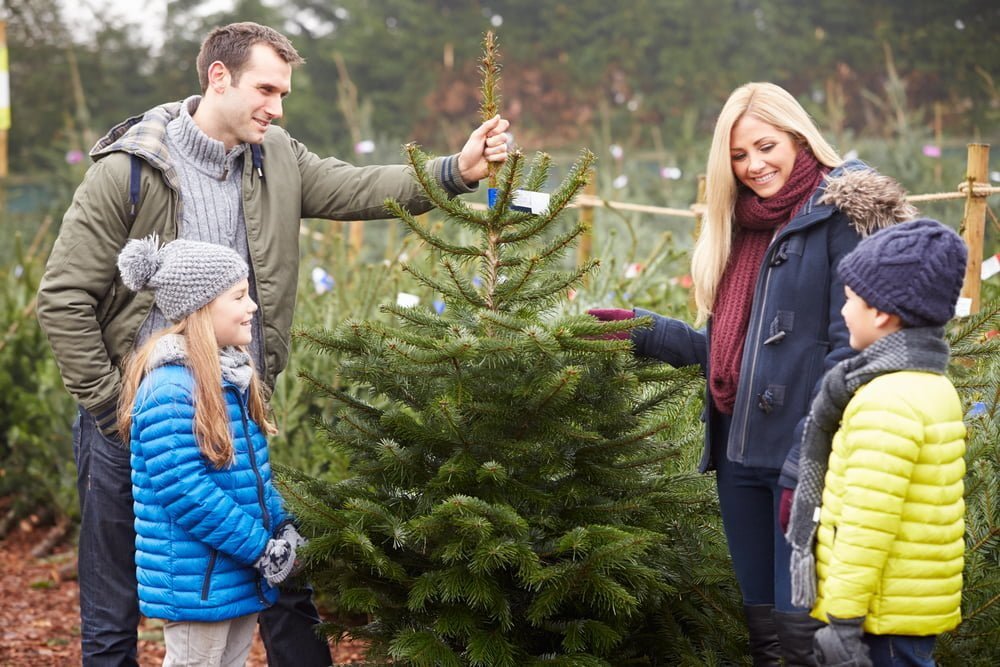
Visiting your local plant nursery to choose a Christmas tree is a fun holiday tradition and, for many families, this annual trek creates lifelong memories.

However, finding a good-looking, healthy specimen that suits your needs and lasts through the entire holiday season isn’t always easy. Before you start your search, check our Christmas tree buying guide.

choosing christmas tree

Think About the Type of Christmas Tree You Want

Christmas trees come in a vast range of shapes, sizes, textures and colors. For an easier time navigating the selection at your local plant nursery, decide ahead of time which types you prefer.

Some of the more popular varieties include:

  • Fraser fir – Features soft, sturdy dark green needles with a silvery underside and strong branches
  • Douglas fir – Features soft, flat blue-green needles and a perfectly conical shape
  • Balsam fir – Features short, dark green needles and a slender, spire-like crown
  • Blue spruce – Features sharp, bluish-gray needles and stiff, strong branches
  • Scotch pine – Features short, bright green needles and sturdy branches that curve upwards

To decide which variety to purchase this holiday season, think about the needs of your household. If you have children, for example, softer needles may be crucial. Or, depending upon the type of Christmas decorations you plan to use, you may want a variety with strong branches.

Measure the Available Space for Your Christmas Tree

Before you grab your family for the annual holiday tree hunt at the local plant nursery, you need to consider the space you have available. After all, you don’t want to come home with one that’s way too tall or broad.

Measure ceiling height of the room where you plan to display the tree, then measure the available floor space to determine the maximum tree width the room can accommodate. Bring these measurements with you to the plant nursery, and make sure any tree you consider meets the guidelines.

How to Choose a Fresh, Healthy Christmas Tree

Plant nurseries typically take great care to provide the freshest, healthiest specimens. However, to make sure you choose a Christmas tree that will last through the holiday season, check the following:

  • Trunk – The trunk should be slightly sticky if the tree is fresh.
  • Needles – If you gently pull on the inside of a branch, the needles should stay put.
  • Coloration – Look for even coloring throughout the foliage.

For a large selection of fresh, healthy Christmas trees in northern Utah, visit Millcreek Gardens. Every holiday season, we fill our plant nursery with high-quality trees of various species – and each one is fresh, healthy and beautiful.

When you’re ready to go tree shopping, the Millcreek Gardens staff can offer expert advice and suggestions to help your family make a choice. To find your perfect Christmas tree, head to our Salt Lake City plant nursery today.

For anyone with a green thumb, watering indoor plants is second nature. For novice gardeners, however, figuring out when and how much to water can be a challenge – and incorrect techniques can put houseplants at risk.

If you don’t seem to have an innate ability to keep houseplants happily hydrated, you can easily learn. Follow these do’s and don’ts of watering, and your indoor plants will be in the pink.

water indoor plants

DO Use a Watering Can

A watering can has a long spout that allows you to precisely direct the flow of water to the base of a houseplant. Use a drinking glass or bottle instead, and you’re just asking for a mess.

DON’T Use Softened Water

Water softening systems use sodium, which can negatively affect the health of your houseplants. If your softener connects to both the hot and cold faucets – or if you aren’t sure how it’s connected – fill up your watering can at an outdoor spigot. Or, use filtered or purified water.

DO Water Indoor Plants as Needed

To know when your houseplants need a drink, touch the soil. If it’s dry, the plant needs water. If the surface is moist, hold off on watering. Check every single specimen – just because one needs to be watered doesn’t mean they all do.

DON’T Follow a Watering Schedule

You can set a schedule for checking to see if your indoor plants need water, but don’t base your watering on the calendar. Sticking to a once-a-week plan can lead to overwatering and underwatering, as some houseplants may need watered more or less often.

DO Soak the Soil Thoroughly

When your indoor plants need to be watered, don’t just give them a tiny sip. Soak the soil thoroughly, until water starts to come out of the pot’s drainage holes. Giving houseplants a good, long drink encourages healthy root system development.

DON’T Let Indoor Plants Sit in Water

Soaking the soil is important, but don’t go overboard and add too much – if houseplants sit in water, they can develop root rot. If you accidentally overwater, use a turkey baster to remove the excess.

Need more tips on how to keep houseplants alive and healthy? In northern Utah, the friendly plant nursery professionals at Millcreek Gardens are always happy to offer advice and information on indoor and outdoor gardening.

Following the watering guidelines listed above will keep most houseplants happy, but some plants – like cacti and certain succulents – may prefer drier conditions. And, some exotic indoor varieties may need more of a drink.

If you’re not sure how much water your houseplants need, check the plant tags. Or, simply stop by Millcreek Gardens. We’d love to help you learn how to care for your indoor plants – come see us in Salt Lake City today.

Are you looking for practical gardening gift ideas for the seniors on your holiday list? For many older adults, spending time out in the garden can be painful but the right tools and gardening supplies can make tasks easier and more enjoyable.

If any of your loved ones have problems with their hands, knees or back that make it difficult to plant and grow a garden, any of these gardening gifts are sure to please.

gardening gift ideas

Ergonomic Gardening Tools

Many gardening tools can be difficult for senior gardeners to use. Ergonomic tools are specifically designed to make tasks easier for older adults with arthritis, carpal tunnel, and other hand problems. Give your loved on an ergonomic garden tool, and they’ll have less pain when they’re taking care of their plants.

Water Wand

For senior gardeners, a water wand can be a great gardening gift idea. Simply attach the wand to the garden hose, and watering hard-to-reach plants becomes much easier. Look for a water wand with a telescoping handle, as that makes the garden tool all the more useful.

Rolling Garden Seat

Another gardening gift that’s great for seniors is a rolling garden seat. Older adults often have difficulty bending to pull weeds and prune outdoor plants – and a wheeled seat serves to make those tasks much easier. Some models can also double as a carrier for gardening supplies.

Padded Kneeler Bench

To complete some gardening tasks, like sowing seeds and planting seedlings in a garden plot, it’s necessary to kneel. For senior gardeners with knee problems, this can be painful. A padded kneeler bench with handles reduces the strain and allows for easier gardening.

Garden Wheelbarrow

A lightweight, easy-to-maneuver wheelbarrow is a smart gift idea for senior gardeners. With a wheelbarrow, your loved one can easily and efficiently move gardening supplies around their property – and for anyone with joint pain or back problems, this can make a big difference.

Raised Garden Bed

For older adults with back and knee problems, a raised garden bed could be the perfect present. This type of planter is easier to tend than a garden plot, as the plants are at a higher level. Raised beds come in varying heights, so this gardening gift can also suit senior gardeners who are in wheelchairs.

You can find all of these tools and supplies – plus many other thoughtful gardening gift ideas for senior gardeners – at Millcreek Gardens in northern Utah. Our plant nursery is packed with beautiful, healthy indoor plants that are great for gifting, and our unique garden décor, ornaments and home accents make for perfect presents.

The friendly Millcreek Gardens staff would love to help you with your holiday shopping. If you have senior gardeners on your list this year, drop by our Salt Lake City plant nursery for more inspired gardening gift ideas today.

In November, gardening tasks primarily involve getting ready for the frosty weather, since winter is right around the corner.

When it’s too cold or wet to work outside, visiting your local garden center is always a good idea. On the days when the weather isn’t quite so frightful, head outside and work on the following November gardening tasks.

november gardening utah

Water Evergreen Trees and Shrubs as Needed

If your region hasn’t seen much precipitation and the ground hasn’t frozen yet, garden center professionals advise giving your evergreen trees and shrubs a drink. Watering now can help ensure that the plants get the hydration they need to get through the winter.

Protect Newly Planted Evergreen Trees

Did you recently plant new evergreen trees? Some varieties need burlap screens for protection from the harsh winter winds. The staff at your local garden center can let you know if your evergreens need screens and, if so, point you toward the right gardening supplies.

Winterize Your Lawn Mower

You won’t be mowing the grass this month, so your November gardening task list should include winterizing the lawn mower. This typically means changing the engine oil and draining the gas or adding a fuel stabilizer, but be sure to follow the manufacturer recommendations for your machine.

Winterize Your Garden Hoses and Outside Faucets

To prevent damage during freezing weather, take care of your garden hoses and outside faucets in November. Gardening experts recommend disconnecting and draining hoses, then coiling them for storage. As for faucets, shut off the water, then add foam covers for insulation.

Winterize Your Sprinkler System

If you have a lawn sprinkler system, you need to protect the components from freezing during the winter. To do so, turn off the flow of water at the main valve, then turn on the sprinkler valves to eliminate any remaining water within the plumbing. For further protection, you can have the system blown out with air – ask your local garden center staff to recommend an irrigation professional to complete the task.

Clean and Sharpen Your Gardening Tools

Since there aren’t too many November gardening tasks you need to accomplish, this month is a great time for seasonal tool maintenance. Clean off any dirt and debris on your gardening tools, then sharpen the blades with a file or bench grinder. To prevent rust, use a cloth to wipe the surfaces with oil.

If you live in northern Utah and need expert tips on the necessary November gardening tasks, head to Millcreek Gardens. Our friendly and knowledgeable garden center staff is always happy to share information and ideas.

Millcreek Gardens is also the go-to source for high-quality gardening gifts. If you have any green thumbs on your list this year, the perfect presents are here at our garden center. To do your holiday shopping, or to find solutions and supplies for November gardening, visit us in Salt Lake City today.

Plant the right landscaping trees, and your northern Utah property can have breathtaking beauty all year long.

In the spring and summer, perennials and annual flowers tend to steal the show. Once fall arrives and the flowers fade away, deciduous trees become the focus – how could they not, with their riot of fiery-hued foliage? Here, in no particular order, are our favorite landscaping trees for eye-catching fall color.

Fall Foliage Pictures | Download Free Images on Unsplash

No. 1: Sunset Series Maples

With vibrant red, yellow and burnt orange leaves in the fall – and the vast growth potential – Sunset maples make a big landscape statement.

No. 2: Sensation Box Elder

As the name suggests, this native maple has gorgeous red foliage in the fall. But, autumn leaves of this landscaping tree can also burst forth in fiery shades of yellow and orange.

No. 3: Paper Bark Birch

With its bright white bark and heart-shaped leaves, the paper birch already attracts attention. When autumn arrives, however, the brilliant golden color really draws the eye.

No. 4: Yellowwood

Featuring broad oval-shaped leaves that turn striking yellow, gold, and orange in the autumn, the Yellowwood is always a stand-out choice.

No. 5: Ginkgo

The fan-shaped leaves of the ginkgo are absolutely stunning. In the fall, the foliage displays a dazzling show of radiant yellow color that stops people in their tracks.

No. 6: Autumn Brilliance Serviceberry

Another all-season beauty among landscaping trees, the downy serviceberry puts out impressive red and gold foliage in the autumn months.

No. 7: Frontier Elm

Frontier elms are fabulous shade trees for escaping the summer heat, and do well in highly urban settings. Oval leaves are bright green in summer and deepen to a reddish purple.

No. 8: Chinese Pistache

Although a relative of the pistachio, the Pistache doesn’t produce nuts. Instead, this medium-sized tree will reward you with an upright shade canopy and dramatic pinnate foliage that blazes orange and crimson in the fall.

No. 9: American Hornbeam

This low-maintenance tree is tolerant of tough urban conditions, is hardy down to -30°F, and can grown in full shade as well as full sun. Strong upright branches are ablaze with red and orange foliage in the fall.

Are you thinking about planting new landscaping trees for a fall foliage show at your northern Utah property? Find these varieties, along with a vast selection of other outdoor plants and shrubs for amazing autumn beauty, at Millcreek Gardens.

And, if you have questions, our friendly staff is more than happy to offer advice on how to give your yard fantastic fall color. To chat with the Millcreek Gardens team, or to shop for new landscaping trees, visit our Salt Lake City garden center today.
So, you’ve been waiting patiently for your fall-flowering shrubs to bloom. But it’s getting late in the season, and they still aren’t blooming. What gives?

Don’t lose heart if your shrubs are lacking flowers. The failure to bloom can occur for a number of reasons, many of which are fixable with a little help from your local garden center. If your fall-flowering shrubs aren’t blooming, the issue is probably related to one of the following.

fall flowering shrubs

Age of the Shrubs

How old are your shrubs? If they were recently planted, they may need more time to bloom – some fall-flowering varieties take a few years to start producing flowers. Here, patience is the only solution.

Conversely, if you planted the shrubs long ago, advancing age could be the culprit. Many varieties stop blooming as their branches age, but some can gain a second life through pruning – ask your local garden center staff for tips.

Poor Planting Spot

Flowering shrubs bloom abundantly when they’re planted in spots that satisfy their growth needs.

With too much light, shrubs may lack the necessary energy for flower production. With too much shade, the buds may not even form. If your planting sites don’t offer the amount of sun your shrubs require – which varies among different varieties – this might be the reason for their failure to bloom.

Shrub Stress

Is there a chance your flowering shrubs could be stressed? Plant stress can affect blooming in fall-flowering varieties.

Several situations can create plant stress, including poor-quality soil, pest or disease infestation, temperature extremes, assaults from deer and environmental issues. Shrub stress and the resulting failure to bloom can also occur as a result of transplant shock. For help diagnosing and treating stressed plants, head to your local garden center.

Improper Pruning

When it comes to pruning shrubs, most fall-flowering varieties need to be cut back in the early spring before the flower buds put out new growth.

If you pruned too late in the spring, you might have accidentally cut off the buds – which would explain why you aren’t seeing flowers. In that case, you’ll have to wait until next fall to enjoy your flowering shrubs.

Fertilizer Choice

Some gardeners think that when fall-flowering shrubs aren’t blooming, they must need fertilizer – and that could be true.

However, many fertilizers are heavy in nitrogen, which encourages leaf production – not flower development. When you want blooms instead of only leafy growth, you need to apply a fertilizer that’s heavier in phosphorus. If you chose the wrong type for your last application, you may not see blooming until next fall.

Think you’ve zeroed in on the reason your fall-flowering shrubs aren’t blooming? The friendly and knowledgeable experts at Millcreek Gardens can offer solutions, such as rejuvenation pruning or fertilizer application, to bring beautiful blooms to your northern Utah landscape.

And, if you’re not sure why your shrubs have failed to flower, the Millcreek Gardens team can help you pinpoint a reason and find an effective way to solve the problem. For expert advice on blooming problems in fall-flowering shrubs, stop by our Salt Lake City garden center today.

Fall is a great time to organize your gardening supplies. After all, you don’t have quite as much to do out in the garden, so you’ll be able to devote your attention to getting the task done. And, if you get organized now, you won’t waste any time hunting down your gear next spring

For practical, easy and inexpensive ideas on how to get all of your gardening supplies in order, read on.

organize gardening supplies

Long-Handled Garden Tools

The best way to organize rakes, hoes and other long-handled tools is to hang them on the wall of your garage or garden shed. Keep them off the ground, and they’ll stay in tip-top shape for longer.

Small Garden Tools

For organizing small tools such as pruners and hand trowels, use magnetic strips – like the kind used for kitchen knives and automotive tools. Or, fill an empty pot with some sand and stick the gardening tools inside, with their handles poking out for easy grabs.

Garden Gloves

Don’t put your garden gloves in a pile somewhere, as they can get moldy if they don’t dry out between uses. Instead, mount clothespins on a section of particleboard, hang it on a bare wall and clip the gloves in place.

Fertilizers and Pesticides

If you have extra fertilizer or pesticide, make sure it’s stored out of reach to kids and pets. Try wire baskets, affixed high on a wall – they’ll keep the gardening supplies organized and easily visible, while also providing safe, out-of-the-way storage.

Garden Seeds

To remain viable, seeds need a dark storage spot with a cool temperature and low humidity, like the refrigerator or an unheated garage. Beyond that, a closed container is a must – try mason jars or small plastic containers.

Garden Pots and Planters

If you have an abundance of garden pots and planters to organize, as many gardeners do, consider adding a free-standing shelving unit to your garage or shed. Look for one with deep shelves that adjust in height, and you’ll be able to accommodate planters and pots – as well as other gardening supplies like watering cans and boots — in a range of sizes.

Potting Soil

You really shouldn’t have all that much leftover potting soil, so it really doesn’t require a unique organization solution. Simply stash what you have on a spare shelf or alongside the fertilizer in a wall-hanging wire basket.

If you want more ideas for getting your gardening supplies organized, head to your local garden center. Here at Millcreek Gardens, based in northern Utah, we offer a range of storage and organization products that can help you get your gear in good order.

While you’re here, take a moment to browse our vast selection of garden tools and gardening supplies – you might just find something you won’t want to live without, and we have fabulous sales in the fall and winter months. To shop for high-quality gardening supplies and tools to help you get organized, visit Millcreek Gardens in Salt Lake City today.

The trees may be starting to drop their leaves, but raking isn’t the only task to put on your October gardening checklist – there’s plenty you can do to ensure your landscape is ready for the coming months.

If you’re not sure what you need to accomplish this month, the staff at your local garden center can point you in the right direction. In the meantime, the following list contains all of the most important October gardening tasks.

october gardening

Remove Spent Vegetable Plants

After harvest, remove the vegetable plants in your garden. Taking the time to pull them up helps keep the insects down, as you’re eliminating some of the spots where they might spend the winter.

Dig Up Your Annual Flowers

By October, many of your annual flowers are probably spent. As with the veggie plants, remove them to reduce the chance of your gardens becoming home to pests and insects this winter.

Rototill Your Garden Soil

Once all the spent plants are gone, rototill your soil. Working compost, leaves or manure into the ground enhances microbe activity, which can help improve the quality for next year’s plantings.

Plant Garlic Cloves

Itching to put some new plants in the ground? Garlic cloves can be planted anytime from the middle of October up through the early part of November. Plant the cloves now, and they should be ready for a summer harvest.

Protect Your Landscaping Trees

When the weather gets cold, some trees need extra protection. To prevent the trunks of young landscaping trees from cracking, apply a white reflective tree wrap, purchased from your local garden center. For evergreens, which are susceptible to snow breakage, use a trunk wrap made of burlap or another soft material.

Consider Cold Frame Gardening

Cold frame October gardening allows you to enjoy vegetables and flowering plants throughout the colder season. Build your own enclosed frame, or choose from a selection of kits at your local garden center.

Clean Up Fallen Fruit and Leaves

A key element of October gardening is clean up. Pick up any fallen fruit and discard to help eliminate sites for pests, insects and disease. Keep your lawn and gardens free of leaves, weeds and grass clippings, too. The plant debris can be added to your compost pile.

Continue to Watch for Pests and Disease

Pests and plant disease can still be a problem in the fall, so be on the lookout as you go about your other October gardening tasks. If you spot a potential insect infestation or diseased plants, ask your local garden center staff to recommend an effective treatment plan.

If you have questions or concerns about any October gardening task, stop by Millcreek Gardens and speak to our friendly and knowledgeable garden center staff. Our plant professionals love to share their expertise with fellow northern Utah gardeners.

For expert advice on October gardening – and to shop for cold frames, landscape tools and any other gardening supplies you may need – stop by the Millcreek Gardens plant nursery and garden center in Salt Lake City today.

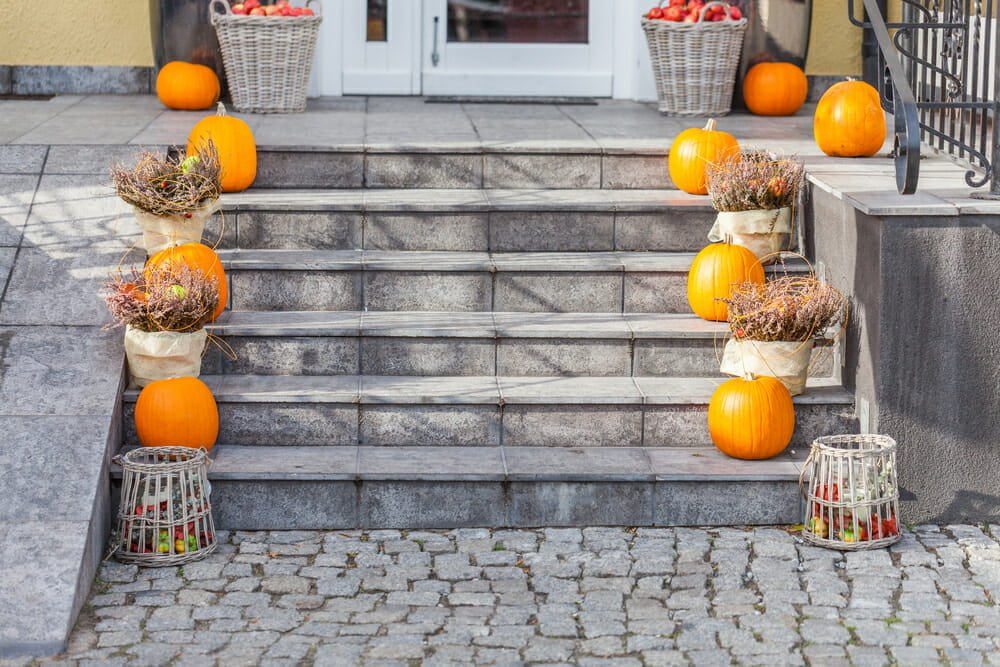
When you head to the local plant nursery to select the gardening supplies you need for the fall season, don’t forget to shop for Halloween garden décor.

Sure, you could get your decorations from a nearby big box store – but why not get a little creative this year? With a bit of planning and the right details, you can create a seasonal display that’s a neighborhood standout.

Plant Nursery Halloween

Showing off your Halloween spirit is easy when you have a theme in place. For inspiration, visit Millcreek Gardens or, try one of these spook-tacular ideas from our plant nursery staff.

Pumpkins, Pumpkins Everywhere!

At Halloween, most families carve just a few jack-o-lanterns for the front porch. Instead of going that route, why not turn your garden into the neighborhood pumpkin patch?

Pumpkins and ornamental gourds of all shapes, sizes and colors are available at the plant nursery. Pick a bunch, then place them all around your yard. You can cluster groups around your shrubs and landscaping trees, and cascade several down your porch steps. Dot the lawn with more pumpkins, filling the spaces between with straw or greenery for a Halloween garden patch that looks ripe for the picking.

Spook-Tacular Garden Décor

Would you rather have ghoulishly delightful garden decorations? Skip the fake cobwebs, plastic skeletons and goofy ghosts, and use spooky plants instead to create a creepy effect.

Container gardens filled with Venus flytraps, crested euphorbias, sundews, black mondo grass and other magically macabre plants are far spookier than traditional Halloween decorations. For an even more eerie look, use distressed wood, rusty gates and weathered historical markers to set off the slightly sinister containers.

Harvest-Time Fun for Halloween

A harvest theme is an easy way to bring Halloween fun to your garden décor – and you can find everything you need to set the mood at your local plant nursery.

To create a harvest-time look this Halloween, place bales of hay in your garden beds and around the lawn. Surround the bales with corn stalks, colorful gourds and festive-looking Indian corn. Add a scarecrow or two and a few jack-o-lanterns, then scatter the yard with dried autumn leaves. For a pop of color, stash pots of marigolds, chrysanthemums, heleniums or asters inside hollowed-out pumpkins.

At Millcreek Gardens, our plant nursery is stocked with plenty of possibilities for Halloween garden décor. Come in for a spell, and our friendly staff will happily help you create a magical seasonal display that delights trick-or-treaters.

For more fun ideas and expert tips on giving your northern Utah landscape a boo-tiful Halloween look, visit the Millcreek Gardens plant nursery in Salt Lake City today.

Your local plant nursery is stocked with a wide range of high-quality pruning tools of all different types – and if you’re like many gardeners, you may not know which tool is best for cutting tasks like pruning shrubs.

Generally speaking, your choice of pruning tools hinges on the size of the branches you plan to cut. So, before you head to the plant nursery to shop, take a careful look at the shrub and tree limbs that need to be pruned and check the following guide to see which type of pruning tools you need.

Plant Nursery pruning tools

Hand Pruner

A hand pruner is the ideal tool for cutting branches that are one inch or less in diameter. Bypass pruners – they type that cuts like scissors – offer the cleanest cuts, but ratchet pruners do the job with less effort. Either way, experts recommend choosing a tool with curved, heavy-duty cutting blades and a comfortable grip.

Lopping Shears

Also called loppers, lopping shears are good for cutting limbs that are about two inches in diameter – but check the label to be sure what branch size they can handle. As with hand pruners, bypass blades offer cleaner cuts; however, some loppers have a gear-like feature that makes pruning easier work. Lopping shears come in a variety of lengths, allowing you to cut branches that are slightly out of reach.

Pole Pruner

Like loppers, pole pruners are used to cut branches that are up to two inches in diameter, and experts recommend bypass blades for the cleanest cuts. The difference? A pole pruner allows you to tackle limbs that are beyond your reach – without standing on a ladder.

Pruning Saw

Pruning saws are designed to cut branches with a diameter of up to three inches, though with a bit more effort they can prune limbs that are little larger. Unlike many other types of saws, pruning saws cut on both the pull and push strokes to allow for cleaner cuts.

Pruning Tool Tips from Plant Nursery Pros

If you need to prune branches that are larger than three inches in diameter, you may want to have a local certified arborist take on the task. The same goes for limbs that you can’t easily reach, even with a pole pruner.

For cutting jobs you can handle yourself, you’ll want sharp pruning tools. When you’re at the plant nursery, look for a sharpening stone to hone the cutting blades of your hand pruners, loppers and pole pruners. Pruning saws need professional sharpening or replacement blades if they get dull.

Plant nursery pros recommend sanitizing pruning tools between cuts, particularly when cutting branches of diseased trees and shrubs. To sanitize, simply immerse the blades in rubbing alcohol for one or two minutes.

You can, of course, always ask the plant nursery staff for advice on choosing, using and maintaining pruning tools. Here at Millcreek Gardens, the leading Salt Lake City area garden center since 1955, we’re always happy to help out our fellow northern Utah gardeners.

To chat with the friendly and knowledgeable Millcreek Gardens staff – and to shop our vast selection of high-quality pruning tools and other must-have gardening supplies, stop by our plant nursery today.