At your local garden center, you can find everything you need to help your spring plantings flourish – and that includes expert advice on soil maintenance.

If garden growth and plant health have been problems in the past, the quality of your soil could be to blame. In that case, improving it is the key to achieving a bountiful, beautiful landscape full of thriving plants.

Fortunately, shaping up your soil doesn’t take a lot of time and effort. Follow these easy steps to soil maintenance, and you’ll be on your way to gardening success.
Garden center guide to spring soil mix

Remove Rocks

Rocky soil can be a definite hindrance to garden growth. When too many rocks are present, plants have difficulty putting down roots and in getting the water and nutrients they need to flourish.

Before planting this spring, use a rake or soil sifter – available at your local garden center – to remove rocks from the top few inches of your garden beds. Doing so can have a dramatic impact on plant health.

Aerate the Soil

Aeration is the next step to soil maintenance. Soil that is heavily compacted or has a high clay content is detrimental to plant growth, as it has poor drainage.

To aerate your soil, stop by your local garden center and pick up a spike or plug aerator tool. Use it throughout your planting sites, and you’ll notice an improvement in the health and beauty of your outdoor plants.

Add Organic Material

Just about any garden can benefit from the addition of organic matter. As it breaks down, the soil will absorb the nutrients and pass them along to your plants.

Working compost into the first several inches of your garden beds before planting this spring can provide you with greater gardening success. If you don’t have a compost bin, you can purchase the organic material at your local garden center.

Test the Soil

When you visit the garden center, make sure to pick up a soil test kit. Follow the instructions, and you’ll know right away where yours stands in terms of nutrient content and pH level.

For more accurate results that allow you to identify specific amendments for soil maintenance, you can purchase a kit designed to send samples out to a lab for analysis.

Amend the Soil

Depending upon your test results, you may need to adjust the pH balance of your soil. If yours is too acidic, adding ground limestone can resolve the problem. If the garden bed is too alkaline, you may need to add sulfur.

In addition, ask the plant experts at your local garden center about ongoing soil maintenance. As your plants grow and use up the available nutrients, you may need to consider fertilization – and you’ll need a product that is formulated to meet your particular plant needs.

Do you have questions about how to achieve gardening success this spring? If you live in northern Utah, the friendly and knowledgeable plant professionals at Millcreek Gardens are happy to share their expertise. For help with soil maintenance, or to shop for the gardening supplies you need to grow healthy, beautiful plants, visit our Salt Lake City garden center today.

A climbing rose bush, with trails of beautiful blooms, makes for a stunning garden focal point.

Getting to that point, however, doesn’t come without some effort on your part. Left to their own devices, climbing roses will still bloom — but they won’t climb. Instead, they tend to become awkward-looking shrubs.

Fortunately, training a climbing rose bush isn’t all that difficult. Follow these steps, and you’ll have the dramatic display of roses you desire.
How to train a climbing rose bush

Choose a Planting Site

As with any other outdoor plant, climbing roses need the right growing conditions to thrive. Choose a site with plenty of sunshine – most varieties need at least six hours of direct sunlight per day.

Install a Support Structure

Roses won’t climb unless they have a structure for vertical support. Their long structural canes need to be attached to or woven into some sort of framework, such as a trellis, arbor or fence. Choose a structure that’s strong enough to handle the weight of a mature plant, and make sure it’s firmly anchored in the ground.

Plant the Climbing Rose

Amend the soil, if necessary, and dig a hole for planting in the center of the support structure. The hole should be about two feet deep and twice as wide as the roots of the rose bush. Place the plant, add more soil and water deeply. To finish, spread compost and add a layer of mulch.

Attach the Canes to the Structure

Find the sturdiest structural canes and loosely attach them to the support structure. Use flexible ties, such as strips of pantyhose or stretchy cloth, as ridged ties could cut into the canes as they grow.

Maintain the Rose Bush

After the first year, begin training the structural canes to grow horizontally – this encourages the development of more side shoots, which leads to more blooms. As the canes become longer, use more ties to provide support and guide their growth. Once the climbing rose is about three years old, start pruning each spring.

Are you ready to beautify your landscape with a climbing rose bush? The friendly and knowledgeable staff at Millcreek Gardens can recommend rose varieties suited to the growing conditions in your part of northern Utah.

Along with an array of gorgeous and healthy plants, Millcreek Gardens has all of the gardening supplies you need – and we’re always happy to offer tips and advice to our fellow Salt Lake City area gardeners.

For more information on how to train a climbing rose bush, or to shop for the must-have gardening supplies, stop by Millcreek Gardens today.

Who doesn’t love browsing the local plant nursery and having gorgeous, bountiful home gardens? Unfortunately, doing the work to create a lush landscape can sometimes seem like a chore.

Take heart, however, because easier gardening is in reach. Use these tips from the plant nursery professionals at Millcreek Gardens, and you can enjoy a beautiful landscape without investing a ton of time and effort into the cause.
Plant nursery gardening tips

No 1: Start with Quality Garden Soil

The better the soil, the healthier the plants – and healthy plants require less attention. Test your soil, and if it’s less than optimal, visit the local plant nursery for advice on amendments.

No. 2: Choose Low-Maintenance Perennials

Before buying any plants, read their tags. For easier gardening, look for perennials – or, ask the plant nursery staff to recommend low-maintenance options.

No. 3: Group Plants with Matching Needs

If you have plants with different care needs scattered all around the yard, it will take more of an effort to keep them healthy. Group like with like for easier gardening.

No. 4: Add a Layer of Garden Mulch

Mulch makes for easier gardening, as it retains moisture and, therefore, allows you to water less often. Plus, it enriches the soil and works to help keep weeds in check.

No. 5: Pull Up Weeds When They’re Young

Speaking of weeds, pull them as soon as you see them. The younger they are, the easier the gardening task is – and, pulling weeds prevents them from reproducing.

No. 6: Take Time to Deadhead

Spend a few moments deadheading self-seeding perennials, and you’ll spend less time dividing out-of-control plants later on. If you’re not sure how, ask the local plant nursery staff.

No. 7: Use the Right Plant Fertilizer

When it comes time to feed your plants, choose an organic fertilizer from your local plant nursery. Synthetic fertilizers are more of a short-term fix, so they require more frequent application.

No. 8: Consider Raised Bed Gardens

When a garden has definite boundaries, it’s much easier to care for. Planting in raised beds also means saving your back from the strain of constant bending.

No. 9: Invest in Efficient Gardening Tools

Repetitive motions stress the joints and using some gardening tools can be painful. Ergonomic tools designed for comfortable use make for much easier gardening.

No. 10: Keep Your Garden Design Simple

When deciding on your garden design, don’t go overboard. Plan for easier gardening by keeping it simple — only use as many outdoor plants as you can truly maintain.

If you live in northern Utah and are looking for ways to make gardening easier, stop by Millcreek Gardens. Our plant nursery is stocked with plenty of delightful low-maintenance perennials, and we carry an extensive range of ergonomic, easy-to-use gardening tools.

The friendly and knowledgeable Millcreek Gardens staff is always happy to share their expertise. For more advice on easier gardening, visit our Salt Lake City plant nursery today.

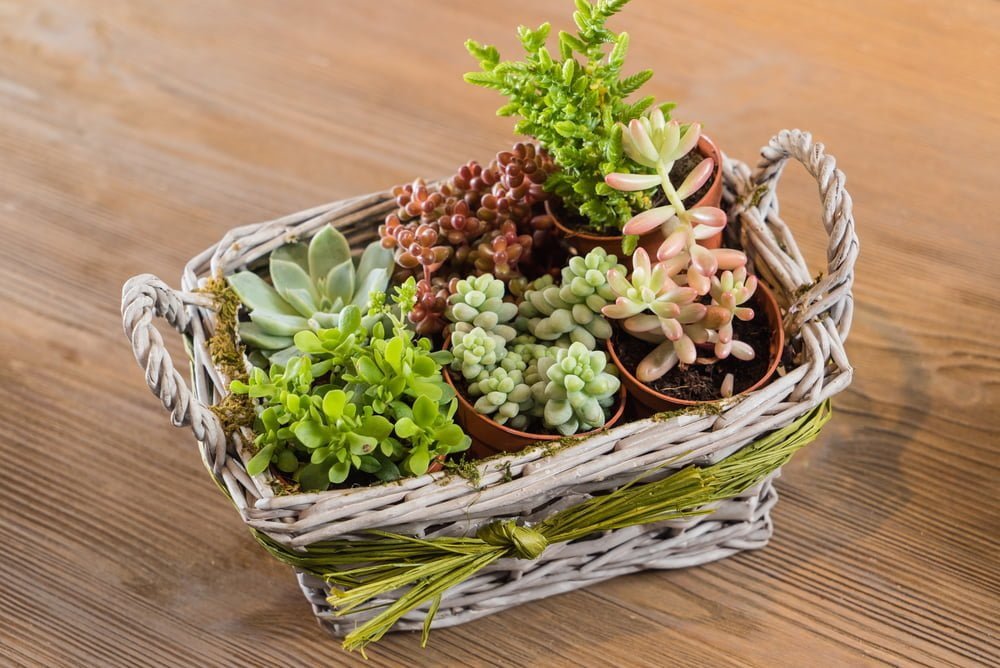
An indoor succulent container garden can bring instant beauty to your home or office. And, you don’t need a green thumb to achieve success with this gardening project – creating a beautiful display is easy, and the plants don’t need much ongoing care.


Ready to get started? Follow these steps, and you’ll have a gorgeous, easy-care indoor succulent garden in almost no time.

Succulent container gardening
succulent plants

Select a Variety of Succulents


To begin, head to your local garden center and choose an assortment of succulents with different textures, shapes, colors and heights. You really can’t go wrong by selecting what you like, but make sure the plants are healthy – look for plump, tender leaves and avoid any succulents that look leggy.


Gather the Necessary Gardening Supplies


While you’re at the garden center, grab up all of the other supplies for creating an indoor succulent container garden. You’ll need:


  • A planter that’s at least three inches deep
  • Pea gravel for drainage and, if you like, for a decorative touch
  • Fast-draining garden soil, such as cactus growing medium


Assemble the Container Garden


Once you have your plants and gardening supplies, you can create your indoor succulent garden. Here’s what to do:


  1. Cover the bottom of your planter with a layer of pea gravel.
  2. Add garden soil until the container is about three-fourths full.
  3. Arrange the succulents however you like, but make sure they have enough space to allow for future growth.
  4. Use more garden soil to fill around the plants and cover their roots. If you want, add pea gravel for a decorative finish.
  5. Water the container garden and place it in a sunny indoor spot.


Ongoing Care for an Indoor Succulent Container Garden


Succulents prefer bright, direct light, and they need at least four hours of sunshine every day. If the container garden isn’t in a good location, you’ll know it – you’ll see the plants growing stringy as they reach out toward the light.


An indoor succulent container garden doesn’t need watering very often. You can tell when the plants need a drink by touching their lower leaves. If they seem flat and deflated, it’s time to water. You can also check for moisture in the same way you’d check a cake to see if it’s fully baked. Simply insert a chopstick or bamboo skewer into the soil, pull it out and look for clinging crumbs – if it’s completely clean, the succulents are thirsty.


To feed your indoor succulents and keep them growing healthy and beautiful, you can fertilize between the months of March and September. Ask the staff at your local garden center for advice on which fertilizer to use and how often to apply it.


For more easy indoor gardening ideas and fun outdoor landscape projects ideal for northern Utah, visit Millcreek Gardens.


As Salt Lake City’s favorite garden center since 1955, Millcreek Gardens is the go-to source for practical advice and all the gardening supplies you need to complete any plant project. For more tips on creating an indoor succulent container garden, stop by and talk to the friendly Millcreek Gardens staff today.

You can find all the supplies you need for pruning flowering shrubs at your local garden center – but is taking the time to prune really all that important?


Actually, pruning is one gardening task you shouldn’t skip. While many shrubs can turn out well without regular attention, flowering varieties need to be pruned to stay at their best.


However, proper technique and timing are essential when pruning flowering shrubs. For more on why to prune – and tips on when and how to get the job done right – read the following garden center guide.


Garden center guide for pruning flowering shrubs

How Pruning Helps Flowering Shrubs


With proper pruning, shrubs have a greater chance of reaching their full potential. When you prune, the plants enjoy several benefits, including:


  • Larger blooms
  • More frequent blooming
  • Improved health and growth
  • Decreased risk of pests and disease


Pruning can also rejuvenate plants that are overgrown or no longer flowering. And, of course, pruning works to give shrubs a more attractive, shapely appearance.


When to Prune Flowering Shrubs


Timing makes a difference when pruning shrubs. Prune at the wrong time, and you could end up with no flowers until the following year.


Every variety has unique needs, so it’s a good idea to ask your local garden center for guidelines on when to prune the specific types of flowering shrubs you own. As a rule of thumb, however:


  • Prune spring-blooming shrubs after their flowers have withered and died
  • Prune summer- and fall-blooming shrubs in late winter or early spring


When pruning is necessary for the purpose of removing dead, diseased or damaged branches, it can be completed at any time.


How to Properly Prune Flowering Shrubs


Before you begin pruning, you need the right tools for the job at hand. Depending upon the size and height of the branches, the task may require a hand pruner, lopping shears or a pole pruner – you can find all three tools at your local garden center.


If you already own the right pruning tools, make sure they’re clean and sharp before you start. And, if you need to prune any diseased or pest-infested branches, sanitize the tools between cuts to prevent the problem from affecting other parts of the plant.


When you’re ready to prune, the outcome you want to achieve will determine your approach:


  • To encourage fuller flowering, pinch back the growth at the branch tips
  • For denser interior growth, cut the branches back to just above a lateral bud
  • To open up the shrub, make thinning cuts to the interior branches


Do you have questions about pruning flowering shrubs? Stop by your favorite local garden center – in northern Utah, that’s Millcreek Gardens – and talk to the staff. As plant experts, they can tell you everything you need to know.


Don’t leave your shrubs to fend for themselves. For advice on the ins and outs of pruning flowering shrubs, visit our Salt Lake City, Utah, garden center today.

Did you get a Christmas cactus at the plant nursery this holiday season? This flowering houseplant, native to the tropical rainforests of Brazil, can live for years with the right care.

Fortunately, keeping a Christmas cactus happy and healthy is pretty easy. Here, the plant nursery professionals at Millcreek Gardens explain the basics.

care for christmas cactus

Light

Christmas cacti produce more abundant blooms when exposed to bright light, so keep yours in a sunny spot indoors. However, don’t place it in direct sunlight, as that can cause the leaves to burn. In the summer, you can move the cactus to a semi-shaded location outside if you like.

Water

Since Christmas cacti come from the rainforest – and not the desert like other cactus plants – they appreciate moisture. Plant nursery professionals recommend frequent, thorough watering. And, if the indoor atmosphere is on the dry side, boost the humidity by keeping a shallow tray of water near the plant.

Temperature

Warm temperatures, between 60 and 70 degrees, are better for a Christmas cactus, but the plant needs to be cooler at night during the fall and winter. For optimal growth, keep your cactus well away from any sources of hot air, such as heat vents and fireplaces

Fertilizer

In the early spring and throughout the summer, your Christmas cactus can benefit from monthly fertilization. A water-soluble fertilizer for flowering houseplants is best – the Millcreek Gardens plant nursery staff can help you find the right type.

Repotting

Christmas cactus plants need repotting every few years, when the soil appears depleted and the roots appear ready to burst out of the container. Spring is the ideal time to repot, as that’s when the plant is actively growing, but you can take on the task at another time of year if necessary.

Blooming

Did you know you can force a Christmas cactus to bloom? To initiate blooming, count back eight weeks from the date you want to see flowering. Put the plant in total darkness for 13 to 15 hours each day, watering just enough to keep the leaves from shriveling. Once buds start to form, move the cactus back to its usual spot and keep the soil moist.

Do you have questions about houseplant care? The plant nursery professionals at Millcreek Gardens, northern Utah’s favorite garden center since 1955, are always happy to share their expertise. Our friendly team can help ensure your indoor plants — and your outdoor annuals, perennial flowers, shrubs and landscaping trees – have exactly what they need to thrive.

For more detailed information on how to care for a Christmas cactus or any other indoor or outdoor plant, stop by Millcreek Gardens in Salt Lake City, Utah, and talk to our knowledgeable plant nursery staff today.

The cold spells and frosty conditions we get here in northern Utah can wreak havoc on your outdoor plants. Winter damage is a real problem for many local gardeners, and not all plants survive when the weather takes a turn for the worse.


Fortunately, you can take steps to prevent winter damage to vulnerable outdoor plants. Here’s how to protect your landscape and make sure it bounces back next spring – no matter how brutal the weather gets this winter.


Causes of Winter Damage


Winter damage affects the landscape in a number of ways:


  • Early cold spells can threaten specimens that aren’t prepared for winter
  • Frozen soil can prevent plants from drawing in enough moisture
  • Dry winds combined with bright wintertime sun can burn foliage and crack tree bark
  • Alternating freeze-and-thaw cycles can make plants heave out of the ground
  • Mid-winter warm periods can cause plants to come out of dormancy too early


Identifying Vulnerable Outdoor Plants


Landscaping trees, shrubs, rose bushes and plants that are native to Utah or that are hardy for our region can usually get through winter unscathed.


However, some landscape plants may not be so lucky. Winter damage is more likely to occur in:


  • Species at the boundary of their viable hardiness zone
  • Container garden plants
  • Newly-planted deciduous trees and shrubs
  • Broadleaf evergreens


How to Mitigate Winter Damage


Want to make sure the harsh Utah winter weather doesn’t take too much of a toll? To protect your vulnerable plants, follow these garden center tips:


Provide insulation against the cold.

Applying a three- to four-inch layer of mulch can help newly-planted landscaping trees and shrubs get through the winter.


Keep an eye on soil moisture.

If you discover dry soil, plan for a thorough watering on a day when the outdoor temperature is above 40 degrees.

Consider wind protection.

To guard against drying winter winds, you may need to erect a windbreak or wrap vulnerable shrubs and landscaping trees.


Wait for signs of recovery in the spring.

Some outdoor plants take longer to recover from winter damage than others. Resist the urge to prune or remove any specimens until the end of spring arrives.


Encourage healthy growth.

When you see new growth emerge, you can easily identify dead branches that are in need of pruning. After you prune, fertilize to speed up the healing process.


Are you worried about winter weather damage to your landscape? Millcreek Gardens, serving northern Utah and the Wasatch Front, is here to help. Our friendly and knowledgeable garden center staff can offer more pointers on how to protect your outdoor plants.


For expert advice and answers to all of your questions about indoor and outdoor plants, head to Millcreek Gardens in Salt Lake City today.

Hugelkultur raised bed gardens have been around for centuries, and today’s gardeners are embracing the sustainable practice.

Pronounced “HOO-gul-culture,” hugelkultur is a German word that roughly translates to “hill culture.” This type of raised bed garden uses woody debris, fallen branches or downed trees to create a hill for planting.

hugelkultur raised bed garden

The advantages of a hugelkultur raised bed garden are many. This type of gardening system needs no irrigation, no fertilization and no tilling after the first year. A low-maintenance, sustainable garden bed – what’s not to like about that? To build one, follow these steps.

Choose the Garden Site

First, you need to find a spot to build your hugelkultur raised bed garden. A sunny site is ideal for growing vegetables, but shady areas can also work. Once you decide on a location, mow the grass down and lay down cardboard to smother any plant life left.

Gather the Wood

Grab up some rotting wood to get your raised garden bed started. Use what you have, whether that’s a downed tree, a long-dead limb, old logs or punky firewood. Softwoods — such as birch, poplar, cottonwood and alder – are ideal. Hugelkultur experts recommend steering clear of black walnut, cedar, black cherry and redwood.

Design the Garden

Next, pile up the wood any way you like. A hugelkultur raised garden bed can be any shape or design, and it can be as long and tall as you want. Some northern Utah gardeners build super-high hugelkultur beds, but most people find that a height of two to three feet is easier to work with.

Cover the Wood Base

To finish up, cover the wood of your raised garden bed with grass clippings, straw, leaves, aged manure – anything you would normally put in your compost pile. Aim for a depth of about twelve inches above the wood pile. Finally, add a few inches of soil, and top off the hugelkultur structure with mulch.

What to Plant in a Hugelkultur Raised Bed Garden

Just about any outdoor plants can thrive in a hugelkultur raised garden bed. However, you may want to put off planting annual vegetables for a couple of years, as they need the nitrogen the rotting wood uses up as it decays.

Keep in mind, too, that the upper part of the raised bed will be naturally drier than the base. So, choose plants that need more water for the bottom, and place plants that require less moisture along the sides and toward the top.

Would you like more landscaping and gardening ideas? For expert tips that work for northern Utah gardeners, stop by Millcreek Gardens.

The plant nursery professionals at Millcreek Gardens understand the growing conditions in the greater Salt Lake City and Wasatch Front areas, and we’re always happy to answer any gardening question. To learn more about building a hugelkultur raised bed garden on your northern Utah property, stop by and see us today.

Blooming indoor plants can bring vibrant color, fragrance and beauty to your Utah home – and in the winter, when everything outside is looking a little drab and dreary, flowering houseplants are a definitely welcome sight.

If you’d love to walk into a house filled with gorgeous flowers, stop by your local garden center and pick up some new blooming indoor plants. Any of the following varieties can help perk up your Utah home.

Blooming Indoor Plants

African Violet

With beautiful purple, white, pink, blue or bi-colored blooms that appear year-round, the African violet is a great choice for in-home color. And, it’s one of the easiest flowering houseplants to grow, blooming with a minimum of care.

Bromeliad

Eye-catching tropical houseplants, bromeliads have tall, spiky blooms that shoot out from rosettes of narrow, glossy leaves. The flowers come in a wide range of vibrant colors, including bright yellow, pink-purple and deep rusty red.

Crown-of-Thorns

A relative of the poinsettia, the crown-of-thorns is a cheery flowering houseplant with colorful blooms that last for weeks. This beauty is easy to care for, so it’s great for novice gardeners – but keep it away from children and pets, as the sap is poisonous.

Flowering Maple

With delicate pink, orange, yellow or red blooms that dangle among its speckled green leaves, the flowering maple makes for a fascinating addition to any Utah home. This fast-growing indoor plant is almost never without blossoms.

Hibiscus

Hibiscus brings a touch of the tropics to your Utah home. Featuring huge, bold blooms in a dazzling array of colors – some of the largest blossoms of any flowering houseplant – the hibiscus can enliven any indoor space.

Jasmine

The delightfully-scented white or pink blooms of a jasmine plant are a treat to the senses. With this flowering houseplant, you can count on fragrant, beautiful blossoms popping up all year long.

Oxalis

If you want a flowering houseplant that provides a dramatic show of color, you can’t go wrong with oxalis. This indoor plant features dainty pink or white blooms amid purple shamrock-shaped leaves that fold up at night and open in the morning.

Streptocarpus

With bright pink, purple, red or white blossoms, streptocarpus is a gorgeous indoor plant that blooms almost continuously. Like its cousin, the African violet, this flowering houseplant requires very little care.

For a wide selection of gorgeous blooming indoor plants, visit Millcreek Gardens in northern Utah. Our garden center is stocked with healthy flowering houseplants with vibrant-colored blooms, along with all the gardening supplies you need to help them flourish back at home.

And, if you have questions, our friendly garden center staff members are more than happy to offer expert answers and advice. If you’re ready to invigorate your Utah home with new beautiful blooming indoor plants, visit Millcreek Gardens in Salt Lake City today.

In December, gardening tasks might not be at the top of your to-do list for the month. But garden center experts recommend taking a break from the holiday madness to care for your indoor and outdoor plants. They may need a little TLC – and you could probably benefit from the stress-relieving effects of gardening right about now.

So, what December gardening tasks should you add to your already-busy schedule? Our month-by-month garden center calendar explains what you should aim to accomplish before the new year.

december gardening

Keep Your Houseplants Happy

Paying attention to your indoor plants is a key part of December gardening, as houseplants can succumb to winter weather if they don’t receive proper care. Use tepid water to give them a drink and move them away from drafts and windows on chilly nights. Also, if you purchase any new houseplants, safeguard them from cold exposure on the way home.

Protect Your Poinsettias

Did you receive a holiday poinsettia plant this year? To stay healthy, poinsettias need direct sun for several hours each day and a nighttime temperature of between 50 and 60 degrees. In addition, keep poinsettias away from drafts and radiators and only let the soil dry slightly between waterings.

Mind Your Mulch

To survive the freezing cold temperatures of winter, outdoor plants, shrubs and landscaping trees need mulch. If you haven’t done so already, put mulching on your December gardening to-do list. Look for an organic mulch at your local garden center and apply a three- to four-inch layer.

Consider Winter Watering

If the ground isn’t frozen and it really hasn’t rained or snowed much, your evergreen trees and shrubs may not have the hydration they need to make it through the winter. Watering now could be an important December gardening task, ensuring that your landscape looks its best when springtime rolls around.

Fill Your Bird Feeders

When winter weather is at its worst, your feathered friends may have trouble finding food. Make sure to keep your bird feeders full of nutritious seed and suet – available at your local garden center – and you’ll not only provide an easy food source, but you’ll also attract more birds to your property.

Would you like more tips and information on early winter gardening? For expert advice on keeping your indoor and outdoor plants healthy all year long, turn to Millcreek Gardens. Our friendly garden center staff loves to discuss plant care with other northern Utah gardeners!

Visiting Millcreek Gardens is a great idea any day of the year and our end-of-season sales mean you can get great prices on the gear you need to get all your gardening tasks done. To shop for bargains and talk gardening with our helpful staff, stop by our Salt Lake City garden center today.