Without proper care in the fall, rose bushes may not survive the winter. The northern Utah region can get pretty chilly, and if you want to make sure you see blooms next spring, you need prepare your roses for the cold weather months.

Not sure how to put your rose bushes to bed for the winter? Below, the professional team at Millcreek Gardens explains the steps to take.
Utah rose care for cold weather

Remove Damaged Leaves

Extensive pruning isn’t recommend in the fall, but removing dead, diseased and damaged leaves from your rose bushes is wise. Be sure to use pruners to clip the leaves off, however, as pulling them creates small tears in the stem, and those can be entry points for disease.

Trim Extra Long Canes

Heavy winds can whip the canes of your rose bushes around, and if the stems are super long, they can suffer damage. Cut yours down to about four feet or so in length to avoid this, then tie the canes loosely together to keep them from easily moving when snow covers the bushes.

Clean Up the Garden Beds

Once you have taken care of the leaves and canes, rake up any plant debris from underneath the bushes. Fungal diseases that affect roses can overwinter on the garden bed litter, and removing the material can reduce the risk of problems and help ensure your roses bloom beautifully in the spring.

Apply a Layer of Mulch

Mulching not only provides plants with valuable nutrients, it also acts as insulation for their roots in the winter. To protect your roses, put down about 8 to 12 inches of high-quality mulch around the base of the bushes. Take extra care to cover the graft union well, as it is often susceptible to winter injury.

Caring for Climbing Roses

Climbing roses require a bit of special attention, as their canes are in danger of damage from strong winter winds. To provide them with the protection they need, bend the canes and lay them on the ground. Secure them with stakes or tie them together, place a piece of burlap on top, then cover the canes with mulch.

Do you have questions about caring for rose bushes? The friendly and knowledgeable plant experts at Millcreek Gardens, a leading northern Utah garden center, are happy to provide answers and advice.

In addition, Millcreek Gardens is stocked with all of the gardening supplies you need to take care of your indoor and outdoor plants. To shop our extensive selection, or to simply chat about rose bushes with our expert staff, stop by our garden center in Salt Lake City, Utah, today.

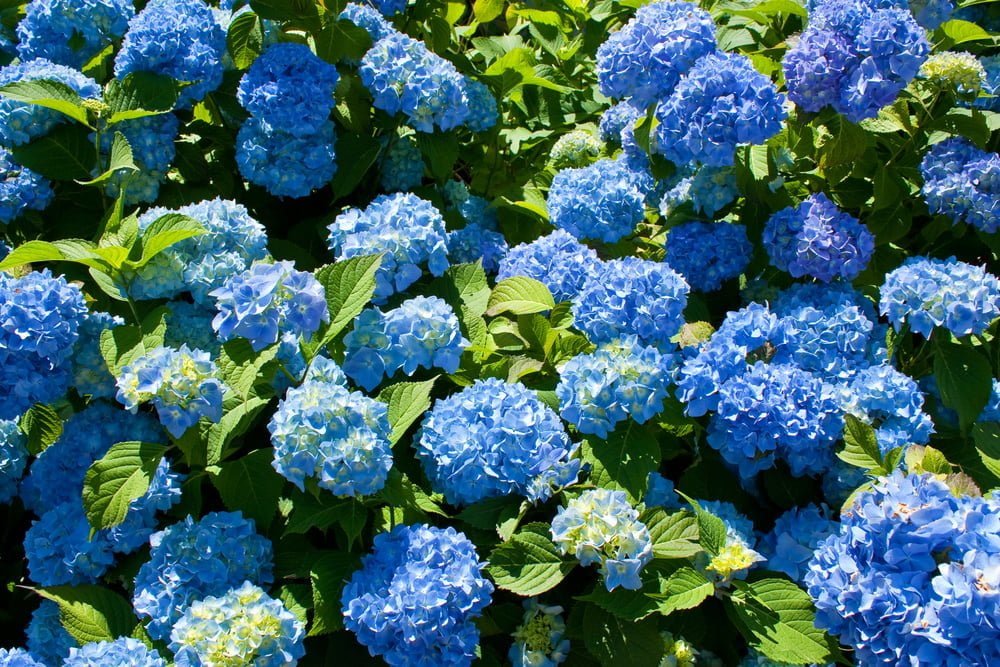
Are the blooms on your hydrangea shrubs fading or turning brown? No need to worry – this is simply a sign that it’s time to remove the flowers, a process called deadheading.

When you deadhead hydrangeas, you aren’t harming the plants at all. Removing the spent blooms triggers flowering shrubs to stop producing seeds and instead put their energy toward root and foliage development. This makes plants stronger and healthier, so by deadheading, you’ll be doing your hydrangeas a favor.

Here, the expert gardeners at Millcreek Gardens explain how to deadhead hydrangeas, when to take on the project and how to protect your shrubs when the blooming season is over.

Growing hydrangeas in Utah

Steps to Deadheading Hydrangeas

Deadheading is an easy gardening task, one many people enjoy. All you need to deadhead hydrangeas is a pair of garden gloves, pruners and a container to hold the faded flowers.

Before you start, wipe the pruner blades clean with a cloth soaked in denatured alcohol. Keep the cloth handy, as you’ll need to wipe the pruners between snips to make sure you don’t spread disease though the shrub.

To deadhead your hydrangeas, simply take each spent bloom and follow its stem down to the next set of large leaves – that’s where you make the cut.

When to Deadhead Hydrangeas

You should deadhead throughout the blooming season to keep your hydrangeas looking their beast and encourage new flower growth.

However, stop deadheading hydrangea shrubs in mid to late fall, leaving any spent blooms in place. This not only provides winter interest, but also ensures you don’t remove the buds that will become flowers next spring.

How to Protect Hydrangeas After Blooming Season

When it’s time to stop deadheading hydrangeas, you need to start thinking about overwintering.

If you live in an area that gets freezing winter temperatures – as we do here in northern Utah – apply a 12-inch layer of mulch to insulate your hydrangea shrubs. Or, if yours are planted in containers, bring them into the garage or basement for the winter months and lightly water on a regular basis.

When spring arrives, don’t remove the mulch or bring your container plants outside until you’re sure that the threat of frost has passed. If you wait, you’ll be rewarded with more vigorous blooming.

Do you have questions? For expert answers and advice on deadheading hydrangeas, turn to the friendly and knowledgeable staff at Millcreek Gardens.

As northern Utah’s favorite garden center since 1955, Millcreek Gardens is the go-to source for tips and information on how to care for hydrangeas. And, of course, we have a vast selection of flowering shrubs, along with all of the gardening supplies you need to keep them healthy, strong and beautiful.

Stop by Millcreek Gardens in Salt Lake City, Utah, today to learn our best gardening tricks and for more pointers on how to deadhead hydrangeas.

Plant the right shrubs, and your northern Utah property will be the envy of your neighbors.

In August, everyone is outside enjoying the warm air and sunshine, and a bright, colorful landscape is the perfect setting. To boost the beauty of your landscaping with shrubs that look great during the dog days of summer, consider planting one or more of these varieties.

Utah shrubs that thrive in the summer

No. 1: Bar Harbor Hydrangea

A stunning shrub with an abundance of huge white blooms, the Bar Harbor hydrangea looks superb all summer long. As one of the more compact hydrangea varieties, it’s ideal for use in containers and as a landscape border. For optimal growth, plant this shrub in partial to full sun and maintain even soil moisture.

No. 2: Bluebeard Bush

With fragrant, rich green leaves that feature silvery undersides and a riot of bold, deep blue flowers that bloom from summer through fall, the bluebeard bush is a standout choice for northern Utah properties. When planted in full sun, this water-wise plant thrives.

No. 3: Butterfly Bush

Featuring conical clusters of fragrant, bright white blooms, the butterfly bush is a compact shrub that makes for a delightful flowering border or garden accent. Plant in partial to full sun and water regularly, and the nectar-rich flowers will draw butterflies to your landscape.

No. 4: Dwarf Crepe Myrtle

With beautiful bronze leaves that mature to a deep, dark green and turn a striking red-purple color in the fall – as well as masses of radiant red flowers – the dwarf crepe myrtle is quite dazzling. It requires full sun to flourish, but this compact shrub is both drought-tolerant and disease-resistant.

No. 5: Dwarf Globe Blue Spruce

A densely branched, flat-topped evergreen shrub that features bright blue needles, the dwarf globe blue spruce offers year-round appeal. Great as a garden accent or a low hedge bordering an emerald lawn, this shrub needs partial to full sun and regular watering to be at its best.

No. 6: Red Shrub Rose

An easy-care, disease-resistant rose bush that can survive dry, hot summers, the red shrub rose is perfectly suited for northern Utah container gardens and landscape borders. With full sun and regular watering, you’ll see masses of glorious, double-flowered roses

Are you ready to bring your landscape to life? For gorgeous, healthy shrubs that grow well in northern Utah, visit Millcreek Gardens.

Based in Salt Lake City, Utah, Millcreek Gardens is a locally owned business staffed with friendly, knowledgeable plant experts who are always willing to offer advice. We can point you toward the best outdoor plants to take your Utah property to the next level. To browse our vast selection of spectacular shrubs, stop by our plant nursery today.

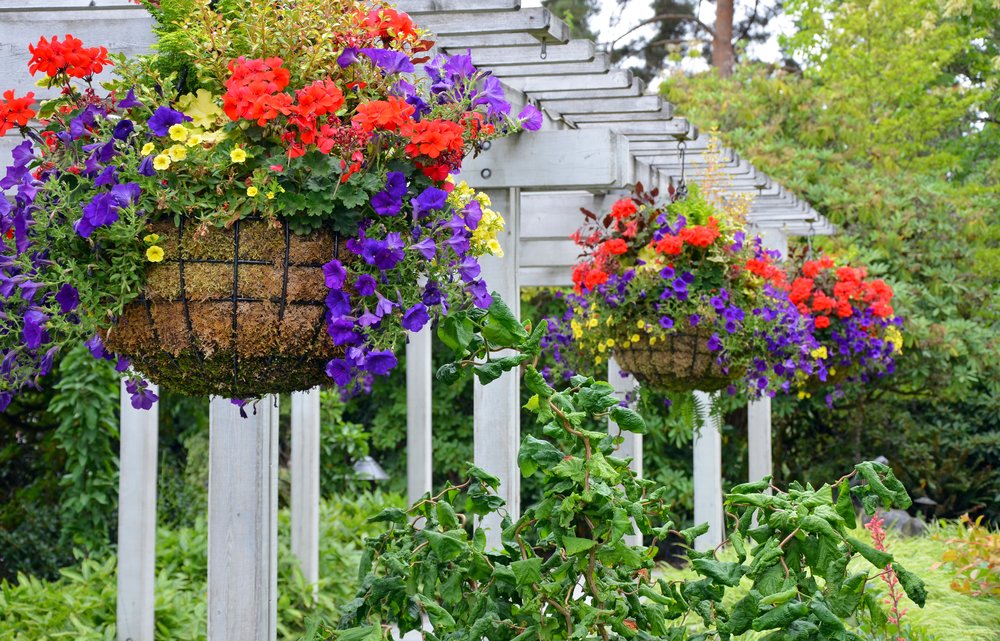
Your favorite local garden center, Millcreek Gardens, has a wide selection of beautiful hanging baskets that can bring color and life to your northern Utah landscape. But, you can also create your own, featuring your favorite flowers and outdoor plants.

Hanging baskets can be a little tricky, but our friendly staff is always happy to offer advice. Follow the tips below, and you’ll have lush, eye-catching containers hanging in your garden all season long.

Garden center in Salt Lake City

Choose the Right Planter

Want hanging baskets with cascading flowers? Purchase regular hanging pots at your local garden center. Rather have awe-inspiring living flower globes? You’ll need wire planters with fiber liners or containers made specifically for this particular purpose.

Select Suitable Plants

When designing hanging flower baskets, you need to think about placement. Certain plants thrive only in full sun, while others can grow beautifully in shadier spots. As you choose your plants, consider different textures, heights and bloom shapes for added visual interest. And don’t forget color – bold shades will draw the eye.

Use High-Quality Soil

For healthy, gorgeous hanging flower baskets, a high-quality potting mix is absolutely essential. Look for a lightweight soil, preferably one with water-holding polymer crystals. Or, simply ask the staff at your local garden center what potting soil they recommend.

Pack in the Plants

If you want full, lush-looking flower baskets, a few plants won’t suffice. You’ll need to pack quite a lot of plants into the container – more than you would probably think. They have a relatively short amount of time to grow, after all, so starting with more plants is the best way to get great results.

Feed and Water Properly

Water quickly drains from hanging baskets, and with several flowers and plants in the same container, the many roots end up competing for a drink. Watering regularly, keeping the soil moist, should help keep your baskets looking their best. In addition, consider using a liquid fertilizer, available at your local garden center, about once every week.

Remember Regular Maintenance

Every few days or so, inspect your hanging baskets and remove any fading or dead flowers and any brown, wilted leaves. If any parts of the plants look damaged, cut them back. Regular deadheading and pruning encourages new growth and better blooming.

Have questions? Or are you ready to create your own hanging baskets? Either way, make Millcreek Gardens your first stop. Our garden center is stocked with fabulous flowers, picturesque plants and everything else you need. And our friendly staff is always ready to offer assistance and advice to our fellow northern Utah gardeners.

To chat with the Millcreek Gardens staff about designing your own hanging baskets – and to shop for all your must-have flowers, plants and gardening supplies – head to our Salt Lake City garden center today.


A lattice outdoor plant hanger, mounted on a sunny garden or patio wall, adds a charming touch – and it makes for a great place to grow herbs, succulents or annual flowers.

Creating an eye-catching lattice hanger for outdoor plants is a simple garden project. All you need is a few inexpensive supplies and a couple of hours, and you can transform a blank wall into a work of living art. Here’s how.

How to use lattice for outdoor plants

Gather the Supplies

First, make sure you have the necessary tools for the garden project. You’ll need a measuring tape, a jigsaw, medium-grit sandpaper, a metal file, a hammer and a level. If you don’t have those on hand, pick them up when you visit a local hardware store. You’ll need to go there to purchase the project supplies. These include:

  • Two 1 inch x 2 inch x 8 foot wood boards
  • One 4 foot x 8 foot wood lattice panel
  • Wood glue
  • 2-inch finishing nails
  • Wall screws
  • Wood stain or paint
  • Nine 24-inch zip ties

Next, stop by Millcreek Gardens for the remainder of the supplies. You’ll need to purchase the following:

  • Nine 6-inch plastic garden pots
  • Nine outdoor plants to place in the pots
  • High-quality potting soil

Prepare the Lattice

Lay the garden pots on top of the lattice panel in three rows of three, spacing the rows at least six inches apart to allow room for your outdoor plants to grow. Once you have them how you like, cut the lattice down to size – about four feet by three feet works well, but go with what you like. After you make the cuts, use the sandpaper and file to smooth the surfaces.

Build the Lattice Frame

Measure the top edge of your lattice and, using the wood boards, cut four sections of equal length. Smooth the edges, then sandwich the top and bottom edges between two wood sections. Glue in place, then add nails for additional support. After that, apply stain or paint the wood.

Attach the Garden Pots

Now, lay out the garden pots on the lattice as before. Loop a zip tie around the lattice at each spot, adjusting it to securely hold the pot. Don’t tighten the ties too much, however, as you’ll need to be able to remove the pots in order to add the outdoor plants – which you won’t do until after you mount the lattice hanger on the wall.

Hang the Lattice

Hold up the empty lattice hanger to your garden or patio wall and mark where you’d like it to go. Using the wall screws, attach the frame to the wall. Place the level on the top edge and make any necessary adjustments. Add potting soil and an outdoor plant to each pot, slide them into the zip tie loops and your garden project is complete.

Are you ready to get started? The friendly staff at Millcreek Gardens, northern Utah’s favorite garden center since 1955, can point you toward the supplies you need. We can also recommend outdoor plant varieties that are ideal for a lattice hanger.

For more garden project ideas, or to shop our extensive selection of gardening supplies and outdoor plants, visit Millcreek Gardens in Salt Lake City, Utah, today.

If you’re ready to buy new indoor or outdoor plants, head to a local garden center.

Sure, you can get plants from a big box store – and going that route might save you a few bucks. But as the saying goes, you get what you pay for. And quite often, people who purchase plants from a local superstore end up wishing they visited a local garden center instead.

Benefits of shopping at your local garden center

Healthy, High-Quality Plants

In many cases, the day a plant is shipped to a big box store is the last day it remains in good condition. The staff simply doesn’t provide the right level of care – and the lack of attention makes a big difference in the quality of the plants.

At the garden center, the plant-loving staff is careful with watering and feeding, which ensures large, full growth. Their hard work results in healthy plants that will thrive when you get them back home.

Wide Range of Options

Big box retailers have a limited selection of plants – typically, they offer only the most common and popular varieties. If you’re looking for options, you’d be much better off visiting a garden center.

At a garden center like Millcreek Gardens, you’ll find a diverse range of beautiful plants. You can also purchase rare varieties and plants that are native to Utah. What gardener doesn’t like the sound of that?

Local Gardening Expertise

Knowledge is power – and let’s just say that the gardening staff at big box stores isn’t very powerful. They probably won’t be able to give you much information about the specimens they have for sale, other than pointing you toward the care labels.

The staff at your local gardening center has extensive expertise and can provide precise details on the plants in their care. You can get friendly advice on local soil conditions, insects common in the region and answers to all of your gardening questions.

If you live in northern Utah and are looking for the best place to buy plants, visit Millcreek Gardens. As the leading local garden center since 1955, we offer a vast range of healthy, high-quality indoor and outdoor plants. Our staff is passionate about gardening – we’re happy to offer advice and tips for proper plant care.

Plus, when you shop at Millcreek Gardens, you’re supporting the northern Utah economy. We’re a locally-owned business, and buying from us means your dollars stay in the state – and it helps us serve gardeners in the greater Salt Lake City area for years to come.

Shopping at your favorite local garden center, Millcreek Gardens, simply makes sense. Stop by and find your perfect plants today!

The Utah plant nursery professionals here at Millcreek Gardens love the Pantone Color of the Year for 2019 — Living Coral.

The Pantone Color Institute describes the shade as life-affirming and nurturing, and they say that Living Coral “encourages lighthearted activity” and “embodies our desire for playful expression.” To us, that sounds like they’re talking about gardening!

This spring, why not incorporate Living Coral into your northern Utah landscape? Here are some amazing options available at our Salt Lake City plant nursery.

Adding Pantone’s Living Coral into your Utah landscape

Hemerocallis ‘South Seas’

A dazzling variety of daylily, this perennial has grassy green foliage and gorgeous ruffled blooms in a coral-pink shade. Hemerocallis is a drought-tolerant, hardy outdoor plant that offers vigorous growth – expect several weeks of profuse blooming.

Papaver Orientale ‘Prince of Orange’

With large, cup-shaped blooms that feature a velvety-black center surrounded by vibrant tangerine petals, Papaver Orientale brings eye-catching beauty to any northern Utah garden. This easy-care poppy blooms from late spring to early summer, year after year.

Echinacea ‘Colorburst Orange’

This hybrid coneflower is multi-stemmed, with large, fragrant double flowers that attract butterflies. The petals, which are an orange-coral hue, open around a brilliant lime-green center.

Echinacea ‘Sombrero Hot Coral’

Another impressive coneflower that’s ideal for northern Utah, this variety offers prolific flowering over the spring and summer months. As the name suggests, the blooms are a striking shade of coral – and the hint of orange-red gives the petals a fiery appearance.

Heuchera ‘Peach Crisp’

This perennial stunner has tightly-packed, heavily-ruffled leaves that hold their amber-peach color all season long. Small ivory flowers pop out in late spring, adding charm and highlighting the foliage beautifully.

Rosa ‘Tropicana’

A showy hybrid tea rose that blooms profusely from spring to fall, this plant nursery pick offers coral-orange blossoms set against a backdrop of dark, semi-glossy green leaves. The flowers are intensely fragrant as well, a feature many gardeners appreciate.

Tulip ‘Apricot Emperor’

With coral-apricot petals that develop more intense color as the blooms mature, this mid-season tulip is a head-turner at the plant nursery. Placed in container gardens or planted in a large grouping on your northern Utah property, the bulbs will produce a spectacular display for several years.

Are you ready to shop for outdoor plants in Living Coral? You can find all of these options – and more – at Millcreek Gardens. Our plant nursery is also stocked with all of the gardening supplies you need to take your northern Utah landscape to the next level.

If you have questions or need some expert advice about gardening, the friendly Millcreek Gardens team is always happy to help our fellow northern Utah gardeners! To browse our vast selection of beautiful, healthy outdoor plants – and to learn our best gardening tips and tricks — stop by our Salt Lake City plant nursery today.

Did this year’s winter weather can leave you in need of a major spring garden cleanup session?

Once the ground has thawed and temperatures are consistently warm, it’s time to tidy up your yard and prepare for planting. If you’re not sure where to start, the following spring garden cleanup checklist should help.
Spring garden cleanup checklist

Step 1: Pruning

Weatherworn landscaping trees, shrubs and hedges often need pruning. Use a hand pruner, lopping shears or a pole pruner to cut back dead and damaged branches to live stems. For evergreens, prune back to branches growing in the direction you prefer. If you have spring-blooming shrubs, put off pruning until after they flower.

Step 2: Perennials

Cut back flowering perennials to a height of about 4 or 5 inches to allow for new growth. For winter-damaged rose canes, prune back to an inch below the dark area. If you have climbing roses, remove their older woody canes and tip the buds of young green canes downward. You can also dig up and divide perennials to create new plantings for sparse yard areas.

Step 3: Garden Beds

Next up is to clean around the plants in your garden beds. Pull up the spent annuals and rake out any dead leaves and foliage. Tamp down heaved outdoor plants, if necessary, and remove the existing layer of mulch to be prepared for spring planting.

Step 4: Compost

All the debris you removed from your garden beds? Dump it into your compost pile. Shred large leaves and chip down large branches for faster decomposition, or pick up a bagged compost starter from your local garden center. Remember to keep the compost moist and aerate the pile every two weeks.

Step 5: Garden Soil

Before you add new spring garden plantings, you should test your soil to ensure it’s primed for robust growth. Depending upon the results, you may want to work in some compost or a slow release organic fertilizer before you put any new outdoor plants in the ground.

Step 6: Garden Paths

Your hardscape surfaces may need a bit of neatening up now, too. Rake any escaped stones back into your gravel paths and add more if you notice any large depressions. If you have pavers that have heaved out of place, put them back to rights. Finally, use a pressure washer or hose to remove stains and algae growth.

Ready to get started with this year’s garden cleanup? For expert advice and all of the gardening supplies you need to spruce up your northern Utah landscape, head to Millcreek Gardens.

The leading Salt Lake City area garden center since 1955, Millcreek Gardens is happy to help you create a landscape you’ll love. To chat with our friendly and knowledgeable staff about spring garden cleanup, stop by today.

Having the right gardening supplies on hand makes it much easier to care for your outdoor plants.

You may love spending time out in the garden, putting new plants in the ground and giving them the TLC they need to thrive. But you have to admit – keeping your outdoor plants at their best can be hard work.

If you don’t already own the following gardening supplies, or if yours aren’t in such great shape, go to your local garden center and make a purchase. You’ll be glad you did, as these tools and gear make for easier plant care.
the right gardening supplies can make tasks easier

Protective Gear

When you’re gardening, you’re using sharp tools and sitting or kneeling on rough surfaces. Plus, you’re often out in the sun. Protecting yourself from harm is essential, and the right gear also helps make gardening more comfortable and enjoyable. To that end, plant care professionals recommend investing in:

  • Flexible leather or cotton stretch gardening gloves with padded palms and elastic cuffs
  • A padded kneeler seat, preferably a fold-flat model with wheels for easy transportation
  • Spray-on, full-spectrum sunscreen and a wide-brimmed hat for sun protection

Planting Tools

Putting new outdoor plants in the soil and giving them proper care can be hard work, no matter how you slice it. However, the following gardening supplies can make these tasks at least a little less taxing:

  • A classic garden rake to clear away spent annuals and plant bed debris
  • A pitchfork to easily remove rocks and large obstructions from the soil
  • A spade or garden shovel to make digging tasks much easier
  • A user-friendly trowel and cultivator for planting seeds and aerating compacted soil
  • Ergonomic hand pruners, lopping shears and a pole pruner to cut back outdoor plants

Watering Supplies

Outdoor plants need a drink of water now and then to survive – every gardener knows that. For an easier time handling all of the watering, pick up these gardening supplies at your local garden center:

  • A soaker hose, or alternatively, a solid rubber hose that’s long enough to reach your garden beds, with an ergonomic spray nozzle
  • An automatic rewind garden hose reel for easy control and convenient storage
  • A water wand with a telescoping handle for hard-to-reach plants
  • A weather-resistant watering can for delicate outdoor plants

Transporting Tools

Often, when you’re out working in the garden, you need to transport heavy gardening supplies – like mulch, soil, fertilizer and flats of plants — from one area to another. As this can be back-breaking labor, plant care professionals advise investing in:

  • A rolling garden seat that features ample storage for carrying supplies
  • A lightweight, easy-to-maneuver garden wheelbarrow with heavy-duty wheels
  • A potting bench to store supplies in a convenient space, putting everything you need to care for outdoor plants in easier reach

You can find all of these gardening supplies – and many more – at Millcreek Gardens. And, since our friendly staff loves to share their expertise, you can also find answers to all of your questions about caring for outdoor plants.

Want to make beautifying your northern Utah property as easy as possible? Stop by and see us in Salt Lake City today, and our plant care professionals will guide you toward the best outdoor plants and gardening supplies to make that happen.

You can find an array of gorgeous annual flowers and perennial flowers at your local garden center. But how do these two types of plants differ?

If you’re not quite sure, you’re not alone. Here at Millcreek Gardens, we get this question often – and we’re always happy to provide an answer. To satisfy your curiosity about the difference between annuals and perennials, read on.

What Are Annual Flowers?

Annual flowers have a life cycle that lasts for a single growing season. The blooms don’t return year after year – the plants die in the winter or at the first hard frost.

So, if you plant annual flowers this spring, you’ll need to plant more next year. But, your gardens will produce a glorious color show, as most annuals bloom profusely. And, you can count on season-long beauty, as annuals usually bloom for longer than perennial flowers.

What Are Perennial Flowers?

Perennial flowers live through multiple growing seasons, popping back up every spring until the plants reach maturity. Most continue to grow and produce blooms for several years, and some varieties last for decades.

If you plant perennials this spring, you won’t have to worry about replanting for at least a few years. However, your gardens may not come as alive with color, as perennials only bloom for a few weeks. You can find ever-blooming perennials at your local garden center, but even these varieties don’t produce as many flowers or bloom for as long as annuals.

Should You Plant Annuals or Perennials?

Some gardeners appreciate the advantages of annual flowers, while others prefer to plant perennials. And really, there are good reasons to go with either option.

The benefits of planting annuals include:

  • Profuse blooming
  • Several months of flowering
  • Lower cost

Plus, annuals produce their own seeds. Start them indoors in the winter, and you’ll have new flowering plants for next spring.

Perennial flowers, on the other hand, generally require less maintenance than annuals. For gardeners who are pressed for time or want an easy-care garden, they can be a solid choice.

Other reasons to plant perennial flowers include:

  • Blooming season after season
  • Tolerance of extreme weather
  • New plantings created by dividing large perennials

The truth is, both annual flowers and perennial flowers can boost the beauty of your landscape. And, in many cases, using a mixture of both is the ideal solution. Different varieties of annuals and perennials flower at different times, and strategic planning can ensure your gardens are always full of eye-catching blooms.

The plant experts at Millcreek Gardens would be happy to help you get the look you want for your northern Utah landscape. Our garden center has a vast range of delightful annuals and perennials ready for spring planting, along with all of the gardening supplies you need to create an impressive display.

If you’re ready to start shopping for annual flowers and perennial flowers, visit the friendly, helpful team at Millcreek Gardens in Salt Lake City, Utah, today.