
In the bustling urban landscape of Salt Lake City lies a hidden treasure waiting to be uncovered: a world teeming with vibrant birdlife!

Creating a bird-friendly yard isn't just about providing a temporary stopover for our avian friends; it's about establishing a harmonious ecosystem that benefits both birds and humans. In this comprehensive guide, we'll delve into the ins and outs of transforming your backyard into a bird-friendly haven where these small but mighty creatures can find sanctuary amidst the urban hustle.

Millcreek Gardens-Salt Lake City-Utah-Bird-Friendly Landscape-suet feeder

How to Make Your Utah Garden Bird-Friendly
Before flying headlong into creating our bird-friendly habitats, it's important to understand our feathered guests' fundamental needs. By simply addressing these basic requirements, you'll transform your yard into a year-round avian oasis: 

Food: Providing a variety of bird-friendly foods is key to attracting and sustaining a diverse bird population in your backyard, so consider installing bird feeders stocked with a mix of seeds, suet, and nectar. 

Water: Birds not only need water, they love it! Catch their attention by installing a few clean, fresh water sources in your yard, such as birdbaths, shallow water dishes, or even small ponds and water features.  

Millcreek Gardens-Salt Lake City-Utah-Bird-Friendly Landscape-birds in tree

Shelter: Songbirds are constantly looking for refuge from predators and harsh weather conditions, so we recommend incorporating native trees, shrubs, and bushes into your yard to create bird-friendly safe-havens. Brush piles and nesting boxes can also provide additional shelter.

Nesting Sites: Birds need suitable spots to build their nests and raise their young. Installing nesting boxes specific to local bird species can greatly increase the number of birds looking to call your yard home.

Native Plants: Planting native flora is a cornerstone of creating a bird-friendly habitat. Native plants provide birds with shelter and familiar food sources, such as berries, seeds, and insects. You'll also see an abundance of essential pollinators stopping by, including beautiful butterflies!

Transforming Your Utah Yard into a Bird-Friendly Paradise!
Now that you understand the basic needs of our feathered friends, let's dive into the practical steps you can take to turn your yard into a bird-friendly haven:

Choose Native Plants: As we've seen, having a variety of native plants is a key part of creating a bird-friendly landscape, so research and plant a few native species that thrive in Salt Lake City's climate. In addition to supporting local bird species, Native vegetation also requires less maintenance and conserves water, making them real win-win additions to your landscape!

Create Layers: A diverse landscape with varying plant heights offers birds different shelter and foraging opportunities. Arrange plants in layers, from groundcovers to taller trees, to cater to a range of species with varying needs.
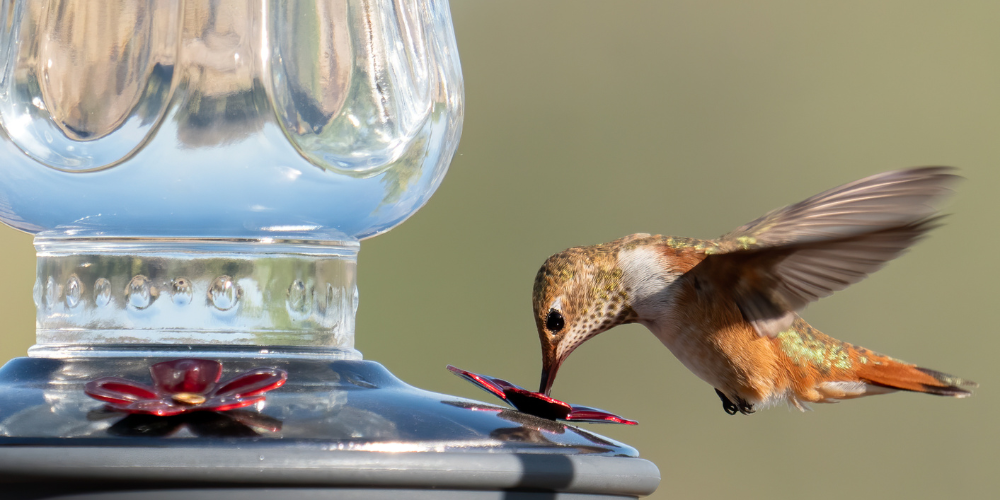
Millcreek Gardens-Salt Lake City-Utah-Bird-Friendly Landscape-hummingbird feeder

Provide Bird Feeders: Strategically place different types of bird feeders throughout your yard to accommodate a broader range of bird species. Tube feeders are best for finches, platform feeders are ideal for ground-feeding birds, while putting up a few hummingbird feeders will help draw those sugar-loving superstars to your garden. Just remember to never use food coloring in your hummingbird feeders—sugar and water only!

Mindful Landscaping: Keep in mind that a tidy yard isn't always bird-friendly. Leave some areas of your yard slightly wild with things like leaf litter and fallen branches to allow for natural habitat creation.

Limit Pesticide Use: Minimize or eliminate your use of pesticides and herbicides, as these chemicals are harmful to birds and can reduce the insect populations that are so important for their survival.
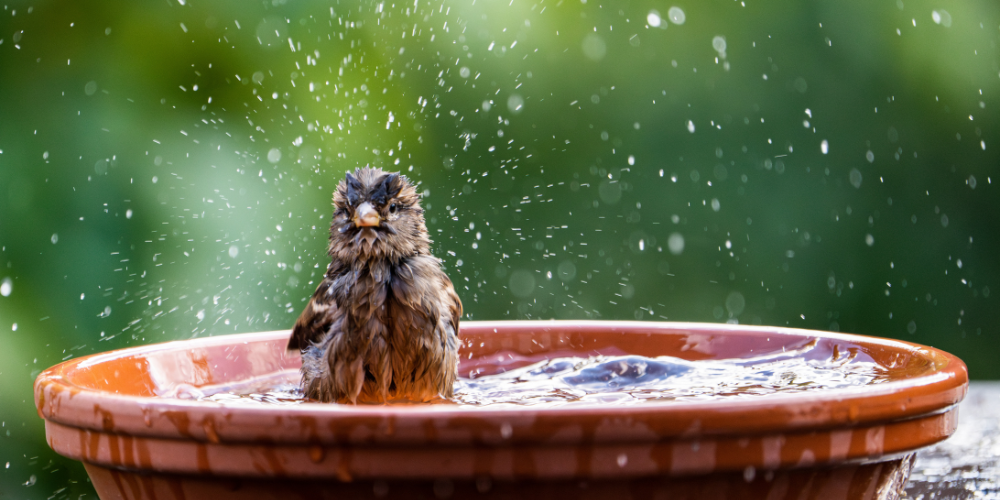
Millcreek Gardens-Salt Lake City-Utah-Bird-Friendly Landscape-bird bath

Install Bird Baths: Incorporate bird baths or water features to offer birds a place to drink and bathe, and remember to change out their water daily to prevent the spread of disease.

Educate and Engage: Share your passion for bird-friendly habitats with your neighbors and community and encourage them to create their own bird-friendly yards. By educating and engaging others, we contribute to a broader network of bird-friendly sanctuaries, inviting more native wildlife into our neighborhoods!

Simply put, making our yards more bird-friendly benefits everyone. By welcoming birds into your outdoor space, you become an integral part of the larger conservation effort that supports local ecosystems and biodiversity. The presence of birds is also very calming and offers a fantastic opportunity to experience nature up close and personal. If you're ready to start transforming your garden into a backyard bird sanctuary, come see us at Millcreek Gardens today! 

In the arid climate of Salt Lake City, traditional gardening can be a challenging and water-intensive endeavor. Lucky for us, there's an alternative that's as stunning as it is sustainable: xeriscaping! Xeriscaping is a landscaping method that conserves water and promotes the use of drought-resistant plants, making it an ideal choice for Utah residents looking to create a stunning garden while also being environmentally conscious. To help you get started with this water-wise gardening approach, we'll explore some of xeriscaping's main principles, ideas, benefits, and essentials to show you can achieve an eco-friendly landscape that's also lush, beautiful, and diverse. 

Understanding Xeriscaping
"Xeriscaping" comes from the Greek word "xeros," meaning dry. The concept was first introduced in Denver, Colorado, during the 1970s and has gained popularity in arid regions ever since. The main goal of xeriscaping is to minimize water usage through strategic plant selection, soil improvement, and appropriate irrigation methods. By doing so, xeriscaping not only conserves water but also reduces maintenance needs, ultimately providing a more sustainable and cost-effective landscaping solution for your outdoor spaces.

Millcreek Gardens-Salt Lake City-Utah-Xeriscaping in the Garden-drought tolerant garden

What are the Benefits of Xeriscaping My Salt Lake City Garden?
Here are just a few of the main benefits you’ll get to enjoy with xeriscaping: 

-Water Conservation

Utah's semi-arid climate and limited water resources make water conservation a top priority for Salt Lake City homeowners. A xeriscape design can significantly reduce water consumption by up to 70-80% compared to traditional lawns and gardens, reducing the strain put on local water supplies during the summer and taking a sizable chunk out of your next water bill!

- Low Maintenance

Between all the weeding, watering, and mowing, upkeeping traditional gardens requires quite a bit of time and effort. On the other hand, Xeriscapes use drought-resistant plants that don't need much in the way of maintenance once they're established, allowing you to spend more time enjoying your beautiful landscape and less on upkeep.

- Financial Savings

The reduced water usage and lower maintenance needs of a xeriscape design combine to save you money. As your water bills lower and your lawn care expenses diminish, you'll be able to sit back and watch your initial xeriscaping investment start to quite literally pay for itself. 

- Wildlife Habitat

A xeriscaped garden creates a welcoming habitat for local wildlife and important pollinators such as butterflies, bees, and birds. Because xeriscaping places such a large emphasis on choosing native plants, xeriscaped spaces provide these beneficial creatures with abundant shelter and food sources, contributing to the overall biodiversity of the region.

Millcreek Gardens-Salt Lake City-Utah-Xeriscaping in the Garden-yarrow flowers

Getting Started with Xeriscaping
If you're ready to start exploring xeriscaping and all the benefits that come with it, here's how to get started: 

- Evaluate Your Landscape
Before diving straight into xeriscaping your yard, take a moment to assess your garden's layout. Note any areas that receive different amounts of sunlight and shade, and consider your garden's soil type, drainage, and existing plant species. This evaluation will help you choose the best plants and irrigation methods for your unique landscape.

- Choose Native and Drought-Resistant Plants
Selecting plants that are well-adapted to your area's climate is crucial for a successful xeriscape. Choose native plants and other drought-resistant species, as these will be more accustomed to your region's weather conditions and require less water to thrive. Some popular choices for Salt Lake City xeriscapes include:

-Utah Serviceberry (Amelanchier utahensis)
-Red Yucca (Hesperaloe parviflora)
-Western Sundancer Daisy - (Hymenoxys)
-Utah Juniper (Juniperus osteosperma)
-Penstemon (Penstemon spp.)

- Soil Improvement
Enhancing your soil's structure and fertility is vital for the health of your Xeriscape, so incorporate organic matter like compost into your soil to improve water retention and drainage. Additionally, add mulch around the base of your plants to help conserve moisture, suppress weeds, and regulate soil temperature.

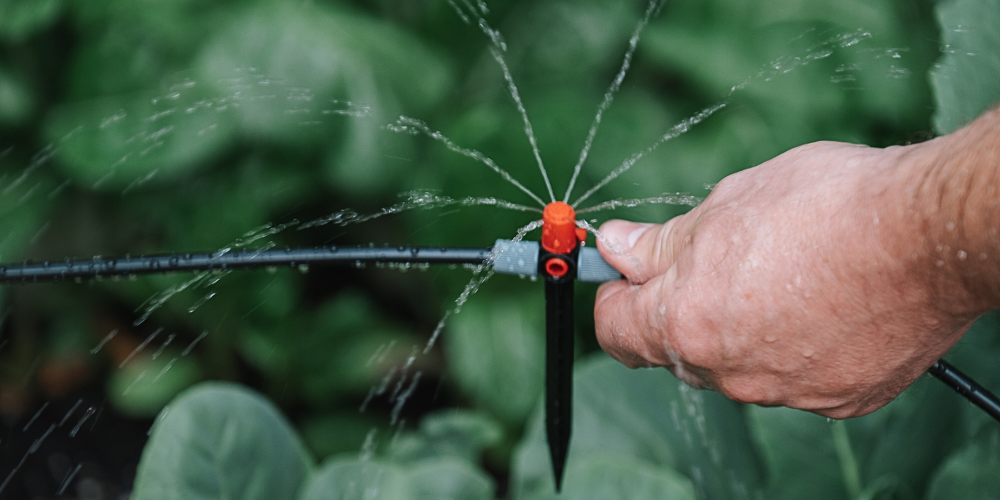
Millcreek Gardens-Salt Lake City-Utah-Xeriscaping in the Garden-drip irrigation

Efficient Irrigation
Proper irrigation is essential for the survival and growth of your xeriscape garden. Drip irrigation systems, soaker hoses, or smart controllers are all effective methods that minimize water waste by delivering water directly to your plants' root zones. Avoid overhead watering if possible, as it can lead to unnecessary evaporation and water runoff.

Exploring different xeriscape ideas is a rewarding and sustainable way to create a beautiful landscape while conserving water and supporting your local environment. By simply embracing native and drought-resistant plants and implementing efficient irrigation, you can easily transform your garden into a landscape that is both aesthetically pleasing and contributes to the broader goals of water conservation and eco-consciousness. 

So, roll up your sleeves and create a xeriscaped paradise of your very own this year as a testament to your commitment to a greener and more eco-friendly future. If you get stuck along the way, we'll be right here with the expert advice, tools, and materials you'll need to get back on track! 

It's no secret that garden pollinators are crucial to Utah's ecosystem. By facilitating plant reproduction, they ensure the production of fruits, vegetables, and seeds. Despite their importance, however, most pollinators—especially bees and butterflies—are currently facing numerous threats to their existence, including habitat loss and the effects of pesticide use. Thankfully, there is a lot we gardeners can do to help! 

How Can I Make My Salt Lake City Garden More Pollinator-Friendly?

There are many things you can do to make your garden more pollinator-friendly this summer. By implementing these simple practices, you can support the well-being and survival of these essential insects and contribute to a healthier, more sustainable environment:

Millcreek Gardens-Salt Lake City-Utah-Welcoming Pollinators to Your Garden-native flowers

Choose Native Plants 

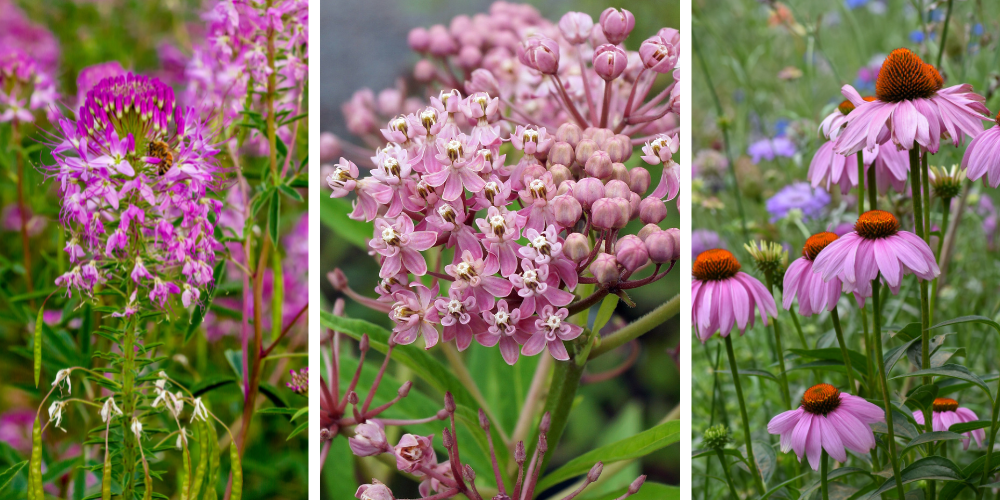
Native plants are well-adapted to our local climates and provide abundant food sources for pollinators. When designing your garden, prioritize native flowering plants such as the Rocky Mountain bee plant, butterfly weed, and purple coneflower. These plants offer nectar and pollen essential for the survival of bees, butterflies, and other pollinators. Try also to select a variety of native plants with different bloom times to ensure a consistent food supply throughout the growing season. 

If you can't get your hands on any native Utah plants, don't worry! There is an abundance of other flowering perennials and annuals you can choose from to attract native bees, butterflies, and other pollinators to your garden. Here are some of our favorites: 

-Salvia
-Trumpet Creeper
-Hot pokers
-Penstemon
-Heuchera
-Russian Sage
-Lavender
-Hyssop
-Spirea
-Sunflowers

Millcreek Gardens-Salt Lake City-Utah-Welcoming Pollinators to Your Garden-bee shelters

Create Shelter and Nesting Sites 

Pollinators require safe spaces to rest, hide, and lay their eggs, so incorporate diverse elements into your garden that offer shelter and nesting opportunities. Planting dense shrubs, such as serviceberries or wild roses, provides protective cover for pollinators, while leaving patches of bare ground or creating small mounds of soil can attract ground-nesting bees. You can also install bee houses or nesting boxes to accommodate solitary bee species, which are other fantastic pollinators.

Minimize or Eliminate Pesticide Use

Pesticides can devastate pollinators visiting your garden, harming their health and disrupting their natural behavior, so opt for natural pest control methods like companion planting, crop rotation, and even manual pest removal instead of relying on chemical pesticides. There are also many beneficial insect varieties, like ladybugs and lacewings, that you can attract to your garden to keep pest populations in check. If you must use pesticides for out-of-control problems, choose organic and bee-friendly options, and apply them in the evening when pollinators are less active.

Millcreek Gardens-Salt Lake City-Utah-Welcoming Pollinators to Your Garden-bees drinking water

Provide a Water Source 

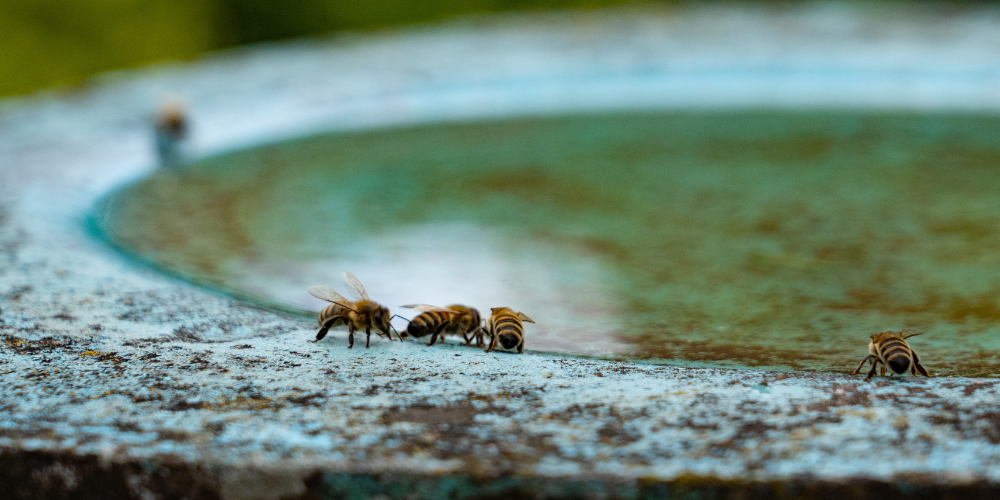
Of all our local pollinators' needs, access to a safe, clean water source is perhaps the most essential. To help with this, install a shallow water source in your garden, such as a birdbath or shallow dish, and add in a few pebbles, stones, and twigs for landing spots. Ensure that the water source is regularly replenished and kept clean to prevent the breeding of mosquitoes.

You can also attract hummingbirds by keeping a hummingbird feeder in your garden for a quick energy boost. Only use water and white sugar in your feeders at a ratio of 4 cups water to 1 cup sugar, and clean them out regularly to avoid a buildup of harmful bacteria. We recommend cleaning your feeders at least once a week and even more frequently in hotter weather. 

Adopt Sustainable Gardening Practices

Adopting sustainable gardening practices benefits both the environment and pollinators alike! Mulching your garden beds, for instance, helps them retain moisture, reduces weed growth, and improves soil health, while using compost instead of synthetic fertilizers enriches your soil by providing essential nutrients without chemically disrupting your local ecosystem. Consider also collecting and using rainwater to irrigate your garden to reduce your water consumption. Additionally, regularly weeding and removing invasive plant species can prevent the spread of unwanted plants that may outcompete the native species our local bees and butterflies have grown to love.

Millcreek Gardens-Salt Lake City-Utah-Welcoming Pollinators to Your Garden-adding mulch

These simple steps will help you transform your landscape into a welcoming oasis for garden pollinators. Your efforts will provide vital resources for these essential insects and contribute to your local ecosystem's health and biodiversity. Remember that even small changes can make a significant impact and that, together, we can ensure a thriving environment for pollinators now and in future generations. For more information on how to make your garden more pollinator-friendly, or to get started with plants and supplies, stop by our Garden Center and chat with us today!

Millcreek Gardens-Salt Lake City-Utah-Growing Sunflowers-Large sunflower blooms

No flower shines brighter than a sunflower, and as much as they inspired artists like Van Gogh and Monet, sunflowers remain one of the most iconic representations of summer wildflowers to this day. Not only are they easy to grow, they are usually the largest, boldest addition you can make to a garden, with some varieties—like the Mammoth— towering up to 12 feet tall!

Beyond their summer beauty, sunflowers are great flowers to grow for wildlife and humans, and they have been cultivated and used as a food source since 1000 BC. Ready to plant a few of your own? Here is everything you need to know about sunflower care in your Utah garden this year!

How Do You Take Care of a Sunflower Plant in Utah?

While sunflower care is not hard, it helps to know how to give these titans the best start in life for a long and dazzling summer show. Sunflowers are very adaptable plants, being pest resistant, heat tolerant, and grow very fast. Here are some tips for a happy Helianthus to keep them growing strong! 

Soil
Sunflowers are very large seed-producing plants, so they need some good, fertile soil to make the most of their summer in your garden. Utah has the perfect sandy, well-draining soil to keep sunflowers in tip-top shape, but add some good organic matter like leaf mold or compost for extra nutrients. The ideal soil for growing sunflowers is slightly acidic, with a pH between 6.0-6.8.

Millcreek Gardens-Salt Lake City-Utah-Growing Sunflowers-watering sunflower crop

Water
While many annuals relish in a steady water supply over hot summer days, sunflowers, in particular, will need more than others to keep up their rapid growth and size. Taller varieties should never be allowed to dry out and may not recover from a prolonged dry spell, so check flowers daily and water every day during long, hot weather conditions.

Sun
True to their name, these bright beauties need full sunlight to grow their best, so be sure to plant them where they can receive 6-8 hours of direct sun each day. Young sunflowers follow the movement of the sun, starting in the east and stopping in the west before returning back again, but when a flower reaches maturity, they will stay fixed on the east for the rest of their lives. This heavy sun exposure is beneficial on many levels and helps to attract bees who naturally prefer to pollinate warmer blossoms. 

Space
Many varieties of sunflowers get really big, which is a large part of their appeal for many people. The ideal scenario for large varieties of sunflowers like Mammoth and Earthwalker is to plant them from seed in the garden and allow them to grow undisturbed from spring through summer; this ensures the roots have plenty of room to stretch out their long tap roots without disturbance; many varieties of these titan sunflowers don't survive later transplants once flowering has begun. 

If you're growing sunflowers in pots, give them plenty of room for their taproot to sustain their height and try to plant either from seed or when still a young seedling. Smaller sunflower varieties, such as Italian White, Sensation Flame, and Sunfill Green, are best for containers. 

Stability
Because of the impressive height of many sunflowers, part of their care should include staking to prevent breakage caused by wind or other disturbances. Many gardeners choose to plant giant sunflowers in front of a fence where it is easy to anchor stems, but if your sunflower is growing in a container or as a stand-alone, use a bamboo cane for added support.

Food
It is generally recommended not to feed sunflowers too much, but right before flowering, you can apply some tomato feed to the plant for extra nutrients for new blooms. 

Growing sunflowers in Salt Lake City is a rewarding gardening experience. With the proper care and attention, you can have beautiful, sun-loving blooms that you can enjoy all summer long, and watch the wildlife savor the seeds in the fall. If you need more advice on the best sunflower care in Utah, come see us today. We have plenty of varieties available, including multifloral starts for Utah's favorite roadside sunflowers. 

Roses are classic garden flowers that have stood the test of time and are very rewarding to grow. Over the years, rosarians have developed several best practices for producing beautiful roses from your rose bush. From planting and maintaining ideal soil conditions to fertilizing, pruning, and hydrating your roses—there's a lot to know! But don't let that intimidate you. Roses are no more difficult to care for than most flowering shrubs, especially with this fool-proof care guide. Here are the top rose care secrets from the professionals, including the best season to plant and how to prune your roses when the growing season ends.

Millcreek Gardens-Salt Lake City-Utah-How to Grow Roses-planting a rose

Planting Your Roses 

It's best to plant roses during the spring or the fall months, after the first frost or before it has appeared. You will want to dig a hole according to the size of your root ball and two inches shallower. To prepare your plant for pot removal, gently loosen the root ball and be careful not to damage its roots. Fill your planting hole with high-quality soil, the root ball, and any nutrients or organic matter you're planting with it to enrich your roses. Apply mulch over the roots to aid in the moisture retention of your soil and protect your plant. 

Now that your rose is planted, how much water does it need? Don't worry; we've got you covered on that, too!

Millcreek Gardens-Salt Lake City-Utah-How to Grow Roses-watering a rose

Watering Your Rose Bush 

Your soil should be kept evenly moist throughout your rose bush's growing season. The frequency of watering your shrub will depend on the climate you are living in as well as the soil type you are using, but for the first couple of months after planting, you'll want to give the plant a deep watering two to three times per week with your garden hose. In their first season, the shrubs are fairly drought-tolerant, but sandier soils or gardens that are hot, dry, or windy may require more frequent watering.

Soil Preparation

Like most flowers, your roses love nutrient-rich, moist soil with proper drainage. In terms of soil varieties, they are very resilient and can thrive in most soil conditions. Because these flowers are so loved, most brands even make rose-specific soil to help your plants thrive! The pH of rose soil should be at or near the level of typical garden soil, which is slightly acidic to neutral (6.0 to 7.0). You can check your soil's pH with a simple and inexpensive soil testing kit. Make sure to add plenty of light and airy organic matter, such as compost, to your soil! These flowers aren't picky, but they do like to breathe. 

Millcreek Gardens-Salt Lake City-Utah-How to Grow Roses-fertilizing a rose

Fertilizer Requirements 

Periodically fertilizing your roses will encourage showy, beautiful flowers and abundant growth. For more vigorous blooms, feed your roses an organic fertilizer mix. Liquid fertilizer is recommended for most roses after the first bloom, while repeat-blooming roses need regular feeding every 2-3 weeks until late summer. Some rosarians will even add Epsom salt or coffee grounds to their fertilizer to turn up the intensity! Coffee grounds help to keep rose pests at bay, and the added magnesium from the Epsom salt creates a lusher, more intense color in your blooms.

Millcreek Gardens-Salt Lake City-Utah-How to Grow Roses-pruning a rose

Pruning Your Rose Bush 

Pruning your rose bush is essential for keeping it not only beautiful but healthy as well. A regular pruning routine will keep your shrub blooming all summer long! What more could you ask for than a chance to enjoy these delicious blooms a little while longer? Plants without pruning are more susceptible to poor circulation as a result of crowded conditions and not enough space to grow. Remove all remaining leaves and dead foliage at the beginning of the spring season, cut back continually throughout the summer, and give it a tidy in the fall. Starting with dead leaves, trim back all weak growth until you make your way through the center of your rose bush. Protect freshly cut canes from rot and rose borers by sealing the wounds and immediately disposing of the clippings. 

Following these best practices, you will have vibrantly colored large blooming roses before you know it! With thousands of cultivars that boast all the colors of the rainbow, there surely isn't a shortage of beauty in this flower family. 

Some of our favorite rose varieties include: 

-Knock Out
-Cabbage Rose
-Grandiflora Rose
-Bourbon Rose
-Golden Celebration
-Lady Banks Rose


There's no shortage of gorgeous rose options to try in your garden, and caring for them is easy with our trusty guide. For more tips on how to keep gorgeous roses blooming all summer long, visit us at Millcreek Gardens in Salt Lake City, UT, today!


The arrival of summer brings an end to our indoor hibernations, and after a long winter, we’re all ready for some sunshine, warmth, and relaxation in the garden, including your houseplants! Not only do houseplants love basking in the sunshine alongside you, but they’re also sure to add some life to your front yard, patio, or back garden! Here’s how to give your loyal houseplants a safe and well-deserved outdoor summer vacation this year.

Benefits of Taking Houseplants Outside for the Summer

You might be wondering why you would want to disturb your houseplants by moving them around, but the great outdoors actually provide your indoor beauties with a ton of helpful benefits! These include:

– Increased humidity
– Increased light during high-growth periods
– Increased airflow
– Exposure to fresh rainwater

All of these things can give your plant a healthy boost in growth before they eventually return to winter dormancy and can often trigger better flowering, larger leaves, and brighter colors. Nature knows how to care for plants better than anyone, after all! 

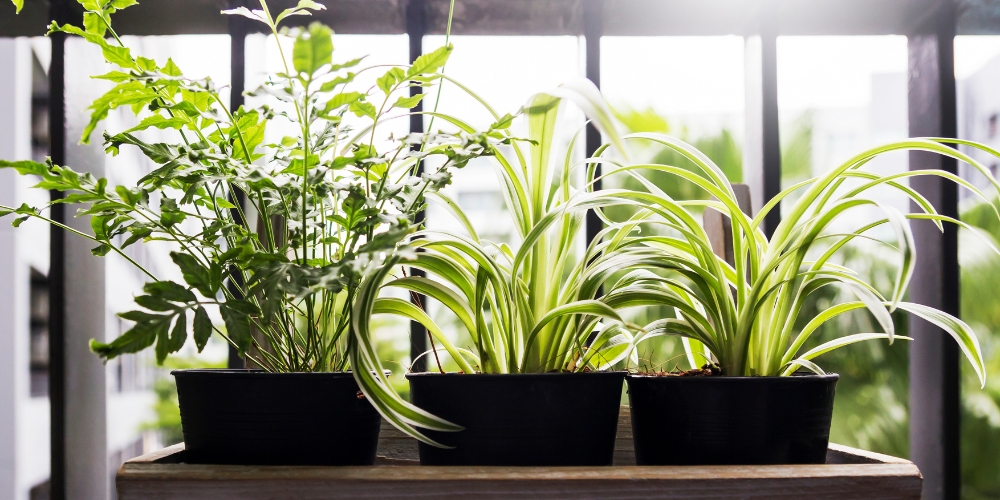
Millcreek Gardens-Salt Lake City-Utah-Bring Your Indoor Plants Outside for a Summer Vacation-houseplants on patio
How to Safely Bring Your Houseplants Outside for the Utah Summers

Before you start hauling your greens out on your patio, it’s important to know if your houseplants can tolerate the summer sun. Not all plants are created equal when it comes to light and temperature preferences, so make sure to follow these steps for a smooth transition: 

Assess Your Houseplants’ Tolerance

Although plants like cacti and succulents were made for the searing hot and low water conditions of deserts, some of your other favorite houseplants come from warm, tropical climates, where they’re used to relaxing under lush forest canopies with soothing, perfectly controlled humidity. This means that certain houseplant varieties don’t enjoy being thrust out into the open to be scorched by the hot sun, especially if they’ve adapted to lounging in the indirect sun or low light of your Utah home, and will need to be placed in more shaded or secluded areas of your outdoor space to avoid scorching. On the other hand, there are other houseplants that absolutely adore soaking up the sun’s rays! These include:

– Succulents and cacti
– Dracaena
– Jade plants
– Crotons
– Rubber plants

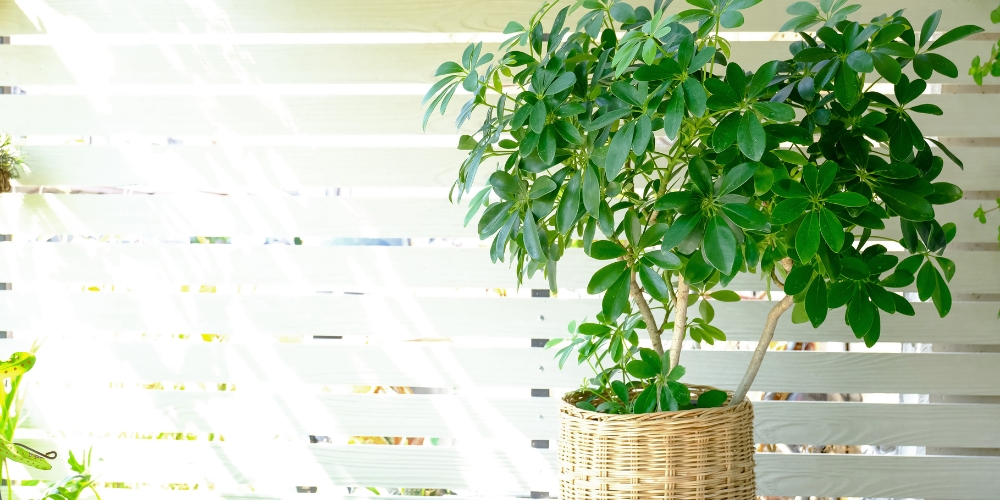
Millcreek Gardens-Salt Lake City-Utah-Bring Your Indoor Plants Outside for a Summer Vacation-umbrella tree plant
Take it Slow

When bringing your houseplants outside for the summer, start by giving them short intervals in a shady location, gradually increasing the time they spend in your garden. As long as overnight temperatures stay above 50ºF, you should be able to fully transition them outdoors in about 1-2 weeks. If you have sun-loving plants like succulents and other cacti, gradually expose them to direct sun but watch for signs of burning leaves. 

Kickstart Summer Growth

So long as you manage them properly, you can expect your houseplants to undergo incredible growth spurts during their time outdoors! Give them a dose of fertilizer shortly after you move them outside to kickstart their seasonal growth and encourage new root production. 

Mind the Watering

When bringing your houseplants outside, remember that the open air, hotter daytime temperatures, and direct sun will dry out their soil much faster, meaning your watering schedule will need some tweaking. Even succulents in full sun will need near-daily watering when temperatures rise. To give your plants the best shot at success outdoors, water them deeply to ensure their roots soak up enough water, and add mulch around their bases to help with water retention. If rain is in the forecast, let them bask in it! Plants love nothing better than rainwater. 

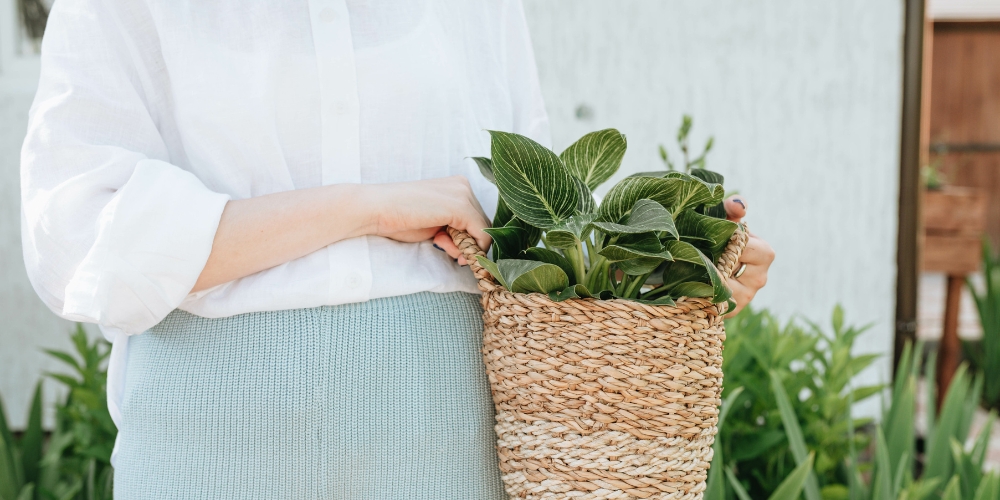
Millcreek Gardens-Salt Lake City-Utah-Bring Your Indoor Plants Outside for a Summer Vacation-philodendron birkin
Watch the Weather

Your houseplants are still your babies, so remember to keep a watchful eye on sudden shifts in weather that could upset or damage your tender tropicals. Tend to your houseplants with the same care you would any of your outdoor plants in the garden and protect them from high winds, heavy rains, or severe heat exposure, moving them back inside if weather conditions get too nasty.

Don’t Overextend the Vacation

When the weather starts to chill back down, it’s time to re-adjust your houseplants to indoor life, as even the slightest touch of frost can prove deadly! Follow the same process you used for moving them outside, and make sure to check them for any pests they may have picked up during their holidays.

As much as we all love being surrounded by our houseplants in our homes, a few months of vacation will do wonders for their long-term growth. If you’re bringing your houseplants outside into your Salt Lake City garden this year, following this guide will ensure a successful transition and healthy, happy summer for everyone!

Perennials make the gardening world go round. They form the backbone of abundant borders and seasonal containers and do us the added benefit of returning year after year with little prodding. If you're wondering how to make the most of your perennial favorites, we've got some expert tips and tricks sure to help you get your bloomers looking good all season long. 

The Best Perennial Plant Combinations for Utah

There's no denying the visual impact of a perfectly sculpted perennial border flowering from spring to fall in a profusion of stunning colors. If you want to maximize your perennial garden's aesthetic and ensure it gets the attention it deserves, try these expert plant combination and design ideas: 

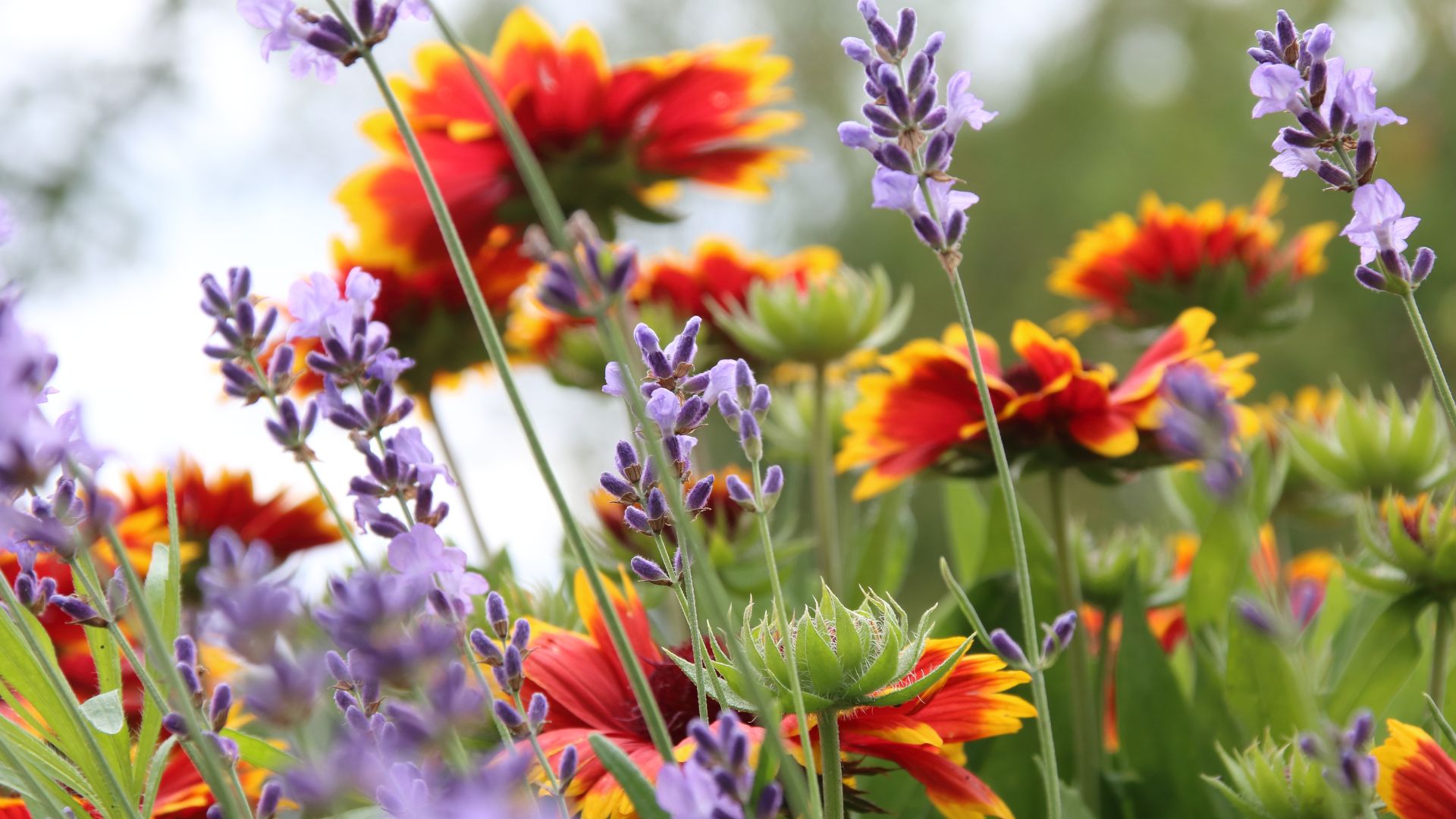
Millcreek Gardens-Salt Lake City-Utah-Perennial Garden Design-purple and orange flowers

Use Contrast

One of our favorite ways to make our perennials pop is to play around with whatever makes them different. Perennials come in so many shapes, sizes, colors, and textures that it's always an adventure in creativity to pair them up. For instance, try combining spiky plants like lupines or veronica with rounder flowers like coneflowers and perennial daisies, or arrange plants with large, lush foliage alongside flowers with tall, elegant stems, like crocosmia. Remember to play around with color in the garden, too, and look for pairings that complement each other well and create a sense of harmony.

Fill Space 

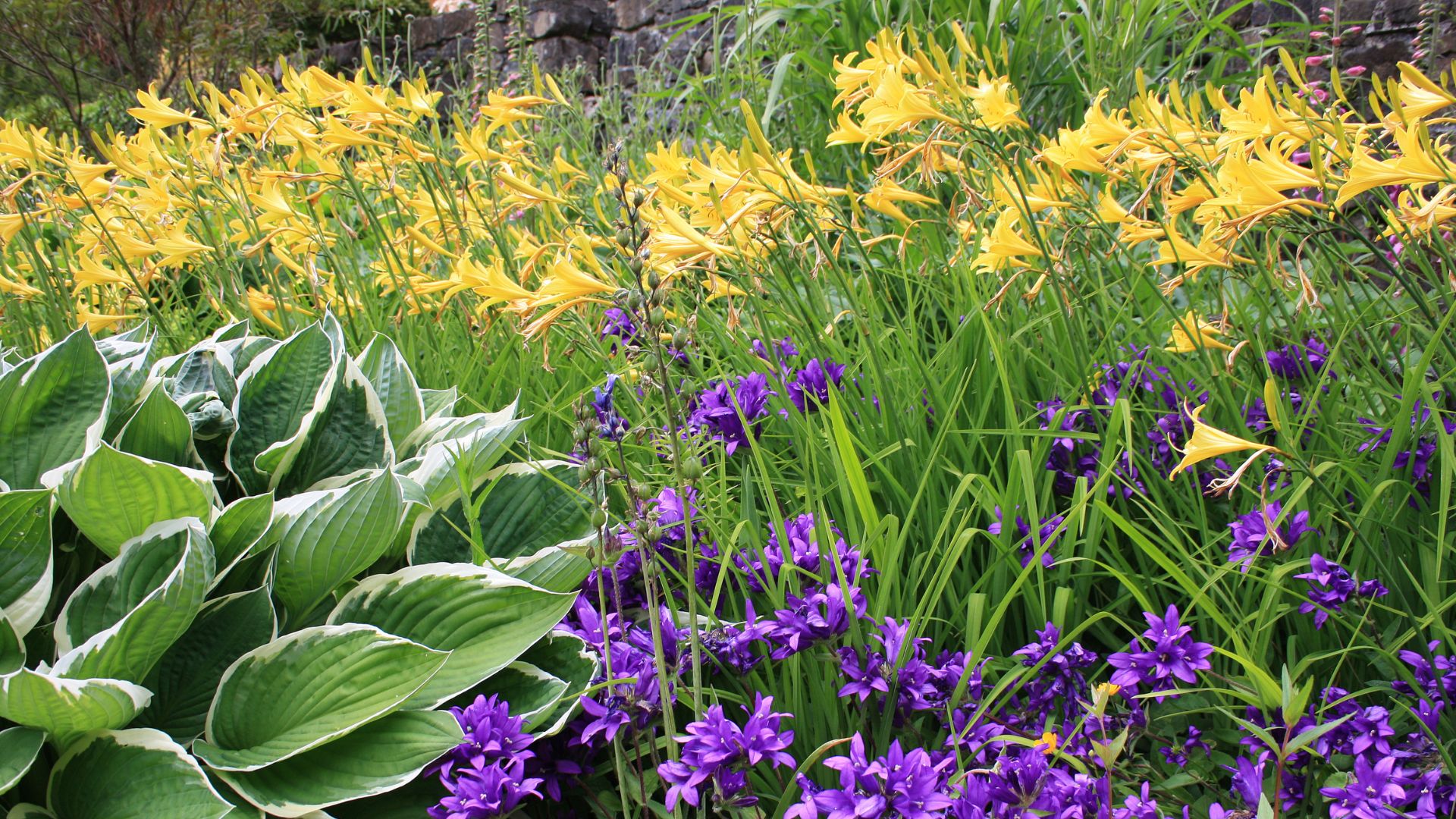
A great way to create superstar perennial combinations is to group them together according to light requirements, watering needs, and soil preferences. While many perennials appreciate a day full of sunshine, there are many varieties—like hostas and astilbes—that also thrive in low-light space, making it easy for you to use up every inch of soil space available. Making use of some solid perennial groundcovers is another must, and vigorous growers like creeping jenny, creeping phlox, creeping juniper, and blue star creeper do a great job of filling in empty spaces between taller blooms and keeping the soil covered. 

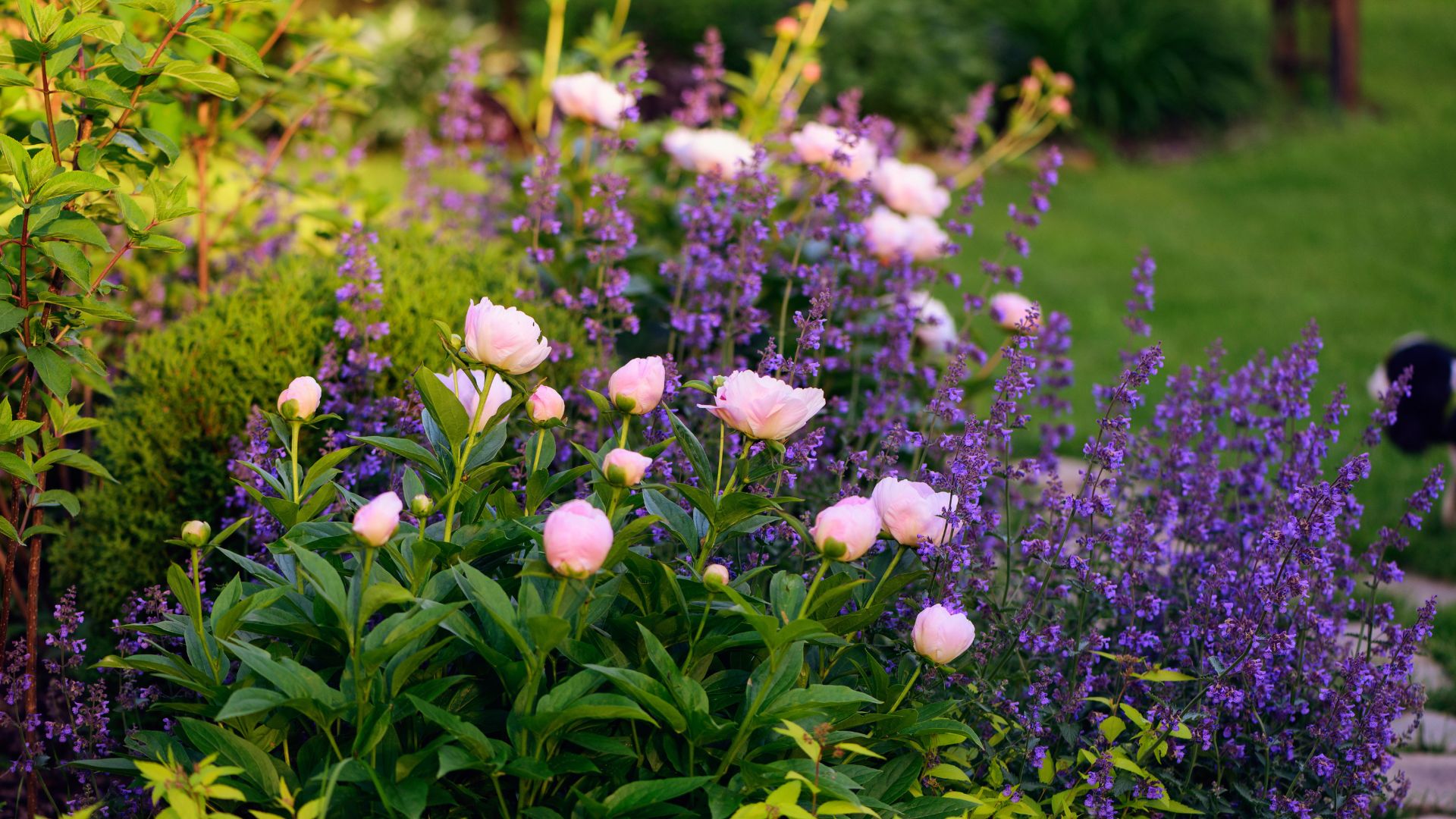
Millcreek Gardens-Salt Lake City-Utah-Perennial Garden Design-roses and lavender

Mind Your Shrubs

Don't forget the importance of combining your delicate perennial flowers with denser shrub varieties, like roses and hydrangeas. Roses, in particular, look incredible when planted alongside salvias and other tall, slender blooms that compliment the lush, delicate cottage-style flowers.

Size Matters

Some of the best perennials shine like beacons, towering above your landscape and stealing the attention in your garden. However, it's important not to forget about the little guys amidst these impressively tall showstoppers! When designing your border or containers, don't let your towering titans block out your smaller blooms; instead, try combining plants with varying heights for a more dynamic look. Think butterfly bush, foxgloves, delphiniums, lupines, larkspur, and ornamental grasses for tall varieties sure to attract local pollinators, and surround these big bloomers with low-growing perennial plants to add depth and visual interest year-round. We love dianthus, sedum, lambs ear, and anything with the word "dwarf" in the flower title! Mix it up even more by using combinations of flowering and foliage cultivars for some extra special garden interactions. 

Millcreek Gardens-Salt Lake City-Utah-Perennial Garden Design-Clematis

Let Them Climb!

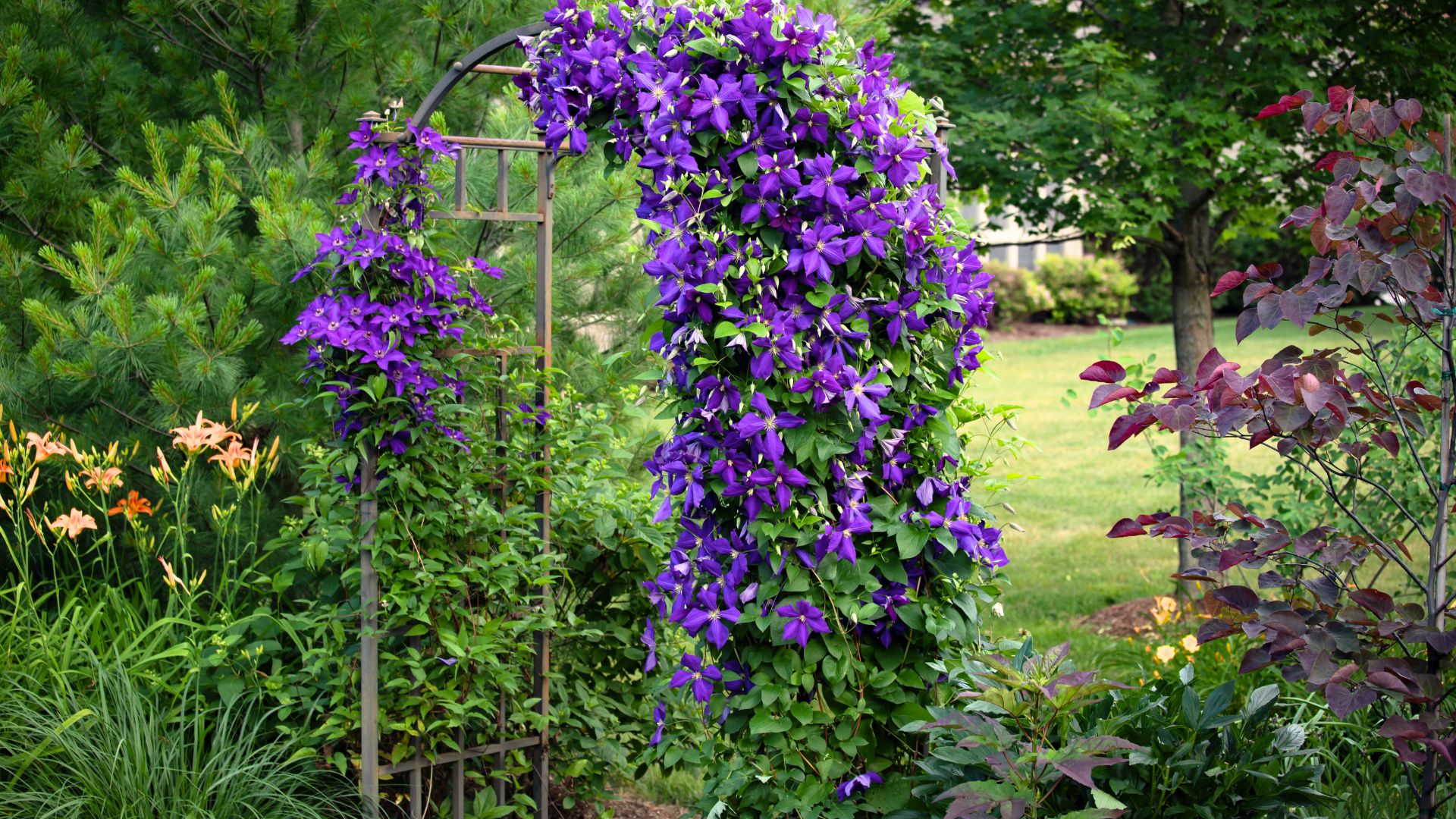
Every garden needs a climber to offset those creeping varieties on the ground. Adding a trellis or fence to train a climbing perennial plant like clematis or English ivy adds diversity to your landscape and gives your garden that classic cottage look!  

Keep The Blooms Going

Another thing we love about perennials is that they don't all show up to the party at once, meaning you can keep your garden colorful year-round by combining flowers that bloom at different times. Daffodils, tulips, and crocus, for instance, first appear in spring and pave the way for early summer and midsummer blooms. On the other hand, some perennials—like sweet alyssum and red salvia—like cooler temperatures and will bloom into the fall. Pair these cooler bloomers with trees that turn color, such as the Japanese maple, for a stunning pre-winter show. Finally, keep plants with tall seed heads, like coneflowers, for visual interest and as a food source for the birds over winter. 

Millcreek Gardens-Salt Lake City-Utah-Perennial Garden Design-hosta and daylily

The trial-and-error process of finding the best perennial plant combinations in Utah is an incredibly rewarding gardening experience. With so many cultivars to choose from, you're sure to find the perfect combination for your unique landscape and personal style! Come visit us today at Millcreek Gardens in Salt Lake City, UT, for more expert design advice or to browse our incredible perennial selection! 

Gardening is one of life's most fulfilling and nurturing endeavors. It can be challenging to get it all right, though, especially when all our plants have different needs and care requirements. Knowing when to feed, prune, mulch, and divide your garden is time-consuming enough without having to worry about your plants' individual watering schedules. That's why we've put together this guide full of the best watering tips for Utah gardens and landscapes: to help you keep your garden healthy and your water consumption under control without all the headaches!

The Best Watering Tips for Utah Gardens

The best way to keep your garden's watering needs on track and improve your water consumption and overall plant performance is to ensure you're grouping your plants according to their similar watering needs. Many perennials and wildflowers, for instance, are drought-tolerant plants and can be planted together in a perennial border or container garden, while annuals should be grouped with water-loving plants—like hydrangeas—due to their higher water demands. Not only does this ensure everyone gets what they need, but you also won't give soggy feet to plants that like it dry and hot! 

Millcreek Gardens-Salt Lake City-Utah-Watering Tips and Techniques for Utah-adding mulch

Keep in mind that container plants and hanging baskets will need more water than plants grown in the ground, especially in hot, dry weather. During Utah's extreme heat waves, move your containers and hanging plants out of direct sun to prevent too much moisture from evaporating out of the soil. For garden beds, mulching will help your soil retain moisture and reduce the need to water frequently during our frequent droughts. 

When watering your flower beds, veggie gardens, and containers, make sure you soak their roots, not their leaves. Water containers and hanging baskets until water drips from the bottom, and try to water in the early morning or late evenings to avoid evaporation.

What is The Best Way to Water My Utah Lawn?

Your lawn might take a beating during the drier months, and gardeners are often tempted to keep their sprinklers running to achieve that lush, green look. As a general rule, however, the average Utah lawn only needs about 1-2 inches of water per week in the spring and 2.5-3 inches in the summer. Make sure you water your lawn early in the morning to give its roots more time to absorb any moisture before the sun's heat dries it up. Also, pay attention to the soil under your grass to make sure you're not overwatering some areas. Don't be fooled by your lawn's color; even dry, brown grass can sometimes have wet soil underneath. 

Millcreek Gardens-Salt Lake City-Utah-Watering Tips and Techniques for Utah-rain barrel

The Rest of the Best: More Top Watering Tips for Utah Landscapes

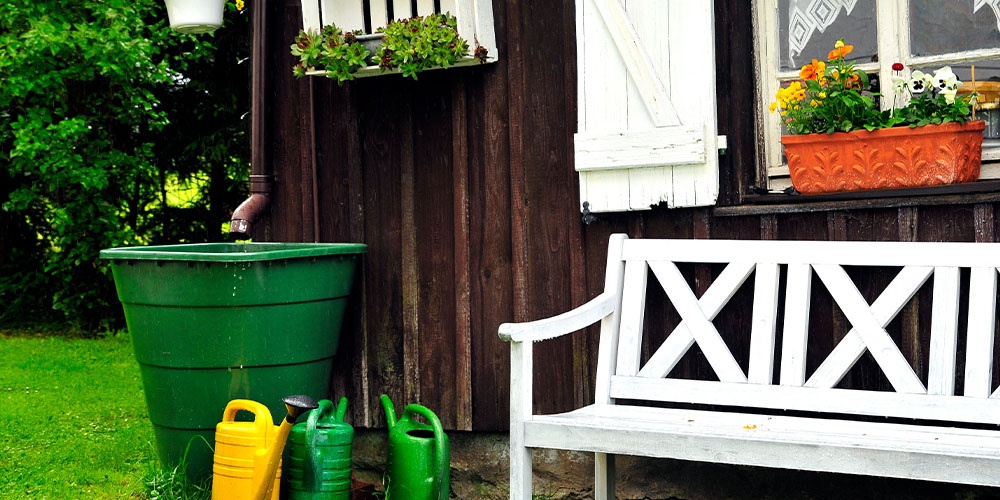
To keep your lawns and gardens supplied with a high-quality water supply all season, we recommend collecting rainwater in rain barrels during the wetter months. Rainwater contains more oxygen than tap water, among other benefits, making it the best choice for your plants. Nobody waters better than mother nature, after all! Try placing a water barrel near a downspout to catch water runoff and use it in your garden's irrigation systems throughout Utah's sweltering summers.

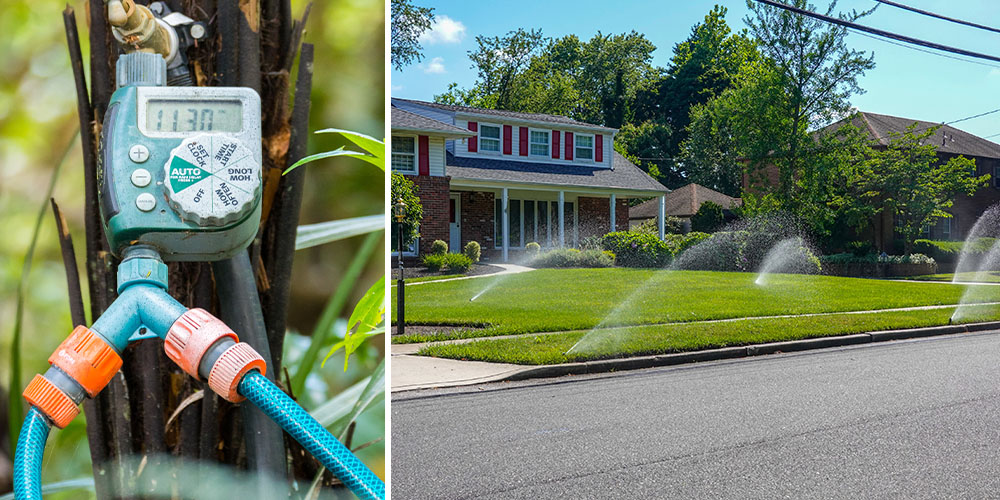
Another great tip to ensure your garden gets what it needs is to set up a timed, automatic irrigation system, especially for larger gardens where access can be difficult or for landscapes that are left unattended for extended periods of time. Automatic irrigation systems are also a great way to schedule separate watering schedules for different parts of your garden, ensuring optimal watering levels for each section of your landscape, whether you're home or not. Overhead sprinklers are fine for grass lawns, but make sure you install sprinklers close to the ground for flower beds so water will reach the base of your plants and not get trapped in spreading, fanning foliage.

Millcreek Gardens-Salt Lake City-Utah-Watering Tips and Techniques for Utah-dog drinking water

These watering tips for Utah gardens and lawns are also excellent guidelines for keeping your landscapes thriving no matter the weather. If you ever find yourself in doubt about your watering schedule or a specific plant's needs, stop by our garden center in Salt Lake City, UT, for some friendly advice to help your landscape make it through Utah's dry summers!

The curb appeal of your front yard is one of the most important aspects of your landscape. As the first thing people see when approaching your house, your front yard shows the world how much pride you take in your property and allows you to share your unique sense of style and beauty. It's also the first thing YOU see every time you come home, significantly affecting how comfortable and relaxed you feel in your space. If your front yard could do with a little makeover this spring, here are some of our favorite design tips to help you put it on the map!

How Do You Design a Front Yard for Utah?

There are plenty of design elements you can use to add a bit of "wow" to your front yard, even if "wow" just means making it more functional and pleasing to the eye than a patch of grass. Here are a few of our favorite front yard design trends, along with some ideas to help you incorporate them into your unique landscape:

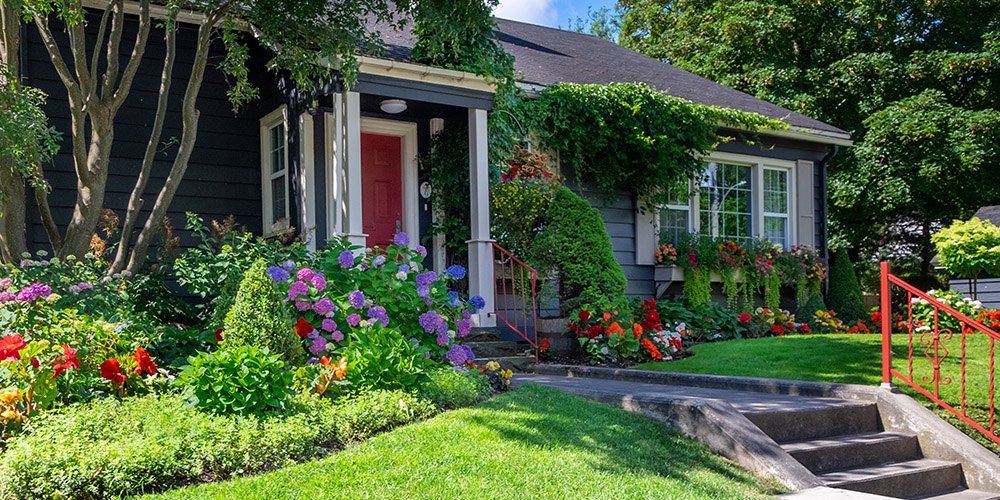
Millcreek Gardens-Salt Lake City-Utah- Tips for Designing a Stunning Front Yard-garden beds

Flower Beds

Building flower beds in your front yard is a great way to add texture, dimension, and color. Whether you're simply planting a flower bed in front of your house or extending one right out into the yard, adding some arrangements of perfect perennials and abundant annuals will instantly make your front yard more dynamic and visually interesting. Try using natural stones or pre-made blocks to edge your garden beds, and experiment with plants of different heights and foliage for dramatic effect in your front yard. If you're into variety, you can also plant seasonal flower beds that constantly change throughout the year. 

Shrubs for Privacy

We love the look of perennial shrubs in a front yard landscape, and there are so many great choices for Salt Lake City that will give you both seasonal beauty and a ton of privacy! While we recommend planting native plants where you can, some of our other favorites for the Utah climate include Japanese rose, boxwood, Cliff rose, hardy hydrangeas, and Apache plume. Just be sure to stay up-to-date with your annual pruning to keep your shrubs from growing unruly. 

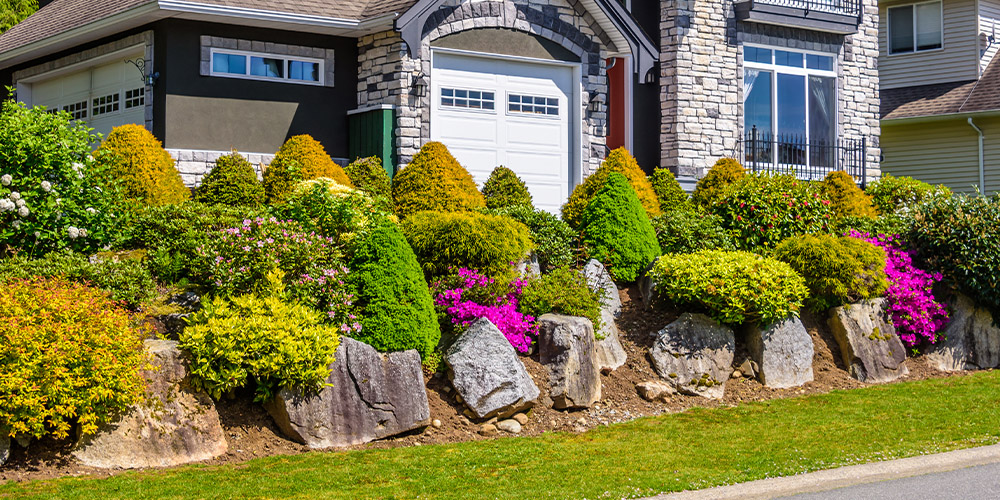
Millcreek Gardens-Salt Lake City-Utah- Tips for Designing a Stunning Front Yard-boulders front yard

Rock Features

Using rocks in front yard garden settings is a top design choice for many gardeners and designers alike. Not only can you use them to make fantastic retaining walls for flower beds, but you can also get creative with rockeries, stepping stones, or stone pathways. For extra dimension and a bit of playfulness, use rocks and pebbles to break up flower beds, or make your own Zen garden using pebbles, sand, and statuary. Rock areas also pair nicely with water features, like small streams to divert rainwater, waterfalls, and ponds.  

Wildflower Patch

A great way to add interest and a touch of eco-friendly fabulousness is to ditch the lawn and plant a wildflower garden! A growing trend among gardeners, planting a wildflower patch increases the health of Utah's ecosystem by attracting local pollinators and offering the local wildlife a diverse range of food sources. Perennial wildflowers are also quite drought tolerant, making them excellent water-wise additions to your front yard design!

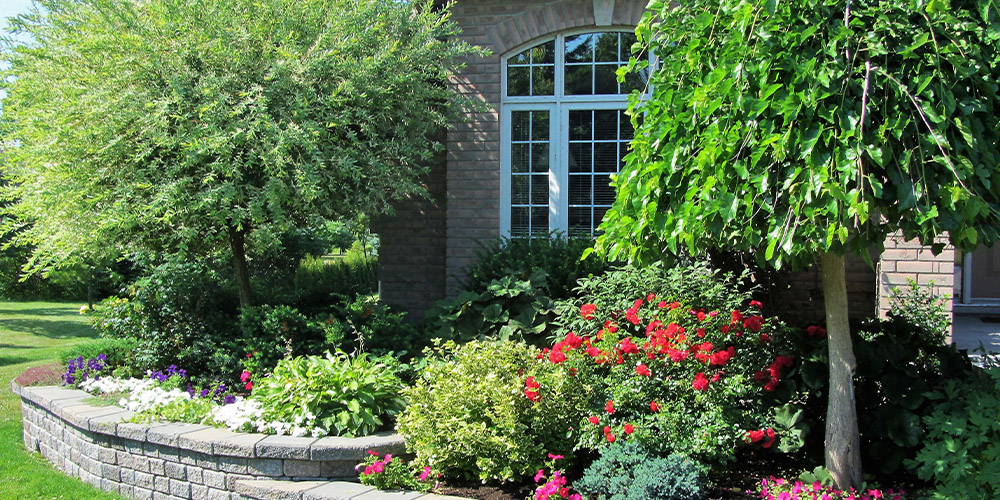
Millcreek Gardens-Salt Lake City-Utah- Tips for Designing a Stunning Front Yard-trees in garden

Trees  

Planting a tree or two in your front yard instantly adds character, stature, and a sense of permanence to your property. If you have a single larger tree, build a flower bed around its base for a bit of country charm, or plant a trio of smaller trees in their own garden bed surrounded by lush foliage, pollinator-friendly perennials, and a border of rocks. Large trees planted in your front yard are also perfect for privacy and offer shade during the warmer months. Choosing a tree with colored leaves or blossoms, like the Red Horse Chestnut, Crabapple, and Eastern Redbuds, also adds great texture during seasonal changes. 

Cottage Garden

Nothing compares to the look of a quaint country cottage, its front yard bursting full of blooms that climb, twist, and compete all the way to the front door. Cottage gardens are great space savers because you can plant perennials, annuals, fruits, and veggies together in true English style. 

If you've enjoyed our front yard design tips, stop by and visit us at Millcreek Gardens in Salt Lake City, UT, for more tips and supplies to help you take your landscape to the next level.