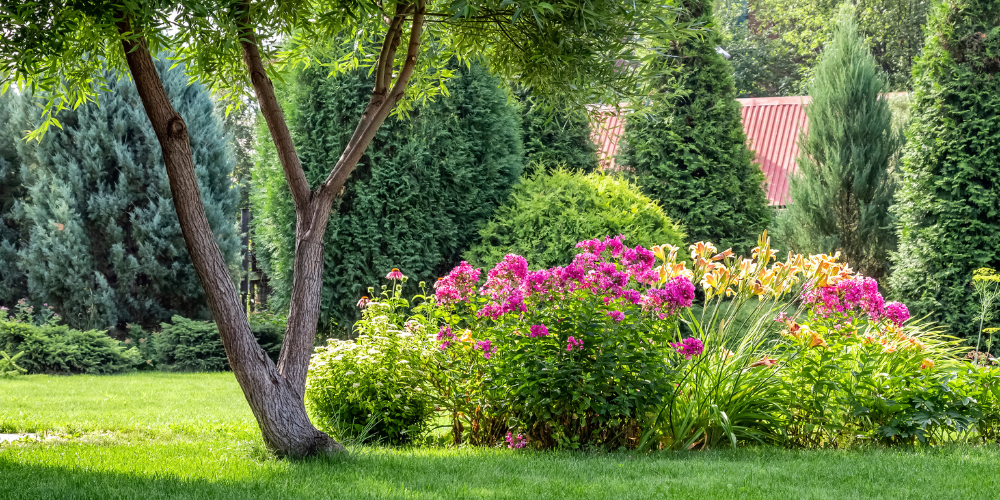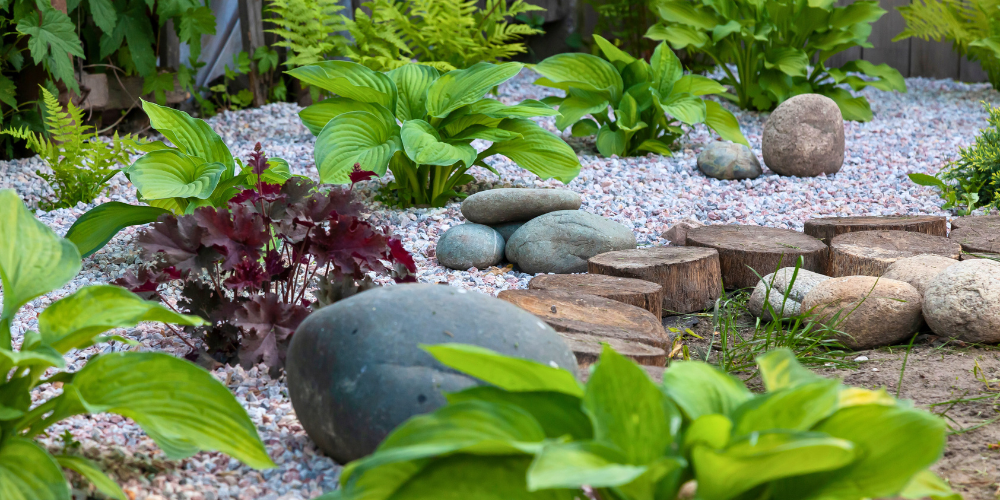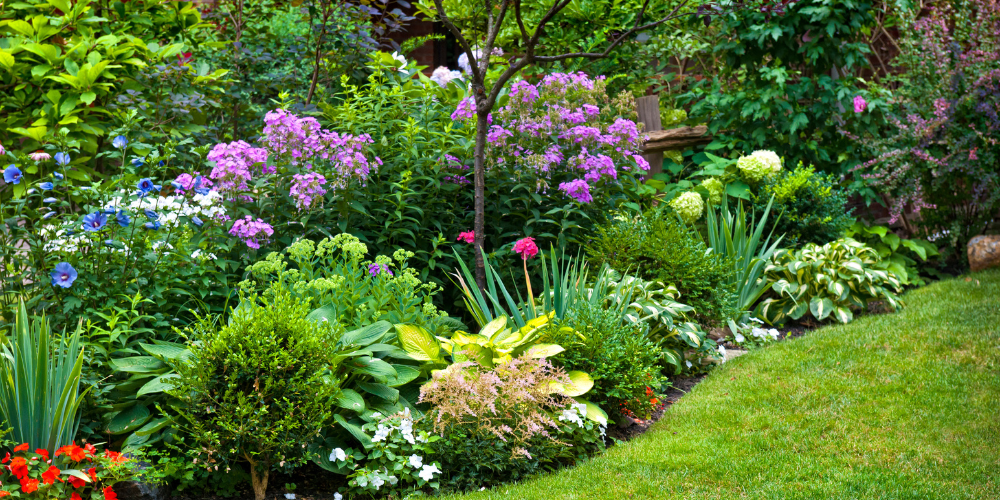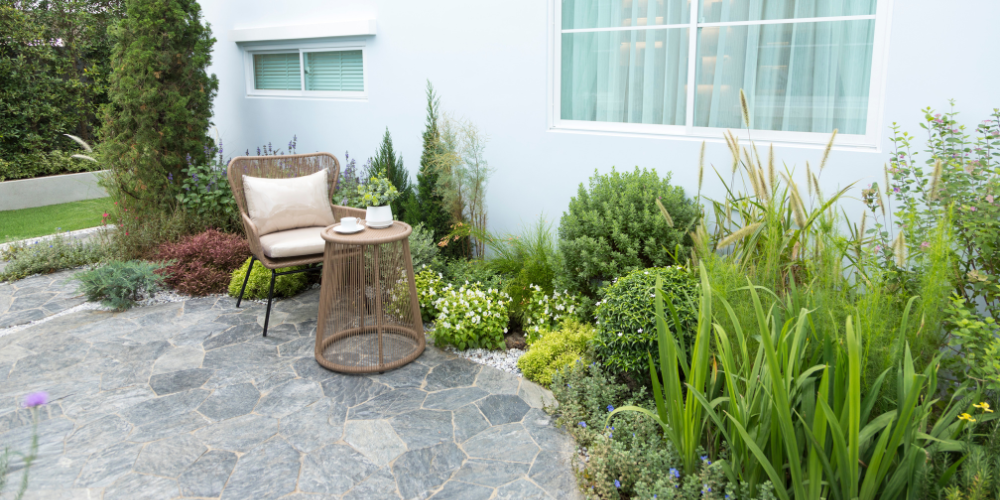
When designing a garden or landscape, native plants offer a beautiful and sustainable solution. Incorporating native landscaping practices into your Salt Lake City backyard not only enhances the visual appeal of your outdoor space but also supports local ecosystems, conserves water, and reduces maintenance. In this guide, we’ll explore the best native plants for Salt Lake City gardens, their benefits, and why incorporating them is essential for any landscape!

The Benefits of Native Landscaping in Salt Lake City

Here’s why you should be growing native plants in your Utah landscape this summer:

Adaptability and Resilience:

Native plants are naturally adapted to our local climate and soil conditions, making them more resilient to drought, pests, and diseases. These adaptations also reduce the need for water, fertilizers, and pesticides, ensuring a healthy and thriving garden with minimal effort.

Water Conservation:

Native plants are typically drought-resistant and water-wise, thriving on natural rainfall. Using these plants can significantly reduce your garden’s annual water usage. 
Support for Local Wildlife:

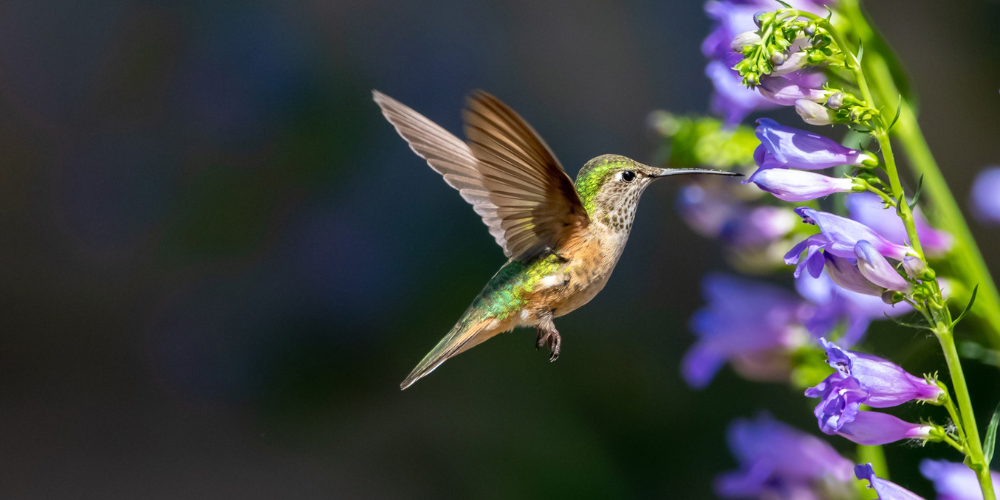
Native plants provide essential resources for local wildlife and birds, including pollinators like bees, butterflies, and hummingbirds. These plants have co-evolved with local fauna, offering the necessary nectar, pollen, and shelter they need to survive and thrive. For example, California quail enjoy food from Oaks and Manzanita as well as shelter from rabbitbush.

Low Maintenance:

Once established, native plants require less maintenance than non-native species due to their natural resistance to local pests and diseases, reducing the need for chemical interventions and ongoing care.

Best Native Plants for Salt Lake City Landscapes

For a striking and sustainable native garden, try these versatile beauties:

Perennials:

Penstemon: There are over 70 native species of Penstemon in Utah, with various colors including red, pink and blue. These tall blooms add striking beauty to any garden design. Firecracker Penstemon,known for its red, tubular flowers, attracts hummingbirds and blooms in early summer. Wasatch Penstemon is a beautiful blue, and Pineleaf Penstemon is a groundcover in red, orange, & yellow.

Utah Agave: This succulent adds stunning architectural interest and requires minimal water and maintenance.

Columbine: Native to higher elevations in the Rocky Mountain West, this flower attracts hummingbirds and blooms for 4-6 weeks in spring to early summer.

Globemallow: This shrubby perennial touts numerous large orange flowers on wand-like clusters. The leaves offer a woolly gray foliage, adding interest in your yard.

Grasses:

Blue Grama: A hardy grass that requires minimal water and adds a natural prairie look to your landscape. ‘Blonde Ambition’ is a popular cultivar in Salt Lake City.

Indian Ricegrass: This attractive grass adds texture to your garden and provides seeds that are a favorite food source for local wildlife.

Big Blue Stem: This 2-5’ tall grass is a great native substitute for Miscanthus. ‘Blackhawks’ has dark burgundy foliage.

Shrubs and Bushes:

Curl-Leaf Mountain Mahogany: This evergreen shrub is highly drought-tolerant and provides year-round structure to gardens.

Rabbitbrush: With bright yellow flowers in late summer, this shrub is excellent for attracting pollinators.

Fourwing Saltbush: This versatile shrub thrives in the salty, alkaline soils that are typical of our region and adds interesting texture to your landscape with its showy seed clusters.

Manzanita: A medium sized, dense evergreen shrub with egg-shaped shiny leaves with a somewhat spreading habit.

Big Sagebrush: Known for its silvery-gray foliage and aromatic leaves, this iconic shrub is both drought-tolerant and low-maintenance.

Trees:

Utah Serviceberry: This small tree offers beautiful white spring flowers, edible berries, and vibrant fall colors.

Gambel Oak: A drought-tolerant oak that adds a natural woodland feel to landscapes and provides habitat and food for our local wildlife. Can be used to make communities of small trees.

Chitalpa: This tree is a unique cross between two native trees – a Catalpa and a Chilopsis (Desert Willow). It has showy blooms with large broadleaf leaves.

Rocky Mountain Juniper: This evergreen tree is highly drought-resistant and offers year-round interest with its blue-green foliage and berry-like cones.

Designing a Native Plant Garden

Picked up your plants but stuck on design? Try these expert tips to make your native plants work in any landscape:

Assess Your Space: 

Understanding the specific conditions of your garden—including soil type, sunlight, and existing vegetation—will help you choose the most suitable native plants for your landscape

Plan for Year-Round Interest:

Select a mix of plants that bloom at different times of the year and combine perennials, grasses, shrubs, and trees to create a dynamic landscape that offers visual interest throughout the seasons.

Create Microclimates:

Use rocks, mulch, and berms (mounded areas) to create different microclimates within your garden. This unique approach allows you to mimic natural habitats and support a diverse range of plants.

Group Plants by Water Needs:

Even among native plants, water requirements can vary. Grouping plants with similar water needs together helps you water more efficiently, leading to reduced water use, lower maintenance costs, enhanced biodiversity, and improved resilience against local pests and diseases. This is called hydrozoning.

Incorporating native plants into your Salt Lake City landscape is a smart choice that blends beauty with sustainability. By choosing species that are adapted to our local environment, you can create a garden that thrives with minimal intervention, supports local wildlife, and conserves valuable resources. Whether you are an experienced gardener or just starting, native landscaping in Salt Lake City offers a rewarding way to connect with the natural beauty of Utah.

Need more advice? Come see us today at Millcreek Gardens to get your native garden growing now!
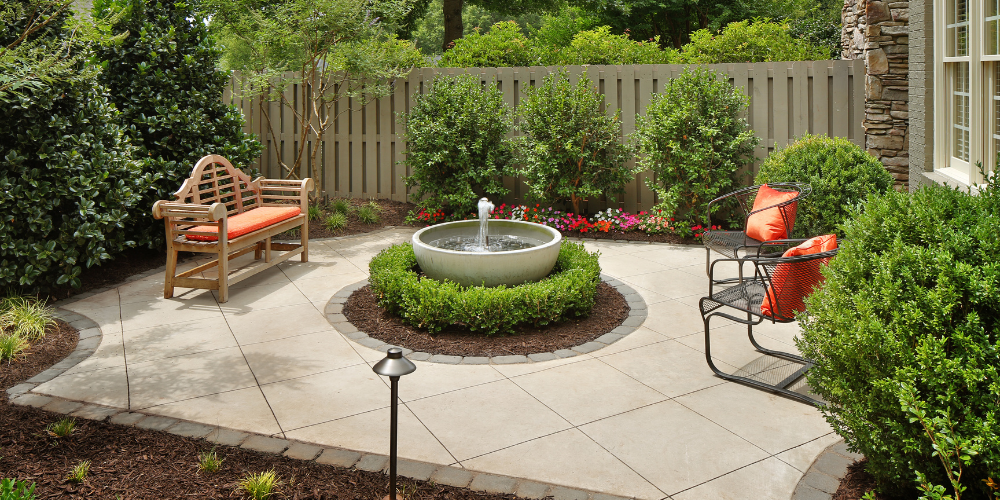
Your yard is more than just a patch of greenery surrounding your home; it’s an extension of your living space, a sanctuary where you can unwind, entertain, and connect with nature. 

Designing your yard requires careful consideration of certain elements to create a space that is visually appealing, functional, and sustainable. In this guide, we’ll explore five essential design principles we use at Millcreek Gardens to help you transform your outdoor space into a harmonious and inviting oasis right in the heart of Salt Lake City.

Millcreek Gardens-Salt Lake City-Utah-Design Principles for Your Yard-fountain seating area
1. Integrating Form, Function, and Theme

To create a cohesive and visually-striking yard, it’s essential to incorporate elements such as form, function, theme, and style into your design. Consider the following points and ideas when planning your garden design:

-Assess your yard’s site conditions, including sun exposure, soil type, and moisture levels, to ensure you follow the ‘right plants, right place’ concept.

-Choose a theme or look that reflects your garden preferences and complements the architectural style of your home, whether it’s native planting, natural, formal, Japanese-inspired, or more!

-Experiment with contrast, repetition, and massing to create visual interest and cohesion.

-Incorporate different shapes, such as rounded beds or linear pathways, to add depth and dimension to your space.

-Consider dedicating space(s) to a pollinator garden, edible garden, or rainwater garden for versatility.

-Add in features such as bird baths, ponds, fruit trees, bird houses, and insect hotels if your goal is to encourage wildlife into your garden.

Millcreek Gardens-Salt Lake City-Utah-Design Principles for Your Yard-pathway in garden
2. Harnessing the Power of Plants

Plants are the backbone of any yard design—providing color, texture, beauty, and structure. Understanding their purposes and characteristics can help you achieve a balanced and harmonious look. Here are some tips to keep in mind:

-Think in terms of fillers, spillers, and thrillers when selecting plants for containers or garden beds, and the unique aesthetic appeal they create.

-Apply color theory principles, such as analogous or complementary color schemes, to create cohesive plant combinations.

-Pay attention to proportion and order by arranging plants according to their size and growth habits.

-Strive for unity by selecting plants that share similar traits or complement each other in terms of texture and form.

Choose native plants that will boost the local ecosystem and provide essential sources of food for pollinators in Salt Lake City. 

Millcreek Gardens-Salt Lake City-Utah-Design Principles for Your Yard-shade garden
3. Embracing Balance over Symmetry

While symmetry can create a sense of order and formality, it’s not necessary for all yard designs. Instead, focus on achieving balance by distributing visual weight evenly throughout the space. Consider these ideas:

-Experiment with asymmetrical arrangements and organic shapes to create a more relaxed and natural feel.

-Use focal points, such as statues or ornamental trees, to anchor your design and establish visual hierarchy.

Balance hardscape elements, such as pathways and patios, with softscape elements, like flower beds and lawn areas, to create a harmonious composition.

4. Designing with Perennials

Perennials are a versatile and long-lasting addition to any yard, offering year-round interest with minimal maintenance. When incorporating perennials into your design, consider the following tips:

-Create depth and dimension by varying the heights of perennial plants, with shorter varieties in the front and taller ones in the back.

-Position taller perennials along fences or in the middle of beds to provide structure and vertical interest.

-Choose perennials with attractive foliage and blooms to ensure visual appeal throughout the growing season.

Incorporate dwarf conifers and plants with pretty winter foliage to add interest during the colder months.

Millcreek Gardens-Salt Lake City-Utah-Design Principles for Your Yard-private seating area
5. Ensuring All-Season Interest

A well-designed yard should captivate your senses and provide enjoyment throughout the year, regardless of the season. Incorporating plants with diverse textures, colors, and forms ensures year-round appeal. Here’s how you can achieve all-season interest:

-Integrate dwarf conifers and evergreen shrubs to provide structure and color during the winter months. These can be planted in the garden or used in your favorite porch pots.

-Choose plants with attractive foliage, such as ornamental grasses and variegated perennials, to add visual interest during the growing season.

-Incorporate seasonal blooms and flowering shrubs to create dynamic displays throughout the year.

-Enhance your yard with elements like bird feeders, birdbaths, fountains, outdoor furniture, privacy screens, and decorative garden ornaments to add seasonal interest. 

Learning how to design your yard in Salt Lake City is a creative process that allows you to express your personality and create a personalized outdoor retreat. By applying these five design principles, you can transform your landscape into a vibrant and inviting space that you’ll enjoy for years to come.

Need more ideas? Come see us today at Millcreek Gardens for everything you need to create the garden of your dreams! 

Creating the perfect garden doesn’t require professional help or a hefty budget: all it takes is some family fun and inspiration! Personalizing outdoor spaces with homemade garden art and decor is becoming a significant trend in 2024, and we want to share some of our favorite DIY garden decor ideas.

The Best DIY Garden Decor Ideas for Salt Lake City

Give these DIY projects a try this spring to create instant family bonding and a gorgeous garden:

Image Credit: https://www.craftingcheerfully.com/ 

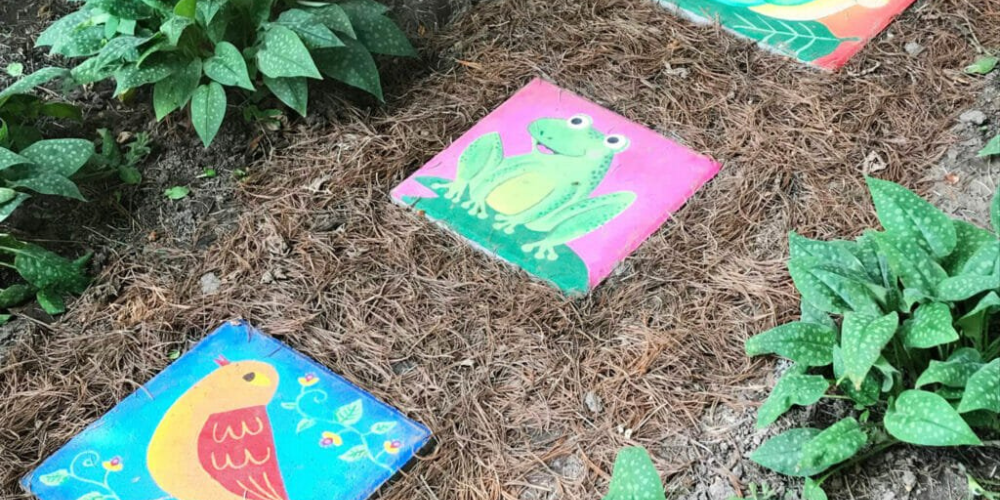
Personalized Garden Stepping Stones

Transforming ordinary stepping stones into personalized pieces of art is a fantastic way to add a unique touch to your garden. This project is a great way to get your kids excited about working in the garden while allowing everyone in the family to leave their own unique mark on your space!

Materials Needed: Concrete mix, molds, and acrylic paints.

Process
-Mix concrete according to instructions.
-Pour the mixture into your molds and allow it to set.
-Once dry, remove the stepping stones from the molds.
-Let each family member get creative by decorating their stones with acrylic paints, mosaic glass, stencils, and whatever else their creative minds can come up with!

Millcreek Gardens-Salt Lake City-Utah-DIY Garden Decor You Can Do With The Whole Family-painted rock
Whimsical Painted Rock Animals

Bring your family even closer to nature by creating painted rock animals. This project is one of our favorites, as it encourages creativity while also adding a playful and imaginative element to your outdoor space.

Materials Needed: Smooth rocks, acrylic paints, and brushes.

Process:
-Select smooth rocks from your garden, a craft store, or a trip to the beach.
-Clean the rocks thoroughly and let them dry.
-Have each family member choose their favorite animals or design to paint.
-Paint the rocks with vibrant acrylic colors and let the paint air-dry.
-Arrange these whimsical creatures around your garden, or have the kids pick their favorite planter boxes to place them in for a playful addition!

Millcreek Gardens-Salt Lake City-Utah-DIY Garden Decor You Can Do With The Whole Family-tire gardens
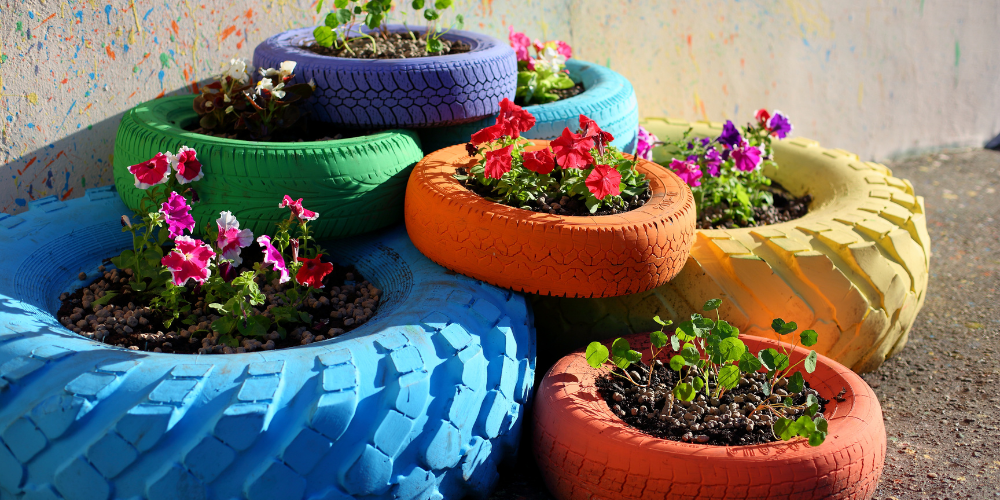
Eco-Friendly Tire Flower Planters

Combine sustainability with creativity by repurposing old tires into vibrant flower planters. This eco-friendly project not only adds a pop of color to your garden but also helps you reduce waste.

Materials Needed: Old tires, spray paint, potting soil, flowers, herbs, or plants.

Process:
-Paint old tires in your favorite colors using spray paint.
-Fill the tires with potting soil.
-Plant flowers or herbs of your choice in each tire.
-Arrange these colorful tire planters creatively in your garden, or dedicate one tire to each family member and let them get creative with their own planting arrangements.

Millcreek Gardens-Salt Lake City-Utah-DIY Garden Decor You Can Do With The Whole Family-bird bath

Image Credit: https://julesmadden.blogspot.com/

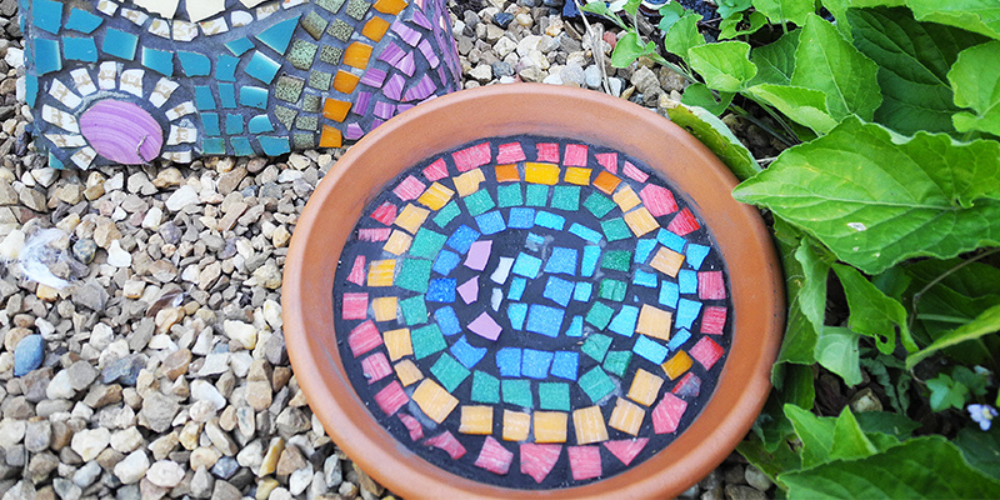
Broken Tile Mosaic Birdbaths

Transform a simple birdbath into a work of art by adorning it with a mosaic design made from broken tiles. This project is the perfect way to attract birds to your space while adding a touch of playfulness and elegance to your garden.

Materials Needed: Old birdbath or pedestal, broken tiles, tile adhesive, grout.

Process:
-Apply tile adhesive to the birdbath.
-Safely arrange broken tiles in a mosaic pattern.
-Allow the adhesive to dry completely.
-Apply grout to fill in the spaces between the tiles.
-Wipe off excess grout and let it dry.

Millcreek Gardens-Salt Lake City-Utah-DIY Garden Decor You Can Do With The Whole Family-fairy garden
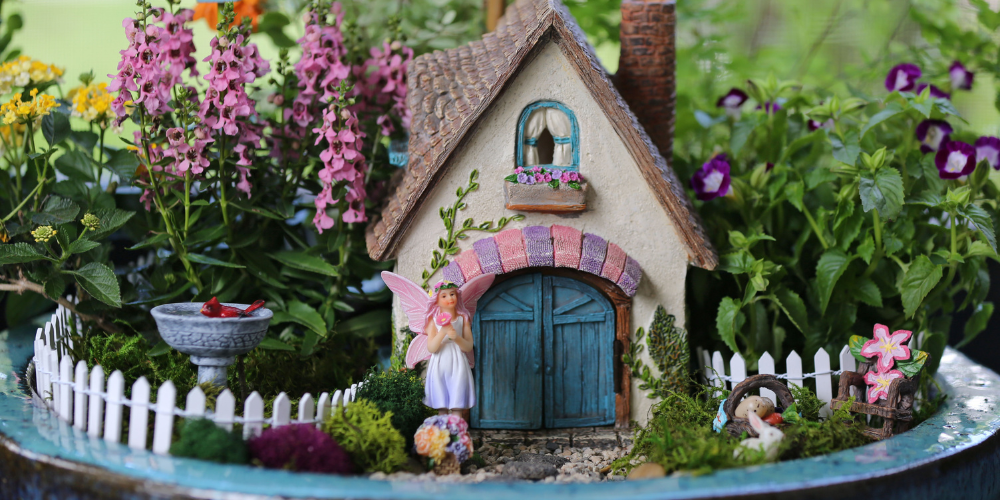
Fairy Gardens with Miniature Accessories

Transform your garden into a space full of magic and enchantment with a DIY fairy garden, complete with miniature accessories!

Materials Needed: Shallow container, potting soil, miniature accessories (fairies, houses, bridges, etc).

Process:
-Fill the container with potting soil, or find a special spot in the garden you can dedicate to this project.
-Arrange miniature accessories creatively to create a miniature fairy garden.
-Personalize the fairy garden with tiny houses, fairies, miniature bridges, stones, and even animal figures; let your creativity run wild!

Millcreek Gardens-Salt Lake City-Utah-DIY Garden Decor You Can Do With The Whole Family-garden labels
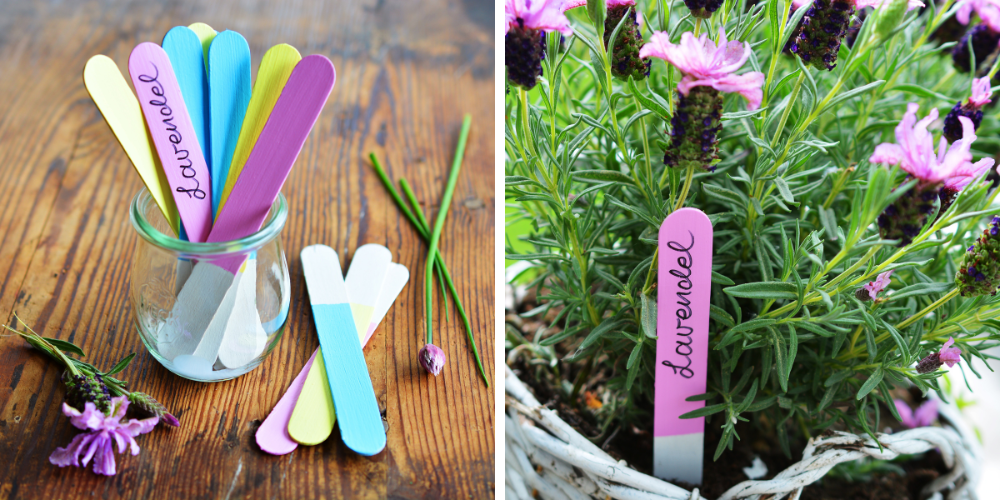
Personalized Plant Markers

Boost your garden’s organization and natural charm with homemade plant markers and signs. This simple yet creative project ensures every plant gets its spotlight while adding a personalized touch to your green space.

Materials Needed: Wooden stakes or popsicle sticks, acrylic paints, paintbrushes, waterproof markers, and a clear sealant.

Process:
-Use wooden stakes or popsicle sticks as your base.
-Paint each stick with bold colors and let them dry.
-Use waterproof markers to write the names of each plant.
-Seal each marker with a clear, waterproof sealant for durability.
-Place them throughout your garden and containers!

Millcreek Gardens-Salt Lake City-Utah-DIY Garden Decor You Can Do With The Whole Family-pallet garden bench
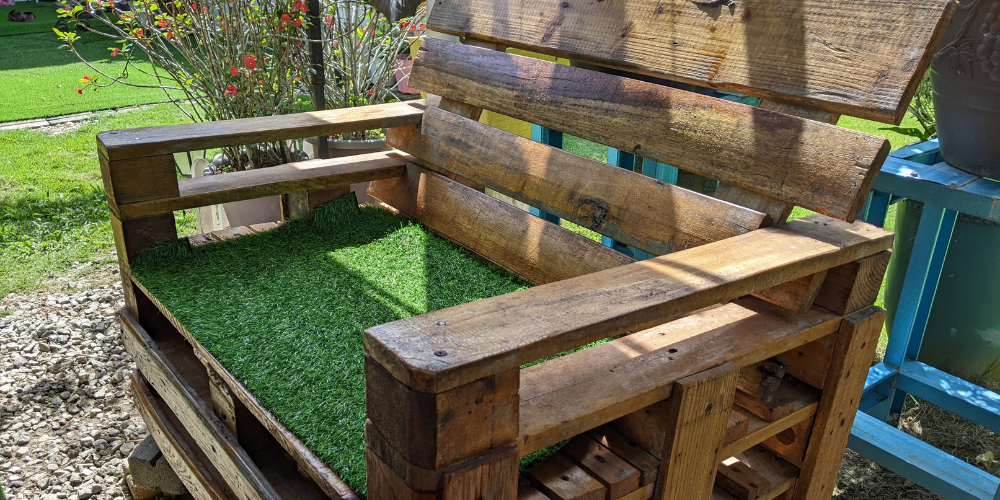
Repurposed Wooden Pallet Garden Furniture

Give your garden a rustic, eco-friendly makeover by repurposing wooden pallets into stylish garden furniture. This project adds functional elements to your outdoor space while also contributing to a sustainable lifestyle.

Materials Needed: Wooden pallets, sandpaper, and outdoor paint or sealant.

Process:
-Sand the pallets to remove any rough edges.
-Paint or seal them with outdoor paint or sealant.
-Arrange the pallets to create benches, tables, or even a vertical garden. The possibilities are endless!

With spring right around the corner, finding DIY garden decor projects you can do with the whole family is a great way to celebrate the renewal of the gardening season. Looking for more great ideas and plants to get you started? Visit us at Millcreek Gardens for the products you love and the expert advice Salt Lake City depends on!

Spring is fast approaching, which means now’s the perfect time to get your kids ready for some fun garden adventures. In this blog, we’ll explore a variety of kid-friendly gardening activities that you can easily do with your little ones in your Salt Lake City backyard. These hands-on activities and experiments not only foster a love for nature but also provide valuable insights into plant science. So, if you’re looking for things to do with your kids this spring and summer that are as fun as they are educational, let’s get started!

Millcreek Gardens-Salt Lake City-Utah-Garden Experiments You Can Do With the Kids-butterfly garden
Seed Germination Experiments for Kids: Unveiling the Miracle of Life

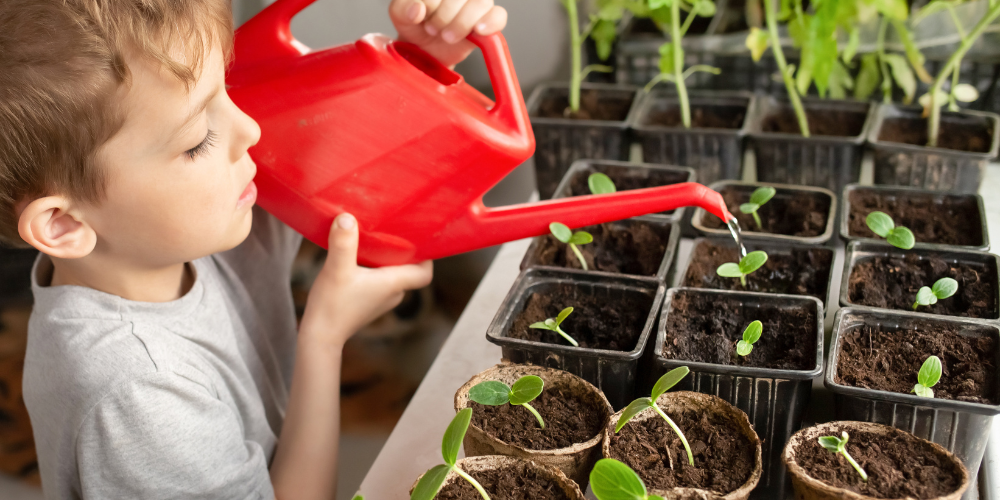
Kicking your gardening adventures off with a seed germination experiment is a great way to teach your kids about the life cycle of plants while also instilling them with patience and responsibility. Here’s how to get started:

-Grab a variety of seeds, and invite kids to make their own seed choices, some small pots, potting soil, and plant markers. 
-Have your kids plant the seeds, label them, and place them in an area where they can check their progress daily.
-As your kids’ seeds begin to grow, discuss the factors that influence their growth, such as sunlight, water, and soil quality.

Exploring Nature in the Backyard with Kids: A Scavenger Hunt for Young Explorers

Transform your garden into a treasure trove of learning with a nature scavenger hunt! Create a list of items for your kids to find, such as different types of leaves, flowers, or fragrances, and insects. Make sure to include a variety of species so you can talk about the differences between growth, benefits, and differing roles in the ecosystem. This not only sharpens observation skills, but also introduces them to the rich biodiversity surrounding them. 

For plants and flowers, have your kids dry their findings and make a scrapbook with identification labels. Activities like this are a fun and easy way to educate your little ones about the natural world they inhabit!

Millcreek Gardens-Salt Lake City-Utah-Garden Experiments You Can Do With the Kids-strawberry harvest
Interactive Gardening for Kids: The Plant Life Cycle Adventure

Take your children on an interactive journey through the plant life cycle. From seed planting to flowering and fruiting, let them witness the complete cycle firsthand with these simple steps: 

Seed Planting: Select a variety of seeds, like sunflowers or tomatoes, for your kids to plant and discuss proper planting depth and spacing to foster a sense of responsibility for the outcome.

Germination Observation: To maintain excitement, choose fast-germinating seeds like lettuce, chives, or radishes. Check on the planted seeds regularly, noting any emerging sprouts, and discuss factors contributing to their successful germination (this is the part kids like the most!).

Growth Monitoring: Have kids track their plants’ daily growth by measuring their height. For quicker results, opt for fast-growing plants such as zucchini. 

Flowering Stage: Select flowering plants like marigolds for some fun visual and fragrant appeal for younger kids. Explore ideas about flower formation and discuss the crucial role of pollination in a healthy, balanced ecosystem.

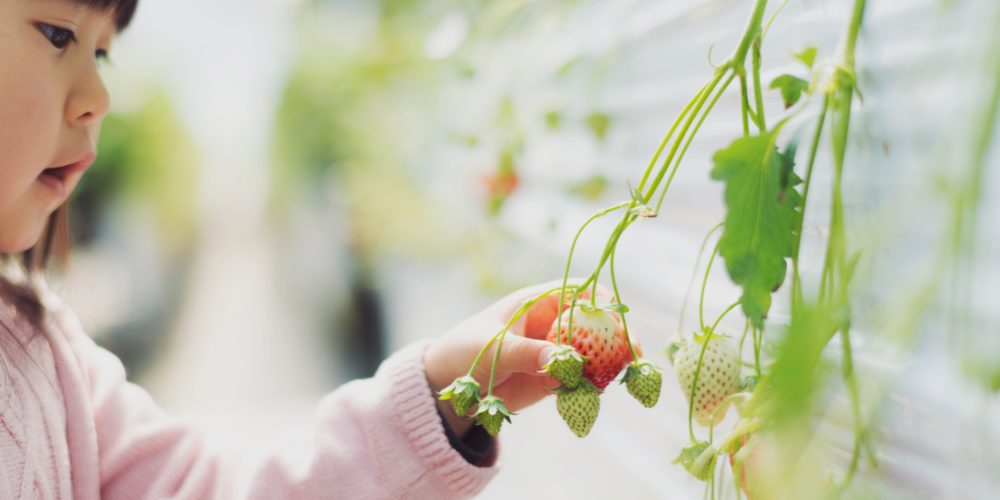
Fruit Formation: Choose fruit-bearing plants like strawberries for a tasty finale! Allow your kids to witness the transformation of their flowers into fruits, emphasizing their contribution to plant reproduction.

Harvesting and Seed Collection: Harvest fruits like cucumbers, linking the final product to initial seed planting. Encourage active participation in harvesting and collecting seeds, fostering the sense of accomplishment all of us green thumbs experience!

Kid-Friendly Horticulture Experiments: Building a Mini Greenhouse

Introduce your little horticulturists to the concept of greenhouses by creating a mini version right in your backyard! Here’s how: 

-Gather clear plastic containers suitable for your mini greenhouse.
-Choose plants like herbs or small vegetables that thrive in controlled environments.
-Place your plants inside the clear containers, ensuring they have plenty of space to grow.
-Discuss how to create higher humidity levels, and why humidity is important in the Utah climate.

Millcreek Gardens-Salt Lake City-Utah-Garden Experiments You Can Do With the Kids-butterfly garden
Fun and Educational Gardening Projects for Kids: Butterfly Gardens

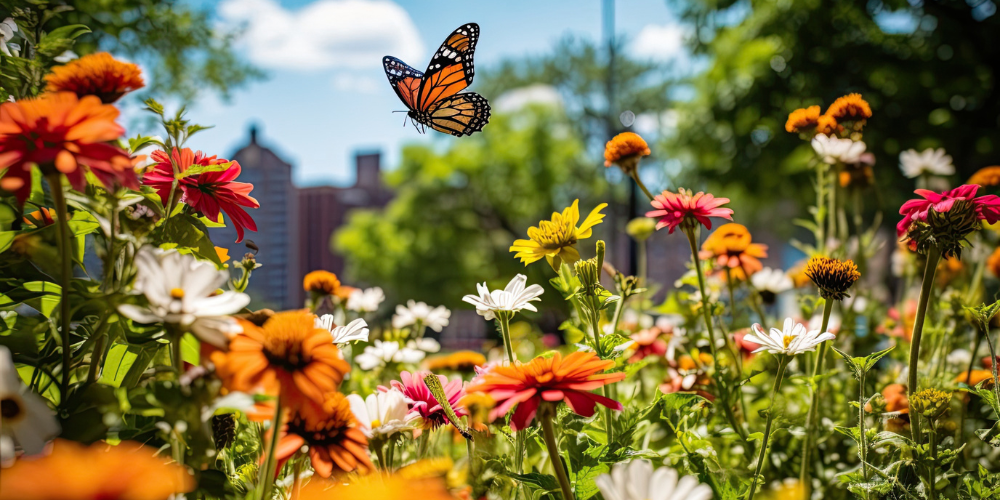
Transform a corner of your garden into a butterfly haven by planting nectar-rich flowers. Discuss the life cycle of butterflies with your kids and explain how specific plants attract them, noting butterflies commonly seen in Salt Lake City. 

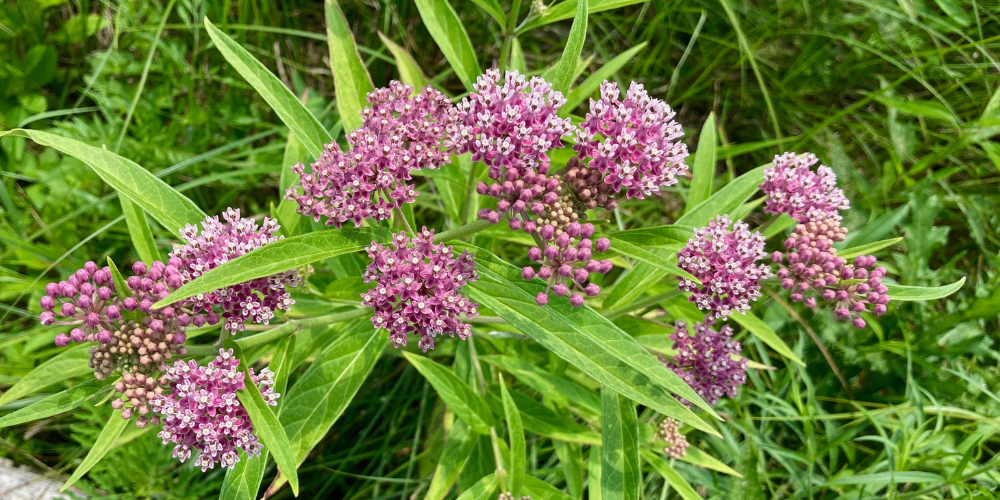
Choose annuals and perennials known for their nectar production, like coreopsis, salvia, verbena, veronica, aster, marigolds, butterfly bush, and milkweed (the host plant for Monarch butterflies) and pick a dedicated corner of your garden for planting them. Engage your kids in discussions about the various stages of a butterfly’s life, from egg to caterpillar to chrysalis to the colorful adult stage. Watch together as vibrant butterflies visit the nectar-rich flowers, creating a mesmerizing spectacle for everyone!

Easy Garden Experiments for Children: Soil Investigation & Composition

Get your hands dirty with this great soil investigation experiment that helps your kids understand the importance of soil in plant growth:

-Select different areas in your garden for soil investigation, ensuring you provide a variety of soil conditions.
-Encourage your kids to dig small holes in each selected area to uncover the soil beneath the surface.
-Have your children feel the soil’s texture, noting whether it’s sandy, loamy, or clay-like.
-Discuss how certain plants thrive in specific soil types, connecting soil composition to plant growth and water requirements.

Millcreek Gardens-Salt Lake City-Utah-Garden Experiments You Can Do With the Kids-potato battery
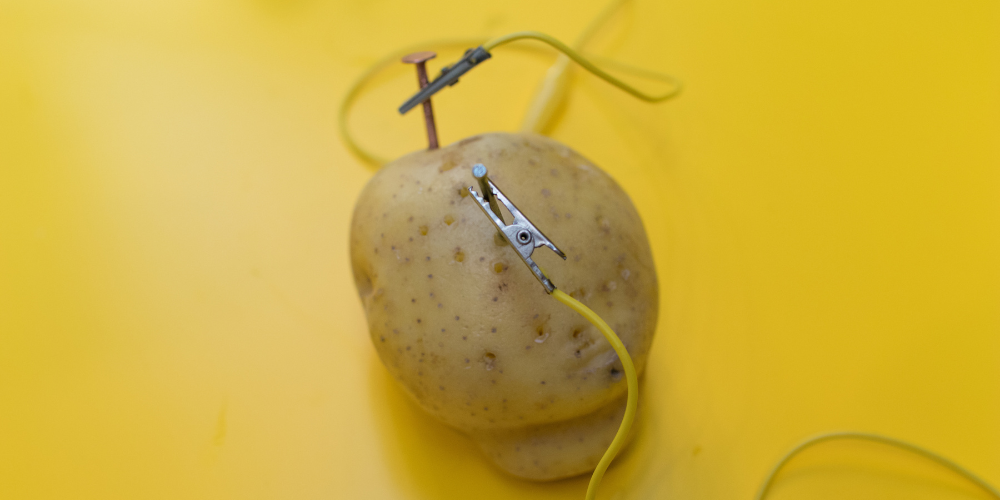
Potato Power: Electricity from the Garden!

Introduce this shockingly fun experiment by harnessing potato power to generate electricity: 

-Pick a potato and gather up some wire and copper and zinc nails.
-Insert one of each type of nail into the potato, ensuring they don’t touch each other.
-Use wires to connect the copper and zinc nails, forming a circuit within the potato.
-Watch with your kids as the potato conducts a small amount of electricity, sparking curiosity and great conversations about alternative energy sources.

These great kid-friendly garden experiments are guaranteed to inspire the next generation of Utahn green thumbs this spring. For more fun ways to get your kids in the garden this year, come see us today at Millcreek Gardens, where all great gardening adventures begin!

If you’re like us, you’ve enjoyed the frenzy of Spring and Summer in the garden, but looking ahead to Fall planting in Utah is exciting, too! It’s also a rewarding endeavor that allows the seasonal creation of some pretty vibrant landscapes that will thrive well into next year. In this comprehensive Fall Planting Guide, we’ll show you the best tips and practices for Fall planting in Salt Lake City to make your garden the envy of the neighborhood!

Why Fall is a Good Time to Plant in Utah

Fall is a perfect time for planting in Salt Lake City, thanks to our moderate temperatures and increased moisture levels, and the fact that the soil is retaining warmth from the Summer heat. This combination gives us an ideal environment for root establishment before the onset of Winter, and the cooler air temperatures also reduce stress on plants and allow them to focus their energy on root growth rather than battling the heat. This season is also a comfortable time for people to be outside planting! With the proper planning and execution, Fall planting can set the stage for a flourishing garden come next Spring.

Our Guide to Fall Planting 

Choosing the Right Plants
Selecting the best candidates to plant in your Fall garden is crucial for success. Consider the unique climate and conditions of Salt Lake City when making your choices and go for plants well-suited for planting in the local area. Some of our favorites include:

Hardy Perennials: Choose perennials like coneflowers, daisies, chrysanthemums, and asters. These hardy plants will establish their root systems in the Fall and reward you with beautiful blooms year after year.

Ornamental Grasses: Grasses such as feather reed grass, switchgrass, and maiden grass add texture and movement to your garden, even as other plants start to go dormant.

Cold-Tolerant Vegetables: Extend your harvest season by planting cold-tolerant vegetables like kale, spinach, lettuce, and radishes. These crops can take the cooler temperatures and continue to produce fresh, nutritious produce and are the best Fall crops to plant in August.

Millcreek Gardens-Salt Lake City-Utah-Fall is for planting-spring blooming bulbs

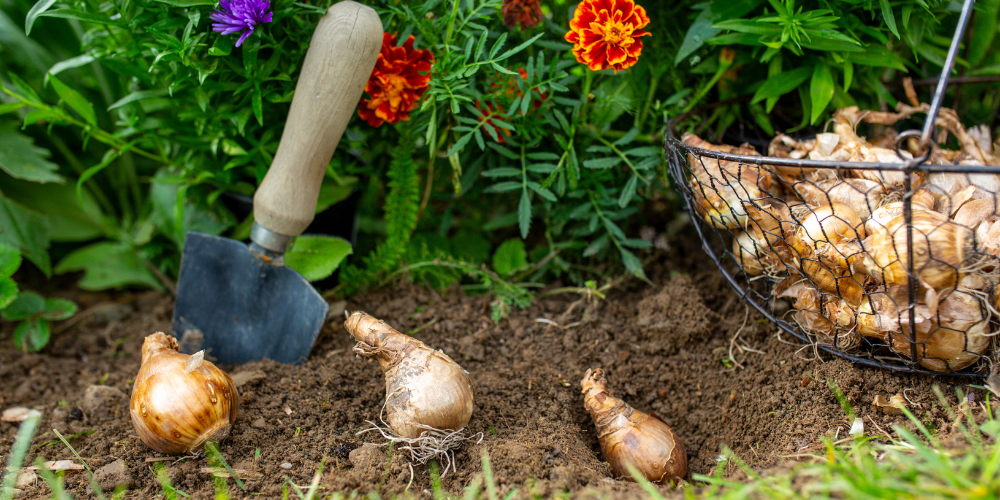
Spring-Blooming Bulbs: Plant bulbs like tulips, daffodils, and crocuses in the Fall for a burst of color in your garden next Spring. The cooler temperatures allow the bulbs to establish strong root systems before Winter.

Shrubs and Trees: Fall is a great time to plant shrubs and trees, allowing them to establish roots before facing the challenges of Summer. Consider options like dogwood, viburnum, and serviceberry.

Fall Planting Guide: Step-by-Step
Now that you know what to plant, here is your 10-step guide to get growing!

1. Assess Your Garden 

Take a thorough look at your garden and identify areas that need a refresh or new plantings. Think about the amount of sunlight, soil quality, and drainage in each area.

2.  Prepare the Soil

Clear out any debris and weeds from the planting area. Amend the soil with a good compost, or some type of organic matter, to improve its structure and fertility. We love amending our soils with Gardener & Bloome planting mix.

3. Select Your Plants

Research and select the plants mentioned above that are well-suited for Fall planting in Salt Lake City. Consider factors such as bloom time, height, and color to create a visually-appealing arrangement.

Millcreek Gardens-Salt Lake City-Utah-Fall is for planting-heuchera plant

4. Planting Technique

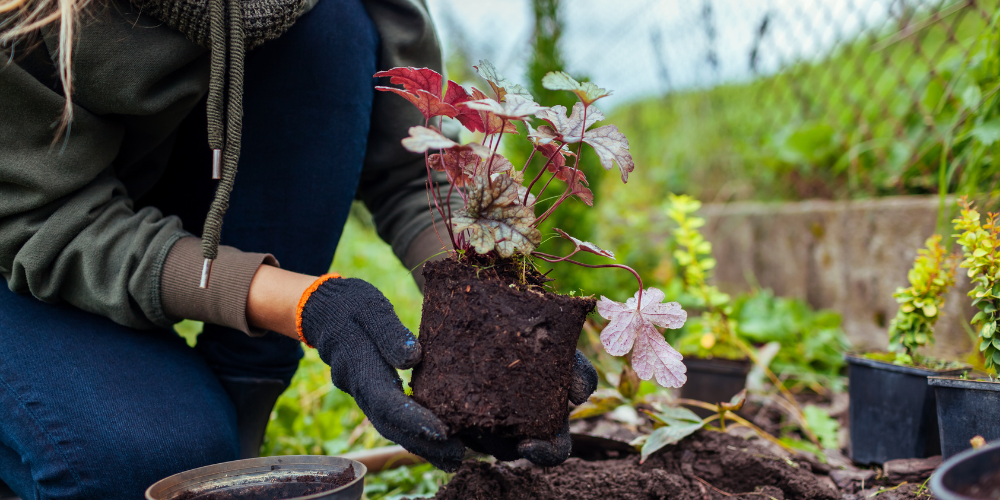
Dig holes for your plants, ensuring they are deep and wide enough for the roots. Gently take the plants from their containers and place them in the holes, backfilling with your soil compost mix. Water thoroughly to settle the soil around the roots.

5. Mulch

Apply a layer of mulch around your newly planted plants. Mulch helps retain moisture, regulate soil temperature, and prevent weed growth.

6. Watering

It's important to continue watering your newly planted vegetation. Water deeply and less frequently to help encourage root growth.

7. Fertilizing

For favorable results, apply a plant starter fertilizer to provide essential nutrients for your plants as they establish themselves. Our favorite is Dr. Earth Starter Fertilizer.

Millcreek Gardens-Salt Lake City-Utah-Fall is for planting-frost cover

8. Protection from Frost

Keep an eye on the weather forecast and be prepared to protect your plants from early frosts. Covering them with frost cloth or blankets overnight can help prevent damage.

9. Regular Maintenance

As your Fall-planted garden grows, look out for any signs of pests, diseases, or nutrient deficiencies. Address any issues right away to ensure the health of your plants.

10. Plan for Spring

While Fall planting is focused on establishing root systems, it's important to envision how your garden will look in the Spring. Choose complementary plants that will create a cohesive and harmonious display.

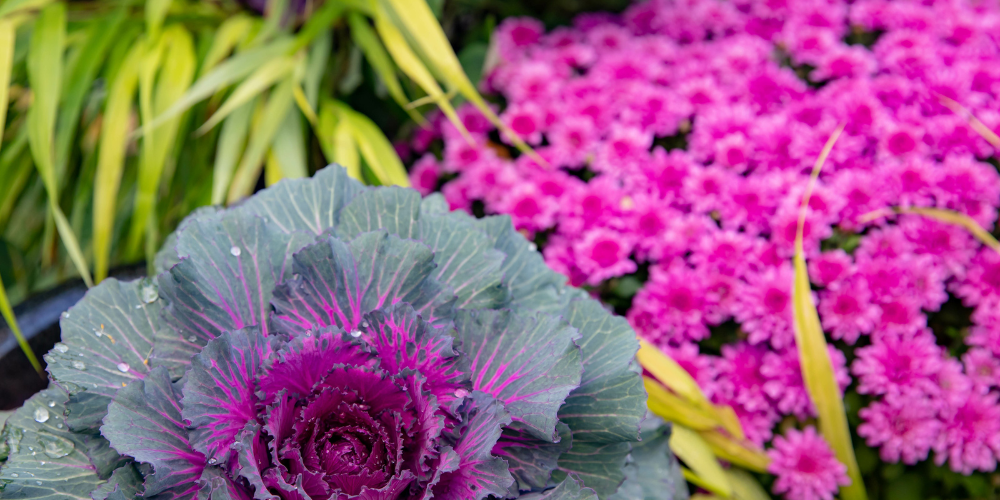
Millcreek Gardens-Salt Lake City-Utah-Fall is for planting-ornamental kale and mums

Fall planting in Salt Lake City presents an incredible opportunity to create a stunning and resilient garden that will thrive through the Winter and burst with life come Spring. By following our annual Fall planting guide for Utah you'll be equipped with the knowledge and steps needed to transform your outdoor space into a vibrant oasis of color and foliage. If you get stuck along the way, of course, you know where to find your local plant experts—right here at Millcreek Gardens!

It's no secret that garden pollinators are crucial to Utah's ecosystem. By facilitating plant reproduction, they ensure the production of fruits, vegetables, and seeds. Despite their importance, however, most pollinators—especially bees and butterflies—are currently facing numerous threats to their existence, including habitat loss and the effects of pesticide use. Thankfully, there is a lot we gardeners can do to help! 

How Can I Make My Salt Lake City Garden More Pollinator-Friendly?

There are many things you can do to make your garden more pollinator-friendly this summer. By implementing these simple practices, you can support the well-being and survival of these essential insects and contribute to a healthier, more sustainable environment:

Millcreek Gardens-Salt Lake City-Utah-Welcoming Pollinators to Your Garden-native flowers

Choose Native Plants 

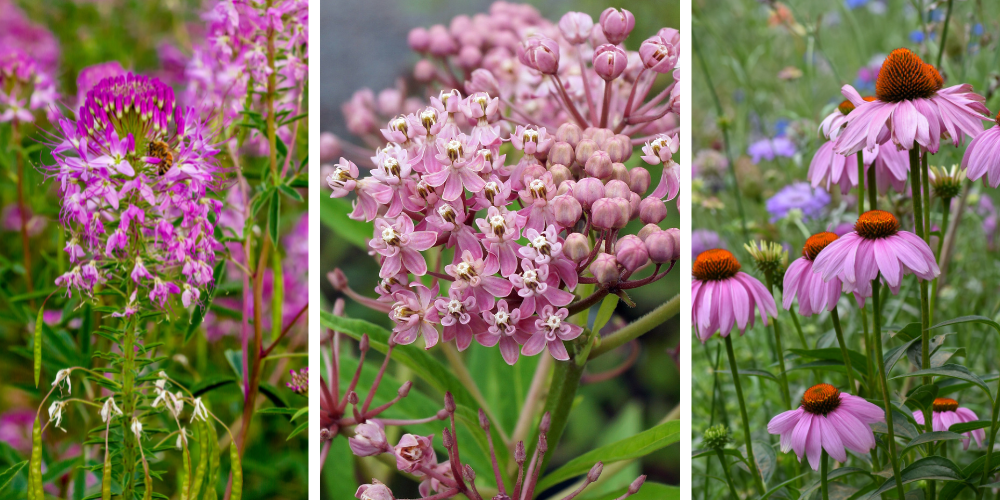
Native plants are well-adapted to our local climates and provide abundant food sources for pollinators. When designing your garden, prioritize native flowering plants such as the Rocky Mountain bee plant, butterfly weed, and purple coneflower. These plants offer nectar and pollen essential for the survival of bees, butterflies, and other pollinators. Try also to select a variety of native plants with different bloom times to ensure a consistent food supply throughout the growing season. 

If you can't get your hands on any native Utah plants, don't worry! There is an abundance of other flowering perennials and annuals you can choose from to attract native bees, butterflies, and other pollinators to your garden. Here are some of our favorites: 

-Salvia
-Trumpet Creeper
-Hot pokers
-Penstemon
-Heuchera
-Russian Sage
-Lavender
-Hyssop
-Spirea
-Sunflowers

Millcreek Gardens-Salt Lake City-Utah-Welcoming Pollinators to Your Garden-bee shelters

Create Shelter and Nesting Sites 

Pollinators require safe spaces to rest, hide, and lay their eggs, so incorporate diverse elements into your garden that offer shelter and nesting opportunities. Planting dense shrubs, such as serviceberries or wild roses, provides protective cover for pollinators, while leaving patches of bare ground or creating small mounds of soil can attract ground-nesting bees. You can also install bee houses or nesting boxes to accommodate solitary bee species, which are other fantastic pollinators.

Minimize or Eliminate Pesticide Use

Pesticides can devastate pollinators visiting your garden, harming their health and disrupting their natural behavior, so opt for natural pest control methods like companion planting, crop rotation, and even manual pest removal instead of relying on chemical pesticides. There are also many beneficial insect varieties, like ladybugs and lacewings, that you can attract to your garden to keep pest populations in check. If you must use pesticides for out-of-control problems, choose organic and bee-friendly options, and apply them in the evening when pollinators are less active.

Millcreek Gardens-Salt Lake City-Utah-Welcoming Pollinators to Your Garden-bees drinking water

Provide a Water Source 

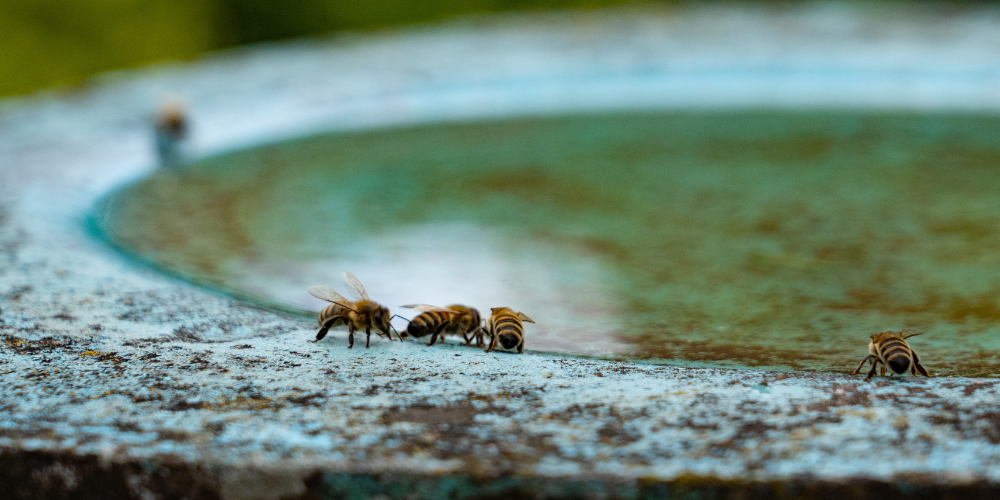
Of all our local pollinators' needs, access to a safe, clean water source is perhaps the most essential. To help with this, install a shallow water source in your garden, such as a birdbath or shallow dish, and add in a few pebbles, stones, and twigs for landing spots. Ensure that the water source is regularly replenished and kept clean to prevent the breeding of mosquitoes.

You can also attract hummingbirds by keeping a hummingbird feeder in your garden for a quick energy boost. Only use water and white sugar in your feeders at a ratio of 4 cups water to 1 cup sugar, and clean them out regularly to avoid a buildup of harmful bacteria. We recommend cleaning your feeders at least once a week and even more frequently in hotter weather. 

Adopt Sustainable Gardening Practices

Adopting sustainable gardening practices benefits both the environment and pollinators alike! Mulching your garden beds, for instance, helps them retain moisture, reduces weed growth, and improves soil health, while using compost instead of synthetic fertilizers enriches your soil by providing essential nutrients without chemically disrupting your local ecosystem. Consider also collecting and using rainwater to irrigate your garden to reduce your water consumption. Additionally, regularly weeding and removing invasive plant species can prevent the spread of unwanted plants that may outcompete the native species our local bees and butterflies have grown to love.

Millcreek Gardens-Salt Lake City-Utah-Welcoming Pollinators to Your Garden-adding mulch

These simple steps will help you transform your landscape into a welcoming oasis for garden pollinators. Your efforts will provide vital resources for these essential insects and contribute to your local ecosystem's health and biodiversity. Remember that even small changes can make a significant impact and that, together, we can ensure a thriving environment for pollinators now and in future generations. For more information on how to make your garden more pollinator-friendly, or to get started with plants and supplies, stop by our Garden Center and chat with us today!

Butterflies are captivating creatures that play a crucial role in maintaining the balance of our local ecosystems, and attracting these enchanting insects to your garden is a must for preserving local biodiversity and promoting your gorgeous blooms. Luckily, there are several steps you can take to turn your Utah garden into a butterfly haven. By providing the right conditions, food sources, and shelter, you can invite a variety of butterfly species to grace your outdoor space with their vibrant colors and graceful flights. Here are some of our favorite tips and tricks for attracting butterflies to your garden this summer!

How To Attract Butterflies to Your Utah Garden

Here are the best ways to attract butterflies to your Utah garden oasis:

Millcreek Gardens-Salt Lake-City-Utah-Butterfly Gardens-take home butterfly kit

Use Millcreek Gardens' Take-Home Butterfly Kits
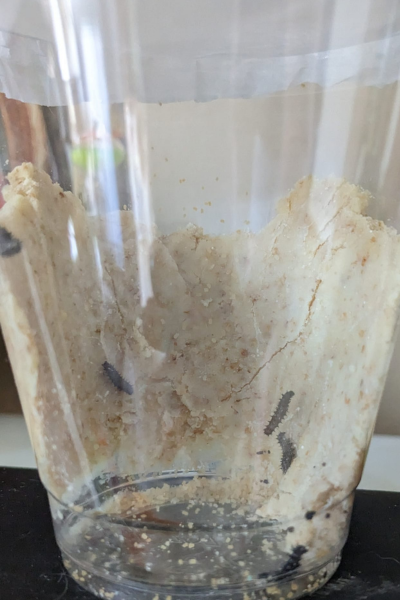
We at Millcreek Gardens are here to help you see the magic of butterflies up close and personal in your backyard this summer. Our Riverbottom butterfly kits let you watch the entire butterfly maturation process happen up close and personal, making them perfect for engaging your kids in nature. When you take home one of our butterfly kits—which includes a cup of caterpillars and organic plant-based food—you can watch them eat, make their chrysalises, and emerge as beautiful butterflies, ready to take on your new garden!

Build Them a Proper Habitat
Once your new butterflies are reborn, you need to make sure they stay close to home! Butterflies are attracted to habitats that combine sun, shelter, water, and food, so make sure your garden ticks all four of those boxes. Start by selecting a sunny location for your garden, as butterflies are ectothermic and rely on the sun's warmth for energy. Next, incorporate various types of butterfly-attracting plants to serve as nectar sources. Suitable perennial nectar plants include Bee Balm, Butterfly Weed, Milkweed, Purple Coneflower, and Yarrow.

Millcreek Gardens-Salt Lake-City-Utah-Butterfly Gardens-milkweed plant

Plant Host Plants
In addition to nectar plants, host plants are also essential for butterfly reproduction, as they provide butterflies a place to lay their eggs and serve as a food source for caterpillars. So, to fill your garden with tons of butterflies this year, research and plant the preferred host plants of the butterfly species you aim to attract. For instance, the Monarch butterfly relies on Milkweed as its host plant, so planting this in the garden will keep these beauties fluttering around all season. It's also a great idea to incorporate a variety of host plants into your garden to attract multiple species and extend the butterfly life cycle of your area.

Avoid Pesticides and Other Chemicals 
Chemical-based pesticides, such as insecticides and herbicides, can have long-lasting negative effects on butterflies and other beneficial insects, so avoid using them in your garden whenever you can to attract more butterflies to your space. Instead, opt for natural pest control methods for your plant collection, such as companion planting, introducing beneficial insects, and manually removing pests when necessary.

Millcreek Gardens-Salt Lake-City-Utah-Butterfly Gardens-butterfly water sources

Provide Water Sources 
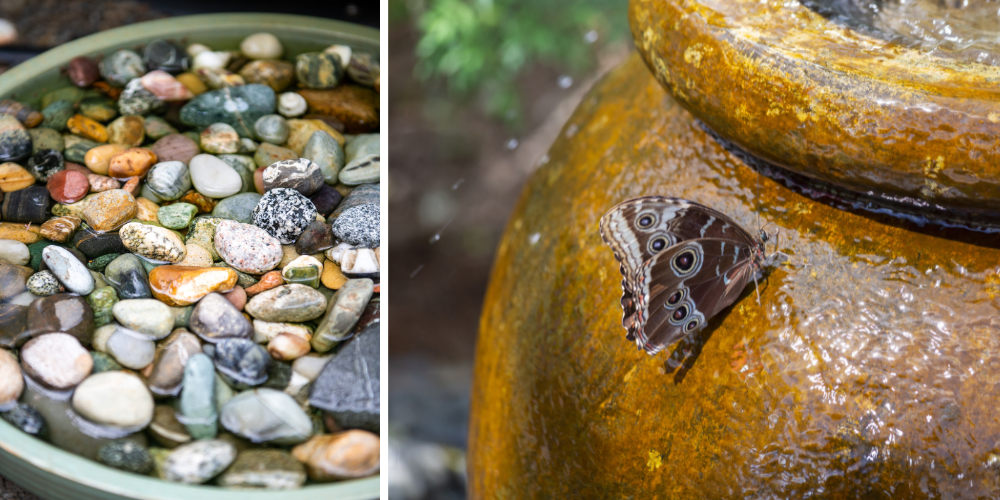
Like all living creatures, butterflies need water to survive, so installing a few safe, fresh water sources in your garden is a surefire way to attract more butterflies to your landscape. Create shallow puddles near your butterfly-attracting plants or place a birdbath somewhere in your garden, ensuring the water is easily accessible for butterflies. Add a few stones or pebbles to provide perching spots and prevent drowning, and remember to keep the water source clean and replenish it regularly.

Understand Native Butterflies 
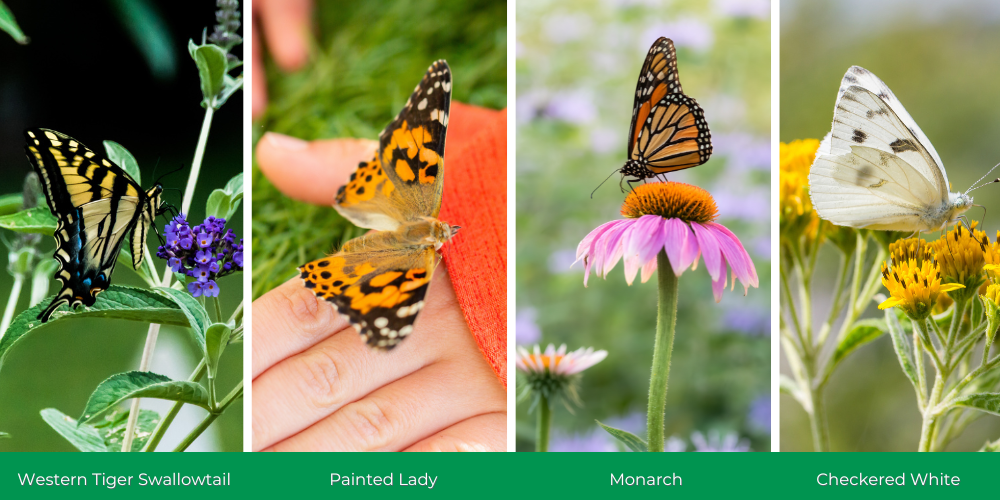
Before embarking on your butterfly-attracting journey, you must first familiarize yourself with your area's native butterfly species, because understanding their preferences, host plants, and nectar sources will help you tailor your garden to their needs. Research local resources or consult with local gardening experts to gain insights into the specific butterflies you can expect to attract. Common butterflies in the Salt Lake City area include the Western Tiger Swallowtail, Painted Lady, Monarch, and Checkered White. 

Millcreek Gardens-Salt Lake City-Utah-Native butterflies

Creating a butterfly-friendly garden is an incredibly rewarding experience, and choosing the right plants to attract them is a key step. By understanding your local butterfly species, providing them with native host plants and water sources, and avoiding harmful chemicals, you can support these beautiful creatures, contributing to the conservation of butterflies and the overall health of your local ecosystem. Get ready to enjoy the enchanting presence of butterflies in your backyard with our Riverbottom butterfly kits and a healthy handful of butterfly-attracting plants, all available at Millcreek Gardens!

Roses are classic garden flowers that have stood the test of time and are very rewarding to grow. Over the years, rosarians have developed several best practices for producing beautiful roses from your rose bush. From planting and maintaining ideal soil conditions to fertilizing, pruning, and hydrating your roses—there's a lot to know! But don't let that intimidate you. Roses are no more difficult to care for than most flowering shrubs, especially with this fool-proof care guide. Here are the top rose care secrets from the professionals, including the best season to plant and how to prune your roses when the growing season ends.
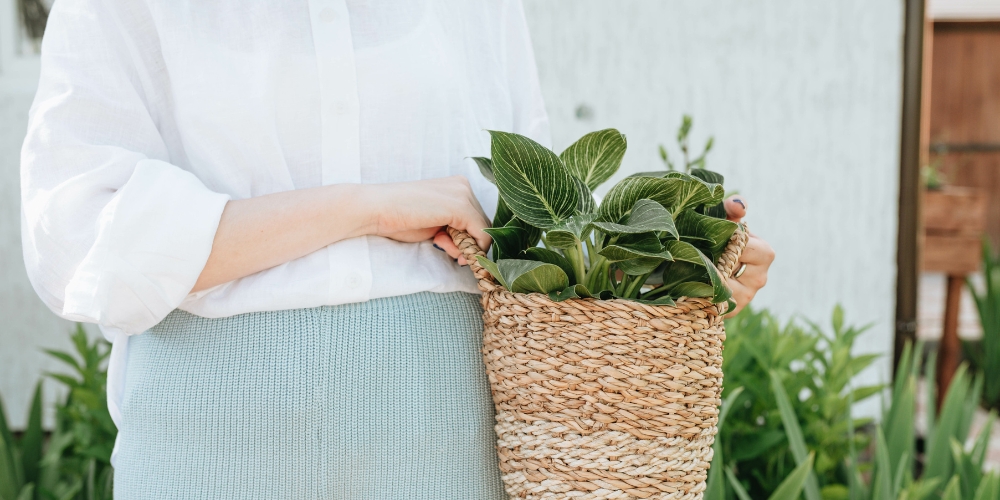
Millcreek Gardens-Salt Lake City-Utah-How to Grow Roses-planting a rose

Planting Your Roses 

It's best to plant roses during the spring or the fall months, after the first frost or before it has appeared. You will want to dig a hole according to the size of your root ball and two inches shallower. To prepare your plant for pot removal, gently loosen the root ball and be careful not to damage its roots. Fill your planting hole with high-quality soil, the root ball, and any nutrients or organic matter you're planting with it to enrich your roses. Apply mulch over the roots to aid in the moisture retention of your soil and protect your plant. 

Now that your rose is planted, how much water does it need? Don't worry; we've got you covered on that, too!
Millcreek Gardens-Salt Lake City-Utah-How to Grow Roses-watering a rose

Watering Your Rose Bush 

Your soil should be kept evenly moist throughout your rose bush's growing season. The frequency of watering your shrub will depend on the climate you are living in as well as the soil type you are using, but for the first couple of months after planting, you'll want to give the plant a deep watering two to three times per week with your garden hose. In their first season, the shrubs are fairly drought-tolerant, but sandier soils or gardens that are hot, dry, or windy may require more frequent watering.

Soil Preparation

Like most flowers, your roses love nutrient-rich, moist soil with proper drainage. In terms of soil varieties, they are very resilient and can thrive in most soil conditions. Because these flowers are so loved, most brands even make rose-specific soil to help your plants thrive! The pH of rose soil should be at or near the level of typical garden soil, which is slightly acidic to neutral (6.0 to 7.0). You can check your soil's pH with a simple and inexpensive soil testing kit. Make sure to add plenty of light and airy organic matter, such as compost, to your soil! These flowers aren't picky, but they do like to breathe. 

Millcreek Gardens-Salt Lake City-Utah-How to Grow Roses-fertilizing a rose

Fertilizer Requirements 

Periodically fertilizing your roses will encourage showy, beautiful flowers and abundant growth. For more vigorous blooms, feed your roses an organic fertilizer mix. Liquid fertilizer is recommended for most roses after the first bloom, while repeat-blooming roses need regular feeding every 2-3 weeks until late summer. Some rosarians will even add Epsom salt or coffee grounds to their fertilizer to turn up the intensity! Coffee grounds help to keep rose pests at bay, and the added magnesium from the Epsom salt creates a lusher, more intense color in your blooms.

Millcreek Gardens-Salt Lake City-Utah-How to Grow Roses-pruning a rose

Pruning Your Rose Bush 

Pruning your rose bush is essential for keeping it not only beautiful but healthy as well. A regular pruning routine will keep your shrub blooming all summer long! What more could you ask for than a chance to enjoy these delicious blooms a little while longer? Plants without pruning are more susceptible to poor circulation as a result of crowded conditions and not enough space to grow. Remove all remaining leaves and dead foliage at the beginning of the spring season, cut back continually throughout the summer, and give it a tidy in the fall. Starting with dead leaves, trim back all weak growth until you make your way through the center of your rose bush. Protect freshly cut canes from rot and rose borers by sealing the wounds and immediately disposing of the clippings. 

Following these best practices, you will have vibrantly colored large blooming roses before you know it! With thousands of cultivars that boast all the colors of the rainbow, there surely isn't a shortage of beauty in this flower family. 

Some of our favorite rose varieties include: 

-Knock Out
-Cabbage Rose
-Grandiflora Rose
-Bourbon Rose
-Golden Celebration
-Lady Banks Rose


There's no shortage of gorgeous rose options to try in your garden, and caring for them is easy with our trusty guide. For more tips on how to keep gorgeous roses blooming all summer long, visit us at Millcreek Gardens in Salt Lake City, UT, today!


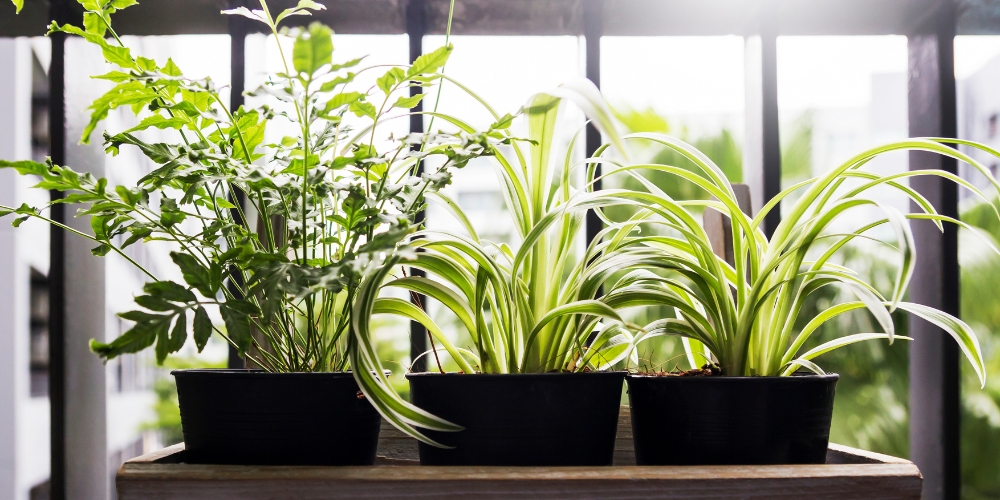
The arrival of summer brings an end to our indoor hibernations, and after a long winter, we’re all ready for some sunshine, warmth, and relaxation in the garden, including your houseplants! Not only do houseplants love basking in the sunshine alongside you, but they’re also sure to add some life to your front yard, patio, or back garden! Here’s how to give your loyal houseplants a safe and well-deserved outdoor summer vacation this year.

Benefits of Taking Houseplants Outside for the Summer

You might be wondering why you would want to disturb your houseplants by moving them around, but the great outdoors actually provide your indoor beauties with a ton of helpful benefits! These include:

– Increased humidity
– Increased light during high-growth periods
– Increased airflow
– Exposure to fresh rainwater

All of these things can give your plant a healthy boost in growth before they eventually return to winter dormancy and can often trigger better flowering, larger leaves, and brighter colors. Nature knows how to care for plants better than anyone, after all! 

Millcreek Gardens-Salt Lake City-Utah-Bring Your Indoor Plants Outside for a Summer Vacation-houseplants on patio
How to Safely Bring Your Houseplants Outside for the Utah Summers

Before you start hauling your greens out on your patio, it’s important to know if your houseplants can tolerate the summer sun. Not all plants are created equal when it comes to light and temperature preferences, so make sure to follow these steps for a smooth transition: 

Assess Your Houseplants’ Tolerance

Although plants like cacti and succulents were made for the searing hot and low water conditions of deserts, some of your other favorite houseplants come from warm, tropical climates, where they’re used to relaxing under lush forest canopies with soothing, perfectly controlled humidity. This means that certain houseplant varieties don’t enjoy being thrust out into the open to be scorched by the hot sun, especially if they’ve adapted to lounging in the indirect sun or low light of your Utah home, and will need to be placed in more shaded or secluded areas of your outdoor space to avoid scorching. On the other hand, there are other houseplants that absolutely adore soaking up the sun’s rays! These include:

– Succulents and cacti
– Dracaena
– Jade plants
– Crotons
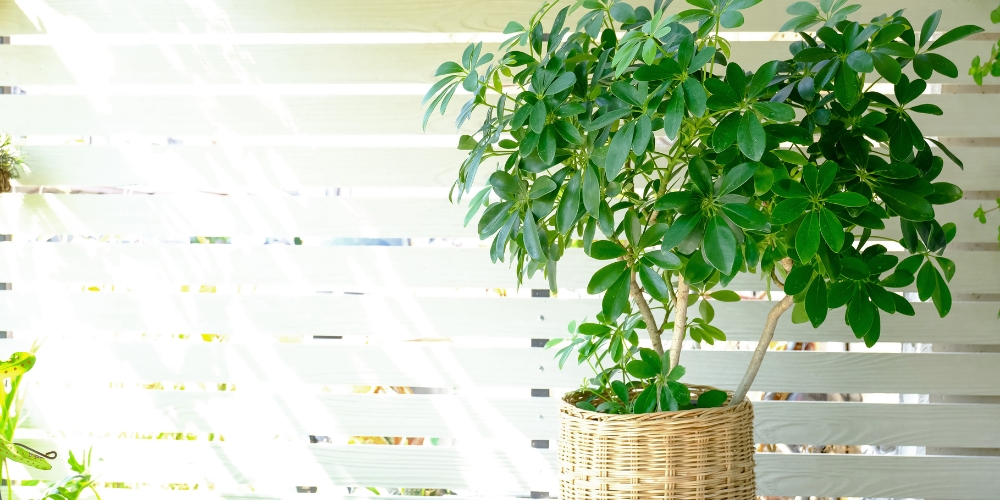
– Rubber plants

Millcreek Gardens-Salt Lake City-Utah-Bring Your Indoor Plants Outside for a Summer Vacation-umbrella tree plant
Take it Slow

When bringing your houseplants outside for the summer, start by giving them short intervals in a shady location, gradually increasing the time they spend in your garden. As long as overnight temperatures stay above 50ºF, you should be able to fully transition them outdoors in about 1-2 weeks. If you have sun-loving plants like succulents and other cacti, gradually expose them to direct sun but watch for signs of burning leaves. 

Kickstart Summer Growth

So long as you manage them properly, you can expect your houseplants to undergo incredible growth spurts during their time outdoors! Give them a dose of fertilizer shortly after you move them outside to kickstart their seasonal growth and encourage new root production. 

Mind the Watering

When bringing your houseplants outside, remember that the open air, hotter daytime temperatures, and direct sun will dry out their soil much faster, meaning your watering schedule will need some tweaking. Even succulents in full sun will need near-daily watering when temperatures rise. To give your plants the best shot at success outdoors, water them deeply to ensure their roots soak up enough water, and add mulch around their bases to help with water retention. If rain is in the forecast, let them bask in it! Plants love nothing better than rainwater. 

Millcreek Gardens-Salt Lake City-Utah-Bring Your Indoor Plants Outside for a Summer Vacation-philodendron birkin
Watch the Weather

Your houseplants are still your babies, so remember to keep a watchful eye on sudden shifts in weather that could upset or damage your tender tropicals. Tend to your houseplants with the same care you would any of your outdoor plants in the garden and protect them from high winds, heavy rains, or severe heat exposure, moving them back inside if weather conditions get too nasty.

Don’t Overextend the Vacation

When the weather starts to chill back down, it’s time to re-adjust your houseplants to indoor life, as even the slightest touch of frost can prove deadly! Follow the same process you used for moving them outside, and make sure to check them for any pests they may have picked up during their holidays.

As much as we all love being surrounded by our houseplants in our homes, a few months of vacation will do wonders for their long-term growth. If you’re bringing your houseplants outside into your Salt Lake City garden this year, following this guide will ensure a successful transition and healthy, happy summer for everyone!

Perennials make the gardening world go round. They form the backbone of abundant borders and seasonal containers and do us the added benefit of returning year after year with little prodding. If you're wondering how to make the most of your perennial favorites, we've got some expert tips and tricks sure to help you get your bloomers looking good all season long. 

The Best Perennial Plant Combinations for Utah

There's no denying the visual impact of a perfectly sculpted perennial border flowering from spring to fall in a profusion of stunning colors. If you want to maximize your perennial garden's aesthetic and ensure it gets the attention it deserves, try these expert plant combination and design ideas: 

Millcreek Gardens-Salt Lake City-Utah-Perennial Garden Design-purple and orange flowers

Use Contrast

One of our favorite ways to make our perennials pop is to play around with whatever makes them different. Perennials come in so many shapes, sizes, colors, and textures that it's always an adventure in creativity to pair them up. For instance, try combining spiky plants like lupines or veronica with rounder flowers like coneflowers and perennial daisies, or arrange plants with large, lush foliage alongside flowers with tall, elegant stems, like crocosmia. Remember to play around with color in the garden, too, and look for pairings that complement each other well and create a sense of harmony.

Fill Space 

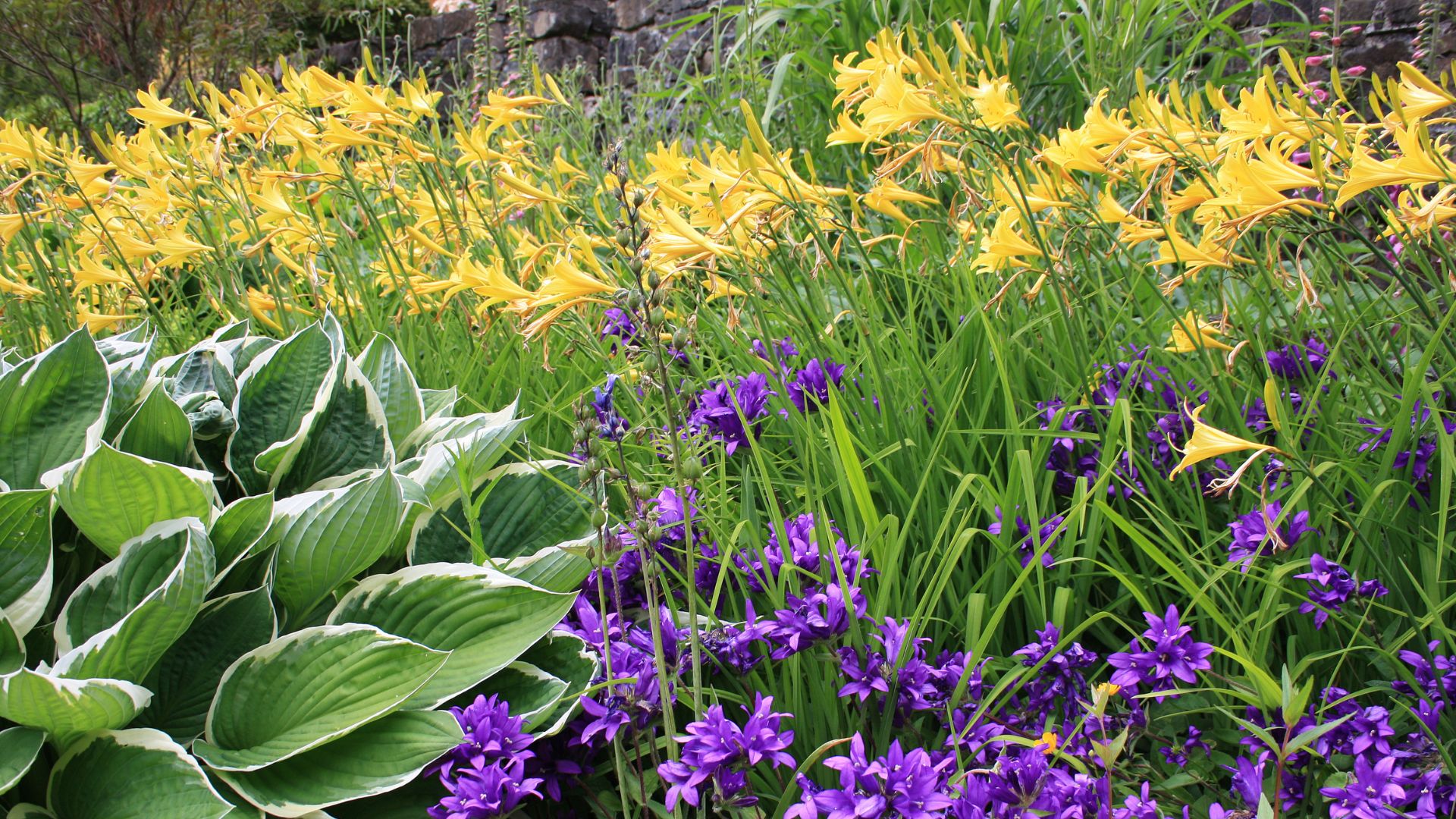
A great way to create superstar perennial combinations is to group them together according to light requirements, watering needs, and soil preferences. While many perennials appreciate a day full of sunshine, there are many varieties—like hostas and astilbes—that also thrive in low-light space, making it easy for you to use up every inch of soil space available. Making use of some solid perennial groundcovers is another must, and vigorous growers like creeping jenny, creeping phlox, creeping juniper, and blue star creeper do a great job of filling in empty spaces between taller blooms and keeping the soil covered. 

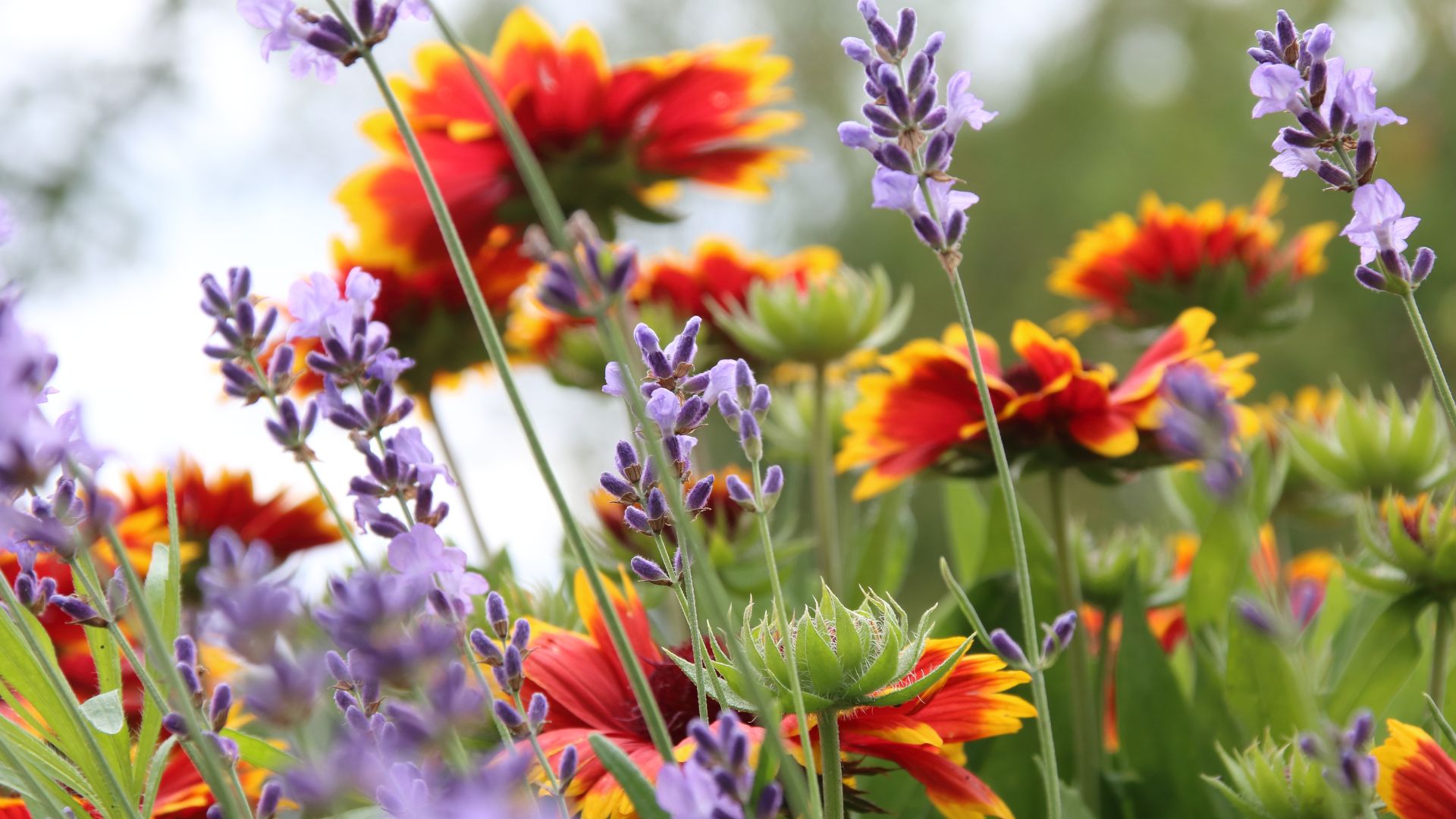
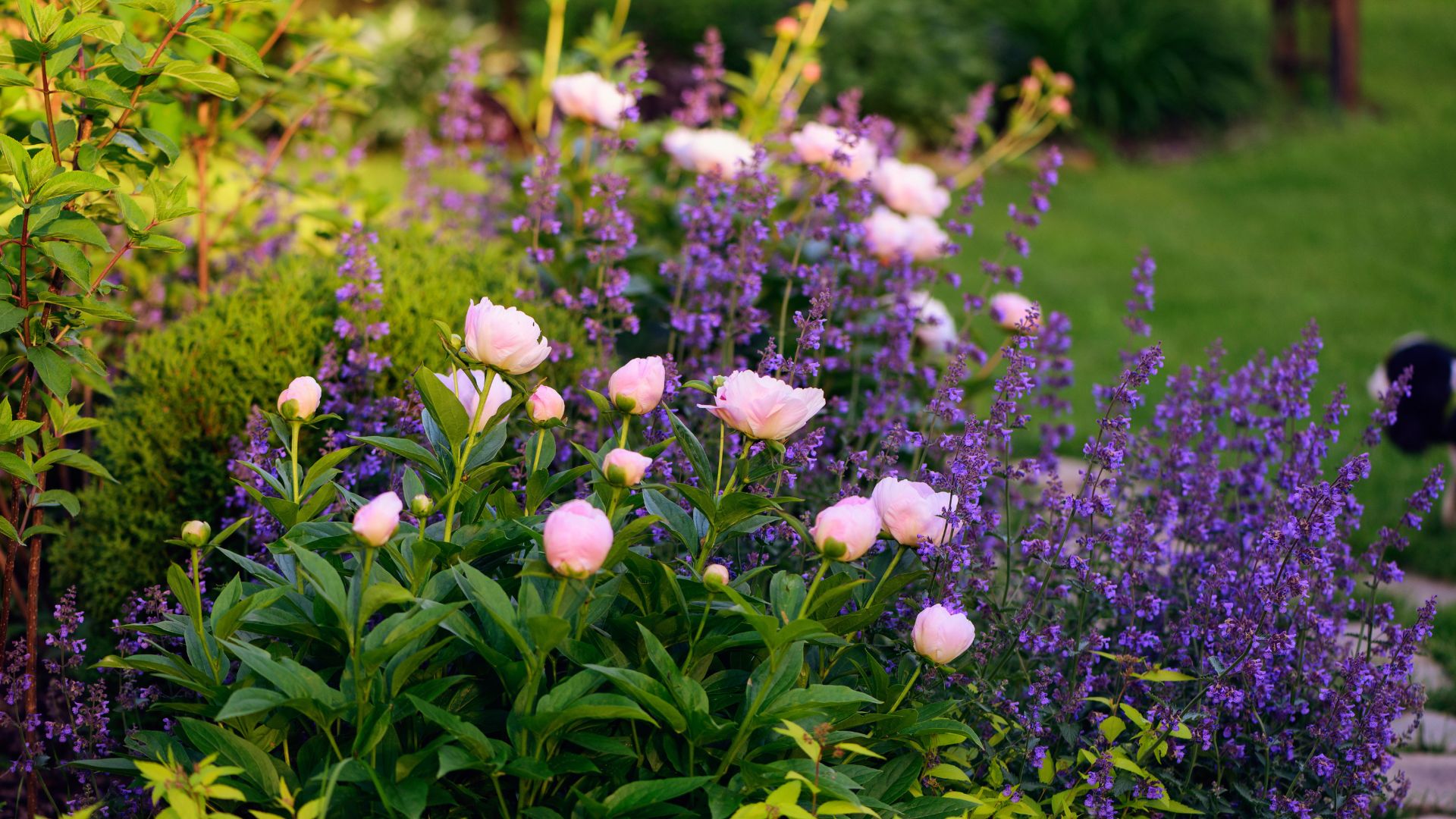
Millcreek Gardens-Salt Lake City-Utah-Perennial Garden Design-roses and lavender

Mind Your Shrubs

Don't forget the importance of combining your delicate perennial flowers with denser shrub varieties, like roses and hydrangeas. Roses, in particular, look incredible when planted alongside salvias and other tall, slender blooms that compliment the lush, delicate cottage-style flowers.

Size Matters

Some of the best perennials shine like beacons, towering above your landscape and stealing the attention in your garden. However, it's important not to forget about the little guys amidst these impressively tall showstoppers! When designing your border or containers, don't let your towering titans block out your smaller blooms; instead, try combining plants with varying heights for a more dynamic look. Think butterfly bush, foxgloves, delphiniums, lupines, larkspur, and ornamental grasses for tall varieties sure to attract local pollinators, and surround these big bloomers with low-growing perennial plants to add depth and visual interest year-round. We love dianthus, sedum, lambs ear, and anything with the word "dwarf" in the flower title! Mix it up even more by using combinations of flowering and foliage cultivars for some extra special garden interactions. 

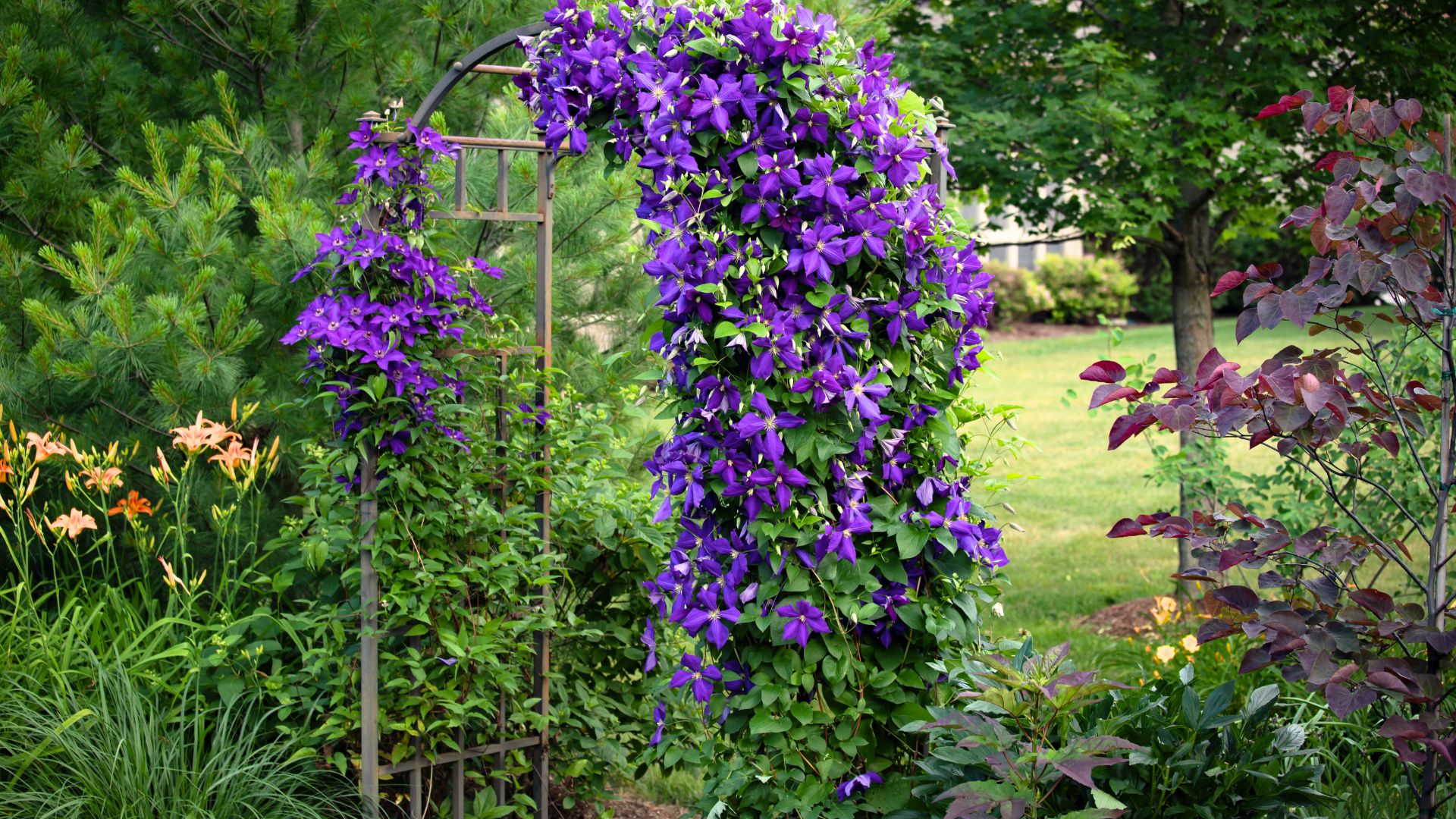
Millcreek Gardens-Salt Lake City-Utah-Perennial Garden Design-Clematis

Let Them Climb!

Every garden needs a climber to offset those creeping varieties on the ground. Adding a trellis or fence to train a climbing perennial plant like clematis or English ivy adds diversity to your landscape and gives your garden that classic cottage look!  

Keep The Blooms Going

Another thing we love about perennials is that they don't all show up to the party at once, meaning you can keep your garden colorful year-round by combining flowers that bloom at different times. Daffodils, tulips, and crocus, for instance, first appear in spring and pave the way for early summer and midsummer blooms. On the other hand, some perennials—like sweet alyssum and red salvia—like cooler temperatures and will bloom into the fall. Pair these cooler bloomers with trees that turn color, such as the Japanese maple, for a stunning pre-winter show. Finally, keep plants with tall seed heads, like coneflowers, for visual interest and as a food source for the birds over winter. 

Millcreek Gardens-Salt Lake City-Utah-Perennial Garden Design-hosta and daylily

The trial-and-error process of finding the best perennial plant combinations in Utah is an incredibly rewarding gardening experience. With so many cultivars to choose from, you're sure to find the perfect combination for your unique landscape and personal style! Come visit us today at Millcreek Gardens in Salt Lake City, UT, for more expert design advice or to browse our incredible perennial selection!