


It's no secret that garden pollinators are crucial to Utah's ecosystem. By facilitating plant reproduction, they ensure the production of fruits, vegetables, and seeds. Despite their importance, however, most pollinators—especially bees and butterflies—are currently facing numerous threats to their existence, including habitat loss and the effects of pesticide use. Thankfully, there is a lot we gardeners can do to help!
How Can I Make My Salt Lake City Garden More Pollinator-Friendly?
There are many things you can do to make your garden more pollinator-friendly this summer. By implementing these simple practices, you can support the well-being and survival of these essential insects and contribute to a healthier, more sustainable environment:
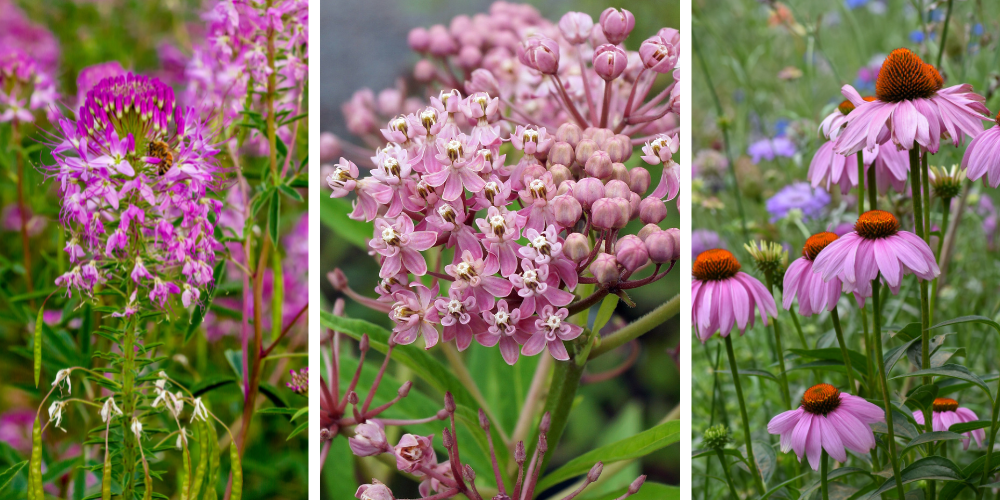
Choose Native Plants
Native plants are well-adapted to our local climates and provide abundant food sources for pollinators. When designing your garden, prioritize native flowering plants such as the Rocky Mountain bee plant, butterfly weed, and purple coneflower. These plants offer nectar and pollen essential for the survival of bees, butterflies, and other pollinators. Try also to select a variety of native plants with different bloom times to ensure a consistent food supply throughout the growing season.
If you can't get your hands on any native Utah plants, don't worry! There is an abundance of other flowering perennials and annuals you can choose from to attract native bees, butterflies, and other pollinators to your garden. Here are some of our favorites:
-Salvia
-Trumpet Creeper
-Hot pokers
-Penstemon
-Heuchera
-Russian Sage
-Lavender
-Hyssop
-Spirea
-Sunflowers

Create Shelter and Nesting Sites
Pollinators require safe spaces to rest, hide, and lay their eggs, so incorporate diverse elements into your garden that offer shelter and nesting opportunities. Planting dense shrubs, such as serviceberries or wild roses, provides protective cover for pollinators, while leaving patches of bare ground or creating small mounds of soil can attract ground-nesting bees. You can also install bee houses or nesting boxes to accommodate solitary bee species, which are other fantastic pollinators.
Minimize or Eliminate Pesticide Use
Pesticides can devastate pollinators visiting your garden, harming their health and disrupting their natural behavior, so opt for natural pest control methods like companion planting, crop rotation, and even manual pest removal instead of relying on chemical pesticides. There are also many beneficial insect varieties, like ladybugs and lacewings, that you can attract to your garden to keep pest populations in check. If you must use pesticides for out-of-control problems, choose organic and bee-friendly options, and apply them in the evening when pollinators are less active.
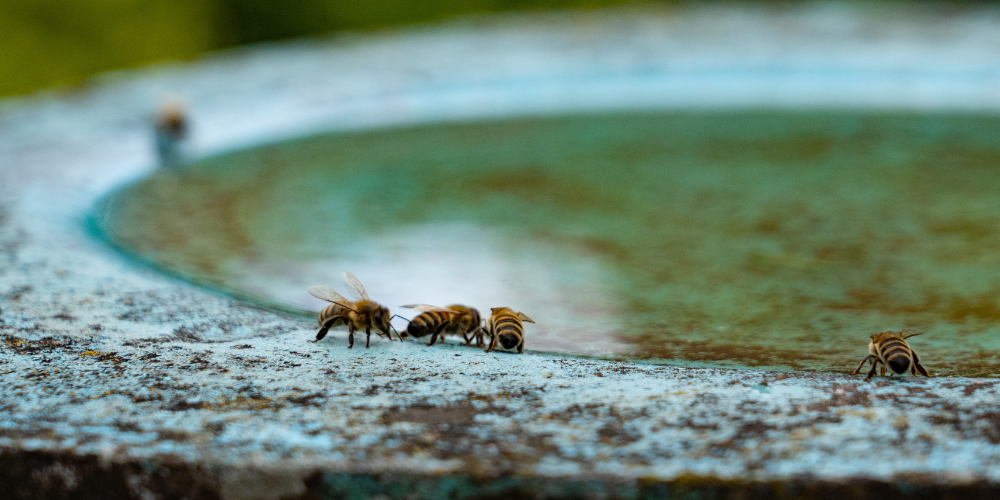
Provide a Water Source
Of all our local pollinators' needs, access to a safe, clean water source is perhaps the most essential. To help with this, install a shallow water source in your garden, such as a birdbath or shallow dish, and add in a few pebbles, stones, and twigs for landing spots. Ensure that the water source is regularly replenished and kept clean to prevent the breeding of mosquitoes.
You can also attract hummingbirds by keeping a hummingbird feeder in your garden for a quick energy boost. Only use water and white sugar in your feeders at a ratio of 4 cups water to 1 cup sugar, and clean them out regularly to avoid a buildup of harmful bacteria. We recommend cleaning your feeders at least once a week and even more frequently in hotter weather.
Adopt Sustainable Gardening Practices
Adopting sustainable gardening practices benefits both the environment and pollinators alike! Mulching your garden beds, for instance, helps them retain moisture, reduces weed growth, and improves soil health, while using compost instead of synthetic fertilizers enriches your soil by providing essential nutrients without chemically disrupting your local ecosystem. Consider also collecting and using rainwater to irrigate your garden to reduce your water consumption. Additionally, regularly weeding and removing invasive plant species can prevent the spread of unwanted plants that may outcompete the native species our local bees and butterflies have grown to love.

These simple steps will help you transform your landscape into a welcoming oasis for garden pollinators. Your efforts will provide vital resources for these essential insects and contribute to your local ecosystem's health and biodiversity. Remember that even small changes can make a significant impact and that, together, we can ensure a thriving environment for pollinators now and in future generations. For more information on how to make your garden more pollinator-friendly, or to get started with plants and supplies, stop by our Garden Center and chat with us today!