Dads love to be outside tending to the lawn and garden, so what better Father’s Day gift could you get him than gardening tools? Whether he’s squeezing in garden projects between office hours and tee time, or making his dream landscape come alive, your dad is sure to enjoy a new piece of equipment  for the yard.Come to Millcreek Gardens, Salt Lake City’s favorite garden center, to browse our wide selection of Father’s Day gifts.

gardening supplies

Gifts for the Lawn

Dads are known to love a lush, healthy green lawn. Give your dad a head start, and gift him some rolls or squares of sod. All you have to do is lay it down and water it and you have an instantly beautiful lawn.

If your dad would think that using sod was cheating, get him some bags of grass seed and soil conditioner. We sell many types of soil created especially for lawns, vegetable gardens, flowers, trees and more.

If your dad already has an adequate lawn, you can give him gifts to turn it into the showpiece he really wants. Buy him some weed killer to get rid of those dandelions and the ugly crabgrass. Get some pest control supplies to thwart the slugs and cutworms. Throw in some fertilizer, a spreader and a few dozen bags of mulch and you’ll know where to find him every Saturday morning.

Garden Tools for Him

As much as dads love chainsaws, drills and other power tools, they also love the quiet strength gardening tools provide. Raking, hoeing, pruning and trimming on a quiet weekend is almost like meditating.

Check out our Salt Lake City garden center’s supply of spades, shears, trowels, cultivators and clippers. We even sell cleaning tools such as brooms and mops for washing windows and cleaning algae from backyard ponds.

Plants Dads Love

Does your dad have prize rosebushes he lovingly tends to after dinner each night? Or does he put on his overalls and head out to his vegetable garden in the evenings a la Mr. McGregor to train the cucumber vines or cage the tomatoes? Supersize his enjoyment by getting him more of what he loves — a new variety of rosebush, some butter bean seedlings or packets of beefsteak tomato seeds.

Don’t forget the fruit! Strawberries are delicious and easy to grow; get some rhubarb too and tell dad you expect a pie later this season.

If he loves to cook or grill, get your dad some herbs — chives, dill, fennel, basil, mint, oregano, marjoram, parsley, rosemary — to add to his favorite dishes.

If you’re looking to splurge on something heftier for dad, consider getting him starter hedges, perennial shrubs or a fruit tree such as an apple, peach, pear or cherry.

When you’re not sure what your dad wants from our Salt Lake City nursery for Father’s Day — or you think he already has everything — get him a gift card so he can pick out exactly what he wants. Come with him to Millcreek Gardens and help him pick out his gift to make it more special. He’ll love looking through the plant supplies, garden products, tools and more — and he’ll love you for thinking of him.


Mother’s Day will be here before you know it — do you have a gift for your mom yet? Over the years, certain Mother’s Day gift traditions have developed — brunch, flowers, candy. Brunch will be overcrowded and expensive, cut flowers will only last a week or so and candy is nice, but a plant will remind your mom of how much you love her for many years to come. Come to Salt Lake City’s favorite plant nursery — Millcreek Gardens — for the best selection of indoor and outdoor plants, as well as sage advice from out professional gardeners.

flowering plants

Indoor Plants for Mom

If your mom lives in an apartment or has a yard that’s unsuitable for plants, you may want to buy her an indoor plant from our nursery. Shoppers tend to like to buy their moms flowering plants, such as cyclamen, lilies, orchids and African violets. All are beautiful and great choices! However, if your mom doesn’t have a green thumb, you may want to stay away from orchids, which take a little extra TLC to thrive.

Green plants also make great gifts. They brighten up a home and provide needed oxygen. Think snake plants, philodendrons, ferns and spider plants for Mother’s Day.

Outdoor Plants for Mom

If you want to get your mom a perennial shrub such as an azalea, rhododendron or lilac, you may want to check with her first to make sure she has a good spot for it. Otherwise, go with some stunning annuals such as petunias, impatiens or geraniums. Geraniums love the hot Utah sun, while impatiens need a bit of shade.

If your mom’s yard has a lot of shade, you may want to consider hostas, lilies of the valley or foxglove. The hostas will grow big and can be divided every few years, while the lilies and foxgloves will spread and propagate on their own, creating a beautiful landscape of delicate flowers that your mom can pick and bring indoors every year.

Planting with Mom

To make your gift doubly special, we suggest arriving at your mom’s house with your plant(s), hat, gloves and trowel, ready to do the digging for her. If your mom truly loves gardening, pick up some seed packets of sunflowers, zinnias and other easy-to-grow flowers and you can both plant them together. Get takeout when you’re done so you don’t have to shower and change after you’re worn out from an afternoon of gardening.

Whenever you need garden products for yourself, your mom, your dad or anyone who loves gardening, remember Millcreek Gardens of Salt Lake City. We carry a full line of plants, plant supplies, soil, sod, mulch, shade trees and more. We’re the area’s No. 1 landscape supply outlet.

Every day is Earth Day at Millcreek Gardens. We believe communing with nature every day is good for the body, mind, soul and Earth. When you shop at Millcreek Gardens, Salt Lake City’s favorite plant nursery, you’re doing your part to keep your corner of the Earth in good shape. On Earth Day, you may volunteer to go out and clean up a green space or plant flowers in a common area, but we have some suggestions for Earth Day activities that will help the Earth year-round.

earth day

Plant a Shade Tree

In Utah’s arid climate, we could all do with more shade. Shade trees give us a deliciously cool place to relax, they provide shelter for delicate plants and depending on their location, may help you save money on your energy bills.

Here at our Salt Lake City tree nursery, we sell hundreds of varieties of shade trees, including maples, mimosas, birches, cedars, willows and more. If you are worried about space and how big your tree will grow, talk to one of our staff members. We can help you select a smaller tree. Many Japanese maples, for instance, only grow to be 10 to 20 feet tall and display beautiful colors in the fall.

When you plant a tree, remember to dig a hole twice as deep as the root ball. Water and fertilize it according to the directions, and consider mulching around the tree as well to help keep it moist.

Use a Rain Barrel

The drought here in Utah and the surrounding areas has been devastating to both wildlife and plants. While conserving water in our homes will not have an immediate effect on the drought, every little bit helps, and if everyone did their part, the difference would be significant. Additionally, forming habits to conserve water whenever possible is always a plus for the environment.

Rain barrels collect rainwater from your gutter system and save it for you to use to water your plants. You can purchase one, but since they are often several hundred dollars, you might want to try to make your own rain barrel.

Plant More Plants and Less Grass

As a Salt Lake City resident, you likely know how hard it is to keep grass thriving here. Anyone who is able to do it is either using a lot of water (which is currently illegal in some areas) or they’re spray painting the grass green (not that there’s anything wrong with that).

Dedicating a lot of your lawn space to grass also means more mowing. There’s a movement across the U.S. to let part — or all — of your lawn grow wild to encourage the bee population to bounce back.

Ask us for recommendations for plants for your yard that aren’t water hogs and don’t require as much maintenance as grass. We can show you a variety of drought-tolerant shrubs and other hardy sun-loving plants.

Show your love for the Earth by coming to Millcreek Gardens this month and make your back yard more beautiful and more sustainable.

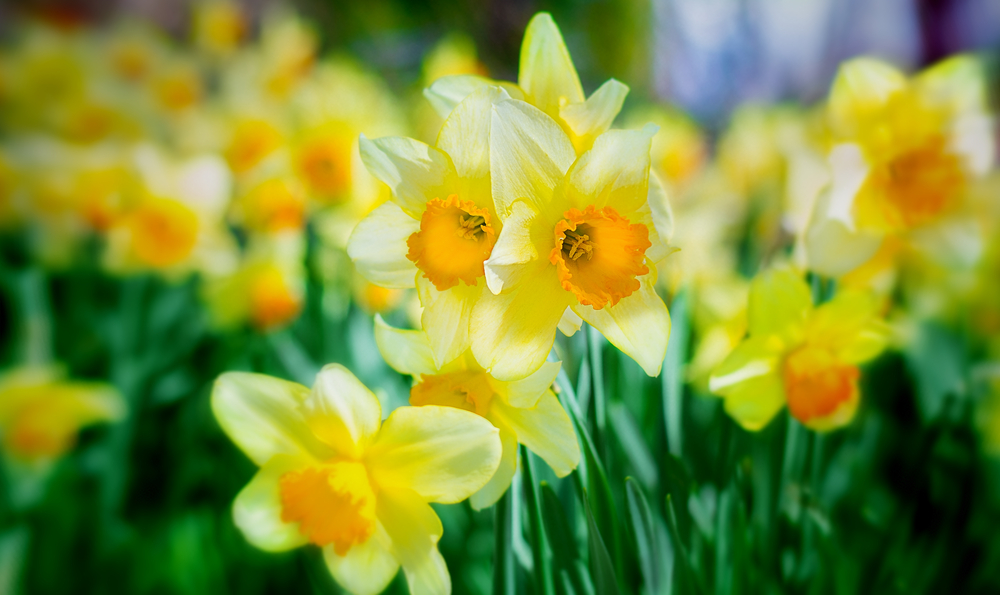
It’s March, the time of year in which those lovely green shoots we all know and love start breaking through the soil in gardens all over Salt Lake City, Utah. Even though we expect spring to come every year, each time it feels like a miracle — that some unseen force telegraphs to the daffodil bulbs underground that it is safe to come out now. Here at Millcreek Gardens, Salt Lake City’s favorite gardeners’ supply store, we want to celebrate the arrival of the daffodils with you and provide some helpful information and advice about these beloved blooms.

Daffodils are sometimes called narcissus or jonquils, and although they may have slight genetic variations, for most gardeners, these plants are indistinguishable. In fact, they are part of the same family that includes the amaryllis, a holiday favorite with large, showy flowers.

Almost all daffodils are yellow, but because there are scores of varieties of daffodils, the resulting blooms can be all different shades, from butter to lemon to sunshine to canary. You may have seen two-toned daffodils, with white petals (also called tepals) on the outside and a yellow inner corona.

daffodils

Daffodils Are Easy to Grow

One reason daffodils are so popular is because they are so easy to grow. With our sandy soil here in the Salt Lake City area, it’s easy to dig holes or trenches to fill with bulbs in the fall.

Often, they optimistically emerge from their winter sleep only to be flattened days later by a sudden heavy snow. But daffodils are especially hardy. You may walk by them on your way to work in the morning, noticing that their faces are frozen to the concrete on your sidewalk, only to return in the evening to find the snow has melted, they have peeled themselves off the ground and are standing tall and proud.

This is evidence they are not only strong, but they are, in fact, tough to kill. They’re also famous for propagating. You may get more daffodils each year. Or, you may get one or two in an odd location that makes it hard to mow the lawn. Their penchant for multiplying is why you can see veritable fields of them on public land such as alongside roadways.

The Care and Keeping of Daffodils

While daffodils are not demanding plants, they are happier if you show them a little love. This includes keeping them covered through the winter with a warm blanket of leaves. Once you see shoots poking through the leaves (you can peek if the leaves are deep), you can remove the blanket. The best way to do this is with a small rake made for tight spots such as the ones we sell here at our Salt Lake City garden center. With this type of rake, it’s easy to gently remove the leaves around the plants, rather than literally raking them over with a giant bamboo monstrosity, which could injure them or at the very least annoy them.

If your daffodils aren’t propagating the way you’d like, or if you wish to add in new varieties, stop by Millcreek Gardens in Salt Lake City. We sell many varieties of daffodil bulbs, but remember, they must be planted in fall. If you want to enjoy daffodils right away, buy some blooms in a pot and save the bulbs for planting season.

You may see cyclamen everywhere you go these days — grocery stores, drug stores, big box stores. It’s a lovely Valentine’s Day gift for anyone — the pretty butterfly-shaped blooms brighten up homes during a dreary February and remind everyone that spring in Salt Lake City is not far away. But if you want your gift to matter — and to last — it’s best to get your cyclamen at our nursery, where you can be sure to get hardy, strong plants along with some professional advice for taking care of them.

cyclamen

Keeping Cyclamen Indoors

A cyclamen is a cheerful addition to a home, whether it serves as a centerpiece on the dining room table, a decoration on the window seat or a touch of color anywhere. A potted cyclamen prefers indirect lighting, so choose its home carefully. You may see the leaves stretch toward the light, so turn the plant from time to time to encourage even growth.

A tropical indoor cyclamen will go into dormancy once it is done blooming — don’t throw it away! It is just sleeping and will return with proper care.

Planting Cyclamen Outside

Hardy cyclamen can be planted outside once it is warm enough and you are done enjoying your plant indoors. You can plant your cyclamen in boxes, planters or directly in the ground (this is best done in fall).

Be sure to choose a moderately shady location — the Salt Lake City sun can quickly kill a cyclamen.

How to Care for Cyclamen

Talk to us about what soil is best to plant your cyclamen in — whether indoors or out — to keep this perennial blooming for years to come. When planting outdoors, good drainage is important to stave off rot. Planting in slightly hilly mounds can help as well.

When it comes to fertilizer, you will want one appropriate for houseplants for your indoor cyclamen. Ask the helpful staff here at our garden center which one is best for cyclamen.

You’ll want to protect your outdoor cyclamen with mulch through the cold season, but don’t cover the leaves — they will last until it gets bitter cold. In the spring, you can divide the cyclamen to spread the beauty around. Despite how their papery flowers look, cyclamen are hardy plants that can last many years.

Salt Lake City Gardeners’ Supply

There may still be snow on the ground, but remember that spring is only a month away! It’s time to start planning ahead for the growing season in Salt Lake City. Are you thinking of adding some shrubs this year? Or maybe even a small tree? Our nursery is the place to get it.

Come to Millcreek Gardens for all your plant supplies, sod, soil, mulch, fertilizer and garden products. We’re Salt Lake City’s favorite landscape supply source.

We all know what it’s like to be scrolling on Instagram, Pinterest or TikTok and see influencers with perfect homes filled with lush, green houseplants that never seem to brown or wilt. Yet, some of us can’t seem to achieve this idyllic, natural look. If you’ve tried and failed at growing a plant that you were told was virtually impossible to kill, this article is for you. Millcreek Gardens is the gardeners’ supply store in Salt Lake City that wants to help you with your New Year’s resolution to keep your plants alive in 2022.

dead houseplant

Get Instructions from Your Favorite Garden Center in Salt Lake City

You know that little piece of plastic you see stuck in the dirt when you buy a new plant? That has valuable information on it about the care your plant needs.

If you’re in our Salt Lake City plant nursery and you see a plant you like, first take a look at that tag. Does it say the plant needs to be watered, repotted and pruned frequently? If you kill plants often, this high-maintenance plant might not be the right choice for you. Does it say the plant needs full sunlight, but you live in a small apartment with very little natural light? Maybe look for a plant that prefers indirect sunlight.

If you don’t see instructions on a plant but you are interested in buying it, ask an employee for help.

Water Your Plants Correctly

Many untimely plant deaths are due to improper watering. I’ll set the scene for you: you just bought a new plant and you’re really excited about it. You know you have a history of accidentally killing plants, so you are sure to water it every day. But as time goes on, the novelty of your plant starts to wear off, and you’re not watering it as often. Before you know it, the plant is losing leaves and turning brown.

Here’s what happened. In the midst of your excitement and determination, you inadvertently trained your plant to grow weak roots. As you let up on the daily watering (which is almost always overkill, by the way), the plant begins to sense drought and sheds its leaves in response.

To prevent over and underwatering, simply look up how often your plant needs water, or ask a Millcreek Gardens employee about plant supplies.

Don’t Throw Your Plant Away — It Might Be Salvageable!

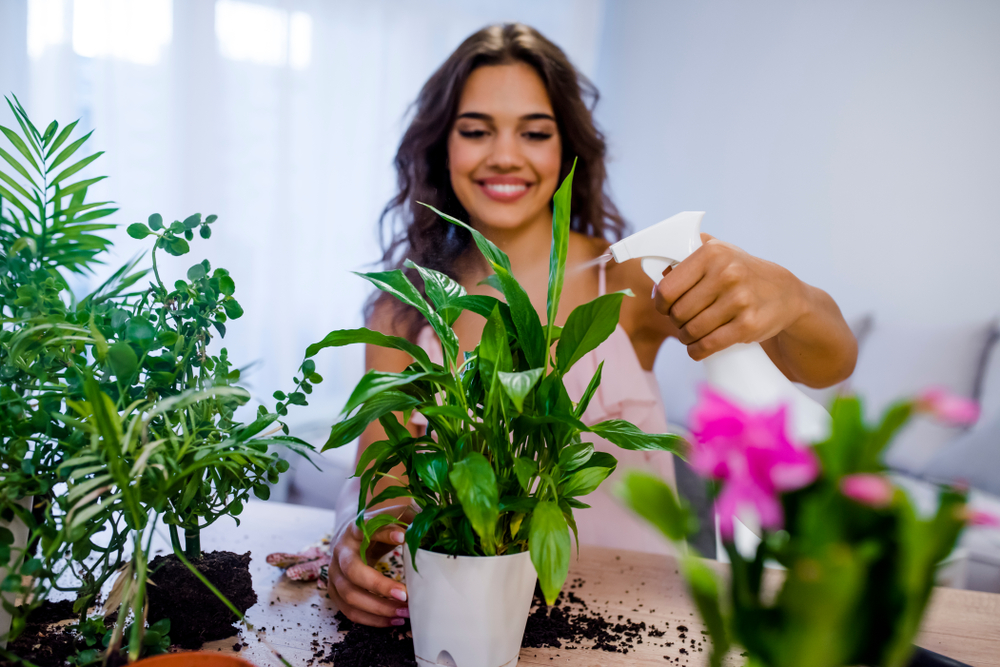
Throwing away a dying plant is a common mistake. Just because your plant is losing leaves and turning brown doesn’t mean it’s dead! Simply trim off the dead parts of the plant, start taking better care of it and wait to see if there’s any new growth. If you have a plant in this condition, follow the tips above or ask us what you can do better.

Whenever you need help keeping a houseplant alive — or you need more houseplants — come to Millcreek Gardens of Salt Lake City. We make lives greener.

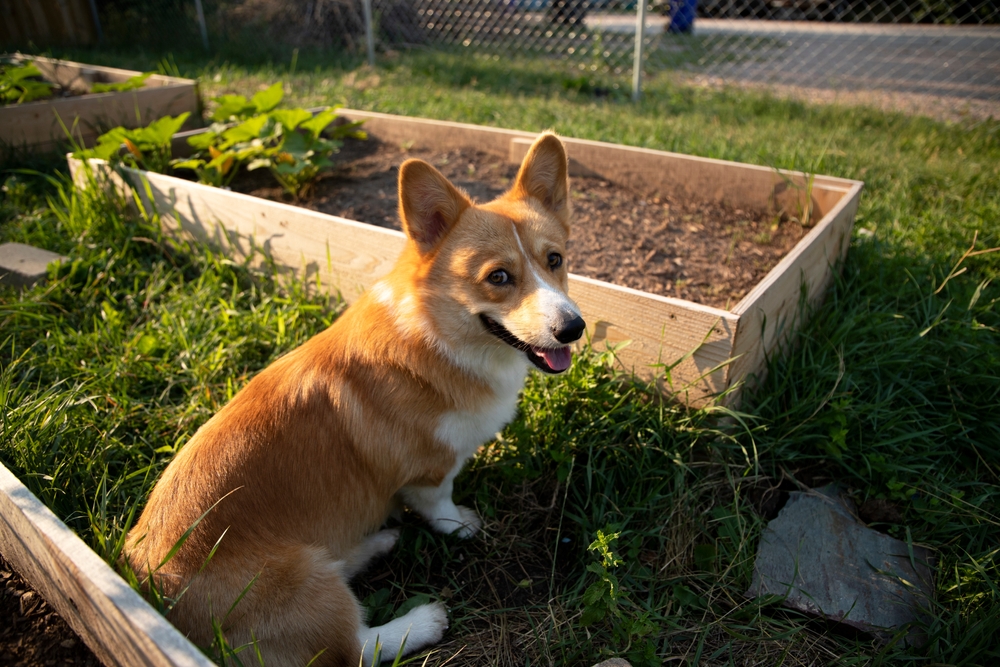
When it comes to dogs in your garden, there are care themes that need to be taken in both directions. Not only do you want to ensure your garden is set up in ways that won’t be damaged or destroyed by your curious pups, you also want to make sure the garden doesn’t contain any elements that are unsafe for your dog(s) if they’re sniffing around.

At Millcreek Gardens, we’re proud to offer a wide variety of garden products and supplies, from basic garden tools to fertilizers, soil and soil conditioners, and much more. We’ve assisted many clients with creating a dog-friendly garden, and we’ll be happy to help you out as well. Here are some basic themes to keep in mind as you’re crafting a dog-friendly and dog-safe garden.

garden safe friendly dogs

Dog-Friendly Plants

The first major task here is to ensure you’re only planting items that are completely safe for dogs. There are a huge range of plants that qualify, including:

  • Ferns
  • Lillies
  • Roses
  • Sunflowers
  • Crape myrtles
  • Hens and chicks
  • Hibiscus flowers

There are obviously plenty of other plants that are OK, but these are some basic suggestions to get you started. If you’re unsure about a plant’s safety for your pup, ask the experts at Millcreek Gardens or do your own research online!

Be Very Cautious With Chemicals

Your chemical usage should already be pretty limited in the garden, and especially if you’re aiming for a dog-friendly garden, you’ll want to be even more careful. Avoid using any pesticides, herbicides, or fungicides, as even tiny traces of these chemicals can be very harmful to dogs. If you must use a chemical for some reason, try to apply it far away from where your pup is likely to spend time.

Items to Secure

If you know your dog will be out and about in the garden regularly, and you’re just looking to ensure they don’t cause any problems, here are a couple securing themes to keep in mind:

  • Securing your boundaries: Using fencing, such as for a wood fence, will help keep your dog from getting into the garden and rooting around. If you’re not looking for an actual physical boundary, using other objects to mark out boundaries can help – this is particularly true if your dog responds well to things like flags or large rocks placed carefully throughout the yard.
  • Securing compost bin: If your home has a compost bin, your dog may show significant interest in it. You should try to invest in a secure lid or cover for the bin to keep your pup from rooting through it and getting into anything they shouldn’t.

For more on how to make your garden as dog-friendly and dog-safe as possible, or to learn about any of our gardening tools or services, speak to the pros at Millcreek Gardens today.

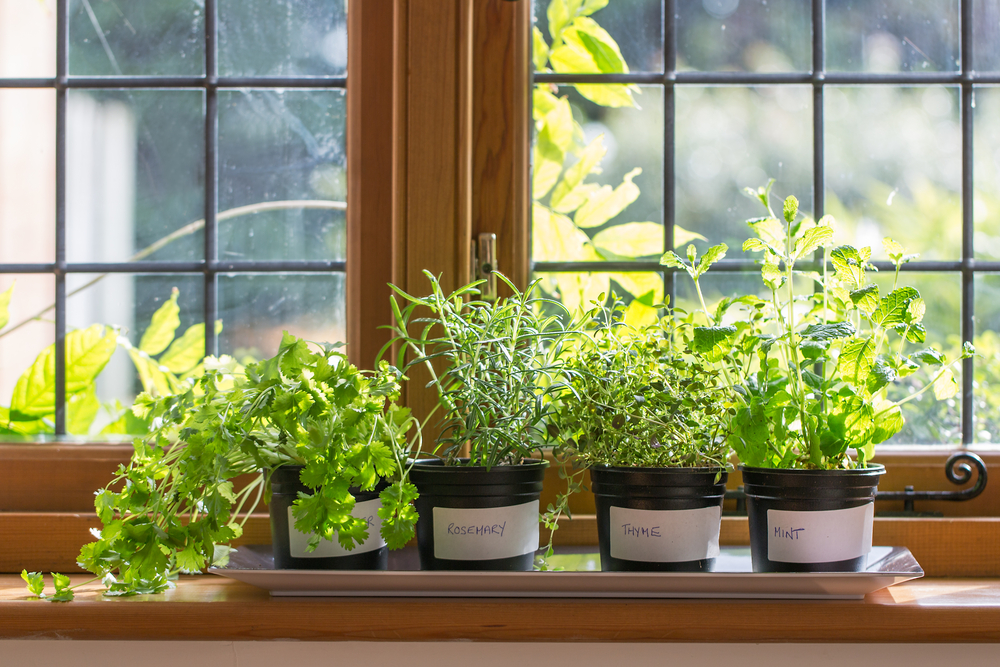
The scent of fresh basil or oregano isn’t just for warm summer days — you can have it all winter long with a windowsill herb garden. But how can you grow herbs by a frosty window? The team at Millcreek Gardens has some tips for you on how to keep fresh herbs alive and well on the windowsill of your Salt Lake City home through even the coldest days.

herbs on the windowsill

Herbs: Seeds or Clippings?

One of the easiest ways to bring your herbs indoors is by pinching off a branch or two and plopping it in a container of water to root. This doesn’t work with all herbs though. For instance, if you want to bring your chives indoors, you should pull up a few by the roots — they’re more like bulbs.

Alternatively, if you don’t have chives, you grow some from a garlic bulb. Have you ever kept garlic so long that green shoots begin to emerge? Put your garlic bulb in a shallow dish of water and you will soon have nice, big, green shoots. These herbs will be more garlicky and less oniony than chives, but they’re still a fabulous addition to your savory dishes.

You can also root basil, mint, thyme, oregano, sage, rosemary and many other herbs.

But what if you have some herbs in mind that you don’t yet have in your outdoor garden? You could try to get neighbors to donate, but what’s even easier is buying seeds or seedlings at Salt Lake City’s favorite shop for indoor plants — Millcreek Gardens.

Growing Plants Indoors in Winter

We won’t lie — it’s harder to grow plants indoors in winter, but many avid gardeners love the challenge. It’s a fun winter hobby!

When you grow herbs from seed in the winter, you should have a clear plastic lid over your garden to keep in the heat and moisture (plastic wrap can sometimes do in a pinch). Your herbs will also need a lot of light — about six hours a day.

If this seems unachievable in your home, you have our permission to cheat and get a grow light. Once your seedlings sprout and become big and strong, you can transplant them into your herb garden container. We recommend you put it on your kitchen windowsill because the kitchen is where you cook, so it’s convenient, but if your kitchen window doesn’t get much sunlight, it would be better to keep your herbs in a sunnier room.

Fresh Herbs, All Winter Long

It’s so satisfying to be able to grab a branch of rosemary or a few basil leaves for the dish that’s simmering on your stove. Add fresh herbs to stews, soups, salads and marinades.

You can also grow some lavender in your winter herb garden. Use the blooms to scent oils and lotions or in potpourri or sachets. Add them to a beverage or a batch of macaroons.

As you can see, a winter herb garden brings months of delight to long, cold dreary days. Stop by our Salt Lake City garden nursery today for more inspiration!

If you’re sad that your garden has lost a lot of its summer color — cheer up, there’s something you can do about it! At Millcreek Gardens, we have lots of beautiful blooming annuals and perennials you can rely on to add a pop of color to your Salt Lake City garden. Come down and see!

It’s great if you plan ahead and plant perennial fall flowers in the spring, but it’s not always possible. Maybe you just moved into your home this summer, or maybe you simply didn’t have time in the spring. No need to fret! Millcreek Gardens carries both perennial and annual fall flowers, so you can still enjoy a colorful fall garden.

outdoor plants for fall

Asters & Mums

Sometimes it’s hard for the untrained eye to tell these two plants apart. Indeed, chrysanthemums are part of the aster family, so some varieties look similar.

The variety of mums that are arguably the most identifiable are the ones with big, poofy, pom-pom-like blooms. Others have spidery petals and for all the world look like a sea anemone. Mums come in a rainbow of colors, but yellow, gold, rust and maroon are most popular.

When you come to Millcreek Gardens to select your mums, talk to a helpful salesperson to be sure you’re buying the right kind for your purposes. Remember, you can always set out some nice pots of mums on the front steps or porch in pots, then bring them in when it gets too cold.

Although certain varieties of asters can be floofy like a mum, asters are better known for their daisy-like appearance. However, while each type of flower shares a gold center surrounded by long narrow petals, daisy petals are rounded at the ends and more of an elliptical shape, while aster petals are longer, thinner and more numerous.

While you can find a rogue-colored aster from time to time, the most common colors are blue, purple, pink and white. If you get them early enough in the season, they might attract a few butterflies before these delicate creatures head south for the winter.

Pansies

Pansies are another fall favorite — you can even plant them now with the expectation they will live through the winter. Despite the fact they are hardy and enjoy cool weather, pansies are also sun-worshippers, so to encourage blooms, plant them in full sun or partial shade.

Pansies come in almost every color imaginable, but the most common are yellow, purple and white. Their fat, velvety petals and comically petulant faces are a lovely welcome home after a long day at work.

Flowering Kale

Flowering kale, commonly seen in shades of green, white and purple, is easy to grow and keep, though its change in appearance come spring usually prompts gardeners to pull it out in favor of a new plant. You can brush the snow off these tough stalwarts and enjoy them all winter long (unless temps get close to zero).

Garden Plant Mecca in Salt Lake City

Now that you know what will grow at your Salt Lake City home this fall, what are you waiting for? Come down to Millcreek Gardens today and stock up on hardy outdoor plants for fall and winter.

Backyard vegetable garden favorites in Salt Lake City and across the U.S. include tomatoes, lettuce, cucumbers, beans, and squash. But how do you know when to pick them? What happens if you harvest them too soon? Or too late? Your favorite Salt Lake City garden center, Millcreek Gardens, has some advice for you.

garden vegetables

Starting Vegetable Seeds Indoors

You can get a jump on your vegetable garden every year by starting your seeds indoors about six weeks before the last frost. Your veggies will grow better if you set them under a grow light, but it isn’t strictly necessary. Any tools you use to create a greenhouse effect — clear plastic lid, plastic wrap, etc. — and some sunshine every day will help your seeds to sprout.

Starting seeds indoors gives them a bit of an advantage because they are hardier when you plant them outdoors and more likely to quickly take root and grow.

Growing Veggies: Weather Matters

Sometimes, despite your best efforts, your veggies grow poorly. It could be your soil (bring some to your local cooperative extension to have it analyzed), but it also could be the weather. Many cloudy days will affect your veggies’ growth, and the growth of any outdoor plants.

Too much rain is a problem, but so is not enough rain — or even sporadic rain. Have you ever had tomatoes that were growing nicely and suddenly the skin mysteriously split open? That can happen when the plants receive large, but irregular, drinks of water, causing them to have sudden growth spurts that split their skins.

In Salt Lake City, we typically have hot and dry, sunny days that our summer vegetables and herbs love! Regular deep watering of your garden will ensure your plants have the moisture that they need to thrive. If you’re conscious of conserving water, come in to get tips, tricks, and the right tools to help you be water-wise in your garden.

How to Tell When Plants Are Ripe

The best way to tell if any vegetable is ready to be picked is to gently tug on it. If it breaks free, it’s ready. If not, give it another day or three.

There are other signs as well, such as color. You likely know that most tomatoes are green until they are ripe, when they turn red. If you’re growing a tomato variety that doesn’t ripen to red, you can know it is ready if the fruit is firm but can be squeezed softly. Pumpkins are very pale as they emerge, then turn a deep orange as they ripen.

But not all fruits and veggies turn a different color when ripe. Cucumbers and zucchini are green and stay green. The trick with these is to not let them grow to a tremendous size. Pick your cucumbers, zucchini, and summer squash when they reach about 12 inches in length. Vegetables are tastier when they are smaller.

What happens with many plants — especially zucchini — is that they can produce an overabundance of fruit. Gardeners may decide to leave them on the vine until they are ready to eat them. But no one will ever be ready to eat a couple dozen zucchinis.

It’s best to pick fruits and vegetables when they are ripe, even if you aren’t ready to eat them. But many fruits and veggies should not be stored in the refrigerator — put them on a windowsill or countertop until you’re ready to eat them. You can also pick many vegetables a little before they ripen and let them finish ripening indoors on your countertop.

If you feel like you have more veggies than you can eat, try to incorporate them into other foods such as spaghetti sauce, salsa or zucchini bread. You can also freeze or can them, so you have fresh veggies all winter long. You also may know someone who would greatly appreciate the gift of fresh veggies.

Best Outdoor Plants in Salt Lake City

Regardless of whether you cook them, save them, or gift them, fresh veggies straight out of your Salt Lake City garden are a delight! Get your seeds, edible garden plants and the best advice — year-round — from Millcreek Gardens.