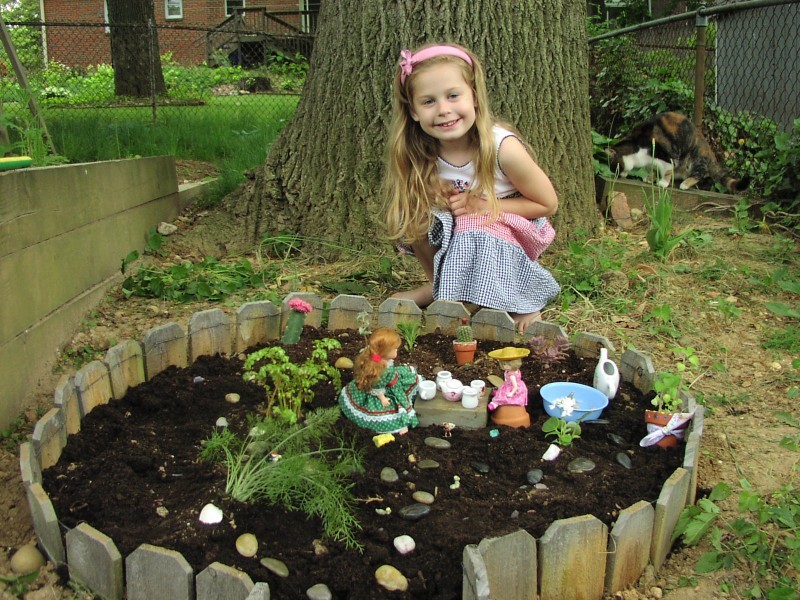
A fun project to do with your kids this summer is to create a dolls’ garden in your Salt Lake City back yard. Working with your kids in the garden instills in them a love of gardening that can last a lifetime. You can get much of what you need to plant a dolls’ garden at Millcreek Gardens.

dolls’ garden

What Do You Put in a Dolls’ Garden?

While there are no hard and fast rules about creating a dolls’ garden, many Salt Lake City homeowners enjoy the challenge of creating a garden in miniature, much like building a dollhouse.

If you’re undertaking this project with your children — and you don’t have to, you can do it on your own! — you should probably first identify what dolls they want to use, so you can get the scale right. Think about whether the dolls will live in the garden. If so, they will get rained on occasionally, so it might be worth your while to stop at the dollar store after you come to our plant store for your garden supplies. There, you can get a couple of small plastic dolls and perhaps some other items to add to your garden.

Garden Plants for Dolls

One thing you will definitely need for your dolls’ garden is plants to scale. A wonderful choice is succulents. They resemble tiny trees, and many sprout bright, beautiful flowers as well. Also consider some terrarium plants, or clippings you’ve taken yourself from your own houseplants.

A little fence around your dolls’ garden is a nice touch — it separates the dolls’ area. Get some pieces of edging to make a border around the garden and fill it will garden soil. Next, along with your kids, arrange your garden plants in the manner you intend to plant them. If they are already in pots, you can leave them that way. Or, you can remove them and plant them in the dirt.

Once you’re done planting your outdoor plants, add a handful of grass seed to the bare areas. It will look so beautiful when it comes in! Plus, you’ll get some extra “me time” later on when you send the kids out with clippers to “mow” the dolls’ lawn.

What Else Can You Add to Your Dolls’ Garden?

Next, it’s time to scour the house for more items you can use in the dolls’ garden. Whatever you’re missing you may be able to pick up at a discount or craft store. Look for doll-sized gardening supplies like watering cans and rakes, and tiny plastic or ceramic animals such as bunnies, squirrels or chipmunks. (Try not to sigh when your kids want to add a stegosaurus into the mix.)

If you want to stay away from pink plastic Barbie furniture, try tiny, overturned flowerpots for chairs and a nice flat rock for a table. Consider adding decorative stones, acorns, pinecones, seashells, colored stones from an old fishbowl or other natural objects.

When you need outdoor plants for a dolls’ garden or for your own grownup garden, get them at Millcreek Gardens, Salt Lake City’s favorite plant shop.

One of the showiest outdoor plants you can cultivate at your Salt Lake City home is the sunflower. Sunflowers are best planted in late spring, so there’s still time! Millcreek Gardens carries a wide variety of outdoor plants, houseplants and seeds for your growing and cultivating pleasure.

sunflowers

Sunflowers Are Easy to Grow

Most outdoor plants will do better if you follow directions about when to plant, spacing, watering, thinning, etc. But some are likely grow even if you get busy and forget about them, and sunflowers are some of these plants.

Two things sunflowers can’t do without are sunshine and water (just like us!), so make sure you choose a nice sunny spot for your sunflowers and water them liberally.

Sunflowers do best in well-drained soil, so the sandy soil we have here in Utah is perfect. If you’re just starting a garden at your Salt Lake City home and need some nursery soil, Millcreek Gardens is the place to get it. Just tell us what you’re planting, and we’ll point you in the right direction.

One of the greatest challenges of growing sunflowers is preventing the squirrels from stealing your seeds before they germinate. Sometimes it seems as if squirrels sit in trees, watching you plant sunflower seeds, chuckling to themselves at your foolishness, and then run and dig them up and eat them as soon as you go back in the house.

Since controlling the squirrel population would be hard, we recommend planting twice as many sunflowers as you would like to grow.

Sunflowers Are Fun!

One of the most satisfying parts of planting sunflowers is how fast and big they grow. The giant variety can grow up to 14 feet tall, their stems becoming heavy, woody stalks.

That’s important, because sunflowers need the strength to hold up their blossoms, which can get to be more than 2 feet wide. These beauties turn their faces to the sun, tracking it through the sky all day long. If you drive through a field of sunflowers, you’ll notice they face one way in the morning and the other way in the afternoon.

Their bright yellow color is cheerful and uplifting — your sunflowers will be an inspiring sight to behold every evening when you return home from work.

Sunflowers Are Useful

You can harvest the seeds from your sunflowers, roast them and eat them. Add your roasted sunflower seeds to granola, breads, muffins and even burgers. Sprinkle them atop vegetables, or just eat them straight from the bag.

Depending on how many sunflowers you get, you might not be able to eat all the seeds. Don’t worry! Birds, mice, chipmunks, squirrels and even bears love sunflower seeds, though you may not see many of the latter in Salt Lake City.

Best Garden Nursery in Salt Lake City

June is prime flower planting month in Utah. For outdoor plants, great advice, friendly service and sunflower seeds, come to Millcreek Gardens, Salt Lake City’s favorite gardening store.

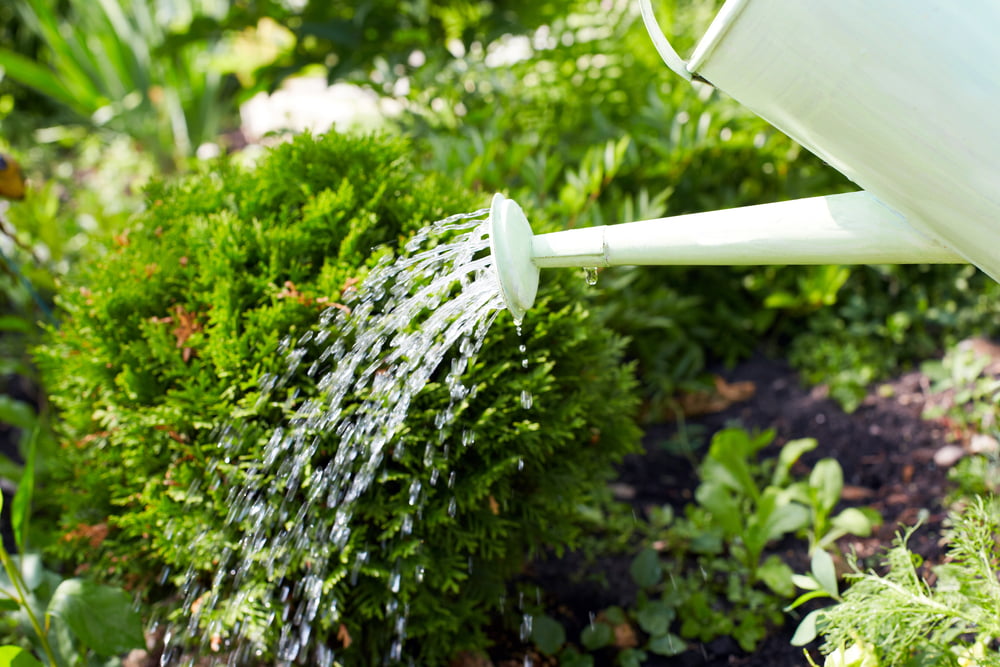
The hot season is approaching here in Salt Lake City, and it’s time to start thinking about a watering schedule for your outdoor plants. How much is enough? How much is too much? The experts at Millcreek Gardens, everyone’s favorite garden center in Salt Lake City, can clue you in. During a summer afternoon, up to half of the water can be lost to evaporation. The best times to water your outdoor plants are in the morning or evening, so the roots have a chance to absorb most of the water. Applying mulch around your plants can also help conserve a lot of water and reduce watering needs.

outdoor plants in Salt Lake City

Trees and Shrubs:

Trees and shrubs have deep and extensive root systems so they should be watered less frequently and for longer periods of time. The optimum time to water is just before water stress occurs. To determine sub-surface soil moisture, use a soil moisture probe, a screwdriver or long metal rod. The probe will easily penetrate moist soil but stops when it hits dry soil. The soil should be moist to a depth of 18-20 inches for trees and shrubs. If you encounter resistance, your plants may need a deeper drink.

Allowing water to penetrate deeper into the soil profile encourages deeper rooting and a more drought tolerant plant. Frequent, light irrigation will lead to plants with a shallow root system that are more prone to water stress. When using sprinkler systems, about one-half to 1 inch of water may be required weekly for shrubs and smaller trees of up to a 4-inch trunk diameter. Large trees with a trunk greater than 4 inches in diameter may require hundreds of gallons of water per week. For newly planted trees and shrubs, water frequently until the root system is established. If we get more dry winters here in Utah,don’t be afraid to water your trees once or twice in the winter when soil temperature is above 40 degrees Fahrenheit. Your trees and shrubs will thank you when it’s time to wake up from dormancy in the spring. When it does snow, it’s also a good idea to shovel some extra snow around the base of trees and shrubs, giving them more water to drink as it melts.

Outdoor Plants That Love Salt Lake City Sun

Cacti & Succulents:Of course, these native plants love sun 24/7, and they don’t need much water either. Many varieties only need watering once a month. Succulents store water to survive drought conditions.  During times of drought, the water held in the leaves, stems and roots is slowly used to keep the plant alive.  A succulent in a pot does not have the deep, expansive root system it would have in the wild.  Potted succulents should be thoroughly watered from top to bottom, then allowed to dry.  Check the soil for moisture using a soil probe or the tip of a wooden pencil.  If the soil is dry, halfway down the pot, it is time to water again.  Don't ever let any type of succulent stand in water.  After watering, drip trays or saucers should be emptied of any excess water. Come visit Millcreek Gardens to see our many indoor and outdoor varieties that have pretty flowers on top and cute foliage.

Geraniums: Geraniums prefer moist but well-draining soil. Check soil moisture with a moisture meter, or by sticking your finger about an inch into the soil. Water when soil is on the dry side.Geraniums used to come in red, pink or white, but today, you can get geraniums in purple, orange and many different shades of pink. You also can often get your choice of variegated geraniums. At Millcreek Gardens, we love geraniums so much we have an annual 99 cent geranium sale every May, just in time for Mother’s Day and spring planting. We still have some left, come by today to grab a few geraniums for yourself and to share with neighbors!

Black-Eyed Susans:Black-eyed Susans do not need much extra water once they're comfy and established in the garden. You do need to water them when you first plant them, though, to help the plants grow new roots and settle in. Water well whenever the top inch of soil around the plants is dry.These perennial darlings grow in clumps up to 3 feet tall, filling their space with cheerful beauty. There are dozens of kinds of black-eyed Susans, but the best-known are yellow with a cone-shaped brown center.

Sunflowers: Kin to the black-eyed Susan, giant sunflowers can grow more than 10 feet tall, spawning scores of seeds for next year — if the squirrels and deer don’t get them first. Although sunflowers require a lot of water to germinate, they only require an inch of water per week during the growing season. Use a watering nozzle to easily water once a week until the top 6 inches of soil is moist.

You should water these sun-loving outdoor plants from time to time when soil is dry, but if you forget, they’ll probably be just fine. Water more freely during the hot and toasty summer months of July and August in Utah.

Outdoor Plants That Love Shade

Hostas: Hostas are hardy plants that grow quickly, allowing you to divide them to spread around or share with neighbors. Their delicate flowers on long stalks last throughout the summer, bringing color to areas where plants are hard to grow. In an ideal hosta garden, the plants would receive generous watering all season long. A slow, deep soaking of around an inch of water per week through the growing season is perfect. A single deep soak every week is always better than multiple, light waterings. Deep watering encourages the roots to grow deeper into the ground where they can still find moisture during short periods of dryness. Frequent, light watering encourages the hosta roots to grow near the surface of the soil where they can quickly dry out even in short dry spells.

Hostas can tolerate periods of dryness, if they are otherwise healthy. However, hostas that are never stressed from lack of water will grow bigger, faster and will hold up and look nice longer into the season. Usually, they can fend for themselves, but watering during periods of dryness will certainly help your hostas look and grow their best.

Lily of the Valley: Hiding inside deep green pointed leaves are stalks that hold a dozen or more tiny, delightful white flowers dangling upside down, seemingly on a thread. For all their dainty appearance, these flowers can be trod upon, accidentally mowed, dug up by your pooch and more, and still proliferate. If the soil is relatively dry at planting time, you can soak the plants in cool water for several hours before planting. As with all transplants, lily of the valley should be watered weekly for the first 4-6 weeks after planting. Lily of the valley is an extremely tough plant, and it will grow in almost any type of soil or climate. Though the roots love moisture, once the plants are established, they are quite drought tolerant. Ideally, Lily of the Valley prefers consistently moist but not soggy soil. Water whenever the soil begins to dry out due to a lack of rainfall and/or hot weather. Soil that is too dry will impede the plant’s growth and flowering.

Impatiens: Impatiens bring an instant burst of color wherever you put them — in boxes or pots out front, along a walkway or even in the house by a window. While impatiens will quickly wither and die if left in the Salt Lake City sun, they do like a little bit of sun, and plenty of light. Be sure to water them frequently. You’ll remember when you notice them drooping sadly. Watering Impatiens should be consistent but doesn’t need to be daily during comfortable temperatures in late spring and early summer. When temperatures are in the high 80’s or 90s, it is more likely these flowers require watering every day. Mulch helps retain moisture so you may not have to water as often. Quickly soak the area where impatiens plants grow but don’t water them excessively.

We hope this short guide on how much to water a few of your outdoor plants in the Salt Lake Valley will help you decide what to grow this year and where in your yard to place it. For an amazing selection of outdoor plants and the best advice in Utah on caring for them, stop by Millcreek Gardens today.


Rose bushes are beautiful, but they have a reputation for being hard to take care of. At Millcreek Gardens, our Tree and Shrub experts think this is unfounded. Cultivating rose bushes in Salt Lake City does take some effort, but you will undoubtedly feel it is well worth it when your beautiful rose bush bursts into bloom this summer.

What do you need to know about growing rose bushes in Utah?

outdoor plantsrose bushes

Choose a Sunny Spot

Roses love sun. But this is Utah, so you don’t want to overwhelm them. Select an area where your rose bush will get six to eight hours of sunlight a day — but not all during the hottest parts of the day. Keep an eye on a few different spots in your yard for a few days and make notes so you’re sure you choose the best place.

Dig a Big Hole

Did you know that for trees and bushes, the size of the hole you dig should be about twice as wide as the size of the root ball? Skimping on the size of the hole can impact your rose bush’s health and growth.

As the weather heats up in the summer, you might want to add a bit of mulch around your rose bush to help it retain moisture. Leave a space right around the trunk, however, to reduce the risk of rot.

Water & Feed

You should water a newly planted rose bush at least every couple of days, ensuring the soil stays damp. As your rose bush grows and matures, you can cut back watering to about once a week. Water your rose bush at its stem near the ground — don’t pour water over the top of the bush where the leaves and buds are. Wet rose bush leaves are vulnerable to fungus. Our rose experts recommend using a drip irrigation system to keep roses happy and to water more wisely.

Fertilizer is more important for rose bushes than for many other plants. Buy a fertilizer at Millcreek Gardens that’s specially formulated for roses, such as Rose-Tone from Espoma or Dr. Earth’s Rose and Flower fertlizer. Both are organic and can be used throughout the whole year! F     ollow the directions for fertilizer carefully. Too much fertilizer can burn your rose bushes and too little can leave them small and stunted. It’s also a good idea to add a fertilizer high in Nitrogen to the base of your roses as winter begins so the plants have something to feed from when they wake up in the Spring.

However, don’t fertilize a new bush — it’s too traumatic. Only fertilize established rose bushes.

Pruning

Pruning is another crucially important step in cultivating rose bushes. Without regular pruning, your rose bushes with grow to be spindly and have few blooms. In Utah, most roses bloom especially well in May and September, but with proper pruning, they can bloom all summer long.

Rose bushes should be pruned in spring to encourage new growth and blooms for summer. Prune branches just above an outward-facing bud and cut the branch at a slope — this makes it easier for water to run off. Make sure to have a sharp pair of clippers or hand pruners to get the job done.

Best Garden Store in Salt Lake City

If you want to try your hand at growing roses, stop in and talk to the rose experts in our Tree and Shrub department at Millcreek Gardens. We’d love to help you choose a rose bush and advise you on how to take care of it. Come see us today!

Soon you will begin to see your outdoor plants like crocuses and daffodils peeking their heads above ground, if you haven’t already. Salt Lake City gardening enthusiasts know this is the signal to get the gloves, rake and pruners out of storage and use them to inaugurate spring gardening season. The experts at Millcreek Gardens have a few tips for the novice gardener who wants to get their garden plants into shape this spring.

outdoor plants

Dispose of Leaves

Hopefully you left a nice, warm covering of leaves over your spring flowers over the winter to keep them protected from the cold and snow. Once they start to emerge, however, it’s time to uncover them. Consider getting a rake with a small head for this chore, or use a leaf blower. It allows you to gently and carefully remove last fall’s leaves from between your emerging plants without damaging or traumatizing them in any way.

It’s best for your lawn (and easier for you) if you use your mower with the blade at a high setting to mulch leaves in the fall rather than rake them up and dispose of them. As the leaves break down, they help fertilize your soil. When spring comes, there’s no need to vigorously rake up stray leaves on your lawn; just let them decompose naturally.

Pull Up Weeds

This chore will start to take more time as the season progresses, but the sooner you get started on it, the easier it is.

Remove all dead plants from last year, then move on to newly emerging weeds. Depending on the size of your beds and the types of garden plants you tend to favor at your Salt Lake City home, you may want to consider putting down black plastic to control weed growth in some areas.

Prune Garden Shrubs and Trees

When you’re doing spring pruning, it’s critical to remember not to prune any bushes or trees that bloom in the spring, such as azaleas or magnolias. Their buds have already formed, and anything you cut off now will just be a waste.

Generally speaking, it’s best to prune outdoor plants right after they have finished blooming. If you wait too late in the season, they will have begun the process of forming new buds and you will disturb it. Stick to pruning deadwood and nonflowering trees and shrubs in the spring.

Salt Lake City Plant Store

If you’re thinking of adding any outdoor plants — or indoor plants — this year, come to Salt Lake City’s favorite plant shop: Millcreek Gardens. Our experts will show you around our garden nursery and help you pick the right plants for your home and garden. Stop by today!

Valentine’s Day is almost upon us — what are you going to get for your sweetie? We suggest a lovely, long-lasting indoor houseplant from our Salt Lake City gardening store!

indoor plantsq

Roses Are a Bad Investment

For many years, the expectation on Valentine’s Day has been to send your sweetie (and by this we mean spouse, significant other, mom or anyone you think is sweet) a dozen long-stemmed roses. Prices for a bouquet like this are inflated to three times their regular price or more during this holiday.

The very worst part, however, is that cut flowers don’t last long — barely a week if you’re lucky. Worse, oftentimes the buds don’t even open! There’s all kinds of advice online about how to get them to open — fresh cut the stems horizontally, don’t expose the flowers to the cold, add a teaspoon of bleach to the water, add sugar, add floo power. But does any of this work? Maybe. Maybe not.

Take the guesswork out of your thoughtful gift this Valentine’s Day and get a reliable, hardy, green indoor plant.

Flowering Houseplants for Sale in Salt Lake City

If you have your heart set on giving flowers, give a flowering houseplant.

A peace lily is a lovely and easy-to-care-for gift. Their teardrop-shaped white blooms are so pure and sincere. These plants, which grow wild in the jungle, like a warm, humid environment. Keep them moist and mist their leaves every so often for a treat. They love light, but they’re a bit shy, so indirect light is best.

An African violet gives you beautiful purple blooms (or sometimes pink, white or blue). It’s a loveable plant, not just for its beautiful flowers, but also for its soft, furry leaves. If you want it to keep flowering, keep it close to a window, but out of direct sunlight. True to their name, African violets love heat, but not humidity, so water from the bottom to keep the leaves from rotting.

A cyclamen is a deliciously beautiful flowering houseplant, spawning tall blooms in pink, white, purple and a few lesser-known varieties. The flowers are reminiscent of a delicate orchid, but a cyclamen is a much more robust plant. A cyclamen does well in a window out of direct sunlight. The blooms and heart-shaped leaves will reach wantonly toward the light; turn the plant once a week or so to help keep its shape.

Advice from Garden Nursery Experts

If none of these seems to suit your taste, ask the experts at Millcreek Gardens for more suggestions. As the premier plant shop in Salt Lake City, our employees are doyens of gardening indoors. It makes their day when customers at our gardening store ask them for advice.

Tell them who you’re getting the plant for, whether they enjoy gardening or if taking care of a houseplant will be a new experience for them. We’ll help you find just the right houseplant for your sweetie this Valentine’s Day.

Is your poinsettia still sitting in the window, its pot wrapped in red foil, looking a bit forlorn? Good! Now you can try your hand at keeping it and trying to get it to bloom again next year. We hope you got your poinsettia at our Salt Lake City garden nursery this past season, but even if you didn’t, the experts at Millcreek Gardens want to share our advice with you for making your poinsettia last.

pointsettia

Poinsettia History 101

Poinsettias are beloved plants popular during the Christmas season for their large, cheerful red blooms. Although they originate from the warm climates of Mexico and Central America (in fact, they grow wild there), they’re hardy enough to withstand shipping and display in grocery stores, department stores and plant shops in Salt Lake City and throughout the entire U.S.

They enjoy a cool, yet humid, environment (exactly the opposite of Utah). They like light, but prefer indirect light. You must keep them moist, but not too moist, or they’ll get root rot.

At this point, you’re probably wondering how plants that like humidity but not heat and precise levels of light and water don’t die shortly after you get them home. The truth is that poinsettias thrive in optimal conditions, but easily survive a challenge. In fact, you could get a nice poinsettia a week or so before Christmas and do absolutely nothing for its care and keeping and it would look pretty good the whole time.

Poinsettia Care Post-Holiday

Regardless of how careful you dote on this lovely plant, however, its blooms will eventually fade and its bracts (they’re not truly petals) will fall. At this time, you can trim off what’s left of the flowers and enjoy the greenery. Maybe even change the paper on the pot to a fresh, new color.

Once the weather warms up (50 degrees-plus), you can turn your poinsettia into an outdoor plant. You can plant poinsettias in the ground, but Salt Lake City is not the best place for this, so leaving yours in its pot is a better idea. Adding some fertilizer at this time makes your poinsettia happier as well.

In the summer, you can prune and repot your poinsettia, but come fall, you must bring it indoors to encourage it to go into dormancy for at least eight weeks. During this time, it must have at least 14 hours of total darkness per day. If it is disturbed by even the tiniest amount of light, it can affect its color come Christmas.

Is it Worth It?

As you can see, it’s much easier to throw away your poinsettia and buy a new one at our Salt Lake City garden nursery next season. But for some gardeners, overwintering a poinsettia and getting it to bloom again is a labor of love and a point of pride. If it’s not for you, we’ll be happy to offer you a stunning selection of all colors and styles of poinsettias next holiday season.

For more tips on how to care for outdoor plants or for helpful hacks for gardening indoors, call or stop by Millcreek Gardens and talk to our friendly professionals. We love giving advice!


For aspiring plant parents, it can be hard to know where to start. We all love the idea of a lush, plant-filled home and yard, but is that easier said than done? It doesn't have to be. At Millcreek Gardens, your go-to plant store in Salt Lake City, we carry a wide variety of plants, some of which are sturdy enough to survive life with even the most forgetful (but well-meaning) plant parent.

indoor and outdoor plants

Indoor Plants for Beginners

  1. Aloe vera is known as one of the easiest indoor plants to keep alive. It's a succulent, so it requires infrequent watering and can survive in either direct or indirect sunlight.

    Under the best of care, an aloe vera plant can live up to 40 years, so you can probably get it to live for at least a few. It can grow for years without needing to be repotted, reaching only about 12 inches tall, and it is not particularly sensitive to soil pH.In addition to being ornamental, aloe vera naturally contains a gel-like substance that can soothe minor cuts and burns.

  2. English ivy is tolerant of medium and low-light conditions and doesn't need much water. It also isn't too picky about temperatures, and its affinity for moist air makes it a perfect bathroom plant.

    English ivy is good for hanging planters — it will tumble beautifully over the edges of the container. If you don't want to hang this plant, you can add a vertical structure to the pot, such as a wooden dowel, where the ivy can climb.English ivy is toxic to humans and animals, however, so be careful with this plant if you have young children or pets.

Outdoor Plants for Beginners

  1. Ajuga, or bugleweed, loves shade, so if you want to start a garden but don't have much direct sunlight in your yard, this plant is for you. Its green and purple leaves provide colorful groundcover for your yard, and ajuga produces blue and purple flowers in the spring.

    This plant is also known for its weed-smothering abilities, and comes back every year, so you only need to plant it once. Millcreek Gardens carries six varieties of ajuga.

  2. Alternatively, if your yard is overly sunny, you can start with an agave plant. These multi-stemmed evergreen shrubs look best without any pruning, which will save you time and trouble.
    Agave is drought tolerant, resistant to urban pollution and isn't picky about soil pH. In fact, agave grows best in soil quality that is considered poor. Its blueish-green, sword-like leaves are ornamental on their own, but Parry's agave — the variety that we carry here at Millcreek Gardens — also sprouts yellow flowers in the summer.

Whether you're looking for indoor plants for your Salt Lake City home, or you're looking for outdoor plants for your yard, Millcreek Gardens has what you need to get started. Come browse our selection today.

As we head into fall here in Salt Lake City, the daylight hours get shorter and our outdoor plants take up less of our time, if you find yourself missing the colorful bounty of summer, now is the perfect time to remedy that situation, and to plan ahead to extend next year’s flowering season.

Chrysanthemums – also known as simply mums – are the darling of fall gardens. Hardy, showy and available in a rainbow of hues, these stalwarts are the perfect antidote to gray skies and falling temperatures.

Over-Wintering Garden Plants

If these cheerful, pom-pon-like blooms are not yet part of your garden, you can still enjoy their beauty in potted form – use them to decorate your porch, patio or even your dining room table. You can try to overwinter them to plant in spring, but only if they’re the hardy variety. Check with a friendly, helpful Millcreek Gardens sales associate before buying so you get the type of chrysanthemums you want.

After your chrysanthemums have finished blooming, water them well (don’t prune!) and store them in a cool (not freezing!) dark area such as a basement or garage. Check on them weekly to ensure their roots stay damp. When spring comes, get them used to daylight slowly before planting them in the ground.

Plant Shop Tips from Our Experts

Although chrysanthemums are perennials, there’s no guarantee they will live beyond a single growing season. But you can give them a helping hand!

First, you’ll want to choose an area of your yard that gets a lot of sun from late summer through the fall months.

Chrysanthemums do best in well-drained soil, so pick a spot with less clay and more sand, if you can. Get some peat moss or compost from our garden nursery to mix into the soil to help provide your mums with just the right amount of moisture and nutrients. Next, dig a hole two or three times bigger than the root ball – 8 to 12 inches deep should be about right – and mix in your additives.

Chrysanthemum Care

It’s tempting to plant your mums close together so they’ll look like big, fluffy pillows come fall, but try to resist. Remember your plants will grow and develop all summer long, and you want them to have the space to do this. Also use a light hand to add fertilizer to mums – too much stimulates an awkward-looking growth spurt.

Once your mums start to bloom next fall, keep them thick and fluffy by pinching off any new leaves that develop near the blossoms. You want all the plant’s energy to go to its flowers!

If someone gifts you mums from a floral shop, don’t plant them outside; these types of mums are more delicate and meant to be enjoyed as indoor plants only.

Good Advice from Our Garden Nursery

When you’re shopping for chrysanthemums, ask us about adding toad lilies or asters to into your plan for abundant color in your outdoor garden next fall.

Depend on Millcreek Gardens for all your gardening supply needs. We’re the gardening experts who love to help our Salt Lake City customers in caring for all their outdoor and indoor plants year-round.

Get ready for an evening of spooky fun and excitement, with one of Salt Lake City’s favorite annual traditions – Festival Transylvania at Millcreek Gardens! As the go-to destination for garden supplies and plants, we’re excited to transform part of our garden center into a family-friendly Halloween adventure.

Stop by After Dark

Festival Transylvania, held at Millcreek Gardens3500 S 900 E, Millcreek, is open weekdays from 6:30 to 8 PM and weekends from 6 to 8:30 PM. We are closed Sundays. Tickets have timed entries to avoid crowding — available online or at the door — are $10 on weekdays, $12 on weekends; children under 2 get in free.

Spooky Alley

At the heart of Festival Transylvania is our outdoor Spook Alley, a thrilling and fun interactive story walk that’s perfect for the whole family! Spend about an hour meandering through scenes featuring pumpkins, spooky forest maze, makeshift cemeteries, and your favorite Halloween characters like Dracula, Madame Zilda, Frankenstein, and more.. Be prepared for new surprises this year!

Spooky Hollow Munchery

After enjoying Spook Alley, swing by the Spooky Hollow Munchery for some sweet treats. From cookies and cotton candy to hot chocolate, most items are just $1. We now offer delicious grilled hotdogs! Making it a tasty and affordable stop for all.

Safety First

We know fun is important, but safety comes first at Millcreek Gardens. Our team is committed to ensuring a safe experience for all attendees.

We can’t wait to see you and your family at this year’s Festival Transylvania for some spooky fun in the heart of Salt Lake City! Tickets can be purchased at the door or purchased online to skip the line.