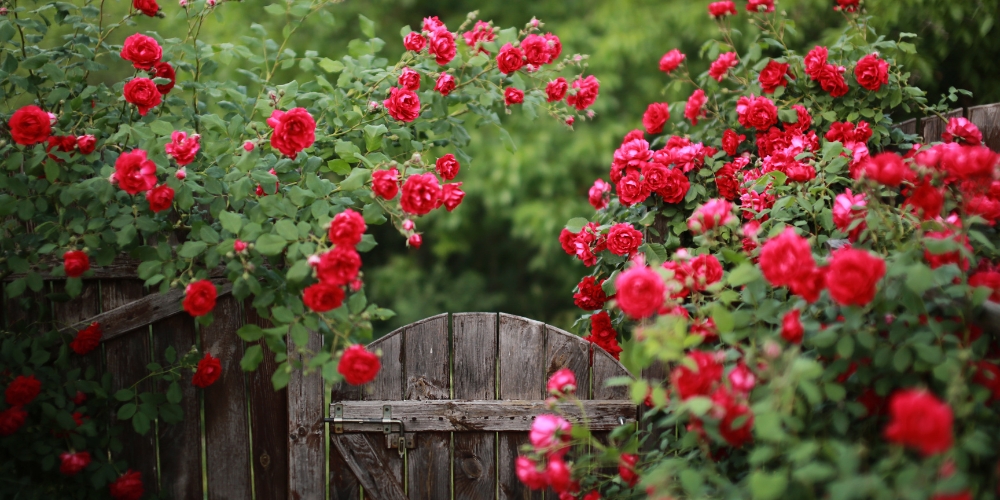
Roses are classic garden flowers that have stood the test of time and are very rewarding to grow. Over the years, rosarians have developed several best practices for producing beautiful roses from your rose bush. From planting and maintaining ideal soil conditions to fertilizing, pruning, and hydrating your roses—there's a lot to know! But don't let that intimidate you. Roses are no more difficult to care for than most flowering shrubs, especially with this fool-proof care guide. Here are the top rose care secrets from the professionals, including the best season to plant and how to prune your roses when the growing season ends.

Millcreek Gardens-Salt Lake City-Utah-How to Grow Roses-planting a rose

Planting Your Roses 

It's best to plant roses during the spring or the fall months, after the first frost or before it has appeared. You will want to dig a hole according to the size of your root ball and two inches shallower. To prepare your plant for pot removal, gently loosen the root ball and be careful not to damage its roots. Fill your planting hole with high-quality soil, the root ball, and any nutrients or organic matter you're planting with it to enrich your roses. Apply mulch over the roots to aid in the moisture retention of your soil and protect your plant. 

Now that your rose is planted, how much water does it need? Don't worry; we've got you covered on that, too!

Millcreek Gardens-Salt Lake City-Utah-How to Grow Roses-watering a rose

Watering Your Rose Bush 

Your soil should be kept evenly moist throughout your rose bush's growing season. The frequency of watering your shrub will depend on the climate you are living in as well as the soil type you are using, but for the first couple of months after planting, you'll want to give the plant a deep watering two to three times per week with your garden hose. In their first season, the shrubs are fairly drought-tolerant, but sandier soils or gardens that are hot, dry, or windy may require more frequent watering.

Soil Preparation

Like most flowers, your roses love nutrient-rich, moist soil with proper drainage. In terms of soil varieties, they are very resilient and can thrive in most soil conditions. Because these flowers are so loved, most brands even make rose-specific soil to help your plants thrive! The pH of rose soil should be at or near the level of typical garden soil, which is slightly acidic to neutral (6.0 to 7.0). You can check your soil's pH with a simple and inexpensive soil testing kit. Make sure to add plenty of light and airy organic matter, such as compost, to your soil! These flowers aren't picky, but they do like to breathe. 

Millcreek Gardens-Salt Lake City-Utah-How to Grow Roses-fertilizing a rose

Fertilizer Requirements 

Periodically fertilizing your roses will encourage showy, beautiful flowers and abundant growth. For more vigorous blooms, feed your roses an organic fertilizer mix. Liquid fertilizer is recommended for most roses after the first bloom, while repeat-blooming roses need regular feeding every 2-3 weeks until late summer. Some rosarians will even add Epsom salt or coffee grounds to their fertilizer to turn up the intensity! Coffee grounds help to keep rose pests at bay, and the added magnesium from the Epsom salt creates a lusher, more intense color in your blooms.

Millcreek Gardens-Salt Lake City-Utah-How to Grow Roses-pruning a rose

Pruning Your Rose Bush 

Pruning your rose bush is essential for keeping it not only beautiful but healthy as well. A regular pruning routine will keep your shrub blooming all summer long! What more could you ask for than a chance to enjoy these delicious blooms a little while longer? Plants without pruning are more susceptible to poor circulation as a result of crowded conditions and not enough space to grow. Remove all remaining leaves and dead foliage at the beginning of the spring season, cut back continually throughout the summer, and give it a tidy in the fall. Starting with dead leaves, trim back all weak growth until you make your way through the center of your rose bush. Protect freshly cut canes from rot and rose borers by sealing the wounds and immediately disposing of the clippings. 

Following these best practices, you will have vibrantly colored large blooming roses before you know it! With thousands of cultivars that boast all the colors of the rainbow, there surely isn't a shortage of beauty in this flower family. 

Some of our favorite rose varieties include: 

-Knock Out
-Cabbage Rose
-Grandiflora Rose
-Bourbon Rose
-Golden Celebration
-Lady Banks Rose


There's no shortage of gorgeous rose options to try in your garden, and caring for them is easy with our trusty guide. For more tips on how to keep gorgeous roses blooming all summer long, visit us at Millcreek Gardens in Salt Lake City, UT, today!
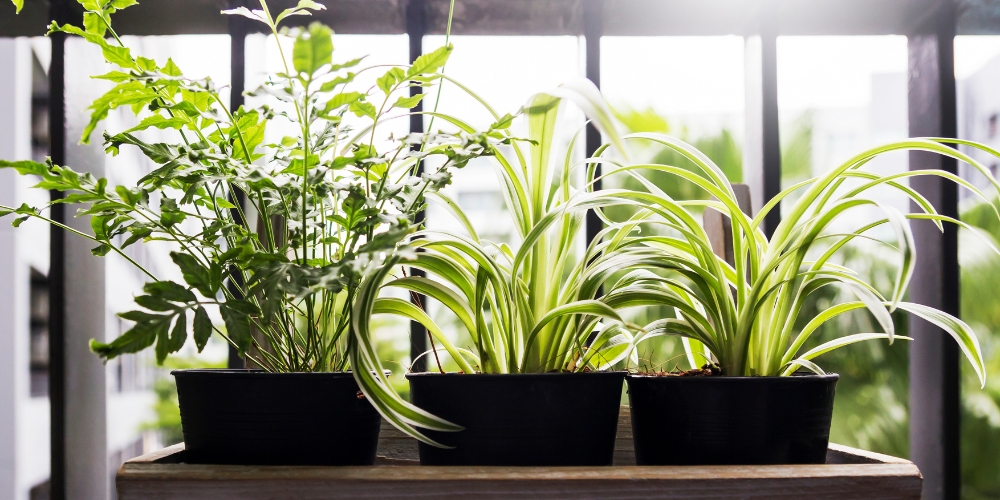
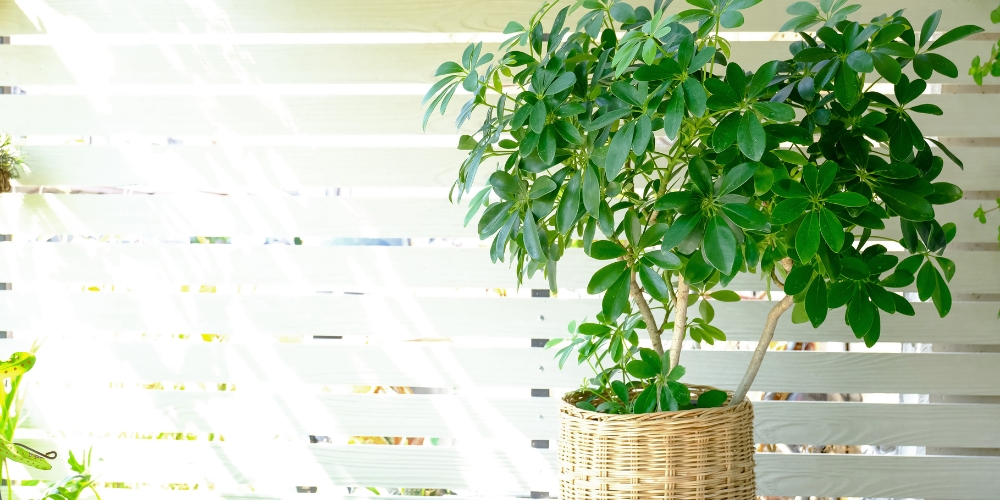
 

The arrival of summer brings an end to our indoor hibernations, and after a long winter, we’re all ready for some sunshine, warmth, and relaxation in the garden, including your houseplants! Not only do houseplants love basking in the sunshine alongside you, but they’re also sure to add some life to your front yard, patio, or back garden! Here’s how to give your loyal houseplants a safe and well-deserved outdoor summer vacation this year.

Benefits of Taking Houseplants Outside for the Summer

You might be wondering why you would want to disturb your houseplants by moving them around, but the great outdoors actually provide your indoor beauties with a ton of helpful benefits! These include:

– Increased humidity
– Increased light during high-growth periods
– Increased airflow
– Exposure to fresh rainwater

All of these things can give your plant a healthy boost in growth before they eventually return to winter dormancy and can often trigger better flowering, larger leaves, and brighter colors. Nature knows how to care for plants better than anyone, after all! 

Millcreek Gardens-Salt Lake City-Utah-Bring Your Indoor Plants Outside for a Summer Vacation-houseplants on patio
How to Safely Bring Your Houseplants Outside for the Utah Summers

Before you start hauling your greens out on your patio, it’s important to know if your houseplants can tolerate the summer sun. Not all plants are created equal when it comes to light and temperature preferences, so make sure to follow these steps for a smooth transition: 

Assess Your Houseplants’ Tolerance

Although plants like cacti and succulents were made for the searing hot and low water conditions of deserts, some of your other favorite houseplants come from warm, tropical climates, where they’re used to relaxing under lush forest canopies with soothing, perfectly controlled humidity. This means that certain houseplant varieties don’t enjoy being thrust out into the open to be scorched by the hot sun, especially if they’ve adapted to lounging in the indirect sun or low light of your Utah home, and will need to be placed in more shaded or secluded areas of your outdoor space to avoid scorching. On the other hand, there are other houseplants that absolutely adore soaking up the sun’s rays! These include:

– Succulents and cacti
– Dracaena
– Jade plants
– Crotons
– Rubber plants

Millcreek Gardens-Salt Lake City-Utah-Bring Your Indoor Plants Outside for a Summer Vacation-umbrella tree plant
Take it Slow

When bringing your houseplants outside for the summer, start by giving them short intervals in a shady location, gradually increasing the time they spend in your garden. As long as overnight temperatures stay above 50ºF, you should be able to fully transition them outdoors in about 1-2 weeks. If you have sun-loving plants like succulents and other cacti, gradually expose them to direct sun but watch for signs of burning leaves. 

Kickstart Summer Growth

So long as you manage them properly, you can expect your houseplants to undergo incredible growth spurts during their time outdoors! Give them a dose of fertilizer shortly after you move them outside to kickstart their seasonal growth and encourage new root production. 

Mind the Watering

When bringing your houseplants outside, remember that the open air, hotter daytime temperatures, and direct sun will dry out their soil much faster, meaning your watering schedule will need some tweaking. Even succulents in full sun will need near-daily watering when temperatures rise. To give your plants the best shot at success outdoors, water them deeply to ensure their roots soak up enough water, and add mulch around their bases to help with water retention. If rain is in the forecast, let them bask in it! Plants love nothing better than rainwater. 

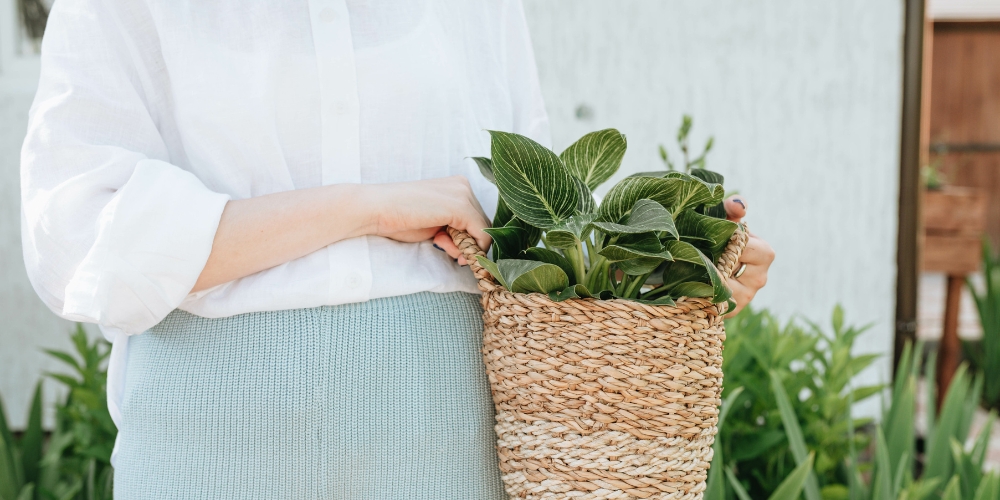
Millcreek Gardens-Salt Lake City-Utah-Bring Your Indoor Plants Outside for a Summer Vacation-philodendron birkin
Watch the Weather

Your houseplants are still your babies, so remember to keep a watchful eye on sudden shifts in weather that could upset or damage your tender tropicals. Tend to your houseplants with the same care you would any of your outdoor plants in the garden and protect them from high winds, heavy rains, or severe heat exposure, moving them back inside if weather conditions get too nasty.

Don’t Overextend the Vacation

When the weather starts to chill back down, it’s time to re-adjust your houseplants to indoor life, as even the slightest touch of frost can prove deadly! Follow the same process you used for moving them outside, and make sure to check them for any pests they may have picked up during their holidays.

As much as we all love being surrounded by our houseplants in our homes, a few months of vacation will do wonders for their long-term growth. If you’re bringing your houseplants outside into your Salt Lake City garden this year, following this guide will ensure a successful transition and healthy, happy summer for everyone!

Perennials make the gardening world go round. They form the backbone of abundant borders and seasonal containers and do us the added benefit of returning year after year with little prodding. If you're wondering how to make the most of your perennial favorites, we've got some expert tips and tricks sure to help you get your bloomers looking good all season long. 

The Best Perennial Plant Combinations for Utah

There's no denying the visual impact of a perfectly sculpted perennial border flowering from spring to fall in a profusion of stunning colors. If you want to maximize your perennial garden's aesthetic and ensure it gets the attention it deserves, try these expert plant combination and design ideas: 

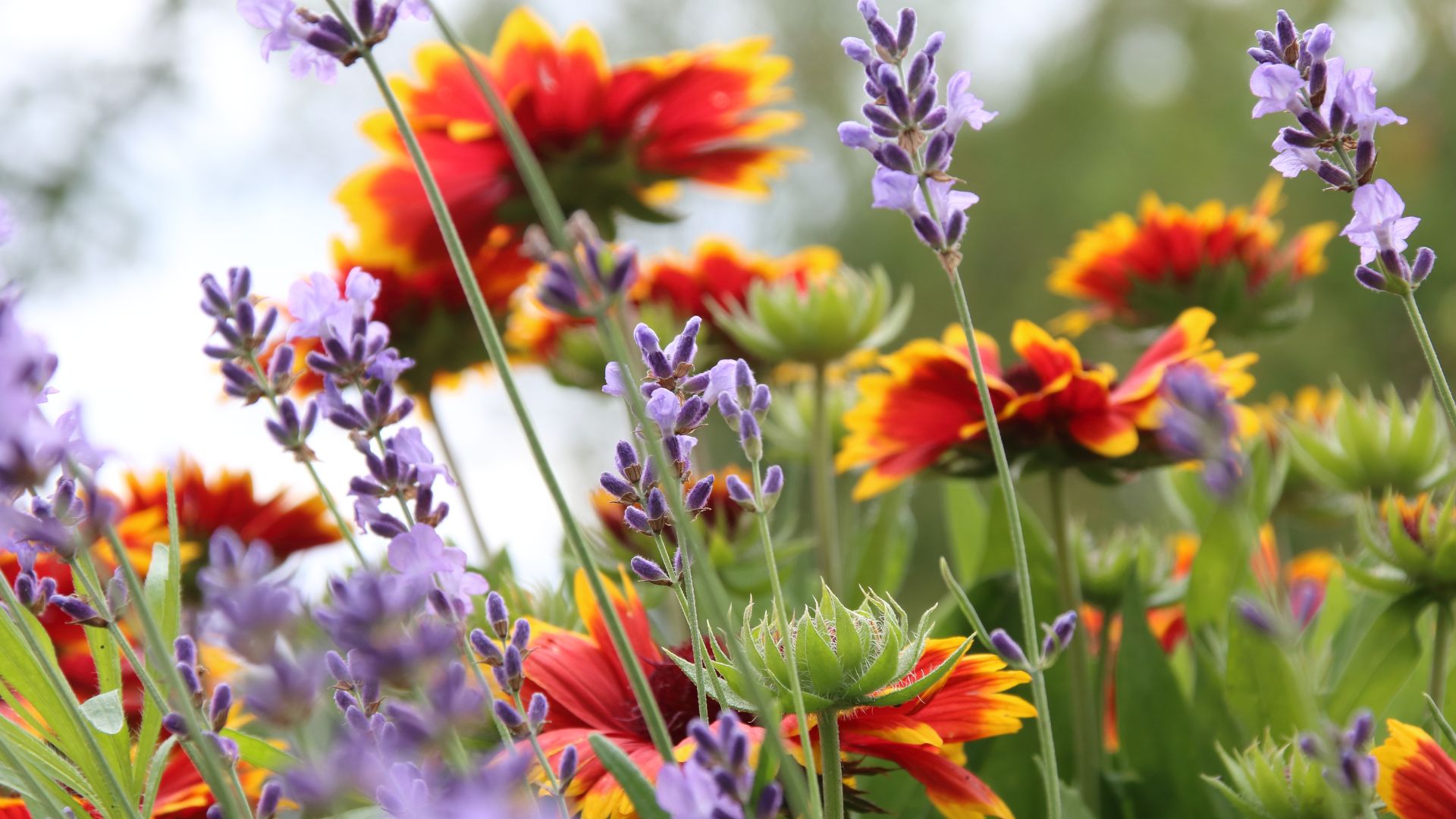
Millcreek Gardens-Salt Lake City-Utah-Perennial Garden Design-purple and orange flowers

Use Contrast

One of our favorite ways to make our perennials pop is to play around with whatever makes them different. Perennials come in so many shapes, sizes, colors, and textures that it's always an adventure in creativity to pair them up. For instance, try combining spiky plants like lupines or veronica with rounder flowers like coneflowers and perennial daisies, or arrange plants with large, lush foliage alongside flowers with tall, elegant stems, like crocosmia. Remember to play around with color in the garden, too, and look for pairings that complement each other well and create a sense of harmony.

Fill Space 

A great way to create superstar perennial combinations is to group them together according to light requirements, watering needs, and soil preferences. While many perennials appreciate a day full of sunshine, there are many varieties—like hostas and astilbes—that also thrive in low-light space, making it easy for you to use up every inch of soil space available. Making use of some solid perennial groundcovers is another must, and vigorous growers like creeping jenny, creeping phlox, creeping juniper, and blue star creeper do a great job of filling in empty spaces between taller blooms and keeping the soil covered. 

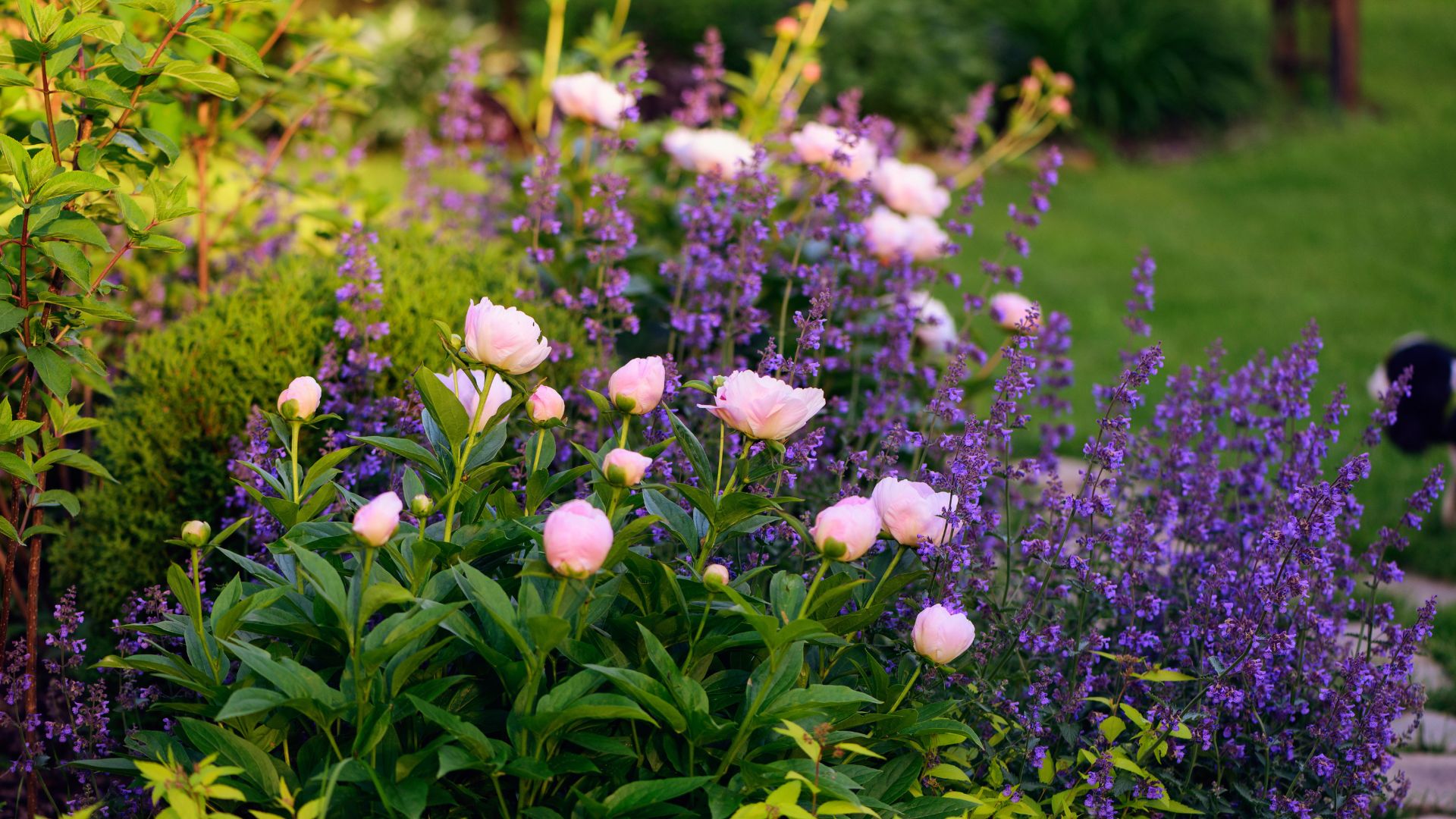
Millcreek Gardens-Salt Lake City-Utah-Perennial Garden Design-roses and lavender

Mind Your Shrubs

Don't forget the importance of combining your delicate perennial flowers with denser shrub varieties, like roses and hydrangeas. Roses, in particular, look incredible when planted alongside salvias and other tall, slender blooms that compliment the lush, delicate cottage-style flowers.

Size Matters

Some of the best perennials shine like beacons, towering above your landscape and stealing the attention in your garden. However, it's important not to forget about the little guys amidst these impressively tall showstoppers! When designing your border or containers, don't let your towering titans block out your smaller blooms; instead, try combining plants with varying heights for a more dynamic look. Think butterfly bush, foxgloves, delphiniums, lupines, larkspur, and ornamental grasses for tall varieties sure to attract local pollinators, and surround these big bloomers with low-growing perennial plants to add depth and visual interest year-round. We love dianthus, sedum, lambs ear, and anything with the word "dwarf" in the flower title! Mix it up even more by using combinations of flowering and foliage cultivars for some extra special garden interactions. 

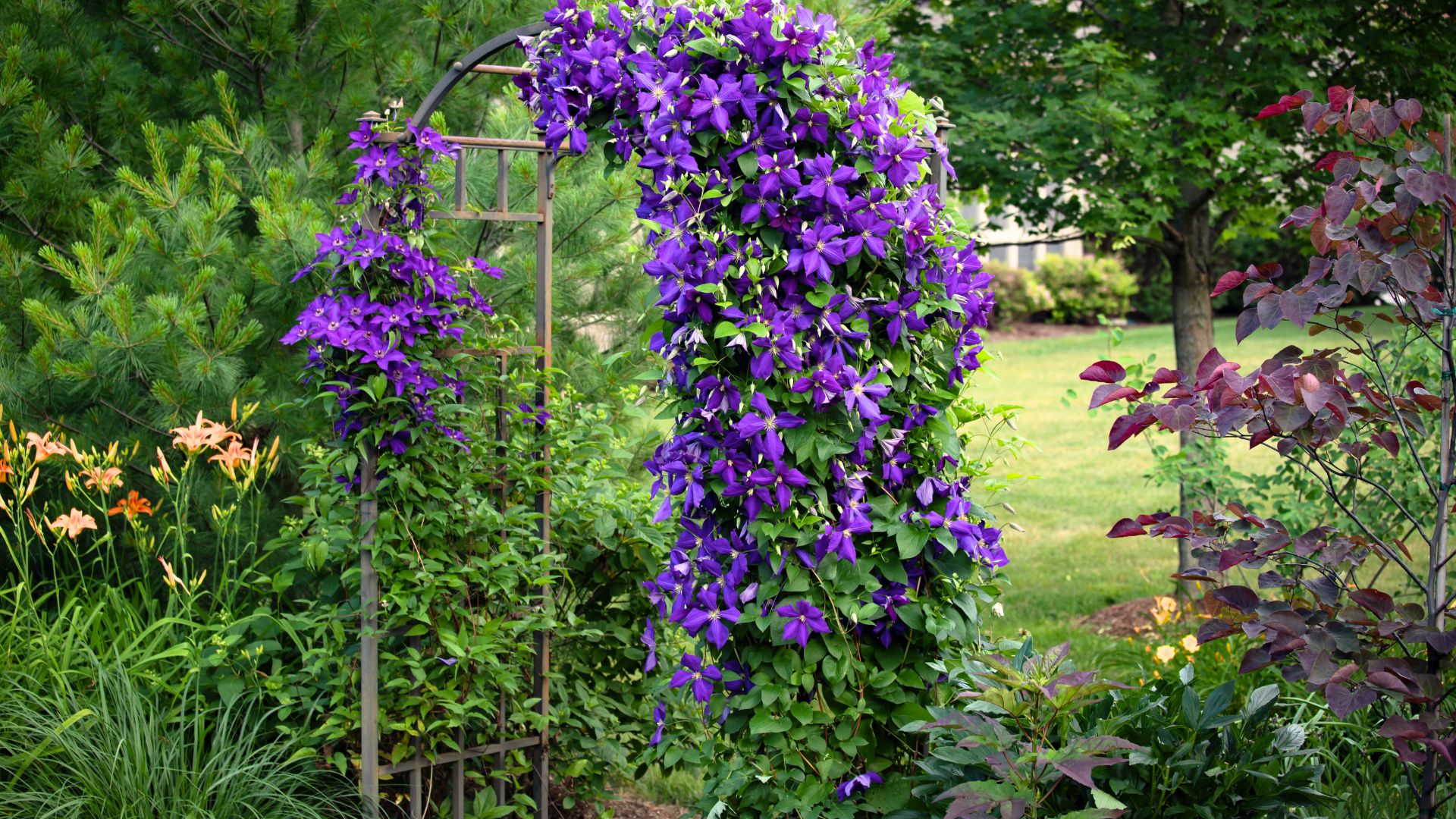
Millcreek Gardens-Salt Lake City-Utah-Perennial Garden Design-Clematis

Let Them Climb!

Every garden needs a climber to offset those creeping varieties on the ground. Adding a trellis or fence to train a climbing perennial plant like clematis or English ivy adds diversity to your landscape and gives your garden that classic cottage look!  

Keep The Blooms Going

Another thing we love about perennials is that they don't all show up to the party at once, meaning you can keep your garden colorful year-round by combining flowers that bloom at different times. Daffodils, tulips, and crocus, for instance, first appear in spring and pave the way for early summer and midsummer blooms. On the other hand, some perennials—like sweet alyssum and red salvia—like cooler temperatures and will bloom into the fall. Pair these cooler bloomers with trees that turn color, such as the Japanese maple, for a stunning pre-winter show. Finally, keep plants with tall seed heads, like coneflowers, for visual interest and as a food source for the birds over winter. 

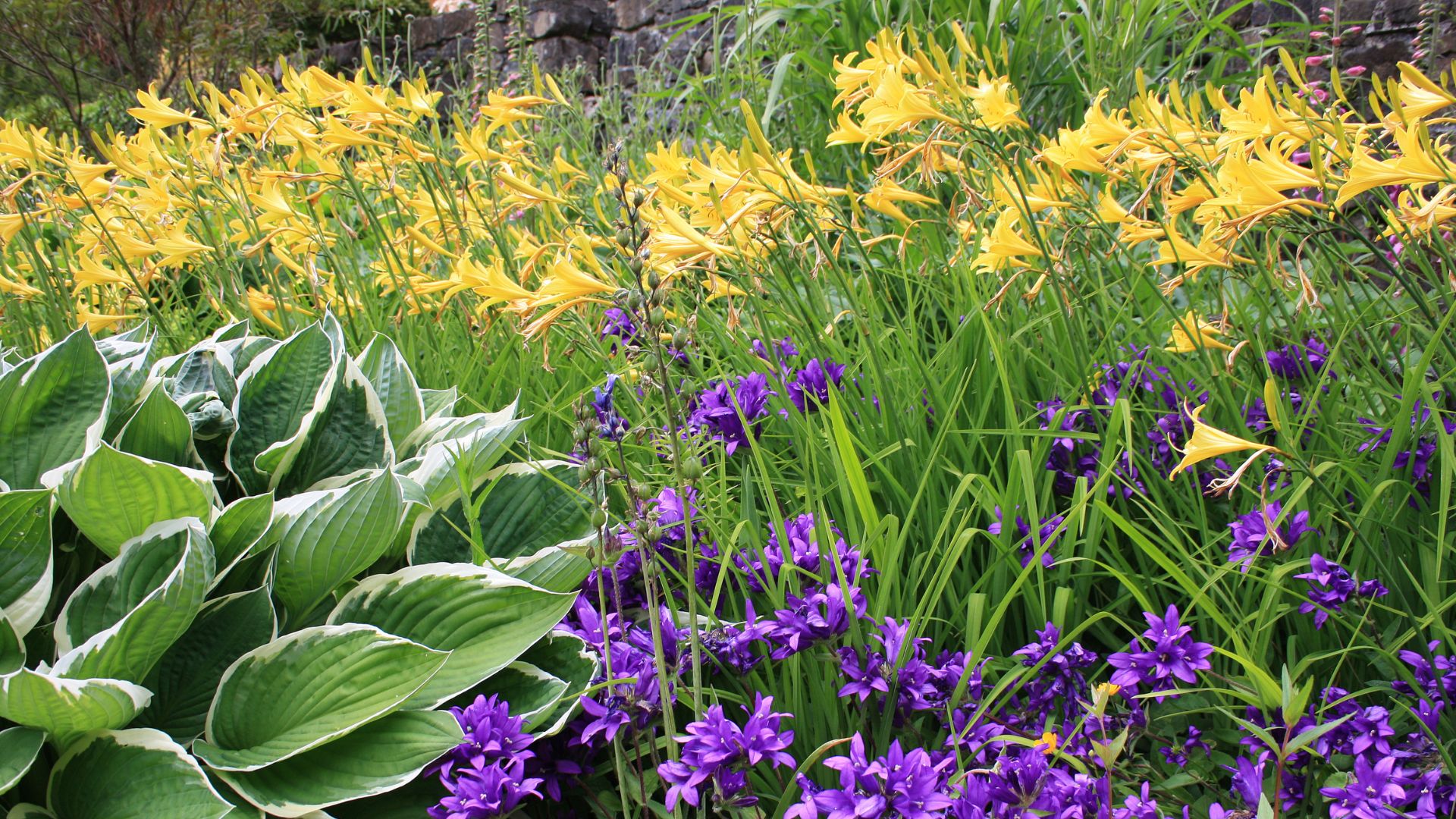
Millcreek Gardens-Salt Lake City-Utah-Perennial Garden Design-hosta and daylily

The trial-and-error process of finding the best perennial plant combinations in Utah is an incredibly rewarding gardening experience. With so many cultivars to choose from, you're sure to find the perfect combination for your unique landscape and personal style! Come visit us today at Millcreek Gardens in Salt Lake City, UT, for more expert design advice or to browse our incredible perennial selection! 

Gardening is one of life's most fulfilling and nurturing endeavors. It can be challenging to get it all right, though, especially when all our plants have different needs and care requirements. Knowing when to feed, prune, mulch, and divide your garden is time-consuming enough without having to worry about your plants' individual watering schedules. That's why we've put together this guide full of the best watering tips for Utah gardens and landscapes: to help you keep your garden healthy and your water consumption under control without all the headaches!

The Best Watering Tips for Utah Gardens

The best way to keep your garden's watering needs on track and improve your water consumption and overall plant performance is to ensure you're grouping your plants according to their similar watering needs. Many perennials and wildflowers, for instance, are drought-tolerant plants and can be planted together in a perennial border or container garden, while annuals should be grouped with water-loving plants—like hydrangeas—due to their higher water demands. Not only does this ensure everyone gets what they need, but you also won't give soggy feet to plants that like it dry and hot! 

Millcreek Gardens-Salt Lake City-Utah-Watering Tips and Techniques for Utah-adding mulch

Keep in mind that container plants and hanging baskets will need more water than plants grown in the ground, especially in hot, dry weather. During Utah's extreme heat waves, move your containers and hanging plants out of direct sun to prevent too much moisture from evaporating out of the soil. For garden beds, mulching will help your soil retain moisture and reduce the need to water frequently during our frequent droughts. 

When watering your flower beds, veggie gardens, and containers, make sure you soak their roots, not their leaves. Water containers and hanging baskets until water drips from the bottom, and try to water in the early morning or late evenings to avoid evaporation.

What is The Best Way to Water My Utah Lawn?

Your lawn might take a beating during the drier months, and gardeners are often tempted to keep their sprinklers running to achieve that lush, green look. As a general rule, however, the average Utah lawn only needs about 1-2 inches of water per week in the spring and 2.5-3 inches in the summer. Make sure you water your lawn early in the morning to give its roots more time to absorb any moisture before the sun's heat dries it up. Also, pay attention to the soil under your grass to make sure you're not overwatering some areas. Don't be fooled by your lawn's color; even dry, brown grass can sometimes have wet soil underneath. 

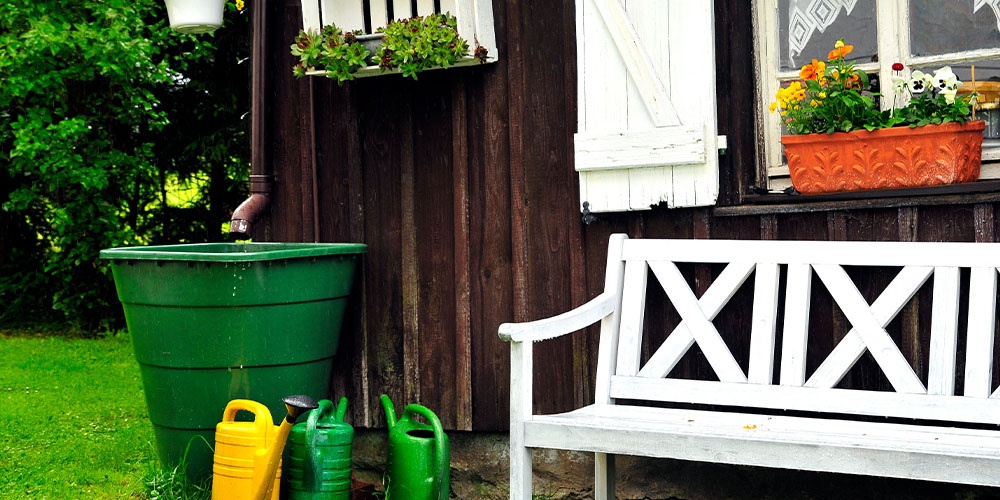
Millcreek Gardens-Salt Lake City-Utah-Watering Tips and Techniques for Utah-rain barrel

The Rest of the Best: More Top Watering Tips for Utah Landscapes

To keep your lawns and gardens supplied with a high-quality water supply all season, we recommend collecting rainwater in rain barrels during the wetter months. Rainwater contains more oxygen than tap water, among other benefits, making it the best choice for your plants. Nobody waters better than mother nature, after all! Try placing a water barrel near a downspout to catch water runoff and use it in your garden's irrigation systems throughout Utah's sweltering summers.

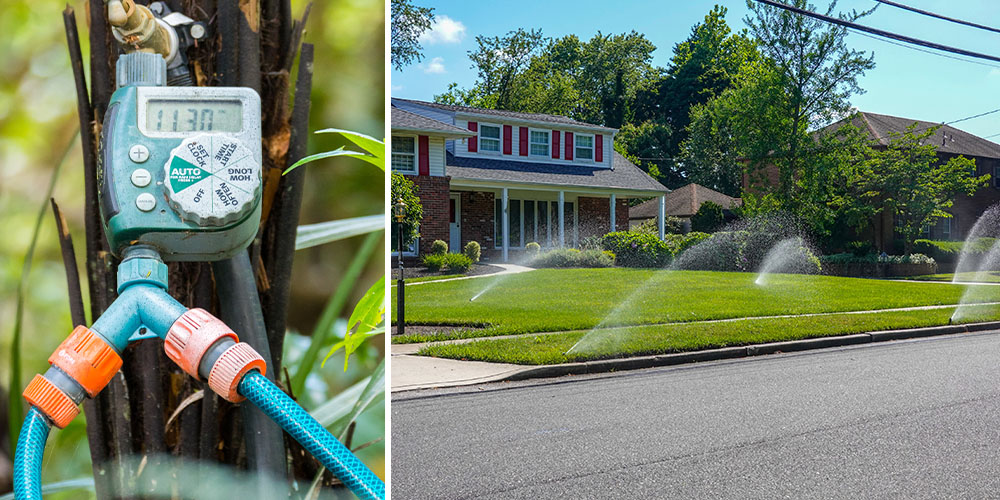
Another great tip to ensure your garden gets what it needs is to set up a timed, automatic irrigation system, especially for larger gardens where access can be difficult or for landscapes that are left unattended for extended periods of time. Automatic irrigation systems are also a great way to schedule separate watering schedules for different parts of your garden, ensuring optimal watering levels for each section of your landscape, whether you're home or not. Overhead sprinklers are fine for grass lawns, but make sure you install sprinklers close to the ground for flower beds so water will reach the base of your plants and not get trapped in spreading, fanning foliage.

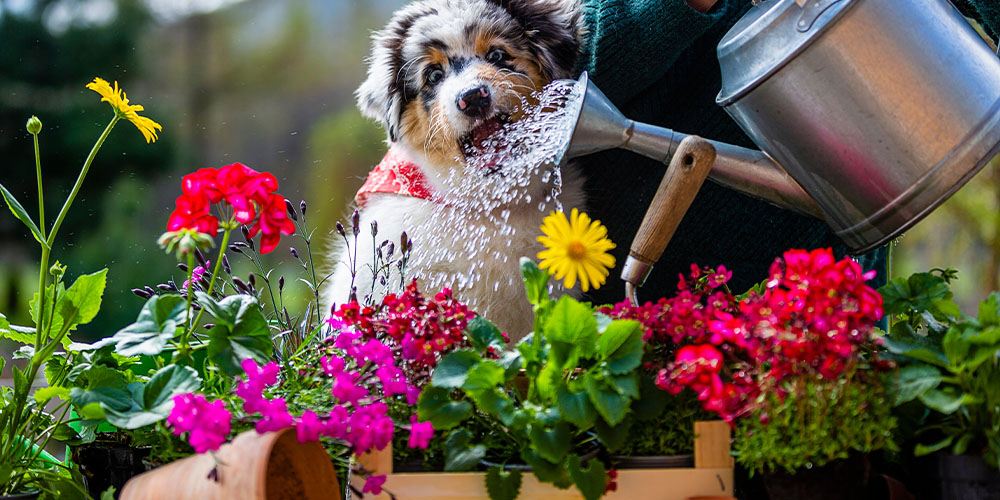
Millcreek Gardens-Salt Lake City-Utah-Watering Tips and Techniques for Utah-dog drinking water

These watering tips for Utah gardens and lawns are also excellent guidelines for keeping your landscapes thriving no matter the weather. If you ever find yourself in doubt about your watering schedule or a specific plant's needs, stop by our garden center in Salt Lake City, UT, for some friendly advice to help your landscape make it through Utah's dry summers!

The best part about gardening is watching our favorite perennials and bountiful annuals reach for the sun, trail over the sides of containers and window boxes, or maybe even climb a trellis for a romantic show. However, while these long-reaching beauties often take our eyes skywards, it's also important to put a bit of pizzazz into the often forgotten parts of our gardens: the ground! Not only does groundcover look gorgeous and delicate, but it also does some pretty amazing things for your garden. Read on for the inside scoop on groundcover plants and their benefits. 

What is a Groundcover Plant and Why Should I Plant Them in Salt Lake City?

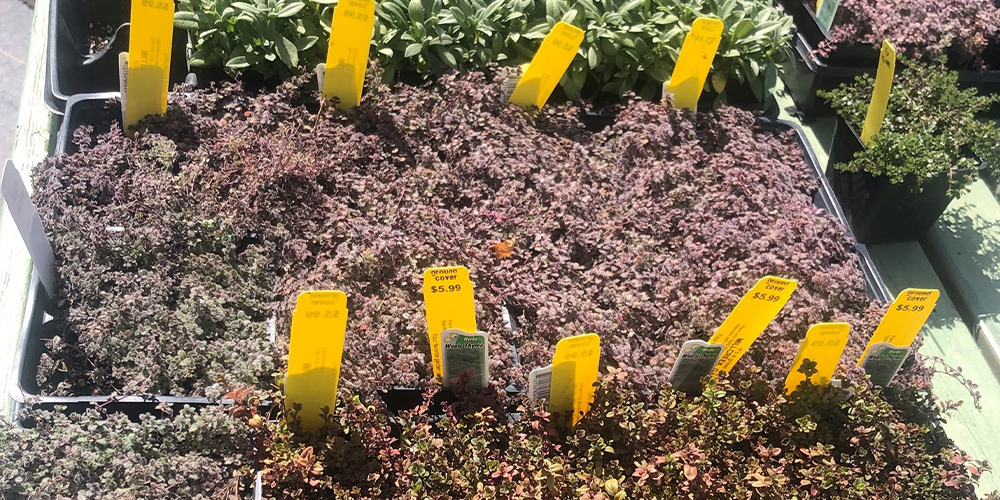
Groundcover plants are low-lying plants with a spreading or creeping growth habit. Many gardeners find these groundcovers helpful in many areas of the garden for their ability to prevent soil erosion, stop weeds from popping up, and cover up patches of exposed dirt between other plants. Groundcovers can also be used instead of grass in your lawn, creating a low-maintenance alternative with less watering and feeding requirements. Places that are hard to mow, like slopes, are great places to plant perennial groundcovers like Blue Rug Juniper, creeping phlox, and stonecrop. Daylilies are also a favorite for this application.

Millcreek Gardens-Groundcover plants

The Best Perennial Groundcover Plants 

If you've got some unsightly bald spots in your Salt Lake City garden, try some of these perennial favorites to add beauty and visual interest to an otherwise empty space:

  • Creeping thyme: Creeping thyme is a great lawn alternative, though its small purple flowers and edible sprigs also make it a fantastic addition to rockeries.

  • Creeping jenny: This vigorous fast-grower has round light green leaves and blooms with stunning yellow flowers in the summer.
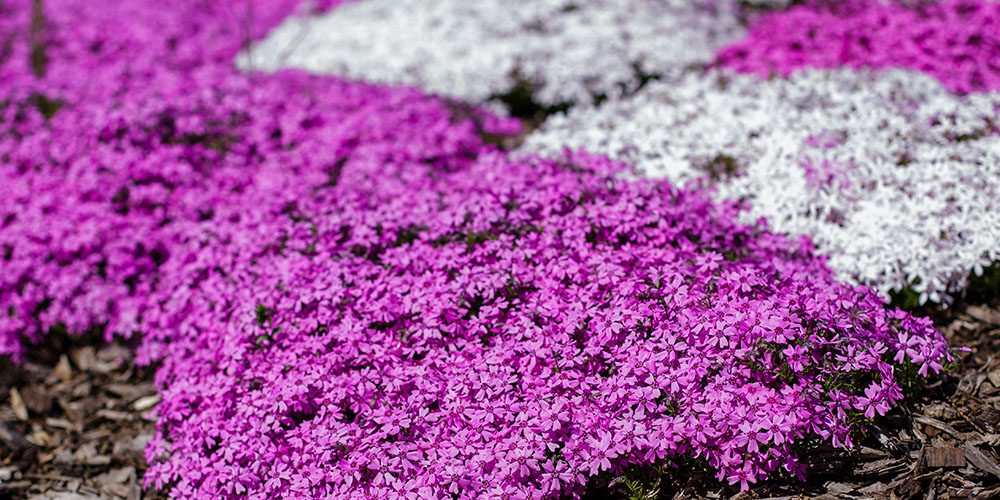
Millcreek Gardens-Salt Lake City-Utah-Groundcover plants- creeping phlox
  • Creeping phlox: Creeping phlox is available in varying shades of white, pink, and purple and is tolerant of both hot, dry conditions and extreme cold, making it an excellent evergreen for groundcover and rock gardens. 
  • Lamb's ear: The gorgeous and aptly-named lamb's ear is known for its velvety, silver leaves that bloom tiny purple flowers in the spring. 
  • Blue star creeper: The blue star creeper is an incredibly easy-to-grow garden groundcover with gorgeous pale blue flowers. It grows best in filtered light but will take full sun, too. 

  • Honeysuckle vine: The honeysuckle vine blooms white, yellow, or red flowers. It prefers full sun and is heat-resistant, making it perfect for our Salt Lake City backyards! 

Let these beauties add dimension and charm to your garden, whether with an abundance of flowers peeking out from a perennial border, as a unique gap filler in your rockery, or while lining the edge of a stone pathway. Many of these groundcover options are also cold-tolerant and will stay green year-round, meaning you get to enjoy their subtle beauty day after day!

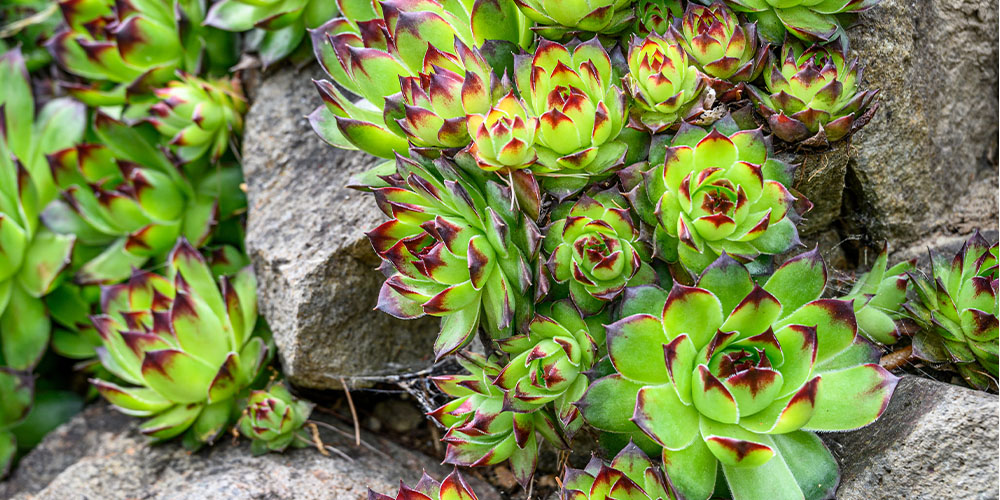
Millcreek Gardens-Salt Lake City-Utah-Groundcovers for A Gorgeous Garden-hens and chicks

Winter Interest Groundcovers

Groundcover plants look amazing during the spring and summer months, though some of them shine brighter during the fall and winter months by adding visual interest when all other flowers and plants have gone dormant. They also provide shelter and cover for hibernating insects and other critters, making them valuable additions to your Salt Lake City garden. Here are some of our top groundcover plant picks that are perfect for the colder months:

  • Hens and chicks are a perfect addition to any Utah garden. This succulent is available in a range of colors, from greens to reds to purples, and is prized for both its heat and cold tolerance. 

  • Bugleweed/Ajuga comes in burgundy, green, and bronze varieties and can survive harsh cold winters, making it an excellent creeping groundcover for year-round interest. 

  • Creeping juniper is incredibly well-suited for Utah gardens. This fast-growing evergreen dwarf shrub retains its beautiful silver-green foliage during the fall and winter months.
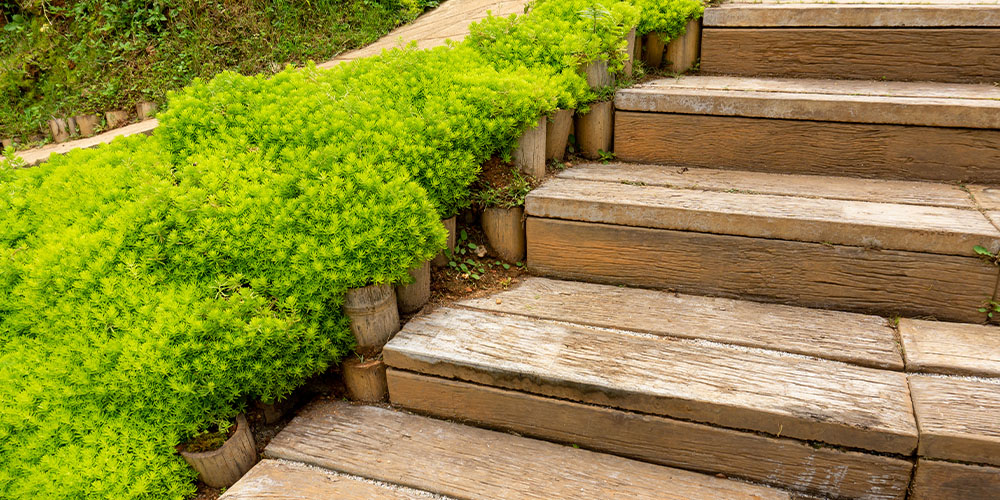
Millcreek Gardens-Salt Lake City-Utah-Groundcovers for A Gorgeous Garden-stonecrop sedum
  • Angelina stonecrop sedum is a beautiful mat-forming perennial that is perfect for a fall and winter garden. The leaves turn bronze in cold weather, which contrasts quite strikingly with any surrounding evergreens. 

Adding groundcover plants to your garden is one of the best ways to fill space, keep your soil healthy throughout the year, and give overwintering critters a place to sleep until spring. It's also a great way to keep your Salt Lake City neighborhood looking amazing and adds rich diversity to the local Utah landscape. Whatever your groundcover needs for a gorgeous garden, Millcreek Gardens is here to help!

The curb appeal of your front yard is one of the most important aspects of your landscape. As the first thing people see when approaching your house, your front yard shows the world how much pride you take in your property and allows you to share your unique sense of style and beauty. It's also the first thing YOU see every time you come home, significantly affecting how comfortable and relaxed you feel in your space. If your front yard could do with a little makeover this spring, here are some of our favorite design tips to help you put it on the map!

How Do You Design a Front Yard for Utah?

There are plenty of design elements you can use to add a bit of "wow" to your front yard, even if "wow" just means making it more functional and pleasing to the eye than a patch of grass. Here are a few of our favorite front yard design trends, along with some ideas to help you incorporate them into your unique landscape:

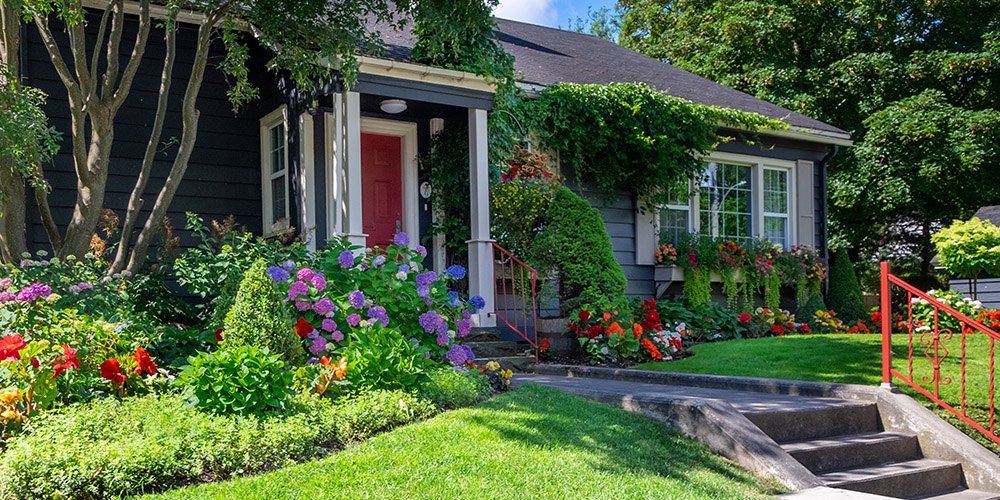
Millcreek Gardens-Salt Lake City-Utah- Tips for Designing a Stunning Front Yard-garden beds

Flower Beds

Building flower beds in your front yard is a great way to add texture, dimension, and color. Whether you're simply planting a flower bed in front of your house or extending one right out into the yard, adding some arrangements of perfect perennials and abundant annuals will instantly make your front yard more dynamic and visually interesting. Try using natural stones or pre-made blocks to edge your garden beds, and experiment with plants of different heights and foliage for dramatic effect in your front yard. If you're into variety, you can also plant seasonal flower beds that constantly change throughout the year. 

Shrubs for Privacy

We love the look of perennial shrubs in a front yard landscape, and there are so many great choices for Salt Lake City that will give you both seasonal beauty and a ton of privacy! While we recommend planting native plants where you can, some of our other favorites for the Utah climate include Japanese rose, boxwood, Cliff rose, hardy hydrangeas, and Apache plume. Just be sure to stay up-to-date with your annual pruning to keep your shrubs from growing unruly. 

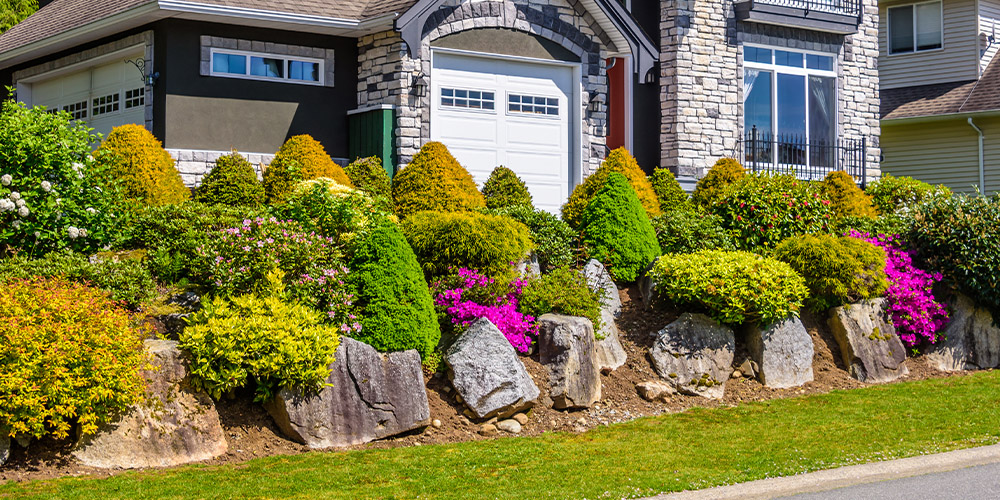
Millcreek Gardens-Salt Lake City-Utah- Tips for Designing a Stunning Front Yard-boulders front yard

Rock Features

Using rocks in front yard garden settings is a top design choice for many gardeners and designers alike. Not only can you use them to make fantastic retaining walls for flower beds, but you can also get creative with rockeries, stepping stones, or stone pathways. For extra dimension and a bit of playfulness, use rocks and pebbles to break up flower beds, or make your own Zen garden using pebbles, sand, and statuary. Rock areas also pair nicely with water features, like small streams to divert rainwater, waterfalls, and ponds.  

Wildflower Patch

A great way to add interest and a touch of eco-friendly fabulousness is to ditch the lawn and plant a wildflower garden! A growing trend among gardeners, planting a wildflower patch increases the health of Utah's ecosystem by attracting local pollinators and offering the local wildlife a diverse range of food sources. Perennial wildflowers are also quite drought tolerant, making them excellent water-wise additions to your front yard design!

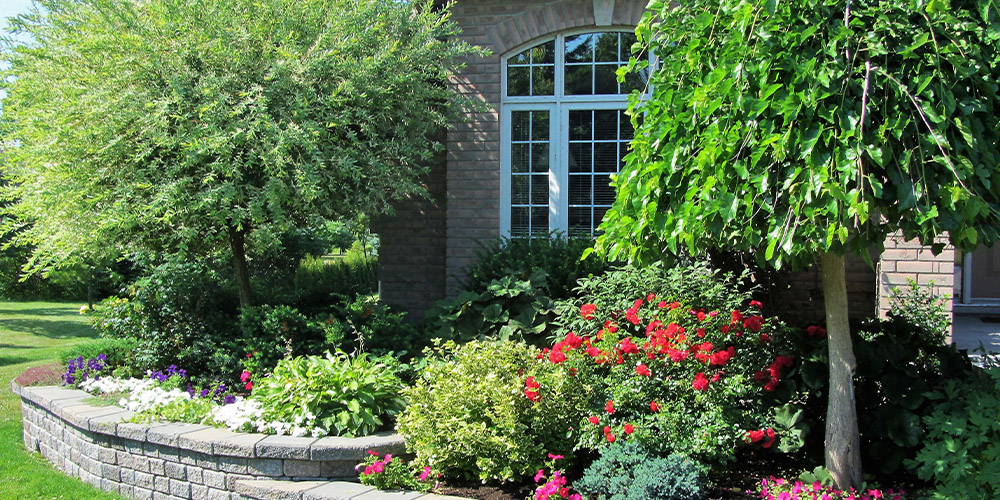
Millcreek Gardens-Salt Lake City-Utah- Tips for Designing a Stunning Front Yard-trees in garden

Trees  

Planting a tree or two in your front yard instantly adds character, stature, and a sense of permanence to your property. If you have a single larger tree, build a flower bed around its base for a bit of country charm, or plant a trio of smaller trees in their own garden bed surrounded by lush foliage, pollinator-friendly perennials, and a border of rocks. Large trees planted in your front yard are also perfect for privacy and offer shade during the warmer months. Choosing a tree with colored leaves or blossoms, like the Red Horse Chestnut, Crabapple, and Eastern Redbuds, also adds great texture during seasonal changes. 

Cottage Garden

Nothing compares to the look of a quaint country cottage, its front yard bursting full of blooms that climb, twist, and compete all the way to the front door. Cottage gardens are great space savers because you can plant perennials, annuals, fruits, and veggies together in true English style. 

If you've enjoyed our front yard design tips, stop by and visit us at Millcreek Gardens in Salt Lake City, UT, for more tips and supplies to help you take your landscape to the next level.

It can be tricky to peel your kids away from their screens and enjoy some good old-fashioned outdoor activities. However, if you provide them with the freedom to explore and get creative, you’ll be amazed at what it does for their energy levels and focus! Playing in nature is so important for your kids’ physical and mental health, and spending time outdoors each day has a profound effect on their school performance. Plus, over the summer holidays, parents always need some fun activities to keep the kids occupied and engaged.  

These Activities Get Kids Away from the TV and into Nature!

Minecraft is great and all, but kids learn a lot more from actual nature rather than the pixelated kind! Here are four nature activities that will get them out in the sunshine. 

Millcreek Gardens-Salt Lake City-Utah-Engaging Your Kids with Nature in Utah-mom and daughter gardening

Help Them Start Their Own Container Garden 

Gardening is such an amazing nature lesson for kids, and you’ll be surprised by how excited they get! Every new leaf and flower is a victory worth celebrating, and they take so much pride in knowing their plants are thriving thanks to their efforts. 

Bring your kids to Millcreek Gardens and let them pick out a few plants, or ask about grabbing a lily bulb they can plant! Choose plants with similar sunlight and watering needs so they’ll be happy in the same pot. Teach them ways to take care of their favorite plants, maybe share monstera care tips with them! To make things easy and fun, give them a list of things to buy (like a scavenger hunt) such as:

  • One or two flowers to attract bees and butterflies
  • One red, tubular flower to attract hummingbirds
  • One vegetable
  • One smelly herb to attract ladybugs
  • One edible plant they didn’t know they could eat (we can help with that!)

Spend an afternoon helping the kids pot their plants in their containers, and fill out a calendar with them so they can keep up with their garden duties. This is a great time to help them learn, too. When they find out that tuberous begonias taste like sour patch candy or that they can munch on chocolate mint leaves you’ll have them hooked! Don’t worry—it’s much easier to convince kids to help with garden chores than regular household chores if you find some exciting new things to show them. Watering with the hose and getting their hands dirty in the mud always makes for a fun afternoon activity.

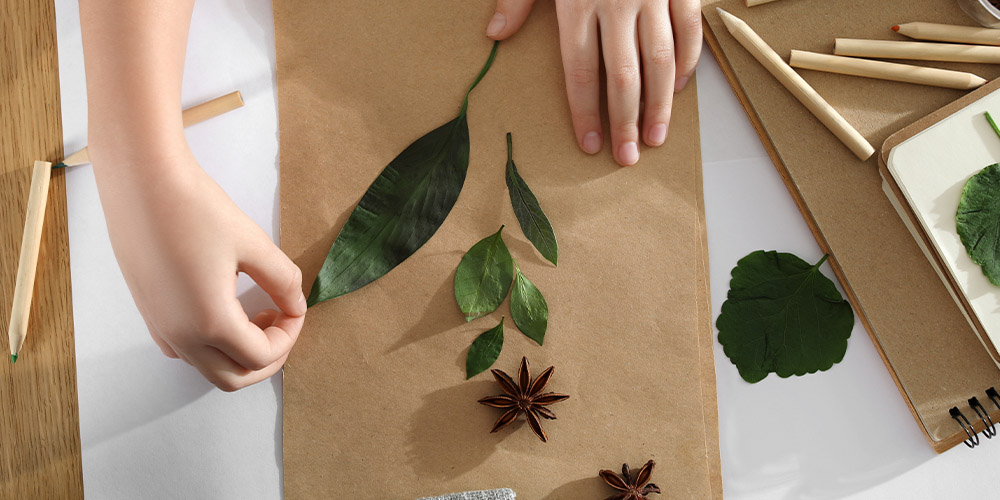
Millcreek Gardens-Salt Lake City-Utah-Engaging Your Kids with Nature in Utah-nature art

Decoupage Leaf Candleholders 

Head out into nature with your kids and ask them to collect the prettiest leaves they can find. Then, put them between two sheets of newspaper and let them dry out for two weeks. Once they’re all dry, grab some clean mason jars, paintbrushes, and a container of satin or gloss Mod Podge. Get your kids to paint sections of their jar with the Mod Podge, press a leaf onto the adhesive, and then paint another layer to seal it. Once it’s all covered, let them dry, and then add a tea light to each jar. The light will glow through the leaf, highlighting all those pretty veins and crinkles.

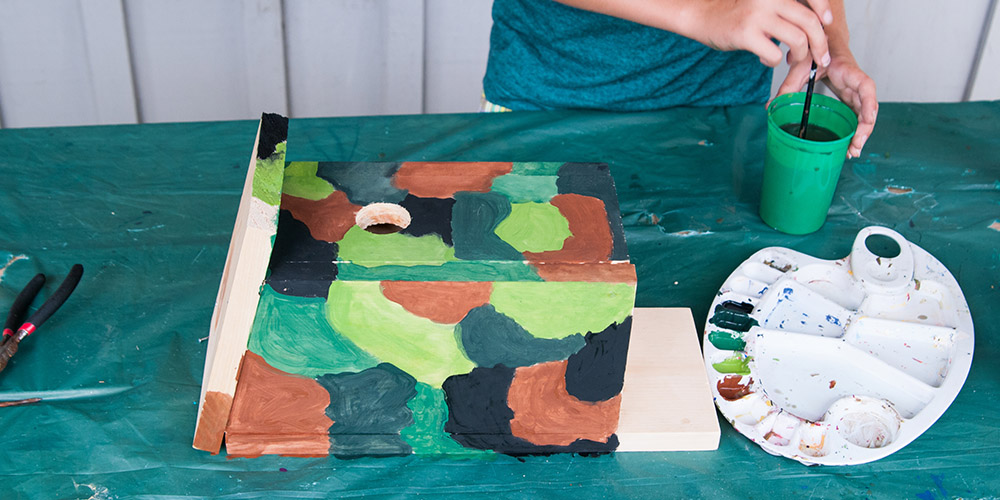
    Millcreek Gardens-Salt Lake City-Utah-Engaging Your Kids with Nature in Utah-painting bird house

    Decorate a Birdhouse with Colors from Nature

    Painting birdhouses is such a fun way to get your kids interested in nature and they love the chance to see birds using something they’ve made. Make sure you buy a wooden birdhouse with open panels or ventilation holes so birds don’t overheat in the summer. Instead of super bright rainbow colors—which can attract predatory birds—opt for natural colors, like green, brown, and cream. Stick to lighter shades—dark colors heat up in the sun.

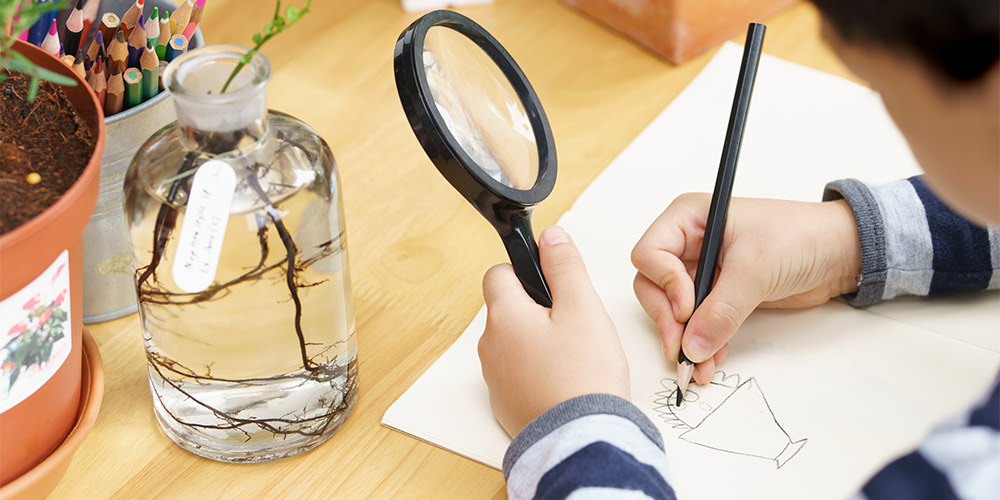
      Millcreek Gardens-Salt Lake City-Utah-Engaging Your Kids with Nature in Utah-studying nature

      Create a Sketchbook for Nature Art

      There are so many gorgeous plants and creatures to discover in nature out here in Salt Lake City. Go to an art gallery, and you’ll be surrounded by pictures of flowers, fruit, birds, and other wonders of the natural world! Pick up some pastels, watercolors, or a new artistic medium your kids haven’t used before. Collect flowers and leaves or take photos of the wildlife you see, then get them to recreate them in their nature art sketchbook. 

      If you’re looking for more activities to get your kids involved with nature in Utah, bring them to the garden center and explore! It’s a surefire way to get the creative juices flowing and find inspiration. Plus, it’s a chance to discover new plants and learn all about them. It’s basically a biology lesson disguised as a shopping trip!

        Herbs and veggies grown in a garden are not only delicious but also more nutrient-dense, free of dangerous toxins, and inexpensive organic food! However, not everyone has the space in Utah (or a yard) to grow their own delicious crops straight from their backyard. If you lack adequate space for vegetable gardening, consider growing fresh, nutritious, homegrown vegetables in containers. 

        Millcreek Gardens-Salt Lake City - Utah - Best Vegetables for Container Gardening-companion planting

        The Benefits of Container Gardening in Utah

        Switching to a container garden can reduce soil-borne diseases, nematodes, and weeds; if any do find their way into your garden, containers are higher and easier to access, so you won't strain your back dealing with them! It's also very easy to move containers around if your plants need more or less sun, and harvesting is quick and easy when you’ve got your vegetables closer to the kitchen and herbs within arm's reach near the barbeque.

        How to Start With Seedlings 

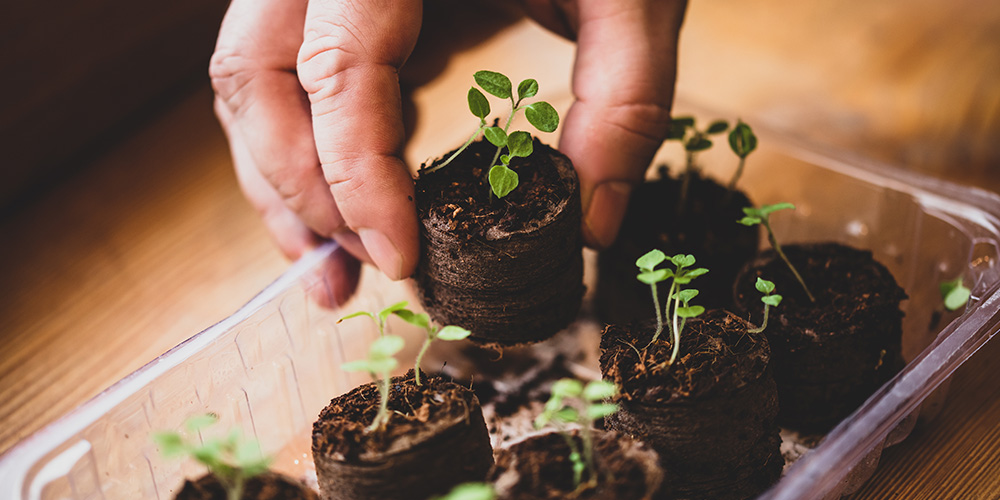
        The first step in growing your seedlings in pots is choosing the best container size, determined by the type of vegetable you're growing. Here at Millcreek we sell plastic trays and pots, soil blocks, and peat pots to house your mini herbs and veggies while they grow. Regardless of the size of the pot, drainage holes are essential for preventing waterlogging in your containers and avoiding root rot.

        Millcreek Gardens-Salt Lake City -Utah- Best Vegetables for Container Gardening-seedlings

        Before transplanting your veggie seedlings to a bigger container, you’ll want to ensure that they are about 2-3 inches high and that their two first true leaves have come out. You will also want to harden your veggie seedlings before you transplant them. Some best practices to follow in transplanting your seedlings are:

        1. The area you have prepared for the plant should be heavily watered.
        2. You should heavily water plants and seedling trays before transplanting.
        3. Hold it by the base of the stem, keeping as much soil around the roots as possible.
        4. Transfer the plant gently into your hole.
        5. Ensure that half of the transplant is below ground and the other half is above ground by covering it with soil.
        6. Refresh with water again.

        Best Container-Grown Herbs and Vegetables

        Some of the best vegetables that are suited for growing in containers include tomatoes, peppers, carrots, eggplant, green onions, beans, lettuce, and radishes. Herbs that likewise thrive in containers are mint, parsley, chives, basil, dill, fennel, garlic, and more! We've included some easy container-grown veggies for beginners below.

        Millcreek Gardens-Salt Lake City - Utah - Best Vegetables for Container Gardening-container grown tomatoes

        Tomatoes & Eggplants

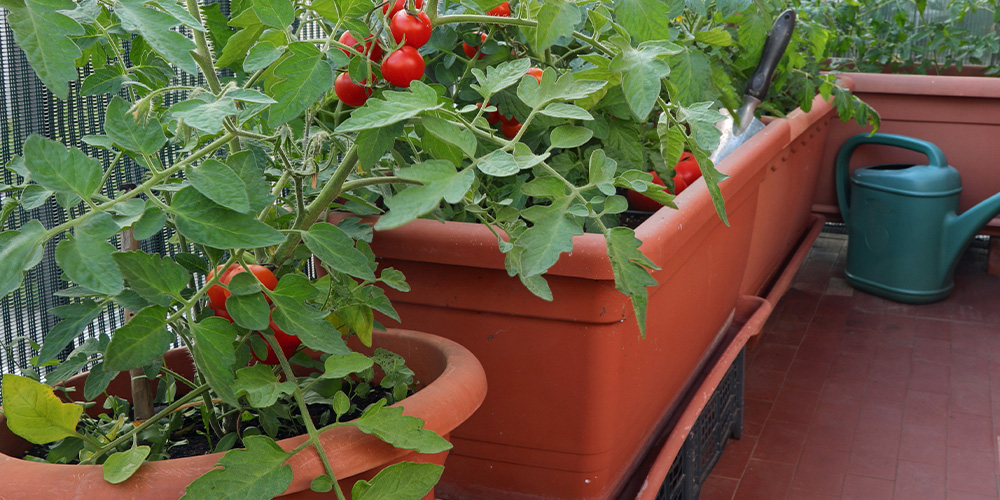
        If you want to harvest tomatoes just as fruitfully as your neighbor's, container gardening is the way to go. Water your soil consistently and keep it moist but not too soggy. You may need to water your tomato plant twice a day during hot summer days, but be sure to keep these sun-loving container-grown vegetables in a spot with plenty of sunlight! They need 6-8 hours of sun daily, and if they are not getting enough light where they are you can simply move them around in their container.

        For eggplants, you will ideally want to use a container that has a 5-gallon capacity to support its heavy roots and provide optimal drainage. Like your tomato plant, your container-grown eggplant needs to be kept in an extra-sunny area, receiving at least six to eight hours of sun daily. 

        Leaves & Root Vegetables

        One of the most crucial aspects of container-grown vegetables is that the container is big enough; this is especially true for root vegetables, as they'll need deep soil to grow in, and for leaves, as they'll need space to grow back again and again. 

        When harvesting your greens, simply pick or trim the leaves, and they'll keep coming back all season for delicious fresh veggies on the table. Many root veggies have edible greens, such as carrots and beets!

        Millcreek Gardens-Salt Lake City - Utah - Best Vegetables for Container Gardening-container grown herbs

        Herbs

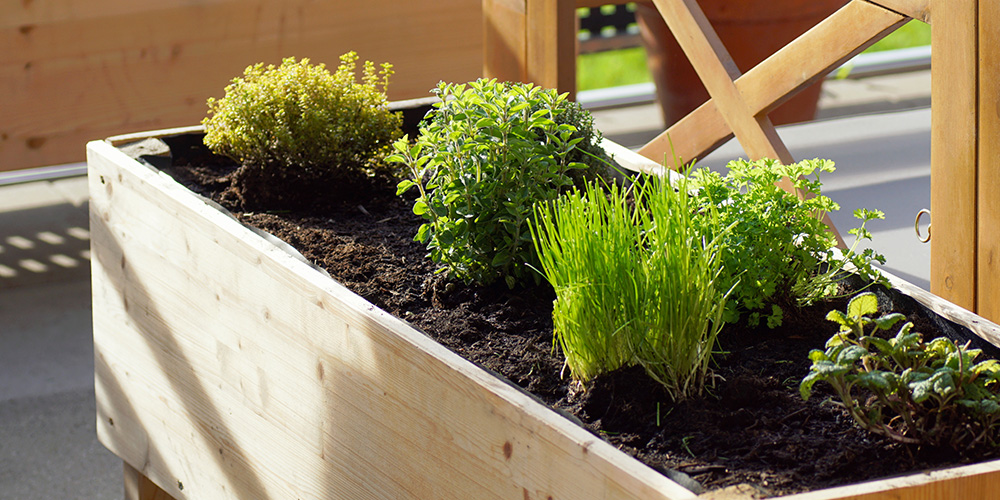
        Herbs have varying water requirements, but you can group them according to what they like. Plastic or glazed ceramic pots work well for growing herbs that thrive in consistently moist soil, such as basil, parsley, thyme, and mint. Herbs such as lemon verbena, rosemary, sage, and tarragon prefer dry soil between waterings. Most herbs require at least 4 hours of sunlight per day to grow well. Be sure to pinch off any blooms that sprout so your plants can focus on growing those delicious leaves!

        Vegetable container gardening in Salt Lake City is stress-free: it's affordable, saves space, and is easy to adjust if your plants don't thrive as expected. From tomatoes to squash to green onions, you will bring your kitchen pantry to life with your homegrown herbs and veggies, and Millcreek Gardens has everything you need to get started today!

        While many people naturally think of “gardening” as something that’s exclusively done outdoors, this actually isn’t the case at all. There are a few forms of indoor gardening that are robust pursuits for many people, and one of the most popular and well-known here is the realm of what’s known as windowsill gardening.

        At Millcreek Gardens, we’re here to support clients around Salt Lake City with through our plant nursery and many other items they might need for any sort of garden setup, including those both outdoors and indoors. What exactly is indoor windowsill gardening, and how can those interested in it get started? This two-part blog series will go over several important facts and approaches to keep in mind.

        windowsill gardening basics plants

        Defining Windowsill Gardening

        As its name implies, windowsill gardening is the act of growing plants and flowers from within the confines of window frames. This can include both windows that open up to a balcony or patio as well as ones that face a street or alley.

        Typically this type of gardening does require a certain amount of natural light to be available for it to work well – but this isn’t necessarily the case at all times. One can also utilize artificial light sources as well, and in some cases focus on plants that don’t necessarily require too much natural sunlight to thrive.

        Our next several sections, and on into part two of our series, will go over some general setup and other tips for indoor windowsill gardening.

        Choosing the Ideal Windowsill(s)

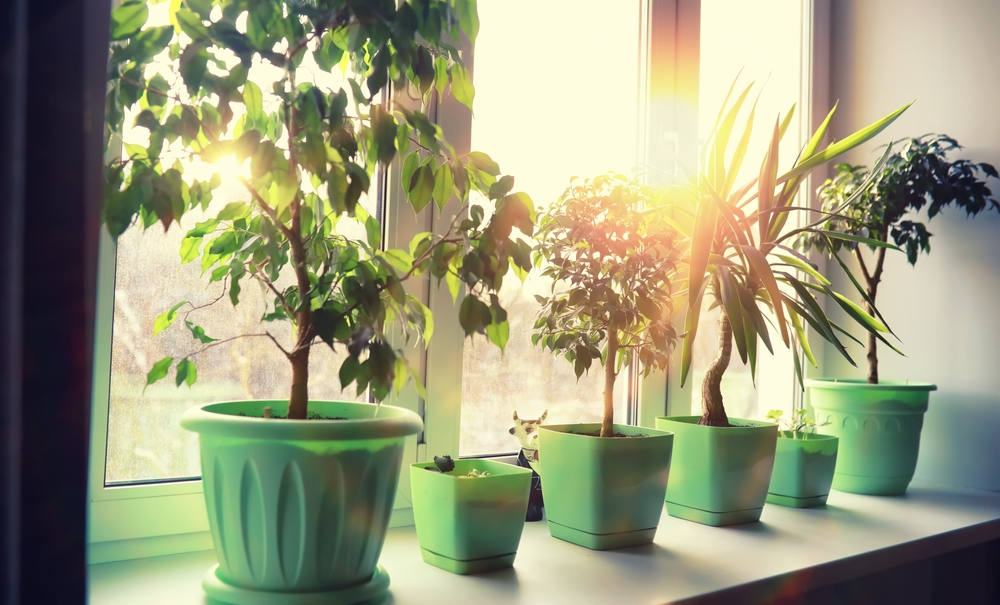
        Firstly, let’s talk about the windowsill(s) you’re looking to use for your project. People with multiple windowsills may want to consider having different setups for each one, and in some cases this can mean utilizing a different type of plants or flowers depending on the size, shape and total amount of light that particular sill gets from the sun.

        As a general rule of thumb, windowsills facing east and west tend to get the most natural sunlight – with south-facing sills usually being the second-best choice for optimal light exposure; north-facing windows are usually the poorest in terms of incoming natural light.

        Choosing Plants That Thrive Inside

        Another vital part of windowsill gardening is picking plants that are well-suited to the indoor environment. You’ll need to look for plants that not only tolerate low light and moisture levels, but also ones that don’t require too much maintenance or extra pruning and trimming.

        Some popular options here include succulents and cacti, as well as foliage plants such as ferns and snake plants. If you’re looking for flowering varieties, look into African violets or cyclamen – both of which add a bit more color and vibrancy to your windowsill garden.

        Stay tuned for part two of our series that goes over other setup tips and tricks for windowsill gardening. At Millcreek Gardens, we’re here to help with your new indoor or outdoor garden setup. Stop by our Salt Lake City nursery today and see what’s in store – we look forward to helping you get started on your next project!

        In part one of this series, we went over a few top examples of low-light plants that many people utilize within their homes or buildings for various reasons. Plants like the snake plant, ZZ plant and Devil’s Ivy are all strong options that will typically do well inside, and these and other low-light varieties can often thrive with very little care.

        At Millcreek Gardens, we’re proud to offer a wide range of plant options at our plant nursery for clients around Salt Lake City, including those looking for quality indoor or low-light plants (or both). Today’s part two of our series will look into some other good examples of low-light indoor plants to consider.

        low-light indoor plants

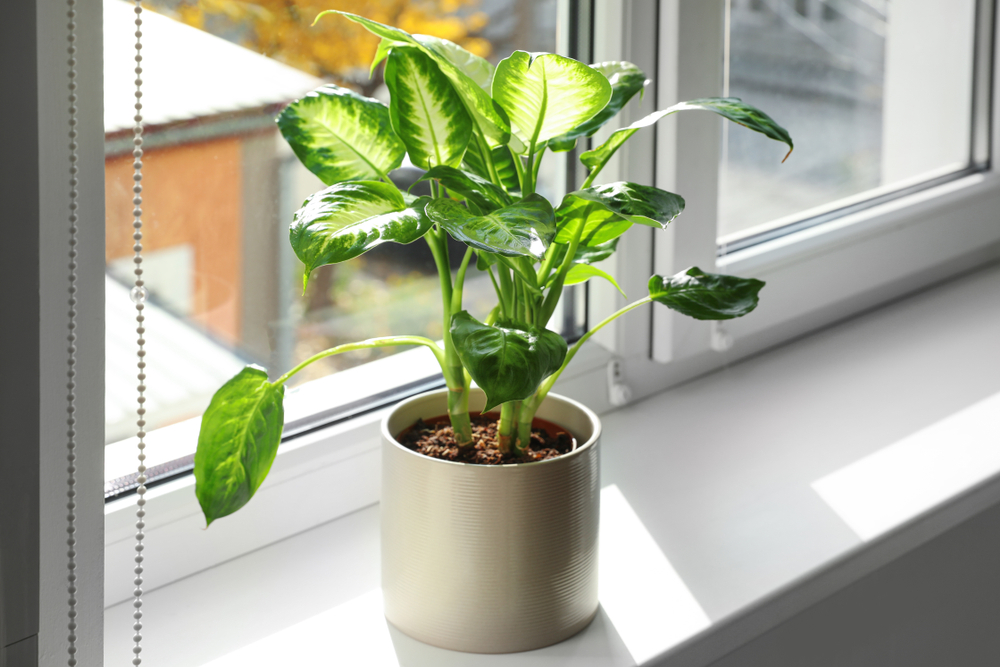
        Dieffenbachia

        If you’re looking for a tropical-based shrub that evokes vibes of the Amazon jungle, Dieffenbachia is a great option. These plants do well with very little light thanks to their broad leaves that help absorb more energy from whatever light source you have available. Plus, they can grow pretty large and often fill up colorful gaps in any room or building.

        These plants grow upright, making them ideal for areas like walls or offices where space is limited. They’ll do best in indirect or artificial light, and like with all low-light plants, make sure you don’t let them sit in a puddle of water as they need to dry out between watering sessions.

        Monstera

        Another tropical plant that grows very large leaves is the Monstera, which grows leaves up to two feet in width. These plants are great for bringing a lush, exotic aesthetic to any room and they require very little sunlight or care.

        They don’t do well with direct sunlight but they can handle low-light conditions just fine. They need to be well-watered – dry soil is not ideal for them. You may also want to consider a houseplant fertilizer, which can help them grow more quickly and flourish.

        Parlor Palm Plant

        Also known as the Neanthe Bella Palm, this is a palm variety that grows very slowly, eventually reaching around four feet in height. It requires very little maintenance, one of its key benefits, and it’s also a great air purifier that helps keep the atmosphere in your home or building clean.

        These plants will do well with very little light, and they’ll need to be watered often to retain moisture. Keep an eye out for yellowing leaves as this could indicate a problem with too much water or perhaps not enough sunlight.

        As you can see, there are plenty of low-light plants out there for those who need to brighten their space without having to worry about light and other maintenance. We hope this article has been helpful in providing you with some excellent options that you can explore further!

        For even more information on these and other indoor plants, contact Millcreek Gardens today and our experts will be happy to guide you. We look forward to helping you choose the perfect plants for your home or business!