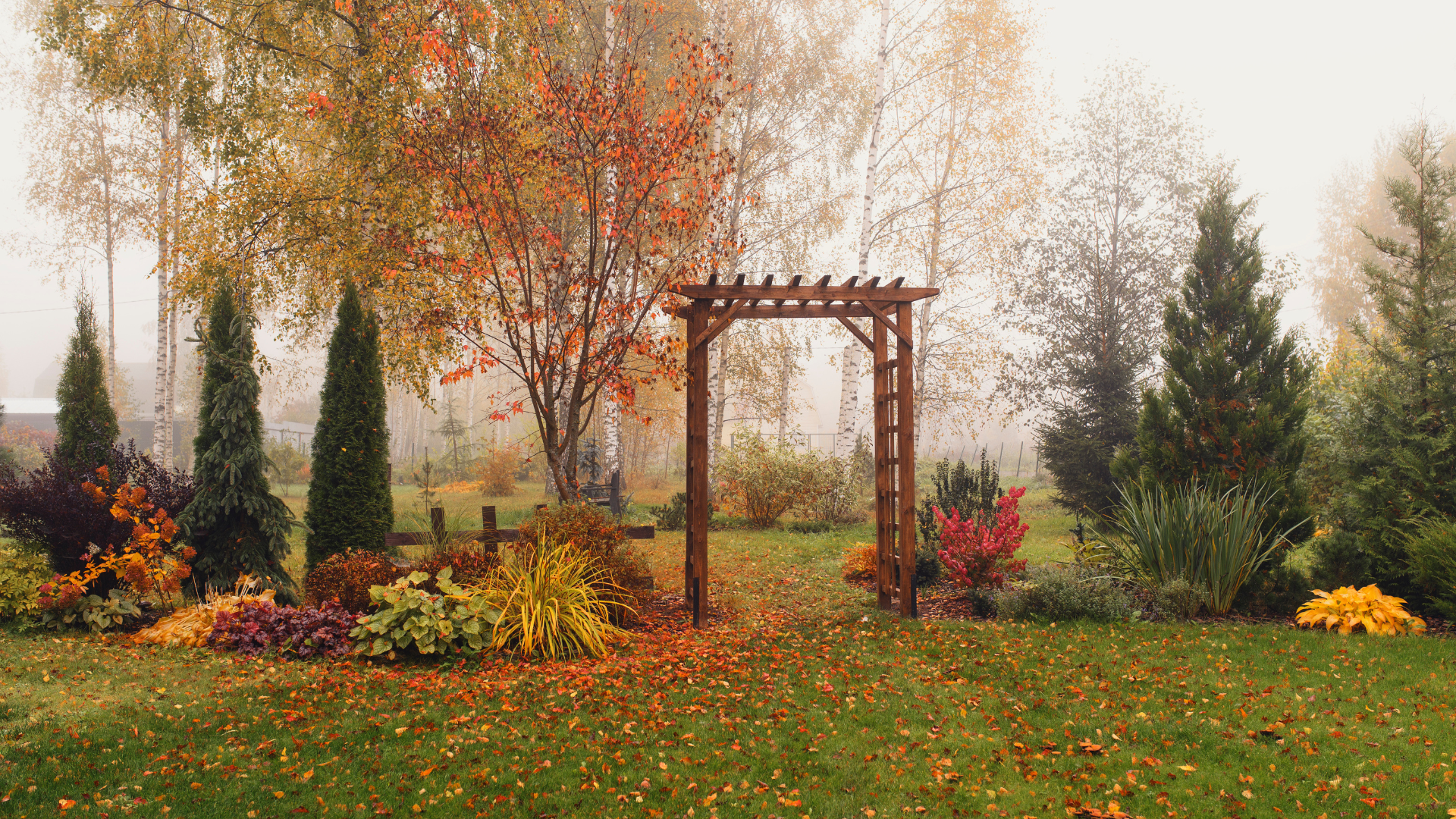
Starting your garden clean up for fall is the perfect September task, but it’s also still a time to enjoy the last warm days of our Utah summer in the garden. In this guide, we'll get you geared up to tackle some essential tasks for the fall garden as we say farewell to summer, and say hello to sweater season. 

Garden Cleanup Checklist for Fall
Whether you’re still savoring iced tea or jumping headfirst into pumpkin-spiced lattes, the weather is perfect for some chores to keep things fresh and vibrant for a few more weeks to come. Here is what we’re doing in Salt Lake City this month in the garden!

Cleaning up Annuals & Perennials
One of the first tasks on your fall garden cleanup checklist should be checking in with your plants in the garden. Around this time of the year, many plants will be showing signs of decline as the temperatures drop and the days get shorter. Here's what you should do:

Remove Spent Annuals
Gently pull out any annuals that have stopped blooming or are clearly past their prime. This not only tidies up your garden but also prevents disease and pests from overwintering in the decaying plant material.
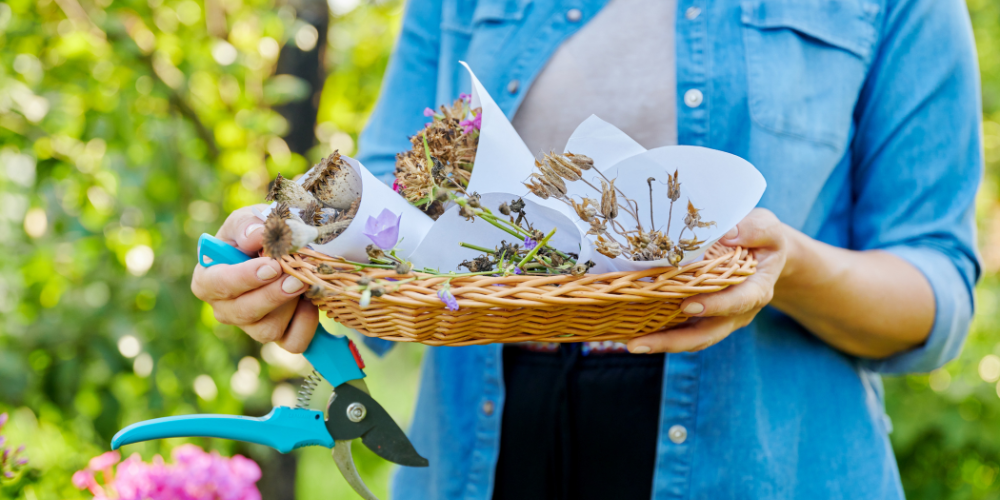
Collect Seeds:
If you have some favorite perennial beauties that you'd love to grow more of next year, consider collecting seeds from their dried seed heads and storing them in a cool, dry place until spring when you can plant them out. 

Add Compost: 
After removing your spent plants, replenish the soil in garden beds or containers with compost to enrich it with nutrients for next year. This will help improve the soil’s structure and add fertility for a vibrant bloom!

Container Plants That are Done Flowering
Most containers and gardens will still look good through September and into October, but this transitional period is the perfect time to freshen things up with some new and fun autumn color. Here’s what to do to keep them looking their best:

Assess the Condition:
Examine your container plants carefully. If they have finished flowering or are showing signs of stress, it's time to shake things up and do a refresh.

Trim and Prune:
Trim back any dead or leggy growth to encourage healthier new growth in the coming season, and remove spent flowers and leaves to prevent disease.

Overwintering Options:
If you’ve got tender plants that aren’t likely to survive the Utah winter, try overwintering them indoors. Some container plants, like tropicals or herbs, can thrive indoors during the winter, and tender plants like dahlias can be dug up and their tubers stored (in a dry, cool place) until the spring.

Mulching:
For larger outdoor containers that can't be moved indoors, consider adding a layer of mulch to help insulate the root system and protect it from freezing temperatures. Grouping containers together and wrapping them with burlap or frost cloth can also provide extra protection from the cold.

Planting!
Fall flowers can add a burst of vibrant excitement to your garden, pairing beautifully with the autumn foliage around us. They also offer some end-of-season nutrition for pollinators. Here are some popular fall flowers to consider planting in Salt Lake City:

Fall Mums (Chrysanthemums): Fall mums are iconic autumn blooms, and are available at Millcreek Gardens in a variety of colors—including deep reds, vibrant oranges, and rich yellows. Plant them in containers for maximum color impact around your outdoor spaces.

Pansies: Pansies are cool-season annuals that thrive in the mild temperatures of early fall. They come in a wide range of shades, from pastels to bold hues, making them an ideal choice for adding color to your garden beds or containers.

Ornamental Peppers: Ornamental peppers are not only visually striking with their small, colorful fruit, but they also bring a touch of heat to your garden. These compact plants can be grown in containers, or in the ground and are a unique addition to fall arrangements.

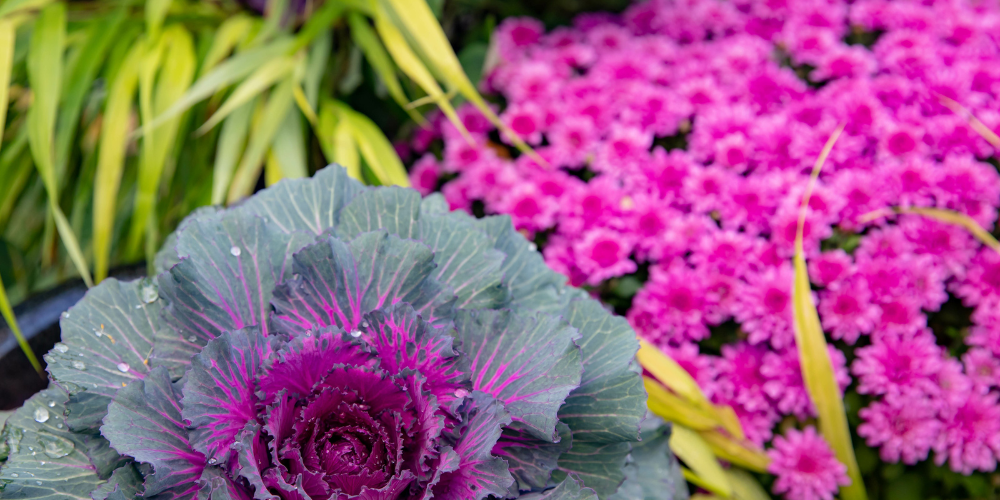
Kale & Cabbage (Ornamental Varieties): Ornamental kale and cabbage, with its textured and ruffled leaves in shades of green, purple, and white, is an unexpected but attractive choice for fall gardens. It adds both texture and color to your landscape, making it a versatile option.
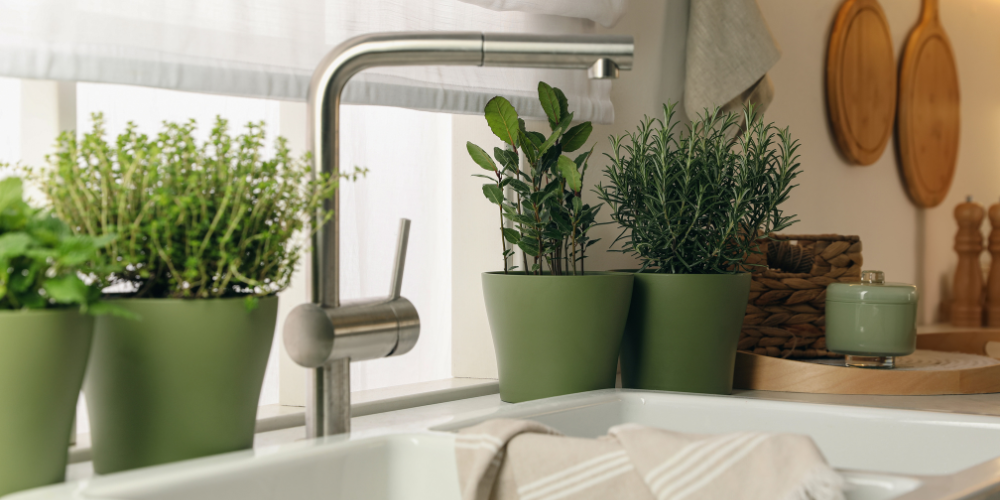
Moving Herb Gardens Indoors
Herb gardens can be a source of fresh flavors all year-round, even in Salt Lake City's winter! To transition your herbs indoors successfully:

Select Healthy Plants
Choose the healthiest herbs from your garden for indoor relocation, and double-check every plant coming inside for signs of pests or diseases.

Repot if Necessary:
If your herbs have outgrown their current pots, consider dividing and repotting them into larger containers with fresh potting soil.

Provide Adequate Light: 
Herbs need plenty of sunlight to thrive indoors. Place them in a sunny windowsill, or use grow lights to supplement natural light over the winter.

Monitor Watering
Indoor herbs may require less water than their outdoor counterparts. Water sparingly and allow the soil to dry slightly between watering.

Preparing Plants for Overwintering
While it might still be warm for another few weeks yet, preparation is key to a healthy garden! Certain perennial plants, shrubs, and trees need special attention to withstand the harsh Utah winter, so here are some tips for planning ahead:

Pruning:
Trim any dead or damaged branches from trees and shrubs to prevent them from breaking under the weight of snow or ice.

Mulching:
Apply a layer of mulch around the base of perennials and younger shrubs to insulate their root systems from freezing temperatures.

Protect Young Trees
Wrap young trees in burlap or tree wrap to shield them from harsh winter winds and reduce the risk of sunscald.

Watering: 
Continue to water your plants until the ground freezes, as hydrated plants are more resilient in the winter, but remember to avoid overwatering, as waterlogged soil can cause root rot.


Millcreek Gardens is ready for fall garden cleanup in Salt Lake City, so stop by today for fall flowering plants, gardening supplies, and friendly advice you can count on!

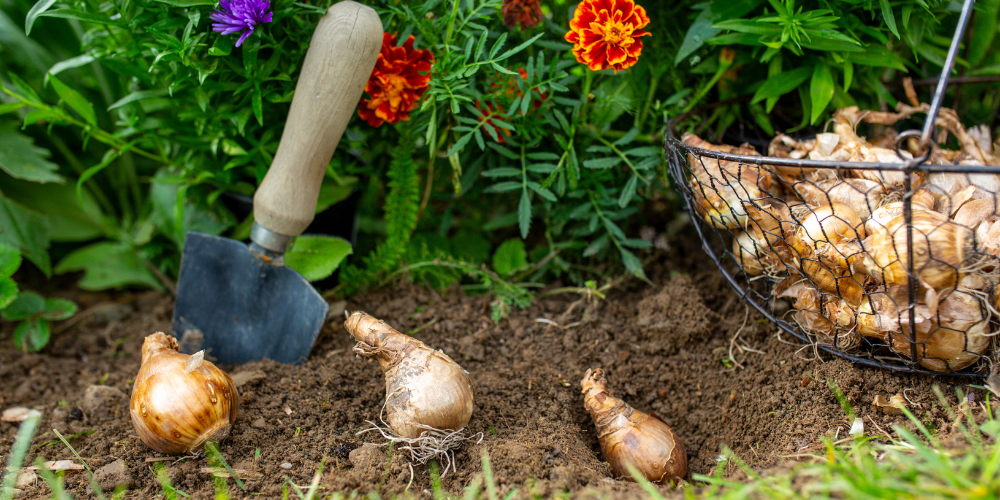
If you’re like us, you’ve enjoyed the frenzy of Spring and Summer in the garden, but looking ahead to Fall planting in Utah is exciting, too! It’s also a rewarding endeavor that allows the seasonal creation of some pretty vibrant landscapes that will thrive well into next year. In this comprehensive Fall Planting Guide, we’ll show you the best tips and practices for Fall planting in Salt Lake City to make your garden the envy of the neighborhood!

Why Fall is a Good Time to Plant in Utah

Fall is a perfect time for planting in Salt Lake City, thanks to our moderate temperatures and increased moisture levels, and the fact that the soil is retaining warmth from the Summer heat. This combination gives us an ideal environment for root establishment before the onset of Winter, and the cooler air temperatures also reduce stress on plants and allow them to focus their energy on root growth rather than battling the heat. This season is also a comfortable time for people to be outside planting! With the proper planning and execution, Fall planting can set the stage for a flourishing garden come next Spring.

Our Guide to Fall Planting 

Choosing the Right Plants
Selecting the best candidates to plant in your Fall garden is crucial for success. Consider the unique climate and conditions of Salt Lake City when making your choices and go for plants well-suited for planting in the local area. Some of our favorites include:

Hardy Perennials: Choose perennials like coneflowers, daisies, chrysanthemums, and asters. These hardy plants will establish their root systems in the Fall and reward you with beautiful blooms year after year.

Ornamental Grasses: Grasses such as feather reed grass, switchgrass, and maiden grass add texture and movement to your garden, even as other plants start to go dormant.

Cold-Tolerant Vegetables: Extend your harvest season by planting cold-tolerant vegetables like kale, spinach, lettuce, and radishes. These crops can take the cooler temperatures and continue to produce fresh, nutritious produce and are the best Fall crops to plant in August.

Millcreek Gardens-Salt Lake City-Utah-Fall is for planting-spring blooming bulbs

Spring-Blooming Bulbs: Plant bulbs like tulips, daffodils, and crocuses in the Fall for a burst of color in your garden next Spring. The cooler temperatures allow the bulbs to establish strong root systems before Winter.

Shrubs and Trees: Fall is a great time to plant shrubs and trees, allowing them to establish roots before facing the challenges of Summer. Consider options like dogwood, viburnum, and serviceberry.

Fall Planting Guide: Step-by-Step
Now that you know what to plant, here is your 10-step guide to get growing!

1. Assess Your Garden 

Take a thorough look at your garden and identify areas that need a refresh or new plantings. Think about the amount of sunlight, soil quality, and drainage in each area.

2.  Prepare the Soil

Clear out any debris and weeds from the planting area. Amend the soil with a good compost, or some type of organic matter, to improve its structure and fertility. We love amending our soils with Gardener & Bloome planting mix.

3. Select Your Plants

Research and select the plants mentioned above that are well-suited for Fall planting in Salt Lake City. Consider factors such as bloom time, height, and color to create a visually-appealing arrangement.

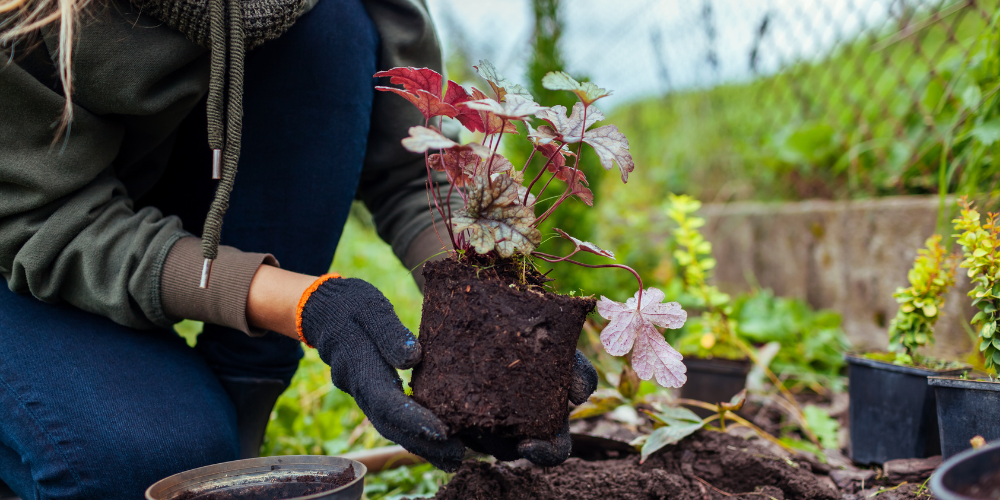
Millcreek Gardens-Salt Lake City-Utah-Fall is for planting-heuchera plant

4. Planting Technique

Dig holes for your plants, ensuring they are deep and wide enough for the roots. Gently take the plants from their containers and place them in the holes, backfilling with your soil compost mix. Water thoroughly to settle the soil around the roots.

5. Mulch

Apply a layer of mulch around your newly planted plants. Mulch helps retain moisture, regulate soil temperature, and prevent weed growth.

6. Watering

It's important to continue watering your newly planted vegetation. Water deeply and less frequently to help encourage root growth.

7. Fertilizing

For favorable results, apply a plant starter fertilizer to provide essential nutrients for your plants as they establish themselves. Our favorite is Dr. Earth Starter Fertilizer.

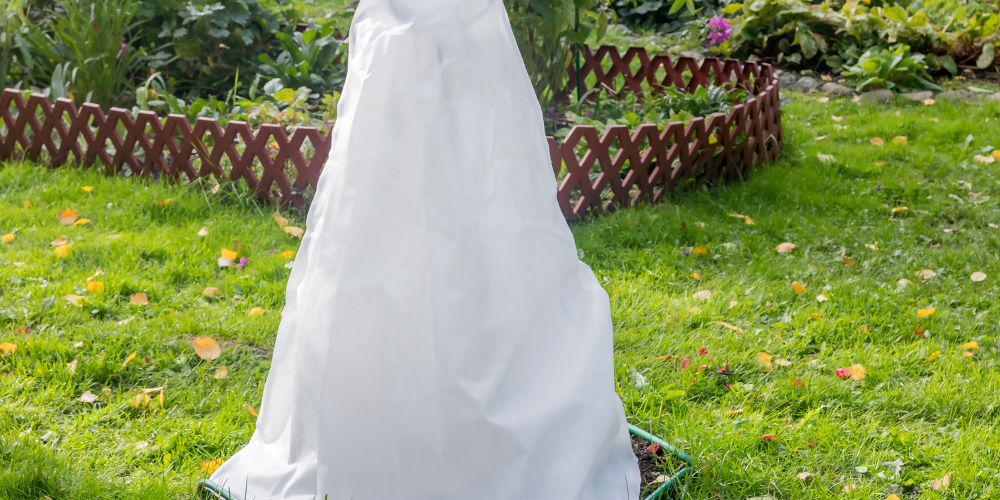
Millcreek Gardens-Salt Lake City-Utah-Fall is for planting-frost cover

8. Protection from Frost

Keep an eye on the weather forecast and be prepared to protect your plants from early frosts. Covering them with frost cloth or blankets overnight can help prevent damage.

9. Regular Maintenance

As your Fall-planted garden grows, look out for any signs of pests, diseases, or nutrient deficiencies. Address any issues right away to ensure the health of your plants.

10. Plan for Spring

While Fall planting is focused on establishing root systems, it's important to envision how your garden will look in the Spring. Choose complementary plants that will create a cohesive and harmonious display.

Millcreek Gardens-Salt Lake City-Utah-Fall is for planting-ornamental kale and mums

Fall planting in Salt Lake City presents an incredible opportunity to create a stunning and resilient garden that will thrive through the Winter and burst with life come Spring. By following our annual Fall planting guide for Utah you'll be equipped with the knowledge and steps needed to transform your outdoor space into a vibrant oasis of color and foliage. If you get stuck along the way, of course, you know where to find your local plant experts—right here at Millcreek Gardens!

In the bustling urban landscape of Salt Lake City lies a hidden treasure waiting to be uncovered: a world teeming with vibrant birdlife!

Creating a bird-friendly yard isn't just about providing a temporary stopover for our avian friends; it's about establishing a harmonious ecosystem that benefits both birds and humans. In this comprehensive guide, we'll delve into the ins and outs of transforming your backyard into a bird-friendly haven where these small but mighty creatures can find sanctuary amidst the urban hustle.

Millcreek Gardens-Salt Lake City-Utah-Bird-Friendly Landscape-suet feeder

How to Make Your Utah Garden Bird-Friendly
Before flying headlong into creating our bird-friendly habitats, it's important to understand our feathered guests' fundamental needs. By simply addressing these basic requirements, you'll transform your yard into a year-round avian oasis: 

Food: Providing a variety of bird-friendly foods is key to attracting and sustaining a diverse bird population in your backyard, so consider installing bird feeders stocked with a mix of seeds, suet, and nectar. 

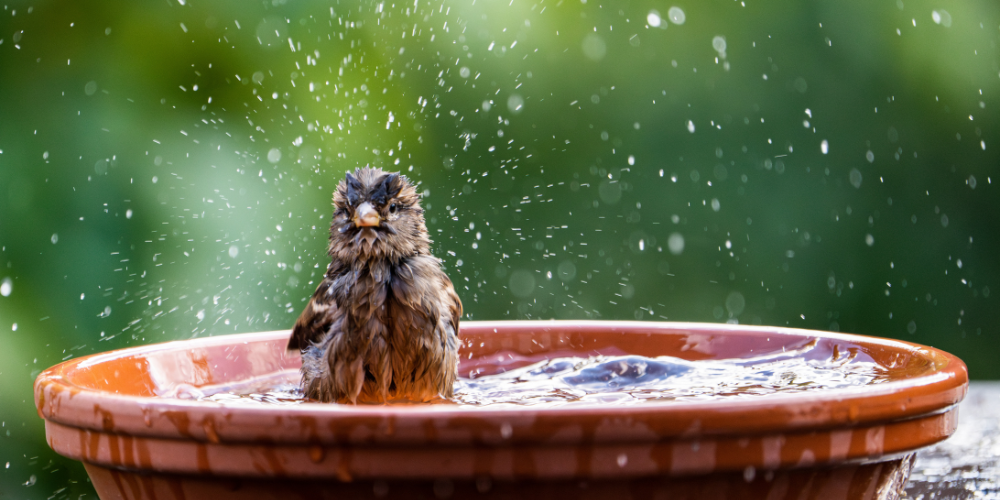
Water: Birds not only need water, they love it! Catch their attention by installing a few clean, fresh water sources in your yard, such as birdbaths, shallow water dishes, or even small ponds and water features.  

Millcreek Gardens-Salt Lake City-Utah-Bird-Friendly Landscape-birds in tree

Shelter: Songbirds are constantly looking for refuge from predators and harsh weather conditions, so we recommend incorporating native trees, shrubs, and bushes into your yard to create bird-friendly safe-havens. Brush piles and nesting boxes can also provide additional shelter.

Nesting Sites: Birds need suitable spots to build their nests and raise their young. Installing nesting boxes specific to local bird species can greatly increase the number of birds looking to call your yard home.

Native Plants: Planting native flora is a cornerstone of creating a bird-friendly habitat. Native plants provide birds with shelter and familiar food sources, such as berries, seeds, and insects. You'll also see an abundance of essential pollinators stopping by, including beautiful butterflies!

Transforming Your Utah Yard into a Bird-Friendly Paradise!
Now that you understand the basic needs of our feathered friends, let's dive into the practical steps you can take to turn your yard into a bird-friendly haven:

Choose Native Plants: As we've seen, having a variety of native plants is a key part of creating a bird-friendly landscape, so research and plant a few native species that thrive in Salt Lake City's climate. In addition to supporting local bird species, Native vegetation also requires less maintenance and conserves water, making them real win-win additions to your landscape!

Create Layers: A diverse landscape with varying plant heights offers birds different shelter and foraging opportunities. Arrange plants in layers, from groundcovers to taller trees, to cater to a range of species with varying needs.

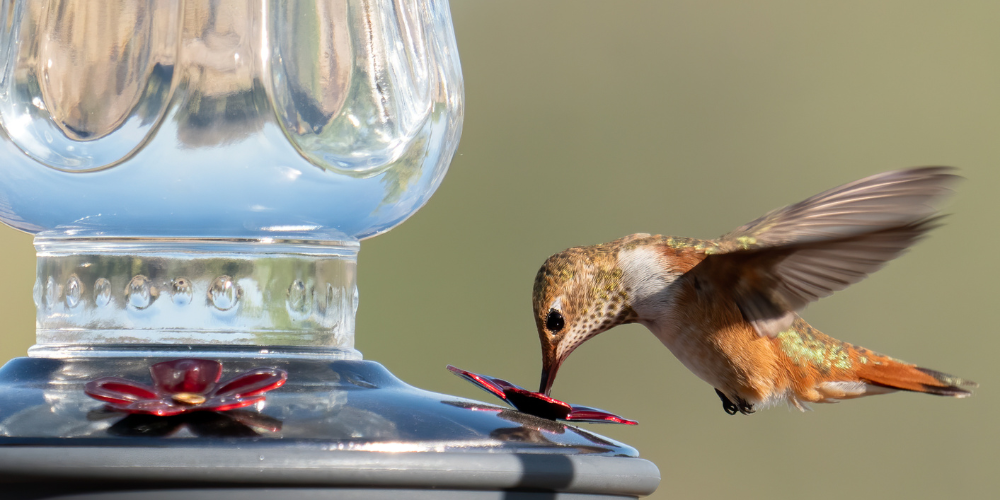
Millcreek Gardens-Salt Lake City-Utah-Bird-Friendly Landscape-hummingbird feeder

Provide Bird Feeders: Strategically place different types of bird feeders throughout your yard to accommodate a broader range of bird species. Tube feeders are best for finches, platform feeders are ideal for ground-feeding birds, while putting up a few hummingbird feeders will help draw those sugar-loving superstars to your garden. Just remember to never use food coloring in your hummingbird feeders—sugar and water only!

Mindful Landscaping: Keep in mind that a tidy yard isn't always bird-friendly. Leave some areas of your yard slightly wild with things like leaf litter and fallen branches to allow for natural habitat creation.

Limit Pesticide Use: Minimize or eliminate your use of pesticides and herbicides, as these chemicals are harmful to birds and can reduce the insect populations that are so important for their survival.

Millcreek Gardens-Salt Lake City-Utah-Bird-Friendly Landscape-bird bath

Install Bird Baths: Incorporate bird baths or water features to offer birds a place to drink and bathe, and remember to change out their water daily to prevent the spread of disease.

Educate and Engage: Share your passion for bird-friendly habitats with your neighbors and community and encourage them to create their own bird-friendly yards. By educating and engaging others, we contribute to a broader network of bird-friendly sanctuaries, inviting more native wildlife into our neighborhoods!

Simply put, making our yards more bird-friendly benefits everyone. By welcoming birds into your outdoor space, you become an integral part of the larger conservation effort that supports local ecosystems and biodiversity. The presence of birds is also very calming and offers a fantastic opportunity to experience nature up close and personal. If you're ready to start transforming your garden into a backyard bird sanctuary, come see us at Millcreek Gardens today! 

In today's fast-paced digital world, developing an appreciation for nature and gardening in our kids can be difficult, but it's not impossible! Teaching your kids how to propagate succulents can be an excellent way to connect them with the environment, engage them with their surroundings, and foster their green thumbs. In this blog, we'll explore the best succulents for starting your kids out with plant propagation. Not only will it inspire a lifelong love for gardening, but it's also a great way to score some free plants!

Millcreek Gardens-Salt Lake City-Utah-Succulent Propagation-young growth

Is It Easy to Propagate Succulents in Utah?

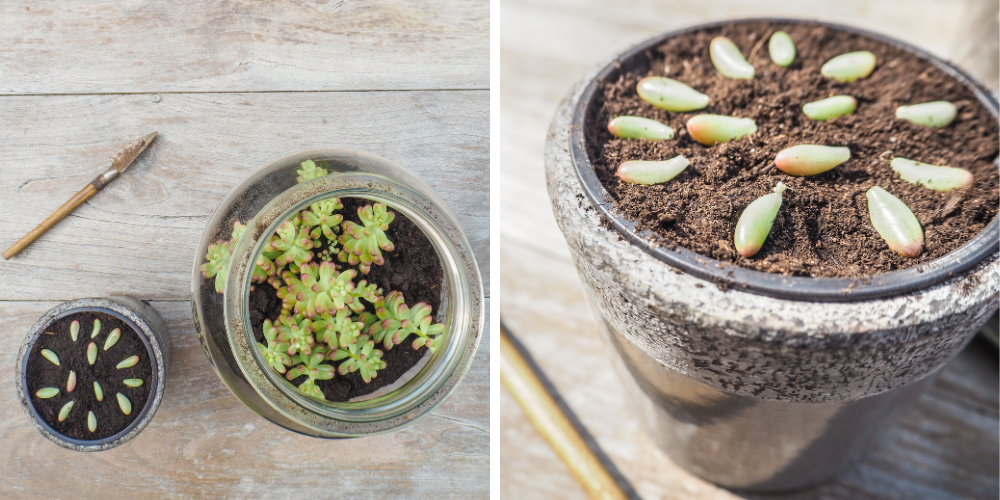
The short answer is: yes! You can easily propagate most succulent varieties using various simple methods, including leaf cuttings, stem cuttings, offsets, and division. Succulents are incredibly hardy plants that are known for their ability to store water in their fleshy leaves, allowing them to survive in arid conditions, withstand neglect, and easily grow back from a fragment or cutting. With the right care and conditions, succulent cuttings will quickly develop roots and new growth, making their propagation a rewarding and enjoyable experience. 

The Best Succulents for Propagation
If you're ready to start teaching your kids about the amazing world of succulent propagation, you'll want to pick up some of these top picks!

Aloe Vera (Aloe barbadensis miller)
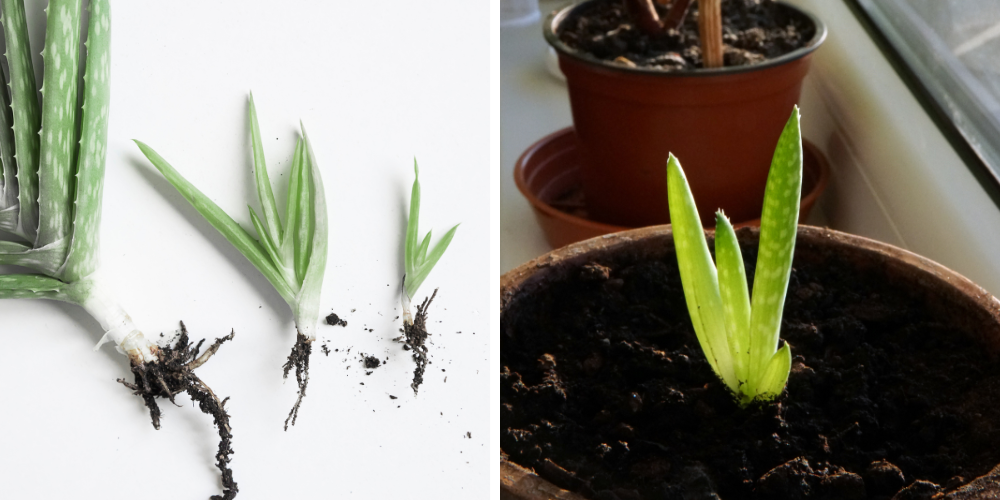
With its soothing gel and fun, spiky appearance, Aloe vera is an excellent choice for introducing children to succulent propagation, and many kids naturally gravitate toward it. The plant's thick, fleshy leaves store water, meaning the occasional missed watering won't hurt it too badly. Aloe vera pups, or offshoots, grow at the base of the parent plant and can be propagated by gently separating them from the rest. This division process teaches kids about the basics of propagation and allows them to witness the birth of a new plant from an existing one in real-time.

Jade Plant (Crassula ovata)
Jade plants are considered lucky in certain cultures, making them extra special for kids! These hardy succulents have thick, glossy leaves that resemble small, rounded coins, and their easy-care nature and straightforward propagation process make them an excellent option for little green thumbs. Jade plants are best propagated using the stem cutting method, where your kids snip a healthy stem from the parent plant and place it directly in moist soil until it roots and develops into a new plant.

Echeveria (Echeveria spp.)
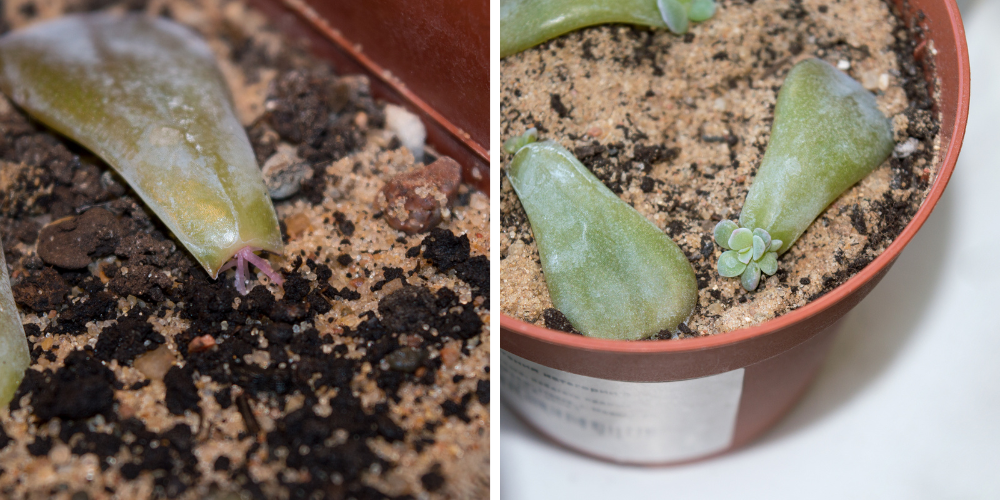
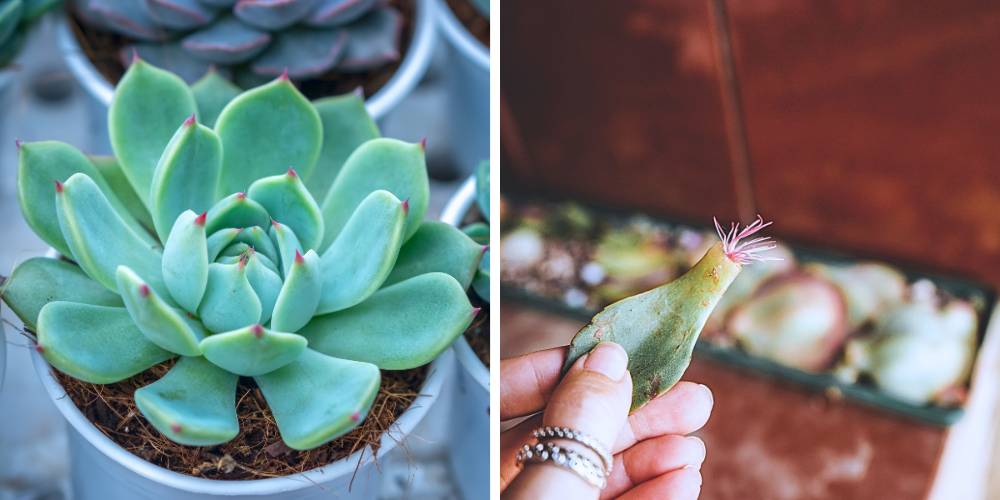
The rosette-shaped leaves and vibrant colors of echeverias fascinate children, making them another succulent perfect for little hands to propagate. The best way to propagate echeverias is to carefully remove a few leaves from the parent plant and place them on well-draining soil until they root and develop into new plants, a hands-on approach that allows kids to witness the magic of plant growth up close.

Haworthia (Haworthia spp.)
Haworthia succulents are small, charming succulents with striking patterns and textures on their leaves. They are well-suited for indoor spaces and make great additions to your kids' bedrooms or study areas. The propagation of Haworthias are similar to that of Echeverias and involves placing cut leaves on top of suitable soil until new plantlets emerge.

Sedum (Sedum spp.)
Sedums, also known as stonecrops, absolutely captivate young children thanks to their wide variety of shapes and sizes. These hardy succulents can be propagated through both stem and leaf cuttings, providing your kids with different propagation methods to explore and learn from.

Burro's Tail (Sedum morganianum)
Burro's Tail is a unique trailing succulent that resembles a lush green waterfall when fully grown. Its plump, hanging stems fascinate children and look like something from another world! Propagating Burro's Tail involves taking stem cuttings and allowing them to callus before planting them in well-draining soil. The joy of seeing these cuttings develop into full-fledged plants is sure to leave a lasting impression on your kids!

Christmas Cactus (Schlumbergera spp.)
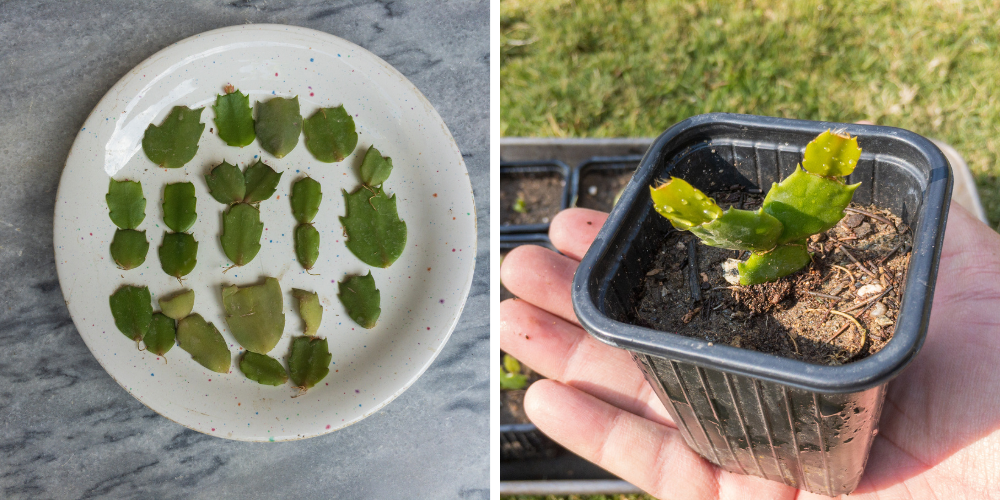
The Christmas cactus is a delightful holiday plant that blooms with vibrant flowers during the festive season. Propagating this succulent is an exciting learning experience for children that doubles as an engaging homegrown holiday activity! Like jade plants, the best way to propagate Christmas cacti is by using stem cuttings, making it a simple yet incredibly hands-on process for your kids.

School may not be in session quite yet, but that doesn't mean your kids can't learn something new! Succulent propagation teaches your children about the science behind plant growth and instills within them the virtues of responsibility, patience, and wonder for the natural world. So, if you're ready to start propagating succulents with your kids, visit us at Millcreek Gardens to shop our superb succulent selection today!

In the arid climate of Salt Lake City, traditional gardening can be a challenging and water-intensive endeavor. Lucky for us, there's an alternative that's as stunning as it is sustainable: xeriscaping! Xeriscaping is a landscaping method that conserves water and promotes the use of drought-resistant plants, making it an ideal choice for Utah residents looking to create a stunning garden while also being environmentally conscious. To help you get started with this water-wise gardening approach, we'll explore some of xeriscaping's main principles, ideas, benefits, and essentials to show you can achieve an eco-friendly landscape that's also lush, beautiful, and diverse. 

Understanding Xeriscaping
"Xeriscaping" comes from the Greek word "xeros," meaning dry. The concept was first introduced in Denver, Colorado, during the 1970s and has gained popularity in arid regions ever since. The main goal of xeriscaping is to minimize water usage through strategic plant selection, soil improvement, and appropriate irrigation methods. By doing so, xeriscaping not only conserves water but also reduces maintenance needs, ultimately providing a more sustainable and cost-effective landscaping solution for your outdoor spaces.

Millcreek Gardens-Salt Lake City-Utah-Xeriscaping in the Garden-drought tolerant garden

What are the Benefits of Xeriscaping My Salt Lake City Garden?
Here are just a few of the main benefits you’ll get to enjoy with xeriscaping: 

-Water Conservation

Utah's semi-arid climate and limited water resources make water conservation a top priority for Salt Lake City homeowners. A xeriscape design can significantly reduce water consumption by up to 70-80% compared to traditional lawns and gardens, reducing the strain put on local water supplies during the summer and taking a sizable chunk out of your next water bill!

- Low Maintenance

Between all the weeding, watering, and mowing, upkeeping traditional gardens requires quite a bit of time and effort. On the other hand, Xeriscapes use drought-resistant plants that don't need much in the way of maintenance once they're established, allowing you to spend more time enjoying your beautiful landscape and less on upkeep.

- Financial Savings

The reduced water usage and lower maintenance needs of a xeriscape design combine to save you money. As your water bills lower and your lawn care expenses diminish, you'll be able to sit back and watch your initial xeriscaping investment start to quite literally pay for itself. 

- Wildlife Habitat

A xeriscaped garden creates a welcoming habitat for local wildlife and important pollinators such as butterflies, bees, and birds. Because xeriscaping places such a large emphasis on choosing native plants, xeriscaped spaces provide these beneficial creatures with abundant shelter and food sources, contributing to the overall biodiversity of the region.

Millcreek Gardens-Salt Lake City-Utah-Xeriscaping in the Garden-yarrow flowers

Getting Started with Xeriscaping
If you're ready to start exploring xeriscaping and all the benefits that come with it, here's how to get started: 

- Evaluate Your Landscape
Before diving straight into xeriscaping your yard, take a moment to assess your garden's layout. Note any areas that receive different amounts of sunlight and shade, and consider your garden's soil type, drainage, and existing plant species. This evaluation will help you choose the best plants and irrigation methods for your unique landscape.

- Choose Native and Drought-Resistant Plants
Selecting plants that are well-adapted to your area's climate is crucial for a successful xeriscape. Choose native plants and other drought-resistant species, as these will be more accustomed to your region's weather conditions and require less water to thrive. Some popular choices for Salt Lake City xeriscapes include:

-Utah Serviceberry (Amelanchier utahensis)
-Red Yucca (Hesperaloe parviflora)
-Western Sundancer Daisy - (Hymenoxys)
-Utah Juniper (Juniperus osteosperma)
-Penstemon (Penstemon spp.)

- Soil Improvement
Enhancing your soil's structure and fertility is vital for the health of your Xeriscape, so incorporate organic matter like compost into your soil to improve water retention and drainage. Additionally, add mulch around the base of your plants to help conserve moisture, suppress weeds, and regulate soil temperature.

Millcreek Gardens-Salt Lake City-Utah-Xeriscaping in the Garden-drip irrigation

Efficient Irrigation
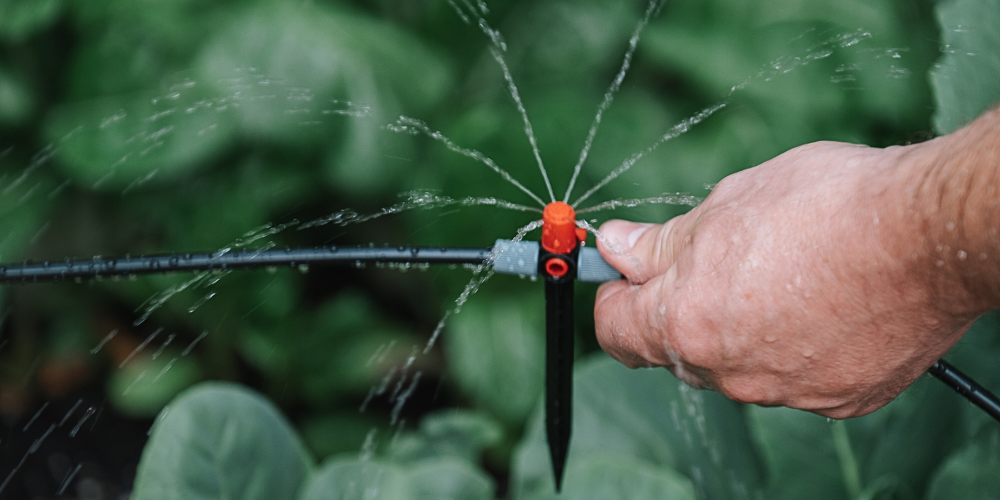
Proper irrigation is essential for the survival and growth of your xeriscape garden. Drip irrigation systems, soaker hoses, or smart controllers are all effective methods that minimize water waste by delivering water directly to your plants' root zones. Avoid overhead watering if possible, as it can lead to unnecessary evaporation and water runoff.

Exploring different xeriscape ideas is a rewarding and sustainable way to create a beautiful landscape while conserving water and supporting your local environment. By simply embracing native and drought-resistant plants and implementing efficient irrigation, you can easily transform your garden into a landscape that is both aesthetically pleasing and contributes to the broader goals of water conservation and eco-consciousness. 

So, roll up your sleeves and create a xeriscaped paradise of your very own this year as a testament to your commitment to a greener and more eco-friendly future. If you get stuck along the way, we'll be right here with the expert advice, tools, and materials you'll need to get back on track! 

Many of us gardeners have enjoyed some successes in the veggie patch this summer and look forward to continuing those successes come harvest time. However, this introduces a whole new host of challenges, as understanding when to harvest your favorite crops is crucial for ensuring maximum flavor and nutritional value. In this blog, we'll explore the optimal harvest periods for some of our most popular crops, along with essential tips on picking and handling your homegrown produce.

What Is the Best Time to Harvest Vegetables in Utah?

Ultimately, the best time to harvest your homegrown veggies will depend on multiple factors, including climate and crop type. These simple tips will help take out the guesswork so you can harvest the right way! 

Millcreek Gardens-Salt Lake City-Utah-Harvesters Guide to Picking Veggies-harvesting peppers

Peppers
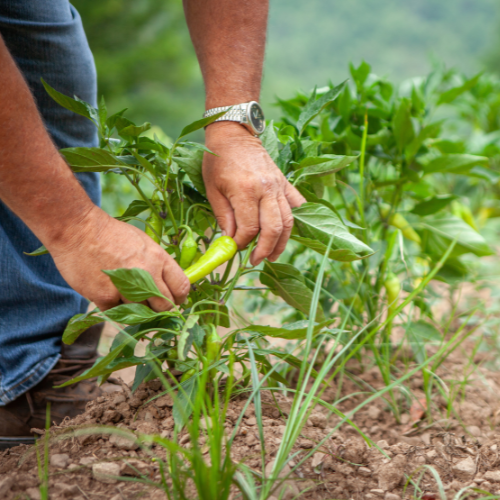
Peppers are a staple crop in many daily dishes thanks to their vibrant colors and distinct flavors. For Salt Lake City gardeners, the ideal time to pick peppers typically falls between late summer and early fall, but the exact timing will depend on the variety you're cultivating. Regardless, it's best to wait for your peppers to reach their mature color—whether that be green, yellow, orange, or red—before harvesting. When you harvest your peppers, avoid pulling or tugging on them, as this can damage the plant. Instead, use sharp garden shears or a knife to carefully cut the peppers from the plant, leaving only a short stem attached. Finally, handle your harvested peppers carefully to prevent bruising or cuts that can lead to spoilage.

Tomatoes
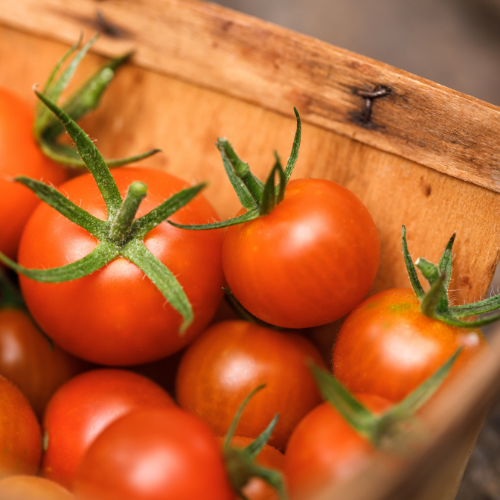
Tomatoes are undoubtedly one of the most beloved crops in home gardens nationwide. In Utah, the prime time for tomato picking is between late summer and early fall. It's best to wait until your tomatoes are fully ripened on the vine before picking, as this ensures optimal texture and flavor. You'll know they're ready for harvest when they have a rich, vibrant color and yield slightly to gentle pressure when touched. To harvest tomato crops, hold the tomato firmly and twist it gently until it detaches from the stem. If you encounter any green or unripe tomatoes, you can let them ripen indoors by placing them in a paper bag with a ripe banana or apple.

Millcreek Gardens-Salt Lake City-Utah-Harvesters Guide to Picking Veggies-harvested lettuce

Lettuce
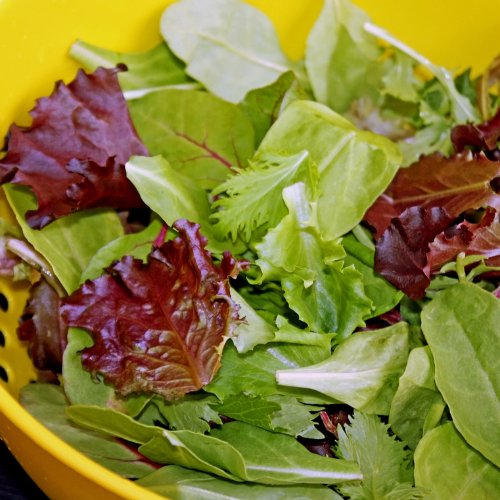
Lettuce is a cool-season crop that thrives in the milder temperatures of spring and fall, so the best time to pick it is right before the first hard frost. Lettuce is ready for harvest when the leaves are full-sized, just before they elongate and develop a bitter taste. When harvesting lettuce crops, use a clean, sharp knife to cut the leaves just above the soil level, taking care not to damage neighboring plants. For a continuous harvest, take only the outer leaves and leave the inner ones to keep growing.

Millcreek Gardens-Salt Lake City-Utah-Harvesters Guide to Picking Veggies-harvesting zucchini

Squash
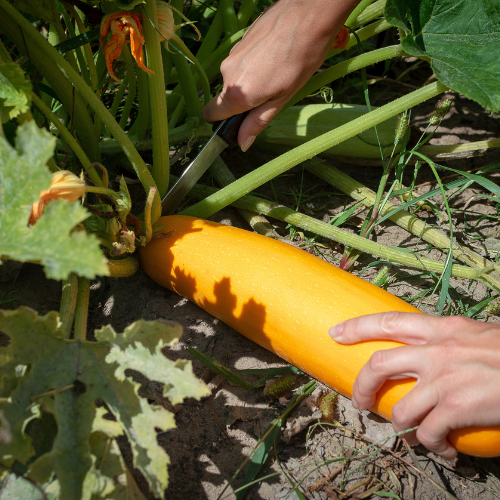
Squash varieties, including zucchini and yellow squash, are warm-weather crops that flourish in Utah's hot summer months. The ideal time to harvest squash is when they reach a manageable size and are still tender. For zucchini and other summer squashes, this typically occurs when they are around 6-8 inches long. When picking your squash crops, use a sharp knife to cut the fruit from the stem, leaving a short portion attached. Harvest your plants regularly to encourage them to produce more fruit throughout the growing season.

Cucumbers
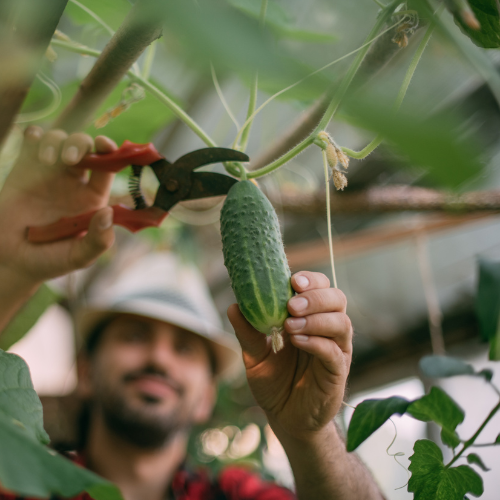
Cucumbers, another popular warm-weather crop, thrive in the summer heat, and the best time to pick them is when they are firm, evenly colored, and have reached their mature size. Avoid letting them grow too large, as overripe cucumbers can be bitter and less flavorful. When harvesting cucumbers, use a pair of garden shears or a knife to cut the fruit from the vine, leaving only a small stem attached. Gently handle your freshly-harvested cucumber crops to avoid bruising, as they can quickly deteriorate once damaged.

Millcreek Gardens-Salt Lake City-Utah-Harvesters Guide to Picking Veggies-harvesting corn

Corn
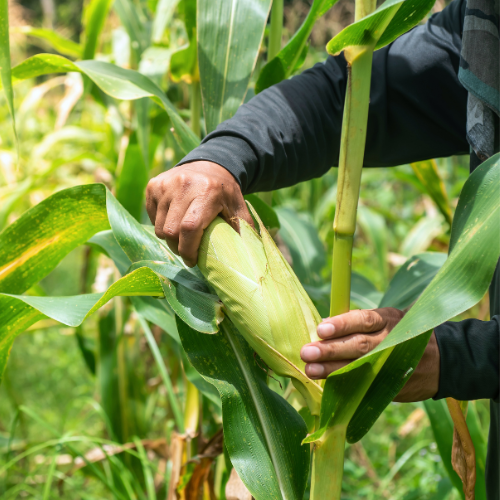
Corn is a classic summer crop that adds a delightfully sweet crunch to any dinner table and is typically ready for harvest in late summer, between July and August. The key to determining your corn's ripeness is to observe its ears; ripe corn will have green, snugly-wrapped husks and dry, brown silks. Once ripe, the easiest way to harvest your corn crops is to firmly hold the ear and twist it downward until it detaches from the stalk. We recommend eating homegrown corn within a few hours after it's been harvested for the freshest taste; however, you can also store it in the refrigerator to preserve its flavor and sweetness.

These tips and guidelines will help you ensure a bountiful and rewarding harvest year after year; however, remember that successfully harvesting crops isn't just about picking the right time! It's also important to know how to properly handle and store your freshly-grown produce to prolong its freshness. Luckily, we at Millcreek Gardens are here to help you out every step of the way, so roll up your sleeves, grab your gardening tools, and embark on a journey of taste and sustainability right in your own Salt Lake City backyard. Happy harvesting!

It's no secret that garden pollinators are crucial to Utah's ecosystem. By facilitating plant reproduction, they ensure the production of fruits, vegetables, and seeds. Despite their importance, however, most pollinators—especially bees and butterflies—are currently facing numerous threats to their existence, including habitat loss and the effects of pesticide use. Thankfully, there is a lot we gardeners can do to help! 

How Can I Make My Salt Lake City Garden More Pollinator-Friendly?

There are many things you can do to make your garden more pollinator-friendly this summer. By implementing these simple practices, you can support the well-being and survival of these essential insects and contribute to a healthier, more sustainable environment:

Millcreek Gardens-Salt Lake City-Utah-Welcoming Pollinators to Your Garden-native flowers

Choose Native Plants 

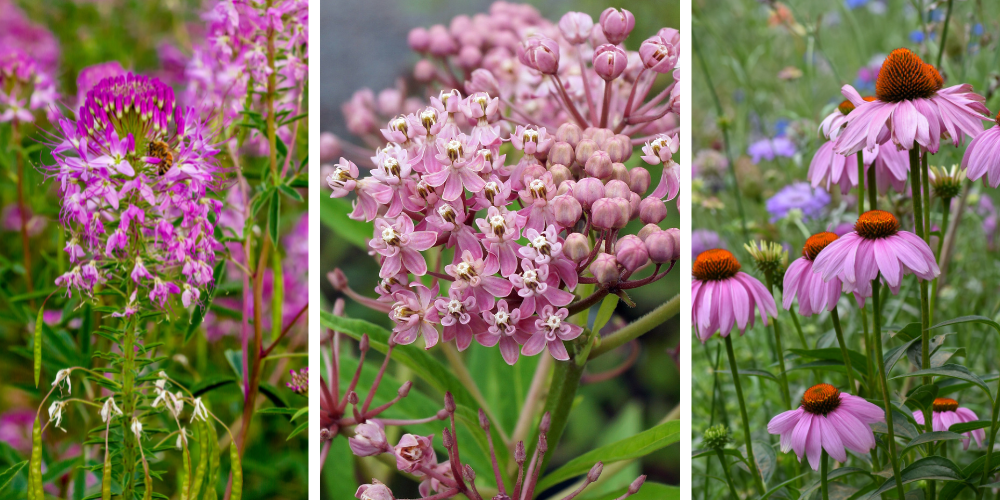
Native plants are well-adapted to our local climates and provide abundant food sources for pollinators. When designing your garden, prioritize native flowering plants such as the Rocky Mountain bee plant, butterfly weed, and purple coneflower. These plants offer nectar and pollen essential for the survival of bees, butterflies, and other pollinators. Try also to select a variety of native plants with different bloom times to ensure a consistent food supply throughout the growing season. 

If you can't get your hands on any native Utah plants, don't worry! There is an abundance of other flowering perennials and annuals you can choose from to attract native bees, butterflies, and other pollinators to your garden. Here are some of our favorites: 

-Salvia
-Trumpet Creeper
-Hot pokers
-Penstemon
-Heuchera
-Russian Sage
-Lavender
-Hyssop
-Spirea
-Sunflowers

Millcreek Gardens-Salt Lake City-Utah-Welcoming Pollinators to Your Garden-bee shelters

Create Shelter and Nesting Sites 

Pollinators require safe spaces to rest, hide, and lay their eggs, so incorporate diverse elements into your garden that offer shelter and nesting opportunities. Planting dense shrubs, such as serviceberries or wild roses, provides protective cover for pollinators, while leaving patches of bare ground or creating small mounds of soil can attract ground-nesting bees. You can also install bee houses or nesting boxes to accommodate solitary bee species, which are other fantastic pollinators.

Minimize or Eliminate Pesticide Use

Pesticides can devastate pollinators visiting your garden, harming their health and disrupting their natural behavior, so opt for natural pest control methods like companion planting, crop rotation, and even manual pest removal instead of relying on chemical pesticides. There are also many beneficial insect varieties, like ladybugs and lacewings, that you can attract to your garden to keep pest populations in check. If you must use pesticides for out-of-control problems, choose organic and bee-friendly options, and apply them in the evening when pollinators are less active.

Millcreek Gardens-Salt Lake City-Utah-Welcoming Pollinators to Your Garden-bees drinking water

Provide a Water Source 

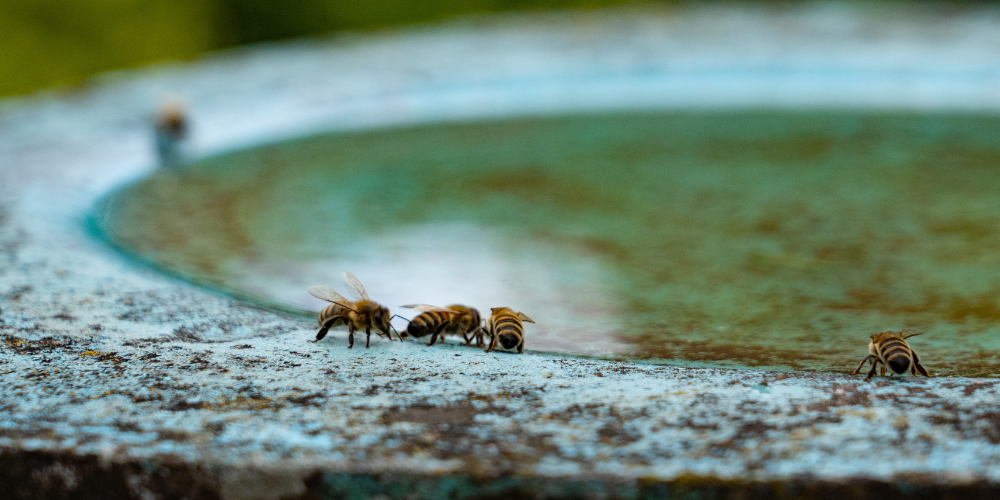
Of all our local pollinators' needs, access to a safe, clean water source is perhaps the most essential. To help with this, install a shallow water source in your garden, such as a birdbath or shallow dish, and add in a few pebbles, stones, and twigs for landing spots. Ensure that the water source is regularly replenished and kept clean to prevent the breeding of mosquitoes.

You can also attract hummingbirds by keeping a hummingbird feeder in your garden for a quick energy boost. Only use water and white sugar in your feeders at a ratio of 4 cups water to 1 cup sugar, and clean them out regularly to avoid a buildup of harmful bacteria. We recommend cleaning your feeders at least once a week and even more frequently in hotter weather. 

Adopt Sustainable Gardening Practices

Adopting sustainable gardening practices benefits both the environment and pollinators alike! Mulching your garden beds, for instance, helps them retain moisture, reduces weed growth, and improves soil health, while using compost instead of synthetic fertilizers enriches your soil by providing essential nutrients without chemically disrupting your local ecosystem. Consider also collecting and using rainwater to irrigate your garden to reduce your water consumption. Additionally, regularly weeding and removing invasive plant species can prevent the spread of unwanted plants that may outcompete the native species our local bees and butterflies have grown to love.

Millcreek Gardens-Salt Lake City-Utah-Welcoming Pollinators to Your Garden-adding mulch

These simple steps will help you transform your landscape into a welcoming oasis for garden pollinators. Your efforts will provide vital resources for these essential insects and contribute to your local ecosystem's health and biodiversity. Remember that even small changes can make a significant impact and that, together, we can ensure a thriving environment for pollinators now and in future generations. For more information on how to make your garden more pollinator-friendly, or to get started with plants and supplies, stop by our Garden Center and chat with us today!

Butterflies are captivating creatures that play a crucial role in maintaining the balance of our local ecosystems, and attracting these enchanting insects to your garden is a must for preserving local biodiversity and promoting your gorgeous blooms. Luckily, there are several steps you can take to turn your Utah garden into a butterfly haven. By providing the right conditions, food sources, and shelter, you can invite a variety of butterfly species to grace your outdoor space with their vibrant colors and graceful flights. Here are some of our favorite tips and tricks for attracting butterflies to your garden this summer!

How To Attract Butterflies to Your Utah Garden

Here are the best ways to attract butterflies to your Utah garden oasis:

Millcreek Gardens-Salt Lake-City-Utah-Butterfly Gardens-take home butterfly kit

Use Millcreek Gardens' Take-Home Butterfly Kits
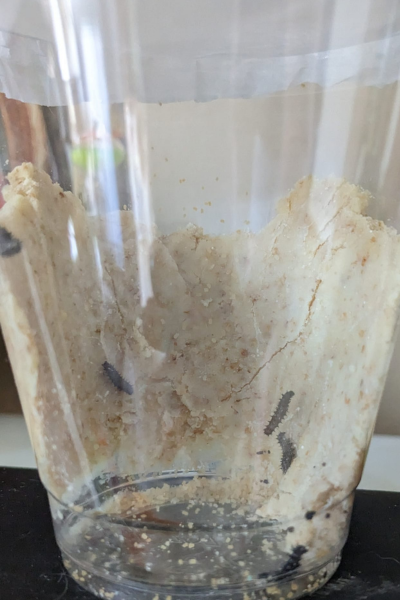
We at Millcreek Gardens are here to help you see the magic of butterflies up close and personal in your backyard this summer. Our Riverbottom butterfly kits let you watch the entire butterfly maturation process happen up close and personal, making them perfect for engaging your kids in nature. When you take home one of our butterfly kits—which includes a cup of caterpillars and organic plant-based food—you can watch them eat, make their chrysalises, and emerge as beautiful butterflies, ready to take on your new garden!

Build Them a Proper Habitat
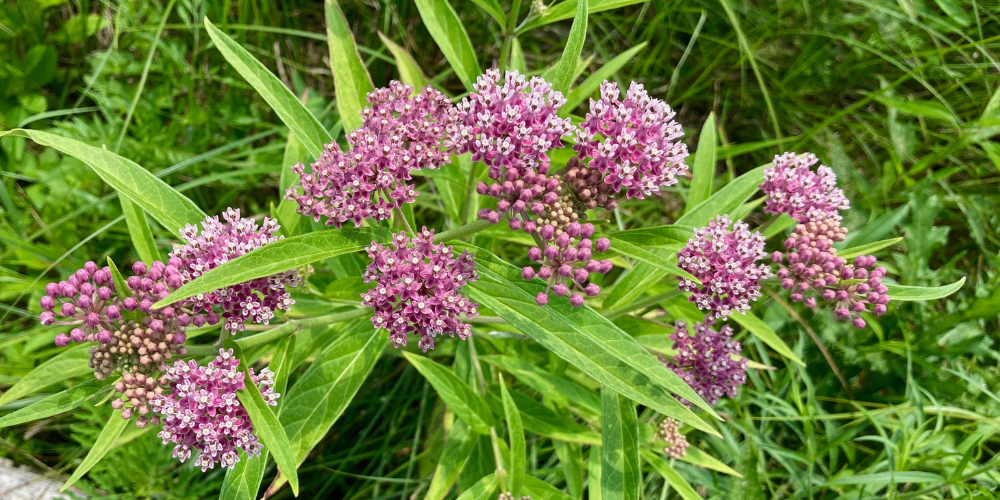
Once your new butterflies are reborn, you need to make sure they stay close to home! Butterflies are attracted to habitats that combine sun, shelter, water, and food, so make sure your garden ticks all four of those boxes. Start by selecting a sunny location for your garden, as butterflies are ectothermic and rely on the sun's warmth for energy. Next, incorporate various types of butterfly-attracting plants to serve as nectar sources. Suitable perennial nectar plants include Bee Balm, Butterfly Weed, Milkweed, Purple Coneflower, and Yarrow.

Millcreek Gardens-Salt Lake-City-Utah-Butterfly Gardens-milkweed plant

Plant Host Plants
In addition to nectar plants, host plants are also essential for butterfly reproduction, as they provide butterflies a place to lay their eggs and serve as a food source for caterpillars. So, to fill your garden with tons of butterflies this year, research and plant the preferred host plants of the butterfly species you aim to attract. For instance, the Monarch butterfly relies on Milkweed as its host plant, so planting this in the garden will keep these beauties fluttering around all season. It's also a great idea to incorporate a variety of host plants into your garden to attract multiple species and extend the butterfly life cycle of your area.

Avoid Pesticides and Other Chemicals 
Chemical-based pesticides, such as insecticides and herbicides, can have long-lasting negative effects on butterflies and other beneficial insects, so avoid using them in your garden whenever you can to attract more butterflies to your space. Instead, opt for natural pest control methods for your plant collection, such as companion planting, introducing beneficial insects, and manually removing pests when necessary.

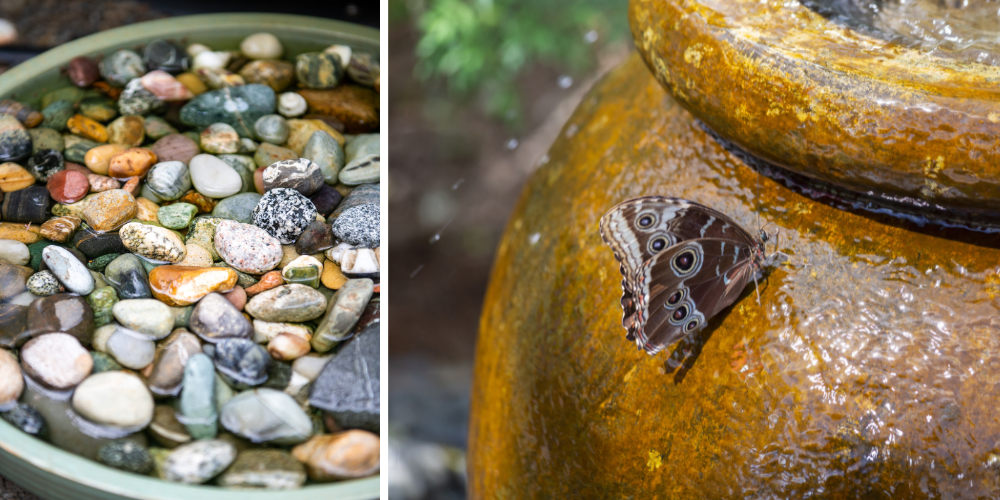
Millcreek Gardens-Salt Lake-City-Utah-Butterfly Gardens-butterfly water sources

Provide Water Sources 
Like all living creatures, butterflies need water to survive, so installing a few safe, fresh water sources in your garden is a surefire way to attract more butterflies to your landscape. Create shallow puddles near your butterfly-attracting plants or place a birdbath somewhere in your garden, ensuring the water is easily accessible for butterflies. Add a few stones or pebbles to provide perching spots and prevent drowning, and remember to keep the water source clean and replenish it regularly.

Understand Native Butterflies 
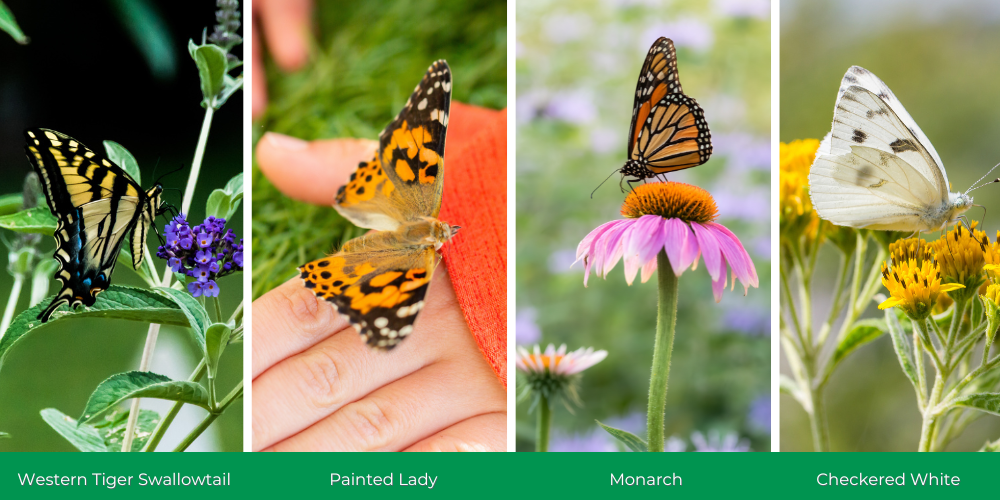
Before embarking on your butterfly-attracting journey, you must first familiarize yourself with your area's native butterfly species, because understanding their preferences, host plants, and nectar sources will help you tailor your garden to their needs. Research local resources or consult with local gardening experts to gain insights into the specific butterflies you can expect to attract. Common butterflies in the Salt Lake City area include the Western Tiger Swallowtail, Painted Lady, Monarch, and Checkered White. 

Millcreek Gardens-Salt Lake City-Utah-Native butterflies

Creating a butterfly-friendly garden is an incredibly rewarding experience, and choosing the right plants to attract them is a key step. By understanding your local butterfly species, providing them with native host plants and water sources, and avoiding harmful chemicals, you can support these beautiful creatures, contributing to the conservation of butterflies and the overall health of your local ecosystem. Get ready to enjoy the enchanting presence of butterflies in your backyard with our Riverbottom butterfly kits and a healthy handful of butterfly-attracting plants, all available at Millcreek Gardens!

With the heat of July gearing up, you might be wishing you had more shade in your Salt Lake City garden. The good news is that it's never too late to plant trees for shade, and many varieties only take a few short years to flourish. Choosing the right trees for your space is important, though, so we’ve chosen our favorites for Utah to get you started!

Millcreek Gardens-Salt Lake City-Utah-Pacific Maple tree

Pacific Maple
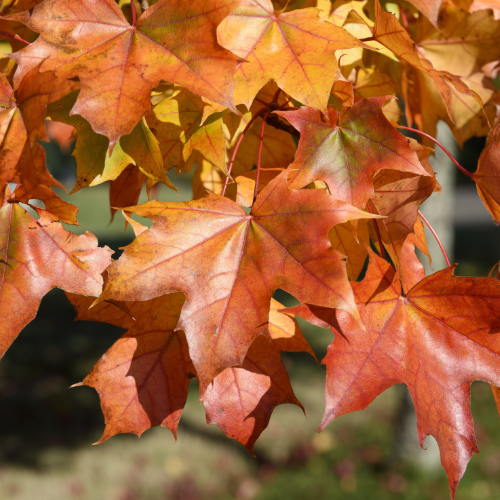
The Pacific Sunset Maple makes an excellent shade tree for Utah landscapes, maintaining its round shape consistently and adapting well to both heat and drought. Its dark green foliage and upward growth habit keep this tree looking attractive all spring and summer before putting on its fall color show of yellow, orange, and even red. When planting this slow-growing variety in your garden, make sure to leave enough space for its mature height of 30 feet tall and 25 feet wide, and allow it to bask in full sun if possible.

Main Street Maple
Sometimes known as the Shantung Maple, this “no-brainer” shade tree could be the perfect fit for your Utah landscape this year and is commonly considered one of the best. With its beautiful color-changing habit, starting off maroon in the spring, turning green during the summer, and then exploding into shades of reds, oranges, yellows, and purples in the fall, this is a shade tree worth waiting for! This slower-growing tree reaches 30’ at maturity, and can be expected to live for up to 70 years!

Millcreek Gardens-Salt Lake City-Utah-The Best Shade Trees-bigtooth maple

Bigtooth Maple 
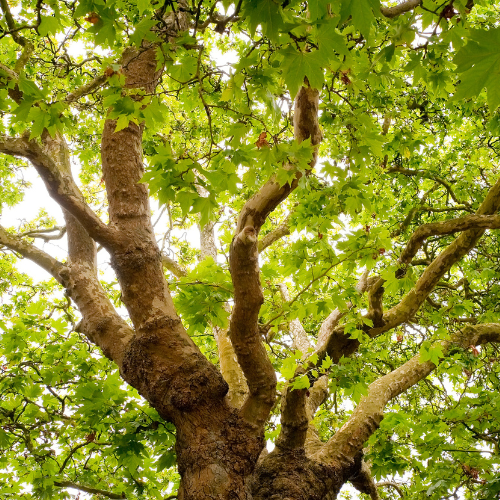
An excellent shade-tolerant choice, the Bigtooth maple is a perennial native to Utah, and is also shade-tolerant, meaning you can plant it anywhere! Being drought-tolerant and capable of handling urban pollution makes this a very adaptable tree, but its rather tall canopy (about 7’ from the ground) means it should be planted clear of power lines. 

Hybrid Norway Maple
A dense, deciduous tree with a lovely oval shape, this maple prefers full sunlight and can be planted just about anywhere in a garden with its small mature size of 35’, but should also be kept clear of power lines.

Millcreek Gardens-Salt Lake City-Utah-The Best Shade Trees-english oak tree

English Oak
You’ll want to clear the way for this shade tree and its stately size and stature. Growing faster than most other elm varieties, the mature height is 60’ and similar in width. This is the perfect shade tree if you’ve got the room, and promises a long and loyal stay in your garden—up to 300 years!

Frontier Elm
One of our favorites here at Millcreek Gardens, the Frontier elm is particularly resistant to diseases and insect attacks, as well as being a quick-grower. Its smaller size makes it the best choice for creating shade in any area, and can be used wonderfully in garden settings for shade, as well as in urban settings.

Millcreek Gardens-Salt Lake City-Utah-The Best Shade Trees-Eastern redbud tree

Eastern Redbud 
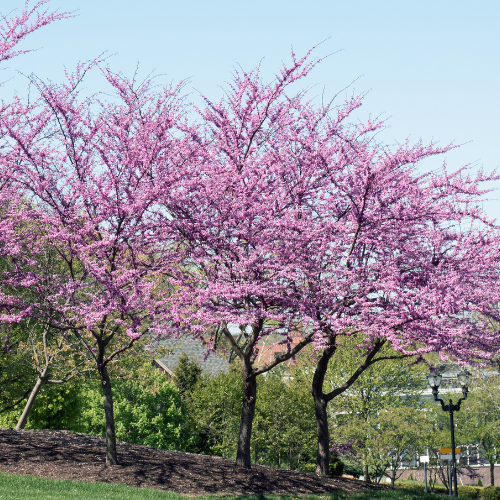
A redbud tree in bloom can be a memorable occasion, displaying small magenta buds that burst into pretty pink flowers before the leaves appear. Reaching a mature height of about 30’, this is one of the best ornamental shade trees we hope you’ll try in Salt Lake City. The Eastern redbud also looks stunning planted in groups together for a showy and colorful spring show! Fun fact: did you know that Redbud blossoms are edible!?

Japanese Zelkova
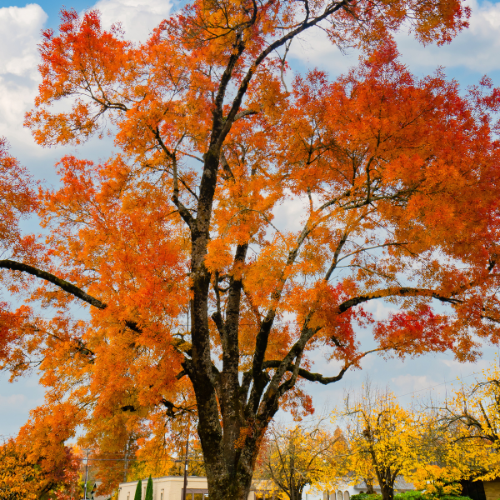
This tough, deciduous tree is another top pick for residential shade planting and also one of the prettiest! Native to Asia, the Zelkova is fairly drought-tolerant once established and is primarily chosen for its beautiful cascading growth pattern and vibrant coppery shades in the fall.

Millcreek Gardens-Salt Lake City-Utah-The Best Shade Trees-the tulip tree

Tulip Tree
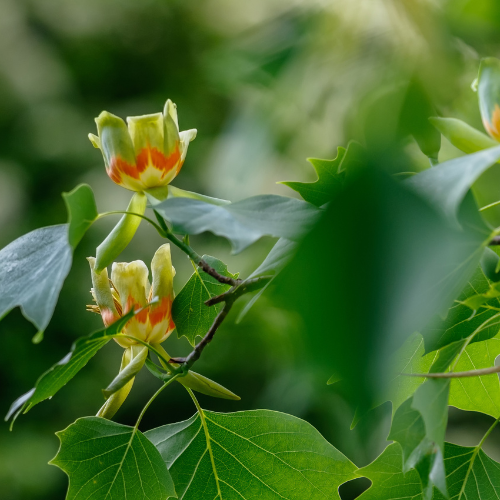
This large-growing tree is an exciting ornamental shade tree we love here in Utah, and is the tallest native hardwood tree in North America. Growing upwards of 100’, this isn’t the tree to plant if you’re cramped for space. With yellow tulip-shaped flowers in the spring, dazzling green leaves in the summer, and foliage that turns bright gold in the fall—this is certainly one of the most magnificent shade trees you might find in our area, and one to add to your list if you have the space to let it grow uninhibited!

If you’re ready to start selecting some of the best shade trees for Utah, look no further! Here at Millcreek Gardens we’ve got the advice you need to keep your landscape cool for years to come and would love to be a part of your next tree planting adventure!

Millcreek Gardens-Salt Lake City-Utah-Growing Sunflowers-Large sunflower blooms

No flower shines brighter than a sunflower, and as much as they inspired artists like Van Gogh and Monet, sunflowers remain one of the most iconic representations of summer wildflowers to this day. Not only are they easy to grow, they are usually the largest, boldest addition you can make to a garden, with some varieties—like the Mammoth— towering up to 12 feet tall!

Beyond their summer beauty, sunflowers are great flowers to grow for wildlife and humans, and they have been cultivated and used as a food source since 1000 BC. Ready to plant a few of your own? Here is everything you need to know about sunflower care in your Utah garden this year!

How Do You Take Care of a Sunflower Plant in Utah?

While sunflower care is not hard, it helps to know how to give these titans the best start in life for a long and dazzling summer show. Sunflowers are very adaptable plants, being pest resistant, heat tolerant, and grow very fast. Here are some tips for a happy Helianthus to keep them growing strong! 

Soil
Sunflowers are very large seed-producing plants, so they need some good, fertile soil to make the most of their summer in your garden. Utah has the perfect sandy, well-draining soil to keep sunflowers in tip-top shape, but add some good organic matter like leaf mold or compost for extra nutrients. The ideal soil for growing sunflowers is slightly acidic, with a pH between 6.0-6.8.

Millcreek Gardens-Salt Lake City-Utah-Growing Sunflowers-watering sunflower crop

Water
While many annuals relish in a steady water supply over hot summer days, sunflowers, in particular, will need more than others to keep up their rapid growth and size. Taller varieties should never be allowed to dry out and may not recover from a prolonged dry spell, so check flowers daily and water every day during long, hot weather conditions.

Sun
True to their name, these bright beauties need full sunlight to grow their best, so be sure to plant them where they can receive 6-8 hours of direct sun each day. Young sunflowers follow the movement of the sun, starting in the east and stopping in the west before returning back again, but when a flower reaches maturity, they will stay fixed on the east for the rest of their lives. This heavy sun exposure is beneficial on many levels and helps to attract bees who naturally prefer to pollinate warmer blossoms. 

Space
Many varieties of sunflowers get really big, which is a large part of their appeal for many people. The ideal scenario for large varieties of sunflowers like Mammoth and Earthwalker is to plant them from seed in the garden and allow them to grow undisturbed from spring through summer; this ensures the roots have plenty of room to stretch out their long tap roots without disturbance; many varieties of these titan sunflowers don't survive later transplants once flowering has begun. 

If you're growing sunflowers in pots, give them plenty of room for their taproot to sustain their height and try to plant either from seed or when still a young seedling. Smaller sunflower varieties, such as Italian White, Sensation Flame, and Sunfill Green, are best for containers. 

Stability
Because of the impressive height of many sunflowers, part of their care should include staking to prevent breakage caused by wind or other disturbances. Many gardeners choose to plant giant sunflowers in front of a fence where it is easy to anchor stems, but if your sunflower is growing in a container or as a stand-alone, use a bamboo cane for added support.

Food
It is generally recommended not to feed sunflowers too much, but right before flowering, you can apply some tomato feed to the plant for extra nutrients for new blooms. 

Growing sunflowers in Salt Lake City is a rewarding gardening experience. With the proper care and attention, you can have beautiful, sun-loving blooms that you can enjoy all summer long, and watch the wildlife savor the seeds in the fall. If you need more advice on the best sunflower care in Utah, come see us today. We have plenty of varieties available, including multifloral starts for Utah's favorite roadside sunflowers.