When designing a garden or landscape, native plants offer a beautiful and sustainable solution. Incorporating native landscaping practices into your Salt Lake City backyard not only enhances the visual appeal of your outdoor space but also supports local ecosystems, conserves water, and reduces maintenance. In this guide, we’ll explore the best native plants for Salt Lake City gardens, their benefits, and why incorporating them is essential for any landscape!

The Benefits of Native Landscaping in Salt Lake City

Here’s why you should be growing native plants in your Utah landscape this summer:

Adaptability and Resilience:

Native plants are naturally adapted to our local climate and soil conditions, making them more resilient to drought, pests, and diseases. These adaptations also reduce the need for water, fertilizers, and pesticides, ensuring a healthy and thriving garden with minimal effort.

Water Conservation:

Native plants are typically drought-resistant and water-wise, thriving on natural rainfall. Using these plants can significantly reduce your garden’s annual water usage. 
Support for Local Wildlife:

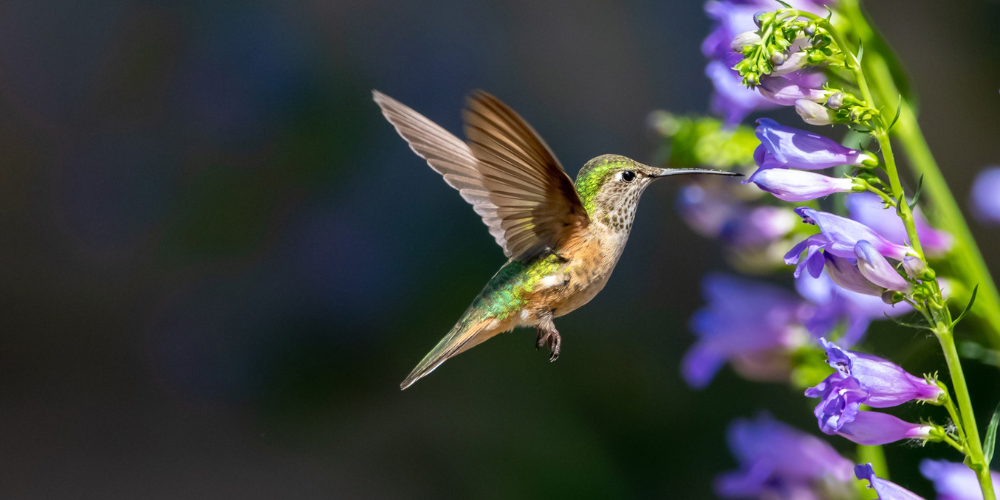
Native plants provide essential resources for local wildlife and birds, including pollinators like bees, butterflies, and hummingbirds. These plants have co-evolved with local fauna, offering the necessary nectar, pollen, and shelter they need to survive and thrive. For example, California quail enjoy food from Oaks and Manzanita as well as shelter from rabbitbush.

Low Maintenance:

Once established, native plants require less maintenance than non-native species due to their natural resistance to local pests and diseases, reducing the need for chemical interventions and ongoing care.

Best Native Plants for Salt Lake City Landscapes

For a striking and sustainable native garden, try these versatile beauties:

Perennials:

Penstemon: There are over 70 native species of Penstemon in Utah, with various colors including red, pink and blue. These tall blooms add striking beauty to any garden design. Firecracker Penstemon,known for its red, tubular flowers, attracts hummingbirds and blooms in early summer. Wasatch Penstemon is a beautiful blue, and Pineleaf Penstemon is a groundcover in red, orange, & yellow.

Utah Agave: This succulent adds stunning architectural interest and requires minimal water and maintenance.

Columbine: Native to higher elevations in the Rocky Mountain West, this flower attracts hummingbirds and blooms for 4-6 weeks in spring to early summer.

Globemallow: This shrubby perennial touts numerous large orange flowers on wand-like clusters. The leaves offer a woolly gray foliage, adding interest in your yard.

Grasses:

Blue Grama: A hardy grass that requires minimal water and adds a natural prairie look to your landscape. ‘Blonde Ambition’ is a popular cultivar in Salt Lake City.

Indian Ricegrass: This attractive grass adds texture to your garden and provides seeds that are a favorite food source for local wildlife.

Big Blue Stem: This 2-5’ tall grass is a great native substitute for Miscanthus. ‘Blackhawks’ has dark burgundy foliage.

Shrubs and Bushes:

Curl-Leaf Mountain Mahogany: This evergreen shrub is highly drought-tolerant and provides year-round structure to gardens.

Rabbitbrush: With bright yellow flowers in late summer, this shrub is excellent for attracting pollinators.

Fourwing Saltbush: This versatile shrub thrives in the salty, alkaline soils that are typical of our region and adds interesting texture to your landscape with its showy seed clusters.

Manzanita: A medium sized, dense evergreen shrub with egg-shaped shiny leaves with a somewhat spreading habit.

Big Sagebrush: Known for its silvery-gray foliage and aromatic leaves, this iconic shrub is both drought-tolerant and low-maintenance.

Trees:

Utah Serviceberry: This small tree offers beautiful white spring flowers, edible berries, and vibrant fall colors.

Gambel Oak: A drought-tolerant oak that adds a natural woodland feel to landscapes and provides habitat and food for our local wildlife. Can be used to make communities of small trees.

Chitalpa: This tree is a unique cross between two native trees – a Catalpa and a Chilopsis (Desert Willow). It has showy blooms with large broadleaf leaves.

Rocky Mountain Juniper: This evergreen tree is highly drought-resistant and offers year-round interest with its blue-green foliage and berry-like cones.

Designing a Native Plant Garden

Picked up your plants but stuck on design? Try these expert tips to make your native plants work in any landscape:

Assess Your Space: 

Understanding the specific conditions of your garden—including soil type, sunlight, and existing vegetation—will help you choose the most suitable native plants for your landscape

Plan for Year-Round Interest:

Select a mix of plants that bloom at different times of the year and combine perennials, grasses, shrubs, and trees to create a dynamic landscape that offers visual interest throughout the seasons.

Create Microclimates:

Use rocks, mulch, and berms (mounded areas) to create different microclimates within your garden. This unique approach allows you to mimic natural habitats and support a diverse range of plants.

Group Plants by Water Needs:

Even among native plants, water requirements can vary. Grouping plants with similar water needs together helps you water more efficiently, leading to reduced water use, lower maintenance costs, enhanced biodiversity, and improved resilience against local pests and diseases. This is called hydrozoning.

Incorporating native plants into your Salt Lake City landscape is a smart choice that blends beauty with sustainability. By choosing species that are adapted to our local environment, you can create a garden that thrives with minimal intervention, supports local wildlife, and conserves valuable resources. Whether you are an experienced gardener or just starting, native landscaping in Salt Lake City offers a rewarding way to connect with the natural beauty of Utah.

Need more advice? Come see us today at Millcreek Gardens to get your native garden growing now!
Springtime brings a burst of life and color to our Salt Lake City gardens, offering a prime opportunity to cultivate a flourishing oasis right in our backyards. In this spring planting guide, we’ll discuss some of our top plant picks for your landscape while also helping you navigate the unique challenges and opportunities of gardening in Salt Lake City! 

Understanding Salt Lake City’s Climate

Before digging into some planting specifics, it’s crucial to understand our local climate. Located in a semi-arid region, Salt Lake City experiences hot, dry summers and cold, snowy winters. The USDA Hardiness Zone for Salt Lake City ranges from 5b to 7a, indicating a diverse climate with varying temperatures and growing conditions. Spring is characterized by cool mornings and warm, mild afternoons, making it an ideal time for planting a wide variety of vegetables and flowers.

Millcreek Gardens-Salt Lake City-Utah-Spring Planting Guide-zucchini
Best Vegetables for Salt Lake City Gardens

No Salt Lake City landscape is complete without a vibrant vegetable garden, so here are a few of our personal favorites to plant in your veggie patch this spring:

Tomatoes: Tomatoes thrive in garden beds with plenty of sunlight and well-draining soil, and varieties like Early Girl and Celebrity thrive in Salt Lake City’s climate. Start your seeds indoors in early spring and transplant them outdoors after the danger of frost has passed—sometime between May 11-20th. Plant seedlings a few inches deep for stronger plants. 

Peppers: Bell peppers, jalapenos, and Anaheim peppers do well in our warm summers and can be grown in both garden beds and containers as long as they receive full sun and consistent moisture! Start pepper seeds indoors 8-10 weeks before the last frost date. 

Lettuce: Varieties like Romaine, Butterhead, and Red Leaf lettuce can be planted in early spring as soon as the soil is workable and are perfect for both garden beds and containers, especially in areas with partial shade to protect them from the midday sun. Succession planting also works great with lettuce crops, ensuring a continuous harvest all season long as the early crop tends to bolt and flower in the hot weather, giving the leaves a bitter taste. 

Carrots: Carrots are typically grown in garden beds with loose, sandy soil, but can also thrive in deep containers. Sow your carrot seeds directly into well-draining soil in early spring for a bountiful summer harvest, and keep the soil consistently moist for the best and tastiest results. 

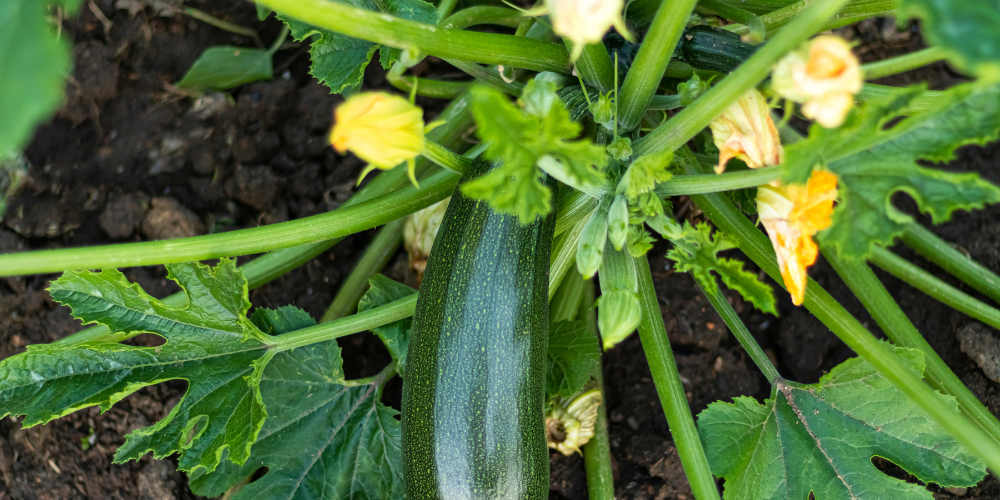
Zucchini: This prolific summer squash thrives in Salt Lake City’s warm temperatures and requires ample space to sprawl, making it ideal for garden beds with plenty of room to spread out. You can plant your seeds directly in your garden after the danger of frost has passed, usually around Mother’s Day. Zucchini can also be staked and grown vertically to save space and reduce chances of squash bore. 

Best Flowers for Salt Lake City Gardens

Nothing fills your outdoor space with springtime cheer quite like the vibrant blooms of your favorite flowers. Here are a few of ours:

Lilacs: These fragrant flowering shrubs are versatile in our climate, but for best results, plant them in well-draining soil and full sun. Lilacs can be planted in garden beds as focal points or choose a dwarf variety to grow in a large container to add vertical interest to patios and decks.

Tulips: These early spring bloomers add a splash of color to any garden; simply plant their bulbs in the fall for a stunning display the following spring. Tulips are best planted in garden beds in clusters or rows for maximum impact, but can be placed in rows or dotted throughout your landscape.

Daffodils: These cheerful flowers are deer and squirrel-resistant and easy to grow in garden beds, along borders or pathways, or in grassy areas for a more relaxed, natural look. Plant bulbs in the fall and enjoy their vibrant blooms in early spring. 

Pansies: These cold-hardy annuals are perfect for adding cheerful hues to early spring gardens, and we love to plant them in containers or borders for a pop of color. However, pansies are versatile plants that can be grown in garden beds, hanging baskets, or decorative containers to brighten up any outdoor space—even small balconies!

Millcreek Gardens-Salt Lake City-Utah-Spring Planting Guide
Best Native Plants for Utah

Not only are Utah’s many native plants absolutely stunning, but they also play a vital role in maintaining our local biodiversity. Here are some of our top native plant picks to try in your garden this spring:

Utah Agave: With its striking rosette of spiky leaves, this native succulent is drought and cold-tolerant and visually appealing.

Utah Juniper: The Utah juniper is a hardy evergreen tree that is perfect for adding texture and year-round greenery to the landscape.

Rocky Mountain Penstemon: Known for its vibrant blue-purple flowers, this native perennial attracts pollinators  and thrives in Salt Lake City’s climate.

Utah Serviceberry: Producing clusters of white flowers in spring and edible berries in summer, this native shrub brings both beauty and utility to your Salt Lake City garden.

Columbines: These native perennials are well-adapted to Salt Lake City; plant them in partial shade and enjoy their unique, spurred flowers. Columbines are ideal for planting in garden beds along shady borders or in woodland gardens, where they can naturalize and spread over time.

Tips for Successful Spring Planting in Salt Lake City

Getting ready for the growing season can often be an overwhelming task. To help you out, here’s a handy spring garden preparation checklist

  1. Soil Preparation: Before planting, amend your soil with organic matter such as compost to improve drainage and fertility. Some we like include: G & B Acid Planting Mix and Dr. Earth Vegetable Garden Mix. 
  2. Watering: Be mindful of Utah’s water-wise gardening practices and water deeply but infrequently to promote deep root growth.
  3. Mulching: Apply a layer of mulch around plants to conserve moisture, suppress weeds, and regulate soil temperature.
  4. Frost Protection: Keep an eye on the weather forecast and protect your tender plants from late spring frosts with row covers or cloches.
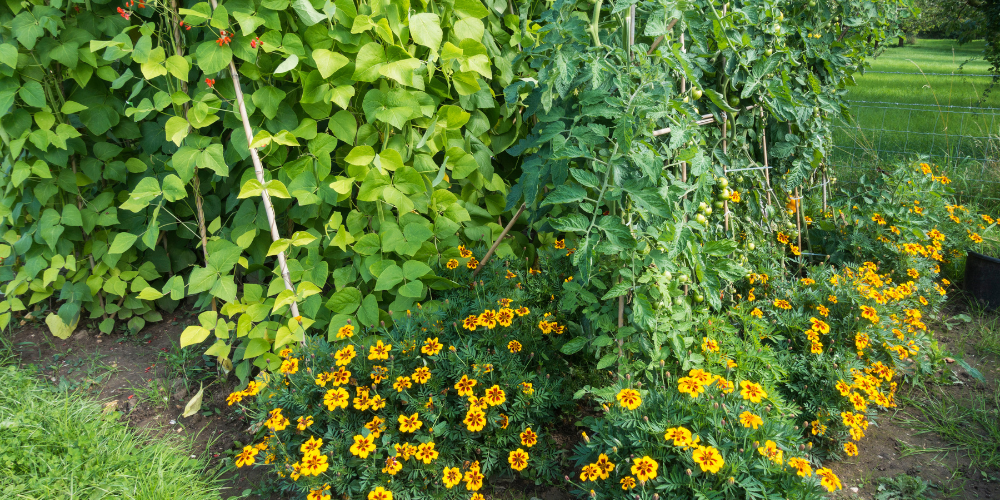
  5. Companion Planting: Take advantage of companion planting principles to maximize garden space and deter pests naturally—for example, marigolds help repel pests in your veggie garden!

Millcreek Gardens-Salt Lake City-Utah-Spring Planting Guide-companion planting marigolds-beans

With proper planning and care, spring planting in Salt Lake City can yield a bounty of vegetables and flowers that both delight the senses and nourish the soul. By selecting the right plants, following best practices, and staying attuned to our region’s unique needs, you can create a vibrant and thriving garden that brings joy and beauty year after year. So, roll up your sleeves, dig into the dirt, and let the magic of spring gardening begin!

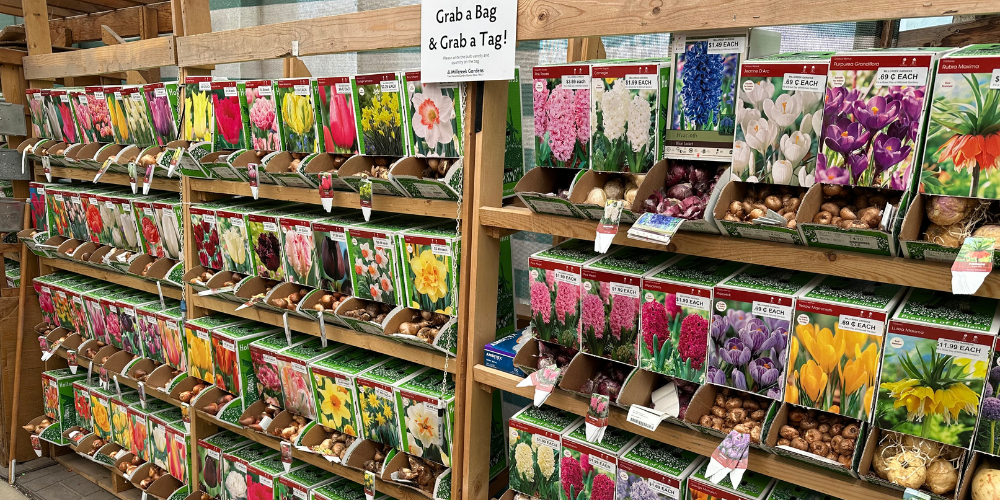
Spring flowers are one of the most magical sights to behold after a long and cold Utah winter, but did you know the magic of spring blooms actually begins in the fall? Planting spring-flowering bulbs right now sets the stage for a spectacular early-season show. In this comprehensive guide, we'll dig into the art of planting tulips, crocus, daffodils, iris, and more!  

Millcreek Gardens-Salt Lake City-Utah-Planting Spring Flowering Bulbs in Fall-spring bulbs for sale

Why Should I Plant Spring-Flowering Bulbs in the Fall? 
As you probably know, spring-flowering bulbs require a chilling period of a minimum of 13 weeks. This makes Utah’s cold winter climate the perfect place to grow these beauties. Planting these bulbs in the fall gives them loads of time to establish strong root systems before the chili winter sets in, helping them gather enough nutrients and moisture from the soil to ensure a robust and healthy start in the spring. Cool temperatures allow robust root growth to sustain the bulb. The cold winter weather also triggers the bulbs' dormancy, assisting them to store energy for their stunning spring debut! 

Choosing the Right Bulbs for Salt Lake City 
Before you start planting, it's important to choose the right bulbs for your Salt Lake City garden. Here are some popular choices that thrive in our region: 

1. Tulips

Tulips are one of the most iconic spring-flowering bulbs and are available in various colors and shapes that add vibrancy to any garden. For Salt Lake City, consider planting three seasons of blooms, early (Fosteriana), mid (Darwin Hybrid & Triumph), and late (long stemmed, Lily, Fringed, Parrot, Bunch Flowering) for extended spring blooms. Bunching Flowering are LaRene’s favorite! 

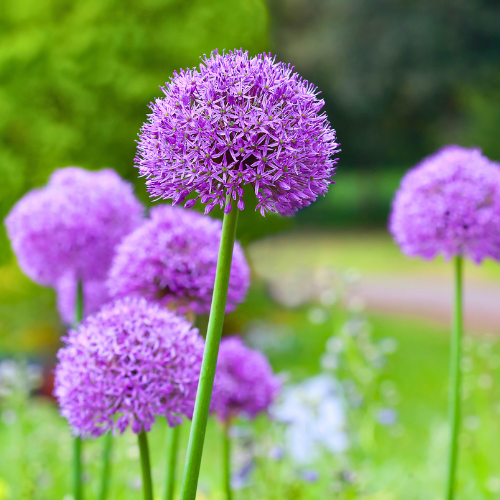
Millcreek Gardens-Salt Lake City-Utah-Planting Spring Flowering Bulbs in Fall-alliums

2. Crocuses

Crocuses are among the earliest bloomers in spring, often poking right up through the snow. These cheerful, low-growing flowers come in shades of purple, white, and yellow and are perfect for naturalizing your garden. 

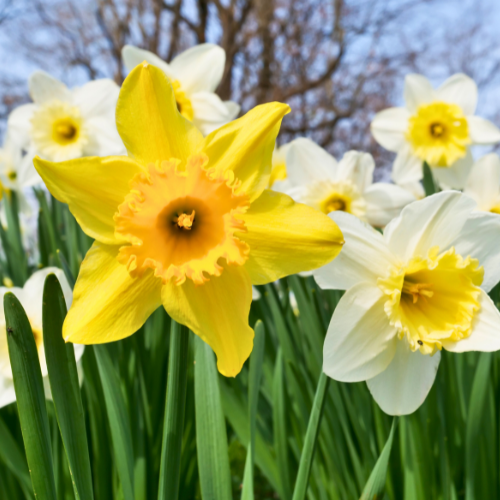
3. Daffodils (Narcissus)

Daffodils are hardy and reliable spring flowering plants, making them an excellent choice for Utah gardens. Their bright yellow or white petals and trumpet-shaped centers always create a stunning display! Consider planting the unique multi stem or split corona varieties. Daffodils are also the very best for naturalizing because of their strong reblooms for years to come. 

4. Irises

Irises come in a great selection of colors and sizes, making them an easy flower to fit into any garden design. They are also well-suited to Salt Lake City's climate and can be planted alongside other spring-flowering bulbs for a dynamic garden bed. 

5. Alliums

The unique globe-shaped blooms of alliums, or ornamental onions, add a unique flourish to your garden. These bulbs are known for their deer resistance and make for show-stopping focal points in any garden design. They come in extra-large to small, from pink blooms to purple shades and white. 

Preparing Your Garden for Planting 
Now that you've chosen your bulbs, it's time to prepare your garden for planting! Follow these steps to ensure a successful bulb-planting experience: 

Location, Location, Location 
We suggest choosing a sunny spot in your garden for your bulbs, as they need at least six hours of sunlight daily to thrive. You should also make sure the soil drains well to prevent waterlogging your bulbs, which can cause rot. 

Soil Preparation 
Give bulbs a good home. Feed your soils by adding compost generously to the soil. It's crucial to amend the soil to provide optimal conditions for your bulbs. Be sure to add some bulb food too! 

Digging to the Right Depth 
The depth at which you plant your bulbs depends on their size. As a general rule, you should plant your bulbs at a depth that is around three times their bulb height. For example, if a bulb is 2 inches tall, planting depth should be around 6 inches deep. 

Proper Spacing 
Space your bulbs according to the recommended distance on the bulb packaging. Proper spacing allows for better air circulation and prevents overcrowding. 

Planting Technique 
For best results, plant your bulb in the hole with the pointed end facing up. Cover the bulb with soil and gently pat it down to remove air pockets. Finally, water thoroughly after planting to help settle the soil. 

Bonus Tip: Plant Some Pansies 
One of our favorite design tips is to plant pansies over your bulbs! Pansies are hardy, cool-season annuals that can actually survive our winters, providing an extra burst of early-season color come spring and brightening up your landscape during the colder months. Check out the Capitol Building or the gardens at Temple Square. 

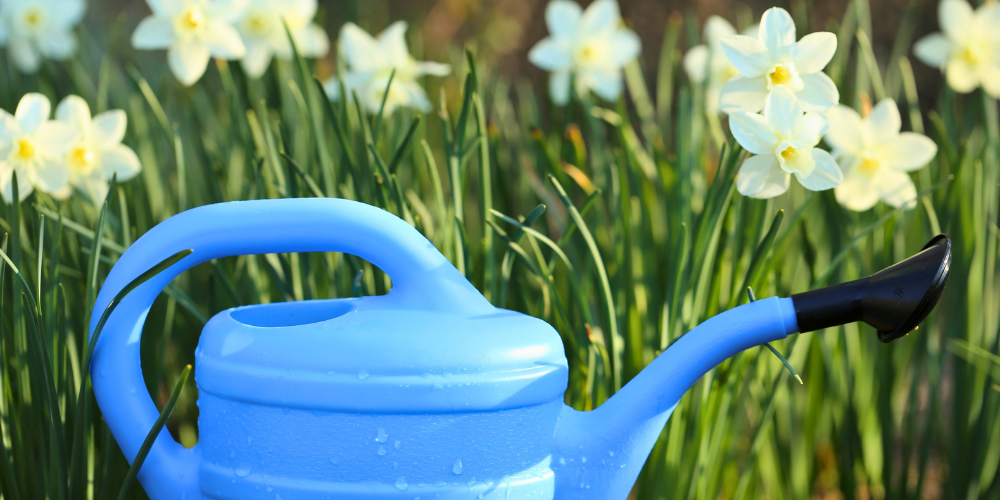
Millcreek Gardens-Salt Lake City-Utah-Planting Spring Flowering Bulbs in Fall-watering can

Caring for Your Spring-Flowering Bulbs 
Just because your bulbs are in the ground doesn't mean your work is over! To ensure a stunning spring display, follow these care tips: 

1. Mulch: Apply a layer of mulch over your planted bulbs to help regulate soil temperature, retain moisture, and prevent weed growth. 

2. Watering: When watering your bulbs, keep the soil evenly moist but not waterlogged, especially during dry spells in the fall. Avoid overwatering, as bulbs can rot in soggy conditions. 

3. Fertilization: Spread a balanced, slow-release fertilizer amongst your bulbs in the spring as the shoots emerge to provide them with the nutrients they need for flowering. 

4. Deadheading: Once your spring-flowering bulbs have finished blooming, remove any spent flowers to encourage them to store their energy for the next year. 

Getting your spring-flowering bulbs into the ground now will ensure a rewarding garden next year. If you ever feel stuck, don't hesitate to stop by Millcreek Gardens for more planting advice to help you move into fall with confidence—and to check out our selection of beautiful bulbs! 

Just because summer is over doesn't mean you have to stop enjoying your outdoor space! Here are some of our favorite ways to say goodbye to summer days and celebrate the beautiful harvest season in style. 

What Should I Plant in My Fall Garden
If you haven't already started your fall planting, we recommend you do so now! Incorporating these vibrant seasonal plants into your autumn garden design is just one of the many ways you can make the most of the season's spectacular color show:

Sunsparkler Series Sedum: We love these low-growing succulents for their brilliant foliage. Transforming from green to rich reds and purples as the temperatures drop, these beauties make an excellent groundcover and provide a unique touch of fall flavor to your Salt Lake City garden.

Tiger Eye Sumac: This deciduous shrub is a showstopper in the fall garden, with fern-like foliage turning brilliant shades of orange and red.

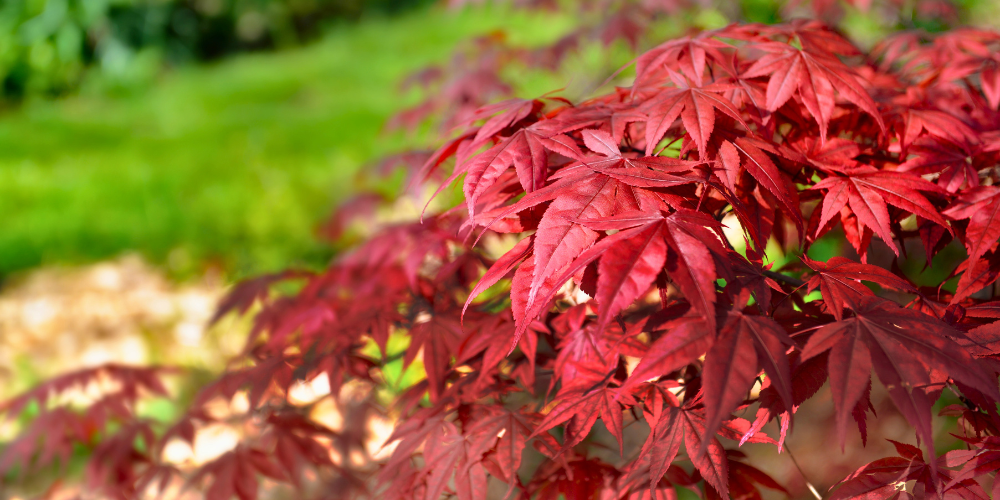
Maples, Aspens, and Japanese Maples: These trees are famous for their vibrant autumn foliage. Sugar maples are renowned for their fiery red leaves, aspens create a shimmering sea of gold, and Japanese maples offer a more delicate touch with their crimson hues.

Design Ideas for Your Autumn Garden
Seasonal plants aren't the only way you can infuse your Salt Lake City garden with the enchanting colors of fall. Let's dive into some design ideas to make your autumn garden truly spectacular:

Foliage Focal Points
Create focal points in your garden by strategically planting trees and shrubs that boast striking autumn foliage. A Japanese maple near a seating area adds vibrant color and textures, while Tiger Eye Sumac can be used to frame the entrance to your garden and create a warm, inviting atmosphere.

Seasonal Containers
Change up your garden's vibe and add versatility to your autumn landscape with seasonal containers! Place these containers around your garden to provide bursts of color that complement the changing foliage and greet company at the front door. We love packing ours full of mums, ornamental kale, and pansies in rich fall hues.

Ornamental Grasses
Ornamental grasses are not only low-maintenance but also provide a lovely contrast to the bold colors of autumn. Consider planting varieties like 'Karl Foerster' feather reed grass or switchgrass, which sway gracefully in the autumn breeze, adding movement and texture to your garden.

Fire Pits and Cozy Seating
As the weather cools, make your garden a cozy place to gather with friends and family. Adding features like a fire pit or outdoor fireplace surrounded by weatherproofed or covered seating to your landscape design creates a welcoming spot to enjoy the crisp fall evenings, roast marshmallows, and sip on warm cider.

Incorporate Hardscaping Elements
Enhance the autumnal charm of your garden with hardscaping elements. Installing natural stone pathways or a rustic wooden pergola draped with fall-blooming vines like clematis provides structure to your garden while allowing the natural beauty of fall to shine through.

Native Plants for Sustainability
A final seasonal tip is to incorporate native Utah plants into your autumn garden design. Not only are they well-suited to the local climate and require less water and maintenance than other non-native varieties, but they also support local wildlife and pollinators. Some of our favorite native options include Utah serviceberry, desert marigold, and Gambel oak.

Lighting for Ambiance
As the days grow shorter, well-placed outdoor lighting can extend the enjoyment of your garden into the evening. Use soft, warm lighting to highlight the beauty of your autumn garden, creating a magical atmosphere for nighttime gatherings.

Maintenance Tips for Your Autumn Garden
Now that you've got your autumn garden set up exactly how you want it, here are a few maintenance tips to help you keep it looking its best:

1. Regularly rake and remove fallen leaves to prevent them from smothering your plants and creating a slippery surface.

2. Prune deciduous trees and shrubs after they've shed their leaves to maintain their shape and promote healthy growth for the spring.

3. Keep an eye on your garden's watering needs, as plants may still require moisture during the fall. Adjust your watering schedule based on weather conditions.

4. Mulch your garden beds to insulate plant roots and conserve moisture. Use organic mulch like shredded leaves or wood chips for an extra layer of autumn charm.

Switching to an autumn garden design is a rewarding and visually-stunning experience. The unique blend of colors and textures brought to us by this spectacular season is a natural gift that deserves to be celebrated, so come visit the garden center today to stock up on fall plants, mulch, and expert harvest advice you'll need to do it right!

September is a super month for getting those garden chores done, and one of our favorite ones to tackle every fall is dividing perennials. Not only is it a lot of fun, we don’t think there’s a better way to get free plants! Dividing perennials comes with a host of health benefits in the garden, too, so let’s dig in and find out the best way to grow your green family and spread the perennial love this season. 

The Benefits of Dividing Perennials in Salt Lake City
As if getting FREE plants wasn’t good enough, here are all of the other reasons you need to separate those overgrown beauties this fall:

Promotes Plant Health and Vigor
We have a pretty unique climate here in Utah, with some hot summers and cold winters that can be challenging for some plants. Dividing perennials is an effective way to rejuvenate older plants, ensuring they remain healthy and vigorous. As perennials grow, their root systems can become crowded, leading to reduced flower production and overall vitality. Dividing them every few years allows you to refresh the soil around the plants and encourage new growth.

Adapt to Salt Lake City's Climate
Salt Lake City's diverse microclimates demand adaptable plants. Dividing perennials not only revitalizes them but also allows you to relocate or redistribute them according to their specific needs. For instance, you can move sun-loving plants to a sunnier spot, and shade-tolerant varieties to shadier areas, ensuring they thrive in the city's ever-changing weather.

Reduce Maintenance Costs
In a world where water conservation is paramount, maintaining a garden can be expensive! Dividing perennials helps reduce maintenance costs as healthy, well-spaced plants require less watering and fertilizer. By optimizing your garden's layout, you can achieve a more water-efficient and cost-effective landscape.

How to Divide Perennials in Salt Lake City
So, how do you go about getting those free plants, anyway? Here’s how:

1. Timing is Everything!
The ideal time to divide perennials in Salt Lake City is in early spring or early fall. With the mild weather, you’re not as likely to stress your plants out with a transplant. For this reason, try to avoid dividing perennials during the scorching summer months when the heat can be harsh on both the plants and you!

2. Prepare Your Tools
You’ll need some good tools for this job, including a sharp spade or garden fork, a pair of pruners or scissors, a bucket, and gardening gloves. Make sure your tools are clean and well-maintained to prevent the spread of diseases in the garden.

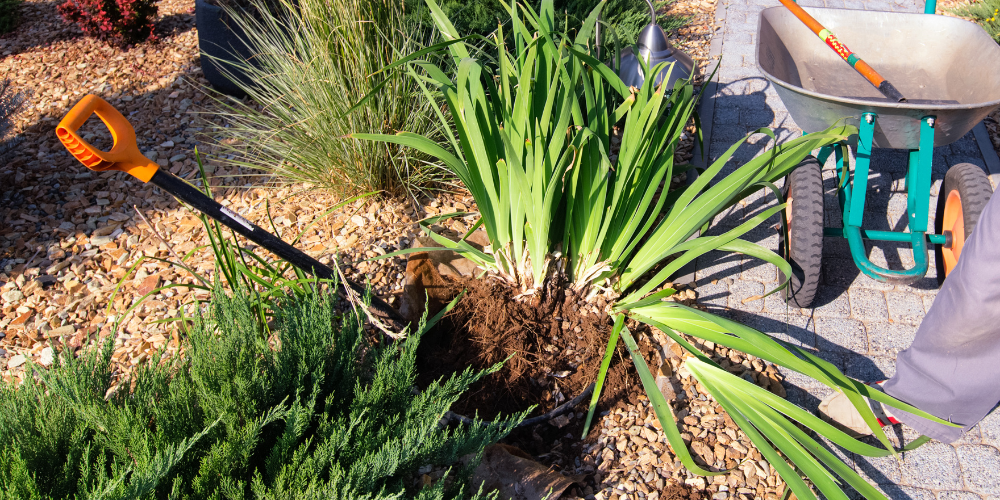
Millcreek Gardens-Salt Lake City-Utah-Dividing perennials guide-digging up iris

3. Dig it Up!
Start by digging around the base of the perennial plant, creating a trench that extends beyond the plant's drip line (the outermost edge of its foliage). Carefully lift the plant out of the ground, taking care not to damage the root ball.

4. Divide and Conquer
Use your clean spade or garden fork to divide the plant into smaller sections. Depending on the plant's size and growth pattern, you may be able to divide it into two or more sections. Ensure that each division has healthy roots and shoots.

5. Replant and Care
Replant your fresh divisions in their new spots, making sure to amend the soil with organic matter if necessary. Water thoroughly to help the roots establish themselves in their new homes, and continue to care for the divided plants as you would for any newly-planted perennials.

Sharing Your Perennials
If you find yourself with more divided plants than you can squeeze into your garden, consider sharing them with others. Here's why it's a fantastic idea!

Strengthens Community Bonds:
Sharing your divided perennials with neighbors, friends, or local gardening clubs fosters a sense of belonging and community. It's a beautiful way to connect with others who share your passion for gardening.

Millcreek Gardens-Salt Lake City-Utah-Dividing perennials guide-daylilies in gardens

Beautify Your Neighborhood:
By distributing divided perennials throughout your neighborhood, you contribute to the overall improvement of your community. Your generosity might also inspire others to invest in their own gardens, creating a more appealing and welcoming environment and increasing food sources for the local pollinators

Dividing perennials in Salt Lake City is not just a gardening practice; it's a way to enhance your garden's health, adapt to the local climate, and reduce maintenance costs. As you dig, divide, and share your perennials, you'll not only witness the growth of your garden, but also the growth of a stronger, more vibrant community. 

So, grab your spade, start dividing, and watch your garden and friendships flourish, but remember to stop by Millcreek Gardens to top up on those important planting supplies today!

Frugal Gardening TipsGardening can be tremendously expensive or nearly free—it depends on your budget, creativity and goals. For the frugal gardener, you might want to harvest an edible or gorgeous garden without breaking the bank. After all, what’s the use of a delectable homecooked meal featuring the literal fruits of your labor when it’s cheaper to get organic produce from the local farmer’s market?
 
Start by shopping for seasonal discounts, just like you do with everything else. If it’s not in season right now, it can probably be scored for a great price. Look for off-season plants or those who are a little past their prime but can still work for you. Pick up seeds as they’re moved to the clearance rack year-round, since their shelf life is much more generous. Exercise your green thumb to bring plants in need of a little TLC back to life.
 
However, savvy shopping is just one way to go frugal.
 
1. Transplant Trading Brigade
 
Every party has a pooper—but that’s a good (and fertile) thing for gardeners. Bring all your gardening friends together for a transplant trading event, since many people have more plants each year than they can use. Late spring is a perfect time to trade duplicate herbs, tomatoes, flowers and other garden favorites. Add a potluck into the mix, featuring garden ingredients, and that’s a party no one will miss.
 
2. Hello, Dolly
 
Dolly the sheep might have given cloning a strange name, but when it comes to plants you can’t beat cloning. Reproducing premium plants via root divisions is easy for the savvy gardener. Once you get into mid season, gather cuttings and root them right away. June is the best month to do this and you can quickly double several crops, from rosemary to geraniums.
 
3. Compost Away
 
There’s no excuse for not composting, especially when it’s so easy to make your own. Why not use your “garbage” to give your garden the fertilizer it craves? Plus, you’re helping the environment at the same time.
 
4. Water Smart
 
Water in the evenings and your plants will be able to enjoy this wet nourishment for longer. Watering in the heat of the day means water will evaporate more quickly, with less of it actually doing the plants any good. Be sure not to over or under water as well.
 
From keeping an eye out for affordable gardening tools, nursery specials and learn cost saving tips from your local gardening store; there’s always a way to save your green in more ways than one.