When designing a garden or landscape, native plants offer a beautiful and sustainable solution. Incorporating native landscaping practices into your Salt Lake City backyard not only enhances the visual appeal of your outdoor space but also supports local ecosystems, conserves water, and reduces maintenance. In this guide, we’ll explore the best native plants for Salt Lake City gardens, their benefits, and why incorporating them is essential for any landscape!

The Benefits of Native Landscaping in Salt Lake City

Here’s why you should be growing native plants in your Utah landscape this summer:

Adaptability and Resilience:

Native plants are naturally adapted to our local climate and soil conditions, making them more resilient to drought, pests, and diseases. These adaptations also reduce the need for water, fertilizers, and pesticides, ensuring a healthy and thriving garden with minimal effort.

Water Conservation:

Native plants are typically drought-resistant and water-wise, thriving on natural rainfall. Using these plants can significantly reduce your garden’s annual water usage. 
Support for Local Wildlife:

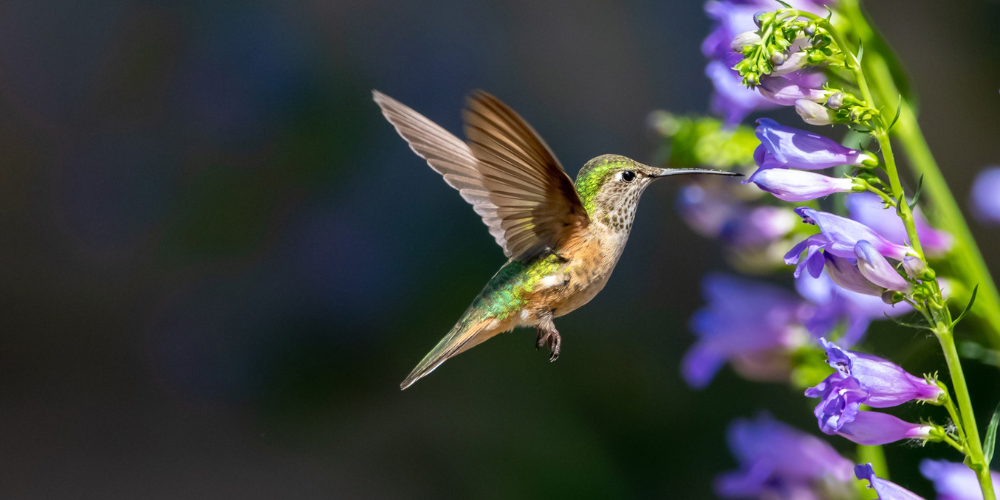
Native plants provide essential resources for local wildlife and birds, including pollinators like bees, butterflies, and hummingbirds. These plants have co-evolved with local fauna, offering the necessary nectar, pollen, and shelter they need to survive and thrive. For example, California quail enjoy food from Oaks and Manzanita as well as shelter from rabbitbush.

Low Maintenance:

Once established, native plants require less maintenance than non-native species due to their natural resistance to local pests and diseases, reducing the need for chemical interventions and ongoing care.

Best Native Plants for Salt Lake City Landscapes

For a striking and sustainable native garden, try these versatile beauties:

Perennials:

Penstemon: There are over 70 native species of Penstemon in Utah, with various colors including red, pink and blue. These tall blooms add striking beauty to any garden design. Firecracker Penstemon,known for its red, tubular flowers, attracts hummingbirds and blooms in early summer. Wasatch Penstemon is a beautiful blue, and Pineleaf Penstemon is a groundcover in red, orange, & yellow.

Utah Agave: This succulent adds stunning architectural interest and requires minimal water and maintenance.

Columbine: Native to higher elevations in the Rocky Mountain West, this flower attracts hummingbirds and blooms for 4-6 weeks in spring to early summer.

Globemallow: This shrubby perennial touts numerous large orange flowers on wand-like clusters. The leaves offer a woolly gray foliage, adding interest in your yard.

Grasses:

Blue Grama: A hardy grass that requires minimal water and adds a natural prairie look to your landscape. ‘Blonde Ambition’ is a popular cultivar in Salt Lake City.

Indian Ricegrass: This attractive grass adds texture to your garden and provides seeds that are a favorite food source for local wildlife.

Big Blue Stem: This 2-5’ tall grass is a great native substitute for Miscanthus. ‘Blackhawks’ has dark burgundy foliage.

Shrubs and Bushes:

Curl-Leaf Mountain Mahogany: This evergreen shrub is highly drought-tolerant and provides year-round structure to gardens.

Rabbitbrush: With bright yellow flowers in late summer, this shrub is excellent for attracting pollinators.

Fourwing Saltbush: This versatile shrub thrives in the salty, alkaline soils that are typical of our region and adds interesting texture to your landscape with its showy seed clusters.

Manzanita: A medium sized, dense evergreen shrub with egg-shaped shiny leaves with a somewhat spreading habit.

Big Sagebrush: Known for its silvery-gray foliage and aromatic leaves, this iconic shrub is both drought-tolerant and low-maintenance.

Trees:

Utah Serviceberry: This small tree offers beautiful white spring flowers, edible berries, and vibrant fall colors.

Gambel Oak: A drought-tolerant oak that adds a natural woodland feel to landscapes and provides habitat and food for our local wildlife. Can be used to make communities of small trees.

Chitalpa: This tree is a unique cross between two native trees – a Catalpa and a Chilopsis (Desert Willow). It has showy blooms with large broadleaf leaves.

Rocky Mountain Juniper: This evergreen tree is highly drought-resistant and offers year-round interest with its blue-green foliage and berry-like cones.

Designing a Native Plant Garden

Picked up your plants but stuck on design? Try these expert tips to make your native plants work in any landscape:

Assess Your Space: 

Understanding the specific conditions of your garden—including soil type, sunlight, and existing vegetation—will help you choose the most suitable native plants for your landscape

Plan for Year-Round Interest:

Select a mix of plants that bloom at different times of the year and combine perennials, grasses, shrubs, and trees to create a dynamic landscape that offers visual interest throughout the seasons.

Create Microclimates:

Use rocks, mulch, and berms (mounded areas) to create different microclimates within your garden. This unique approach allows you to mimic natural habitats and support a diverse range of plants.

Group Plants by Water Needs:

Even among native plants, water requirements can vary. Grouping plants with similar water needs together helps you water more efficiently, leading to reduced water use, lower maintenance costs, enhanced biodiversity, and improved resilience against local pests and diseases. This is called hydrozoning.

Incorporating native plants into your Salt Lake City landscape is a smart choice that blends beauty with sustainability. By choosing species that are adapted to our local environment, you can create a garden that thrives with minimal intervention, supports local wildlife, and conserves valuable resources. Whether you are an experienced gardener or just starting, native landscaping in Salt Lake City offers a rewarding way to connect with the natural beauty of Utah.

Need more advice? Come see us today at Millcreek Gardens to get your native garden growing now!
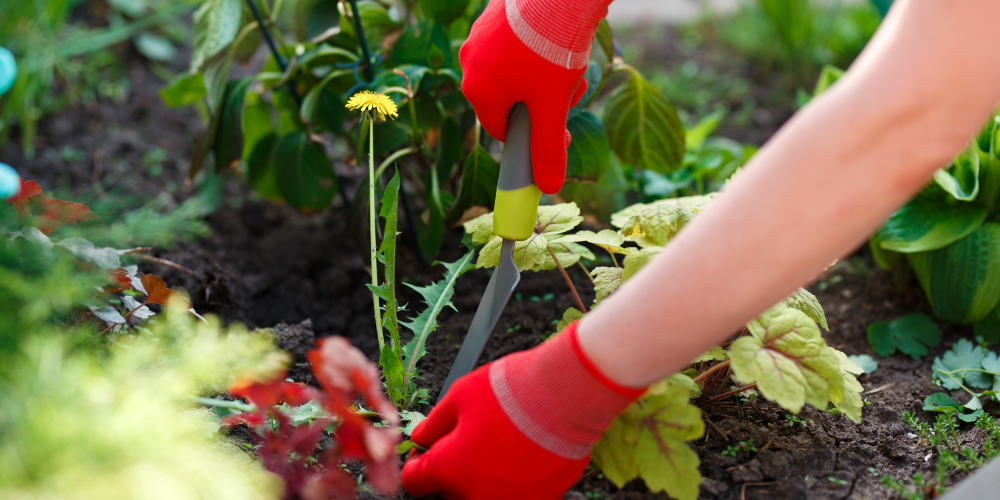
April marks the start of a bustling new gardening season here in Utah, with new growth emerging and seasonal tasks piling up all over the garden. Whether you’re a seasoned green thumb or just kicking off your home gardening journey, having a comprehensive checklist of essential gardening tasks this April is essential to ensuring a flourishing garden throughout the year. So, if you’re ready to kickstart your garden this spring, let’s get into it! 

Millcreek Gardens-Salt Lake City-Utah-April Garden Checklist-pulling weeds
Weed Control

While weed control is far from anyone’s favorite gardening task, weeds have a nasty habit of taking over a garden if left unchecked, outcompeting your favorite plants for space, sunlight, and nutrients. As a result, it’s crucial to stay ahead of weed growth to maintain a healthy and thriving garden this April.

Here’s how to do it:

– Regularly inspect your garden beds for weeds and promptly remove them by hand or using a clean garden hoe. Spend a few minutes each day pulling up any weeds you see.

– Apply a pre-emergent herbicide to stop weed seeds from germinating. This is particularly effective for controlling annual weeds like crabgrass and chickweed.

– Mulch your garden beds to suppress weed growth and conserve soil moisture. Organic mulches such as shredded leaves or straw not only help smother weeds but also break down over time, enriching your soil.

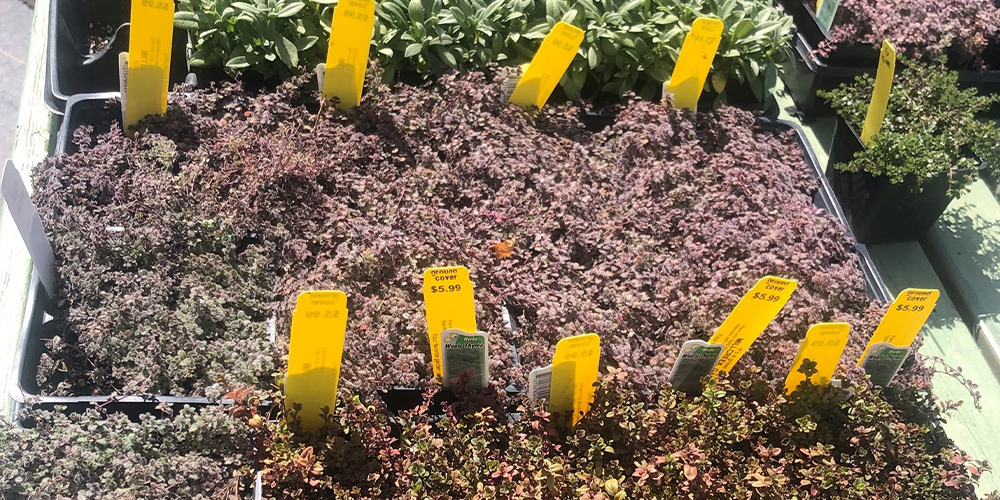
– Plant groundcover plants to outcompete weeds and provide additional benefits such as erosion control and habitat for beneficial insects. Low-growing plants like creeping thyme or creeping Jenny will help to fill in spaces between larger plants and keep weeds at bay.

Pest Management

April’s warmer weather means that garden pests are becoming more active, posing increasing threats to your plants. Implement these simple yet effective pest management strategies this spring to help protect your garden from damage and ensure a successful growing season:

– Monitor your plants regularly for signs of pest infestation, such as chewed leaves or wilting, and thoroughly inspect the undersides of leaves for any hiding nuisances.

– Use natural deterrents such as diatomaceous earth or insecticidal soap to control common garden pests. These products are safe to use around humans and pets and effectively manage common critters like aphids, spider mites, and whiteflies.

– Introduce beneficial insects into your garden, such as ladybugs or lacewings, to prey on garden pests and keep their populations in check.

– Practice crop rotation to disrupt the life cycle of pests and reduce their populations. By rotating crops each year, you avoid building up pest populations in the soil and reduce the need for chemical pesticides.

Millcreek Gardens-Salt Lake City-Utah-April Garden Checklist-dividing perennials
Dividing Crowded Perennials

Perennials are an integral part of a great garden design, but overcrowded perennial plants can become stressed and less productive over time. Dividing them in April rejuvenates your plants and allows you to propagate new ones to share with fellow gardeners, friends, and family.

Here’s how to do it:

– Water your plants thoroughly before dividing to minimize stress and make it easier to lift them from the ground. Moist soil also helps keep the roots intact during the transplanting process.

– Use a sharp, clean spade or your favorite garden fork to carefully lift the plant clump from the ground. Start working the outer edge of the plant and move your way towards the center, taking care not to damage the roots.

– Divide your perennial clump into smaller sections, ensuring each division has roots and shoots. You may need to use a sharp knife or pruning shears to cut through tough roots.

– Replant your divisions in well-prepared soil enriched with compost and water thoroughly to settle the soil around the root ball and reduce transplant shock.

Millcreek Gardens-Salt Lake City-Utah-April Garden Checklist-fertilizing garden
Composting and Fertilizing

Enriching your garden with compost and fertilizer is essential, as it gives your plants the nutrients they need to thrive. Here are a few tips to help you improve your soil’s fertility and promote healthier growth in your garden this April:

Incorporate compost into your garden beds to improve their soil structure and fertility. Spread a layer of compost over the soil surface and work it into the top few inches with a garden fork or shovel.

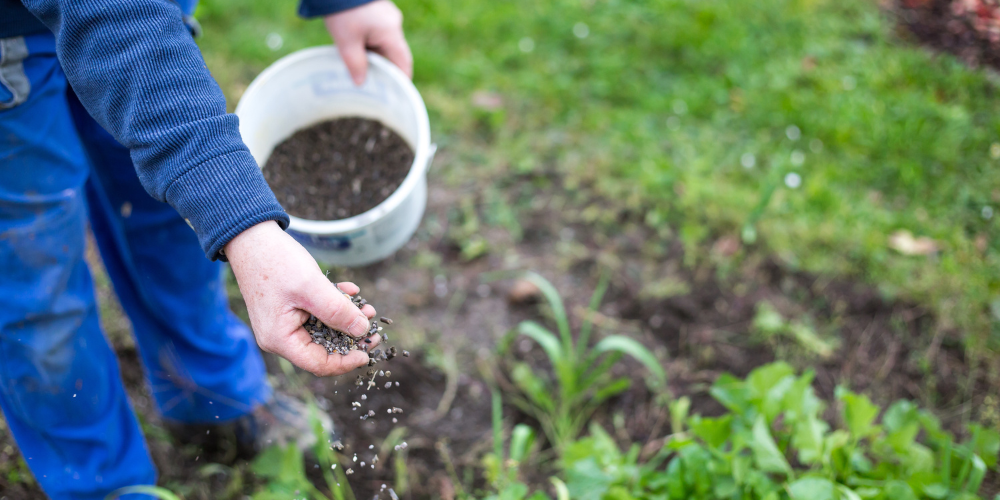
– Apply a balanced fertilizer to provide your garden plants with essential nutrients. Choose a fertilizer that contains equal amounts of nitrogen, phosphorus, and potassium, along with micronutrients like calcium, magnesium, and sulfur.

– Use organic fertilizers to minimize environmental impact and promote healthier soil. Organic fertilizers like composted manure, bone meal, and fish emulsion provide slow-release nutrients that are gentle on plants and beneficial soil organisms alike.

– Follow recommended application rates to avoid over-fertilizing, which can lead to nutrient imbalances and environmental pollution. Make sure to read the instructions on the fertilizer package carefully and apply the appropriate amount for your specific plants and soil conditions.

There’s no shortage of April gardening tasks to keep Salt Lake City gardeners busy, but each task plays a vital role in nurturing a healthy and vibrant garden. If you’re ready to get your garden into gear, we’re here to help! Stop by Millcreek Gardens today for everything you need to grow the perfect garden this spring.

“I desire Millcreek Gardens to be a place where people in the community can come and learn to enjoy gardening. I want to build upon that by creating spaces of learning and inspiration.”
—Heidi Orme 

A visit to Millcreek Gardens is a whole sensory experience. Thousands of trees, shrubs, perennials, annuals, and herbaceous plants fill the 3.7-acre space with a cacophony of color, fragrance, and texture. The garden center bursts with all the tools and trinkets for adorning landscapes or interiors with plant life. 

“Our mission is to be here for the community, to support them in their outdoor and indoor living spaces, and to help them grow things and beautify their reserve,” explains LaRene Bautner, Millcreek Gardens’ second-generation general manager. “It could be a tomato cage, a bag of rocks, a bag of fertilizer, a tray of plants, or a whole landscape.”

Millcreek Gardens-Salt Lake City-Utah-History of Millcreek Gardens-Vernon and Murriel Smith
The Roots

Millcreek Gardens didn’t become Salt Lake’s mainstay gardening center overnight. It’s been a nearly 70-year journey that began with LaRene’s parents, Vernon and Murriel Smith. Vernon used his artistic vision to launch his landscaping career. “He took pictures of homes with a Polaroid camera, which he called the ‘futuroid camera’, and colored in what the grass, bushes, and shrubs would look like. Then he would go to the door and say, ‘Hi, I’m Vernon Smith, and I own a landscaping company. I’d like to show you a picture.’ And they looked at the picture closely and said, ‘This is my house.’ And he would say, ‘Would you like your house to look like this?’ And that’s how he would get his work,” LaRene remembers.

In the fall of 1955, Vernon and Murriel purchased a home on a 1-acre lot, where the current office now sits. “They moved in a couple of days before Christmas. And it was slim pickings. They had $25 left in their pocket. And had to make it to spring,” LaRene explains.

“When my dad moved here [LaRene gestures around the current day office building], he immediately made sure the furnace in the greenhouse worked.” The greenhouse on the property was in a state of disrepair. “He looked around and found baling wire and lath…He covered the greenhouse, turned on the furnace, heated it, and started filling it with his own juniper cuttings, lilacs, forsythia, and a few other things.”

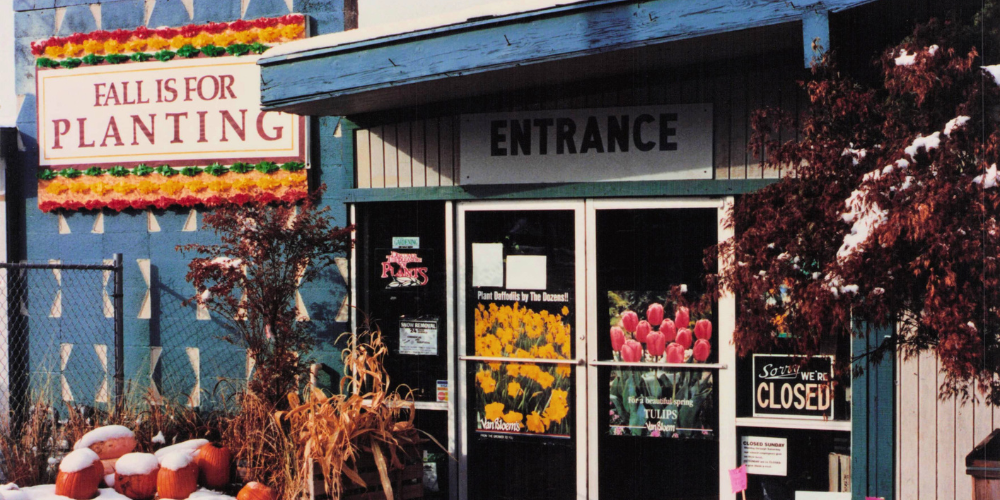
Millcreek Gardens-Salt Lake City-Utah-History of Millcreek Gardens-entrance

Millcreek Gardens’ first greenhouse supplied Vernon with plants for the family landscaping business. And it, indeed, was a family affair. LaRene is the youngest of Vernon and Murriel’s seven children, and every person in the Smith family contributed. “All seven of us kids worked,” LaRene remembers. “I started at age five weeding with an ice cream bucket, making five cents an hour.” LaRene relished the work; by age 11, she was running the cash register. “I still remember my first transactions.”

Although she enjoyed hard work, it wasn’t in LaRene’s vision for her future to work at Millcreek Gardens, let alone run the family business. She graduated from the University of Idaho in Moscow in 1983. “I didn’t want to be a working mom. I wanted to be home with my family,” she explains.

Fate had different plans. “In 1984, I was working here [Millcreek Gardens] part-time and working on some of their entrepreneurial projects. And the garden center manager quit.” Vernon asked LaRene to run the garden center store. Considering it to be an adventure, she agreed, “I said, ‘I’ll do it for a year, Dad.’ Two weeks after that, the nursery manager quit, too. So I took over two jobs. And 40 seasons later, I’m still here.

While LaRene was growing the garden center. Millcreek Landscaping completed several massive projects, including the upper 18 holes of Wasatch Mountain State Park Golf Course, the Ogden Temple, and countless projects in Park City. “We did a lot of saying yes.”

Then, in the early 90s, Vernon and Murriel were ready for a change of pace. “It became of interest for some of the employees to buy the landscaping component of Millcreek Gardens. So, my dad sold off the company to three of their employees and a consultant.”

In 1995, LaRene and her brother Dale purchased the retail side of the business from their parents and operated the business together for eight years until Dale started his own venture in 2004.
Despite her longings to be a stay-at-home mom, Millcreek Gardens became a place of refuge and peace for LaRene and her children, Natalie, Parker, Heidi, Michael, and Christopher. “I had adversity in my life. I was barely making it sometimes. But yet, I come here, put a smile on my face, and be really positive. So, what is the culture? What is my vision? It’s to have a great time, be positive, share goodness, tend to Mother Earth, and be kind.”

Looking Ahead

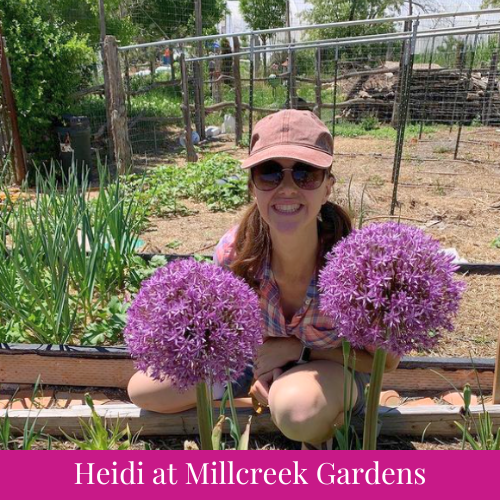
The aspiration to be positive and the hard work ethic LaRene showed her children influenced Heidi to step up as the third-generation operator of Millcreek Gardens. Heidi’s vision celebrates her lifelong connection to the space. “I desire Millcreek to be a place where people in the community can come and learn to enjoy gardening. I want to build upon that by creating spaces of learning and inspiration.”

The next story in the History of Millcreek Gardens Series will explore how the garden center has grown under LaRene’s direction and Heidi’s involvement and vision for the space. In the meantime, stop by Millcreek Gardens today to check out our amazing selection of plants, giftware, and gardening supplies!

Contributing writer: Ashley Brown

The best part about gardening is watching our favorite perennials and bountiful annuals reach for the sun, trail over the sides of containers and window boxes, or maybe even climb a trellis for a romantic show. However, while these long-reaching beauties often take our eyes skywards, it's also important to put a bit of pizzazz into the often forgotten parts of our gardens: the ground! Not only does groundcover look gorgeous and delicate, but it also does some pretty amazing things for your garden. Read on for the inside scoop on groundcover plants and their benefits. 

What is a Groundcover Plant and Why Should I Plant Them in Salt Lake City?

Groundcover plants are low-lying plants with a spreading or creeping growth habit. Many gardeners find these groundcovers helpful in many areas of the garden for their ability to prevent soil erosion, stop weeds from popping up, and cover up patches of exposed dirt between other plants. Groundcovers can also be used instead of grass in your lawn, creating a low-maintenance alternative with less watering and feeding requirements. Places that are hard to mow, like slopes, are great places to plant perennial groundcovers like Blue Rug Juniper, creeping phlox, and stonecrop. Daylilies are also a favorite for this application.

Millcreek Gardens-Groundcover plants

The Best Perennial Groundcover Plants 

If you've got some unsightly bald spots in your Salt Lake City garden, try some of these perennial favorites to add beauty and visual interest to an otherwise empty space:

  • Creeping thyme: Creeping thyme is a great lawn alternative, though its small purple flowers and edible sprigs also make it a fantastic addition to rockeries.

  • Creeping jenny: This vigorous fast-grower has round light green leaves and blooms with stunning yellow flowers in the summer.
Millcreek Gardens-Salt Lake City-Utah-Groundcover plants- creeping phlox
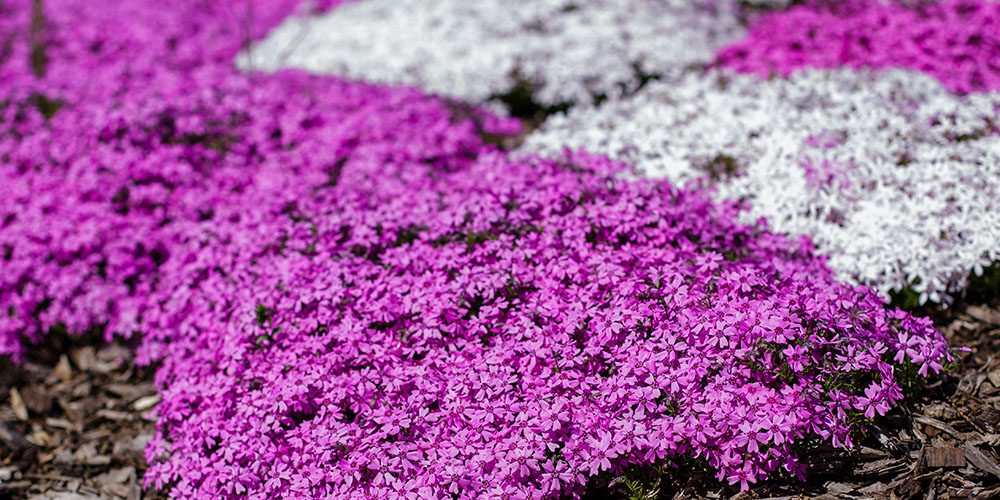
  • Creeping phlox: Creeping phlox is available in varying shades of white, pink, and purple and is tolerant of both hot, dry conditions and extreme cold, making it an excellent evergreen for groundcover and rock gardens. 
  • Lamb's ear: The gorgeous and aptly-named lamb's ear is known for its velvety, silver leaves that bloom tiny purple flowers in the spring. 
  • Blue star creeper: The blue star creeper is an incredibly easy-to-grow garden groundcover with gorgeous pale blue flowers. It grows best in filtered light but will take full sun, too. 

  • Honeysuckle vine: The honeysuckle vine blooms white, yellow, or red flowers. It prefers full sun and is heat-resistant, making it perfect for our Salt Lake City backyards! 

Let these beauties add dimension and charm to your garden, whether with an abundance of flowers peeking out from a perennial border, as a unique gap filler in your rockery, or while lining the edge of a stone pathway. Many of these groundcover options are also cold-tolerant and will stay green year-round, meaning you get to enjoy their subtle beauty day after day!

Millcreek Gardens-Salt Lake City-Utah-Groundcovers for A Gorgeous Garden-hens and chicks

Winter Interest Groundcovers

Groundcover plants look amazing during the spring and summer months, though some of them shine brighter during the fall and winter months by adding visual interest when all other flowers and plants have gone dormant. They also provide shelter and cover for hibernating insects and other critters, making them valuable additions to your Salt Lake City garden. Here are some of our top groundcover plant picks that are perfect for the colder months:

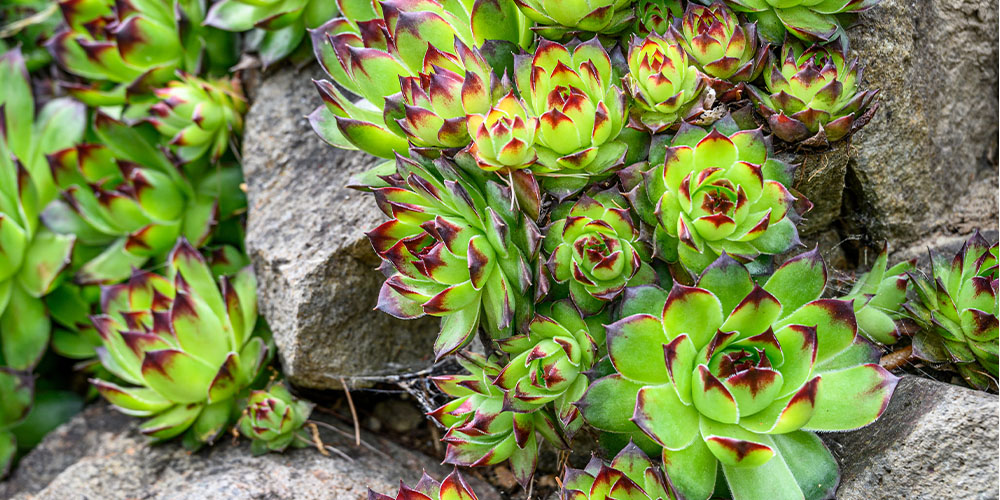
  • Hens and chicks are a perfect addition to any Utah garden. This succulent is available in a range of colors, from greens to reds to purples, and is prized for both its heat and cold tolerance. 

  • Bugleweed/Ajuga comes in burgundy, green, and bronze varieties and can survive harsh cold winters, making it an excellent creeping groundcover for year-round interest. 

  • Creeping juniper is incredibly well-suited for Utah gardens. This fast-growing evergreen dwarf shrub retains its beautiful silver-green foliage during the fall and winter months.
Millcreek Gardens-Salt Lake City-Utah-Groundcovers for A Gorgeous Garden-stonecrop sedum
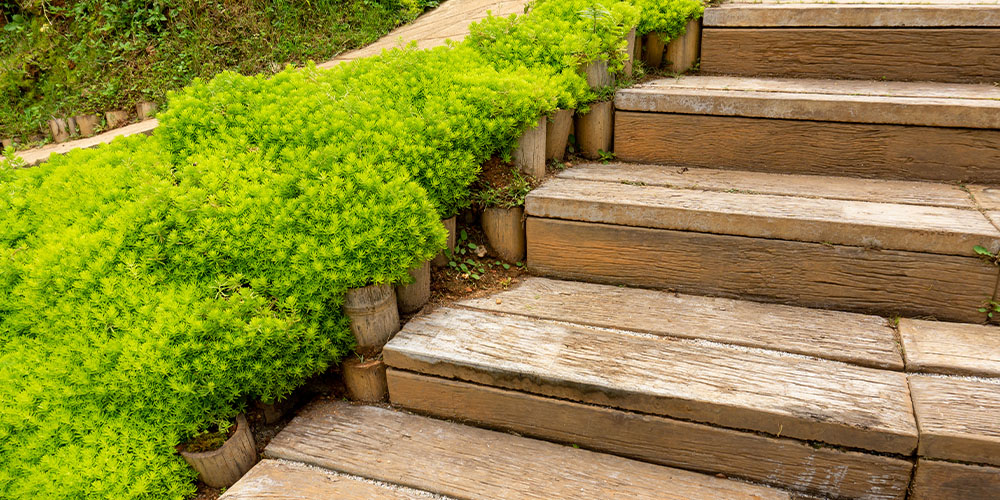
  • Angelina stonecrop sedum is a beautiful mat-forming perennial that is perfect for a fall and winter garden. The leaves turn bronze in cold weather, which contrasts quite strikingly with any surrounding evergreens. 

Adding groundcover plants to your garden is one of the best ways to fill space, keep your soil healthy throughout the year, and give overwintering critters a place to sleep until spring. It's also a great way to keep your Salt Lake City neighborhood looking amazing and adds rich diversity to the local Utah landscape. Whatever your groundcover needs for a gorgeous garden, Millcreek Gardens is here to help!

It can be tricky to peel your kids away from their screens and enjoy some good old-fashioned outdoor activities. However, if you provide them with the freedom to explore and get creative, you’ll be amazed at what it does for their energy levels and focus! Playing in nature is so important for your kids’ physical and mental health, and spending time outdoors each day has a profound effect on their school performance. Plus, over the summer holidays, parents always need some fun activities to keep the kids occupied and engaged.  

These Activities Get Kids Away from the TV and into Nature!

Minecraft is great and all, but kids learn a lot more from actual nature rather than the pixelated kind! Here are four nature activities that will get them out in the sunshine. 

Millcreek Gardens-Salt Lake City-Utah-Engaging Your Kids with Nature in Utah-mom and daughter gardening

Help Them Start Their Own Container Garden 

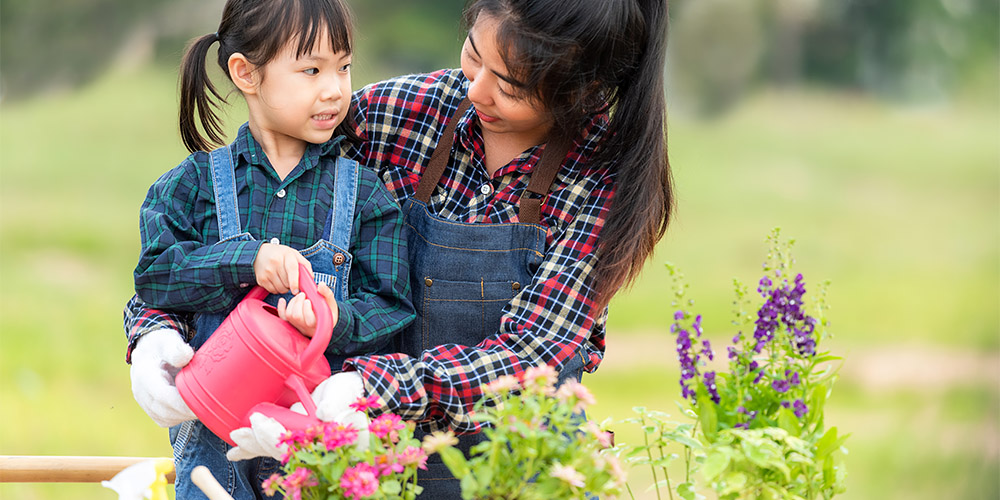
Gardening is such an amazing nature lesson for kids, and you’ll be surprised by how excited they get! Every new leaf and flower is a victory worth celebrating, and they take so much pride in knowing their plants are thriving thanks to their efforts. 

Bring your kids to Millcreek Gardens and let them pick out a few plants, or ask about grabbing a lily bulb they can plant! Choose plants with similar sunlight and watering needs so they’ll be happy in the same pot. Teach them ways to take care of their favorite plants, maybe share monstera care tips with them! To make things easy and fun, give them a list of things to buy (like a scavenger hunt) such as:

  • One or two flowers to attract bees and butterflies
  • One red, tubular flower to attract hummingbirds
  • One vegetable
  • One smelly herb to attract ladybugs
  • One edible plant they didn’t know they could eat (we can help with that!)

Spend an afternoon helping the kids pot their plants in their containers, and fill out a calendar with them so they can keep up with their garden duties. This is a great time to help them learn, too. When they find out that tuberous begonias taste like sour patch candy or that they can munch on chocolate mint leaves you’ll have them hooked! Don’t worry—it’s much easier to convince kids to help with garden chores than regular household chores if you find some exciting new things to show them. Watering with the hose and getting their hands dirty in the mud always makes for a fun afternoon activity.

Millcreek Gardens-Salt Lake City-Utah-Engaging Your Kids with Nature in Utah-nature art

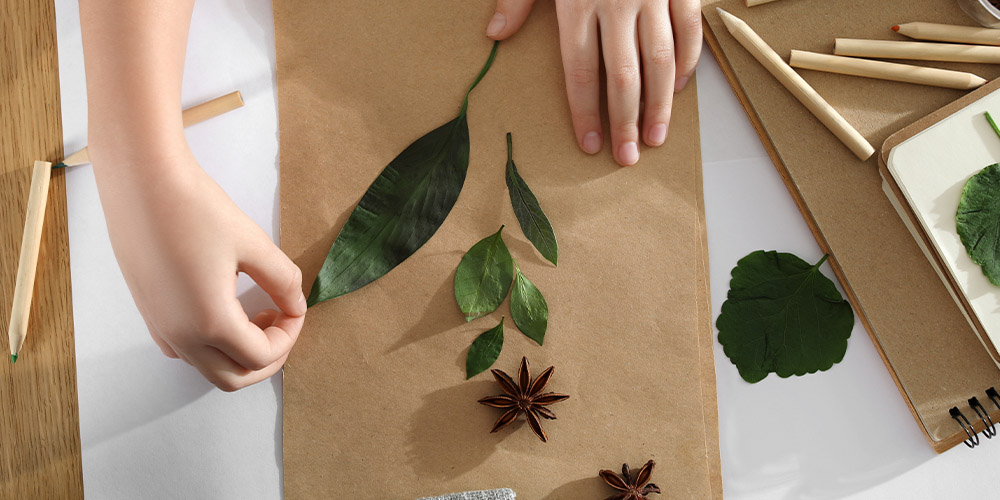
Decoupage Leaf Candleholders 

Head out into nature with your kids and ask them to collect the prettiest leaves they can find. Then, put them between two sheets of newspaper and let them dry out for two weeks. Once they’re all dry, grab some clean mason jars, paintbrushes, and a container of satin or gloss Mod Podge. Get your kids to paint sections of their jar with the Mod Podge, press a leaf onto the adhesive, and then paint another layer to seal it. Once it’s all covered, let them dry, and then add a tea light to each jar. The light will glow through the leaf, highlighting all those pretty veins and crinkles.

    Millcreek Gardens-Salt Lake City-Utah-Engaging Your Kids with Nature in Utah-painting bird house

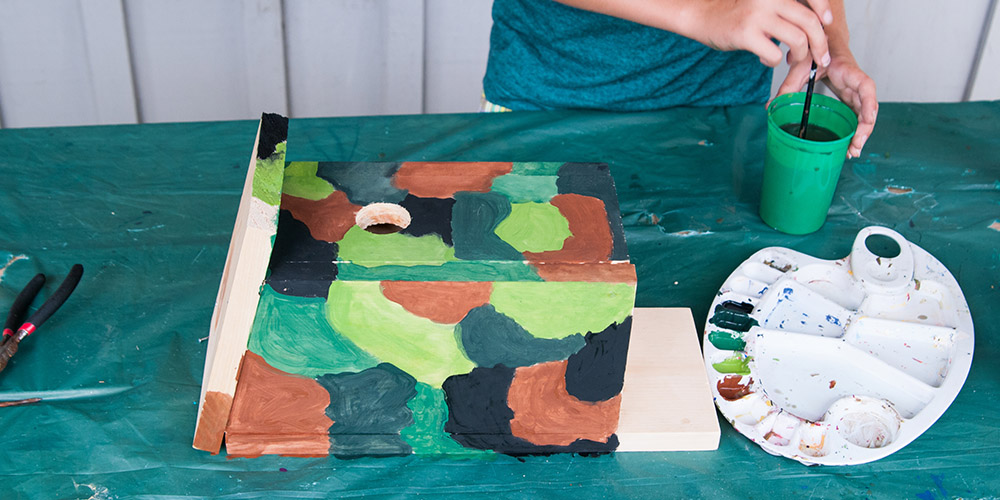
    Decorate a Birdhouse with Colors from Nature

    Painting birdhouses is such a fun way to get your kids interested in nature and they love the chance to see birds using something they’ve made. Make sure you buy a wooden birdhouse with open panels or ventilation holes so birds don’t overheat in the summer. Instead of super bright rainbow colors—which can attract predatory birds—opt for natural colors, like green, brown, and cream. Stick to lighter shades—dark colors heat up in the sun.

      Millcreek Gardens-Salt Lake City-Utah-Engaging Your Kids with Nature in Utah-studying nature

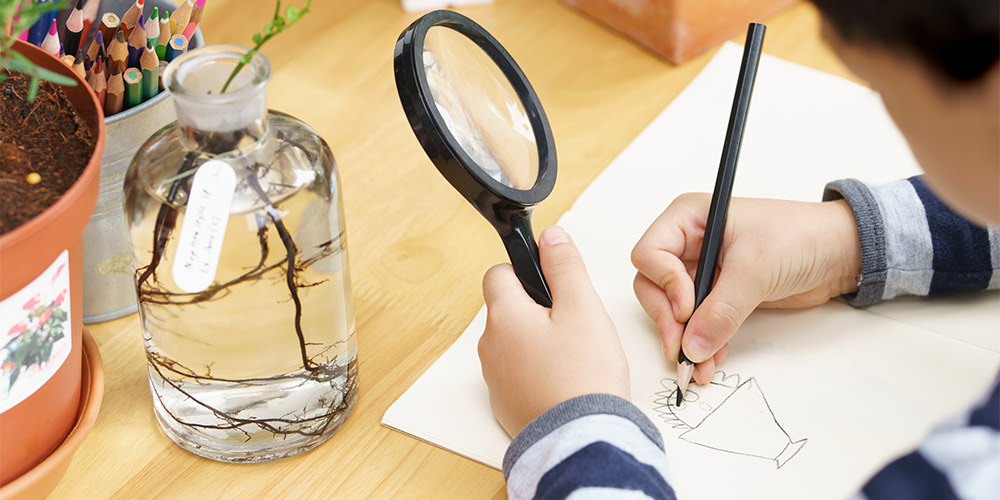
      Create a Sketchbook for Nature Art

      There are so many gorgeous plants and creatures to discover in nature out here in Salt Lake City. Go to an art gallery, and you’ll be surrounded by pictures of flowers, fruit, birds, and other wonders of the natural world! Pick up some pastels, watercolors, or a new artistic medium your kids haven’t used before. Collect flowers and leaves or take photos of the wildlife you see, then get them to recreate them in their nature art sketchbook. 

      If you’re looking for more activities to get your kids involved with nature in Utah, bring them to the garden center and explore! It’s a surefire way to get the creative juices flowing and find inspiration. Plus, it’s a chance to discover new plants and learn all about them. It’s basically a biology lesson disguised as a shopping trip!

        Herbs and veggies grown in a garden are not only delicious but also more nutrient-dense, free of dangerous toxins, and inexpensive organic food! However, not everyone has the space in Utah (or a yard) to grow their own delicious crops straight from their backyard. If you lack adequate space for vegetable gardening, consider growing fresh, nutritious, homegrown vegetables in containers. 

        Millcreek Gardens-Salt Lake City - Utah - Best Vegetables for Container Gardening-companion planting

        The Benefits of Container Gardening in Utah

        Switching to a container garden can reduce soil-borne diseases, nematodes, and weeds; if any do find their way into your garden, containers are higher and easier to access, so you won't strain your back dealing with them! It's also very easy to move containers around if your plants need more or less sun, and harvesting is quick and easy when you’ve got your vegetables closer to the kitchen and herbs within arm's reach near the barbeque.

        How to Start With Seedlings 

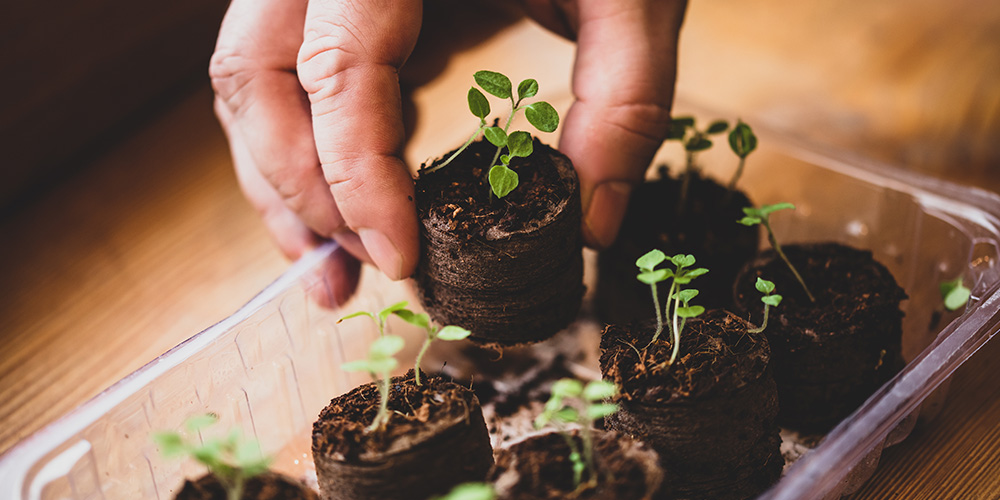
        The first step in growing your seedlings in pots is choosing the best container size, determined by the type of vegetable you're growing. Here at Millcreek we sell plastic trays and pots, soil blocks, and peat pots to house your mini herbs and veggies while they grow. Regardless of the size of the pot, drainage holes are essential for preventing waterlogging in your containers and avoiding root rot.

        Millcreek Gardens-Salt Lake City -Utah- Best Vegetables for Container Gardening-seedlings

        Before transplanting your veggie seedlings to a bigger container, you’ll want to ensure that they are about 2-3 inches high and that their two first true leaves have come out. You will also want to harden your veggie seedlings before you transplant them. Some best practices to follow in transplanting your seedlings are:

        1. The area you have prepared for the plant should be heavily watered.
        2. You should heavily water plants and seedling trays before transplanting.
        3. Hold it by the base of the stem, keeping as much soil around the roots as possible.
        4. Transfer the plant gently into your hole.
        5. Ensure that half of the transplant is below ground and the other half is above ground by covering it with soil.
        6. Refresh with water again.

        Best Container-Grown Herbs and Vegetables

        Some of the best vegetables that are suited for growing in containers include tomatoes, peppers, carrots, eggplant, green onions, beans, lettuce, and radishes. Herbs that likewise thrive in containers are mint, parsley, chives, basil, dill, fennel, garlic, and more! We've included some easy container-grown veggies for beginners below.

        Millcreek Gardens-Salt Lake City - Utah - Best Vegetables for Container Gardening-container grown tomatoes

        Tomatoes & Eggplants

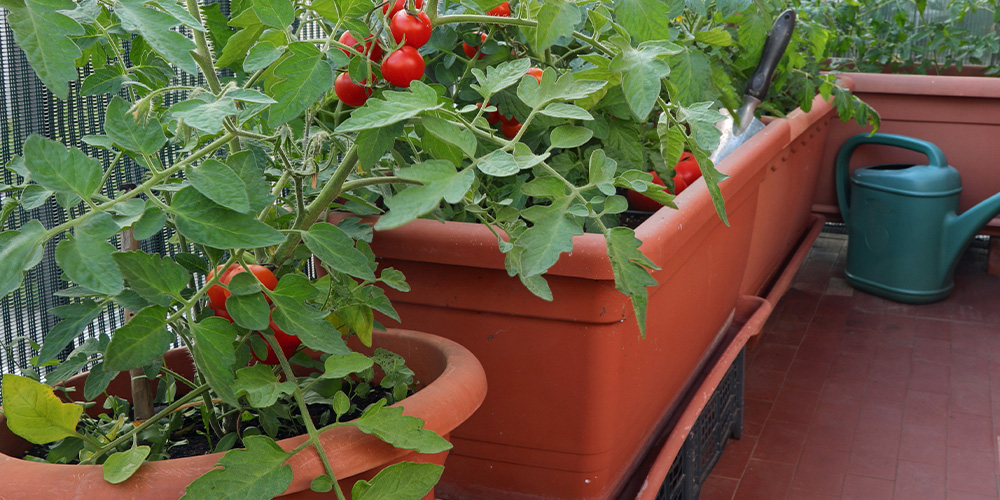
        If you want to harvest tomatoes just as fruitfully as your neighbor's, container gardening is the way to go. Water your soil consistently and keep it moist but not too soggy. You may need to water your tomato plant twice a day during hot summer days, but be sure to keep these sun-loving container-grown vegetables in a spot with plenty of sunlight! They need 6-8 hours of sun daily, and if they are not getting enough light where they are you can simply move them around in their container.

        For eggplants, you will ideally want to use a container that has a 5-gallon capacity to support its heavy roots and provide optimal drainage. Like your tomato plant, your container-grown eggplant needs to be kept in an extra-sunny area, receiving at least six to eight hours of sun daily. 

        Leaves & Root Vegetables

        One of the most crucial aspects of container-grown vegetables is that the container is big enough; this is especially true for root vegetables, as they'll need deep soil to grow in, and for leaves, as they'll need space to grow back again and again. 

        When harvesting your greens, simply pick or trim the leaves, and they'll keep coming back all season for delicious fresh veggies on the table. Many root veggies have edible greens, such as carrots and beets!

        Millcreek Gardens-Salt Lake City - Utah - Best Vegetables for Container Gardening-container grown herbs

        Herbs

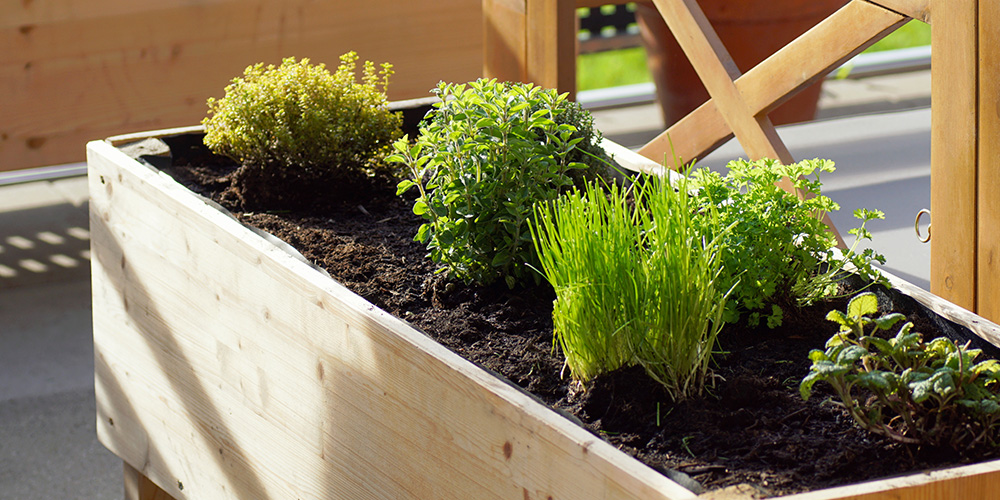
        Herbs have varying water requirements, but you can group them according to what they like. Plastic or glazed ceramic pots work well for growing herbs that thrive in consistently moist soil, such as basil, parsley, thyme, and mint. Herbs such as lemon verbena, rosemary, sage, and tarragon prefer dry soil between waterings. Most herbs require at least 4 hours of sunlight per day to grow well. Be sure to pinch off any blooms that sprout so your plants can focus on growing those delicious leaves!

        Vegetable container gardening in Salt Lake City is stress-free: it's affordable, saves space, and is easy to adjust if your plants don't thrive as expected. From tomatoes to squash to green onions, you will bring your kitchen pantry to life with your homegrown herbs and veggies, and Millcreek Gardens has everything you need to get started today!