The holiday season may be just around the corner, but we're already in the full festive swing of things! You already know that we're your go-to destination for the finest holiday wreaths and garlands in Salt Lake City, but what if you want to give your holiday decor a bit of personal flourish this year? Let's dive into the wonderful world of DIY holiday wreaths and discover the endless possibilities that await you!

Millcreek Gardens-Salt Lake City-Utah-Wreaths and Decorations for The Holidays-making a wreath

What Are Some Easy DIY Holiday Wreath Ideas?

The joys of creating your own holiday wreath are simply unparalleled. DIY wreaths allow you to infuse your unique style and creativity into your decorations and get the whole family involved in your holiday preparations. Here are some easy and delightful ideas to help inspire your own DIY wreath creation:

The Classic Evergreen Wreath

Begin with a sturdy wreath base, like grapevine or wire, and embellish it with fresh evergreen branches like pine, fir, or cedar. Add some pinecones, holly leaves, and red berries for a timeless holiday look.

Dried Flower Fantasy

Use dried flowers from your garden, such as lavender, hydrangeas, or roses, combined with twigs and seasonal greenery for a rustic, charming wreath display. Winter may be here, but that doesn't mean you can't still celebrate your summer blooms!

Rustic Rules 

If you're looking for some rustic flair that's perfect for Salt Lake City winters, add some burlap ribbons, wooden ornaments, and twine accents to your wreath to bring a cozy, down-to-earth vibe to your holiday decor. 

Natural and Neutral 

For a softer holiday style that exudes an understated elegance, make a wreath with a neutral color palette using white flowers, eucalyptus leaves, and cotton stems.

What Materials Should I Use for a Holiday Wreath?

One of the best parts of making DIY decorations is that you can find most of the materials in your own backyard! Here are some holiday wreath essentials to look out for next time you wander outdoors: 

-Wreath Base: You'll need a sturdy base, like a wire wreath frame or grapevine wreath. You can find these at most craft stores, but you can also make your own if you're feeling up to the challenge.

-Evergreens: Use branches from different evergreen varieties—like pine, fir, spruce, and cedar—to give your wreath a lush green backdrop and a truly festive feel.

-Dried Flowers: Incorporate dried flowers from your summer and fall garden, perennial seed pods, and hydrangea blooms for a rustic touch.

-Berries: Utilize berries from juniper bushes, holly, or other berry-bearing plants for a burst of color. If you spot some in a neighbor's yard, ask permission before picking first!

-Twigs and Branches: Gather branches and twigs from your garden to add texture and depth to your wreath.

-Pinecones: Pinecones picked from your conifers make the perfect finishing touches for your holiday wreath masterpiece. If you're lucky enough to have a forest nearby, you might find pinecones in different sizes to use.

-Ribbons and Ornaments: Choose some festive ribbons, ornaments, and other decorative elements that suit your theme to put a fun twist on your holiday wreath and truly make it your own.

What Are the Latest Holiday Wreath Trends?

The world of holiday decor is ever-evolving, and each season brings its own trends and styles. While you might prefer to follow your own trails of inspiration, you may still find some inspiration in these 2023 holiday decorating trends:

Millcreek Gardens-Salt Lake City-Utah-Wreaths for The Holidays

Sustainable Wreaths: Eco-conscious decorating is tremendously in style, and many Utahns are opting for sustainable wreaths that use recycled materials and natural elements. This is also a great way to save money over the holidays and create lasting decor you can reuse year after year.

Metallic Magic: If you're the glitzy, glamorous type, you're in luck! Wreaths adorned with metallic accents like gold and silver ornaments or shimmering ribbons are all the rage this year, bringing a touch of pizazz to the season.

Vintage Revival: Nostalgia is back in style with wreaths that harken back to traditional holiday decor from bygone eras. Think classic red and green color palettes and vintage wooden ornaments. Bonus points if they're handmade!

Bohemian Flair: Boho-inspired wreaths are all about eclectic combinations of materials—from macramé to feathers—to create a carefree and whimsical look.

Modern Geometrics: Geometric shapes and patterns are making their way into holiday wreath designs this season, resulting in some bold, contemporary, and absolutely eye-catching displays.

Personalized Wreaths: Many people are customizing their wreaths this year with monograms, family names, and special messages to make their holiday decor truly unique. You can even add small frames with pictures from special holiday memories for an extra personal touch! 

Garlands

Holiday wreaths are incredible, but don't forget about the garlands in all this excitement! Here are some of our favorite ways to dress your holiday home for success using fresh greens:

-Placement: Arrange your fresh garlands strategically, placing them along banisters, doorways, and mantels for an instant holiday upgrade to your home. Their natural beauty enhances key focal points, creating a cohesive and festive look.

Mix with Lights: Weave twinkling lights through your garlands to add a magical touch. The combination of lush greenery and warm lights creates a cozy and inviting atmosphere, perfect for holiday gatherings.

Layer with Ribbons: Introducing colorful ribbons or bows that complement your garland is a simple addition that brings a burst of festive color to your holiday decor and helps tie your theme together.

Fresh Scents: The aromatic essence of fresh garlands adds an extra layer of holiday charm to your home. Capitalize on their natural fragrance by strategically placing them in areas where the scent can be appreciated, such as entryways or near gathering spaces. 

Fresh Greenery Care 

With a little TLC, your holiday greenery will stay fresh and vibrant throughout the holiday season. Try these Christmas tree care and other tips to extend the life of your fresh greens, whether they be in the shape of a wreath or strung up as a garland! 

-Cut the stems of your branches at an angle and place them in water immediately.

-Just because your greens are cut doesn't mean they don't need watering; regularly spritz them with a spray bottle or mister to keep them hydrated and happy. 

-Keep your greens away from direct heat sources and sunlight to prevent them from drying out.

-Use an anti-desiccant spray to preserve your greens' natural beauty. 

-Trim any browned or wilted foliage regularly to promote a lush appearance. 

-Avoid placing your greens near drafts to prevent needle drop. 

-Lastly, recycle fallen needles for potpourri or compost. 
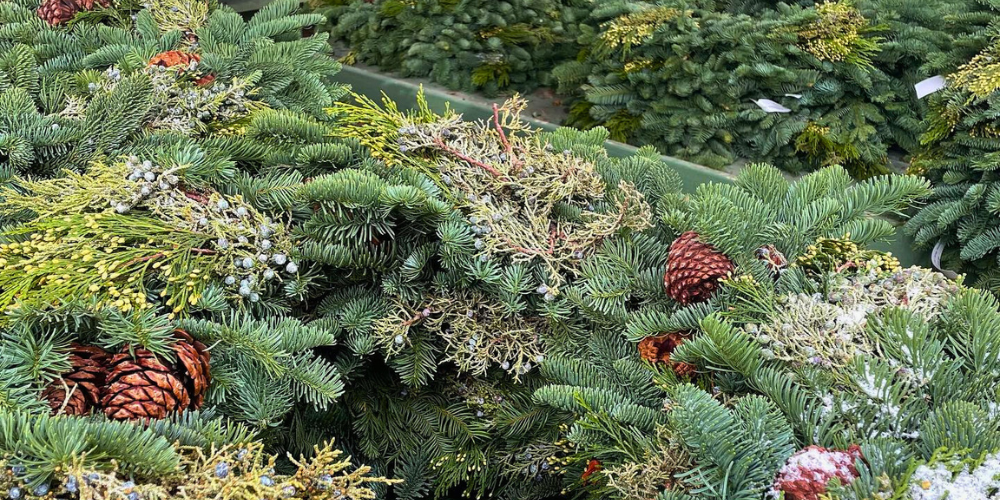
With these tips and ideas (and a dash of creativity), your holiday wreaths will be bigger and brighter than ever this year, and Millcreek Gardens is here to help you get started! Come see us today to stock up on fresh greens and sprigs, or if you just need some more inspiration to get yourself into the festive mood.  

Happy crafting, Utah!

Thanksgiving is here, and we're grateful to be spending it with our friends, family, and loyal customers in Salt Lake City. This year, we're celebrating our love of gardening by pausing to reflect on the fantastic memories our gardens have created for us this year. We'll also explore some creative ways to celebrate Thanksgiving, focusing on garden-inspired decor to help you go into your holiday season glowing with garden gratitude! 

How Can I Share My Gratitude This Thanksgiving?

These are some thoughtful ways you can show and share your gratitude this Thanksgiving:

Share Gardening Memories as a Family

Thanksgiving isn't just a time to express gratitude for the present; it's also an excellent opportunity to reflect on the past and the memories that have transformed us into who we are today. Getting together with family and friends is the best part of any holiday, and sharing stories with loved ones about how gardening has impacted our lives is nothing short of inspiring! Talk about that flower that reminds you of grandma; you don't know what kind it was, but you remember how it grew on the trellis in her backyard when you were a kid, how even today, the smell of it brings back those comforting memories. Thanksgiving is the perfect time to share these kinds of stories, along with the gardening knowledge that has been passed down in your family from generation to generation. 

Create DIY Thanksgiving Ornaments and Decor

Make this year's Thanksgiving celebrations something to remember by revisiting old photo albums for snapshots of cherished garden moments and incorporating them into your holiday decor. Try making DIY tree ornaments or framed displays that you can use in your seasonal decorations year after year. You can also use them to make custom gifts that everyone in your family will cherish! 

If you want to get a little more into the harvest vibe, try crafting delightful acorn-shaped decorations using locally sourced twigs and acorn caps. It's also fun to paint miniature pumpkins or gourds in warm autumn colors and add some sparkles to shimmer in the candlelight. 

Handmade treasures like these capture the essence of community, symbolizing the bountiful harvest and collective appreciation for nature's gifts that we share with family from generation to generation.

Decorate Your Home and Garden for Thanksgiving

We think decorating for the holidays should always include the garden, so remember to let your outdoor spaces shine—even during the winter months. Set up a cozy seating area with fall and winter-themed cushions and blankets, surrounded by harvest-themed garden ornaments that the whole family made together. You can also add some sparkle by illuminating the space with festive outdoor lighting for Thanksgiving, like string lights or lanterns, to create a warm and inviting atmosphere for guests.

We also like to incorporate some seasonal garden accents into our indoor Thanksgiving decor that celebrate the natural beauty of fall, like pumpkins, gourds, and arrangements of autumn flowers. Some of the best plants and flowers for Thanksgiving garden arrangements include roses, sunflowers, orange daisies, and lilies. Perennial seed pods also make fantastic additions to your floral arrangements, adding a unique seasonal texture that really makes your Thanksgiving displays pop!

Choose a Living Tree for Sustainable Celebrations

With Thanksgiving sliding right into the Christmas season, now's also the perfect time to think about trees! One of the best ways to kick off your holiday preparations is by opting for a live tree instead of a cut one. A live tree can be planted in your yard after the holidays end, making it a sustainable choice that reduces your environmental impact, cultivates long-lasting memories, and grows into an enduring symbol of life and growth—something we can always be grateful for! Consider using this living tree alongside or instead of a traditional cut tree to bring a touch of nature indoors. We've got a fantastic selection of fresh greenery in store just in time for the holidays, including a variety of both live and fresh-cut trees, so stop by and visit us today if you still need help deciding!

This holiday season, we want you to celebrate all your family's amazing garden memories and look for creative ways to make new ones for future generations. It's a blessing to be grateful for the bounty of the present and to look forward to the promises of future harvests, but it's also a beautiful thing to cherish the celebrations of years past.

Come see us at Millcreek Gardens for everything you need to make your own memories this year, and don't forget that we're your holiday headquarters for Thanksgiving garden decor and more this year in Salt Lake City!

If you’re like us, you’ve enjoyed the frenzy of Spring and Summer in the garden, but looking ahead to Fall planting in Utah is exciting, too! It’s also a rewarding endeavor that allows the seasonal creation of some pretty vibrant landscapes that will thrive well into next year. In this comprehensive Fall Planting Guide, we’ll show you the best tips and practices for Fall planting in Salt Lake City to make your garden the envy of the neighborhood!

Why Fall is a Good Time to Plant in Utah

Fall is a perfect time for planting in Salt Lake City, thanks to our moderate temperatures and increased moisture levels, and the fact that the soil is retaining warmth from the Summer heat. This combination gives us an ideal environment for root establishment before the onset of Winter, and the cooler air temperatures also reduce stress on plants and allow them to focus their energy on root growth rather than battling the heat. This season is also a comfortable time for people to be outside planting! With the proper planning and execution, Fall planting can set the stage for a flourishing garden come next Spring.

Our Guide to Fall Planting 

Choosing the Right Plants
Selecting the best candidates to plant in your Fall garden is crucial for success. Consider the unique climate and conditions of Salt Lake City when making your choices and go for plants well-suited for planting in the local area. Some of our favorites include:

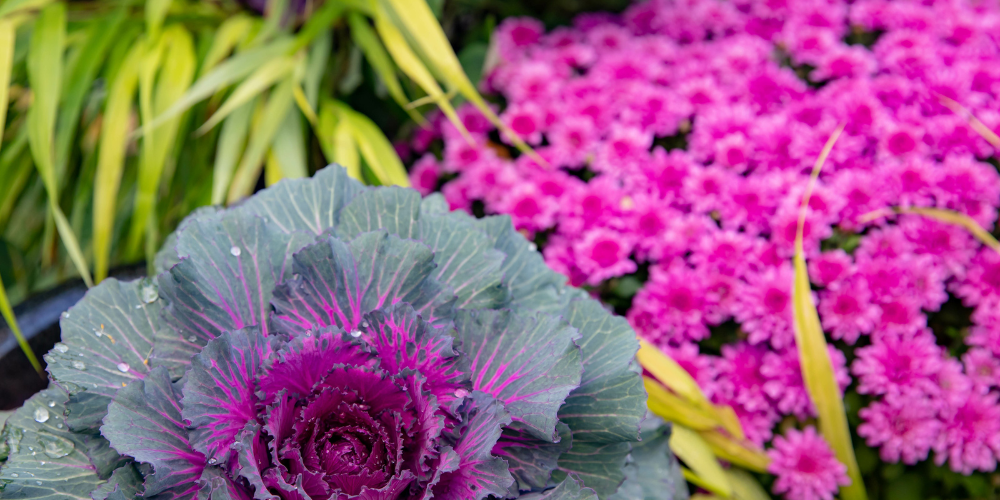
Hardy Perennials: Choose perennials like coneflowers, daisies, chrysanthemums, and asters. These hardy plants will establish their root systems in the Fall and reward you with beautiful blooms year after year.

Ornamental Grasses: Grasses such as feather reed grass, switchgrass, and maiden grass add texture and movement to your garden, even as other plants start to go dormant.

Cold-Tolerant Vegetables: Extend your harvest season by planting cold-tolerant vegetables like kale, spinach, lettuce, and radishes. These crops can take the cooler temperatures and continue to produce fresh, nutritious produce and are the best Fall crops to plant in August.

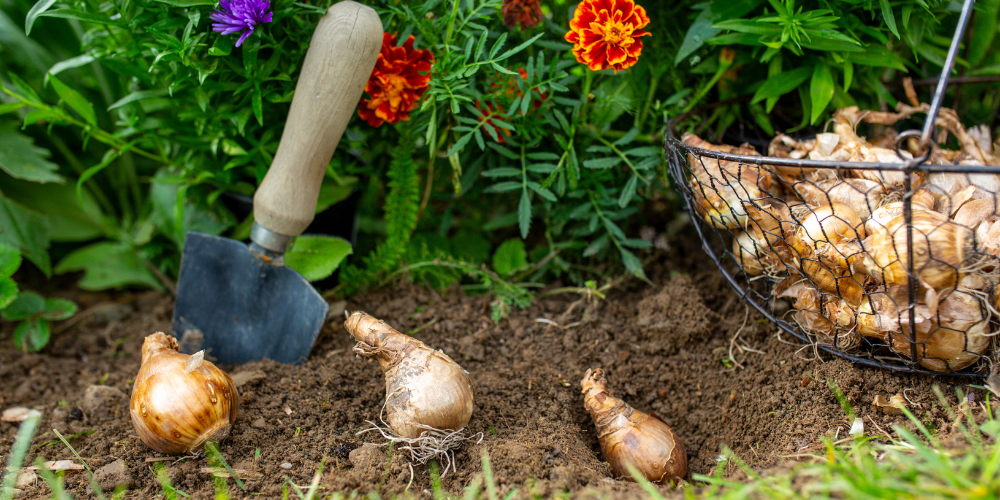
Millcreek Gardens-Salt Lake City-Utah-Fall is for planting-spring blooming bulbs

Spring-Blooming Bulbs: Plant bulbs like tulips, daffodils, and crocuses in the Fall for a burst of color in your garden next Spring. The cooler temperatures allow the bulbs to establish strong root systems before Winter.

Shrubs and Trees: Fall is a great time to plant shrubs and trees, allowing them to establish roots before facing the challenges of Summer. Consider options like dogwood, viburnum, and serviceberry.

Fall Planting Guide: Step-by-Step
Now that you know what to plant, here is your 10-step guide to get growing!

1. Assess Your Garden 

Take a thorough look at your garden and identify areas that need a refresh or new plantings. Think about the amount of sunlight, soil quality, and drainage in each area.

2.  Prepare the Soil

Clear out any debris and weeds from the planting area. Amend the soil with a good compost, or some type of organic matter, to improve its structure and fertility. We love amending our soils with Gardener & Bloome planting mix.

3. Select Your Plants

Research and select the plants mentioned above that are well-suited for Fall planting in Salt Lake City. Consider factors such as bloom time, height, and color to create a visually-appealing arrangement.

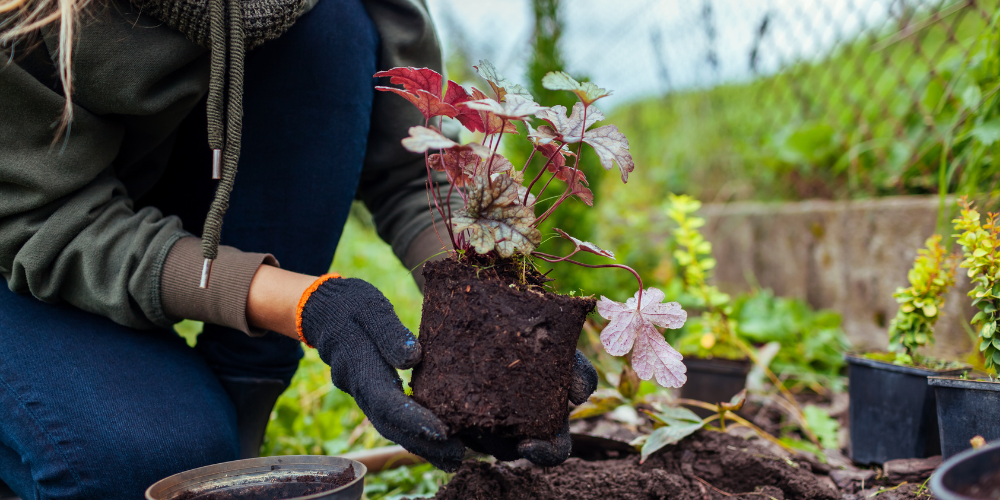
Millcreek Gardens-Salt Lake City-Utah-Fall is for planting-heuchera plant

4. Planting Technique

Dig holes for your plants, ensuring they are deep and wide enough for the roots. Gently take the plants from their containers and place them in the holes, backfilling with your soil compost mix. Water thoroughly to settle the soil around the roots.

5. Mulch

Apply a layer of mulch around your newly planted plants. Mulch helps retain moisture, regulate soil temperature, and prevent weed growth.

6. Watering

It's important to continue watering your newly planted vegetation. Water deeply and less frequently to help encourage root growth.

7. Fertilizing

For favorable results, apply a plant starter fertilizer to provide essential nutrients for your plants as they establish themselves. Our favorite is Dr. Earth Starter Fertilizer.

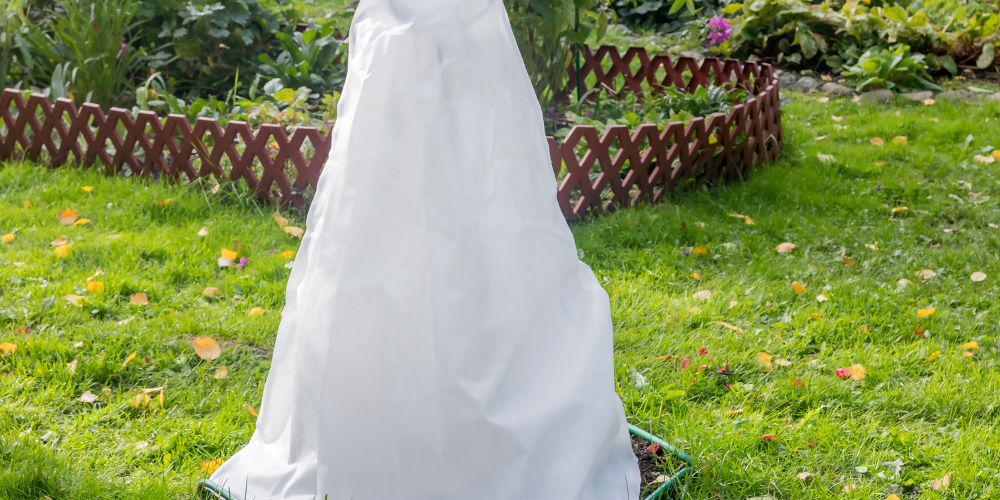
Millcreek Gardens-Salt Lake City-Utah-Fall is for planting-frost cover

8. Protection from Frost

Keep an eye on the weather forecast and be prepared to protect your plants from early frosts. Covering them with frost cloth or blankets overnight can help prevent damage.

9. Regular Maintenance

As your Fall-planted garden grows, look out for any signs of pests, diseases, or nutrient deficiencies. Address any issues right away to ensure the health of your plants.

10. Plan for Spring

While Fall planting is focused on establishing root systems, it's important to envision how your garden will look in the Spring. Choose complementary plants that will create a cohesive and harmonious display.

Millcreek Gardens-Salt Lake City-Utah-Fall is for planting-ornamental kale and mums

Fall planting in Salt Lake City presents an incredible opportunity to create a stunning and resilient garden that will thrive through the Winter and burst with life come Spring. By following our annual Fall planting guide for Utah you'll be equipped with the knowledge and steps needed to transform your outdoor space into a vibrant oasis of color and foliage. If you get stuck along the way, of course, you know where to find your local plant experts—right here at Millcreek Gardens!

In the arid climate of Salt Lake City, traditional gardening can be a challenging and water-intensive endeavor. Lucky for us, there's an alternative that's as stunning as it is sustainable: xeriscaping! Xeriscaping is a landscaping method that conserves water and promotes the use of drought-resistant plants, making it an ideal choice for Utah residents looking to create a stunning garden while also being environmentally conscious. To help you get started with this water-wise gardening approach, we'll explore some of xeriscaping's main principles, ideas, benefits, and essentials to show you can achieve an eco-friendly landscape that's also lush, beautiful, and diverse. 

Understanding Xeriscaping
"Xeriscaping" comes from the Greek word "xeros," meaning dry. The concept was first introduced in Denver, Colorado, during the 1970s and has gained popularity in arid regions ever since. The main goal of xeriscaping is to minimize water usage through strategic plant selection, soil improvement, and appropriate irrigation methods. By doing so, xeriscaping not only conserves water but also reduces maintenance needs, ultimately providing a more sustainable and cost-effective landscaping solution for your outdoor spaces.

Millcreek Gardens-Salt Lake City-Utah-Xeriscaping in the Garden-drought tolerant garden

What are the Benefits of Xeriscaping My Salt Lake City Garden?
Here are just a few of the main benefits you’ll get to enjoy with xeriscaping: 

-Water Conservation

Utah's semi-arid climate and limited water resources make water conservation a top priority for Salt Lake City homeowners. A xeriscape design can significantly reduce water consumption by up to 70-80% compared to traditional lawns and gardens, reducing the strain put on local water supplies during the summer and taking a sizable chunk out of your next water bill!

- Low Maintenance

Between all the weeding, watering, and mowing, upkeeping traditional gardens requires quite a bit of time and effort. On the other hand, Xeriscapes use drought-resistant plants that don't need much in the way of maintenance once they're established, allowing you to spend more time enjoying your beautiful landscape and less on upkeep.

- Financial Savings

The reduced water usage and lower maintenance needs of a xeriscape design combine to save you money. As your water bills lower and your lawn care expenses diminish, you'll be able to sit back and watch your initial xeriscaping investment start to quite literally pay for itself. 

- Wildlife Habitat

A xeriscaped garden creates a welcoming habitat for local wildlife and important pollinators such as butterflies, bees, and birds. Because xeriscaping places such a large emphasis on choosing native plants, xeriscaped spaces provide these beneficial creatures with abundant shelter and food sources, contributing to the overall biodiversity of the region.

Millcreek Gardens-Salt Lake City-Utah-Xeriscaping in the Garden-yarrow flowers

Getting Started with Xeriscaping
If you're ready to start exploring xeriscaping and all the benefits that come with it, here's how to get started: 

- Evaluate Your Landscape
Before diving straight into xeriscaping your yard, take a moment to assess your garden's layout. Note any areas that receive different amounts of sunlight and shade, and consider your garden's soil type, drainage, and existing plant species. This evaluation will help you choose the best plants and irrigation methods for your unique landscape.

- Choose Native and Drought-Resistant Plants
Selecting plants that are well-adapted to your area's climate is crucial for a successful xeriscape. Choose native plants and other drought-resistant species, as these will be more accustomed to your region's weather conditions and require less water to thrive. Some popular choices for Salt Lake City xeriscapes include:

-Utah Serviceberry (Amelanchier utahensis)
-Red Yucca (Hesperaloe parviflora)
-Western Sundancer Daisy - (Hymenoxys)
-Utah Juniper (Juniperus osteosperma)
-Penstemon (Penstemon spp.)

- Soil Improvement
Enhancing your soil's structure and fertility is vital for the health of your Xeriscape, so incorporate organic matter like compost into your soil to improve water retention and drainage. Additionally, add mulch around the base of your plants to help conserve moisture, suppress weeds, and regulate soil temperature.

Millcreek Gardens-Salt Lake City-Utah-Xeriscaping in the Garden-drip irrigation

Efficient Irrigation
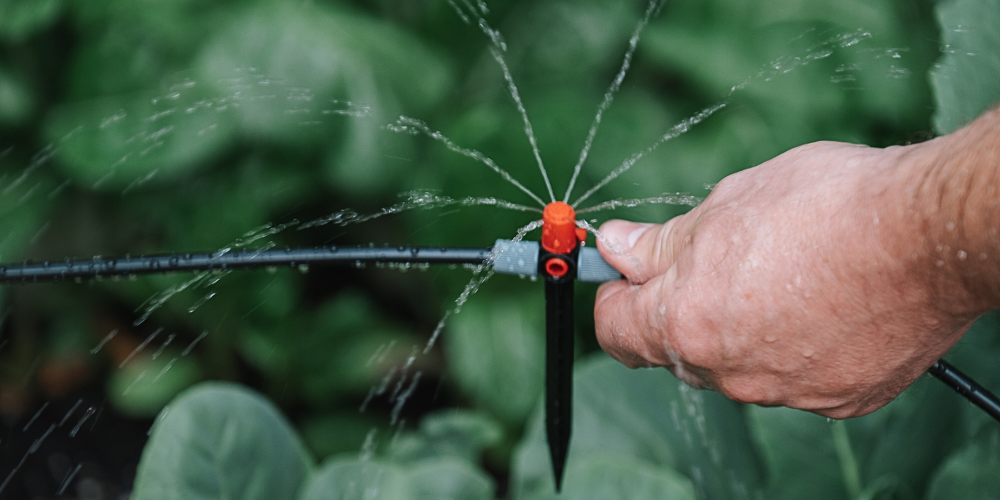
Proper irrigation is essential for the survival and growth of your xeriscape garden. Drip irrigation systems, soaker hoses, or smart controllers are all effective methods that minimize water waste by delivering water directly to your plants' root zones. Avoid overhead watering if possible, as it can lead to unnecessary evaporation and water runoff.

Exploring different xeriscape ideas is a rewarding and sustainable way to create a beautiful landscape while conserving water and supporting your local environment. By simply embracing native and drought-resistant plants and implementing efficient irrigation, you can easily transform your garden into a landscape that is both aesthetically pleasing and contributes to the broader goals of water conservation and eco-consciousness. 

So, roll up your sleeves and create a xeriscaped paradise of your very own this year as a testament to your commitment to a greener and more eco-friendly future. If you get stuck along the way, we'll be right here with the expert advice, tools, and materials you'll need to get back on track! 

Many of us gardeners have enjoyed some successes in the veggie patch this summer and look forward to continuing those successes come harvest time. However, this introduces a whole new host of challenges, as understanding when to harvest your favorite crops is crucial for ensuring maximum flavor and nutritional value. In this blog, we'll explore the optimal harvest periods for some of our most popular crops, along with essential tips on picking and handling your homegrown produce.

What Is the Best Time to Harvest Vegetables in Utah?

Ultimately, the best time to harvest your homegrown veggies will depend on multiple factors, including climate and crop type. These simple tips will help take out the guesswork so you can harvest the right way! 

Millcreek Gardens-Salt Lake City-Utah-Harvesters Guide to Picking Veggies-harvesting peppers

Peppers
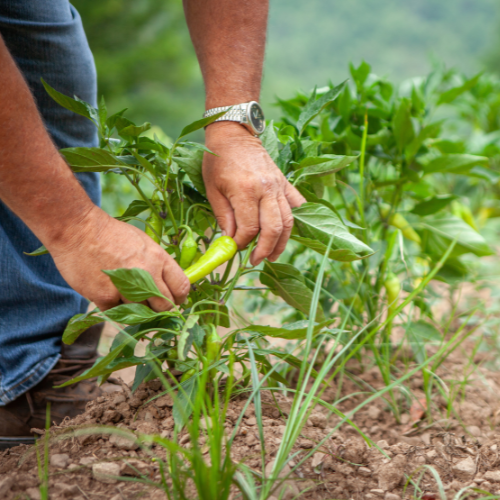
Peppers are a staple crop in many daily dishes thanks to their vibrant colors and distinct flavors. For Salt Lake City gardeners, the ideal time to pick peppers typically falls between late summer and early fall, but the exact timing will depend on the variety you're cultivating. Regardless, it's best to wait for your peppers to reach their mature color—whether that be green, yellow, orange, or red—before harvesting. When you harvest your peppers, avoid pulling or tugging on them, as this can damage the plant. Instead, use sharp garden shears or a knife to carefully cut the peppers from the plant, leaving only a short stem attached. Finally, handle your harvested peppers carefully to prevent bruising or cuts that can lead to spoilage.

Tomatoes
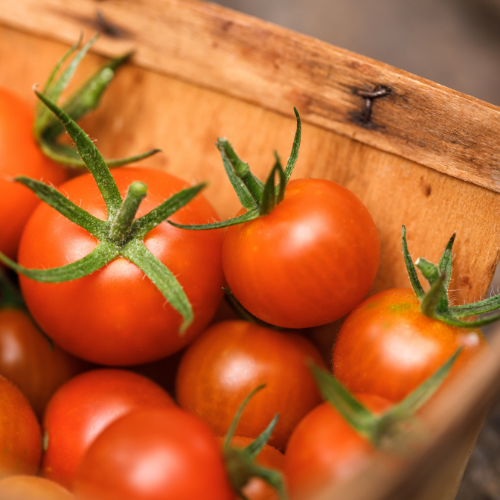
Tomatoes are undoubtedly one of the most beloved crops in home gardens nationwide. In Utah, the prime time for tomato picking is between late summer and early fall. It's best to wait until your tomatoes are fully ripened on the vine before picking, as this ensures optimal texture and flavor. You'll know they're ready for harvest when they have a rich, vibrant color and yield slightly to gentle pressure when touched. To harvest tomato crops, hold the tomato firmly and twist it gently until it detaches from the stem. If you encounter any green or unripe tomatoes, you can let them ripen indoors by placing them in a paper bag with a ripe banana or apple.

Millcreek Gardens-Salt Lake City-Utah-Harvesters Guide to Picking Veggies-harvested lettuce

Lettuce
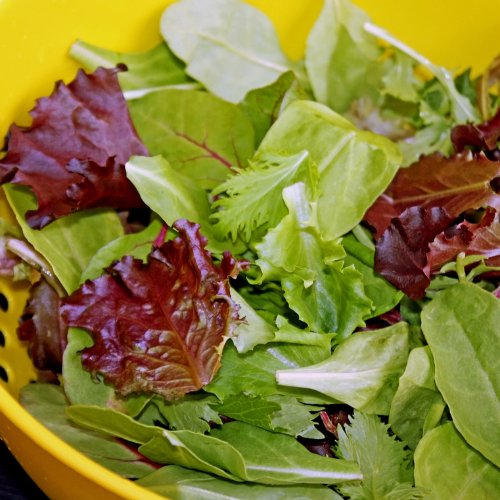
Lettuce is a cool-season crop that thrives in the milder temperatures of spring and fall, so the best time to pick it is right before the first hard frost. Lettuce is ready for harvest when the leaves are full-sized, just before they elongate and develop a bitter taste. When harvesting lettuce crops, use a clean, sharp knife to cut the leaves just above the soil level, taking care not to damage neighboring plants. For a continuous harvest, take only the outer leaves and leave the inner ones to keep growing.

Millcreek Gardens-Salt Lake City-Utah-Harvesters Guide to Picking Veggies-harvesting zucchini

Squash
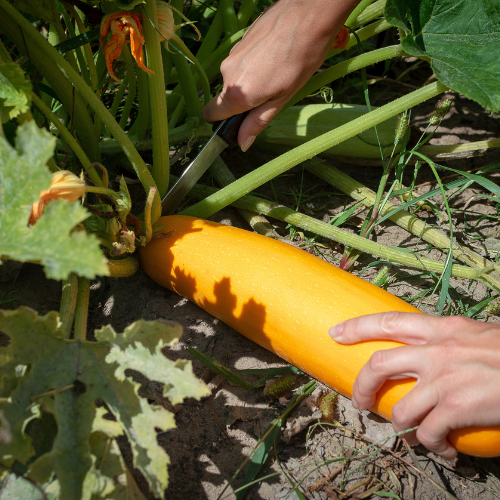
Squash varieties, including zucchini and yellow squash, are warm-weather crops that flourish in Utah's hot summer months. The ideal time to harvest squash is when they reach a manageable size and are still tender. For zucchini and other summer squashes, this typically occurs when they are around 6-8 inches long. When picking your squash crops, use a sharp knife to cut the fruit from the stem, leaving a short portion attached. Harvest your plants regularly to encourage them to produce more fruit throughout the growing season.

Cucumbers
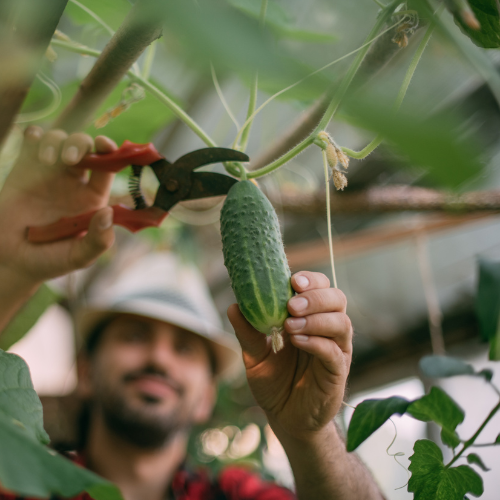
Cucumbers, another popular warm-weather crop, thrive in the summer heat, and the best time to pick them is when they are firm, evenly colored, and have reached their mature size. Avoid letting them grow too large, as overripe cucumbers can be bitter and less flavorful. When harvesting cucumbers, use a pair of garden shears or a knife to cut the fruit from the vine, leaving only a small stem attached. Gently handle your freshly-harvested cucumber crops to avoid bruising, as they can quickly deteriorate once damaged.

Millcreek Gardens-Salt Lake City-Utah-Harvesters Guide to Picking Veggies-harvesting corn

Corn
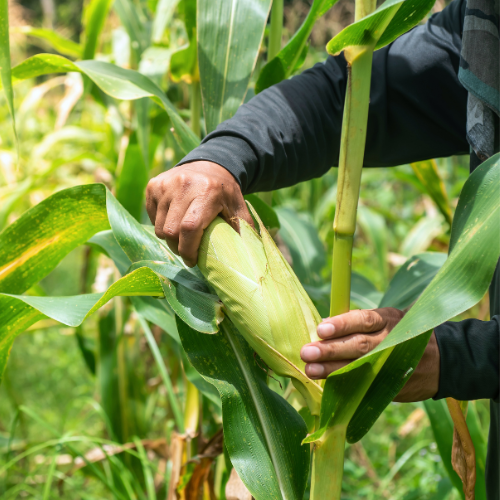
Corn is a classic summer crop that adds a delightfully sweet crunch to any dinner table and is typically ready for harvest in late summer, between July and August. The key to determining your corn's ripeness is to observe its ears; ripe corn will have green, snugly-wrapped husks and dry, brown silks. Once ripe, the easiest way to harvest your corn crops is to firmly hold the ear and twist it downward until it detaches from the stalk. We recommend eating homegrown corn within a few hours after it's been harvested for the freshest taste; however, you can also store it in the refrigerator to preserve its flavor and sweetness.

These tips and guidelines will help you ensure a bountiful and rewarding harvest year after year; however, remember that successfully harvesting crops isn't just about picking the right time! It's also important to know how to properly handle and store your freshly-grown produce to prolong its freshness. Luckily, we at Millcreek Gardens are here to help you out every step of the way, so roll up your sleeves, grab your gardening tools, and embark on a journey of taste and sustainability right in your own Salt Lake City backyard. Happy harvesting!

With the heat of July gearing up, you might be wishing you had more shade in your Salt Lake City garden. The good news is that it's never too late to plant trees for shade, and many varieties only take a few short years to flourish. Choosing the right trees for your space is important, though, so we’ve chosen our favorites for Utah to get you started!

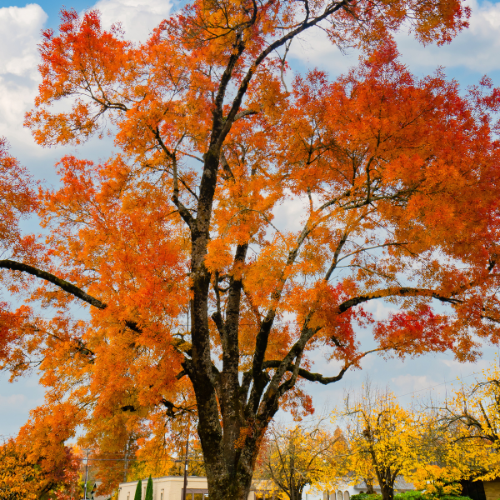
Millcreek Gardens-Salt Lake City-Utah-Pacific Maple tree

Pacific Maple
The Pacific Sunset Maple makes an excellent shade tree for Utah landscapes, maintaining its round shape consistently and adapting well to both heat and drought. Its dark green foliage and upward growth habit keep this tree looking attractive all spring and summer before putting on its fall color show of yellow, orange, and even red. When planting this slow-growing variety in your garden, make sure to leave enough space for its mature height of 30 feet tall and 25 feet wide, and allow it to bask in full sun if possible.

Main Street Maple
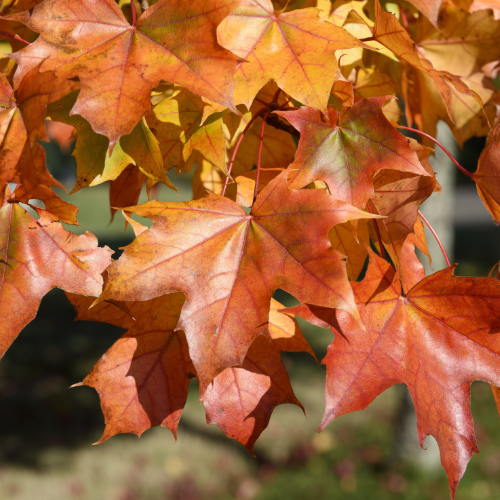
Sometimes known as the Shantung Maple, this “no-brainer” shade tree could be the perfect fit for your Utah landscape this year and is commonly considered one of the best. With its beautiful color-changing habit, starting off maroon in the spring, turning green during the summer, and then exploding into shades of reds, oranges, yellows, and purples in the fall, this is a shade tree worth waiting for! This slower-growing tree reaches 30’ at maturity, and can be expected to live for up to 70 years!

Millcreek Gardens-Salt Lake City-Utah-The Best Shade Trees-bigtooth maple

Bigtooth Maple 
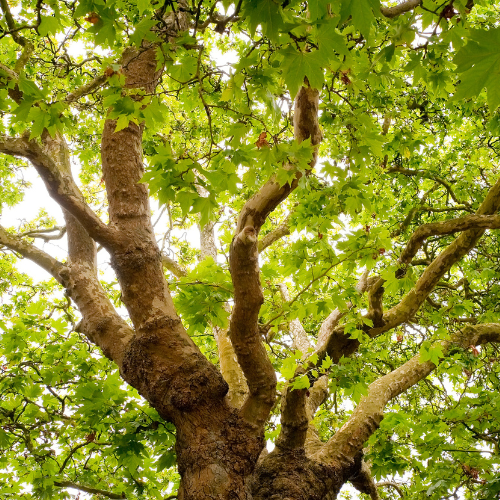
An excellent shade-tolerant choice, the Bigtooth maple is a perennial native to Utah, and is also shade-tolerant, meaning you can plant it anywhere! Being drought-tolerant and capable of handling urban pollution makes this a very adaptable tree, but its rather tall canopy (about 7’ from the ground) means it should be planted clear of power lines. 

Hybrid Norway Maple
A dense, deciduous tree with a lovely oval shape, this maple prefers full sunlight and can be planted just about anywhere in a garden with its small mature size of 35’, but should also be kept clear of power lines.

Millcreek Gardens-Salt Lake City-Utah-The Best Shade Trees-english oak tree

English Oak
You’ll want to clear the way for this shade tree and its stately size and stature. Growing faster than most other elm varieties, the mature height is 60’ and similar in width. This is the perfect shade tree if you’ve got the room, and promises a long and loyal stay in your garden—up to 300 years!

Frontier Elm
One of our favorites here at Millcreek Gardens, the Frontier elm is particularly resistant to diseases and insect attacks, as well as being a quick-grower. Its smaller size makes it the best choice for creating shade in any area, and can be used wonderfully in garden settings for shade, as well as in urban settings.

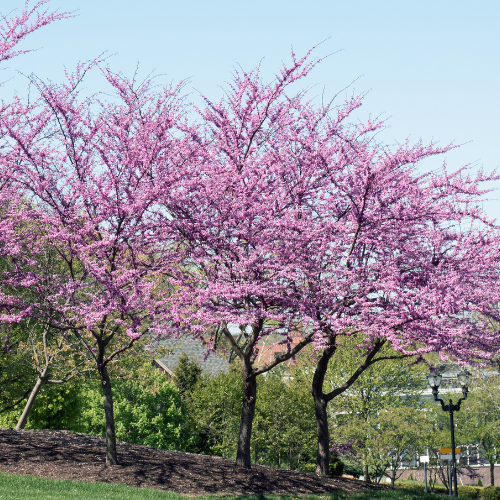
Millcreek Gardens-Salt Lake City-Utah-The Best Shade Trees-Eastern redbud tree

Eastern Redbud 
A redbud tree in bloom can be a memorable occasion, displaying small magenta buds that burst into pretty pink flowers before the leaves appear. Reaching a mature height of about 30’, this is one of the best ornamental shade trees we hope you’ll try in Salt Lake City. The Eastern redbud also looks stunning planted in groups together for a showy and colorful spring show! Fun fact: did you know that Redbud blossoms are edible!?

Japanese Zelkova
This tough, deciduous tree is another top pick for residential shade planting and also one of the prettiest! Native to Asia, the Zelkova is fairly drought-tolerant once established and is primarily chosen for its beautiful cascading growth pattern and vibrant coppery shades in the fall.

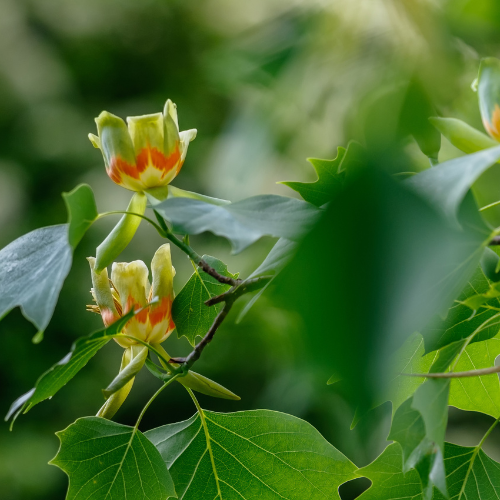
Millcreek Gardens-Salt Lake City-Utah-The Best Shade Trees-the tulip tree

Tulip Tree
This large-growing tree is an exciting ornamental shade tree we love here in Utah, and is the tallest native hardwood tree in North America. Growing upwards of 100’, this isn’t the tree to plant if you’re cramped for space. With yellow tulip-shaped flowers in the spring, dazzling green leaves in the summer, and foliage that turns bright gold in the fall—this is certainly one of the most magnificent shade trees you might find in our area, and one to add to your list if you have the space to let it grow uninhibited!

If you’re ready to start selecting some of the best shade trees for Utah, look no further! Here at Millcreek Gardens we’ve got the advice you need to keep your landscape cool for years to come and would love to be a part of your next tree planting adventure!