For those who want to have some great plant life around their home or building’s interior, but have limited light or care time available, there are still a number of great options out there. Several indoor plants do just fine in low-light conditions, and knowing some of your top candidates may help you arrange your indoor plant setup optimally.

At Millcreek Gardens, we’re happy to provide the top plant nursery you’ll find in SLC, including our comprehensive plant finder that helps you identify any kind of product you’re looking for. In this two-part blog series, we’ll discuss some of the best low-light plants to consider for indoor settings.
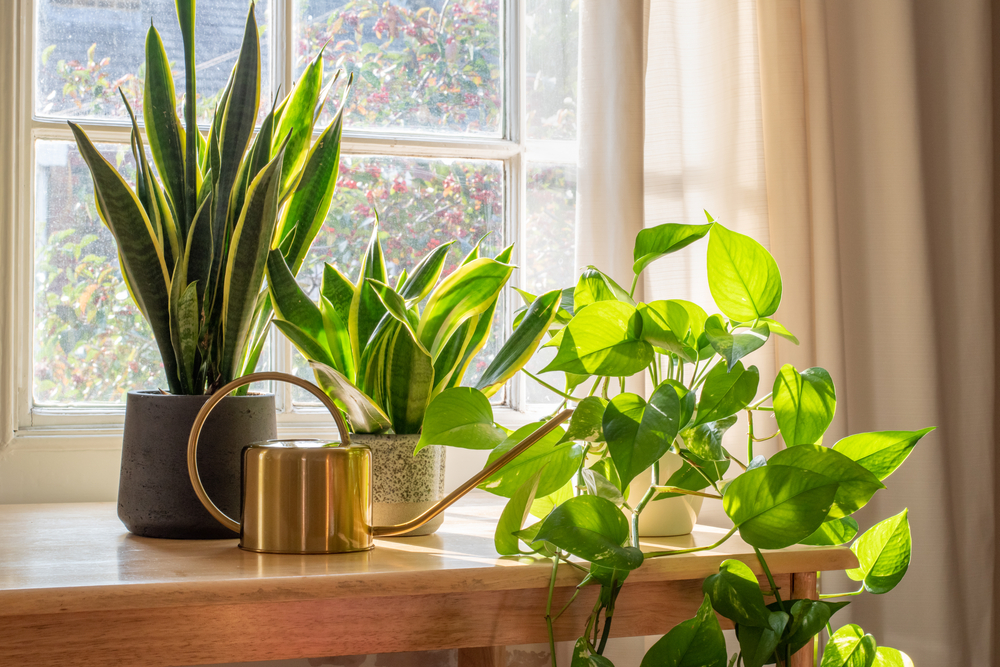
low-light indoor plants snake

Low Light Doesn’t Mean No Light

Firstly, before we get to some of the specific plants you should consider, it’s important to note that low-light indoor plants do best in bright and indirect light. Furthermore, they don’t want to be completely deprived of sunlight, so while they may not need as much as other plants, there still needs to be some available.

Be sure that for any of the plants we’re about to go over, you’ve identified a spot in your home or office that gets some light. You can always test the area with a meter to make sure it’s within or just below the ideal spectrum of 200-300 foot candles.

Now that we know low-light doesn’t mean no light, let’s take a look at some of our top picks for plants that you can use indoors within this category.

Snake Plant

Known in some circles as the mother-in-law tongue, this plant is a great choice for those who want something that doesn’t quite need daily maintenance and will thrive in the right environment. This is a low-light houseplant that has stiff leaves with gray, silver or gold edges, and can reach two to four feet tall in a pot. The snake plant prefers indirect sunlight, as well as a fertile, moist soil and regular waterings.

ZZ Plant

For those who are short on both light and time, the ZZ plant is an excellent choice. These plants are known for their low-maintenance needs, and they take even less care than the snake plant. This one grows in a wide variety of shapes and sizes, with glossy green leaves that can reach up to three feet tall when planted in a pot. They do best under indirect light and should be watered every once in a while.

Devil’s Ivy

Known also as the pothos plant, this is a high-foliage option that will work in a wide variety of settings. The leaves are heart-shaped and grow up to 18 inches long, coming in green, yellow or white varieties. They do best with indirect light exposure, and they don’t require much watering –just enough to keep them from drying out completely.

These are just a few of the many low-light indoor plants that you can consider for your home or office. Be sure to keep in mind the lighting preferences and other needs of each plant before making any final decisions, as this is key to ensuring they thrive under care. At Millcreek Gardens, we’re here to help you make those choices with the best selections around –so be sure to contact us with any questions you may have!
There are many cases where you may want some beautiful flowers like tulips or daffodils as part of your garden, but either you don’t have a lawn to plant them in or your soil has issues with drainage. In these cases, don’t fret – these flowers are just as robust if they’re planted in various containers, and this is a viable option as well.

At Millcreek Gardens, we offer a variety of garden plants, gardening tools and other supplies to assist with all your Salt Lake City gardening and landscaping needs. Here are some of the simplest tips on how to proceed if you’re looking to plant tulips or daffodils in containers this spring, from container selection to long-term care.

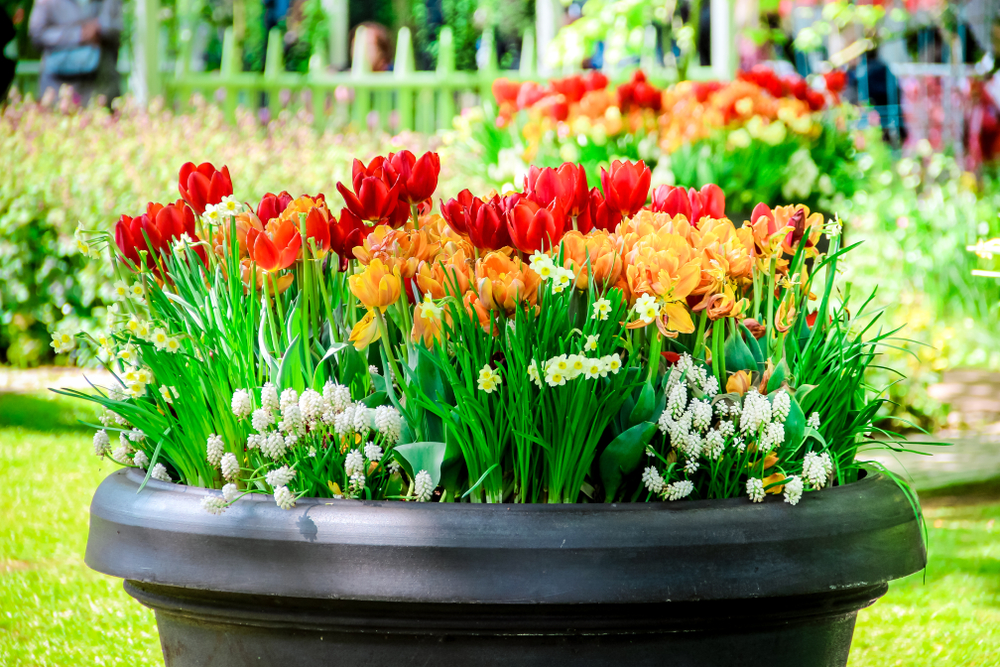
planting tulips daffodils containers

Selecting the Ideal Container

One of your first items here is selecting the proper container. Here are some tips:

  • Tulips: For tulips, a relatively large container will be required – we typically recommend at least 18 inches in diameter, plus a tall outside height. If you plan to leave these out year-round, you should go even larger to allow the bulbs space and protect them against freezing.
  • Daffodils: Daffodils don’t require quite as tall a container, but because they have deep root systems that can go about a foot deep, you’ll want something that’s at least 12 inches or so deep. Make sure the container has good drainage holes in its bottom – otherwise, your flowers will drown!

Soil and Planting

Once your ideal container is selected, it’s time to move onto soil selection and positioning. For both tulips and daffodils, select a soil that’s light and fluffy. A combination of peat moss, perlite, vermiculite and compost is ideal for providing the adequate drainage required for both tulips and daffodils.

When planting, which is often done in fall, plant in similar ways as you would if you were growing in normal soil. You won’t need to fertilize at all here, luckily. And for both these types, placing bulbs in a general circle, one where they have some space from one another, is ideal.

Watering and Care

After planting, both these plants should be moved to cool, dark locations with temperatures between 35 and 45 degrees Fahrenheit. One of the most important parts of their care is regular watering, which should include several deep waterings during the early parts of their life. And keep in mind that bulbs will need to be replanted every three to five years; if you leave them in their original container for too long, they won’t flower as vibrantly or reliably.

At Millcreek Gardens, we’re proud to offer all the supplies you need for a successful container garden of tulips and daffodils. Come visit us today to get started, or to learn about any of our SLC gardening products or services!

There are certain plants that can grow both outdoors and indoors, but will do so in different ways and will require differing expectations and care. A good example here is the primrose plant – while this plant is usually grown long-term outdoors, it’s also sometimes used as a short-term indoor houseplant.

At Millcreek Gardens, we’re happy to offer a wide range of quality plants for sale in our plant nursery, assisting clients with any of their possible needs. If you’ve decided to care for a primrose plant in an indoor setting, here are some of the basics to keep in mind – including a quick note at the end on possible eventual conversions to an outdoor plant.

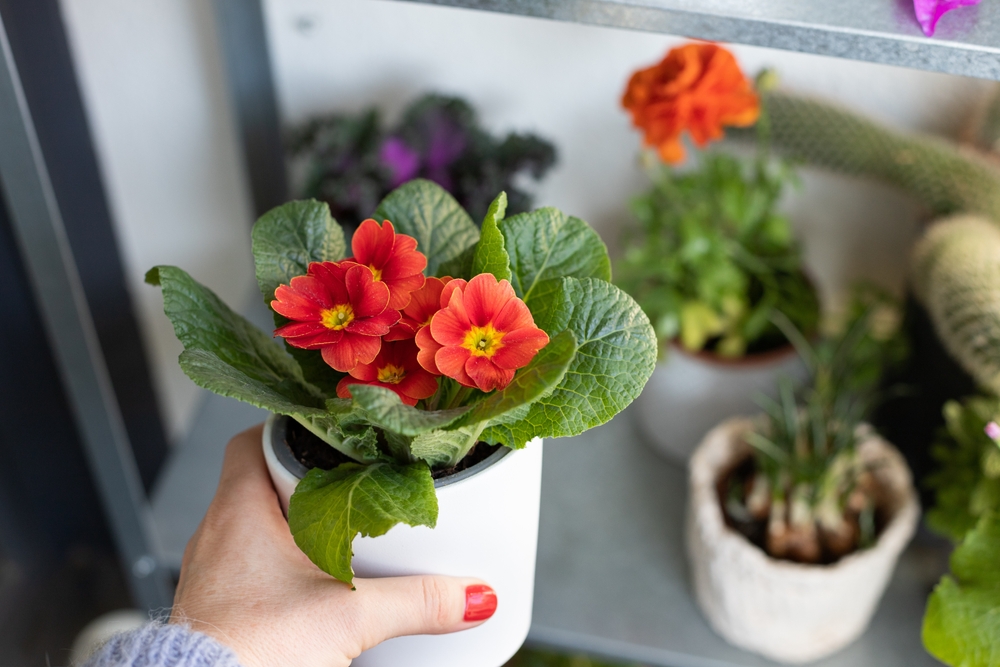
caring primrose plants indoor

Have the Right Expectations

As we noted above, it’s important to have the proper expectations if you’re purchasing a primrose plant for indoor care. In these settings, primroses are only meant to flower for a few weeks, after which the remaining foliage should be removed and replaced with new, fresh plantings. We’ll discuss your options for how to proceed once the flowers are gone in just a bit.

Light

If you’re going to be growing a primrose plant indoors, bright light will be required – either on a direct or indirect basis. If the plant is placed too far away from a window, it’s likely that the flowers will not open properly – and if left without any light at all, then the entire primrose could die off entirely.

Water

Primroses need plenty of water in order to thrive indoors, but be careful not to overdo it – as if you water them too much, they can be at-risk of root rot, which can be difficult to recover from. The key here is watering the entire soil surface of the plant as evenly as possible – try to water anytime the top of the soil feels dry, preventing it from drying out and causing the death of the plant.

Fertilizer

The only time when primrose houseplants should receive fertilizer is when they’re actively in bloom, during which periods they should get fertilizer about once a month. While not absolutely necessary, fertilizer will help the primrose perform better and look its best – but again, only when it’s in flower.

Temperature

In ideal settings, primrose plants will be grown indoors between 50 and 65 degrees Fahrenheit. At their extreme limits, they should never be allowed to exceed 80 degrees Fahrenheit.

Outdoor Conversion

Finally, once the indoor flowering period is over, you can consider transferring your primrose plant to an outdoor setting. This process should be done slowly and carefully, as the transition requires time for the plant to adjust – so choose a spot in partial shade and let them gradually acclimate, in order to ensure their long-term health.

For more on the process of caring for primroses in both indoor and outdoor settings, please don’t hesitate to contact the team at Millcreek Gardens today – we’re here to help with all your gardening needs. Happy planting!

Start an eco-friendly tradition this holiday season with a living tree, one that you can trim with your favorite decorations and then plant in your yard after your celebrations are over. Here are some simple tips from Millcreek Gardens, your top garden center and plant nursery in Salt Lake City, for choosing and caring for a living Christmas tree.

Living Christmas Trees

Plan Ahead

Think about where the tree will be located. Keep it away from heater vents, fireplaces, and drafts. Though living Christmas trees won’t drop needles like a fresh-cut tree would, you’ll probably need plastic sheeting to protect the floor from dirt that could spill out of its pot. Place the tree on a saucer to help collect any excess water. Casters are optional, but a good idea for ease of movement in and out of the room.

You’ll also want to leave your living Christmas tree in its nursery container for its time indoors. Repotting isn’t necessary, and can be quite messy. If you’d like, you can place the potted tree into a decorative container, as long as it’s large enough to fit inside.

Decorate and Celebrate

Once your tree is inside and placed where you want it, it’s time to begin decorating! When it comes to decorating a living Christmas tree, there isn’t much of a difference compared to a traditional cut tree. Hang garland, lights, tinsel, and ornaments just like you would on a cut tree. Use a tree skirt around the base.

Think of your tree as a temporary houseplant. While the tree is inside, you’ll also want to water it regularly. The easiest method for watering live Christmas trees is to place a pile of ice cubes atop the soil. As they melt, they slowly release water, which is gradually absorbed by the roots.

Take it Outside

Display the tree indoors no longer than seven days. Most trees would require planting at some point after the holidays, or at least placement outdoors where they would be exposed to a normal degree of winter precipitation. However, first move the tree out of the warm house and into a colder garage or breezeway for three days so it can acclimate into the colder environment.

During winter, a tree is dormant as its metabolic state slows down to limit its overall exposure to adverse conditions. This means that it’s as ‘asleep’ as it will ever be during the year.. If the ground is soft enough to dig a hole, you can plant a tree. If there’s a thin layer of frost, oftentimes the ground is workable underneath. If you’d rather wait for warmer weather, you can leave the tree outside and plant it in the spring. Regardless of when you plant, check out our handy planting guide.

For more on how to go about ordering and decorating a living Christmas tree this holiday season, or to learn about any of our garden supplies or other plants and trees, speak to our expert staff at Millcreek Gardens today!

In part one of this two-part blog series, we went over some of the primary ways that taking part in regular gardening provides health benefits – both in the physical and mental realms. Many people enjoy gardening for several reasons, and especially so when they realize that it’s actively contributing to a healthy lifestyle.

At Millcreek Gardens, we’re happy to assist gardeners of all types across Utah, providing everything from quality plant nursery products to gardening tools and many other areas in between. We went over things like stress relief, lower blood pressure and higher levels of vitamin D in part one of our series – today’s part two will look at some of the other physical and mental health benefits of gardening regularly.

gardening health benefits strength

Makes it Easier to Eat Fresh, Healthy Food

Another key reason why gardening is linked to improved health is that it can make it easier and more enjoyable to eat fresh, healthy food. Whether you’re growing herbs in your windowsill or have a full garden filled with produce, having access to nutritious fruits and vegetables right outside your door encourages healthier eating habits.

In addition, studies suggest that the act of harvesting produces may encourage people to eat more of the foods they grow over time. Especially for those who have trouble sticking to a healthy diet, gardening can provide the motivation and satisfaction needed to stay on track.

Better Mobility, Strength and Balance

Gardening is an activity that involves bending, stretching and reaching – all of which are great ways to improve mobility and strength. Since it’s low-impact, there’s also a lower risk of injury compared to many other forms of physical activity. Doing various forms of gardening, such as lifting and carrying heavier soil bags or pushing a wheelbarrow, can also help build muscle strength over time.

Plus, the process of bending down to tend to plants requires balance – something that tends to decline with age. Gardening activities can help people maintain their balance more easily, reducing their chances of falling and sustaining an injury.

Creativity and Mental Benefits

Finally, for many people, gardening helps unlock the creative side of their personality. Whether it’s designing a garden landscape or experimenting with different ways to improve soil fertility, gardening can provide an outlet for creative expression and problem solving.

In addition, the many sensory elements of gardening – such as feeling the warmth of the sun, hearing birds sing and smelling various blooms – can trigger positive emotions and a feeling of contentment.

As you can see, gardening isn’t just good for the body, it’s also beneficial to the mind. So what are you waiting for? Get out there and start gardening today! At Millcreek Gardens, we’re here to help you get started and make your garden dreams come true. Give us a call or visit us at one of our locations and let’s get started!

There are numerous hobbies and tasks that are known to help many people with their personal well-being in multiple ways, and the realm of gardening is a fantastic example. In fact, there’s robust evidence that gardening regularly shows both physical and mental health benefits to many people.

At Millcreek Gardens, we’re proud to assist gardeners throughout Salt Lake City and nearby areas with all their needs, from a wide selection of plants to various garden tools, garden fertilizers and much more. What are some of the health benefits that come with gardening, both physical and mental in nature? Here are several across this two-part blog series.

gardening health benefits stress

Stress Relief and Lower Blood Pressure

Stress is one of the single most common and insidious health risks that most people face on a daily basis. Managing stress is a common challenge for many people, but luckily for those who garden, their hobby can help them to manage this potential threat.

People have reported significant reductions in stress and anxiety when gardening regularly, which can also lead to lower blood pressure over time. Studies suggest that being more in touch with nature helps people to manage stress and anxiety more effectively, which is an important benefit.

One of the most common reasons for gardeners to participate in this activity is that it offers a great way to relax, de-stress and enjoy time outdoors amidst nature. There are numerous studies showing the benefits of gardening on stress management, including many psychological studies showing that this activity offers a great coping mechanism for dealing with stress.

Sunshine and Vitamin D

Within the physical health realm, vitamin D is a vital component for the body and skin health. The sun is a major source of vitamin D, which is why many people don’t get enough of it throughout day-to-day life.

Gardening gives you access to ample amounts of vitamin D through direct exposure to the sun’s ultraviolet rays as well as from certain types of foods that can be grown or eaten within a garden. For people who work indoors most of the time, gardening is an excellent way to make sure you’re getting enough vitamin D and sunlight throughout the day, which can help your overall health and well-being in numerous ways.

Along with this, gardening gives you access to plenty of fresh foods that are nutritious and healthy for your body. In fact, many people who garden are more likely to consume more fruits and vegetables on a regular basis than those who don’t partake in this hobby, which gives you the opportunity to improve your diet and health through gardening.

Let Millcreek Gardens assist you with all of your SLC gardening needs – whether you’re just getting started or you’ve been gardening for years. We have a wide selection of plants, garden tools, fertilizers and more that can help you with your gardening endeavors! Call us today to learn more about our products and services.

In part one of this two-part blog series, we went over some basics on how to go about making your garden as pet-friendly as possible. From basic functionality and aesthetics to confirming your pet will be safe and healthy within every part of your garden that’s accessible to them, there are several important concepts to consider here.

At Millcreek Gardens, we provide numerous services and resources for gardening clients throughout Utah, from a wide range of plants and plant supplies to fertilizer, tools and much more. What are some other tips we often provide to pet owners who want to make their garden as accessible and friendly as possible to their pets? Here are several.

pet-friendly garden insects plants

Avoid Open Compost

Many owners of quality gardens like to compost their own food and yard waste, but if you have pets that spend time in the garden, this can pose a serious health risk. If your pet ingests compost that is not fully broken down, it can cause vomiting, diarrhea and other gastrointestinal issues.

Now, this doesn’t mean you have to remove your compost entirely; rather, make sure it is in a pet-proof container with a lid that your animal cannot open. This will help avoid any accidents and keep everyone safe and healthy.

Slug, Snail and Other Pest Risk Prevention

While most bugs and insects aren’t much of a concern for dogs and other animals, there are just a few that can pose a serious threat. Slugs and snails, for example, often carry a disease known as rat lungworm, which can cause meningitis in pets that ingest them.

Again, the best solution here is prevention; make sure to keep an eye out for any slugs or snails in your garden and remove them immediately. You can also take measures to prevent them from getting into your garden in the first place, such as keeping the area around your garden free of debris where they might hide.

Choosing Strong, Sturdy Plants

Especially for the dog owners reading this blog, and even more so for those with large breeds who like to chew or eat just about anything, it’s important to choose plants that are strong enough to withstand a little bit of wear and tear. This means avoiding any plants with delicate leaves or stems that could easily be broken off.

Some good options for dog-friendly plants include:

  • Hens and chicks
  • Lamb’s ear
  • Spiderwort
  • Rosemary
  • Sage

Of course, this is just a small sample of the many different types of plants that are out there; doing a little bit of research on which ones will work best for your garden and your pet’s needs is always a good idea.

With the right precautions and plant choices, it is entirely possible to create a pet-friendly garden that is both aesthetically pleasing and functional. Avoiding common hazards and keeping an eye out for potential risks will help you create a safe space for your animal companions to enjoy along with you.

For more on this, or to learn about any of our gardening services or resources, speak to our team at Millcreek Gardens today.

Many people are passionate about both their pets and their property, and one theme where they sometimes converge is within your garden. There are many ways to achieve a pet-friendly garden that will both look and function optimally — as long as you have the right simple concepts in mind, that is.

At Millcreek Gardens, we’re happy to offer a huge range of gardening products and services to clients throughout Salt Lake City, from simple gardening tools to pest prevention products, soil and soil conditioners, and more. We also provide simple expertise on several possible gardening needs or themes, including how to set up and maintain a garden that’s friendly and conducive to any pets who live on your property. This two-part blog series will look over several tips for approaching this theme.

pet-friendly garden plants chemicals

Dog-Friendly Plants

First and foremost, there are a number of different plants that are completely healthy to dogs, and will not raise any toxicity or risks if your pet happens to consume them. This is good news for gardeners who want a pet-friendly space that’s also aesthetically pleasing; you don’t have to worry about making too many concessions in terms of what plants you can or cannot include.

The list of plants to avoid in this realm includes monkshood, buttercup, daffodil, foxglove, anything in the lily family and a few others — being aware of these can help you to avoid any accidental poisonings. But there are many, many plants that are safe for dogs and won’t cause them any harm if ingested, including impatiens, rosemary, petunias, daisies and more.

Use Chemicals Sparingly

Because dogs and other pets will commonly eat grass or other plants within your garden, it’s important to be judicious about the chemicals you use, if any. Dogs are more susceptible than humans to the effects of herbicides and pesticides, so even products that are labeled as safe for humans can pose a serious threat if used too frequently or in high concentrations.

The best rule of thumb is to either avoid using these chemicals altogether, or to use them in such a way that your pets will not have direct exposure. For example, you might apply herbicide before your dog has access to the garden, giving it time to dissipate before they’re able to come into contact with the plants.

Fences and Boundaries

For those who want to be able to leave dogs and other pets in the yard without worrying about them running away or getting into something they’re not supposed to, it’s important to set up some clear boundaries. This usually means installing a fence that’s tall enough and secure enough that your pet cannot escape.

Of course, this isn’t always possible or practical, depending on the size and layout of your property. In this case, you’ll need to get creative, using things like landscaping features, garden gnomes or other lawn decorations to serve as a physical boundary that your pet will understand not to cross. Obviously, proper training of pets is essential to make any of these efforts successful.

You might also consider using an invisible fence, which uses radio waves to create an invisible boundary that will cause a mild shock if crossed. These can be effective, but they also require special training and conditioning for the animal.

In part two of our series, we’ll go over some further themes here. For more on a pet-friendly garden, or to learn about any of our nursery or garden center services for clients throughout SLC, speak to our team at Millcreek Gardens today.

Conserving water during extreme heat and drought conditions is a challenge, especially with respect to our garden plants. We want to encourage gardeners to conserve water without compromising the health of their gardens, and to that end, the team here at Millcreek Gardens has some advice for you about plants you can find at our Salt Lake City nursery that flourish, even with very little watering.

Even though Salt Lake City has always had an arid climate, drought and heat are making conditions for some plants impractical. While we aren’t advocating pulling up your favorite flowers and shrubs and replacing your lawn with rocks or gravel, we do want you to have color and joy in your yard while at the same time respecting the area’s efforts to conserve water.

sedum

Hardy Plants for Arid Climates

1. Cactus

Cacti have always been a favorite here in northern Utah, their spiny hardiness a testament to their ability to thrive even in temperatures over 100. A darling of the Southwest, some cacti love life here in Salt Lake City as well and can handle our cold winters.

Get some mature cacti and create a small cactus garden right in your front yard. Everyone is familiar with the tall, spindly cacti sprouting arms on either side, but get creative with different shapes and sizes. Plant round, fat cacti, tiny cacti with colorful flowers on top and some nice flat prickly pear or cholla cacti that will survive our cold and dry winters.

2. Succulents

Succulents make a great addition to your cactus garden. You can plant hens and chicks, also known as houseleeks, either indoors or out. Their flat, fleshy “leaves” are a joy to behold, and they may grace your yard (or home) with flowers from time to time.

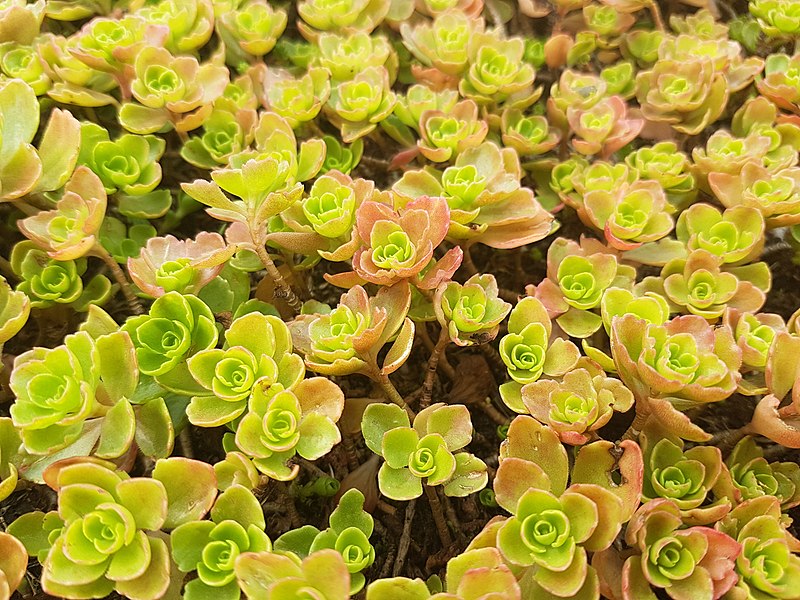
There are literally hundreds of varieties of sedum, and many gardeners use sedum as an attractive ground cover — both leaves and flowers may be colored. Ice plants are another ground cover, and these sport beautiful flowers of every color imaginable.

Yucca filamentosa, with its long, spiny leaves, can grow to almost 10 feet tall and sprout clublike clusters of adorable white flowers.

3. Day Lilies

Day lilies will bring some much-welcome color to your drought-resistant garden, with their orange, showy flowers spreading cheer even on cloudy days. Although we think of tiger lilies and day lilies as orange because this is the most common variety, you can get day lilies at our plant nursery in a variety of colors, including white, pink, yellow and lavender.

One of the best parts of landscaping with day lilies is that you can plant them almost any time of year. And while they are thirstier than cacti (day lilies need adequate watering from time to time) they are an especially hardy plant.

4. Yarrow

Yarrow loves relentless sun, so Salt Lake City is a great place to plant this long-blooming perennial! Once used for a variety of medicinal purposes, today yarrow is a favorite among gardeners who love an easy-to-care-for plant that propagates well. Divide this plant regularly and it will thrive with very little watering.

Taking Care of All Your Plants

While you’re here at our Salt Lake City plant nursery shopping for plants that don’t need much water, consider stocking up on mulch to better hold the water around plants that require more of it.

Count on Millcreek Gardens for annuals, perennials, trees, shrubs, and a wide variety of garden products.

It’s July! It’s time to prepare for the dog days of summer, with typically dry conditions, temperatures in the mid 90s or higher, and SUN. Landscapes are often under the unique stress of Utah’s hottest season, so you’ll begin to see what your landscape choices are really capable of.

And now might be the time to consider plants that are already well suited for our Utah conditions – NATIVE PLANTS! Millcreek Gardens has created a new native and xeric plant department to better serve our guests, chock full of true Utah natives, natives from the greater Intermountain West and Great Basin, and a few non-natives that have proven themselves nicely drought tolerant.

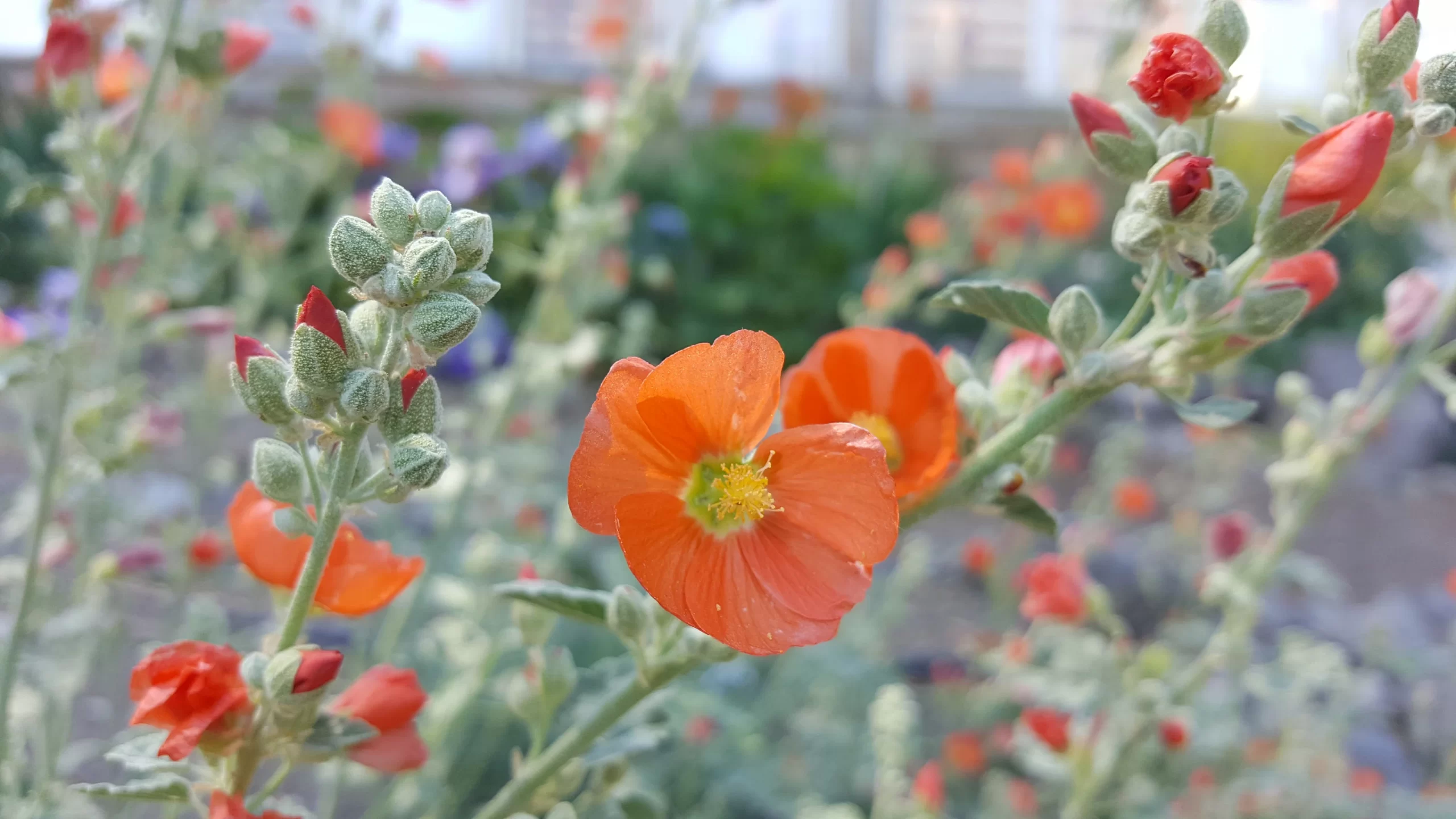
globe mallow

But why consider native plants in the first place?

  1. WATER CONSERVATION: Conserving water is certainly a top priority for any landscape in Utah, the second driest state in the country. BUT THIS DOESN’T MEAN YOU STOP WATERING, nor does it mean ROCKSCAPING. Instead, the key to sustainable water conservation is to keep your soil healthy, because if it is, your plants are healthy as well. Healthy soil absorbs rainwater and irrigation water like a sponge, it sequesters carbon, and it provides habitat for all kinds of beneficial microbes, fungi, and critters. Unhealthy dry soil, especially soil covered in rocks and landscape fabric, will repel water like Gore-Tex, and is essentially devoid of life, exacerbating drought conditions even more.

The first step in building healthy soil is to plant native plants because they have deep root systems to help hold water in place. Ditch the landscape fabric and instead spread a nice, 4 inch thick layer of wood bark mulch to help retain water, keep soil temperatures cooler, prevent soil erosion, and prevent weeds! And remember: drought does not cause bare, dry soil; bare, dry soil causes drought.

  1. EASE OF MAINTENANCE: Native plants are much less work to maintain than traditional garden plants. Natives like to be watered occasionally, and not much else! No more costly fertilizing, professional pruning, watering, and whatnot. Native plants prefer to be neglected (once established of course) and are perfect for the busy gardener with other landscape priorities.


  1. SUPPORT LOCAL WILDLIFE: Trying to support bees? Sure, you could get a beehive, but remember that hives are for foreign, imported European honeybees! Honeybees are crucial to our food crop industry, but they are far from the only bees out there. In fact, Utah is home to over 900 native bee species, all of them living a solitary life far different than our typical conception of a busy bee colony. Planting native flowers will help to support these native bees, which still play a major role in pollination, just like their European cousins. Native bees do not nest in hives; they are not gregarious, but solitary, so by planting food for native bees, you help to support their food and habitat. Remember: we humans cannot go it alone, we need all the creatures we live with, no matter how great or small. There are no islands in the web of life!


  1. UNIQUE LOCAL LOOKS: While it’s true, native plantings might not look like a busy English garden or a manicured French estate, but including them in your landscape design will better ground your native look with the local ecology. Native and other drought tolerant plants feature surprisingly beautiful blooms, interesting foliage (blues and slate grays), and unique textures.

Planting native plants has always been a solid idea, but now it’s even easier since we’ve added a whole new department to make shopping easier and more efficient!