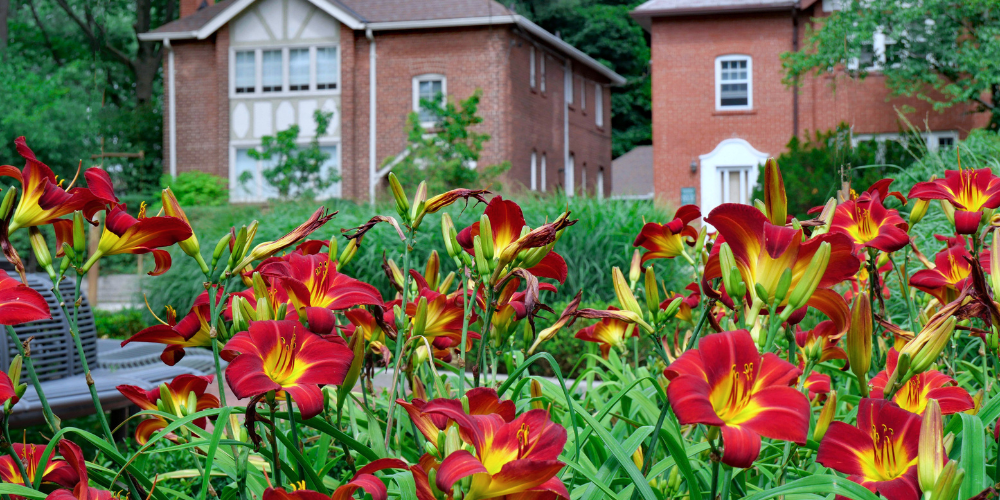
Thanksgiving is here, and we're grateful to be spending it with our friends, family, and loyal customers in Salt Lake City. This year, we're celebrating our love of gardening by pausing to reflect on the fantastic memories our gardens have created for us this year. We'll also explore some creative ways to celebrate Thanksgiving, focusing on garden-inspired decor to help you go into your holiday season glowing with garden gratitude! 

How Can I Share My Gratitude This Thanksgiving?

These are some thoughtful ways you can show and share your gratitude this Thanksgiving:

Share Gardening Memories as a Family

Thanksgiving isn't just a time to express gratitude for the present; it's also an excellent opportunity to reflect on the past and the memories that have transformed us into who we are today. Getting together with family and friends is the best part of any holiday, and sharing stories with loved ones about how gardening has impacted our lives is nothing short of inspiring! Talk about that flower that reminds you of grandma; you don't know what kind it was, but you remember how it grew on the trellis in her backyard when you were a kid, how even today, the smell of it brings back those comforting memories. Thanksgiving is the perfect time to share these kinds of stories, along with the gardening knowledge that has been passed down in your family from generation to generation. 

Create DIY Thanksgiving Ornaments and Decor

Make this year's Thanksgiving celebrations something to remember by revisiting old photo albums for snapshots of cherished garden moments and incorporating them into your holiday decor. Try making DIY tree ornaments or framed displays that you can use in your seasonal decorations year after year. You can also use them to make custom gifts that everyone in your family will cherish! 

If you want to get a little more into the harvest vibe, try crafting delightful acorn-shaped decorations using locally sourced twigs and acorn caps. It's also fun to paint miniature pumpkins or gourds in warm autumn colors and add some sparkles to shimmer in the candlelight. 

Handmade treasures like these capture the essence of community, symbolizing the bountiful harvest and collective appreciation for nature's gifts that we share with family from generation to generation.

Decorate Your Home and Garden for Thanksgiving

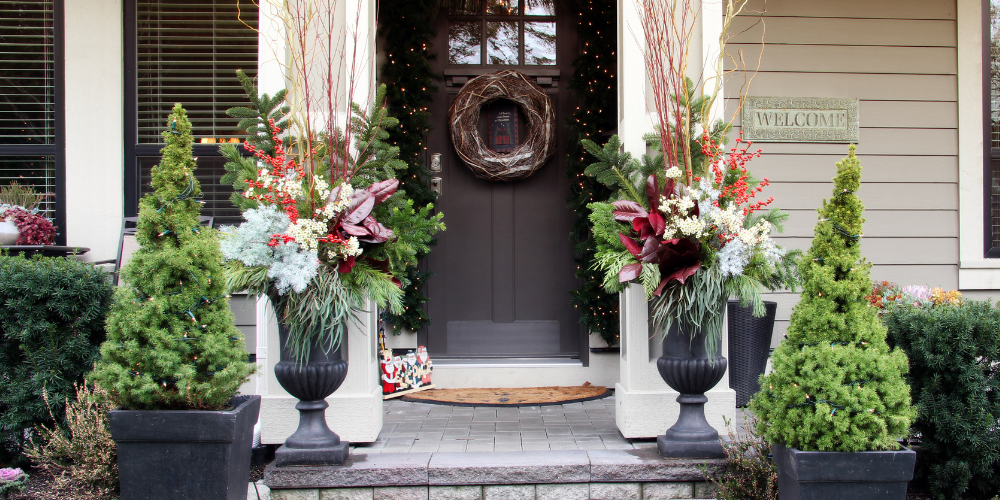
We think decorating for the holidays should always include the garden, so remember to let your outdoor spaces shine—even during the winter months. Set up a cozy seating area with fall and winter-themed cushions and blankets, surrounded by harvest-themed garden ornaments that the whole family made together. You can also add some sparkle by illuminating the space with festive outdoor lighting for Thanksgiving, like string lights or lanterns, to create a warm and inviting atmosphere for guests.

We also like to incorporate some seasonal garden accents into our indoor Thanksgiving decor that celebrate the natural beauty of fall, like pumpkins, gourds, and arrangements of autumn flowers. Some of the best plants and flowers for Thanksgiving garden arrangements include roses, sunflowers, orange daisies, and lilies. Perennial seed pods also make fantastic additions to your floral arrangements, adding a unique seasonal texture that really makes your Thanksgiving displays pop!

Choose a Living Tree for Sustainable Celebrations

With Thanksgiving sliding right into the Christmas season, now's also the perfect time to think about trees! One of the best ways to kick off your holiday preparations is by opting for a live tree instead of a cut one. A live tree can be planted in your yard after the holidays end, making it a sustainable choice that reduces your environmental impact, cultivates long-lasting memories, and grows into an enduring symbol of life and growth—something we can always be grateful for! Consider using this living tree alongside or instead of a traditional cut tree to bring a touch of nature indoors. We've got a fantastic selection of fresh greenery in store just in time for the holidays, including a variety of both live and fresh-cut trees, so stop by and visit us today if you still need help deciding!

This holiday season, we want you to celebrate all your family's amazing garden memories and look for creative ways to make new ones for future generations. It's a blessing to be grateful for the bounty of the present and to look forward to the promises of future harvests, but it's also a beautiful thing to cherish the celebrations of years past.

Come see us at Millcreek Gardens for everything you need to make your own memories this year, and don't forget that we're your holiday headquarters for Thanksgiving garden decor and more this year in Salt Lake City!

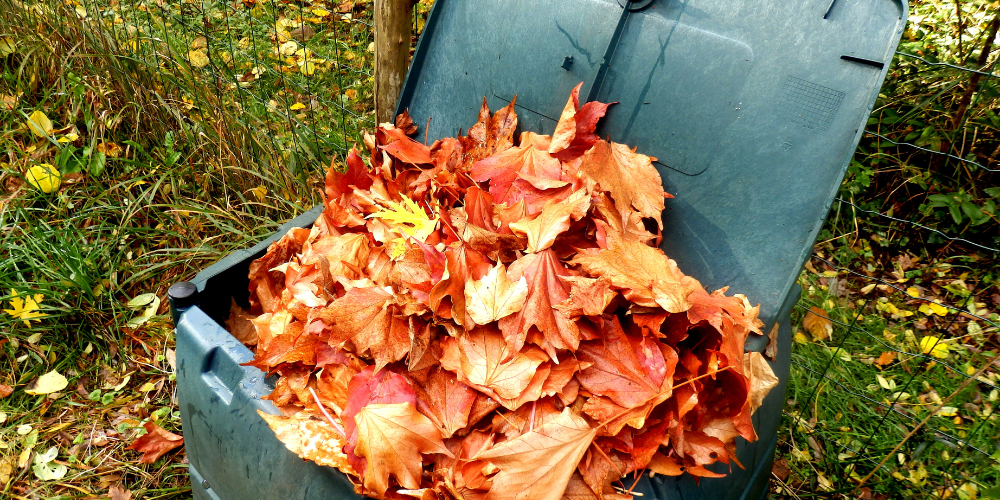
When you and the kids are finished jumping in those giant leaf piles, we’ve got another great use for those leafy leftovers—mulch! If you’ve never considered the potential of those leaves as a natural mulch for your garden, this blog might just change your mind. Here, we will explore the many reasons why leaves are an excellent choice for mulching, and why you should reconsider raking them away this year. 

The Benefits of Using Leaves as Mulch in Salt Lake City

Alright, so why leaves, anyway? Here’s why we want you to try using leaves as mulch this year, and why you’ll love them!

- Reduction of Moisture Loss: Leaves can act as a protective shield in the garden, preventing moisture evaporation from the soil beneath. This is particularly essential during the winter months when soil dehydration can be a significant concern for Utah gardeners.

- Natural Compost: As leaves break down over time, they enrich the soil with valuable nutrients, acting as a natural compost. This gradual release of nutrients ensures a healthier and more fertile soil for your plants.

- Protection Against Freeze-Thaw Cycles: Leaves provide an insulating layer that stabilizes soil temperatures against frost, reducing the damage caused by freezing and thawing cycles. This is especially beneficial in areas like ours with harsh winters.

- Suppressing Weeds: A layer of leaves on your plants will serve as a natural weed barrier and keep those unwanted plants at bay. 

- Cost-Effective: Using leaves as mulch is an eco-friendly and cost-effective alternative to purchasing commercial mulch materials. Saving money and putting a natural resource to good use is always a win-win!

How to Make the Most of Leaves as Mulch

While you might be tempted to start tossing those leaves around willy-nilly to get them out of the way, we’ve got a few expert tips to make sure they’re going to work efficiently:

- Shredding: Before applying leaves as mulch, we like to encourage shredding them first. Leaves that are shredded before being applied break down more easily, create a smoother mulch layer, and are less likely to mat or compact. You can achieve this by mowing over them to break them down quickly.

- Proper Layer Thickness: Apply a layer of your shredded leaves around 2-4” deep to provide adequate insulation without suffocating your plants.

- Avoid Piling Against Stems: Mulch does a pretty good job at keeping things nice and snug, so to prevent stem rot and other potential issues, make sure to leave a gap between the mulch and the base of your plants.

Creating Your Own Leaf Compost

Making your own leaf compost for winter mulching in Salt Lake City is easy! Here’s how to do it:

- Leaf Pile Composting: If you have an abundance of leaves collecting in the backyard, use them to create a leaf pile for composting. Over time, these leaves will decompose and turn into a nutrient-rich leaf mold.

- Mulch with Partially-Decomposed Leaves: Instead of waiting for leaves to fully break down into leaf mold, you can also use partially-decomposed leaves as mulch. They will still provide the benefits of mulching while slowly releasing nutrients into the soil.

Using Leaves for Seasonal Mulching

Leaves aren’t just good for winter mulching, you can use them anytime of year:

- Fall Mulching: Applying leaves as mulch in the fall will help prepare your garden for winter; this layer of protection keeps your plants insulated and ensures a smoother transition into spring.

- Spring Mulching: In the springtime, you can turn your leftover mulched leaves into the soil, further enriching it and preparing your garden for the growing season.

Environmental Benefits of Leaf Mulching

The reason we love leaf mulching so much in the green industry is because they’re so good for the earth! Check out these top-notch benefits of using leaves for winter mulching in Utah:

- Less Waste: Using leaves as mulch reduces the amount of yard waste sent to the landfills, which is going to contribute to a more sustainable environment in the long-run.

- Reduced Erosion: The protective layer that leaves provide helps prevent soil erosion, which can be a significant concern in certain regions.

- Improved Soil Health: The nutrients released during leaf decomposition enhance soil health and promote a thriving ecosystem beneath its surface.

Winter mulching in Utah is the perfect stepping stone for a happy, healthy spring garden. Come see us today for the best tips, products, and friendly advice Salt Lake City counts on!

We’re ready for the holidays, and that means it's time for the Millcreek Gardens holiday gift guide! If you happen to have a plant enthusiast in your life this year, or if you’re feeling like spoiling yourself, you're in luck. We’re fully-stocked up on gifts for everyone on your list for the holidays.

Our Best Gift Ideas for a Magical Holiday in Utah 
So—what do you buy for a gardener that has everything? We’re confident there is always room for more of these great gifts from the garden center:

Pots and Pottery

One of those things you’re always going to need more of as your plant obsession grows, we have pots and containers to suit every style and size. Here are some gift-worthy pottery options that will make your plant-lover's heart skip a beat:

Ceramic Pots: These beautifully-crafted pots add a touch of artistry to any space. Choose from a variety of sizes, colors, and patterns to match the unique style of all your friends and family.

Succulent Planters: For those who adore succulents, a specially-designed planter can be the perfect gift to keep these desert-loving plants happy all year long. Available in a range of creative shapes and sizes, these pots are perfect for showcasing everyone’s favorite indoor plant.

Rustic Terracotta Planters: Ideal for lovers of a classic and timeless look, these terracotta planters bring an earthy charm to both outdoor gardens and indoor arrangements.

Flower Bulbs and Seeds

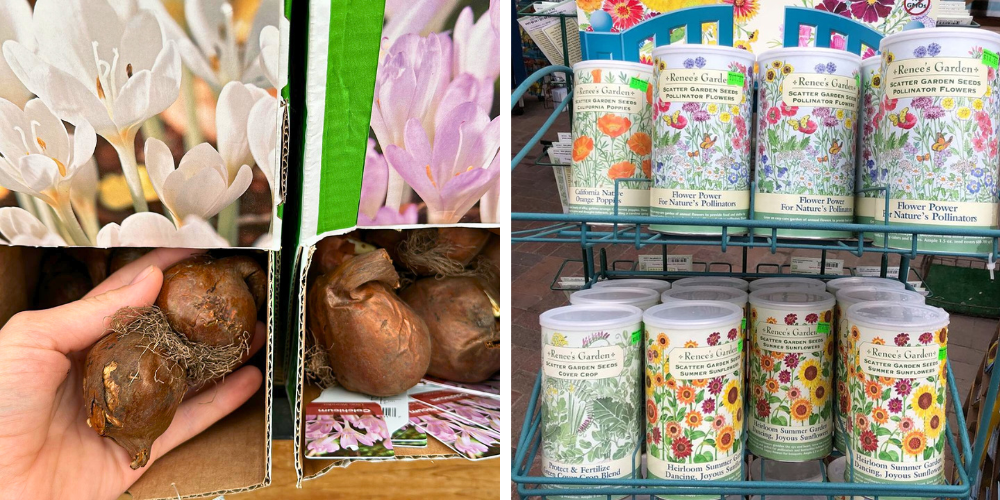
If your favorite green thumb enjoys getting their hands dirty and watching their garden grow, bulbs and seeds are wonderful choices for the holidays! We’ve got a huge selection of flower bulbs and plant seeds that will make your gift-giving one of a kind. 

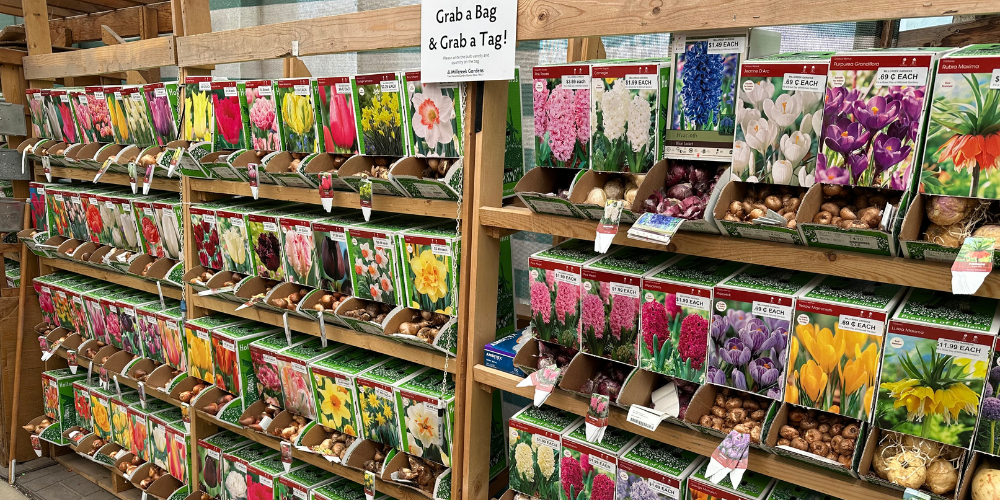
Flower Bulb Collections: Create stunning seasonal displays with curated collections of flower bulbs. From tulips to daffodils, these sets will inspire your green-thumbed companion to embrace the changing seasons with a riot of colors.

Organic Vegetable Seeds: For the sustainable gardener, a selection of organic vegetable seeds will ensure a fresh and healthy harvest. Whether it's heirloom tomatoes or colorful bell peppers, these seeds will delight everyone on your holiday list!

Seed Starter Kits: Put together a seed starting kit for the wanna-be grower in your life using supplies you can get from Millcreek Gardens! These are particularly great gifts for kids and those new to growing on their own. 

Houseplants

Houseplants are a wonderful gift for both experienced indoor gardeners and beginners alike, no wonder they're part of every holiday gift guide. They add a touch of nature to your space and provide numerous benefits, from improving air quality to reducing stress. At Millcreek Gardens, you can find a wide variety of houseplants to suit every taste and skill level—like these:

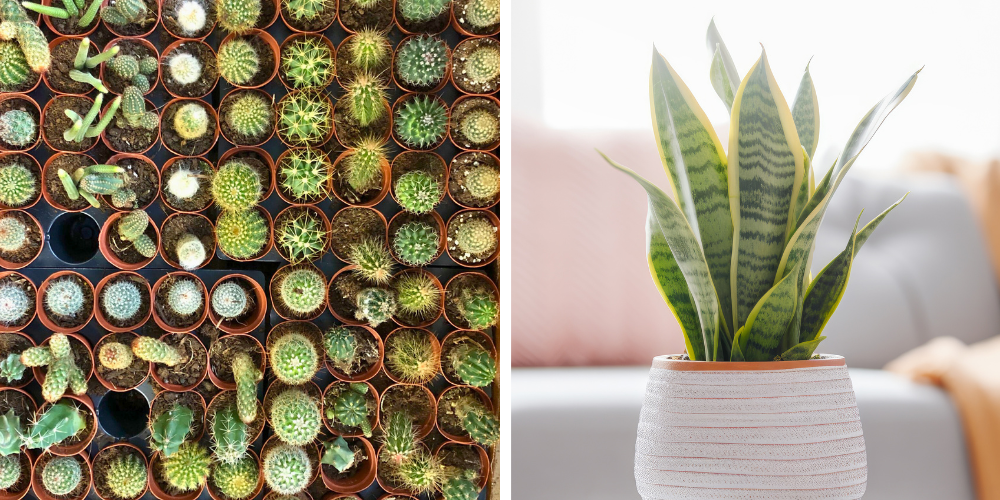
Succulents and Cacti: These low-maintenance plants are perfect for those who want to add a touch of greenery without a lot of fuss. They come in various shapes, sizes, and colors, look super cool, and are also fairly easy to care for.

Fiddle Leaf Fig: The Ficus lyrata, commonly known as the Fiddle Leaf Fig, is a popular choice for its elegant, large, violin-shaped leaves. It makes a striking addition to any room.

Snake Plant (Sansevieria): Snake plants are renowned for their air-purifying qualities and are incredibly easy to care for. They come in various leaf shapes and sizes, making them a versatile choice.

Gift Cards

If you're unsure about exactly what to get those last-minute gift recipients from the garden center, you can never go wrong with a Millcreek Gardens gift card! Gift cards give the gift of personal choice, which is something we can all be happy about! Let them choose their own favorite plants, pottery, or gardening supplies and who knows—you could just be the start of someone else’s gardening journey!

Unique Tools and Gardening Gloves

Every gardener needs the right tools, and we’ve got you covered this holiday season. Come on in and browse our selection of gardening tools and high-quality gloves to make digging in the dirt a little more exciting:

Ergonomic Hand Tools: These specialized garden tools are designed to be comfortable, efficient, and long-lasting. Whether it's a trowel, pruner, or weeder—these tools will make gardening a breeze.

Soil Testing Kits: For the more scientifically-inclined gardener, soil testing kits can provide valuable insights into soil quality and composition and ensure that their plants receive the best care possible.

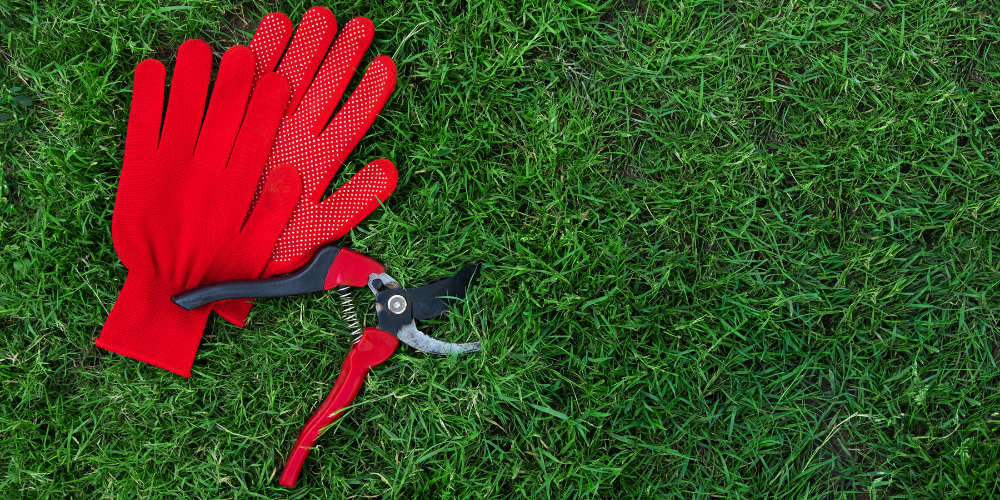
Gardening Gloves: Nobody wants a thorn for the holidays, so give them the gift of safety and comfort with our durable and stylish gardening gloves. Millcreek Gardens has options for every season, from light-weight gloves for summer to leather for those prickly pruning sessions of your roses.

The holiday season is a time for giving, and what better way to get started than with our holiday gift guide for Salt Lake City? Millcreek Gardens has everything you could possibly want to give the gift of green this holiday season, so come visit us today and we’ll help you tick everyone off your shopping list!

If you're wondering how to tackle the challenge of keeping your landscape beautiful when most of your plants have gone to bed for the season, worry no longer! One of the best ways to brighten up a gloomy cold-season landscape is to plant some seasonal container gardens and hanging baskets for a pop of much-needed winter color, and—lucky for you—we've got some expert advice in this area. In this blog, we'll show you how to create stunning seasonal container arrangements that thrive in the Utah off-season with little more than the right selection of plants and a bit of creative flair! 

Choosing the Right Winter Container Plants

Try planting these top plant picks this fall for some seriously cool winter color:

Winter Flowering Annuals: Yep, winter flowering annuals are really a thing! These incredible plants are hardy enough to withstand our cold winter temperatures, and they add vibrant colors and a delightful wow factor to containers and baskets. Some of our favorites for the Salt Lake City climate include pansies, violas, and ornamental kale. 

Evergreen Container Plants: Evergreens like dwarf conifers, boxwoods, and holly are ideal choices for winter container gardening, as they provide year-round greenery and offer a striking backdrop for other seasonal additions.

Frost-Tolerant Perennials: Adding frost-tolerant perennials like heuchera, sedum, and wintergreen into your fall and winter container designs is another beautiful way to enjoy the cold season outside. These plants can endure the winter chill and return year after year, ensuring your containers stay stunning!

Ornamental Grasses: Ornamental grasses such as feather reed grass and blue oat grass lend a touch of elegance to your winter containers. Their graceful plumes and textural interest are sure to stand out in your landscape against the stark winter backdrop.

Creative Winter Container Design

Now that you know what to plant, it's time to show off what your green thumbs can do! Here are some of our favorite winter container design ideas to get those creative juices flowing:

Colorful Accents 

We all know how drab and dreary winter can get, so fight those winter blues by adding some pops of color to your containers and baskets with decorative items like ornaments and ribbons! Use ribbons to tie bows around container handles or drape them elegantly over your planters. Think bold, vibrant colors that celebrate the fall and winter seasons, like red, orange, and gold. White and silver accents can also be added later in the season for a more festive vibe as the chill sets in. 

Interesting Sticks and Cones

Responsible foraging can yield unique treasures, like interesting sticks, pinecones, and seed pods, that make fantastic adornments for your seasonal containers and planters. These natural elements enhance your winter display's aesthetics and connect it back to your landscape and local environment.

Winter Garden Pot Themes

Create themed winter containers by decorating them with items like miniature sleds, ice skates, or rustic wooden crates. These charming additions can transform a bog-standard display into something super special and get the little ones excited about the holiday celebrations to come!

Winter Floral Displays

Don't limit your winter container creations to traditional flowers. Instead, try incorporating some dried flowers—like hydrangeas—or ornamental grass seed heads from your summer garden to add texture and dimension to your containers. 

Winter Container Gardening Tips for Success

While your creative instincts are a big part of your winter gardening success, proper care is just as crucial for ensuring the longevity and health of your winter container plants. Here are some basic care tips to help you keep your displays looking vibrant and festive all season long:

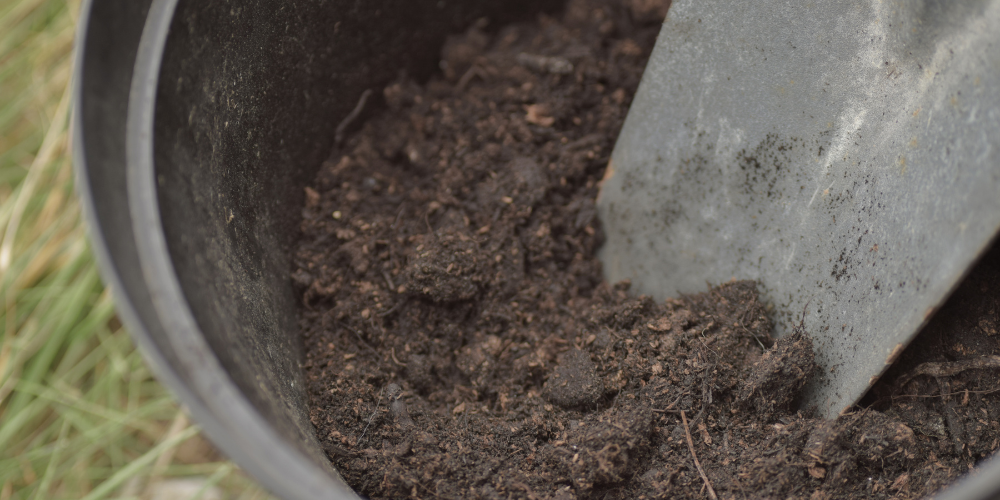
Prepare your soil: Fill your containers with well-draining potting soil and make sure they have plenty of drainage holes to prevent waterlogging your plants' roots and facilitate excess water runoff. Winter mulching is also a great way to prepare your soil.

Keep watering: Water your winter containers when the soil surface feels dry to the touch. Be cautious not to overwater, however, as this can lead to root rot. 

Mulch: Apply a layer of mulch on top of your container's soil to help insulate your plants' roots and maintain consistent soil temperatures.

Protect from Extremes: During particularly cold spells, move your containers to a more sheltered location or use frost protection cloths to shield your plants.

Prune and Deadhead: Regularly remove dead or faded flowers and leaves to encourage new growth and maintain the overall appearance of your containers.

Winter container gardening can be one of the best ways to keep the magic of gardening alive over the fall and winter months. Your container garden could even sustain your favorite Christmas dish. With careful plant selection, creative design ideas, and proper care, you can create stunning seasonal containers and planters that thrive in Utah's cold winter weather and liven up your outdoor spaces. We hope you'll let your containers shine throughout the season, and we look forward to helping you find all the best plants and gardening supplies you'll need to make your winter a happy one!

The best part of Halloween is the costumes. The second best? The decor, and for the plant-obsessed among us in Salt Lake City, there's no better way to decorate for spooky season than with a selection of eerie and mysterious plants! If you're looking to celebrate in style this year, check out these not-so-ordinary plants to keep your trick-or-treat table the talk of the town.

The Best Spooky Plants for Halloween Decor
So, what makes a plant truly spooky? Check out the bewildering personalities and appearances of these popular varieties for your fall and Halloween decor (if you dare), and you'll see for yourself!

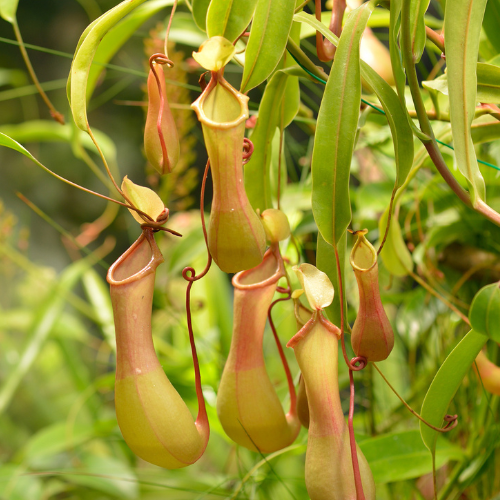
The Nepenthes Alata

Known more commonly as the Carnivorous Pitcher Plant, is a natural choice for a spooky Halloween plant. Its sinister, pitcher-shaped leaves, adorned with intricate patterns and a menacing allure, evoke images of nature's darker side. This carnivorous plant's ability to trap and consume insects adds to its eerie and hair-raising appeal. 

To maintain its haunting charm, provide bright, indirect sunlight on a windowsill and plenty of high humidity. Try to keep the soil consistently moist as well, but we recommend using distilled water as tap water can harm the plant. For an extra sinister touch, consider placing it alongside Halloween decorations, conjuring up visions of a botanical predator in the midst of the night. The Nepenthes alata adds a spine-tingling element to your Halloween decor.

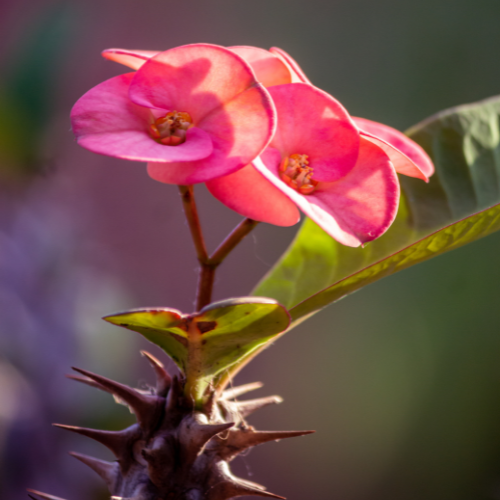
Crown of Thorns

With its dark, thorny branches and hauntingly beautiful red or orange blooms, it makes an ideal addition to any Utah Halloween decor. Its ghoulish appearance, reminiscent of a bewitched forest, can evoke a sense of some ancient and gothic enchantment. This succulent thrives with minimal care, perfect for those looking for low-maintenance, eerie elegance.

Place it in bright, indirect light, and water it sparingly, allowing the soil to dry between waterings—but beware! Caution is advised when handling this creature of the night as the thorns can be quite sharp. The Crown of Thorns plant's ghostly allure adds a touch of mystique to your Halloween ambiance.

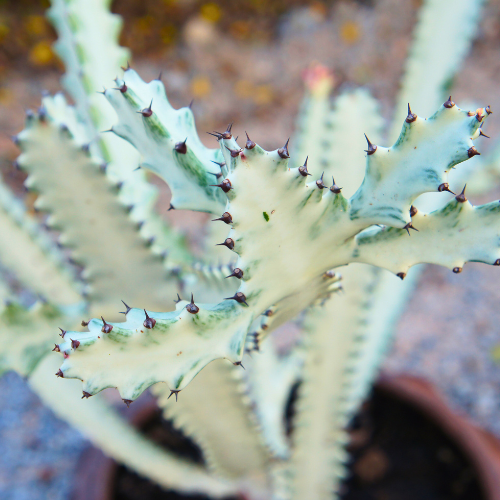
Ghost Cactus

The Ghost Cactus, with its spooky spectral appearance, is the perfect Halloween pal. This unique cactus variety features pale, almost translucent, green or white flesh, resembling apparitions from the spirit world. Its haunting, almost otherworldly presence is a natural fit for Halloween decor, invoking a sense of the supernatural and the unknown.

Care is delightfully low-maintenance, too! Place it in bright, indirect light and water sparingly, ensuring the soil dries out completely between waterings. The Ghost Cactus serves as a captivating, ghostly addition to your Halloween setup, and its resilience adds an effortless yet chilling touch to your botanical collection.

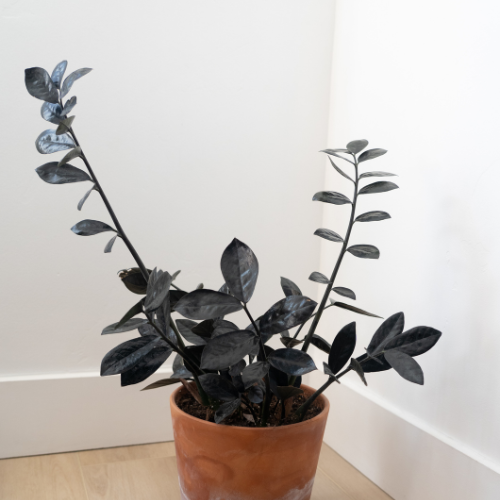
Raven ZZ Plant 

The Raven ZZ plant can be best described as the popular ZZ plant's goth cousin, making it an absolute must for Halloween enthusiasts. With its glossy, jet-black leaves, the Raven variety's unique appearance exudes an air of mystery and enchantment that makes it a perfect choice for Halloween decor.

This plant adds an element of darkness, and can serve as a beautiful contrasting element amongst the other Halloween-themed plants in your display. The Raven ZZ plant is highly adaptable to different light conditions, making it a great choice for rooms in the home with less light.

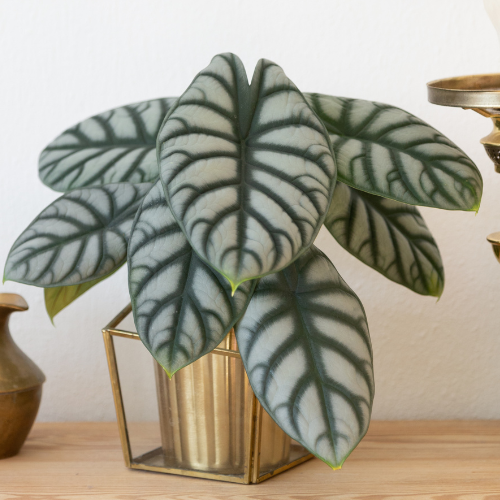
Alocasia Silver Dragon 

Alocasia Silver Dragon's spooky allure isn't just about its appearance; it also demands specific care, which can add to its eerie charm. This plant prefers indirect, bright light, but not direct sunlight, which can scorch its unique silver-green leaves. It thrives in filtered or partially shaded areas, replicating its natural habitat beneath the rainforest canopy.

When it comes to watering, the Silver Dragon is somewhat finicky (as most dragons are), so it's crucial to maintain evenly moist, but not waterlogged, soil. Silver Dragons are sensitive to overwatering, and this is not a plant you want on your bad side. We recommend allowing the top inch of the soil to dry out between waterings and to use a well-draining potting mix for best results. The element of suspense and caution taking care of this plant makes it perfect for our list!

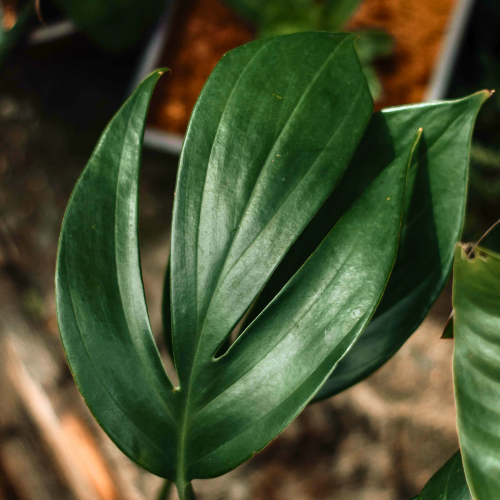
Rhaphidophora Decursiva

The Rhaphidophora Decursiva, commonly known as the Dragon Tail plant, is a must-have for Halloween. We love its heart-shaped leaves that exhibit a mesmerizing dragon scale pattern that perfectly remind us of mythical creatures running around the neighborhood. This dark green vine exudes a sense of shadowy allure, and we think everyone should have one beside their trick or treat bowl this year. 

To maintain its haunting charm, provide bright, indirect light and keep the soil consistently moist, but not waterlogged. Dragon Tail plants thrive in high humidity, which can be achieved by misting or placing a shallow dish of water nearby. This plant adds a touch of enchantment to any Halloween-themed display while requiring relatively simple care.

Curating your Halloween garden decor is an easy and unique way to boost your spooky vibes this year, so give these interesting plants a place in your home for a night to remember. From the creepy jaws of the Pitcher Plant to the dark and mysterious Silver Dragon, these plants pack a punch with an extra layer of mystique. For more great seasonal plant recommendations, come visit us today at Millcreek Gardens in Salt Lake City. 

Happy Halloween!


Winter is that time of year when everything seems to shut off for a little while, but while the world may seem to be in deep hibernation, there's one element of nature that continues to dazzle the landscape when everything else is asleep: winter trees!

Winter trees bring a unique and enchanting beauty to your landscape, transforming the colder months into something to look forward to. In this blog, we'll explore some of Utah's prettiest fall and winter trees that are sure to add a flourish of seasonal pizazz to your landscape. From vibrant maples to evergreen giants, we at Millcreek Gardens know there is a tree for every garden!

Celebrating Winter Trees in Your Landscaping
Utah's winter trees offer more than just aesthetic appeal; they provide habitat for wildlife, improve air quality, and contribute to a healthier environment. Incorporating these trees into your landscaping not only enhances your garden's visual appeal but also supports our local ecosystem, a true win-win!

The Best Trees to Plant in Salt Lake City for Winter Interest
Here are a few of our absolute favorite tree varieties you should plant this fall for some super visual interest come winter! 

Millcreek Gardens-Salt Lake City-Utah-Celebrating Winter Trees-red maple trees

Maples
Utah's maples are renowned for their vibrant fall foliage, making them a must-have for any landscape. From the sugar maple's deep crimson hues to the red maple's fiery oranges, these trees add a burst of color to your autumn canvas. They also make excellent choices for screen plants, providing privacy, shade, and seasonal beauty. 

Sweet Gum
The sweet gum tree, known for its distinctive star-shaped leaves, is another winter favorite here in Salt Lake City! As autumn picks up speed, the sweet gum's leaves transform into a mesmerizing palette of reds, purples, and yellows, and even after they fall, the tree's spiky seed pods remain throughout the winter, adding a unique texture to your landscape.

Flowering Pear
Flowering pear trees, often celebrated for their spring blossoms, are just as charming during the fall and winter. These trees retain their leaves well into winter, showcasing a lovely mix of golden yellows and rich reds.

Evergreens
When it comes to winter planting, evergreen trees take center stage. They offer a diverse range of options, each with its unique aesthetic appeal. Whether you're looking to create a focal point in your garden or establish a subtle backdrop, there's an evergreen to suit all of your needs. They also make the best holiday trees!

Pine
Pine trees are synonymous with winter landscapes, with their long, slender needles and iconic cones creating a striking visual contrast against the pristine white snow. The ponderosa pine, in particular, is a native species that thrives in Utah's climate. Planting a few of these majestic trees can transform your garden into a winter wonderland.

Spruce
Spruce trees bring a touch of refinement to the winter garden, exuding a classic charm with their dense foliage and conical shape. The blue spruce, with its distinctive blue-gray needles, is an especially popular choice for winter landscapes, as it both provides visual interest and acts as a windbreak, shielding your garden from harsh winter gusts.

Dwarf Conifers
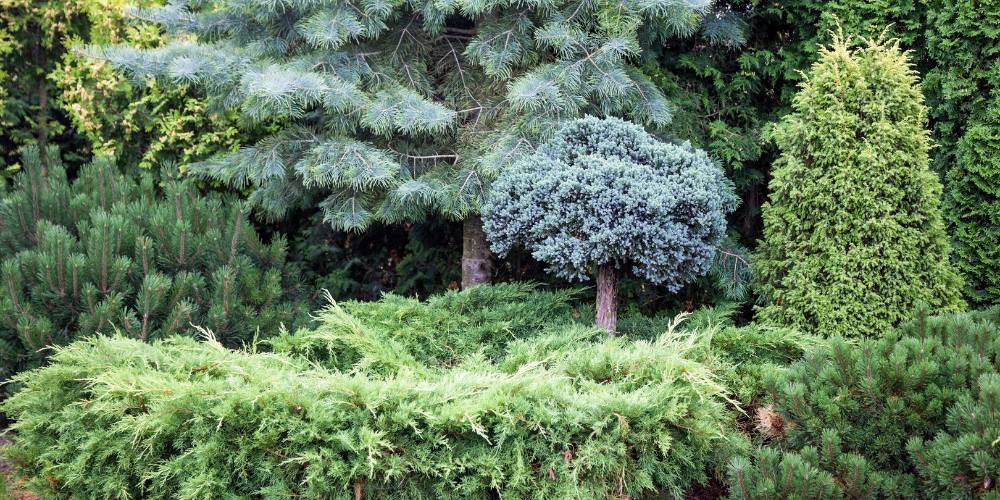
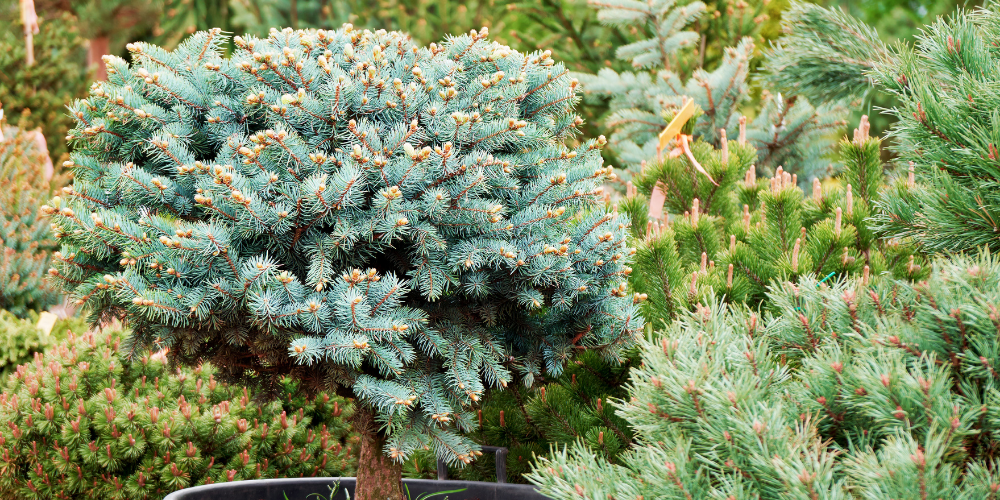
For smaller spaces or container gardens, dwarf conifers offer the same winter appeal as full-sized evergreens in a more compact package. These pint-sized beauties come in various shapes and colors, from the globe-shaped dwarf Alberta spruce to the golden-hued dwarf Mugo pine. Their diminutive size makes them versatile and easy to incorporate into your winter garden.

Planting Winter Trees for Seasonal Style
While it might seem counterintuitive, winter is an ideal time to establish new trees in your landscape, as the cooler temperatures encourage root development without the stress of scorching summer heat. Here are some winter tree-planting tips to give you and your landscape a leg up this season:

-Choose Native Species: Opt for trees that are well-suited to Utah's climate. Native species are adapted to the local conditions and require less maintenance.

-Prepare Your Soil: Ensure your soil is adequately prepared by adding organic matter and providing good drainage to set the stage for healthy root growth.

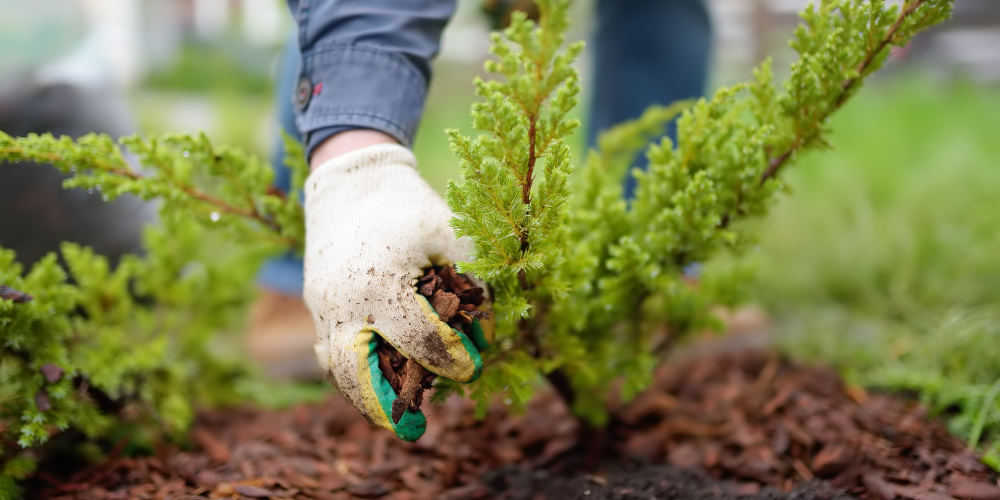
-Mulch Properly: Mulch around the base of newly planted trees to retain moisture and insulate the soil against extreme temperature fluctuations.

-Water Regularly: Even in winter, it's essential to monitor your soil's moisture levels. Water your newly planted trees when the ground is not frozen, but be cautious not to overwater.

-Pruning and Maintenance: Prune your trees during the dormant winter months to shape them and remove dead or damaged branches.

Winter Tree Care and Maintenance Tips
Once your winter trees are in place, proper care and maintenance are essential to ensure their health and longevity. Here are some of our best winter tree care tips:

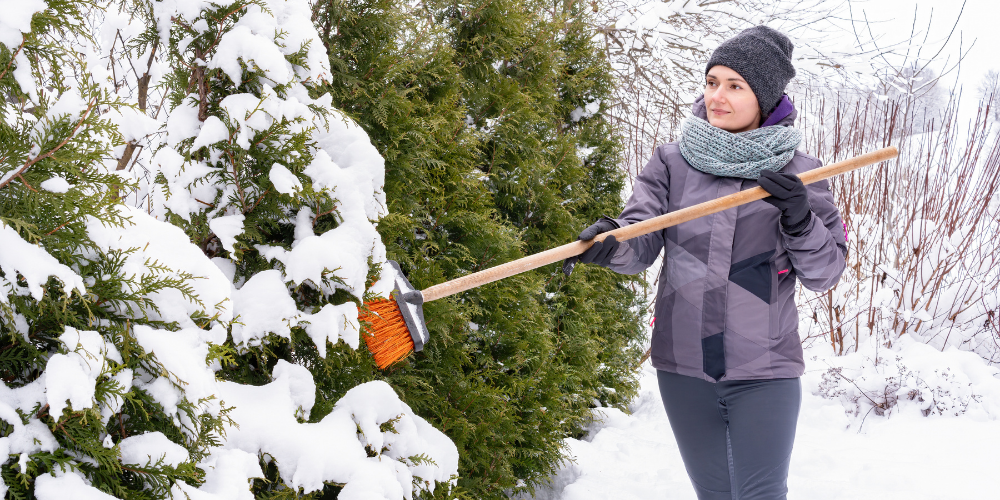
-Monitor Snow Load: After heavy snowfalls, gently brush snow off tree branches to prevent damage or breakage.

-Protect Against Deer and Wildlife: In winter, hungry wildlife may try to snack on your trees, so use protective measures like tree wraps or fencing to prevent them from becoming someone's next meal.

-Continue to Water: If there is a winter drought or the ground isn't fully frozen, continue to water your trees to prevent dehydration.

-Mulch for Insulation: Maintain a layer of mulch around the base of your trees to insulate the soil and protect their roots from extreme cold.

-Inspect Regularly: Periodically inspect your trees for signs of disease or pest infestations and address any issues promptly to prevent them from spreading.

With a few of these trees on proud display, you'll take your backyard from frozen wasteland to winter wonderland in no time this year! If you're still not sure which winter trees are best suited for your unique landscape, come see us today at Millcreek Gardens for more expert advice!

Winter is a charming season full of its own unique beauty, but the cold and frost it brings with it can be a challenge for many plants—both young and old alike. The good news is that there are some tried and tested methods for keeping your garden safe and cozy when the cold hits. Here are some of our favorite ways to winterize your Utah landscape this year! 

1. Embrace Mulching for Winter Protection

Believe it or not, one of the best ways to protect your plants from frost damage is through mulching! Mulch acts as a natural insulator and helps regulate soil temperature and retain moisture, which is vital when dealing with Utah's cold, dry climate.

How to Mulch Your Garden for Winter
Mulching your garden is a pretty simple, straightforward task, but here are a few pointers to help you do it right this season:

-Give Your Plants a Heavy Drink: Water your plants thoroughly before applying your mulch. Moist soil holds heat better than dry soil, making this step crucial for protecting your garden this winter.

-Apply a Generous Layer of Mulch: Spread a thick layer of mulch—about 2-4 inches—around the base of your plants. For the best results, use an organic mulch such as straw, wood chips, or leaves.

-Keep Mulch Away from Plant Stems: Be sure to leave a small space between the mulch and the stems of your plants to prevent rot and allow for proper air circulation.

2. Safeguard Vulnerable Plants by Bringing Them Indoors
Some plants are pretty good at surviving the Utah winter, but others are more sensitive to colder temperatures. If you have any tender perennials or tropical plants in your garden, now's the time to move them indoors for the winter. Follow these steps before bringing them inside to ensure a smooth transition and prevent unwanted pests from hitching a ride into your home:

-Shower Your Plants: Several times before moving your plants indoors, gently spray them with water from a hose or shower attachment to help dislodge any lingering pests like aphids or spider mites.

-Inspect for Pests: Carefully examine your plants for signs of pests or disease. Isolate any affected plants and treat them accordingly before bringing them indoors.

-Choose the Right Indoor Location:
Place your indoor-bound plants in a location with adequate sunlight and temperature control, like a sunny windowsill or a greenhouse.

3. Overwintering Summer Bulbs for a Blooming Spring
Bulbs bring delightful bursts of color to your garden in the spring and summer, but they need special care to survive the winter months. Fortunately, many summer bulbs can be overwintered, allowing you to enjoy their beauty year after year. Here are a few of our favorites, along with tips to help you overwinter them properly:

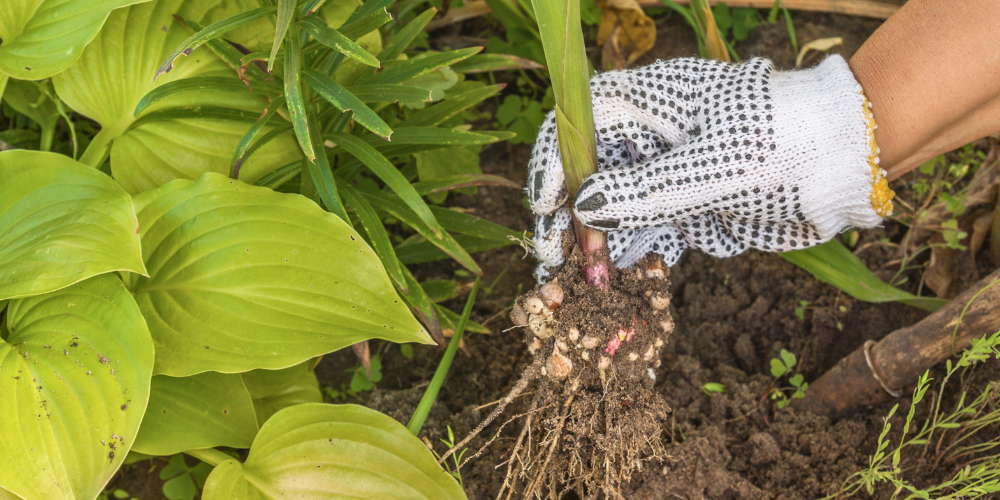
  • Canna Lilies: To overwinter canna lilies, dig up the bulbs before the first frost and store them in a cool, dry place like a basement or garage, keeping them in a container with peat moss or sawdust to prevent drying out.
  • Begonias: Lift begonia bulbs in the fall after the foliage dies back. Clean the bulbs and let them air dry for a few days, then store them in a cool, dark place, checking on them periodically to ensure they're not drying out.
  • Dahlias: Dahlias should also be dug up before the first frost. Trim the stems, shake off excess soil, and let them air dry for a day or two before storing them in a cool, dry place in vermiculite or peat moss to prevent drying.
  • Gladiolus: Gladiolus corms should also be dug up in the fall. Allow them to dry out, and, after about two weeks, trim the foliage and store them in a mesh bag or a box filled with peat moss.

  1. Timing Matters: Know Your Frost Dates

The timing of the first frost in Utah can vary depending on your specific location, meaning it's essential to know the average first frost date in your region to prepare your garden effectively. This information will help you plan when to start your winter garden preparations. For Salt Lake City, the average first frost dates are typically as follows:

  • Early October: Northern areas, including Salt Lake City proper.
  • Late September: Elevated areas and valleys to the east.

Keep in mind that these dates are approximate; it's still a good idea to stay informed through local weather forecasts and gardening resources for more precise timing.

  1. Prune and Tidy Up Your Garden

Before the frost arrives, take some time to prune and tidy up your garden by removing dead or diseased plant material to prevent the spread of disease. It's also a good idea to trim back any overgrown branches that could be damaged by heavy snow or ice.

Millcreek Gardens-Salt Lake City-Utah-Preparing the Garden for Frost-cold frame garden

Additional Tips for Winter Garden Care
The techniques and methods we've discussed so far will give you a good starting point for your winter garden preparations, but here are a few other tips to keep in mind as the temperatures continue to drop:

-Protect Your Evergreen Shrubs: If you have evergreen shrubs in your garden, we suggest wrapping them in burlap to shield them from harsh winter winds and heavy snowfall.

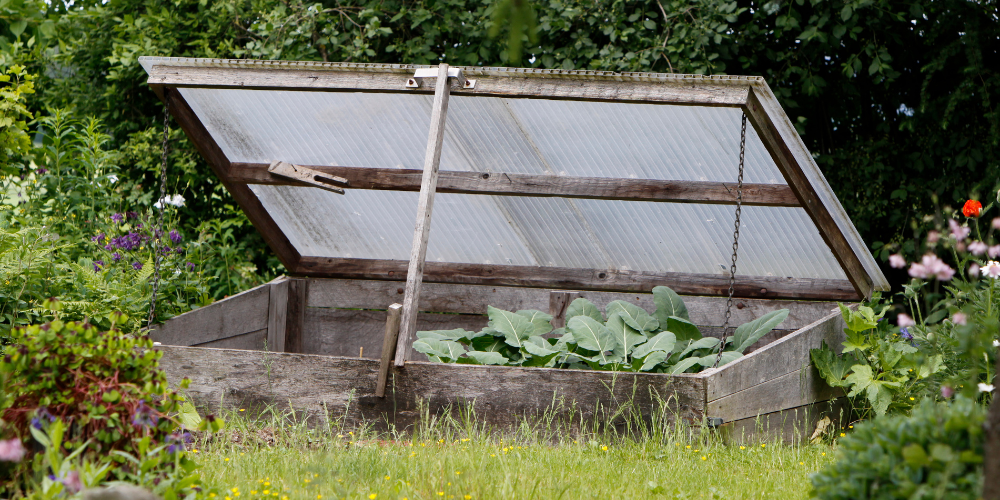
-Consider Cold Frames: Cold frames are a perfect way to lengthen the growing season and protect your more delicate plants from frost; plus, you can also use them to grow cold-hardy vegetables throughout the winter!

-Monitor Soil Moisture: Even in winter, it's essential to monitor your soil's moisture levels. However, if the ground does dry out, water your plants sparingly, as winter winds can quickly dehydrate them.

Preparing your garden for the first frost in Utah requires careful planning and attention to detail, but these tips, tricks, and techniques should help you approach this task with confidence. Come by and see us today at Millcreek Gardens for more helpful advice and all the supplies you'll need to be frost-ready this year in Salt Lake City!

Spring flowers are one of the most magical sights to behold after a long and cold Utah winter, but did you know the magic of spring blooms actually begins in the fall? Planting spring-flowering bulbs right now sets the stage for a spectacular early-season show. In this comprehensive guide, we'll dig into the art of planting tulips, crocus, daffodils, iris, and more!  

Millcreek Gardens-Salt Lake City-Utah-Planting Spring Flowering Bulbs in Fall-spring bulbs for sale

Why Should I Plant Spring-Flowering Bulbs in the Fall? 
As you probably know, spring-flowering bulbs require a chilling period of a minimum of 13 weeks. This makes Utah’s cold winter climate the perfect place to grow these beauties. Planting these bulbs in the fall gives them loads of time to establish strong root systems before the chili winter sets in, helping them gather enough nutrients and moisture from the soil to ensure a robust and healthy start in the spring. Cool temperatures allow robust root growth to sustain the bulb. The cold winter weather also triggers the bulbs' dormancy, assisting them to store energy for their stunning spring debut! 

Choosing the Right Bulbs for Salt Lake City 
Before you start planting, it's important to choose the right bulbs for your Salt Lake City garden. Here are some popular choices that thrive in our region: 

1. Tulips

Tulips are one of the most iconic spring-flowering bulbs and are available in various colors and shapes that add vibrancy to any garden. For Salt Lake City, consider planting three seasons of blooms, early (Fosteriana), mid (Darwin Hybrid & Triumph), and late (long stemmed, Lily, Fringed, Parrot, Bunch Flowering) for extended spring blooms. Bunching Flowering are LaRene’s favorite! 

Millcreek Gardens-Salt Lake City-Utah-Planting Spring Flowering Bulbs in Fall-alliums

2. Crocuses

Crocuses are among the earliest bloomers in spring, often poking right up through the snow. These cheerful, low-growing flowers come in shades of purple, white, and yellow and are perfect for naturalizing your garden. 

3. Daffodils (Narcissus)

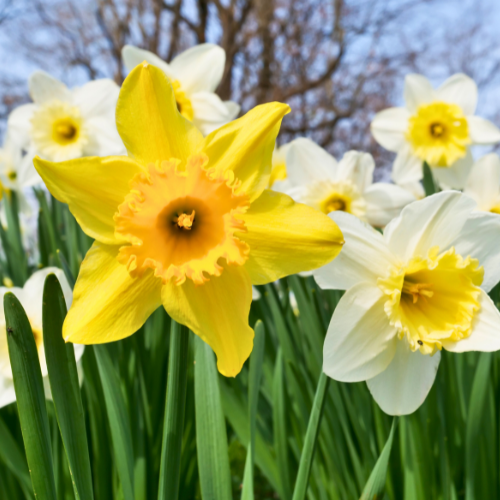
Daffodils are hardy and reliable spring flowering plants, making them an excellent choice for Utah gardens. Their bright yellow or white petals and trumpet-shaped centers always create a stunning display! Consider planting the unique multi stem or split corona varieties. Daffodils are also the very best for naturalizing because of their strong reblooms for years to come. 

4. Irises

Irises come in a great selection of colors and sizes, making them an easy flower to fit into any garden design. They are also well-suited to Salt Lake City's climate and can be planted alongside other spring-flowering bulbs for a dynamic garden bed. 

5. Alliums

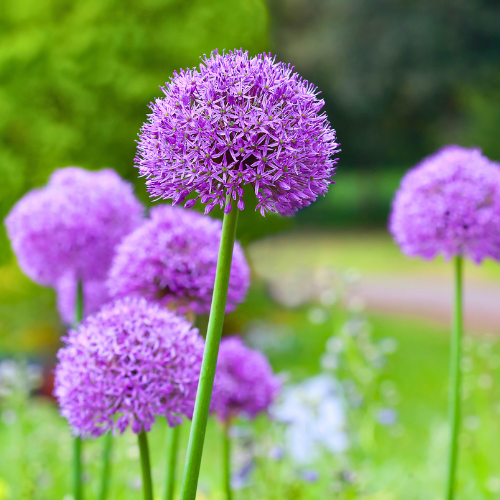
The unique globe-shaped blooms of alliums, or ornamental onions, add a unique flourish to your garden. These bulbs are known for their deer resistance and make for show-stopping focal points in any garden design. They come in extra-large to small, from pink blooms to purple shades and white. 

Preparing Your Garden for Planting 
Now that you've chosen your bulbs, it's time to prepare your garden for planting! Follow these steps to ensure a successful bulb-planting experience: 
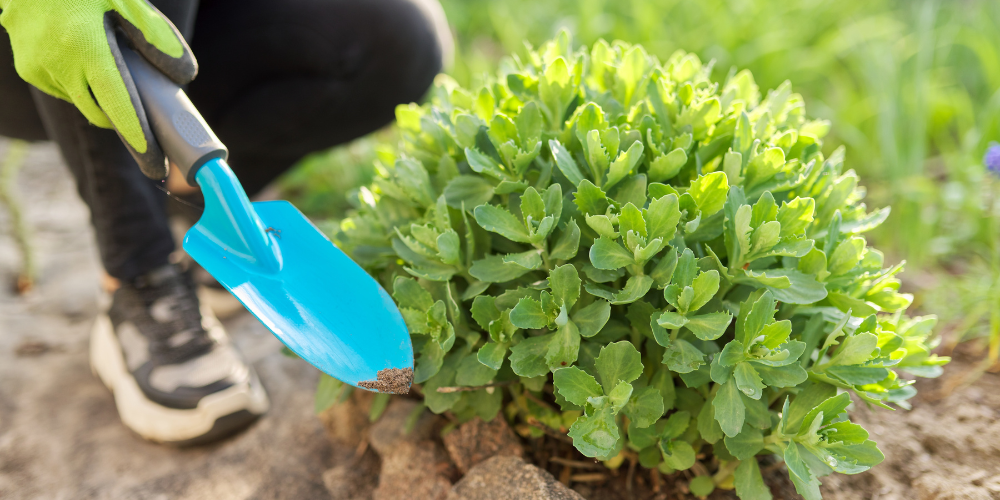
Location, Location, Location 
We suggest choosing a sunny spot in your garden for your bulbs, as they need at least six hours of sunlight daily to thrive. You should also make sure the soil drains well to prevent waterlogging your bulbs, which can cause rot. 

Soil Preparation 
Give bulbs a good home. Feed your soils by adding compost generously to the soil. It's crucial to amend the soil to provide optimal conditions for your bulbs. Be sure to add some bulb food too! 

Digging to the Right Depth 
The depth at which you plant your bulbs depends on their size. As a general rule, you should plant your bulbs at a depth that is around three times their bulb height. For example, if a bulb is 2 inches tall, planting depth should be around 6 inches deep. 

Proper Spacing 
Space your bulbs according to the recommended distance on the bulb packaging. Proper spacing allows for better air circulation and prevents overcrowding. 

Planting Technique 
For best results, plant your bulb in the hole with the pointed end facing up. Cover the bulb with soil and gently pat it down to remove air pockets. Finally, water thoroughly after planting to help settle the soil. 

Bonus Tip: Plant Some Pansies 
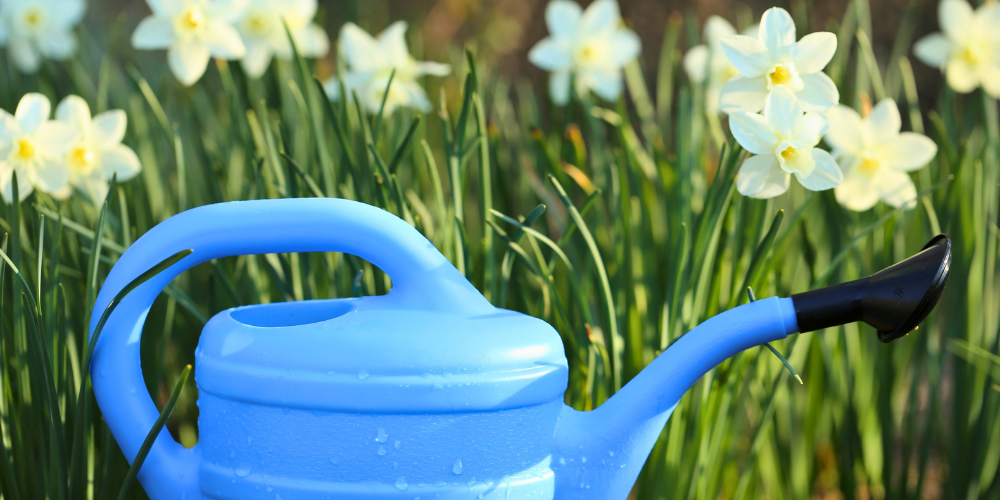
One of our favorite design tips is to plant pansies over your bulbs! Pansies are hardy, cool-season annuals that can actually survive our winters, providing an extra burst of early-season color come spring and brightening up your landscape during the colder months. Check out the Capitol Building or the gardens at Temple Square. 

Millcreek Gardens-Salt Lake City-Utah-Planting Spring Flowering Bulbs in Fall-watering can

Caring for Your Spring-Flowering Bulbs 
Just because your bulbs are in the ground doesn't mean your work is over! To ensure a stunning spring display, follow these care tips: 

1. Mulch: Apply a layer of mulch over your planted bulbs to help regulate soil temperature, retain moisture, and prevent weed growth. 

2. Watering: When watering your bulbs, keep the soil evenly moist but not waterlogged, especially during dry spells in the fall. Avoid overwatering, as bulbs can rot in soggy conditions. 

3. Fertilization: Spread a balanced, slow-release fertilizer amongst your bulbs in the spring as the shoots emerge to provide them with the nutrients they need for flowering. 

4. Deadheading: Once your spring-flowering bulbs have finished blooming, remove any spent flowers to encourage them to store their energy for the next year. 

Getting your spring-flowering bulbs into the ground now will ensure a rewarding garden next year. If you ever feel stuck, don't hesitate to stop by Millcreek Gardens for more planting advice to help you move into fall with confidence—and to check out our selection of beautiful bulbs! 

Just because summer is over doesn't mean you have to stop enjoying your outdoor space! Here are some of our favorite ways to say goodbye to summer days and celebrate the beautiful harvest season in style. 

What Should I Plant in My Fall Garden
If you haven't already started your fall planting, we recommend you do so now! Incorporating these vibrant seasonal plants into your autumn garden design is just one of the many ways you can make the most of the season's spectacular color show:

Sunsparkler Series Sedum: We love these low-growing succulents for their brilliant foliage. Transforming from green to rich reds and purples as the temperatures drop, these beauties make an excellent groundcover and provide a unique touch of fall flavor to your Salt Lake City garden.

Tiger Eye Sumac: This deciduous shrub is a showstopper in the fall garden, with fern-like foliage turning brilliant shades of orange and red.

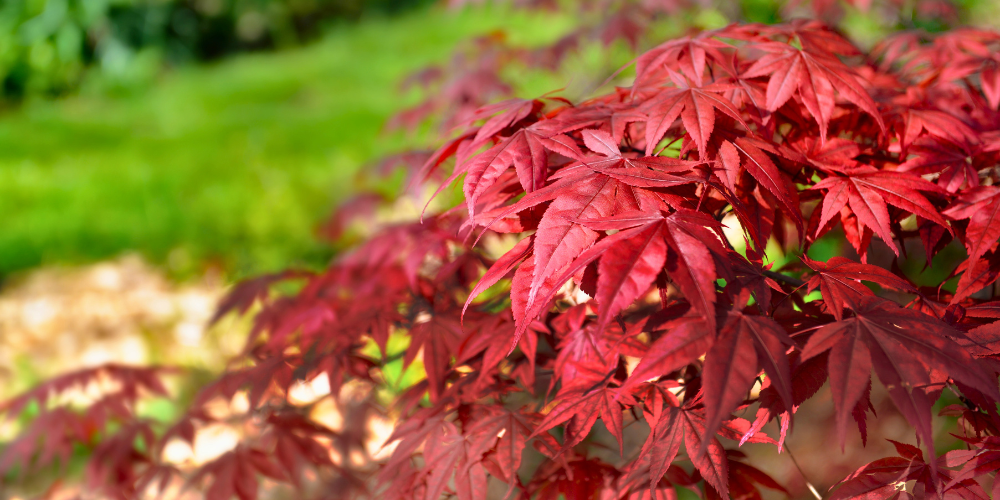
Maples, Aspens, and Japanese Maples: These trees are famous for their vibrant autumn foliage. Sugar maples are renowned for their fiery red leaves, aspens create a shimmering sea of gold, and Japanese maples offer a more delicate touch with their crimson hues.

Design Ideas for Your Autumn Garden
Seasonal plants aren't the only way you can infuse your Salt Lake City garden with the enchanting colors of fall. Let's dive into some design ideas to make your autumn garden truly spectacular:

Foliage Focal Points
Create focal points in your garden by strategically planting trees and shrubs that boast striking autumn foliage. A Japanese maple near a seating area adds vibrant color and textures, while Tiger Eye Sumac can be used to frame the entrance to your garden and create a warm, inviting atmosphere.

Seasonal Containers
Change up your garden's vibe and add versatility to your autumn landscape with seasonal containers! Place these containers around your garden to provide bursts of color that complement the changing foliage and greet company at the front door. We love packing ours full of mums, ornamental kale, and pansies in rich fall hues.

Ornamental Grasses
Ornamental grasses are not only low-maintenance but also provide a lovely contrast to the bold colors of autumn. Consider planting varieties like 'Karl Foerster' feather reed grass or switchgrass, which sway gracefully in the autumn breeze, adding movement and texture to your garden.

Fire Pits and Cozy Seating
As the weather cools, make your garden a cozy place to gather with friends and family. Adding features like a fire pit or outdoor fireplace surrounded by weatherproofed or covered seating to your landscape design creates a welcoming spot to enjoy the crisp fall evenings, roast marshmallows, and sip on warm cider.

Incorporate Hardscaping Elements
Enhance the autumnal charm of your garden with hardscaping elements. Installing natural stone pathways or a rustic wooden pergola draped with fall-blooming vines like clematis provides structure to your garden while allowing the natural beauty of fall to shine through.

Native Plants for Sustainability
A final seasonal tip is to incorporate native Utah plants into your autumn garden design. Not only are they well-suited to the local climate and require less water and maintenance than other non-native varieties, but they also support local wildlife and pollinators. Some of our favorite native options include Utah serviceberry, desert marigold, and Gambel oak.

Lighting for Ambiance
As the days grow shorter, well-placed outdoor lighting can extend the enjoyment of your garden into the evening. Use soft, warm lighting to highlight the beauty of your autumn garden, creating a magical atmosphere for nighttime gatherings.

Maintenance Tips for Your Autumn Garden
Now that you've got your autumn garden set up exactly how you want it, here are a few maintenance tips to help you keep it looking its best:

1. Regularly rake and remove fallen leaves to prevent them from smothering your plants and creating a slippery surface.

2. Prune deciduous trees and shrubs after they've shed their leaves to maintain their shape and promote healthy growth for the spring.

3. Keep an eye on your garden's watering needs, as plants may still require moisture during the fall. Adjust your watering schedule based on weather conditions.

4. Mulch your garden beds to insulate plant roots and conserve moisture. Use organic mulch like shredded leaves or wood chips for an extra layer of autumn charm.

Switching to an autumn garden design is a rewarding and visually-stunning experience. The unique blend of colors and textures brought to us by this spectacular season is a natural gift that deserves to be celebrated, so come visit the garden center today to stock up on fall plants, mulch, and expert harvest advice you'll need to do it right!

September is a super month for getting those garden chores done, and one of our favorite ones to tackle every fall is dividing perennials. Not only is it a lot of fun, we don’t think there’s a better way to get free plants! Dividing perennials comes with a host of health benefits in the garden, too, so let’s dig in and find out the best way to grow your green family and spread the perennial love this season. 

The Benefits of Dividing Perennials in Salt Lake City
As if getting FREE plants wasn’t good enough, here are all of the other reasons you need to separate those overgrown beauties this fall:

Promotes Plant Health and Vigor
We have a pretty unique climate here in Utah, with some hot summers and cold winters that can be challenging for some plants. Dividing perennials is an effective way to rejuvenate older plants, ensuring they remain healthy and vigorous. As perennials grow, their root systems can become crowded, leading to reduced flower production and overall vitality. Dividing them every few years allows you to refresh the soil around the plants and encourage new growth.

Adapt to Salt Lake City's Climate
Salt Lake City's diverse microclimates demand adaptable plants. Dividing perennials not only revitalizes them but also allows you to relocate or redistribute them according to their specific needs. For instance, you can move sun-loving plants to a sunnier spot, and shade-tolerant varieties to shadier areas, ensuring they thrive in the city's ever-changing weather.

Reduce Maintenance Costs
In a world where water conservation is paramount, maintaining a garden can be expensive! Dividing perennials helps reduce maintenance costs as healthy, well-spaced plants require less watering and fertilizer. By optimizing your garden's layout, you can achieve a more water-efficient and cost-effective landscape.

How to Divide Perennials in Salt Lake City
So, how do you go about getting those free plants, anyway? Here’s how:

1. Timing is Everything!
The ideal time to divide perennials in Salt Lake City is in early spring or early fall. With the mild weather, you’re not as likely to stress your plants out with a transplant. For this reason, try to avoid dividing perennials during the scorching summer months when the heat can be harsh on both the plants and you!

2. Prepare Your Tools
You’ll need some good tools for this job, including a sharp spade or garden fork, a pair of pruners or scissors, a bucket, and gardening gloves. Make sure your tools are clean and well-maintained to prevent the spread of diseases in the garden.

Millcreek Gardens-Salt Lake City-Utah-Dividing perennials guide-digging up iris

3. Dig it Up!
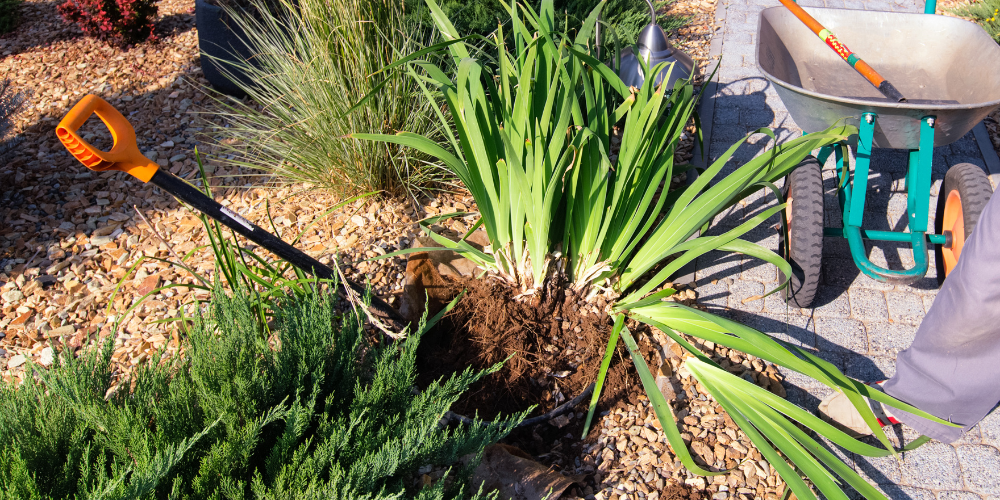
Start by digging around the base of the perennial plant, creating a trench that extends beyond the plant's drip line (the outermost edge of its foliage). Carefully lift the plant out of the ground, taking care not to damage the root ball.

4. Divide and Conquer
Use your clean spade or garden fork to divide the plant into smaller sections. Depending on the plant's size and growth pattern, you may be able to divide it into two or more sections. Ensure that each division has healthy roots and shoots.

5. Replant and Care
Replant your fresh divisions in their new spots, making sure to amend the soil with organic matter if necessary. Water thoroughly to help the roots establish themselves in their new homes, and continue to care for the divided plants as you would for any newly-planted perennials.

Sharing Your Perennials
If you find yourself with more divided plants than you can squeeze into your garden, consider sharing them with others. Here's why it's a fantastic idea!

Strengthens Community Bonds:
Sharing your divided perennials with neighbors, friends, or local gardening clubs fosters a sense of belonging and community. It's a beautiful way to connect with others who share your passion for gardening.

Millcreek Gardens-Salt Lake City-Utah-Dividing perennials guide-daylilies in gardens

Beautify Your Neighborhood:
By distributing divided perennials throughout your neighborhood, you contribute to the overall improvement of your community. Your generosity might also inspire others to invest in their own gardens, creating a more appealing and welcoming environment and increasing food sources for the local pollinators

Dividing perennials in Salt Lake City is not just a gardening practice; it's a way to enhance your garden's health, adapt to the local climate, and reduce maintenance costs. As you dig, divide, and share your perennials, you'll not only witness the growth of your garden, but also the growth of a stronger, more vibrant community. 

So, grab your spade, start dividing, and watch your garden and friendships flourish, but remember to stop by Millcreek Gardens to top up on those important planting supplies today!